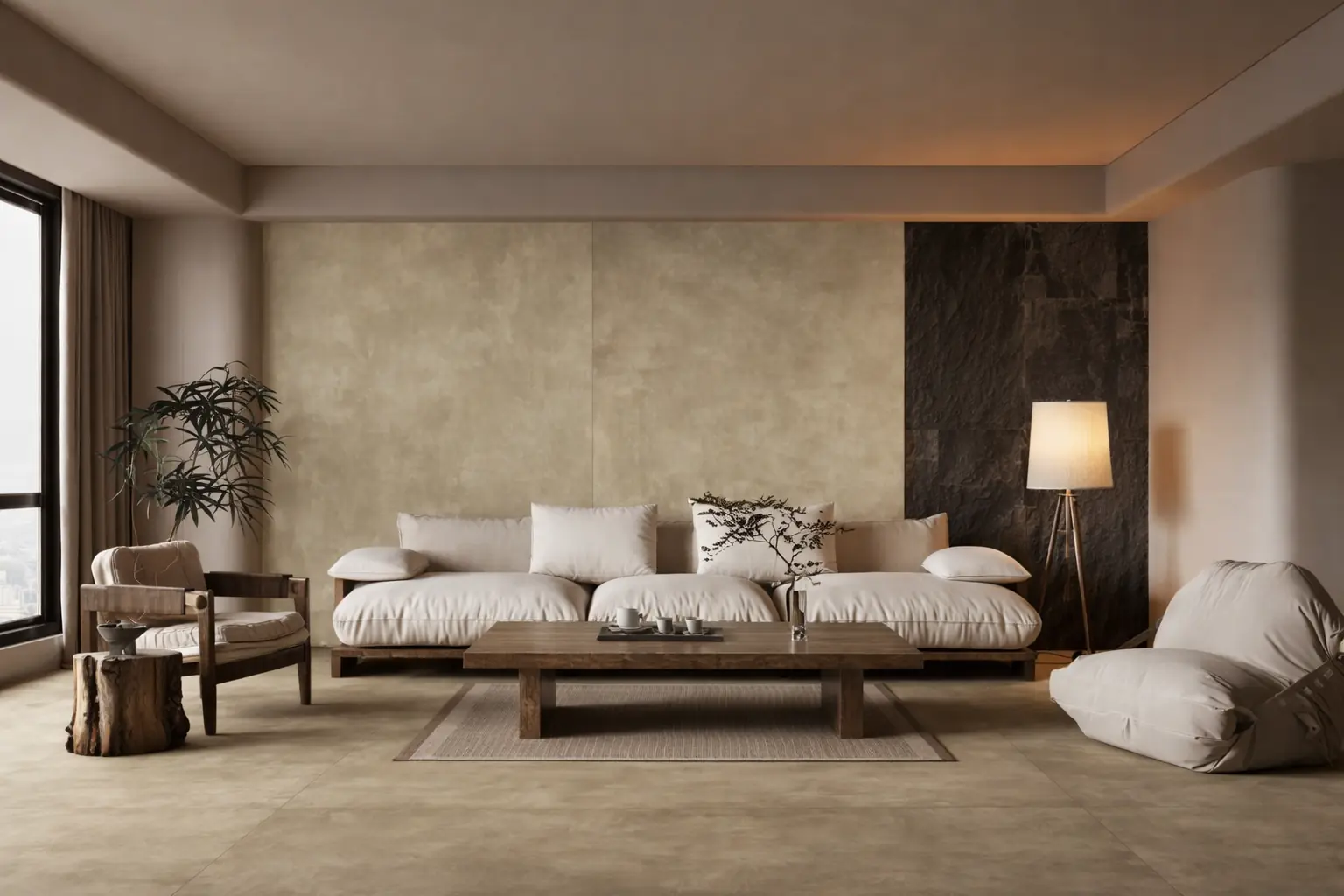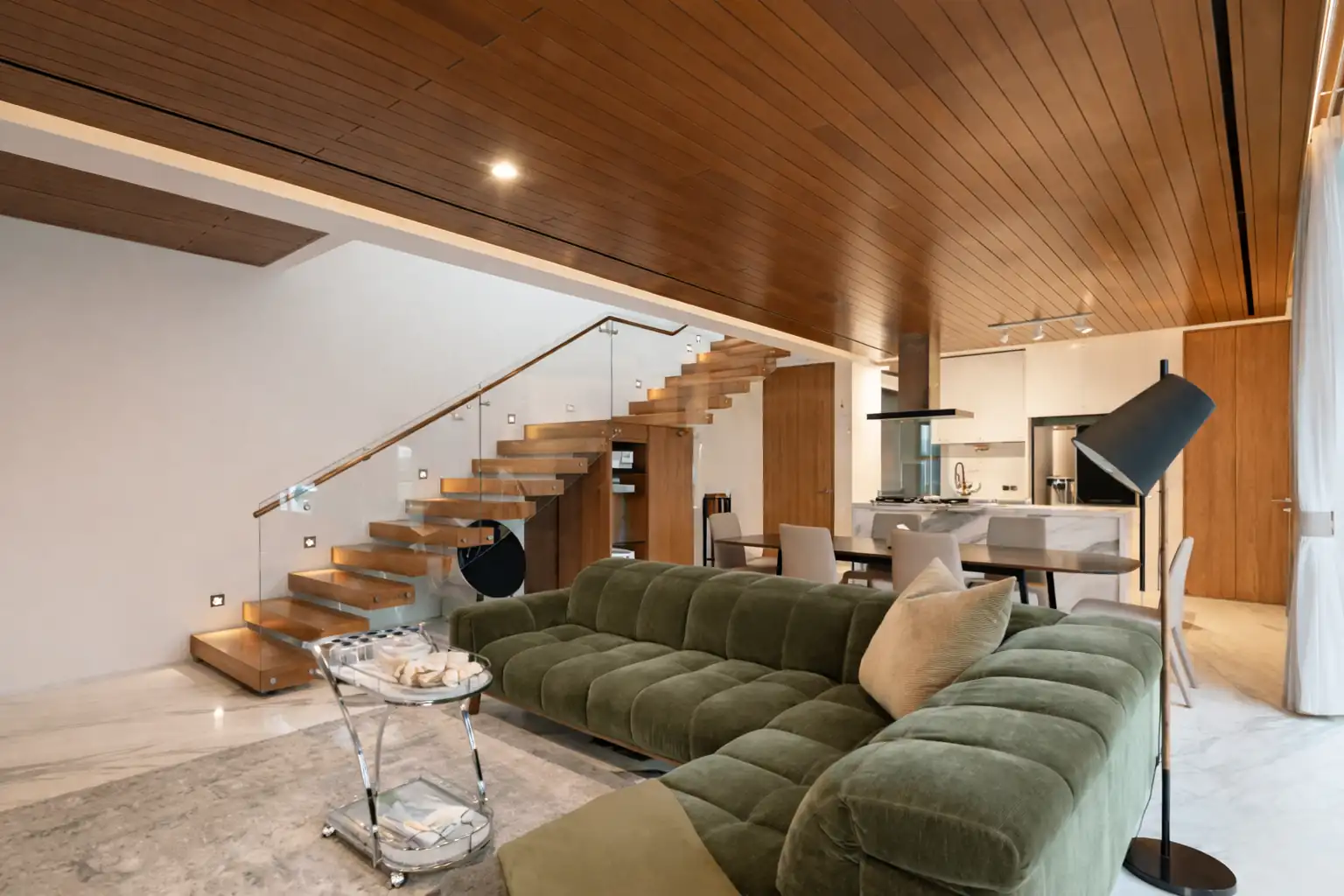
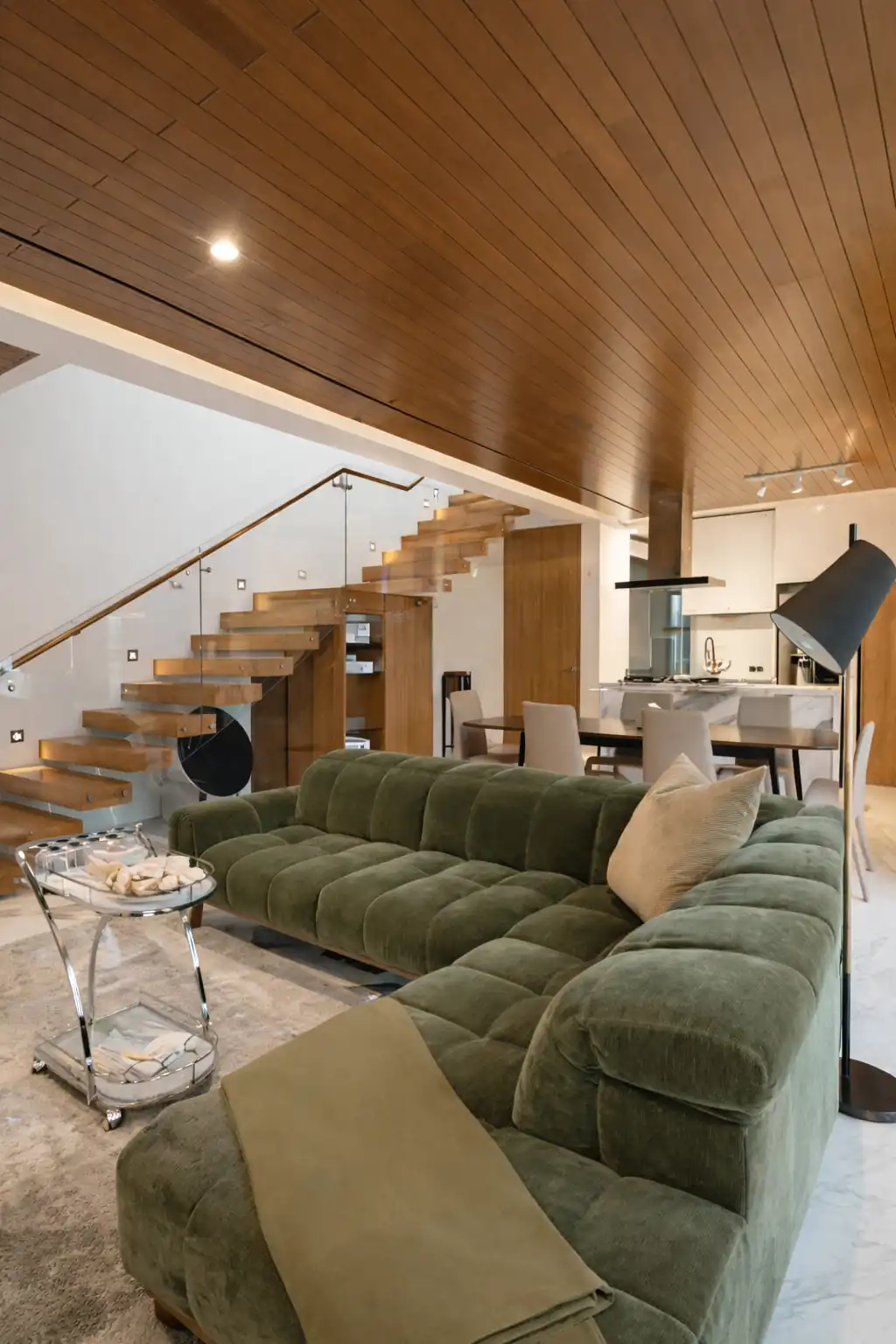



In most duplex homes, the staircase sits right in the middle of everything. You see it the moment you enter. Guests lean against it during house parties, kids run up and down before school, and festival décor often wraps around its railing. And yet, many homeowners treat it like a leftover space.
If you’re looking for a duplex staircase design, you should understand that the staircase is not an in-between zone. It is the strongest visual connector between two floors. Done right, it makes your home feel cohesive, but done poorly, it splits your house into two unrelated styles. Let’s break down how thoughtful interior stairs design brings both floors together.
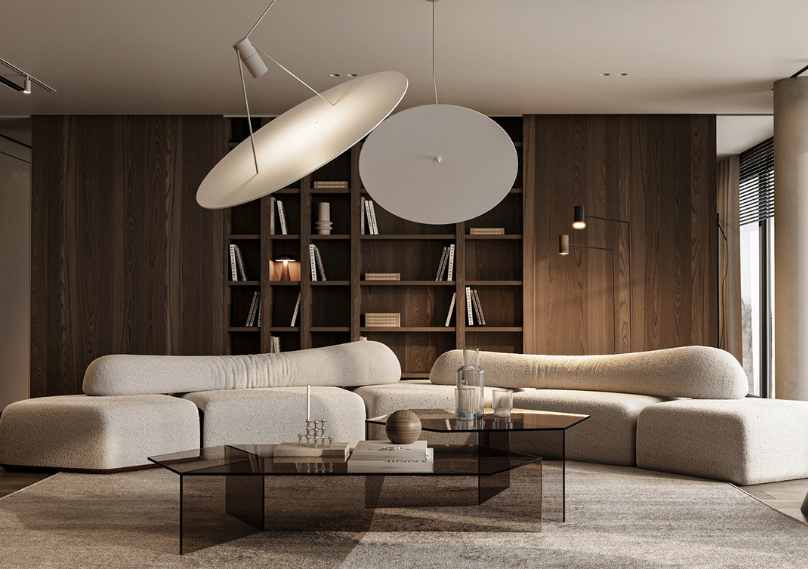
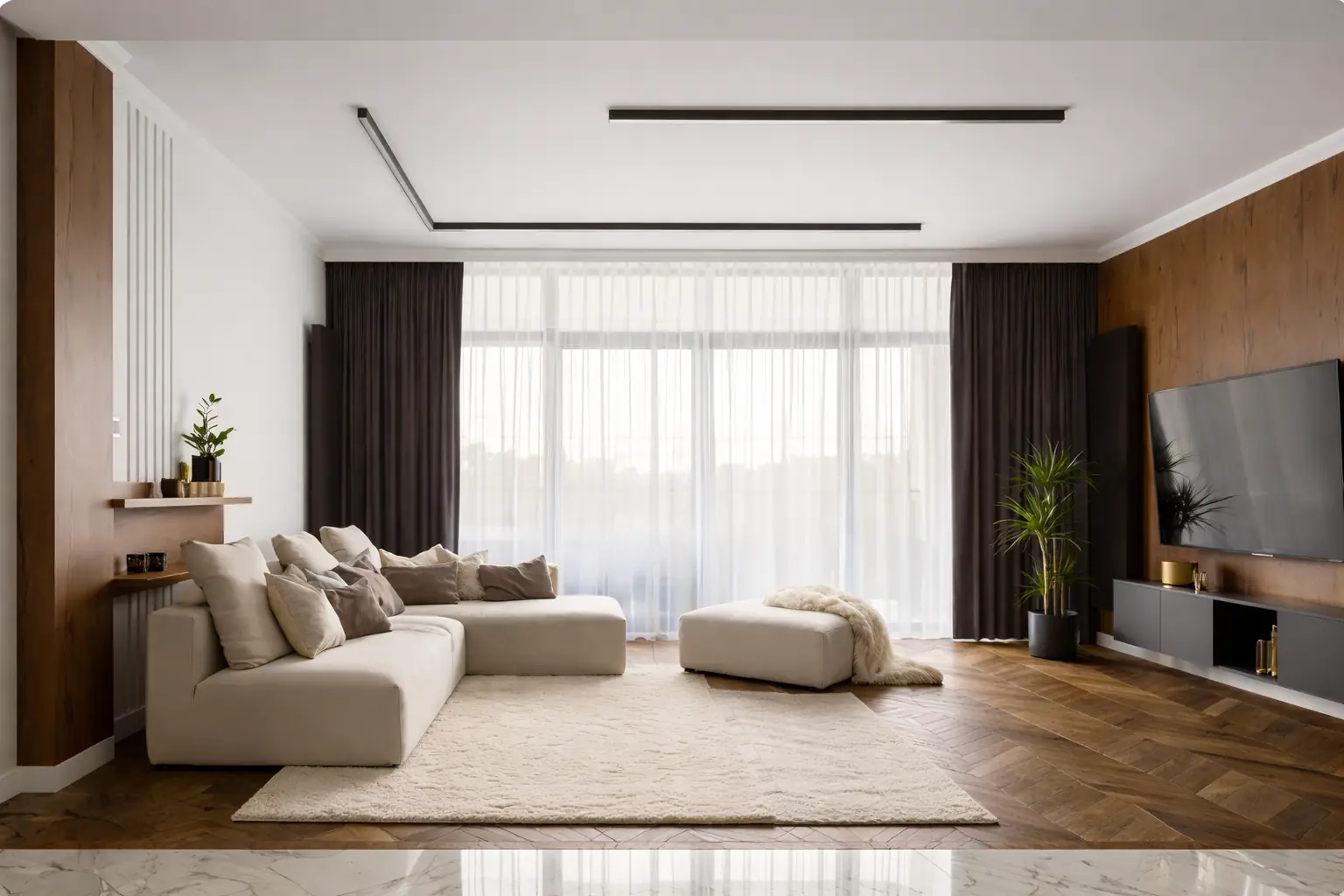
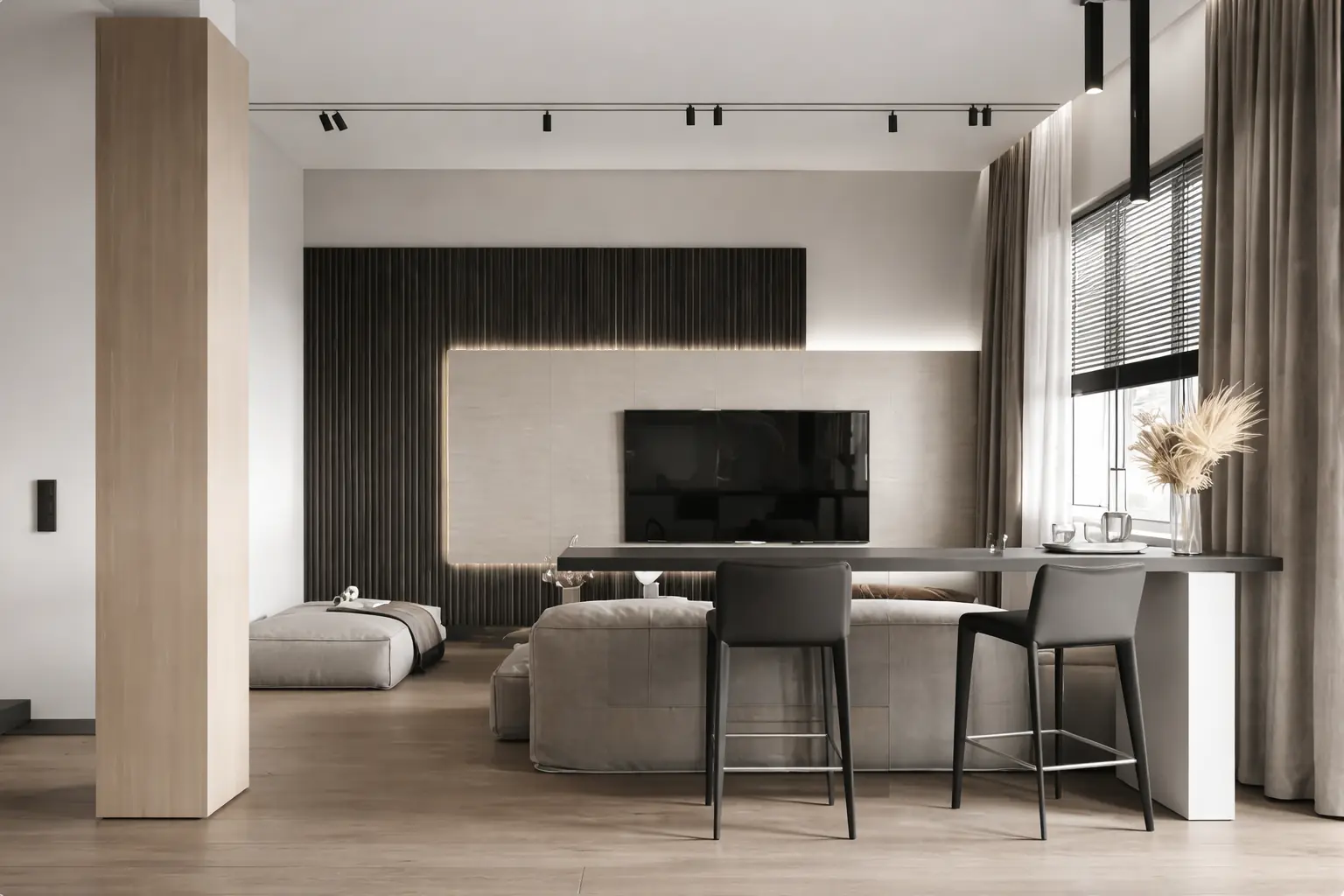
In urban duplex apartments, especially in cities like Mumbai or Bangalore, the staircase is visible from the living room. That means it’s always part of the visual story. If your ground floor has warm wooden tones and the staircase suddenly switches to glossy black granite with steel railings, the flow breaks. The eye notices the shift immediately.
Strong house interior stair designs create continuity. Designers align materials, repeat finishes, and carry visual cues upward. For example:
The goal is simple: when someone stands in the living room and looks up, your staircase’s design should feel intentional and cohesive.
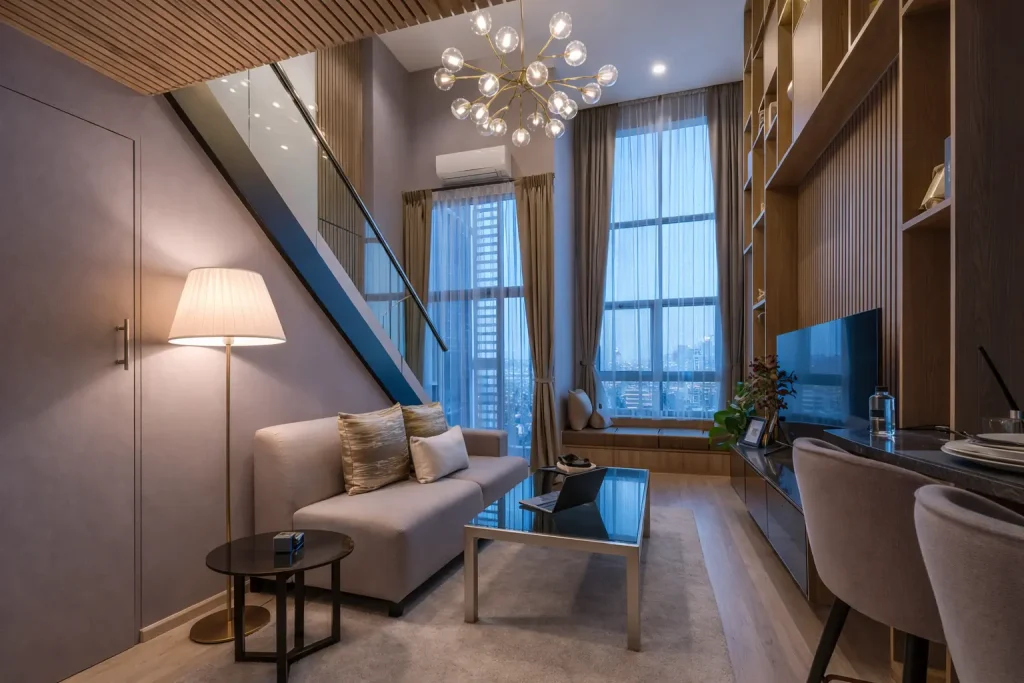
Good staircase design involves both aesthetics and structural alignment. Designers consider:
In compact Mumbai duplex apartments, where living areas are often open-plan, the staircase acts like a spine. If it feels bulky or mismatched, the entire house feels cramped. Top interior designers in Mumbai create continuity by following some simple yet effective guidelines:
These moves may sound small, but they make a big difference during the interior stairs design process.
Colour decisions in interior stairs design affect how large and bright your home feels. In Indian cities where natural light is often limited to one side of the house, a dark staircase can absorb light and make the space feel tighter. Lighter finishes, such as soft beige stone, warm oak, matte greige laminates, reflect light and make vertical circulation feel airy. But contrast isn’t always bad; it just needs balance.
A heavy black staircase in a 1,500 sq ft Bangalore duplex may overpower the room. However, a darker railing profile paired with lighter treads can add definition without visual weight. You also need to think about daily life. Your morning routine involves movement, and a staircase that feels visually calm reduces mental clutter. Colour isn’t just aesthetic; it is an effective way to create a space that feels relaxing.
Integrated step lights, concealed strip lighting under treads, or wall washers make stairs safer and more dramatic without overwhelming the space. In interior stairs design, lighting can be more than just decoration; it can be a tool to define depth and enhance your room’s perceived scale.
Additionally, smart lighting can also elevate the functionality of your staircase. Programmable LED systems allow you to adjust brightness based on time of day or usage, improving energy efficiency while maintaining comfort. Thoughtfully planned lighting will not only highlight the architectural details of your home but will also transform the staircase into a focal point within your interior.
Indian homes deal with humidity, dust, high foot traffic, and barefoot movement. Material selection must reflect that. Here are staircase design ideas that work well:
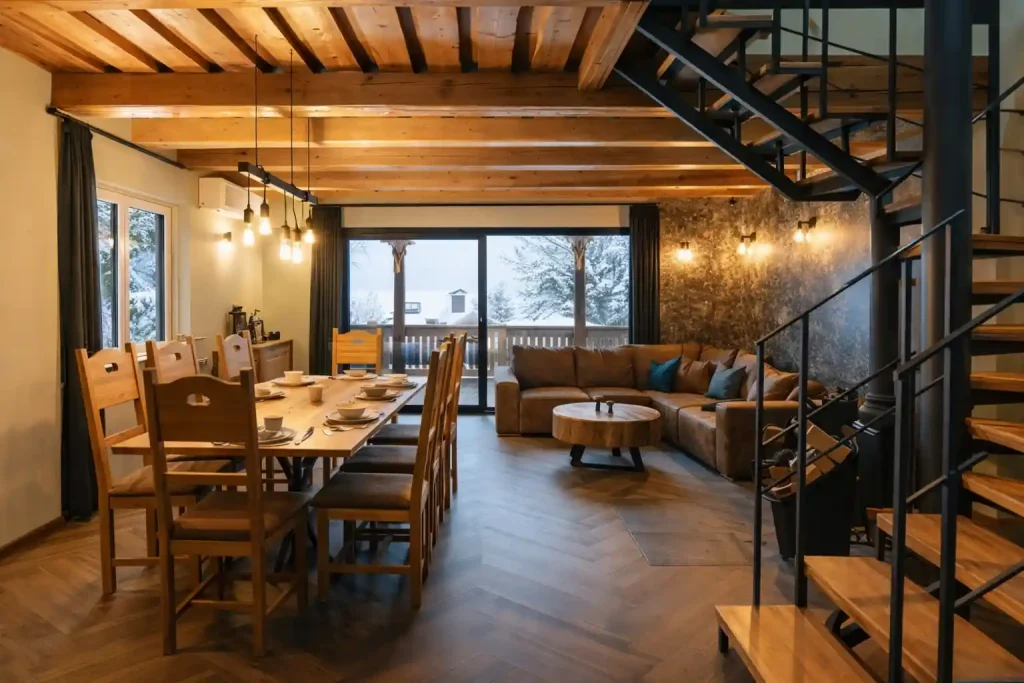
Warm wooden treads paired with slim matte black or brushed brass railings feel contemporary yet durable. Wood adds warmth; metal adds structure. Choose treated, scratch-resistant finishes to handle everyday wear.
Marble or granite treads with glass railings make compact Mumbai duplexes feel larger. Glass allows light flow and keeps sightlines open. However, this interior stair design works best in homes where maintenance discipline is high, as glass needs regular cleaning to stay premium.
Minimal and modern, microcement creates seamless, monolithic stairs. It works well in contemporary Bangalore city homes, aiming for understated elegance. It also resists moisture better than many assume when sealed properly.
Budget-conscious yet stylish, matte laminates are practical for families with kids or pets. They reduce slip risk and handle heavy usage well. Material choice should align with lifestyle. If your staircase doubles as seating during gatherings, edge detailing and tread thickness matter even more.
A staircase may look fine at first glance. But premium design shows up in the details.
Real homes differ from the flashy pictures you can find online. Real homes don’t just need to look good; they need to feel good. After all, your home needs to revolve around the way you live. For example, in Mumbai duplexes, stair landings often become temporary storage zones, school bags get dropped there, laundry waits on a step, and pets nap halfway up. These aspects of daily living need to be taken into consideration for smart interior stair designs.
At Bonito Designs, staircases are not treated as standalone structures. They are designed as part of a complete LifeDesign system. Before finalising any duplex staircase design, the team maps:
With deep experience across urban duplex apartments and independent homes across Bangalore and Mumbai, Bonito understands how Indian building structures behave. Because execution of staircase design ideas is handled in-house, detailing stays precise. ISO-certified processes ensure that material selection, fabrication, installation, and quality checks follow strict standards.
The workflow remains streamlined from design to build to quality control to final handover. No last-minute compromises, and no mismatched finishes. Book your consultation today!