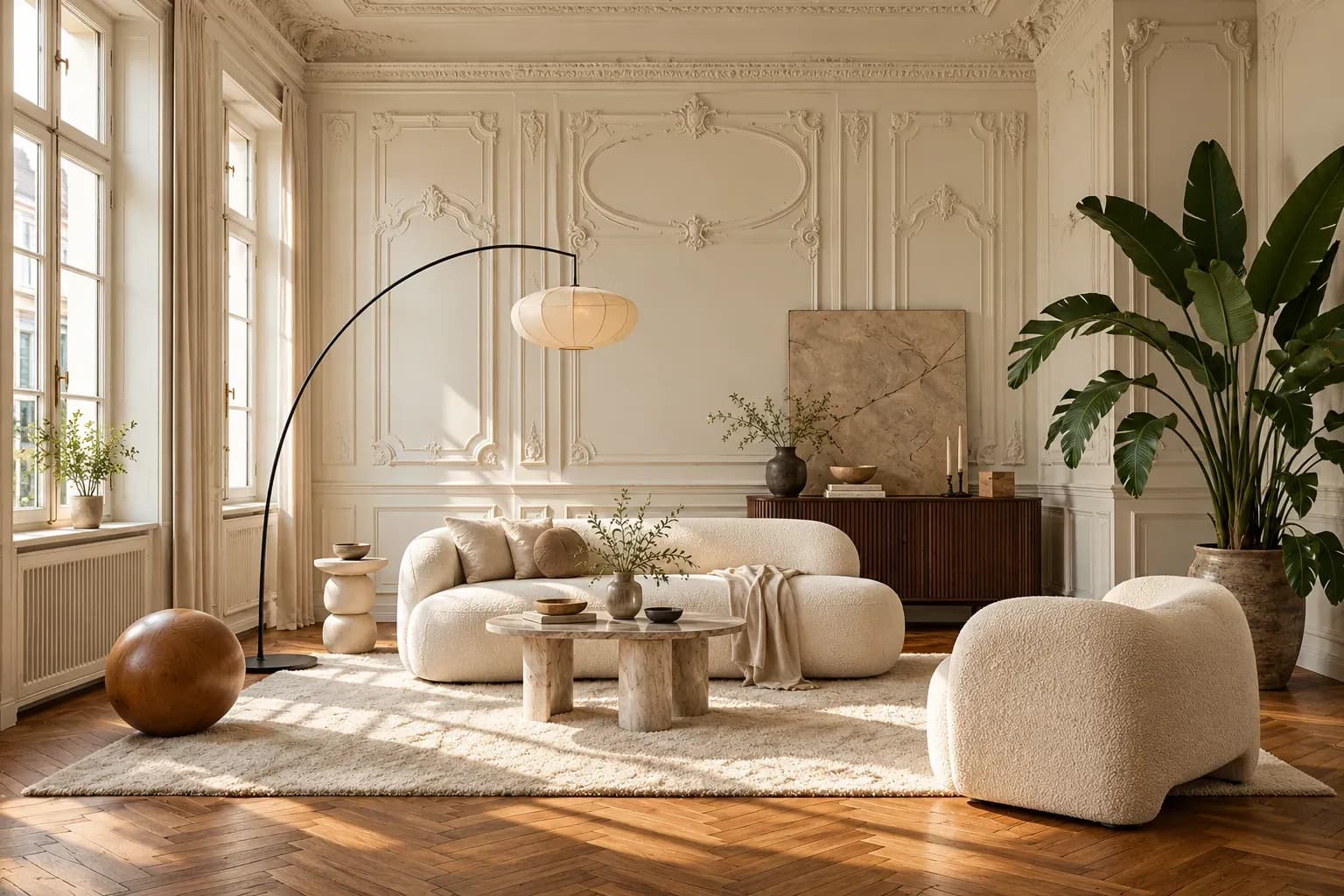
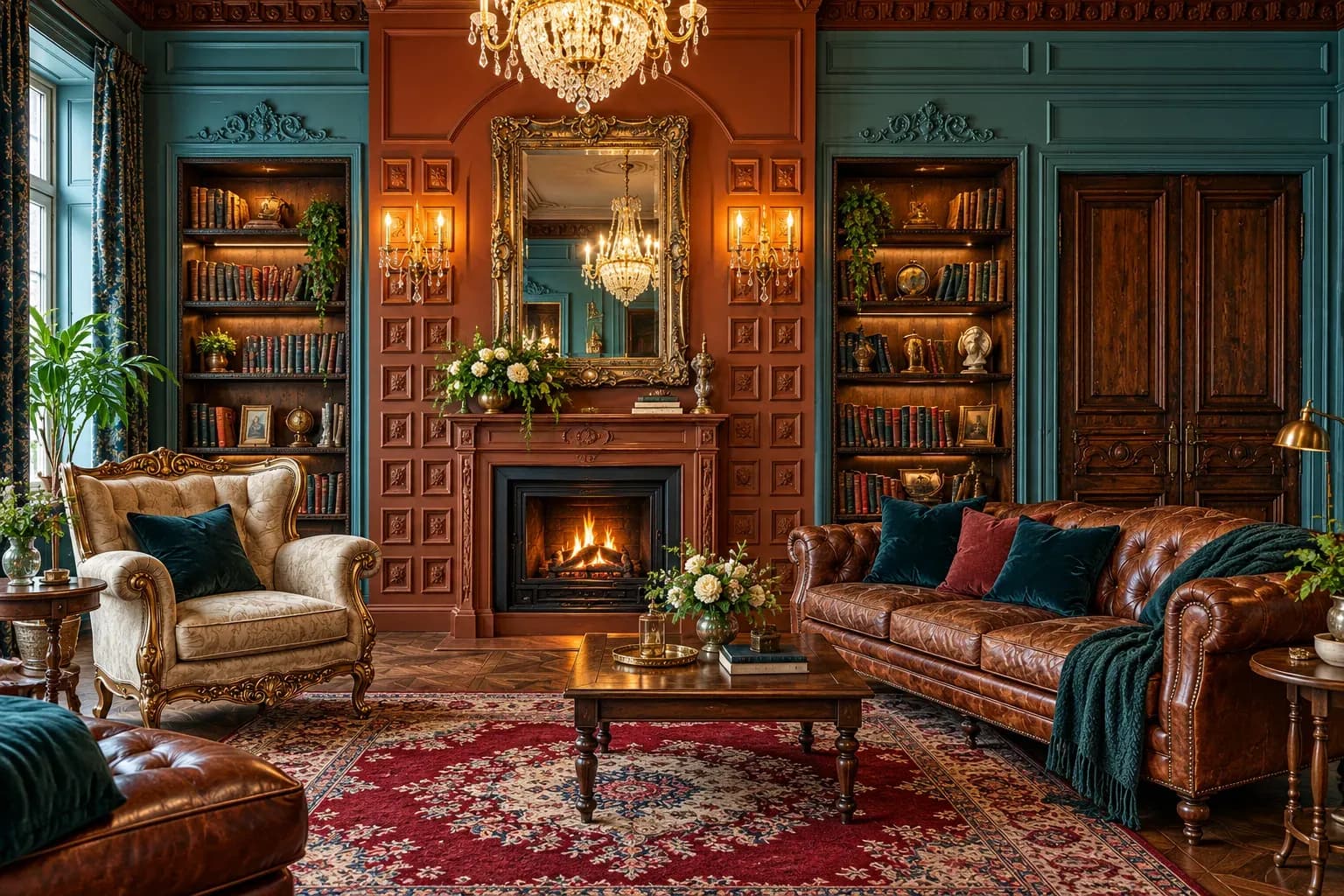
In the fast-paced world we live in, finding a sanctuary of peace and tranquillity is essential for our well-being. Your living space can be a haven for serenity, and Zen-inspired interior design can help you achieve that. In this blog, we will explore how to create a Zen-inspired living space, where you can find peace and mindfulness in the comfort of your home.
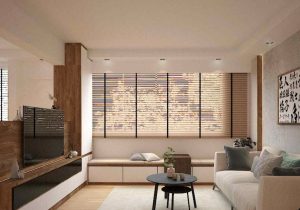
Zen-inspired interior design is rooted in the principles of Zen philosophy, which centres on simplicity, minimalism, and a deep connection with nature. The goal is to create an environment that fosters tranquillity, promotes well-being, and encourages mindfulness. To achieve this, consider the following elements:
Simplicity is at the heart of Zen design. To create a peaceful atmosphere, start by decluttering your living space. Remove unnecessary items, leaving only the essentials. Choose furniture with clean lines and simple designs. A clutter-free environment promotes mental clarity and a sense of calm.
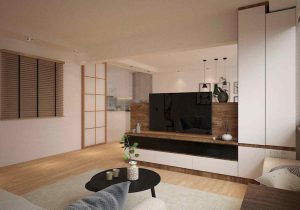
Bringing nature indoors is a key aspect of Zen design. Incorporate natural materials like wood, stone, and bamboo into your decor. You can use wooden furniture, stone accents, and bamboo blinds to create a connection with the outdoors. Plants, like bonsai trees or bamboo, can add a touch of greenery and tranquillity to your space.
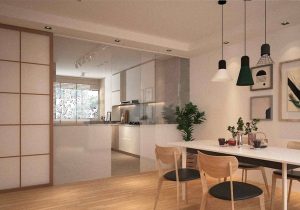
Choose a serene and neutral colour palette that reflects the simplicity of nature. Earthy tones, soft greys, and muted blues and greens are ideal choices. These colours evoke a sense of peace and serenity, creating a calming ambiance in your living space.
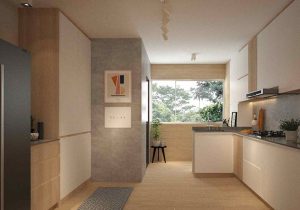
When arranging your furniture and decor, pay attention to the principles of Feng Shui, an ancient Chinese practice that harmonies the energy flow in a space. Proper placement of furniture and the use of symbols and elements can promote positive energy and a sense of balance.
Designate a specific area for meditation or relaxation within your living space. This space should be free from distractions and clutter. Add comfortable cushions or a meditation mat, as well as soothing elements like a tabletop water fountain or a soft, glowing lamp to encourage mindfulness and reflection.
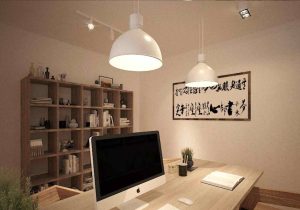
Zen-inspired interior design goes beyond aesthetics; it's about creating a holistic living environment that supports your well-being. Here are some additional tips to help you find peace in your Zen-inspired living space:
Your home is your sanctuary, and by embracing Zen-inspired interior design, you can transform it into a peaceful retreat where you can find serenity, mindfulness, and balance. Take the time to create a living space that resonates with your inner sense of calm and well-being.
In conclusion, Zen-inspired interior design is all about simplicity, nature, and mindfulness. By following these principles and tips, you can create a living space that exudes tranquillity and promotes your overall well-being. Your home will become a place where you can escape the chaos of the outside world and find peace in your own sanctuary.
Both modern classic interior design and transitional design combine classical references with contemporary furniture, storage and lighting. However, modern classic rooms retain more symmetry and formality than transitional spaces. This article covers how transitional interior design differs across furniture, mouldings, colours, materials, lighting and maintenance, along with practical guidance for choosing between the two styles.
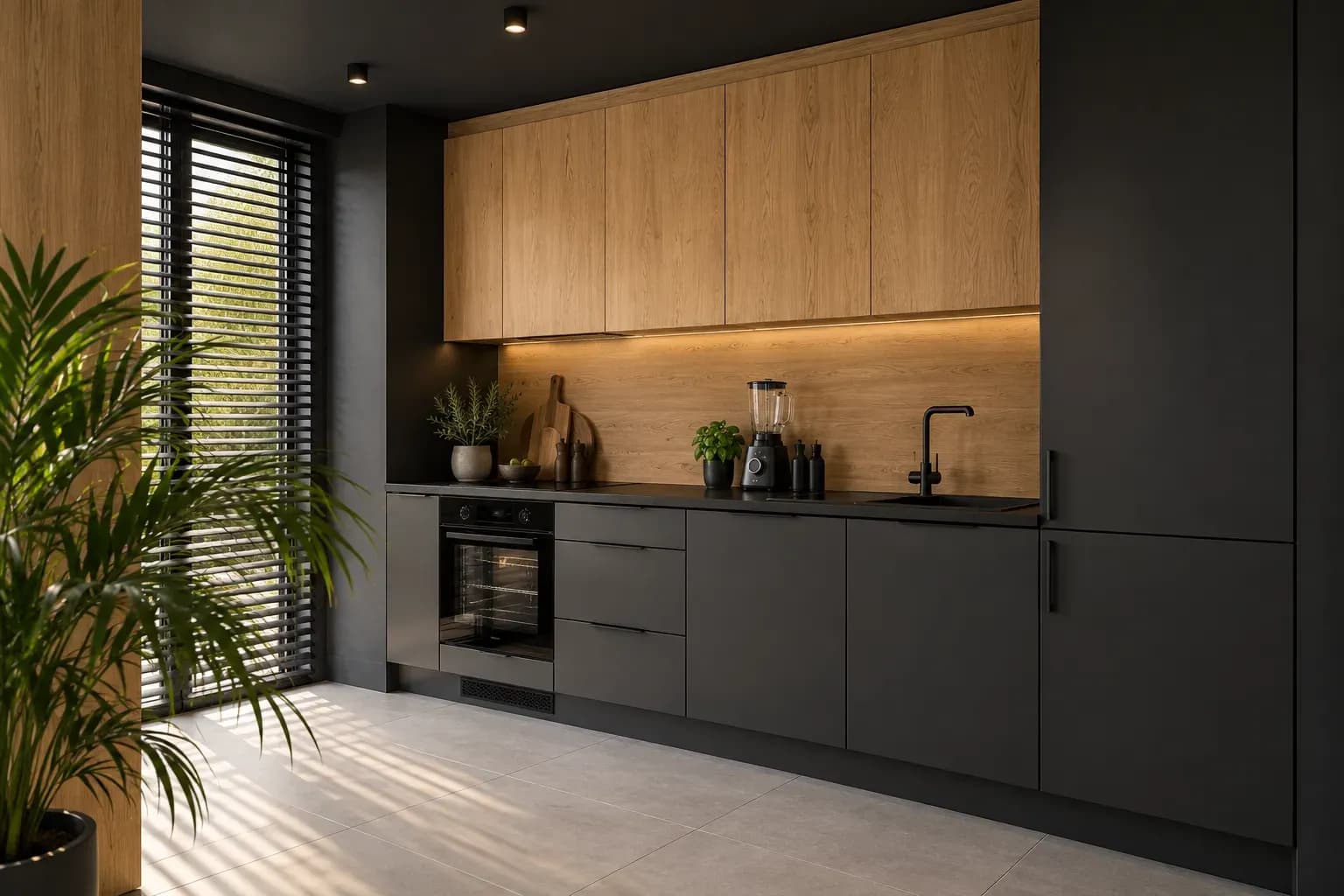
24 Oct 2026|5 min readKitchen interior design cost depends heavily on cabinet materials, core boards, hardware, storage accessories, and the level of customisation. Materials such as laminate, acrylic, veneer, membrane, and PU vary considerably in price, durability, appearance, and maintenance. A well-planned kitchen budget should therefore balance upfront cost with long-term performance and everyday use.
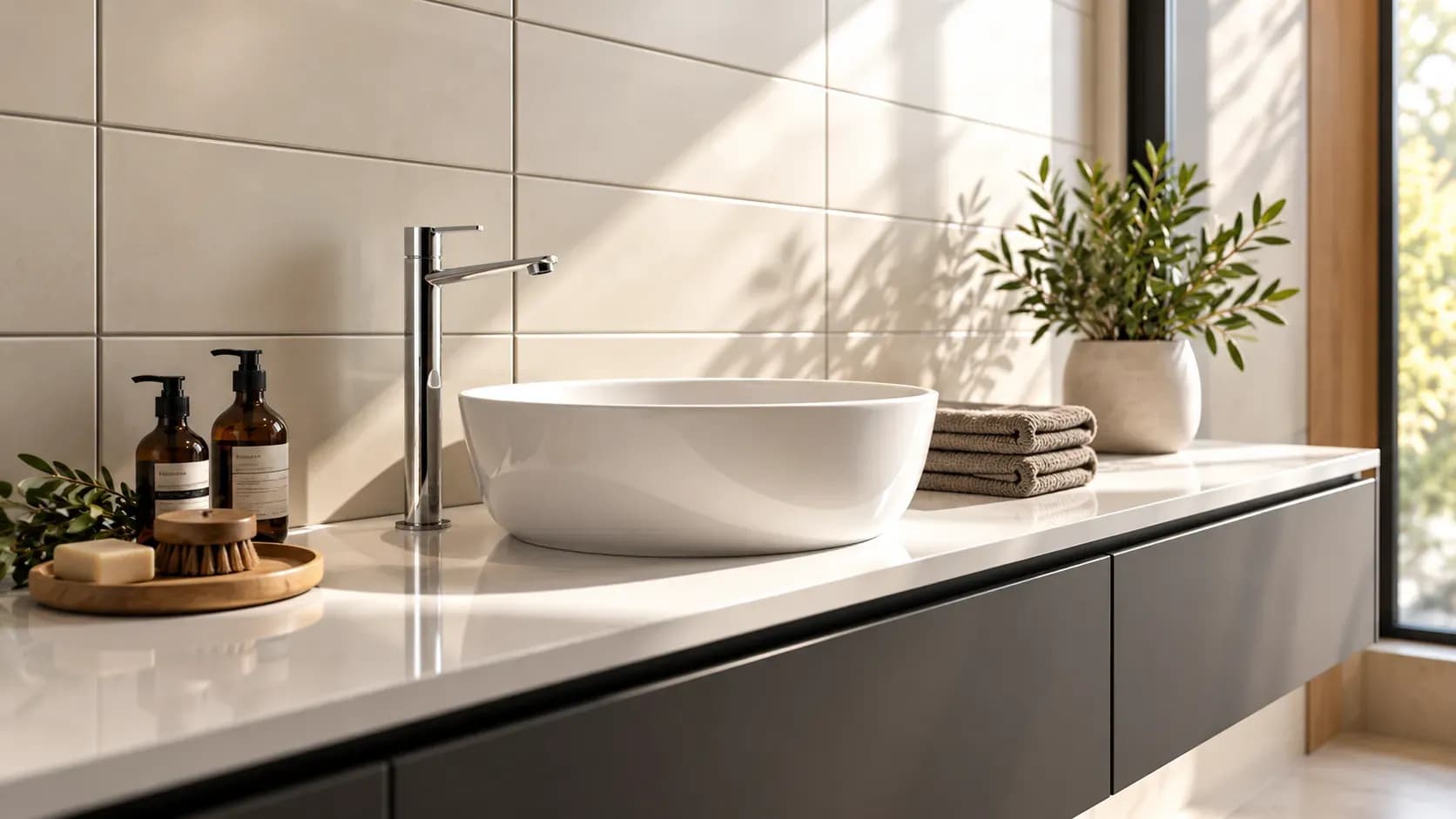
24 Oct 2026|5 min readAccessories, textures and finishes are all essential to modern bathroom decor, especially when smaller details need to feel connected. However, useful modern bathroom decor ideas also account for moisture, cleaning and storage so the room remains practical every day.
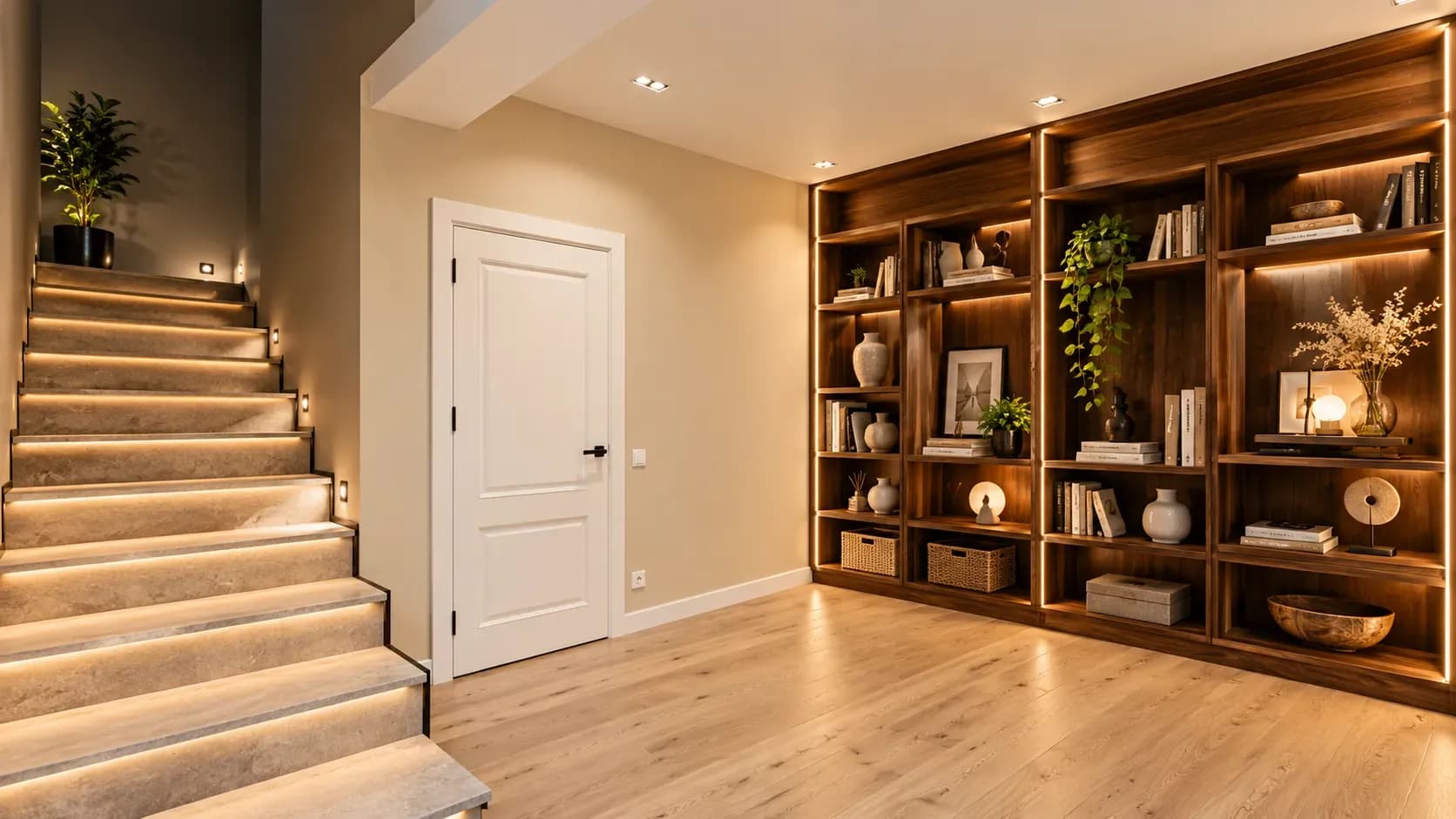
23 Oct 2026|5 min readA well-planned basement can become a practical extension of the home when moisture, ventilation, lighting and access are addressed first. From home theatres and gyms to guest rooms, offices and organised storage, basement interior design should reflect how the space will actually be used. Thoughtful layouts, moisture-resistant finishes and layered lighting can also make lower-ground spaces feel brighter, safer and more comfortable.
23 Oct 2026|5 min readVictorian house interior design can work well in compact Indian homes when you use decorative elements selectively. Lighter colours, restrained mouldings, slimmer furniture and controlled patterns help retain Victorian character without making rooms feel crowded. Modern storage, practical lighting and careful space planning can make the style more suitable for everyday living.
21 Oct 2026|5 min readThoughtful villa interior design creates continuity across large homes without making every room look identical. Repeating select materials and colours, planning circulation, balancing social and private zones, and using lighting strategically can help each space feel connected. Also consider corridors, landings, storage, and room-specific needs as part of the overall plan.
16 Oct 2026|5 min read


Your Home Makeover Starts Here.