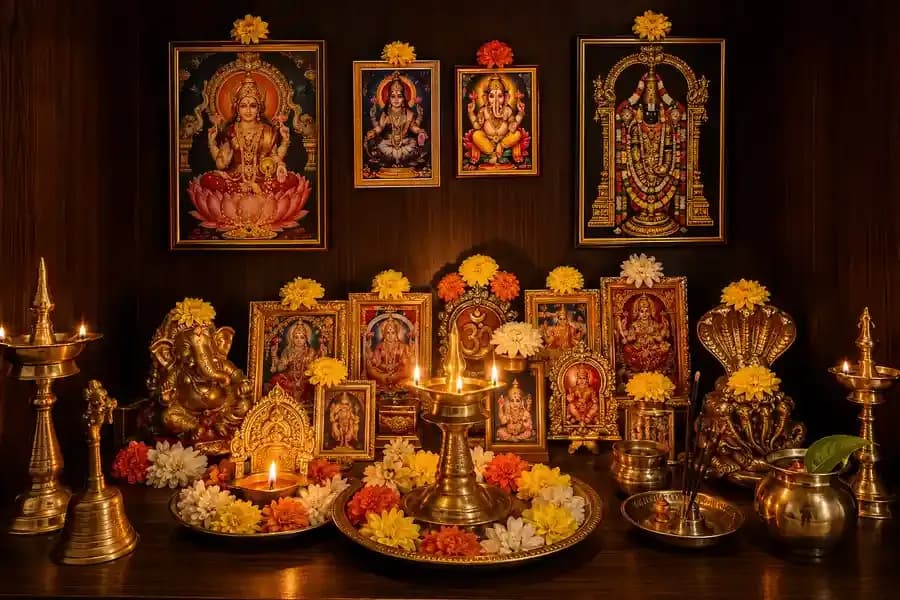
The kitchen is the primary source of all positive energy for the home. According to Vastu, the Lord of Fire resides here and influences energy flow through the food produced. The Fire element that prevails in this corner of the home is quite beneficial. But keeping it in a controlled environment is a task that requires careful planning and attention to detail.
The kitchen in an Indian household is a sacred place where energy transformation happens – from raw and uncooked items to nutritious meals that instill energy into the family member’s body upon consumption. These meals that are the source of life for the family need to be produced in a positive and wholesome environment. If the same meals are cooked in negative territory, the food cooked becomes the carrier of negative energy. This negative energy is harmful to the family’s well-being as this imbalance in energy starts to affect the family members physically and mentally. One begins to feel the negativity on their body and mind.
Summarising the above, we can conclude that many problems arise when we have a kitchen in the house that is not Vastu compliant. But the following 3 issues are the most frequent:
Vastu is not only confined to the kitchens but also applies to your entire home. Learn more about the right Vastu directions for your new home here.
By involving Vastu for the kitchen, one can apply specific rules to help change the space’s aura. Having a kitchen as per Vastu ensures that you can dispose of all negative energy by enhancing the positive powers already available in the area.
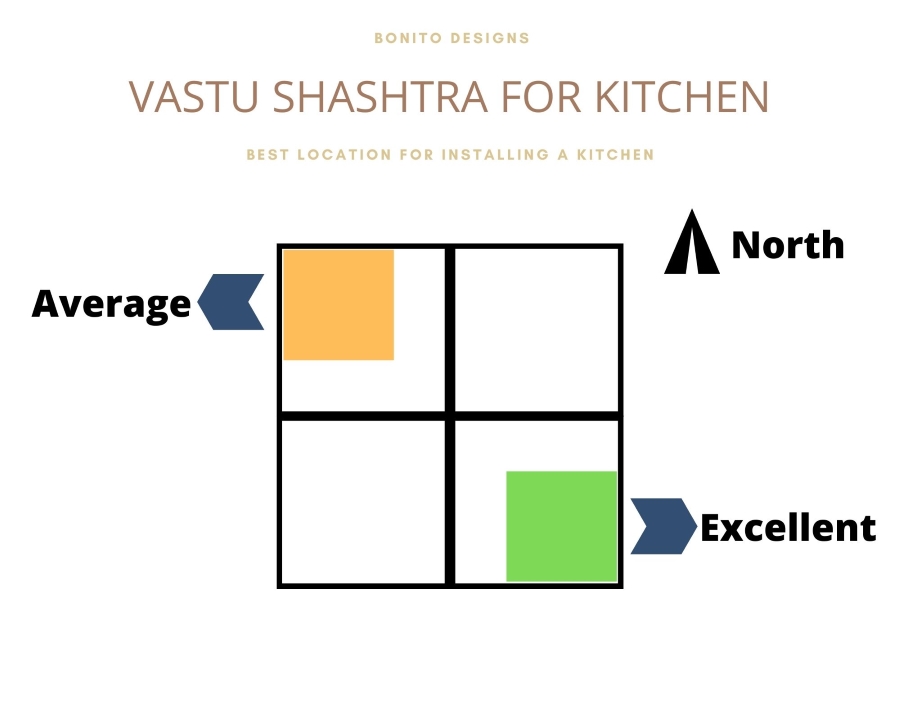
If you have purchased a bare home and have the freedom to make changes to the floor plan, then you are already halfway done. The ideal kitchen location, as per Vastu, is the South-East corner of the home. The Fire element is said to reside here and channel good energy – making this the perfect corner for constructing your kitchen. But if due to some issues, construction cannot be done in this corner, the second-best kitchen location as per Vastu is the North-West corner.
But if your kitchen is pre-installed in a corner that is not favorable, then one must implement remedies that will reduce the ill-effects of these Vastu defects.
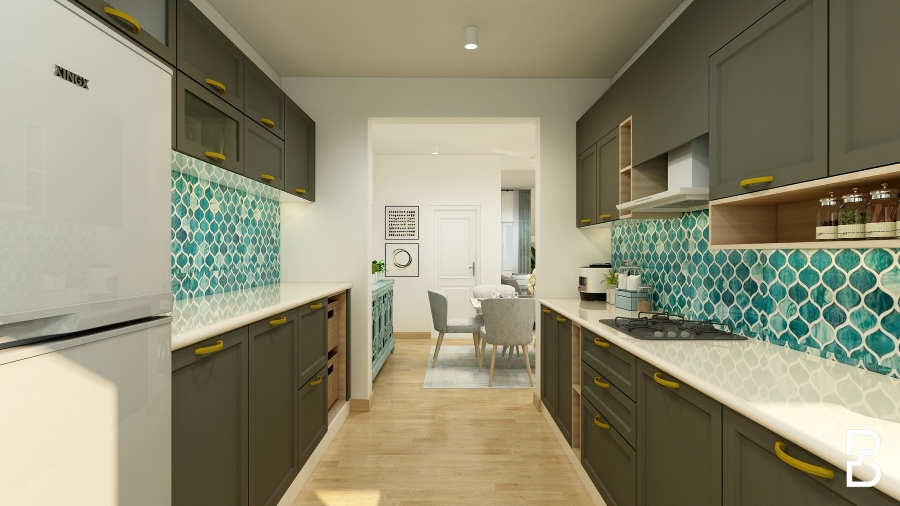
One must locate a kitchen in a Vastu-compliant corner of the house, but its entryway will determine the flow of the positive energy generated here. One of Vastu’s strictest rules for a kitchen is that the main door must not be placed in any corners. The ideal locations for the kitchen doorway are in the East, North, or West wall.
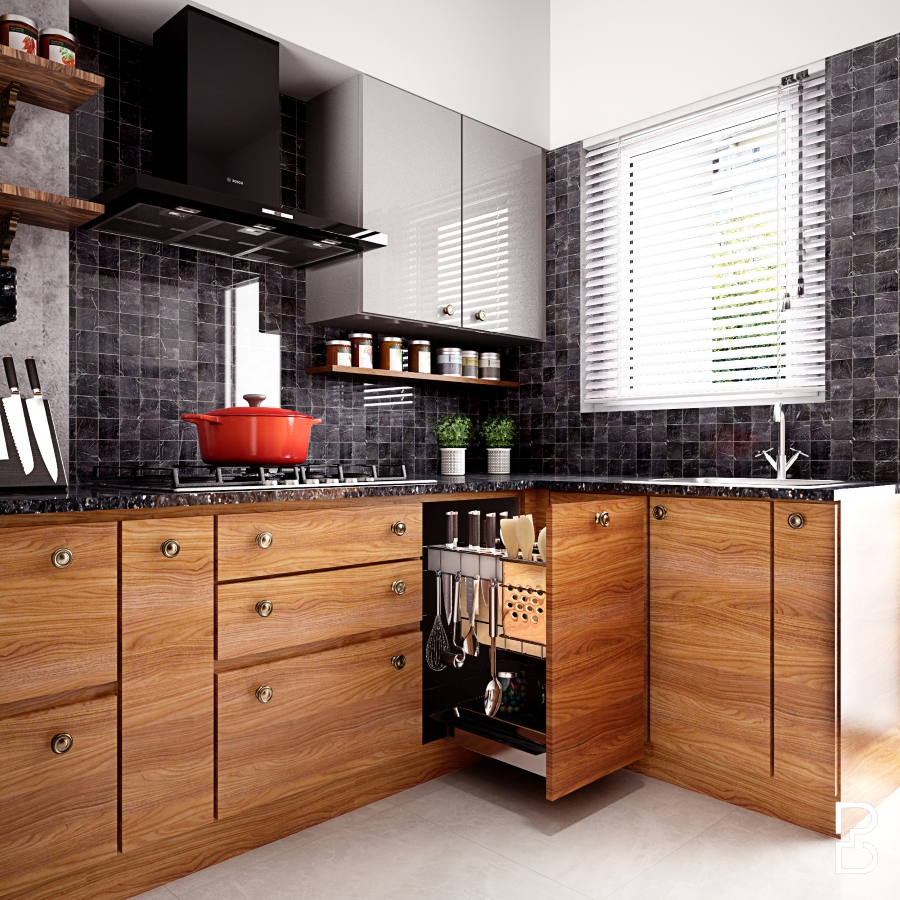
Along with constructional rules, another rule that must be followed for safety reasons is never to place cooking gas burners or stoves directly in front of the entrance. More than a principle of Vastu, it is a safety measure that one must abide by. Also, keep in mind the direction the cook faces while cooking. The cook must never face West while cooking, according to kitchen Vastu. To ensure the good health of the family members, the cook must always face East while cooking.
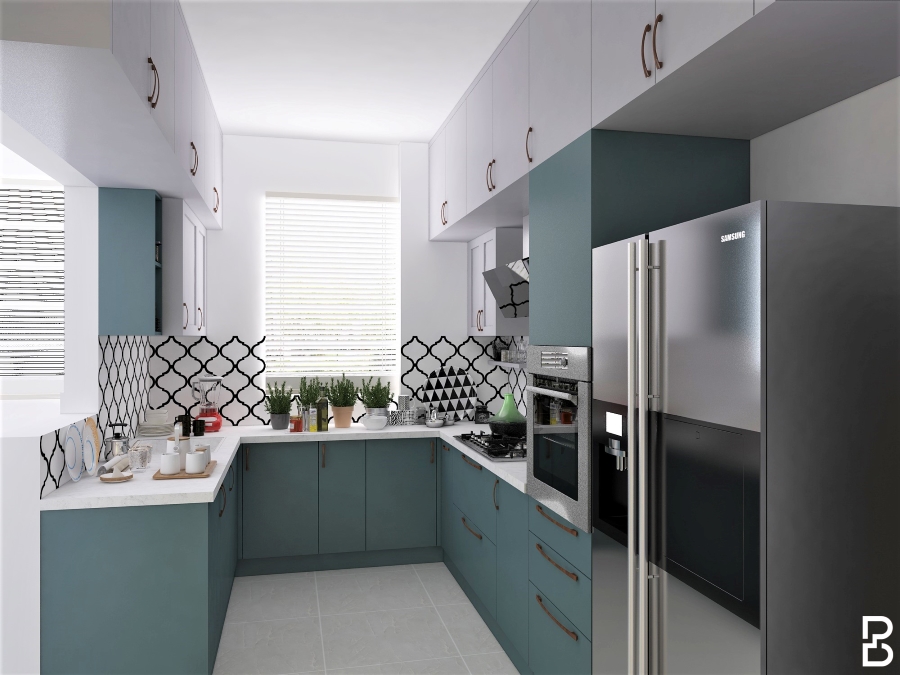
Kitchens are the place where most electronic products are used. And ensuring that all of them have a long life is crucial, considering the investment you make in them. Use the platform near the South wall to keep microwave ovens, mixer/grinder, and operate them at their designated spot only. Install drinking water equipment on the North-East or North walls. Refrigerators in the North-East or South-West direction should be avoided to prevent frequent break-downs.
These are some of Vastu’s very basics for the kitchen that one should be mindful of when designing their space. It is best to consult a professional or even employ an interior designer for the task for further detailed information. Our designers at Bonito Designs understand your need to have a happy and healthy home. The principles of Vastu are included while designing your home interiors. Get in touch with our designers today to get an in-depth look into how you can have a positive and auspicious home for your family while living stylishly!
Make a statement, build a designer home. Click to Book Consultation.
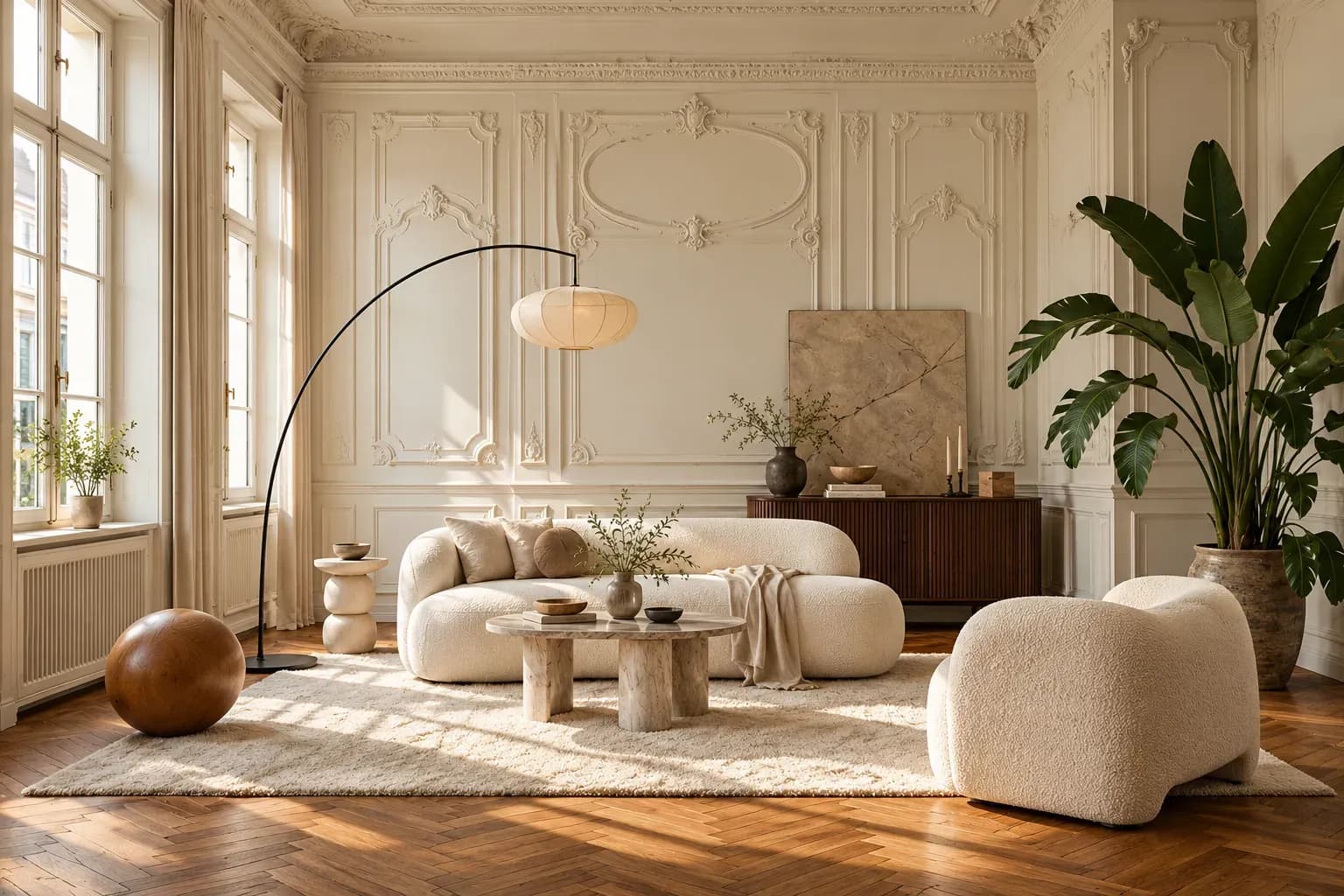
Both modern classic interior design and transitional design combine classical references with contemporary furniture, storage and lighting. However, modern classic rooms retain more symmetry and formality than transitional spaces. This article covers how transitional interior design differs across furniture, mouldings, colours, materials, lighting and maintenance, along with practical guidance for choosing between the two styles.
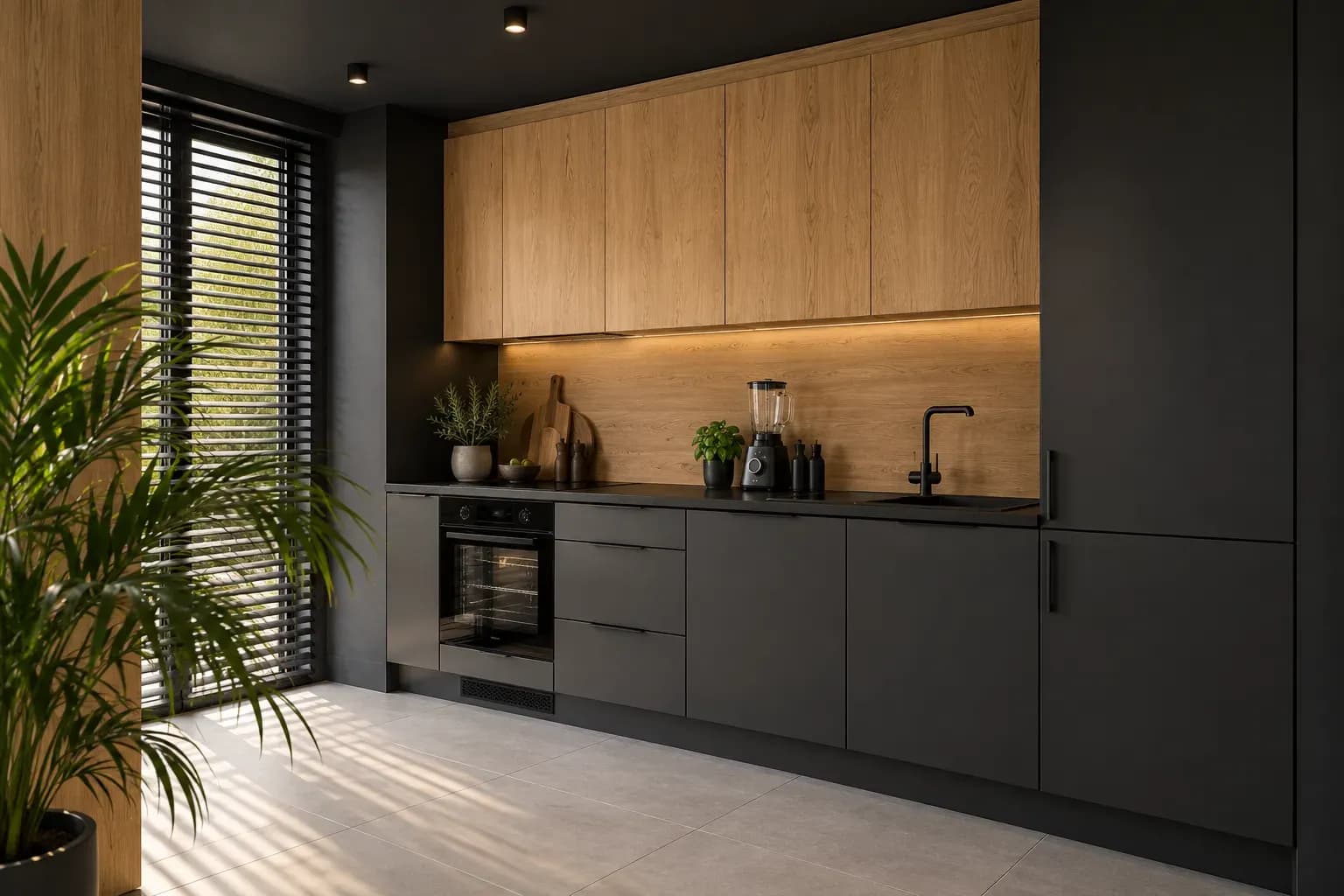
24 Oct 2026|5 min readKitchen interior design cost depends heavily on cabinet materials, core boards, hardware, storage accessories, and the level of customisation. Materials such as laminate, acrylic, veneer, membrane, and PU vary considerably in price, durability, appearance, and maintenance. A well-planned kitchen budget should therefore balance upfront cost with long-term performance and everyday use.
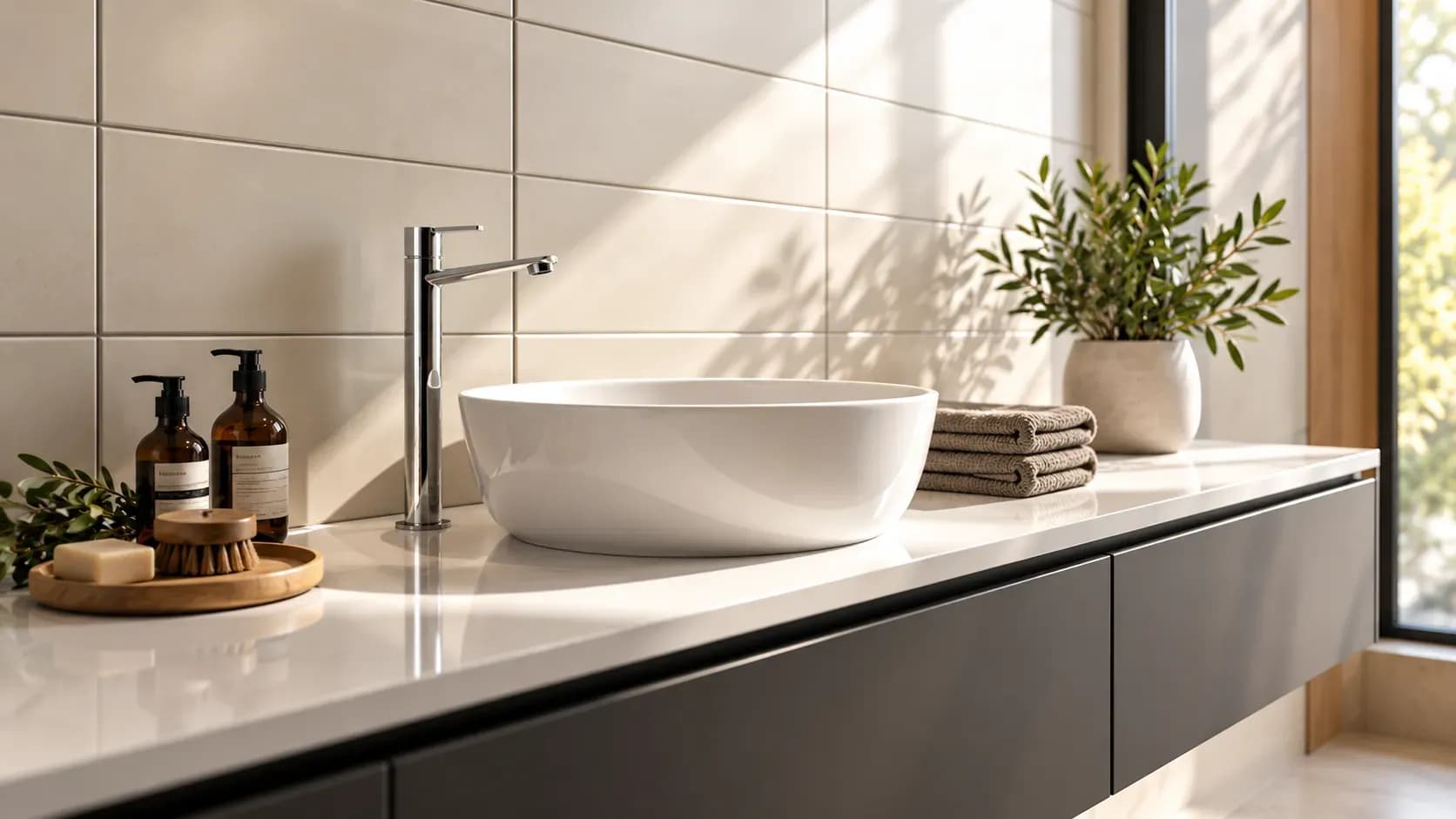
24 Oct 2026|5 min readAccessories, textures and finishes are all essential to modern bathroom decor, especially when smaller details need to feel connected. However, useful modern bathroom decor ideas also account for moisture, cleaning and storage so the room remains practical every day.
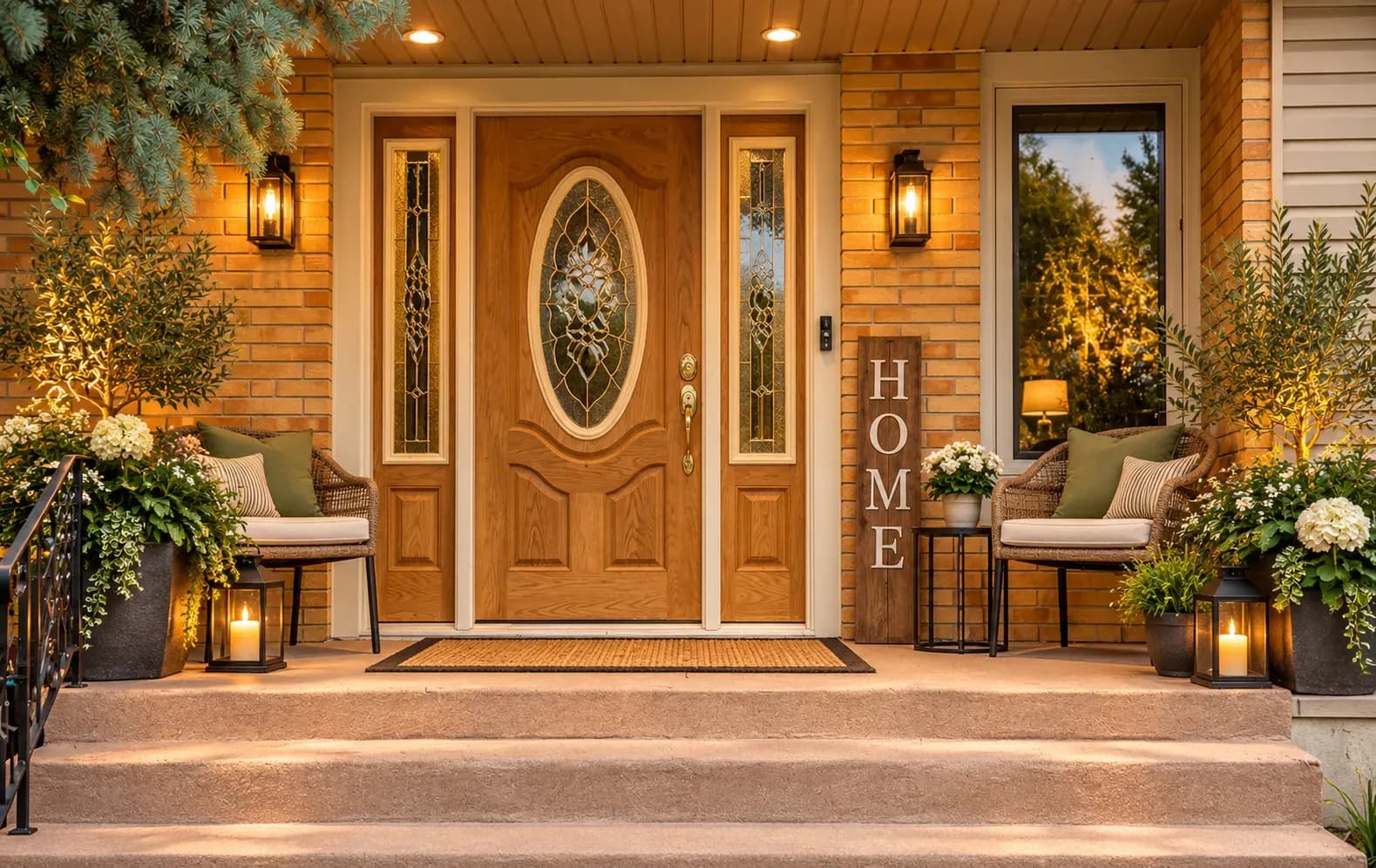
23 Oct 2026|5 min readMain door Vastu focuses on creating an entrance that feels balanced, welcoming, and functional through direction, placement, materials, colours, lighting, and everyday organisation. Even when changing the doorway is not practical, homeowners can use simple Vastu-aligned remedies such as better lighting, clutter-free storage, suitable finishes, plants, and traditional accents. The key is to combine Vastu principles with practical interior design so the entrance works comfortably for everyday life.
30 Sep 2026|5 min readLearn everything about pooja room Vastu, including how to create a compliant space in houses facing different directions and constraints.
14 Aug 2026|5 min readFind out the fundamentals of staircase Vastu, along with specific guidelines for east-facing houses, to create a functional home.
09 Aug 2026|5 min read


Your Home Makeover Starts Here.