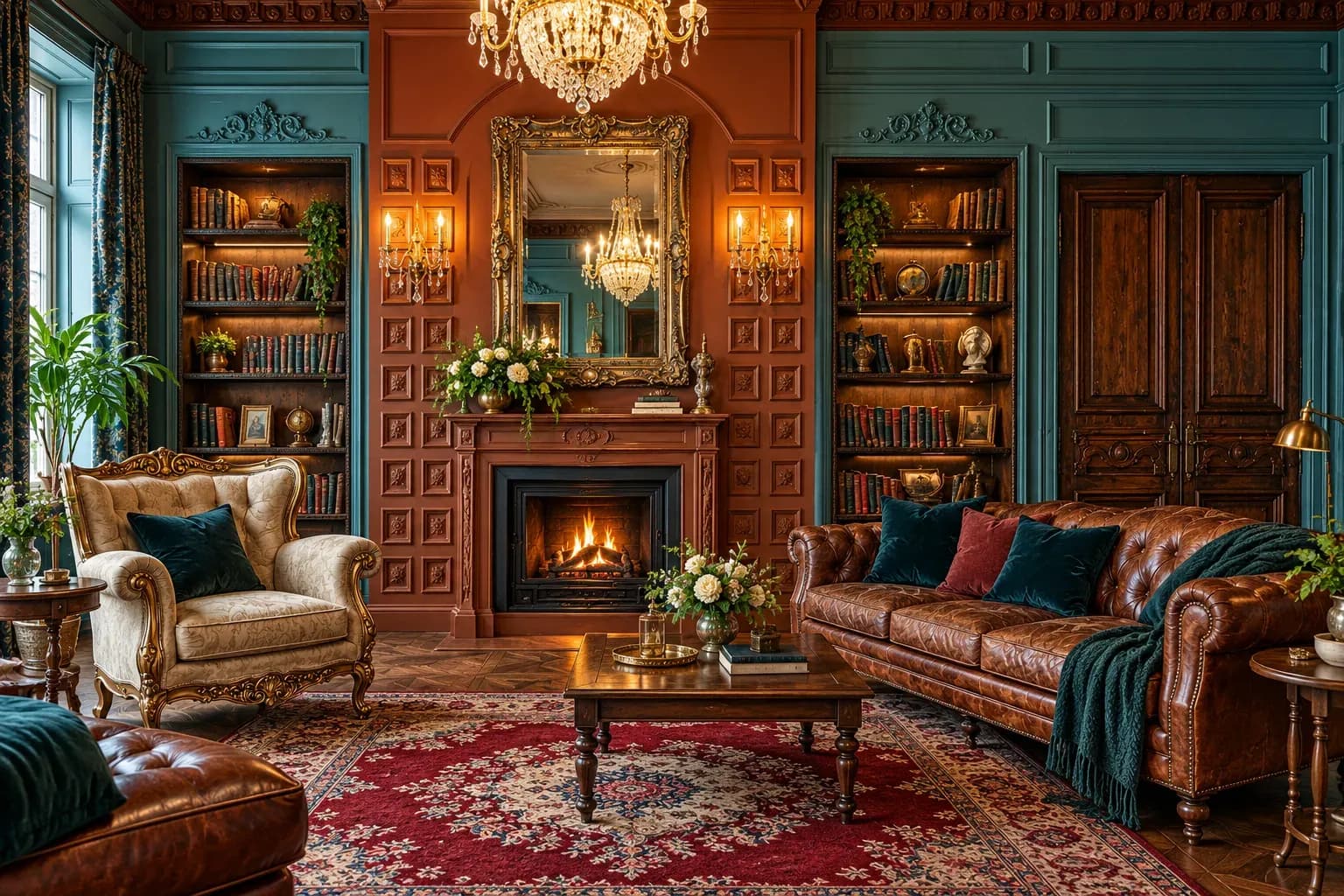
Because it has the special ability to give your home a bohemian and serene feel, sustainable interior design is becoming increasingly fashionable in the present era. They are also reasonably inexpensive, easy on the environment, and aesthetically beautiful. Finding a balance between meeting our needs and the environment, without sacrificing the ability of future generations to meet theirs, is necessary to achieve sustainability. Given the urgent concerns of climate change, global warming, and environmental degradation in the modern world, it is critical that we acknowledge the seriousness of the situation and move swiftly in the direction of a sustainable and ecologically friendly future.
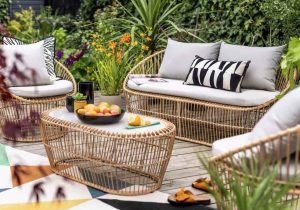
Because of its beautiful appearance and sustainable qualities, rattan furniture has become increasingly popular in recent years. They blend in perfectly with your contemporary decor and are quite adaptable. To tie the whole thing together and add coziness to your eco-friendly house interior design, go with an earthy wall color. Consider using repurposed mirror frames, eco-friendly lamp shades, and rattan blinds for your windows to freshen up your living area. These sustainable interior design decisions can reduce your living space's negative effects on the environment while improving its visual attractiveness.
Jute is a strong, adaptable, and highly sustainable natural fiber. It gives home interior design a rustic touch and may be used in a variety of ways to enhance your home's attractiveness without negatively impacting the environment. Your living areas can get texture by incorporating jute into your home design. To create a distinctive and cozy ambiance, you can add jute to upholstery, headboards, ottomans, and sofas. For a playful touch, you may also incorporate an indoor swing constructed of jute ropes into your space. To tie the whole thing together, cover your sofa with a jute throw or add a carpet.
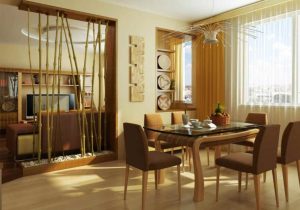
Do you want to give your living or dining area a hint of the exotic? For you, bamboo dividers are an excellent sustainable choice. They add a peaceful impression to your space and are natural, eco-friendly, and multipurpose. With these floor-to-ceiling bamboo dividers, you may have the solitude you require without sacrificing the interior design of your home. LED lights are a fantastic way to highlight the beauty of these bamboo poles. Your living room will have a cozy, inviting glow thanks to these lights. Bamboo partitions are an eco-friendly, minimalist, and understated method to add light and brightness to any living area. These go well with their environment and decor and are simple to maintain.
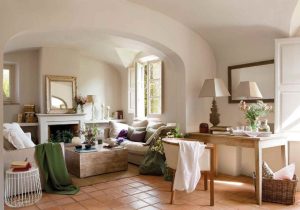
Terracotta tiles are a sustainable and environmentally beneficial flooring choice for your home interiors because they are made of clay and other natural resources. These have a vibrant color scheme and a cozy, earthy tone. In addition to adding a charming warmth to your room and reflecting our rich cultural history, terracotta floors are also effective and long-lasting. Despite this material being comparably softer, it can tolerate severe traffic. Compared to tiles made of other materials, it feels more pleasant under bare feet and helps keep your home cool. It is also suitable for use in your living room, bedroom, and kitchen. Because of their high porosity, do not use them on the balcony or bathroom.
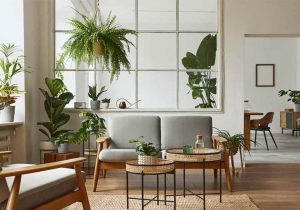
This is a useful tip that you should not overlook. Consider using some indoor plants to add touches of natural décor to your home's interiors. Houseplants are a pleasant and reasonably inexpensive option for eco-friendly home interior design. They fill your house with a newfound vitality and good vibrations. Most of these indoor plants are low care and simply complement the interior decor of your house. Try adding some vines and indoor climber plants to your large living area to give it an organic, opulent feel.
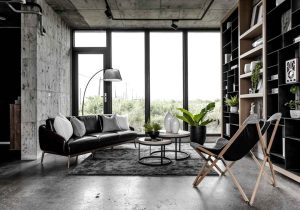
As more people become conscious of the need to create sustainable home interiors, concrete flooring is becoming more popular among designers and architects. Concrete flooring lowers your energy costs and keeps your room cool because it is primarily made of cement and water. Concrete is a long-lasting substance that can last a lifetime with minimal care. They are an ideal sustainable and environmentally friendly interior material because they can be recycled and do not end up in landfills. Concrete flooring gives your room a cozy feel and is simple to clean. In addition, they are less expensive than natural stones.
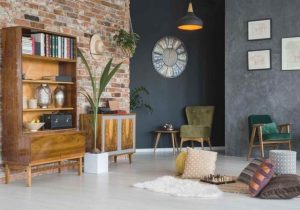
Accept the charm of used and old furnishings and décor. Purchasing used goods not only gives them a new lease on life but also lessens waste by keeping them out of landfills. Look through internet marketplaces, thrift stores, and antique markets to locate unique items that will enhance the aesthetic of your interior design without adding to the environmental impact.
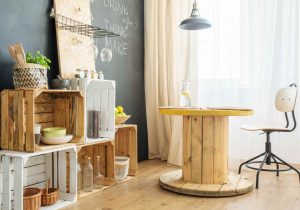
Using your imagination, give used or outdated objects new life by upcycling and repurposing them. Convert wine crates into bookcases, repurpose mason jars into fashionable light fixtures, or make chic tables out of old doors. Upcycling is a creative way to express yourself and save resources and trash. The options are unlimited.

Install water-saving appliances and fittings in your house interiors to reduce water use and protect this valuable resource. Install low-flow shower heads, toilets, and faucets to cut down on water waste without compromising functionality. For the goal of reusing water for irrigation or other non-potable uses, think about implementing rainwater collection or grey water recycling systems.
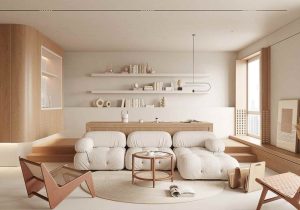
Using a minimalistic style for interior design in your house not only produces a chic and modern look, but it also encourages sustainability. You may cut down on waste and consumption and create a more organized and tranquil living area by clearing out clutter and emphasising quality over quantity. Invest in multipurpose furniture pieces that will help you make the most of your available space.
There is design everywhere. It could seem unnecessary or occasionally overly complicated if you are not actively working in the field professionally. Though, the design is fundamental to each of our lifestyles. We construct our future selves, our cars, our outfits, and even our homes. If the first items on the list are meant to make our lives more comfortable and easier, the last item is also intimately related to the idea of sustainability. The goal is to provide for our and, most critically, the needs of coming generations.
You may construct an eco-friendly, fashionable living area that highlights your dedication to environmental care by implementing these eco-friendly options into your interior decor. Whether you are building a new house or remodeling an old one, using sustainable design principles will improve your living area's aesthetic and usability for many years to come in addition to being good for the environment.
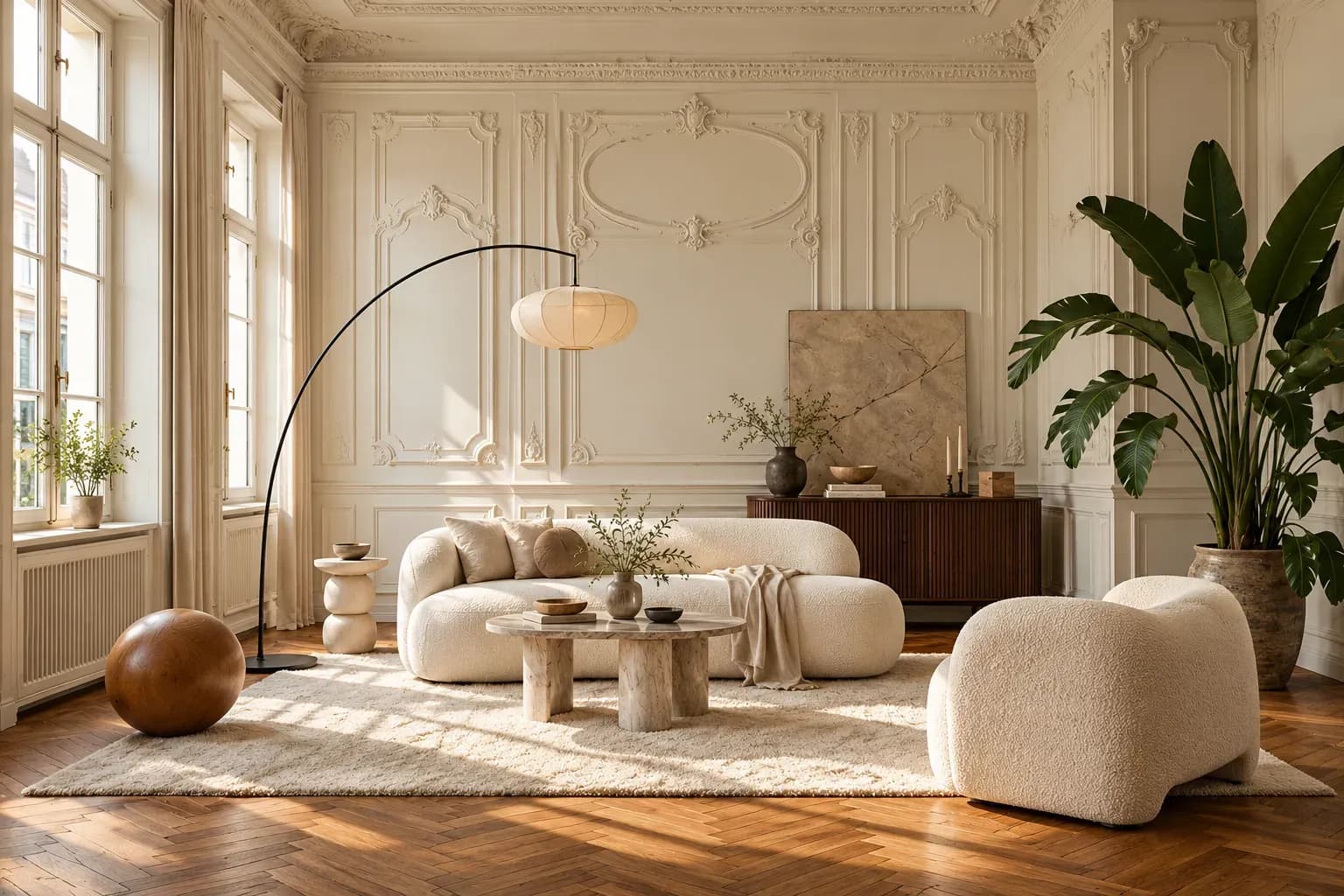
Both modern classic interior design and transitional design combine classical references with contemporary furniture, storage and lighting. However, modern classic rooms retain more symmetry and formality than transitional spaces. This article covers how transitional interior design differs across furniture, mouldings, colours, materials, lighting and maintenance, along with practical guidance for choosing between the two styles.
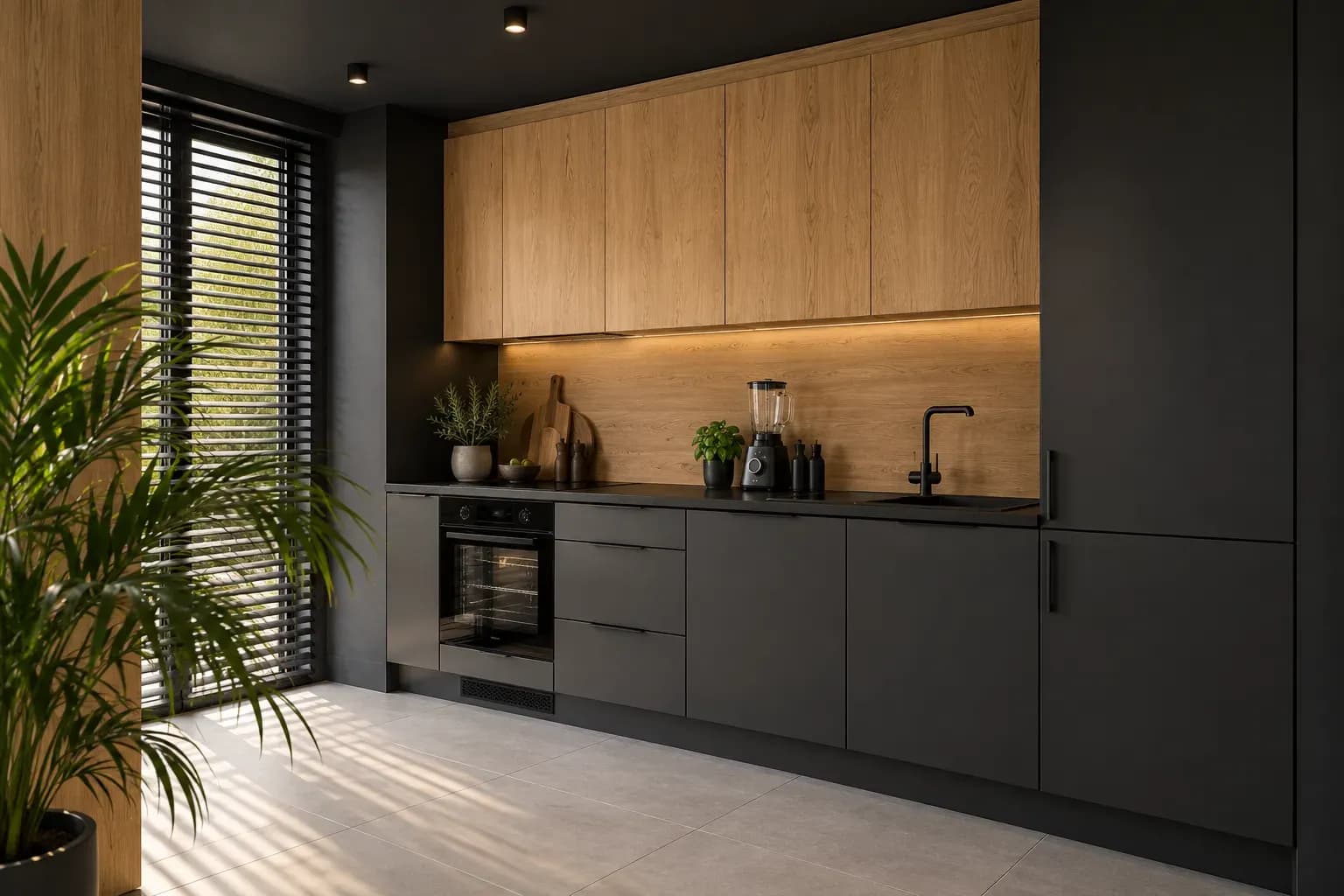
24 Oct 2026|5 min readKitchen interior design cost depends heavily on cabinet materials, core boards, hardware, storage accessories, and the level of customisation. Materials such as laminate, acrylic, veneer, membrane, and PU vary considerably in price, durability, appearance, and maintenance. A well-planned kitchen budget should therefore balance upfront cost with long-term performance and everyday use.
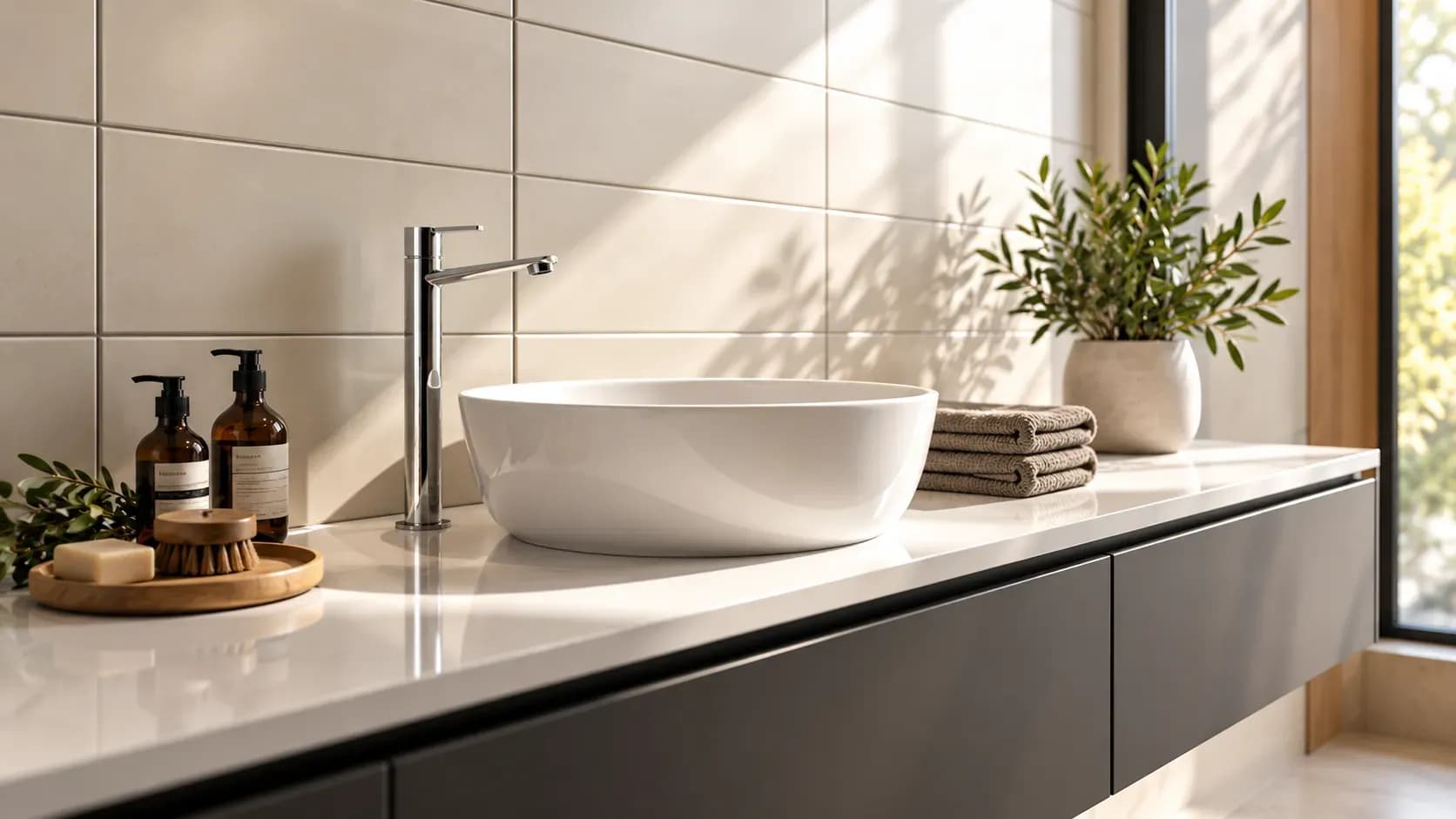
24 Oct 2026|5 min readAccessories, textures and finishes are all essential to modern bathroom decor, especially when smaller details need to feel connected. However, useful modern bathroom decor ideas also account for moisture, cleaning and storage so the room remains practical every day.
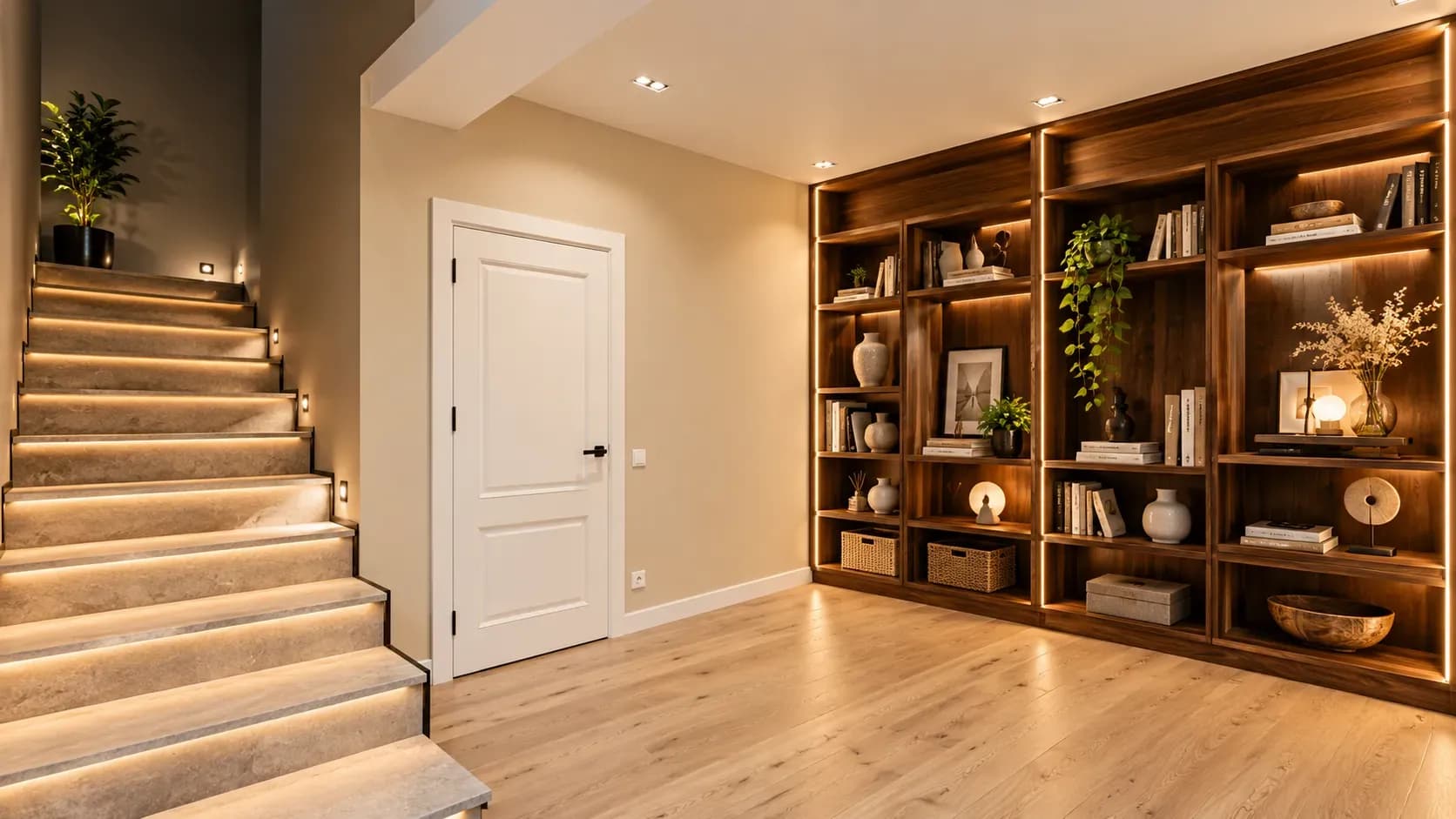
23 Oct 2026|5 min readA well-planned basement can become a practical extension of the home when moisture, ventilation, lighting and access are addressed first. From home theatres and gyms to guest rooms, offices and organised storage, basement interior design should reflect how the space will actually be used. Thoughtful layouts, moisture-resistant finishes and layered lighting can also make lower-ground spaces feel brighter, safer and more comfortable.
23 Oct 2026|5 min readVictorian house interior design can work well in compact Indian homes when you use decorative elements selectively. Lighter colours, restrained mouldings, slimmer furniture and controlled patterns help retain Victorian character without making rooms feel crowded. Modern storage, practical lighting and careful space planning can make the style more suitable for everyday living.
21 Oct 2026|5 min readThoughtful villa interior design creates continuity across large homes without making every room look identical. Repeating select materials and colours, planning circulation, balancing social and private zones, and using lighting strategically can help each space feel connected. Also consider corridors, landings, storage, and room-specific needs as part of the overall plan.
16 Oct 2026|5 min read


Your Home Makeover Starts Here.