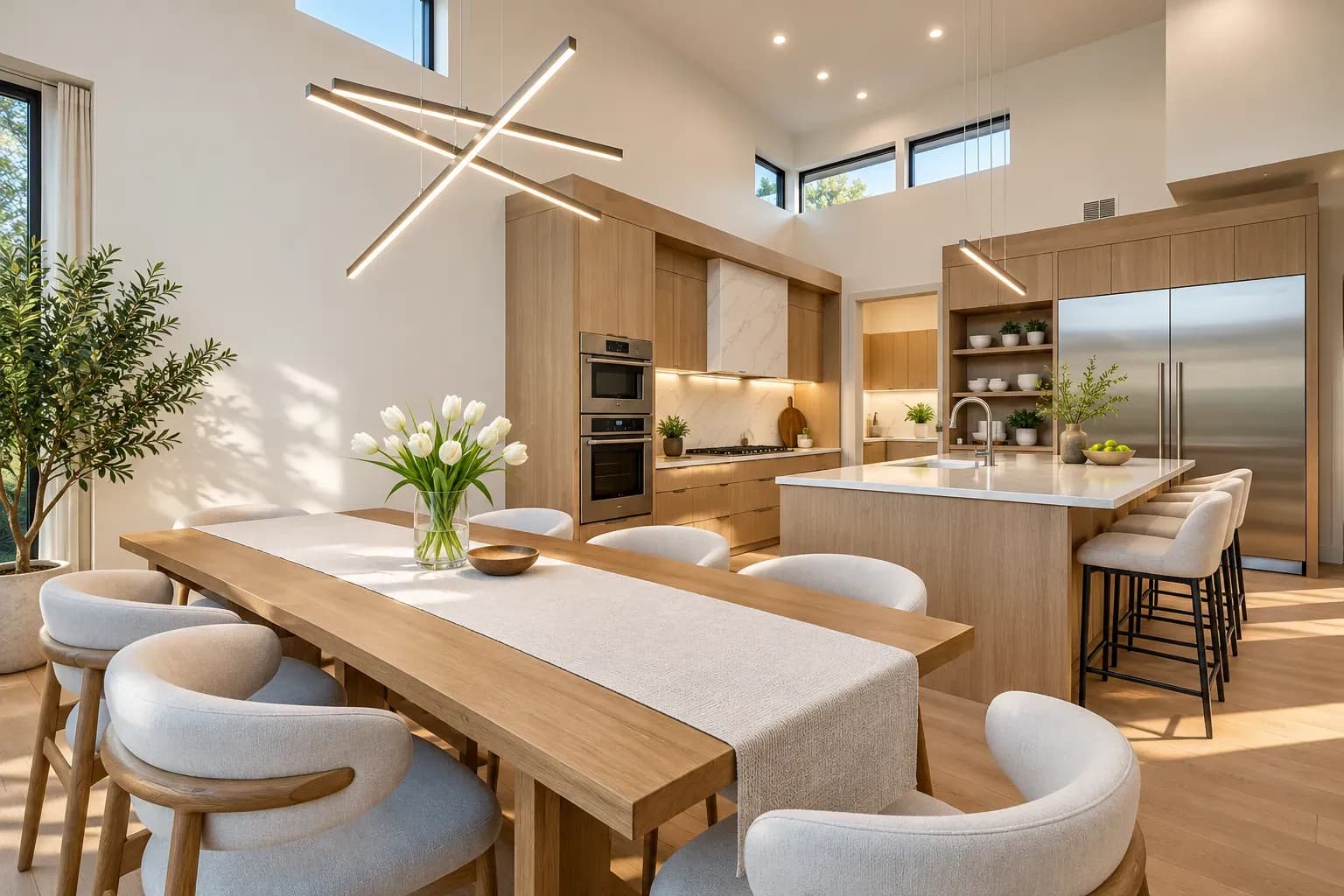
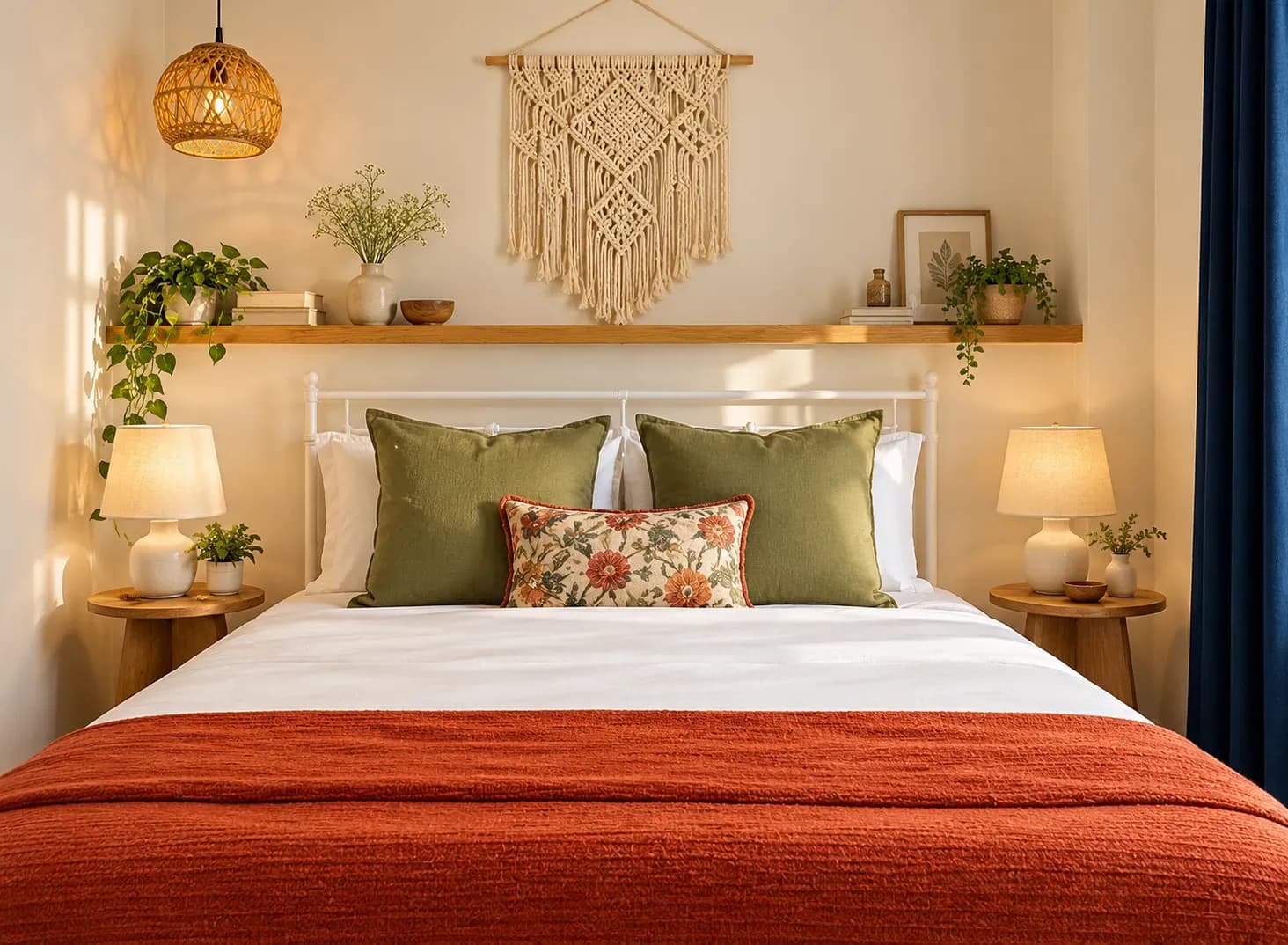
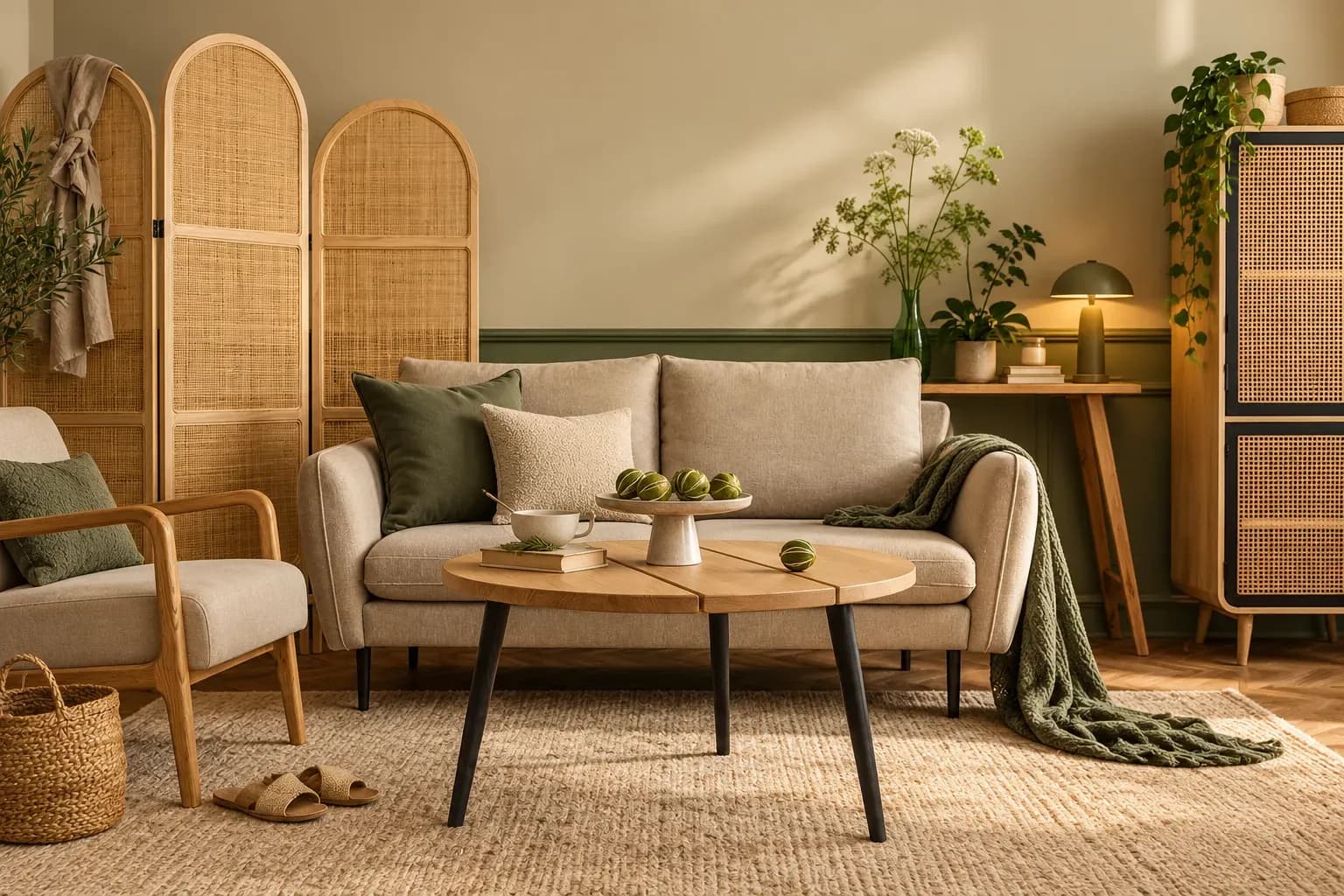
Minimalism was a movement in the world of sculptural arts and paintings back in the mid 20th century, and since then, has found its way into interior design. Today, minimal home interiors are all the rage and have been for the past couple of years. With the goal of creating a minimal,clutter-free space, minimalism is an approach that’s often sought after in modern homes today.If you’ve just taken possession of your new home and want your interiors to be minimalistic and clutter-free, we’ve got all the essential information for you. We show you how you can incorporateminimalist design principlesinto your home decor to achieve a clean, relaxing, and clutter-free living space.
Modern home interiors often start off with unique designs, but end up becoming cluttered, particularly so when there are several different elements dotted around the space. Further, a lot of homeowners feel like they need to cut down on their decorative pieces to achieve a minimal look, rather than design their interiors in a manner that can help them achieve such a vibe.
The solution is to understand the practical ways in which you can incorporateminimalist design principlesinto your home interiors. Working with anexperienced interior designeris the best way to turn your home into a relaxing, clutter-free haven.
One of the most common practices you’ll see across most homes is the urge to make use multiple statement pieces across a space. While this approach might be ideal for some, it takes away from the idea of a minimal and relaxing vibe. The best way to approach this is to create a key focal point in each space, rather than using multiple focal points.
This automatically reduces the need to make use of multiple pieces that may not be needed, thereby helping you create an open, airy, and de-cluttered atmosphere. The goal is to achieve a sense of visual balance in a space by making use of clean, empty spaces, and then adding a singular piece such as a rug, a coffee table, or even a bar cabinet as the statement piece.
This approach isideal for spaceslike living and dining rooms, as they tend to be more aesthetically focused, rather than driven by practicality.
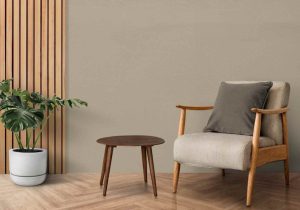
Minimalist design principlesemphasise clean lines and uncluttered surfaces, and keeping these elements in mind is crucial when designing your home’s interiors. The key is to choose furniture that doesn’t compete with your space, but rather, complements it.
However, this doesn’t mean that your interiors need to be devoid of personality. Your full home interiors can still have decorative lights for your living room, a statement coffee table, awell-designed TV cabinet, art, intricate textiles, and so on.
To achieve this balance between minimalism and personality, there are a few things to keep in mind -
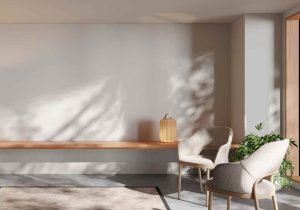
No matter what design theme you choose for your home’s interiors, the right colour theme plays a crucial role. When it comes to a minimalistic interior, the best option to choose is a neutral colour palette with shades like whites, off-whites, beiges, greys, and similar muted tones. As mentioned earlier, however, the use of a neutral colour palette doesn’t have to leave your space devoid of personality.
Your interiors can also feature accent walls with earthy tones like browns, greens, and yellows. However, they key us to use muted shades of these colours, rather than their vibrant and saturated counterparts.
If you want to play around with yourcolour scheme, you can consider using neutrals as a base for your walls, floors, and even for your larger pieces of furniture. Using a neutral foundation like this allows the other vibrant pieces in your space to shine. You can also incorporate colour in the form of art, rugs, curtains, or even throw pillows or cushions.
Last but not least, one of the key minimalist design principles is the use of texture. Since a minimalist theme can seem restricting in terms of colour, the use of texture can help you create a warm and cosy atmosphere.
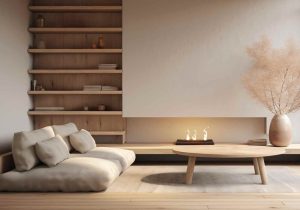
A clutter-free space is key tominimalistic interiors, and the key to achieving this is to ensure that your home has plenty of storage. The storage solutions themselves must be sleek and clean, adding to the overall minimalistic atmosphere in your home.
When integrating storage solutions, you must focus on your current needs, as well as those of your future when you might accumulate more possessions. Some of the best storage solutions you can consider include -
Integratingminimalist design principlesin your home interiors is not as easy as it might seem, but it certainly isn’t impossible. As you can see from this guide, creating a truly minimalistic atmosphere goes beyond mere cosmetic changes. We’ve shown you some of the best ways to turn your home into a clean, minimalistic, and relaxing haven.
If you’re looking to design your home interiors with a minimalistic, or any other theme in mind, and want the best quality,Bonito Designsis here for you. We’re India’s only ISO-certified full home interior brand and have over 10 years of experience.
What’s more, with a team of 300+ designers and a through 7 stage quality check process, we ensure that every aspect of your home is designed to perfection.
A well-planned small 2 BHK flat interior design should prioritise clear walkways before placing furniture or adding décor. Mapping natural movement paths, choosing appropriately scaled furniture, and using space-saving storage can make compact homes feel more comfortable and spacious. Consider daily routines, circulation, storage, and lifestyle needs together to create a home that works.
19 Oct 2026|5 min readA second bedroom in a 2 BHK can become far more useful when you plan it around everyday routines rather than keeping it only for occasional guests. Convertible furniture, smart storage, layered lighting, and flexible layouts can help the room support work, hobbies, fitness, or relaxation. By planning for both present needs and future changes, couples can create a multipurpose space that remains practical over time.
19 Oct 2026|5 min readA successful 2 BHK flat interior design project depends on clear scope, timely approvals, accurate measurements and proper sequencing of work. Plan procurement, modular production, and site execution around key dependencies to avoid delays. Regular reviews and systematic snag checks help keep the interior design project timeline on track.
17 Oct 2026|5 min read


Your Home Makeover Starts Here.