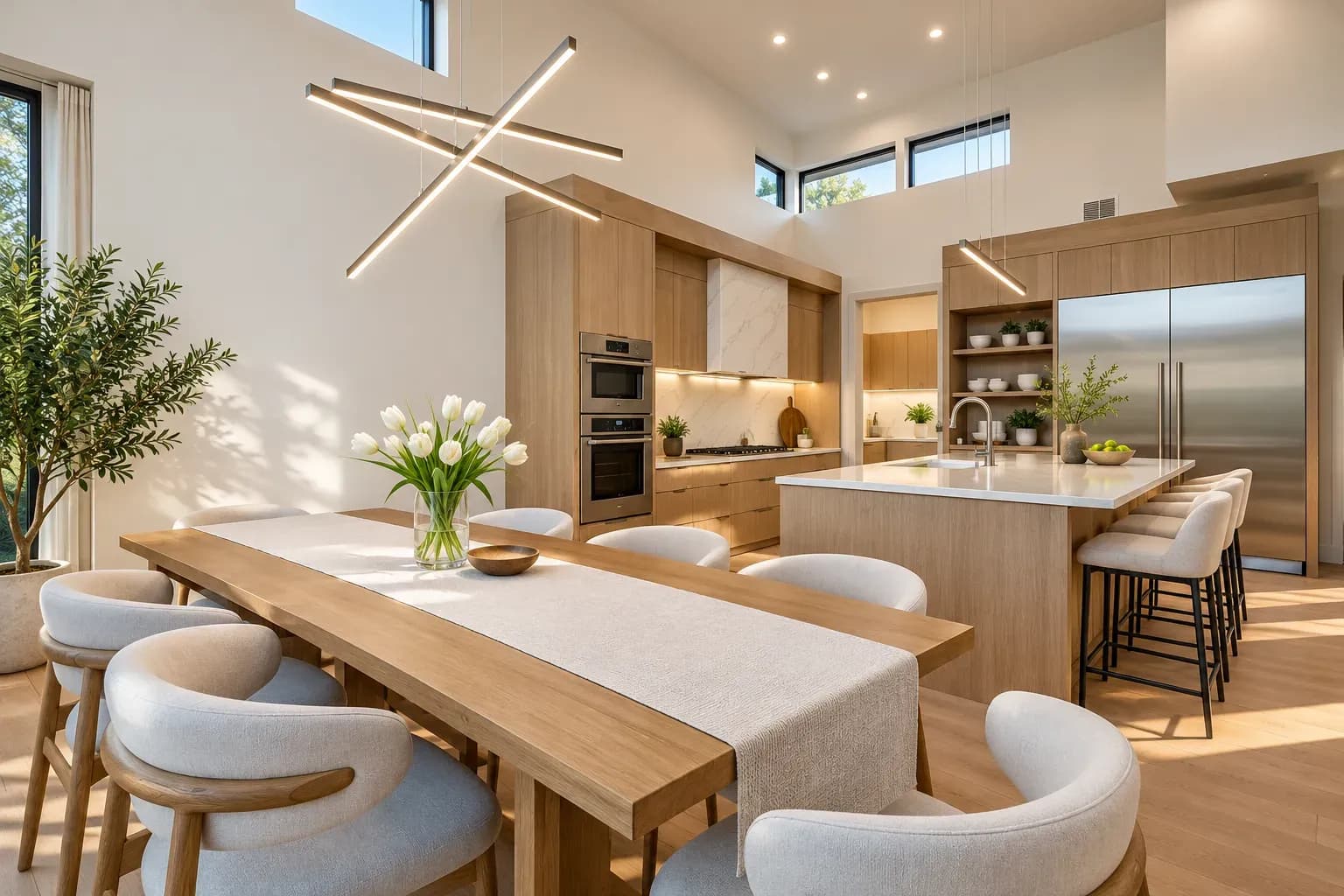
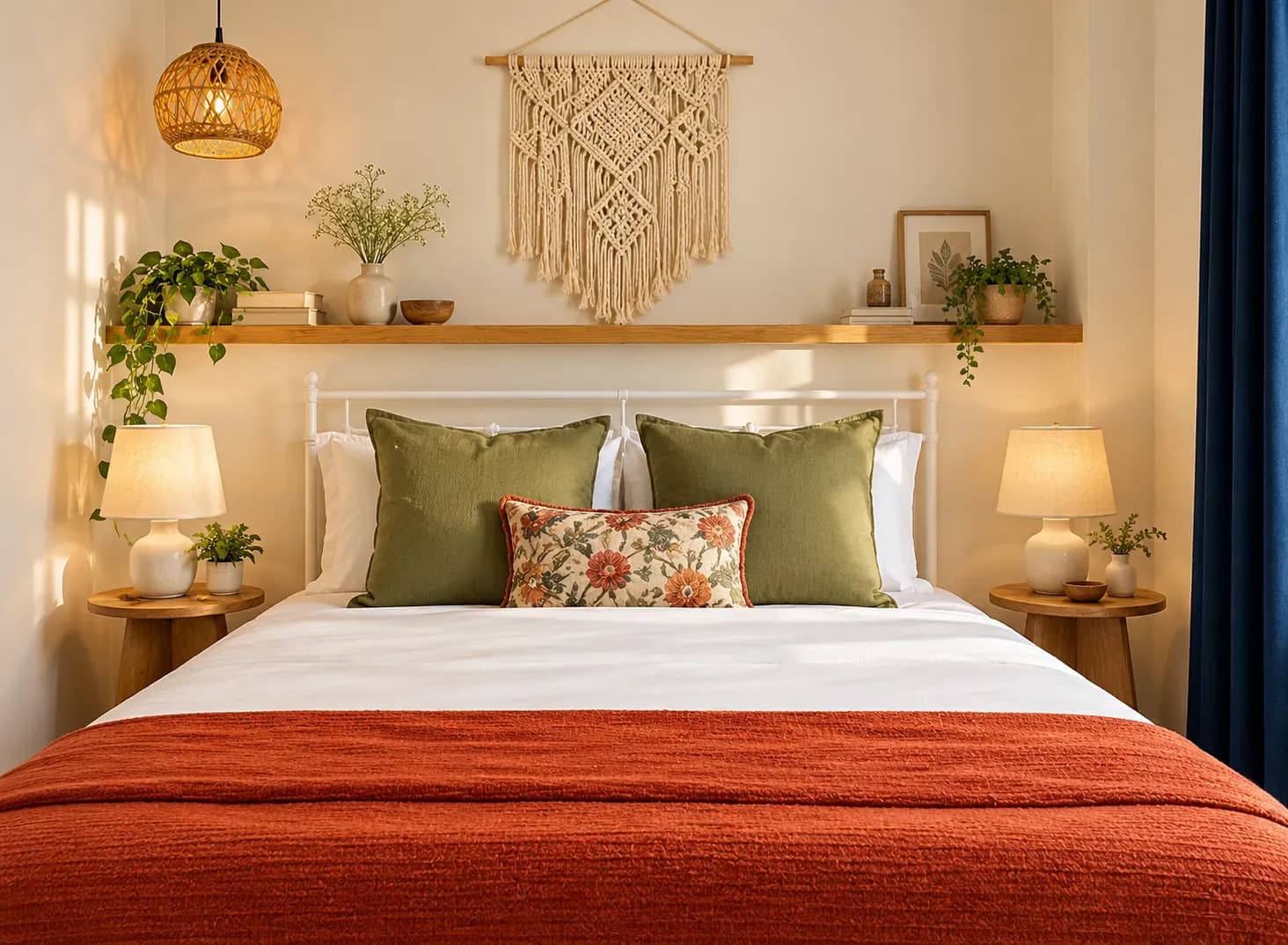
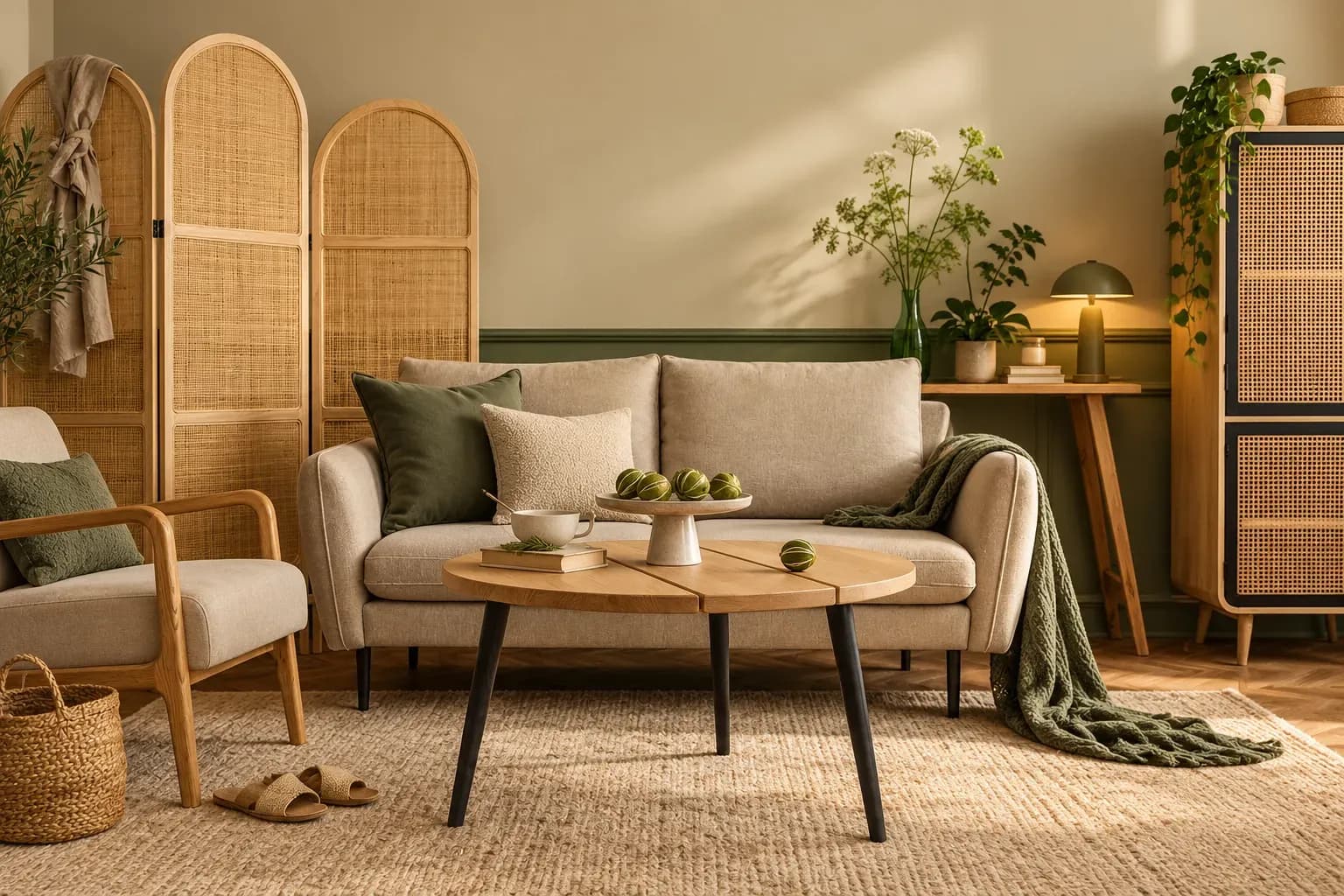
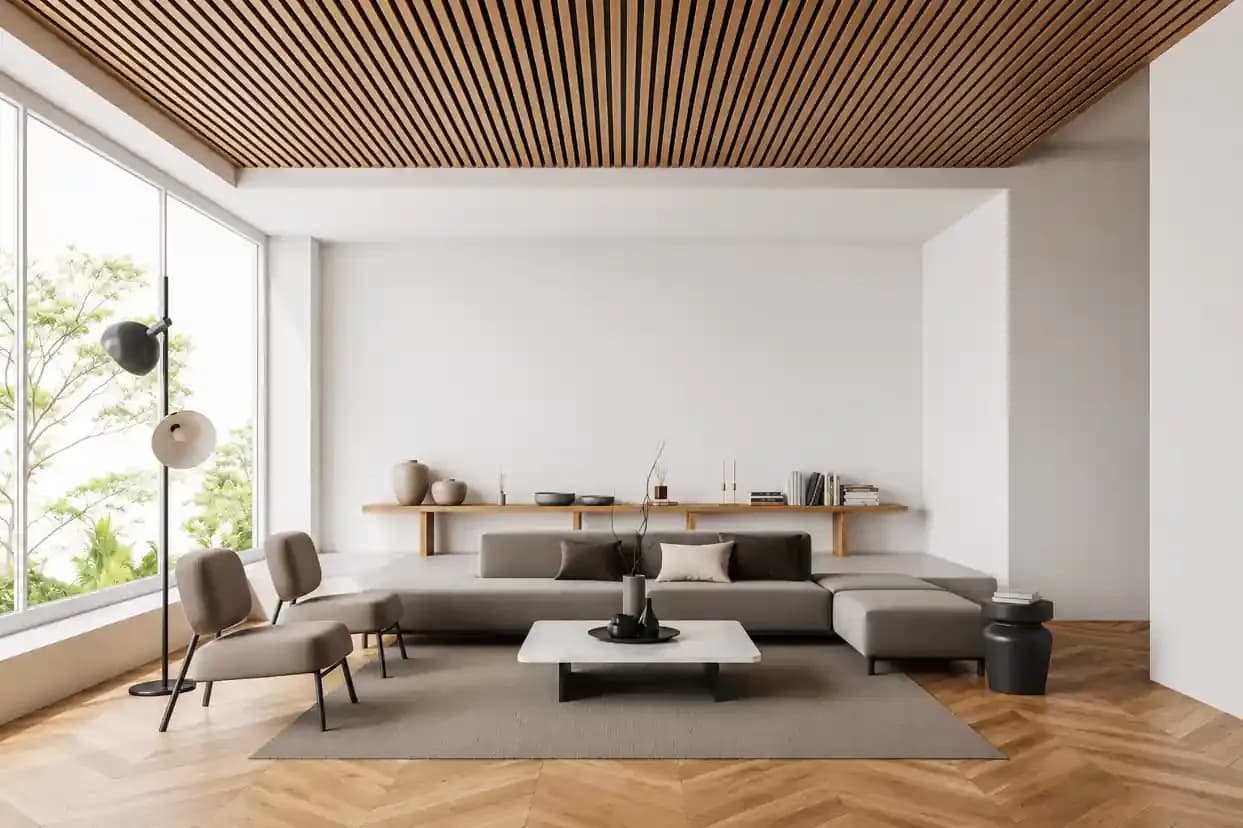
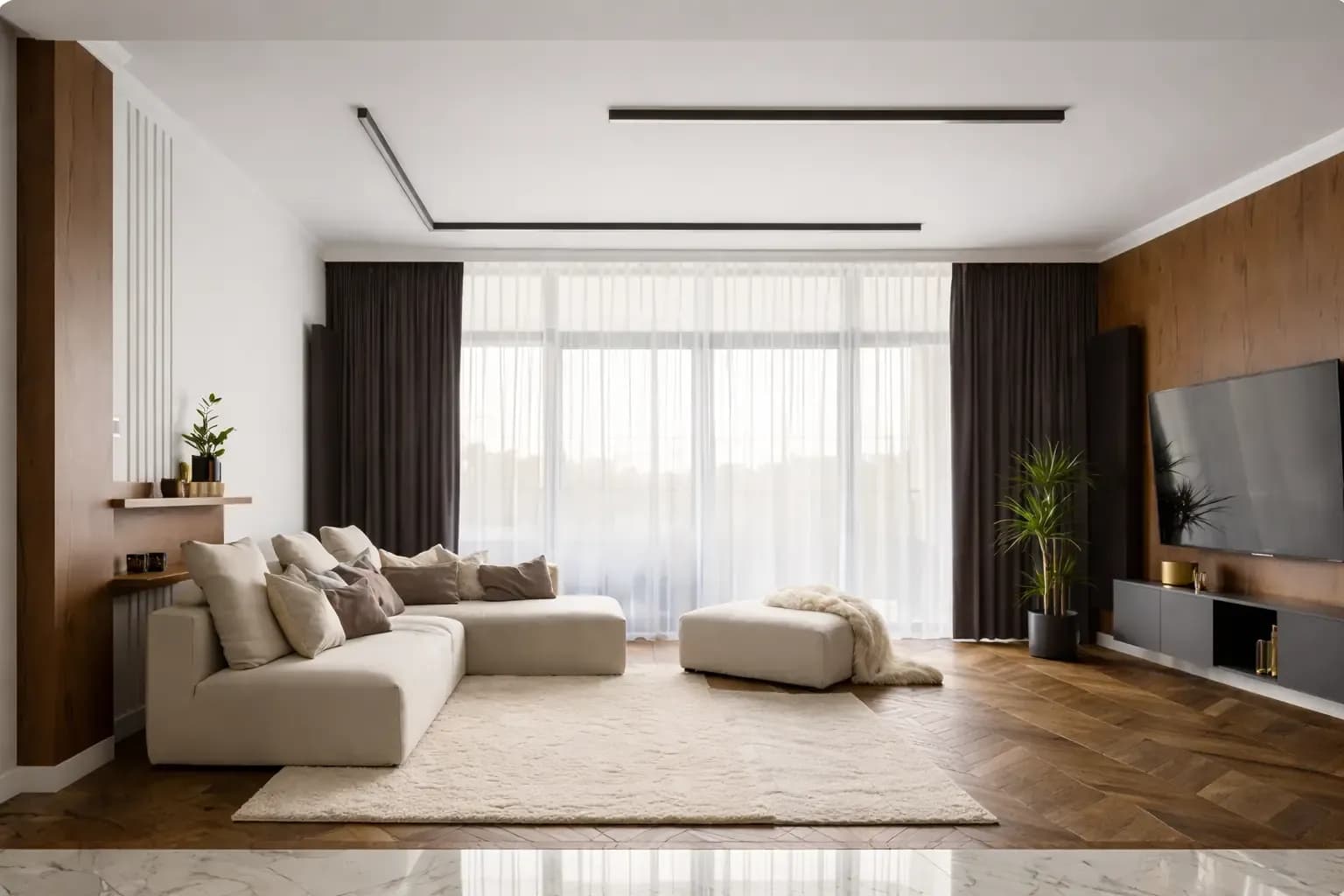
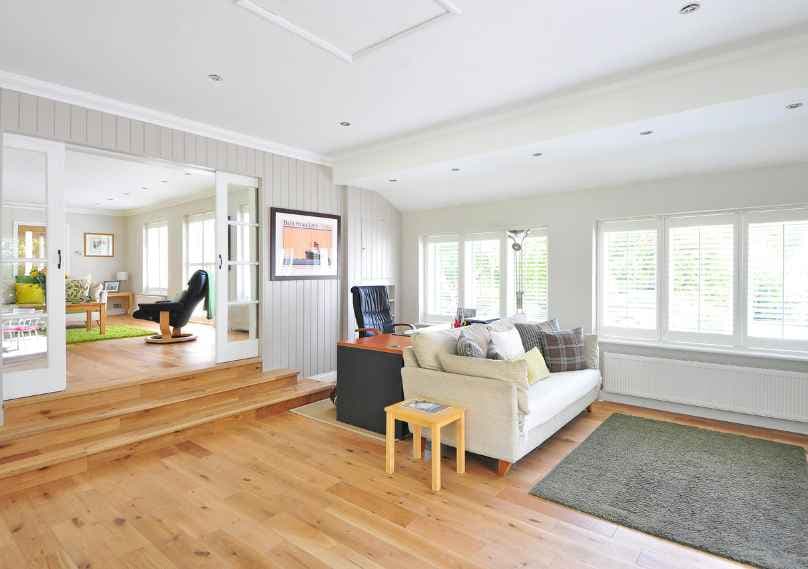
The latest false ceiling design trends are worth considering for Indian city homes because they improve lighting, hide wiring and AC ducts, support thermal comfort, reduce noise, and create a polished interior look. Modern false ceiling designs focus on both style and function, with options like tray ceilings, cove lighting, wooden accents, layered POP, gypsum boards, and PVC panels. The right choice depends on ceiling height, room function, climate, maintenance needs, and budget.
In Indian homes, false ceilings can solve real problems: they improve light distribution, conceal wiring and AC ducts, add thermal insulation, reduce noise, and give interiors a finished, zoned look. The latest false ceiling designs prioritise function alongside form, with moisture-resistant systems for coastal monsoons, low-maintenance finishes for families with children, and integrated lighting and AV for work-from-home setups.
A well-planned false ceiling lets you layer ambient, task, and accent light so a single room supports multiple activities. In flats with limited daylight, common in dense Mumbai and Bengaluru neighbourhoods, cove LEDs even out contrast and make spaces feel larger. Recessed spots deliver focused light over counters and study desks, while perimeter light creates soft evenings suited to family time or festival hosting.
Beyond aesthetics, the latest false ceiling designs tidy up service runs that would otherwise break sightlines. A gypsum grid or POP tray hides AC ducts, speaker cables, and plumbing chases and provides accessible panels for maintenance. That reduces disruption: instead of chasing cables behind plaster, technicians remove a single panel for repairs; an important practical advantage in busy households.
The air gap under a suspended ceiling reduces heat transfer from sun-warmed slabs, helping cool older Bengaluru flats. Interior designers in Bangalore often recommend materials like gypsum and POP, combined with insulation, dampen echoes and impact noise in stacked apartment blocks. This acoustic control matters for families balancing kids' play with remote work and client calls.
The latest false ceiling designs focus on shaping the space into a specific theme. A lowered ceiling over the dining table defines a zone in an open-plan living-dining hall; an uninterrupted high ceiling in a foyer signals a sense of volume. Tray profiles, coves and layers steer movement and focus without adding walls, an efficient spatial strategy for contemporary Indian homes where every square foot counts.
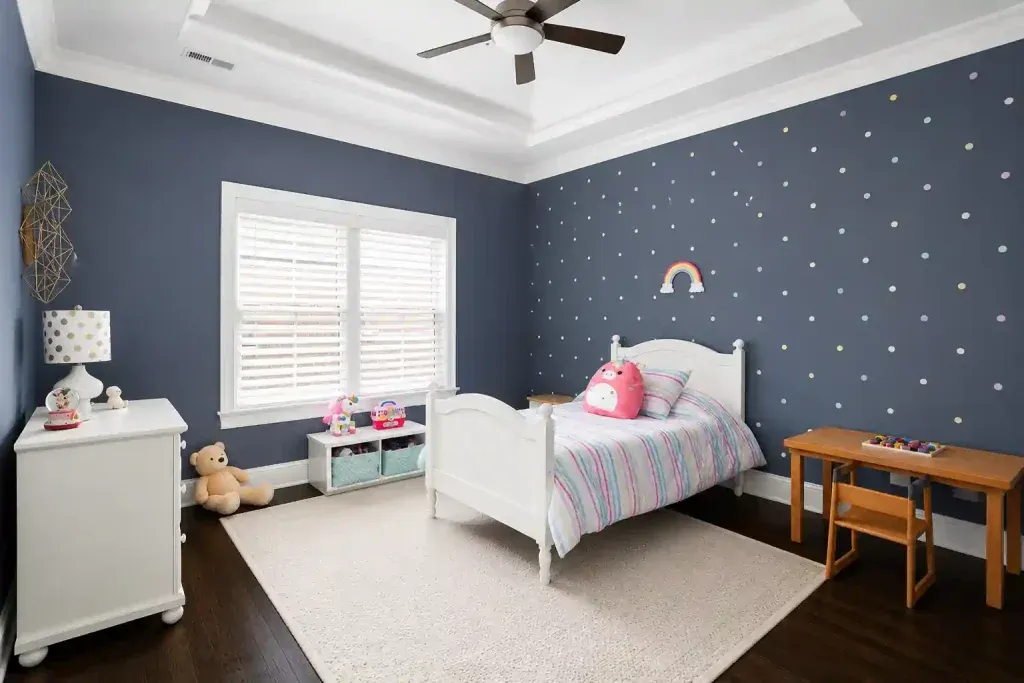
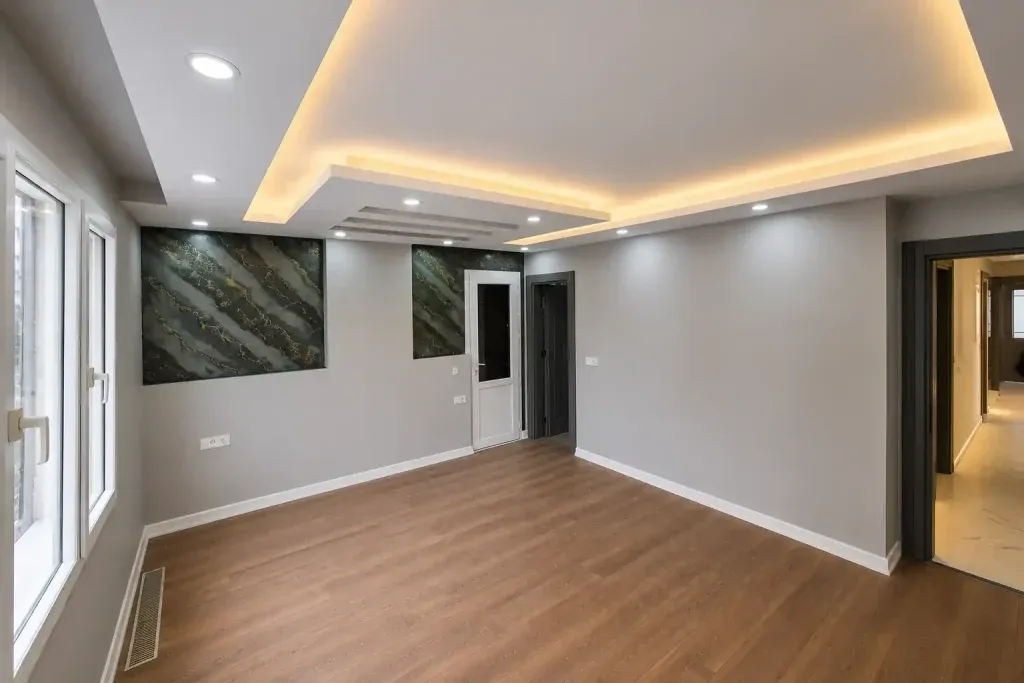
Modern ceiling design favours restraint with purpose. Minimal tray ceilings provide perceptible depth without reducing headroom, ideal for apartments with 8.5-9 ft clearances. Slim trays with hidden cove illumination read as an intentional architectural line above sofas or dining sets, offering a hotel-like polish.
Cove lighting ceilings are a popular false ceiling design because indirect light flatters interiors and creates adaptable moods. Designers combine perimeter LEDs with adjustable recessed spots so a living room can shift from cosy TV time to bright activity mode when children are studying, or guests arrive.
Wooden accents and slatted panels introduce warmth and improve acoustics in minimal schemes. In humid coastal cities, engineered wood with moisture-resistant finishes provides the look without warping. Geometric inserts, squares, the best false ceiling design, are used sparingly as focal points, framing pendants or artwork without overwhelming small rooms.
Layered POP profiles offer luxury in larger rooms, creating shadows and depth that change throughout the day. Gypsum ceilings have evolved to support smart lighting, motion sensors and concealed speakers, practical features now expected in the latest false ceiling design trends.
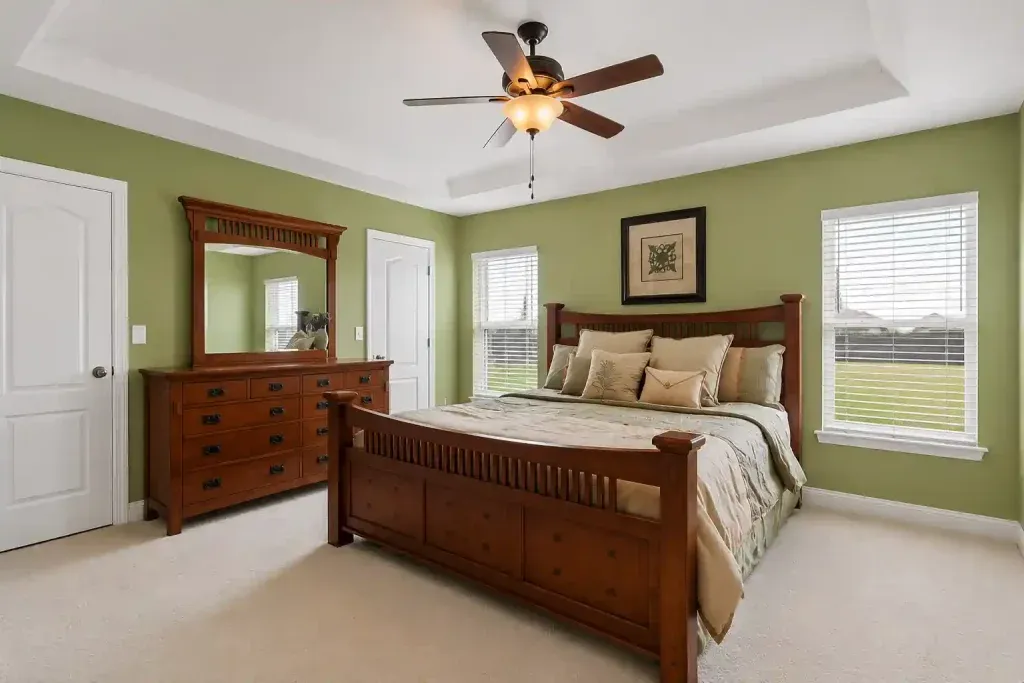
False ceiling Material choices must balance look, longevity and local climate.
When planning false ceiling work, match materials to the room function and the city's climate to avoid costly rework.
The latest false ceiling designs always consider the ceiling height first. Low-height flats benefit from shallow trays or a flat gypsum plane with recessed lights to preserve headroom; villas and duplexes can handle multi-level POP or deeper trays that emphasise verticality.
Next, define the room's function: entertainment areas need layered lighting and AV access; bedrooms require warm, dimmable cove lighting; home offices need glare-free task lighting and acoustic support. Plan lighting as a system to avoid expensive rewiring.
Consider climate; use moisture-rated boards and sealed joints in coastal and monsoon-prone cities, and choose engineered wood when warmth is desired, but humidity is a concern. Match ceiling language to your overall interior: use minimal trays for contemporary homes and sculpted POP for traditional or luxury interior fall ceiling designs.
Cost depends on material, room size, and design complexity. PVC is the most economical; gypsum and POP are mid-range; bespoke wood or layered POP is premium. Consider lifecycle costs: materials that require frequent refinishing or ceilings that make wiring access difficult increase long-term expenses.
False ceiling maintenance is straightforward if planned. Dust cove edges regularly, check recessed fixtures annually, and inspect for leaks or stains after heavy monsoon events. Sagging panels, water marks, or cracks around fixtures indicate trouble and must be repaired as soon as possible. Upgrades make sense when they offer practical improvements such as tunable white LEDs or smart controls that improve comfort and reduce energy use.
Bonito Designs approaches ceilings through its LifeDesign philosophy: design decisions informed by how you actually live. Where mornings happen, where clutter collects, how you entertain your guests, all these factors matter while designing your home.
With in-house design and execution teams, ISO-certified quality processes, and an end-to-end workflow (design → build → quality checks → handover), Bonito delivers practical ceiling solutions tuned to local realities.
Book a consultation with Bonito Designs if you want a single accountable partner who translates the latest false ceiling designs into durable, usable parts of your home with a clear roadmap.
A well-planned small 2 BHK flat interior design should prioritise clear walkways before placing furniture or adding décor. Mapping natural movement paths, choosing appropriately scaled furniture, and using space-saving storage can make compact homes feel more comfortable and spacious. Consider daily routines, circulation, storage, and lifestyle needs together to create a home that works.
19 Oct 2026|5 min readA second bedroom in a 2 BHK can become far more useful when you plan it around everyday routines rather than keeping it only for occasional guests. Convertible furniture, smart storage, layered lighting, and flexible layouts can help the room support work, hobbies, fitness, or relaxation. By planning for both present needs and future changes, couples can create a multipurpose space that remains practical over time.
19 Oct 2026|5 min readA successful 2 BHK flat interior design project depends on clear scope, timely approvals, accurate measurements and proper sequencing of work. Plan procurement, modular production, and site execution around key dependencies to avoid delays. Regular reviews and systematic snag checks help keep the interior design project timeline on track.
17 Oct 2026|5 min readExplore the best wooden false ceiling design ideas for living rooms, bedrooms, dining areas, and foyers with practical tips.
22 Jun 2026|5 min readFind out which false ceiling materials are the best for modern city homes. What ages the best, which looks premium, and what’s practical? Pros and cons explained!
30 Mar 2026|5 min readMastering Ceiling Lights Without Installing a False Ceiling in 2024. Visit Bonito Designs for personalised full home interiors. Book Now!!
19 Apr 2024|5 min read


Your Home Makeover Starts Here.