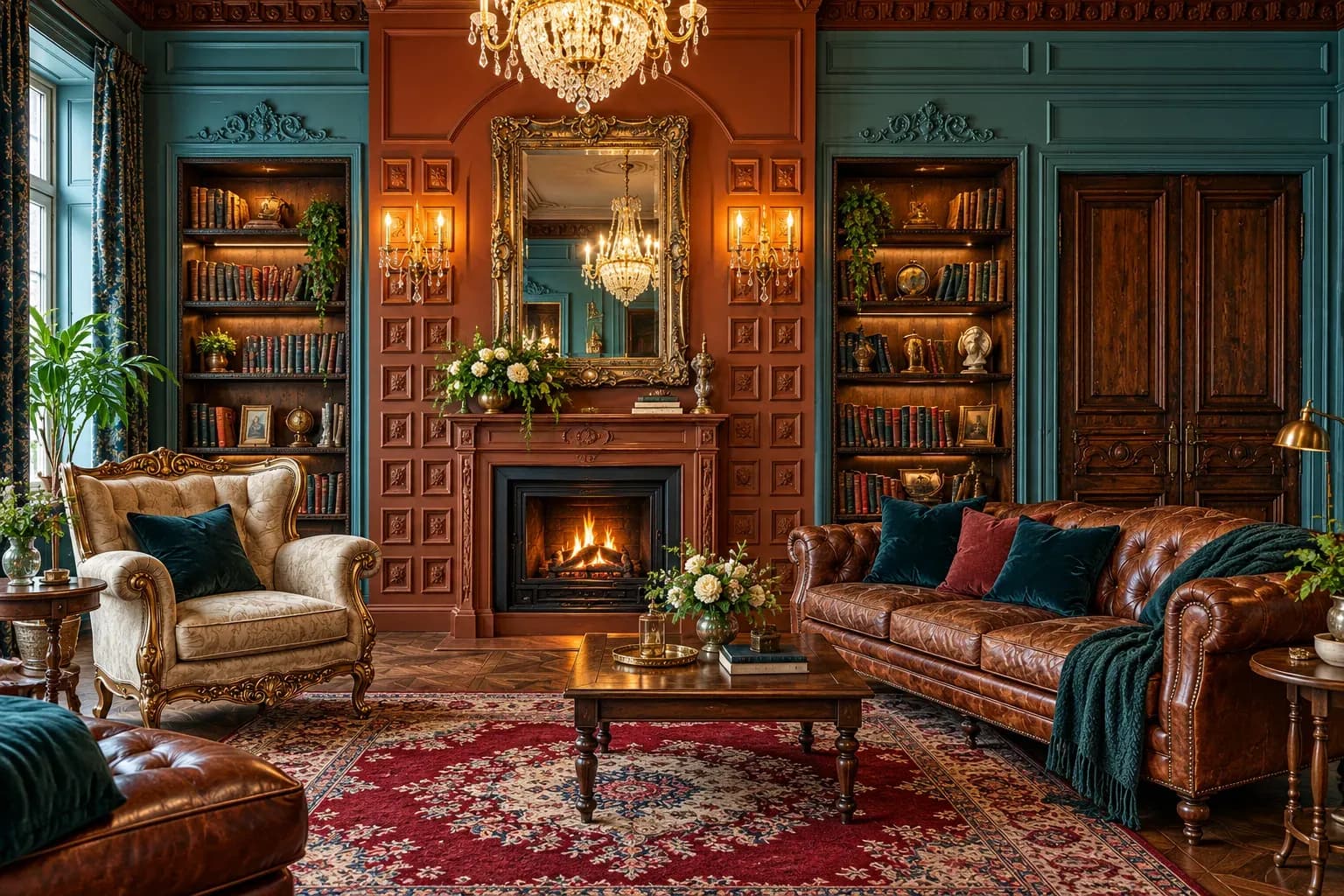
Wood has been a cornerstone in home design for centuries, cherished for its natural beauty, versatility, and enduring appeal. Whether it's the rich warmth of hardwood floors or the rustic charm of pine panelling, wood can transform any space into a welcoming and stylish environment.
From the grand havelis to the modern apartments, wood has always held a special place in Indian homes, bringing warmth and elegance that is both timeless and versatile. Whether it's the solid feel of teak underfoot or the rustic charm of a mango wood coffee table, wood is a beloved choice for bringing life and luxury into our living spaces.
This blog will take you through the different types of wood popular in Indian homes, their specific uses in our interiors, and the lasting advantages they offer. We’ll explore everything from the robustness of hardwoods to the delicate beauty of softwoods, helping you understand how each type can enhance and transform your home into a more welcoming and stylish sanctuary.
In Indian interior design, wood is a favorite for its vast range and adaptability. Hardwoods like oak, sheesham, and teak are treasured for their durability and are commonly selected for flooring, hefty furniture, and vital structural elements. These woods are celebrated not just for their strength but also for their rich textures and deep colors that add a touch of luxury and resilience in everyday use. Conversely, softwoods such as pine and cedar are lighter and offer flexibility, making them ideal for decorative accents like wall panelling, false ceilings, and crafty furniture pieces.
Choosing between hardwood and softwood often depends on what the space demands and your personal style. Hardwoods, with their robust composition, are perfect for areas that see a lot of foot traffic or furniture that needs to stand the test of time. Softwoods, being more affordable and easier to work with, are great for adding aesthetic value without the heavy investment. Each type of wood brings its unique flair to your home, enabling you to customize your space in a way that blends tradition with contemporary living.
Wood is not just a building material; it's a statement of style in Indian homes. The natural grain patterns, varied textures, and rich colors of wood can dramatically enhance the aesthetic value of any space.
From the stately elegance of wooden beams in a traditional Kerala-style home to the sleek hardwood floors in a modern Mumbai apartment, wood brings a unique character that no other material can match. Bespoke wooden furniture, such as intricately carved teak consoles or custom-made sheesham dining tables, adds a personal touch that elevates the overall design. Each piece tells a story, lending a sense of history and artistry to the interiors.
Beyond its beauty, wood offers numerous practical benefits that make it an excellent choice for Indian homes. Its durability and longevity are unparalleled; well-maintained wood can last generations, becoming more cherished as it ages. Wood's natural insulation properties help regulate indoor temperatures, keeping homes cooler in the scorching summers and warmer during chilly winters, which is particularly valuable in the diverse climates of India.
Additionally, wood has a natural resistance to electrical conductivity, making wooden floors and furniture safer in homes with children and pets. The ease of maintenance is another significant advantage—regular dusting and occasional polishing are all it takes to keep wood looking its best. Minor scratches or dents can often be repaired onsite, ensuring wood features and furnishings continue to look impeccable over time.
Integrating wood with other materials can create a dynamic and harmonious look in your home. Combining wood with metals, such as brass or copper, can introduce an industrial yet refined aesthetic, perfect for creating striking contrasts in furniture or decor accents.
Wood and glass make for an elegant pairing; think of a rosewood coffee table with a glass top, which adds a touch of sophistication without overwhelming the space. Fabrics also complement wood beautifully soft upholsterers or colorful throws on a solid wood bed frame can soften the overall feel and add a cozy vibe to any room.
When mixing materials, it’s crucial to maintain balance by considering colors, textures, and proportions to ensure that the elements blend seamlessly, enhancing the natural beauty of the wood rather than overshadowing it.
Choosing wood for your home interiors not only offers timeless beauty and unparalleled durability but also aligns with choosing a trusted partner who understands the importance of quality and value.
At Bonito Designs, we pride ourselves on being the first-ever ISO-certified brand in interior design, reflecting our commitment to excellence across all facets of our work. Our rigorous 7-stage quality check process, which includes over 400 individual tests, ensures that each wooden element we craft meets the highest standards of quality and durability.
We understand the significance of time in home renovation projects. We guarantee a 90-day delivery for your interior designs, ensuring that your dream space is realized quickly without compromising on quality. Our efficient workforce, equipped with over 300 skilled designers, crafts everything from scratch in our in-house manufacturing facilities, ensuring perfection and customization to handle your specific needs.
We offer easy EMI options, enabling you to design now and pay later, recognizing the importance of financial flexibility. This approach makes it easier to budget for your dream home without immediate financial strain.
By choosing Bonito Designs, you're not just redesigning your space; you're investing in a partnership that values quality, efficiency, and customer satisfaction above all.
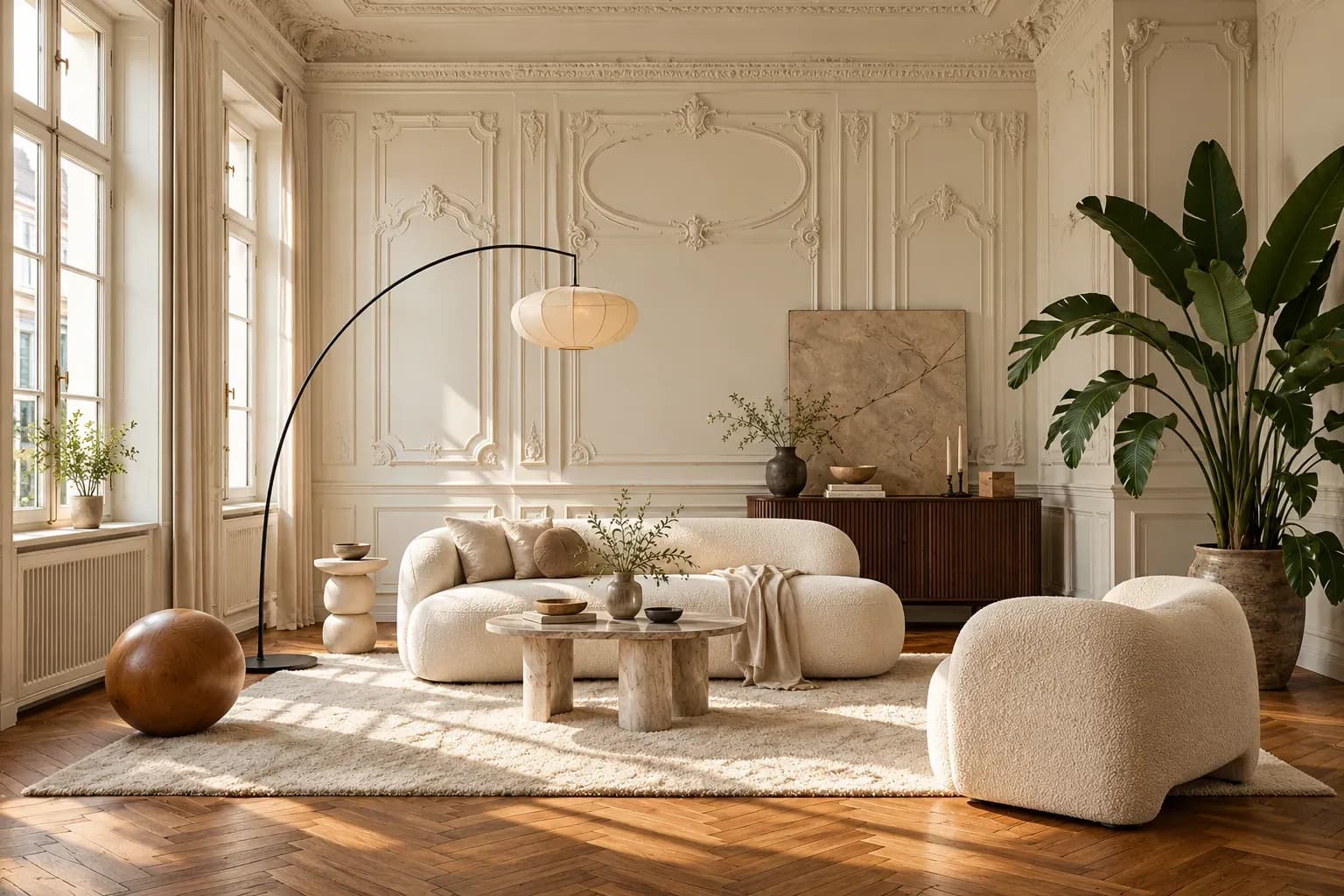
Both modern classic interior design and transitional design combine classical references with contemporary furniture, storage and lighting. However, modern classic rooms retain more symmetry and formality than transitional spaces. This article covers how transitional interior design differs across furniture, mouldings, colours, materials, lighting and maintenance, along with practical guidance for choosing between the two styles.
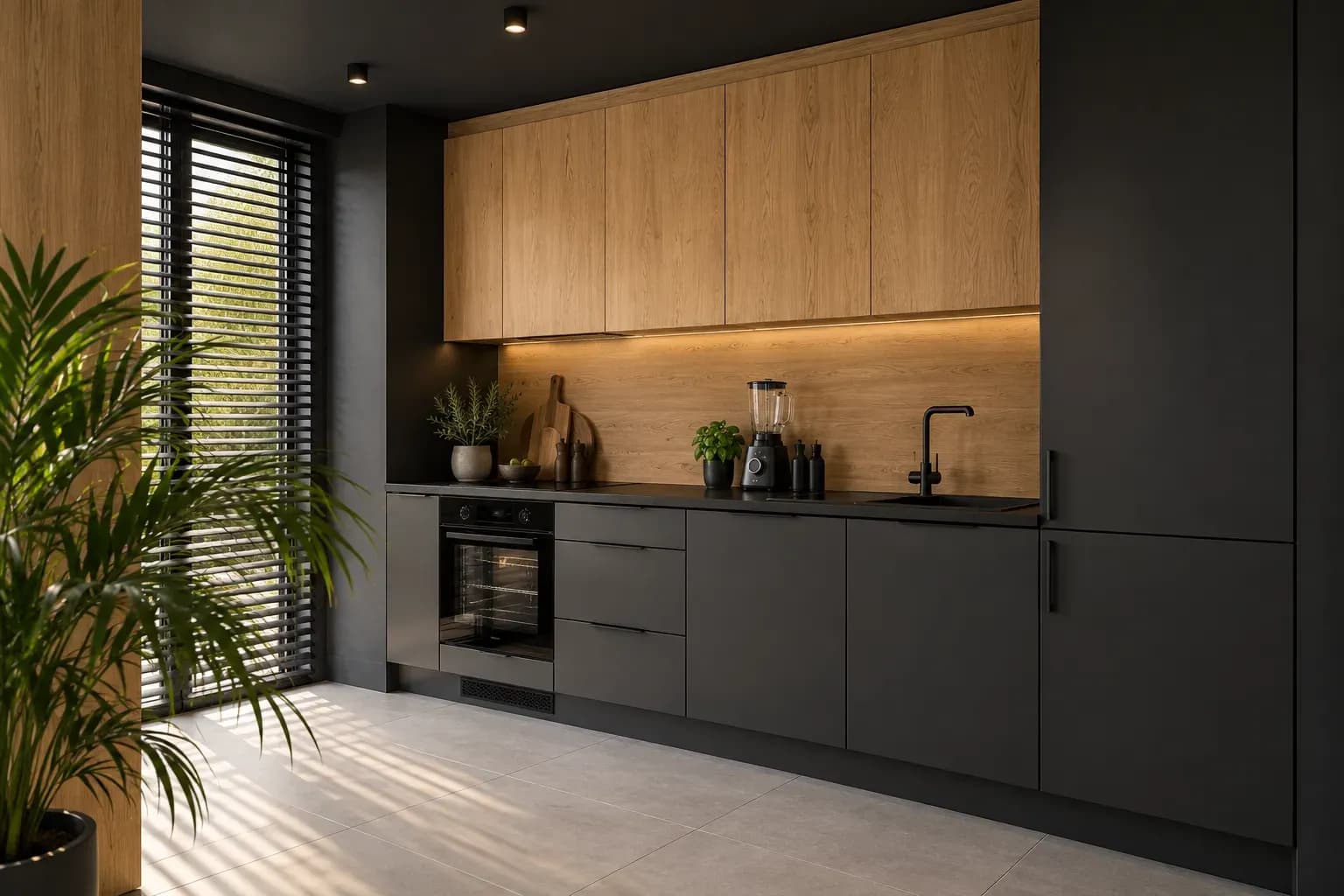
24 Oct 2026|5 min readKitchen interior design cost depends heavily on cabinet materials, core boards, hardware, storage accessories, and the level of customisation. Materials such as laminate, acrylic, veneer, membrane, and PU vary considerably in price, durability, appearance, and maintenance. A well-planned kitchen budget should therefore balance upfront cost with long-term performance and everyday use.
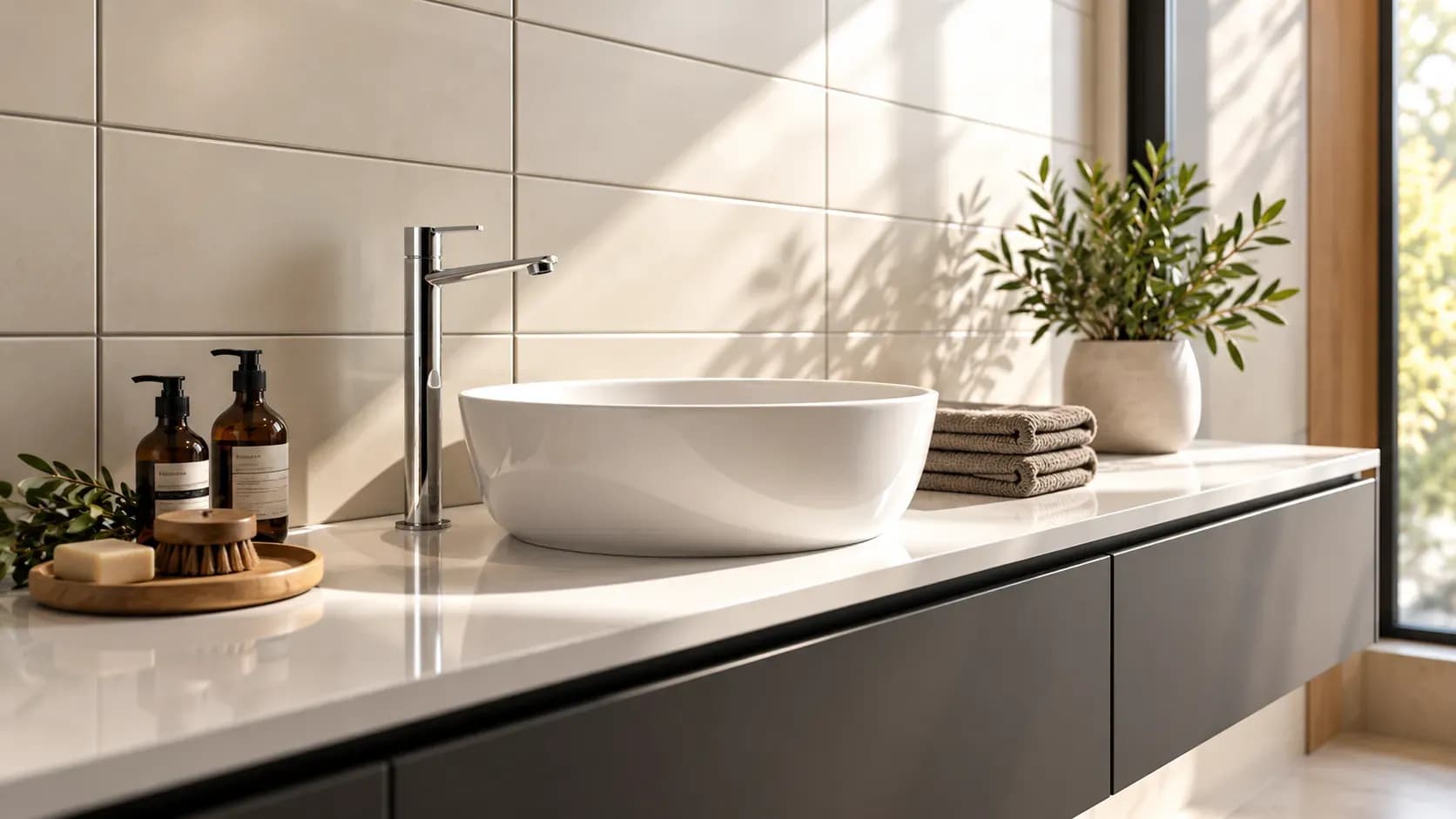
24 Oct 2026|5 min readAccessories, textures and finishes are all essential to modern bathroom decor, especially when smaller details need to feel connected. However, useful modern bathroom decor ideas also account for moisture, cleaning and storage so the room remains practical every day.
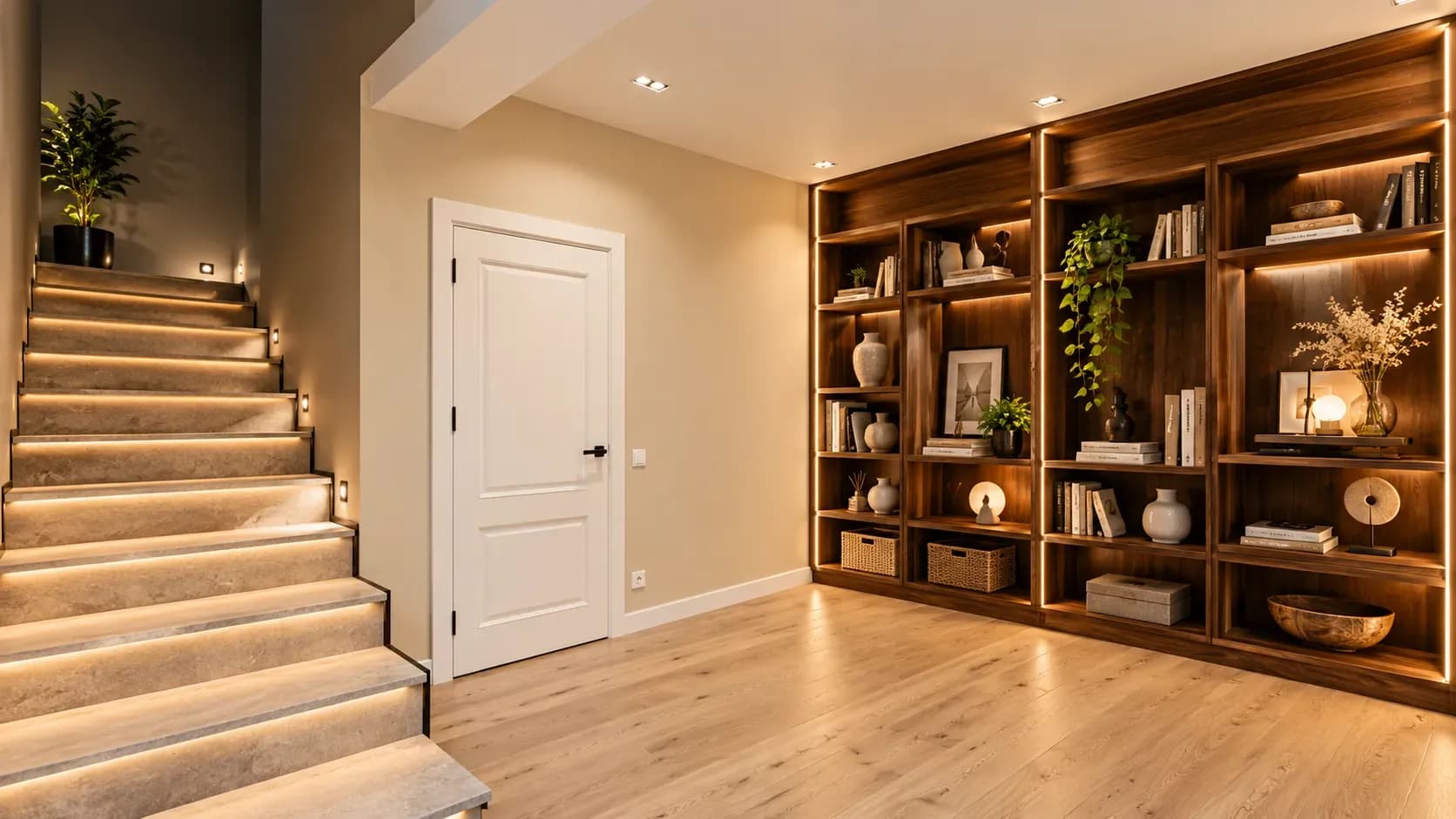
23 Oct 2026|5 min readA well-planned basement can become a practical extension of the home when moisture, ventilation, lighting and access are addressed first. From home theatres and gyms to guest rooms, offices and organised storage, basement interior design should reflect how the space will actually be used. Thoughtful layouts, moisture-resistant finishes and layered lighting can also make lower-ground spaces feel brighter, safer and more comfortable.
23 Oct 2026|5 min readVictorian house interior design can work well in compact Indian homes when you use decorative elements selectively. Lighter colours, restrained mouldings, slimmer furniture and controlled patterns help retain Victorian character without making rooms feel crowded. Modern storage, practical lighting and careful space planning can make the style more suitable for everyday living.
21 Oct 2026|5 min readThoughtful villa interior design creates continuity across large homes without making every room look identical. Repeating select materials and colours, planning circulation, balancing social and private zones, and using lighting strategically can help each space feel connected. Also consider corridors, landings, storage, and room-specific needs as part of the overall plan.
16 Oct 2026|5 min read


Your Home Makeover Starts Here.