


A loft is an elevated area near the ceiling that helps homeowners make better use of vertical space. It can be used for storage, a bedroom, a compact workspace, or a reading nook, especially in space-conscious city homes. With the right ceiling height, structure, lighting, and accessibility, a loft addition can make a home feel more functional, organised, and thoughtfully designed.
Most homes have that awkward empty space near the ceiling that nobody really knows what to do with. It just sits there collecting dust while storage keeps running out downstairs. That’s where lofts become useful.
A well-planned loft can add storage, create a sleeping area, or even carve out a tiny workspace without eating into your actual floor space. And honestly, in modern Mumbai and Bangalore homes, that matters a lot.
People often associate lofts with industrial apartments or massive designer homes, but that’s not really the case anymore. A smart loft design can work beautifully even in compact city apartments when planned properly.
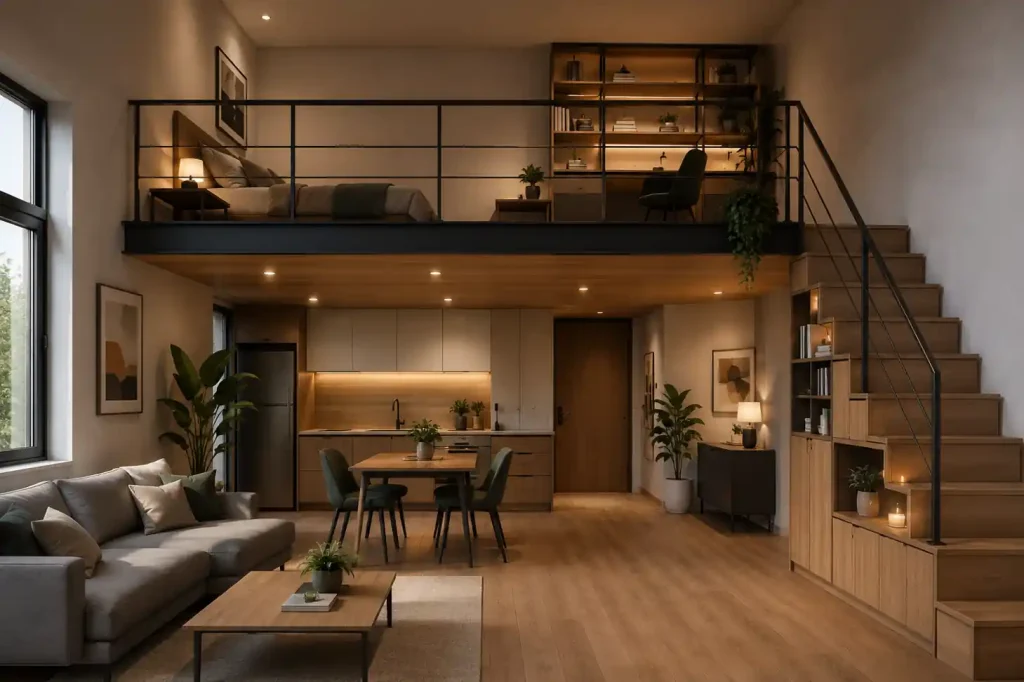
If you’re wondering what a loft is, the answer is pretty simple. A loft is an elevated area created closer to the ceiling to make better use of vertical space. Sometimes it’s used for storage. Sometimes it becomes a bedroom, study nook, or work area.
In many Indian homes, the kitchen is designed with a loft or lofts above wardrobes. The difference now is that homeowners are looking at lofts as part of the overall interior design rather than treating them as hidden storage boxes. That shift has made loft house design much more stylish and functional than before.
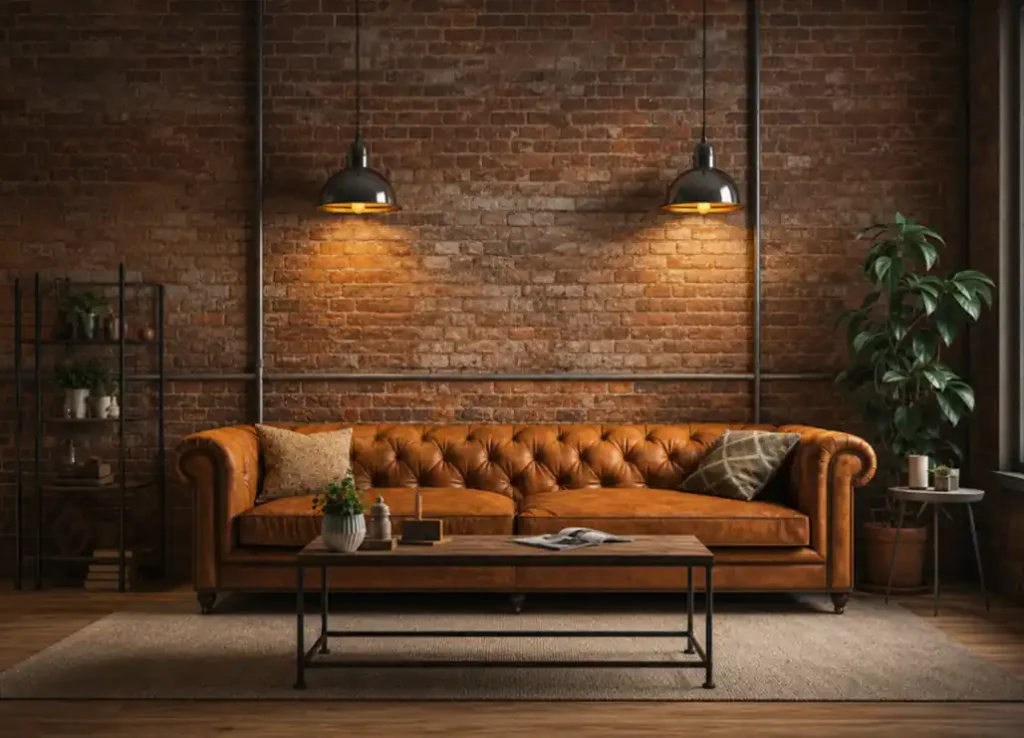
Space disappears fast. One day, your house feels organised, and suddenly there are extra suitcases, winter blankets, random appliance boxes, and nowhere to keep them. A loft helps solve that without major renovation work.
For some homeowners, it’s purely practical. For others, it’s about aesthetics too. A thoughtfully designed luxury loft can completely change how a room feels. It adds dimension, layers, and character.
Not every loft serves the same purpose. The design depends on how you live, how much ceiling height you have, and how much clutter you’re trying to hide.
A loft bedroom works surprisingly well in compact Mumbai homes. Interior designers in Mumbai use lofts instead of spreading everything across one level. The sleeping area moves upward, freeing the lower section for wardrobes, seating, or even a study setup.
A modern loft bedroom design doesn’t have to feel cramped or temporary either. With proper lighting, railing details, and smart furniture placement, it can feel cosy in a good way. Not “hostel bunk bed” cosy, actual cosy.
This setup is especially common in studio apartments and kids’ rooms where space flexibility matters more.
This is probably the most familiar type of loft in Indian homes. Storage lofts are practical because they keep less-used items out of sight while freeing everyday storage below. Seasonal décor, luggage, spare bedding, old files, and kitchen appliances that appear once every Diwali, all of it can go upstairs.
A kitchen loft is particularly useful because kitchens somehow never have enough storage. Ever. Modern kitchen design loft concepts usually blend loft storage into the cabinetry itself, so the upper section doesn’t feel bulky or disconnected from the rest of the kitchen. Clean finishes matter here. Otherwise, the space can quickly start looking visually heavy.
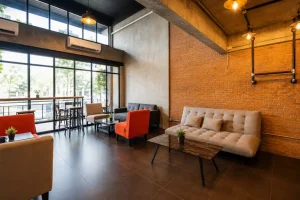
Remote work changed how people use their homes. Suddenly, everyone needed “just one quiet corner” and realised there wasn’t one, especially in Bangalore.
This kind of loft design works well because it separates the workspace without requiring an entirely separate room. You still maintain openness while creating a sense of division. And visually? It adds personality to the house instead of making everything look flat and repetitive.
People sometimes assume lofts only belong in bedrooms or kitchens, but they’re actually pretty versatile.
Even in compact apartments, a small loft can fit if the ceiling height allows.
The trick is balance. A loft should feel integrated into the room, not like something randomly attached later because storage got out of control. That’s where thoughtful loft design ideas make a difference.
Before adding a loft, there are a few things worth carefully considering.
Honestly, not every home needs a luxury loft. But if you have unused vertical space, constant storage issues, or a compact layout that feels restrictive, a loft can genuinely improve how the home functions. The best lofts don’t just add space. They make the room feel smarter and more intentional.
At Bonito Designs, lofts are designed to feel like a natural extension of the home rather than an afterthought squeezed near the ceiling. Whether it’s a sleek kitchen loft, a customised workspace, or a modern loft bedroom design, the focus stays on functionality, aesthetics, and long-term usability together.
If you want a good loft that does more than just hold extra boxes, consider booking a consultation with Bonito Designs.
A loft is an elevated space built closer to the ceiling to make better use of vertical space. It can serve as storage, a sleeping area, a study corner, or a small workspace.
The main purpose of a loft is to add usable space without expanding the home’s floor area. It is commonly used for storage, work zones, bedrooms, or hobby areas.
Yes, a loft can be added to a small apartment if the ceiling height and structure allow it. Compact homes in cities often use lofts to free up floor space and improve storage.
A loft can be added in bedrooms, kitchens, living rooms, kids’ rooms, or studio apartments. The best location depends on ceiling height, room layout, and how the space will be used.
Before adding a loft, consider ceiling height, structural strength, access through stairs or ladders, lighting, ventilation, and how naturally the loft fits into the room design.