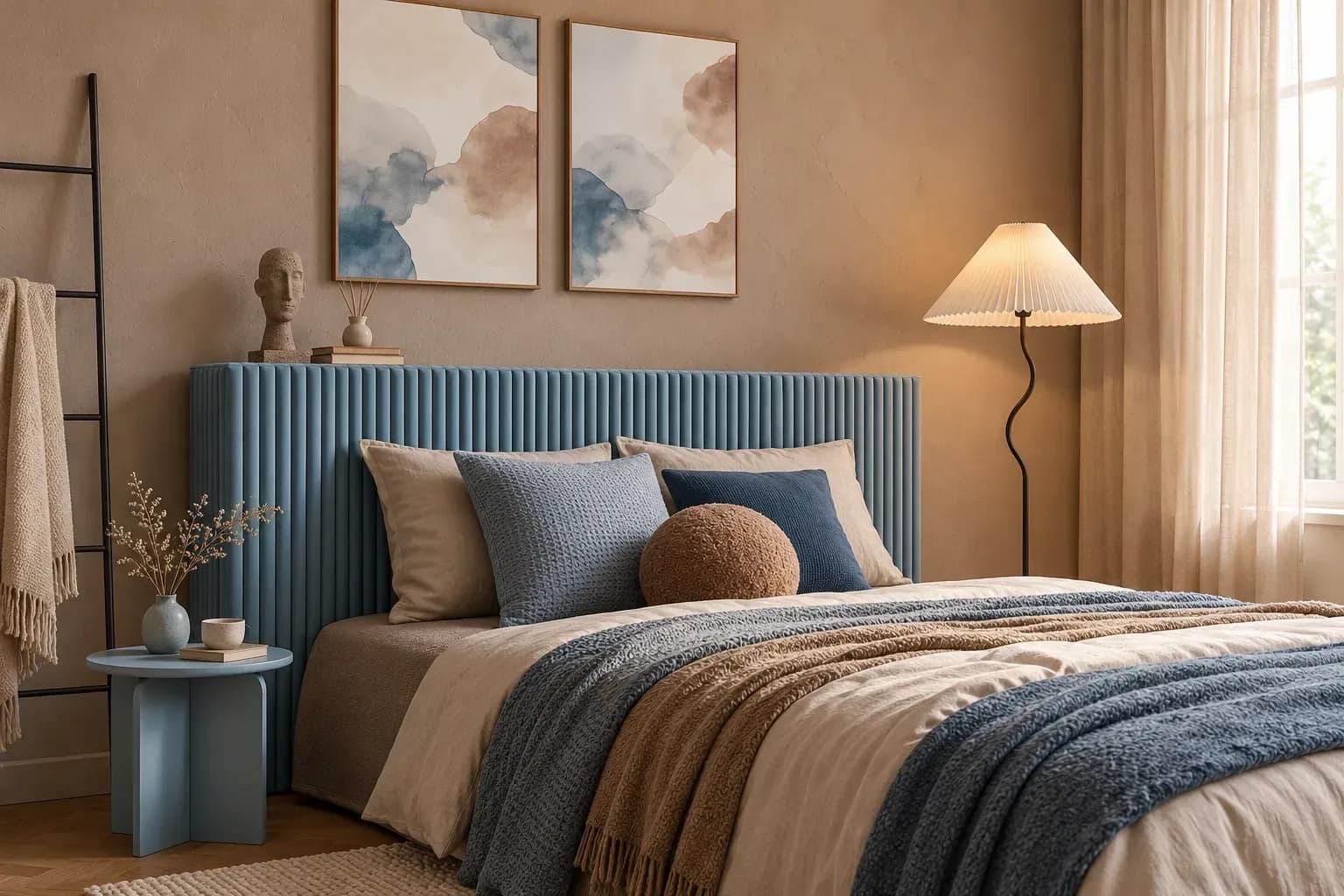
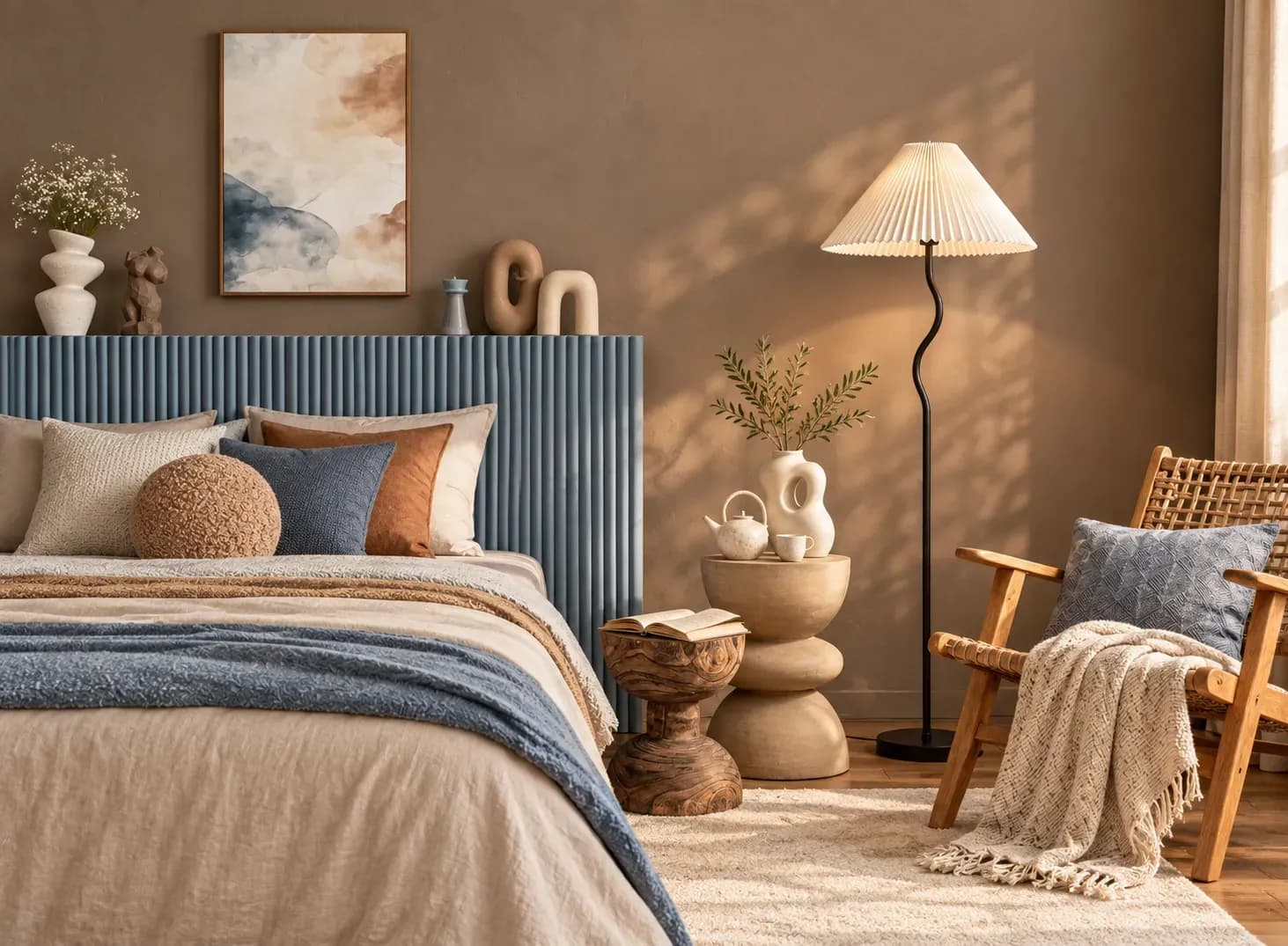
In the ever-evolving landscape of modern living, the concept of space has become a coveted commodity. Nowhere is this more evident than in our children's bedrooms and play areas, where every square foot holds the potential for growth, learning, and creativity. This blog explores the wonders of multi-functional furniture, a design approach that not only maximises space but also enhances the functionality and aesthetic appeal of kids' environments.
Understanding the dynamic needs of growing children is crucial. This chapter will delve into the challenges of creating spaces that cater to play, study, and rest, all within the confines of limited square footage.
From bunk beds with built-in desks to storage ottomans that double as seating, we'll explore the evolution of multi-functional furniture and how it addresses the unique spatial challenges in kids' rooms and play areas.
This section will showcase innovative multi-functional furniture designs that save space without compromising on style or comfort. From foldable desks to modular storage units, we'll explore solutions that adapt to the changing needs of a child.
Discussing the importance of striking a balance between form and function, we'll explore how multi-functional furniture not only serves a practical purpose but also contributes to the overall design aesthetic of a space.
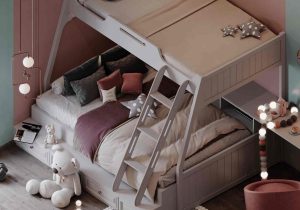
This chapter will focus on the versatility of bunk beds, showcasing designs that incorporate study desks, storage solutions, and even play areas within the vertical space of a bunk bed.
Exploring the utility of trundle beds, we'll discuss how these space-saving wonders can be transformed into additional storage or sleep spaces, offering flexibility in a compact footprint.
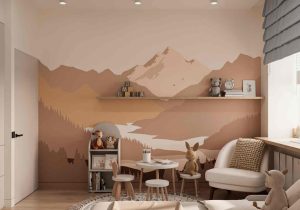
Highlighting the practicality of foldable desks that can be tucked away when not in use, we'll discuss how these solutions create dedicated study areas without compromising on available space for play.
Exploring desks that seamlessly integrate with storage solutions, this section will showcase how furniture can be designed to serve multiple purposes without cluttering the room.
This chapter will delve into the world of modular storage units that can be configured to meet specific needs. From toy storage to bookshelves, these units optimise vertical and horizontal space.
Discussing the dual functionality of ottomans and benches, we'll explore designs that serve as comfortable seating while concealing ample storage space within.
Highlighting play tables that transform into study desks or creative spaces, we'll explore how these pieces of furniture evolve with the child's developmental stages.
Discussing the utility of seating options that adapt as children grow, we'll showcase designs that can be stacked, folded, or expanded to accommodate different age groups.
In conclusion, the era of multi-functional furniture has ushered in a new paradigm in kids' room and play area design. By intelligently maximising space through versatile and purposeful furniture, parents can create environments that cater to the diverse needs of their growing children. From multi-functional beds to transformative desks and storage solutions, the possibilities are endless.
This blog serves as a guide for parents, designers, and anyone seeking to create spaces that not only optimise square footage but also foster creativity, play, and learning in a harmonious and clutter-free setting. Welcome to the world of multi-functional furniture, where every piece tells a story of efficiency, style, and the joy of clever design.
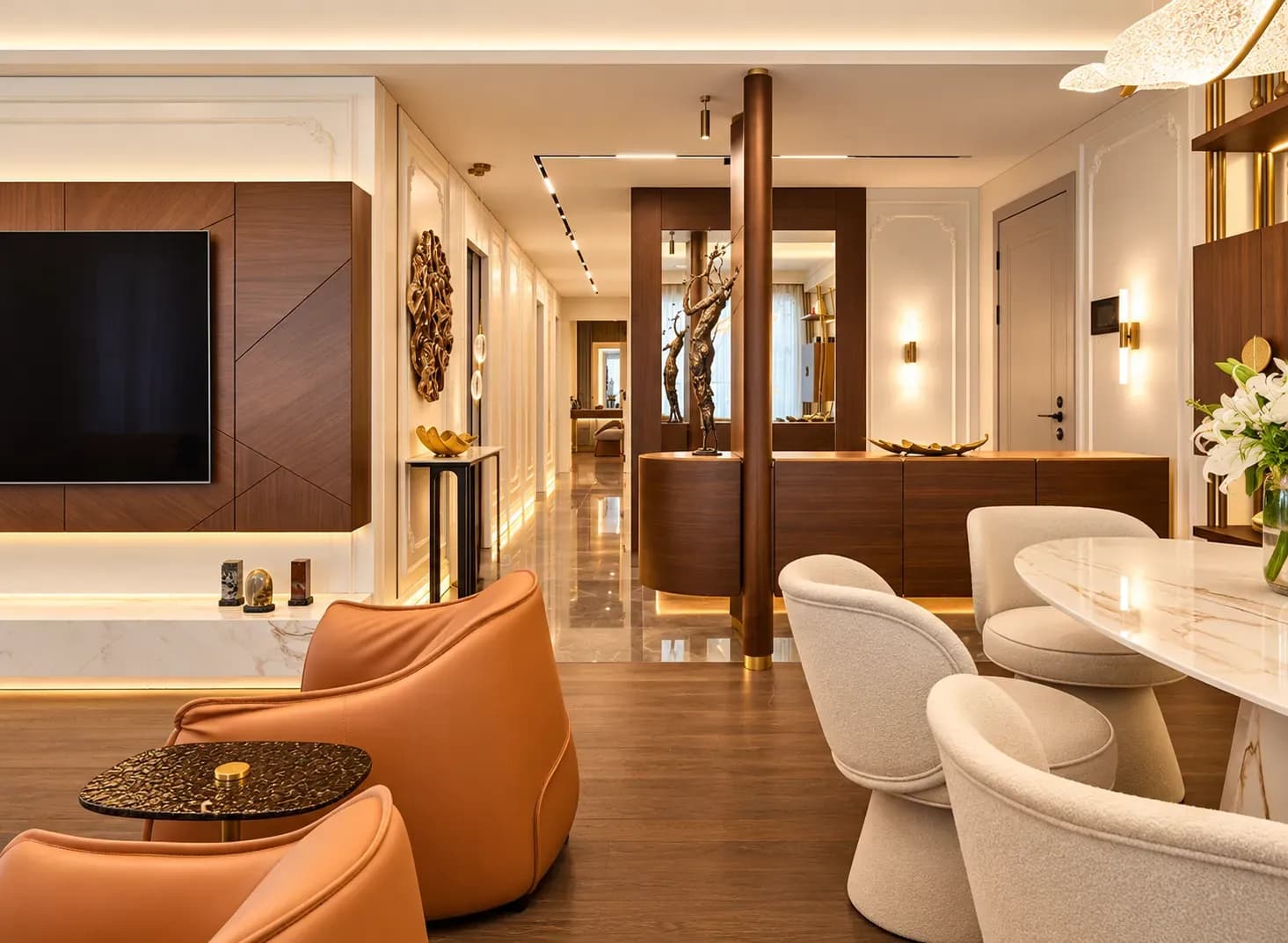
Well-planned modern home interiors in HSR Layout use clean layouts, integrated storage and coordinated finishes without following every short-lived trend. The best luxury home interiors also adapt each room to the household’s routines, available light and long-term needs. This article explains how to plan living rooms, kitchens, dining areas and bedrooms so the entire home feels modern, comfortable and easy to maintain.
03 Nov 2026|5 min readChoosing a full home interior designer in HRBR Layout requires careful review of the team’s site assessment, planning process, specifications and execution controls. Good house interior design should respond to the property’s actual structure as well as the family’s daily needs. This article explains how to compare portfolios, quotations, timelines, workmanship and after-sales support before appointing a firm.
02 Nov 2026|5 min readChoosing among the best interior designers in Thane requires looking beyond portfolios and reputation. Homeowners should compare design approach, project experience, execution support, pricing transparency, material specifications, and client feedback. The right designer should also match your budget, communication preferences, and your home's practical needs.
02 Nov 2026|5 min readThe right bed should fit the room, support everyday routines and leave enough space for movement, wardrobe access and cleaning. Common types of beds include platform, storage, hydraulic, upholstered, wooden, poster, bunk, trundle, Murphy and floor beds. Storage access, mattress compatibility, frame height, and long-term usability matter as much as appearance.
29 Oct 2026|5 min readModern bedroom interior design can make a low-light room feel brighter through colour, lighting, furniture placement and reflective finishes. However, the plan must consider where daylight enters, how the bedroom is used after sunset and which surfaces add unnecessary visual weight.
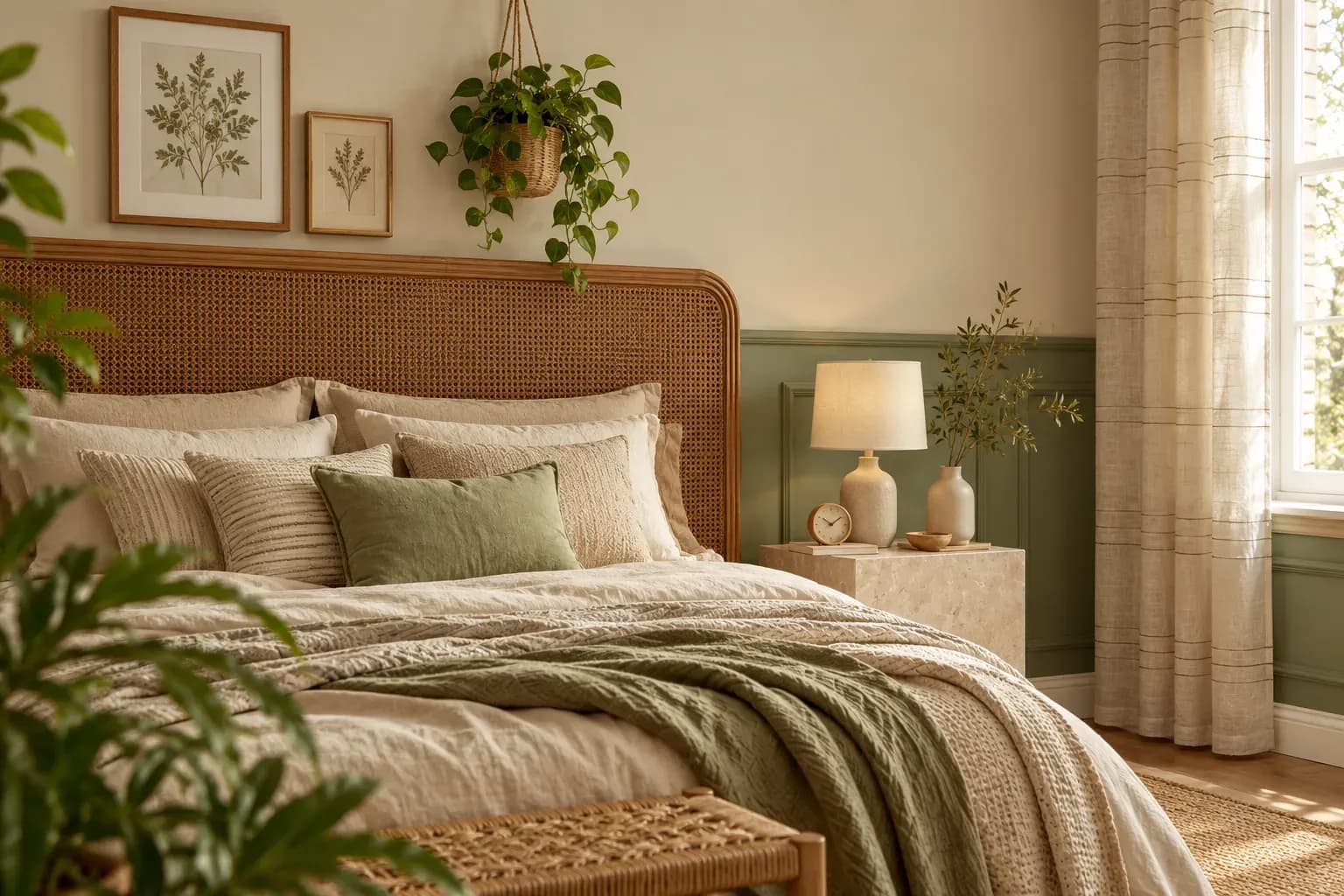
26 Oct 2026|5 min readTraditional bed decoration can feel modern when it combines handcrafted textiles, natural materials, warm colours, and Indian-inspired patterns with practical furniture and storage. Elements such as carved or cane headboards, block prints, brass accents, and layered lighting add character without overwhelming compact bedrooms. For urban homes in Mumbai and Bangalore, the key is to balance heritage-inspired details with circulation, storage, comfort, and everyday functionality.
29 Sep 2026|5 min read


Your Home Makeover Starts Here.