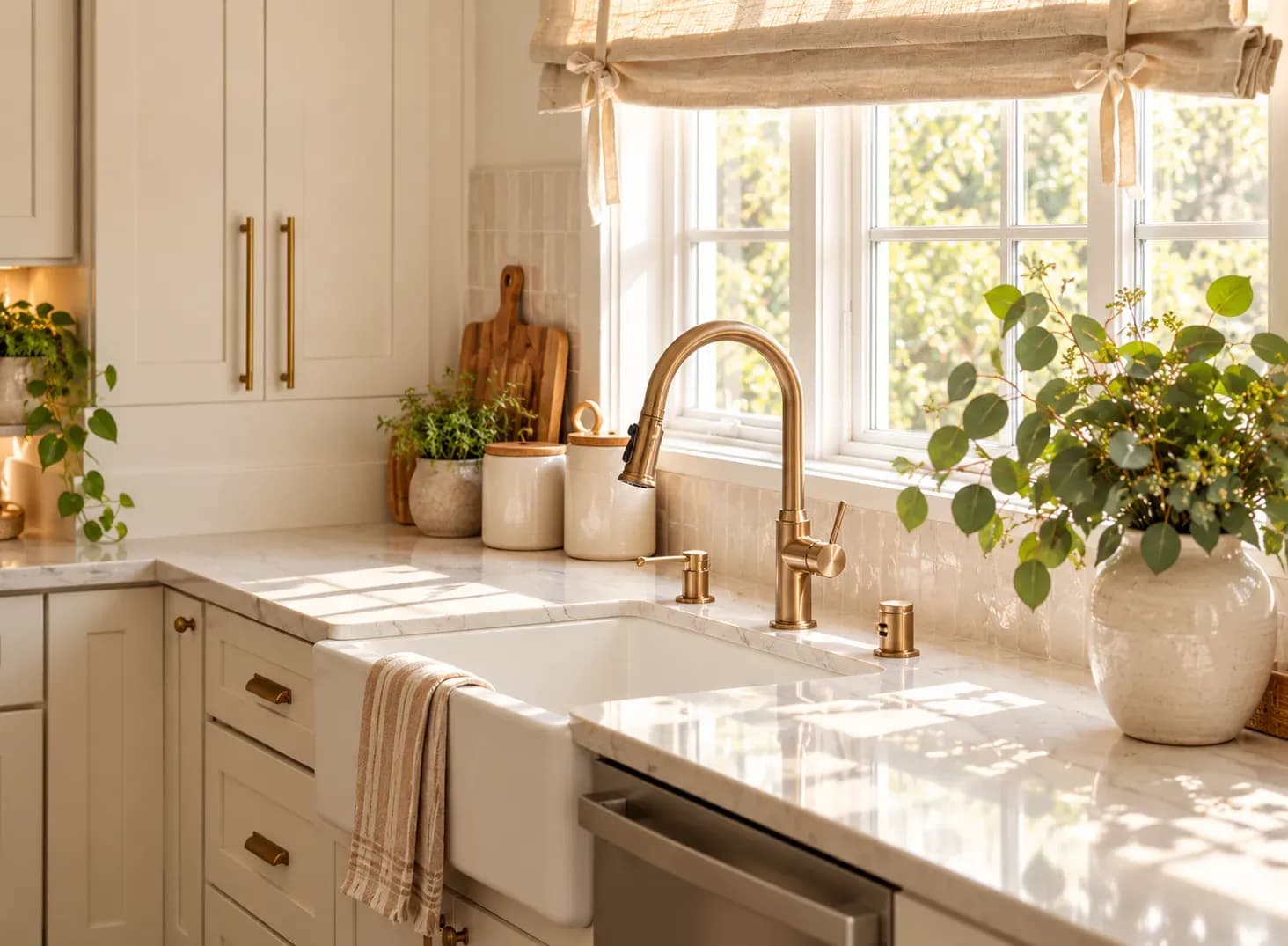
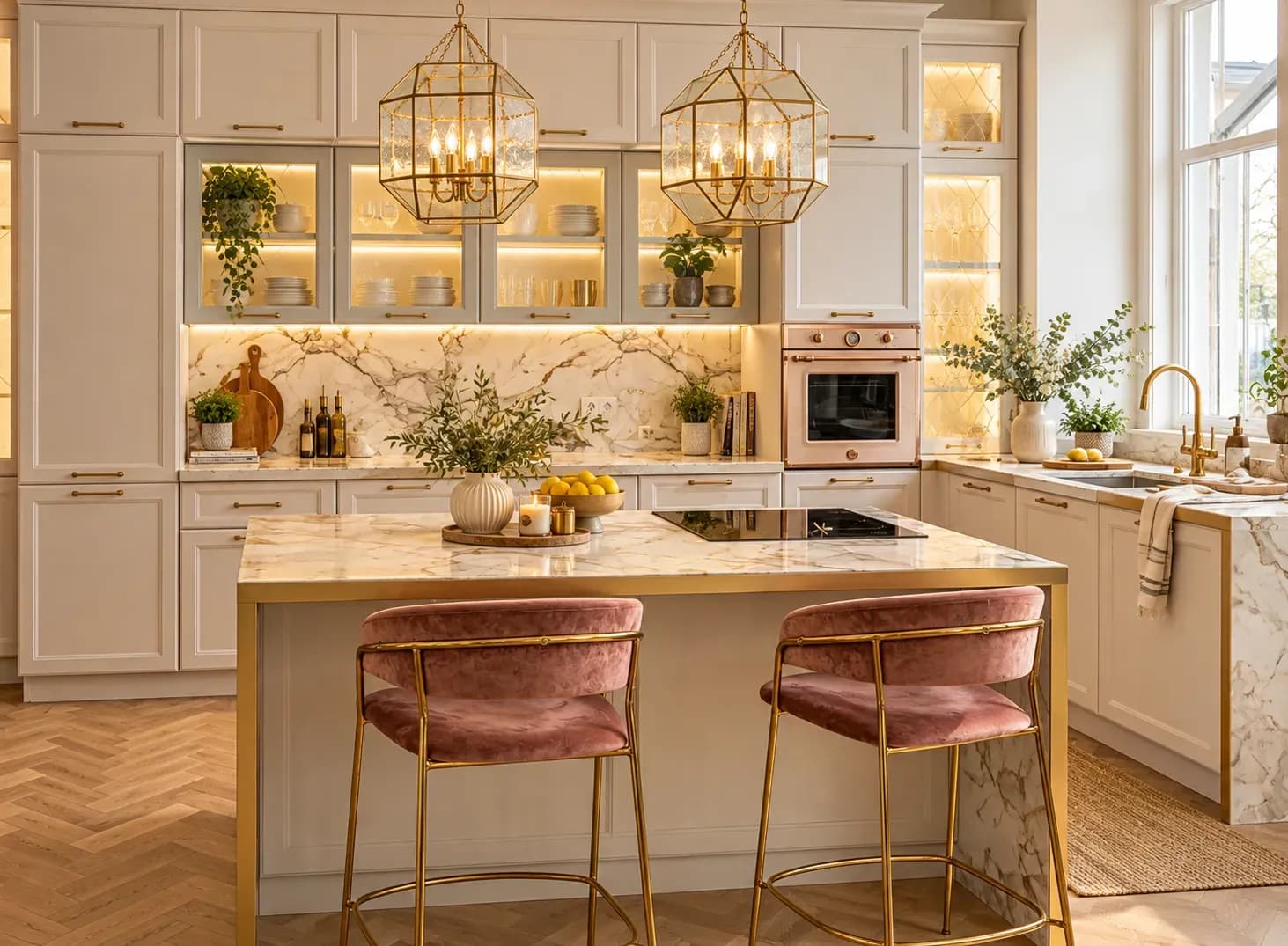
A kitchen is the most important part of the house. It is the place where we spent a major part of our daily life in cooking and may be sometimes to spend time with other family members. Kitchen layouts often have a major impact when it comes to giving a facelift to the general facade of the dwelling place. Kitchens may be categorized into following categories, based on the geometric pattern of construction.
This kind of kitchens are ideal when a large premium space is available. It streamlines the cooking area and the appliances along the same wall. However, there is a drawback with these models, that there is not much scope for counter tops and storage. It is advisable to maximize the area by using more compact appliances and also to use dining table or moving island.

Image Courtesy: country living
Galley kitchens are basically of two types, single and double gallery. These are the natural choice when the space available is quite less. Generally, optimum utilization of space is done in these types of kitchens. There is generally space for a single cook to prepare food. Storage space is however quite large in these kinds of Kitchens.

Image Courtesy: homesofct
These are one of the most common types of kitchens that we come across. These provide the cook with easy accessibility and much more storage and countertop space. However, they lack extra space for tables and chairs. It is the kitchen just so perfect for keen cooks.

Image Courtesy: woohome
These are also one of the most common types of kitchens that we come across. They are an extension of U-shaped kitchens. There is plenty of counter-top space with four walls of cabinets. In case someone is looking for more storage space, then this type of kitchen layout is very useful.

Image Courtesy: coldwaterlumber
L- Shaped kitchens are very common these days. They are generally located in the corner of the house. They are generally ideal for small to mid-size kitchens. You have space for guests to mingle with, inside the kitchen. In some cases, you can even include a dining area inside the kitchen.

Image Courtesy: Pinterest
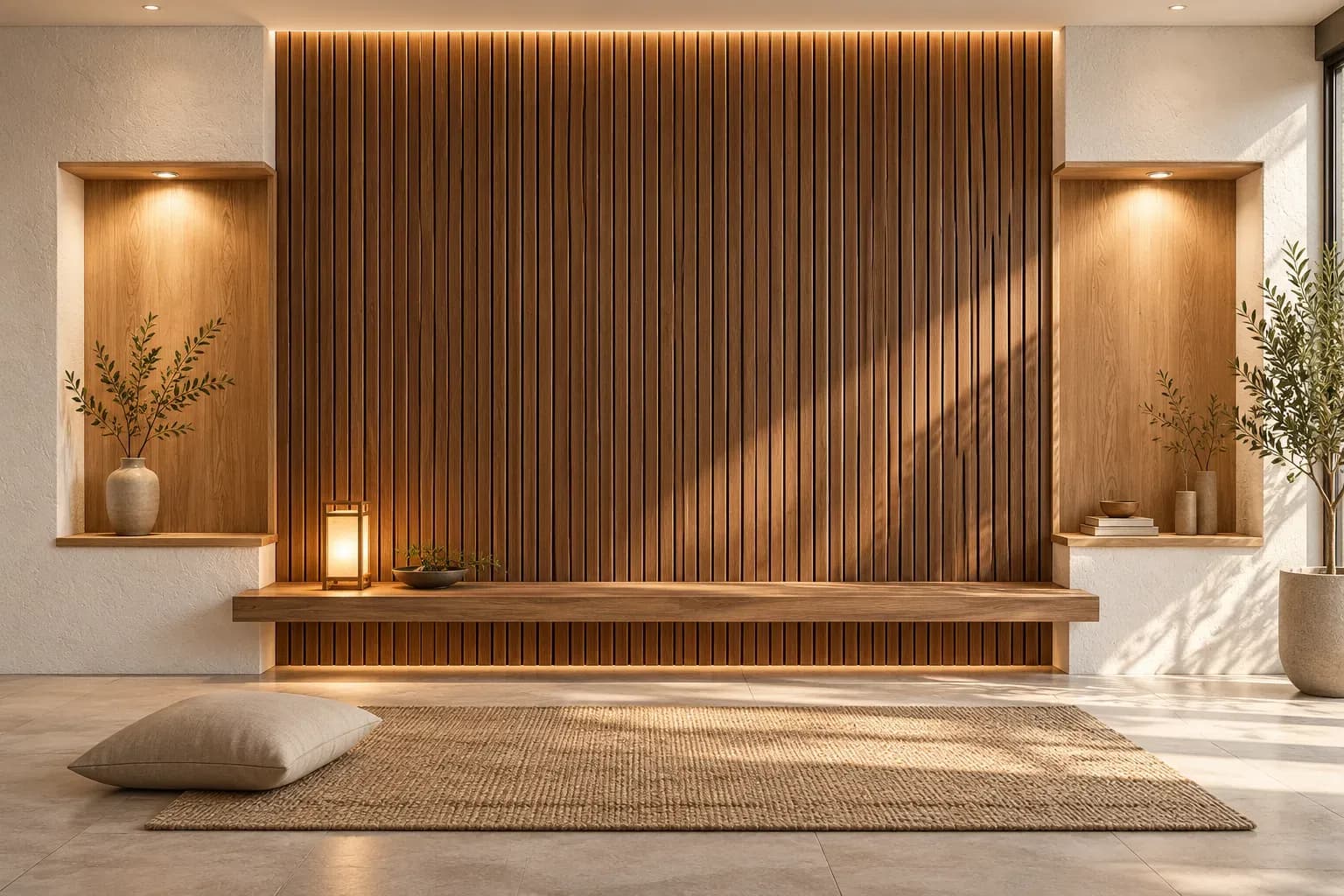
Wood and stone can both strengthen interior wall ideas by adding warmth, texture and depth, but their visual weight needs careful control. In a balanced wall design, one material can lead while the other supports it through smaller accents, matching undertones, and considered lighting.
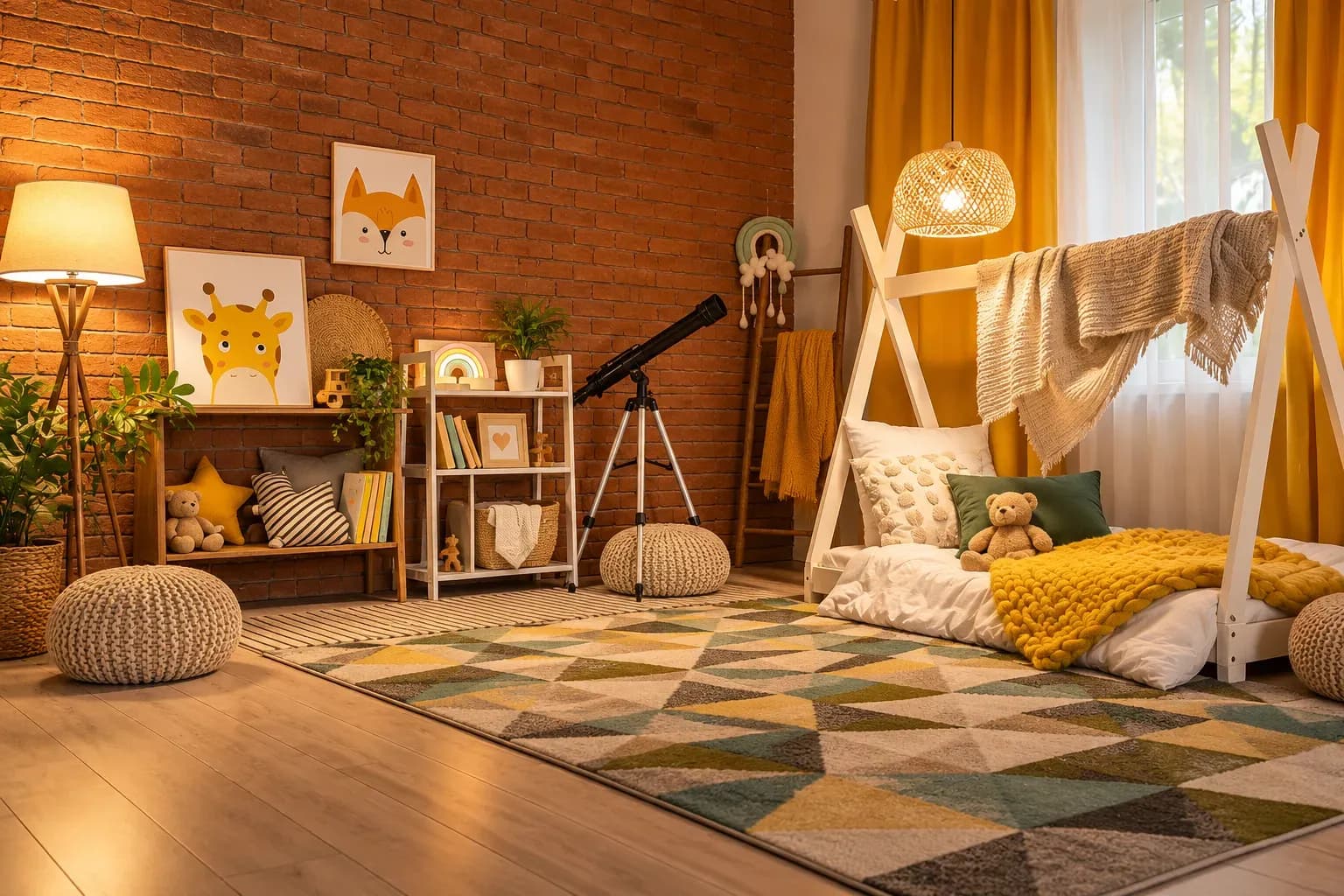
22 Oct 2026|5 min readBoth whimsical interior design and maximalist interior design use colour, pattern and personal objects, but they create visual interest differently. While the first focuses on imaginative surprises, the second builds richness through deliberate layering and abundance. This article covers their differences across colour, furniture, artwork, lighting and storage, along with practical ways to adapt either style to compact Indian homes.
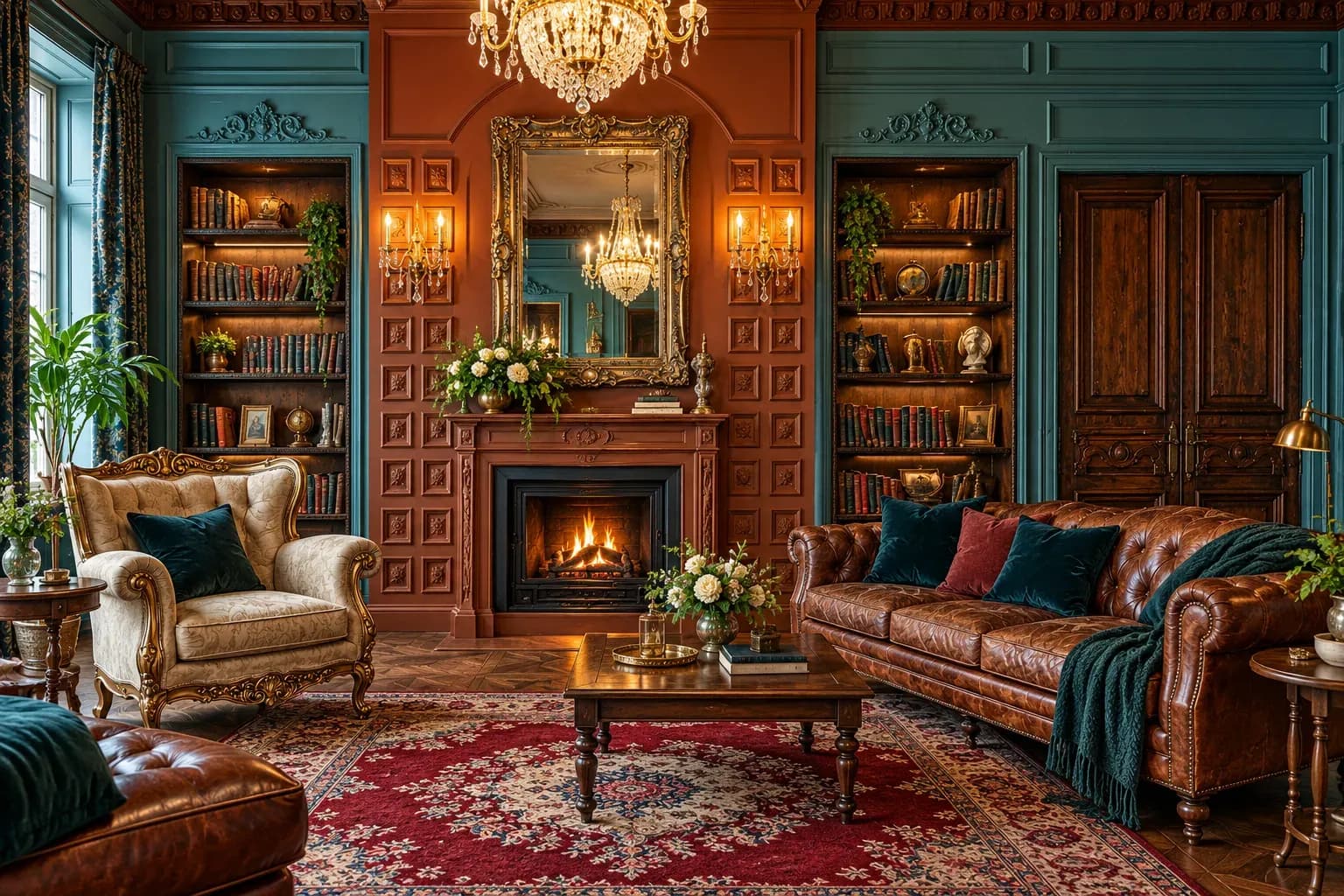
22 Oct 2026|5 min readVictorian house interior design can work well in compact Indian homes when you use decorative elements selectively. Lighter colours, restrained mouldings, slimmer furniture and controlled patterns help retain Victorian character without making rooms feel crowded. Modern storage, practical lighting and careful space planning can make the style more suitable for everyday living.
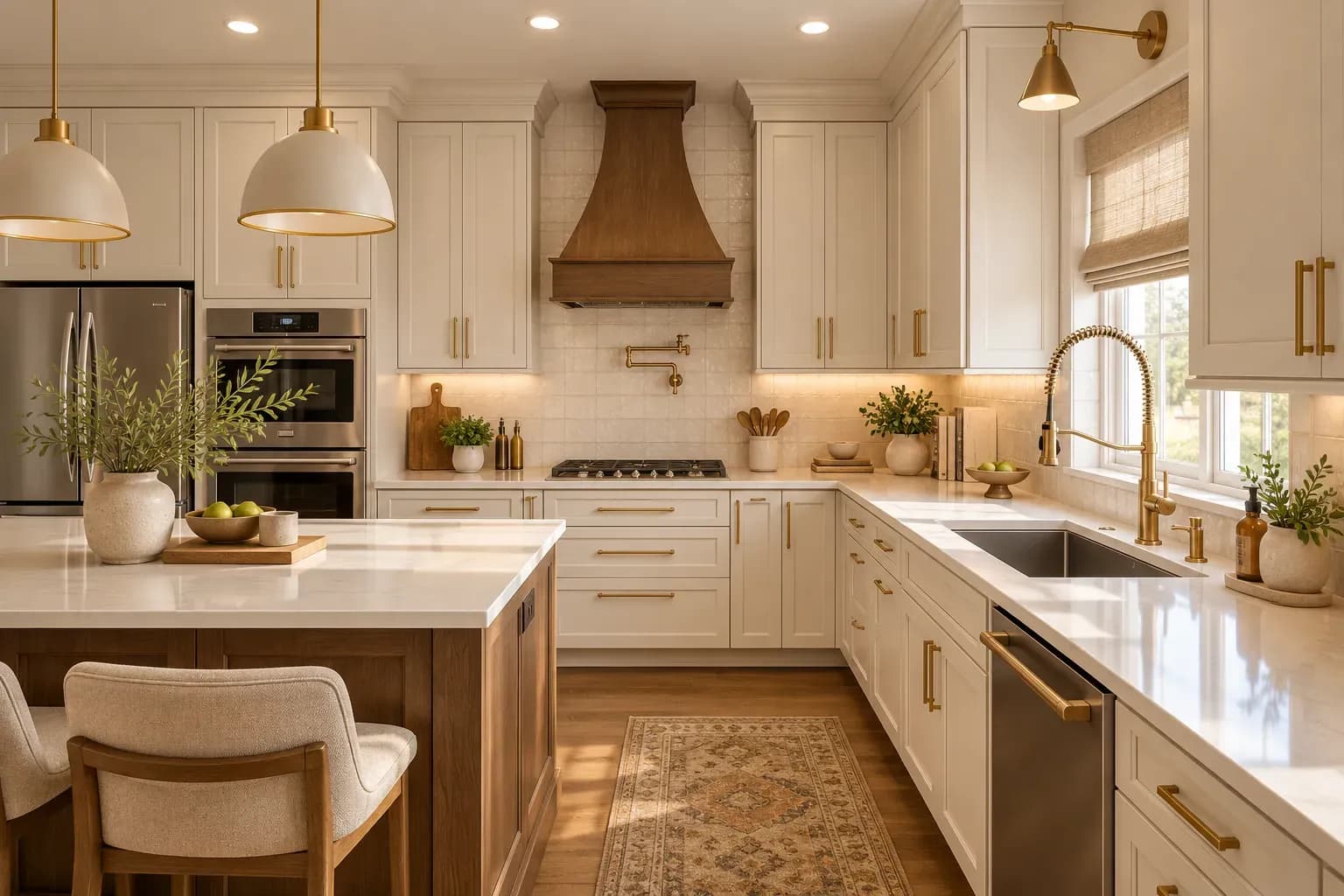
21 Oct 2026|5 min readA practical 2 BHK flat kitchen interior design starts with accurate measurements, service points, appliance sizes and the household’s cooking routine. The right layout, such as straight, L-shaped, parallel or U-shaped, should support comfortable movement, sufficient prep space, accessible storage and proper ventilation.
17 Oct 2026|5 min readThe right type of kitchen layout can make everyday cooking, storage, and movement much more efficient. From straight and L-shaped kitchens to island, parallel, U-shaped, open, and galley layouts, each option suits different spaces and routines. The best choice depends on room size, number of users, storage needs, appliance placement, and circulation.
06 Oct 2026|5 min readKitchen wallpaper works best as a carefully placed accent rather than a finish for high-splash or high-heat areas. The right design should complement cabinetry, countertops and flooring while also suiting the kitchen’s ventilation, cleaning needs and available space. From compact prints and geometric patterns to textured finishes and nature-led motifs, thoughtful placement can add character without compromising practicality.
03 Oct 2026|5 min read


Your Home Makeover Starts Here.