Choosing the right interior wall paint is not just about colour. The paint type and finish affect how the room looks, how well the walls handle moisture or cleaning, how light reflects across the space, and how long the finish lasts. Bedrooms need softer, low-VOC finishes; kitchens and bathrooms need moisture resistance; and children’s rooms and passages benefit from washable paints. A well-designed home always considers paint as part of the larger material palette.
Paint is the finish that covers every surface in your home, and it is the one decision most people make the fastest. A colour is chosen, a brand is picked, and the painter begins their work. However, the type of paint used and the finish it creates are rarely discussed. This is why so many painted rooms end up looking flat or start peeling prematurely.
Alongside colour, choosing the right interior wall paint is also about how it performs in the room where it is applied.
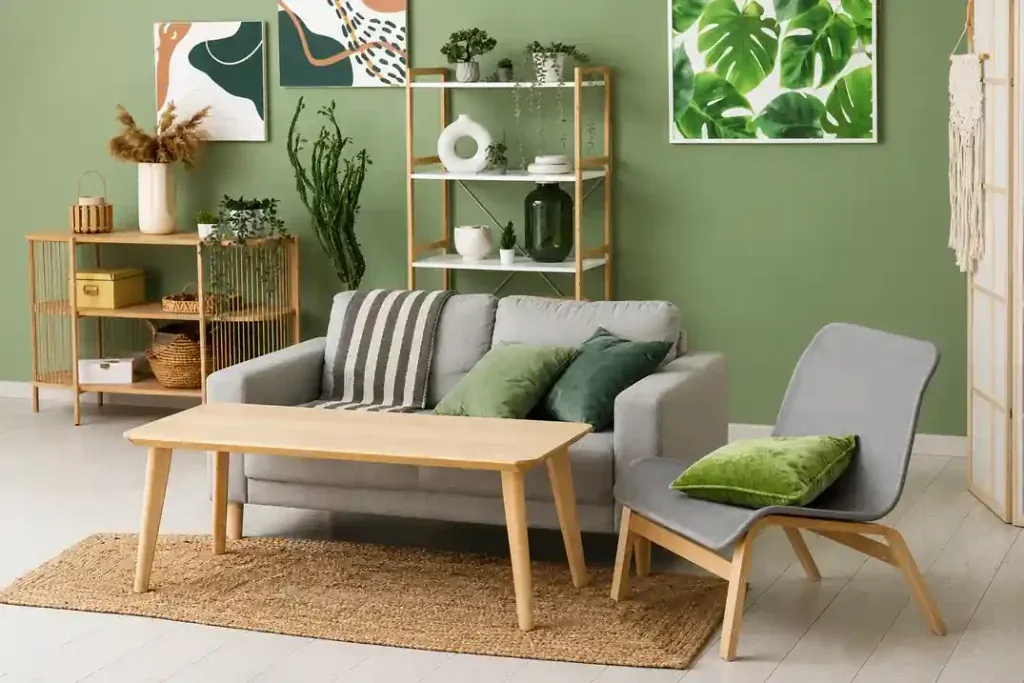
Two rooms painted in identical colours but with different finishes will look noticeably different. One might feel warm and settled. The other might feel washed out or overly shiny. Interior wall paint choices affect durability, how light reflects off the surface, how easy the wall is to clean, and how the room feels at different times of day.
Choosing the right interior wall paint is all about understanding your room's requirements and the pros and cons of each paint option.
Here are the five major types of interior wall paint available in the Indian market:
This is the most widely used indoor wall paint in Indian homes. Water-based, low-odour, and available in a wide range of finishes, it suits most rooms and dries relatively quickly. Premium emulsions can be washed and scrubbed without issue, making them practical for high-traffic areas.
This is an older, more economical option. Dry distemper is not washable and is not suitable for humid rooms. Acrylic distemper performs better but still falls short of emulsion in durability. It works in low-traffic, dry areas where budget is the primary constraint.
This type of interior wall paint is oil-based and produces a hard, durable surface with a noticeable sheen. It is most commonly used on doors, window frames, and trims rather than full walls. In bathrooms where maximum moisture resistance is needed, enamel is a practical choice.
This interior wall paint adds a physical surface dimension rather than a flat finish. It can conceal minor wall imperfections and create visual interest on feature walls. It is harder to repaint and requires more preparation.
Low-VOC interior wall paints are growing in popularity in India. Standard solvent-based paints release volatile organic compounds (VOCs) for weeks after application. India's GRIHA green building rating system has formalised this concern by recommending that interior wall paint meet prescribed VOC limits, with primers kept below 50 g/L. Choosing a low-VOC formulation is a straightforward decision if you want to preserve your home's indoor air quality.
Understanding the types of wall paint finishes is as important as understanding the paint category itself.
This finish absorbs light, hides wall imperfections well, and creates a soft, settled look. It is best suited for bedrooms and formal living areas.
A finish with a slight sheen, eggshell finishes are more washable than matte, making it a good all-purpose finish for living rooms and dining areas.
This finish is more reflective than eggshell, easier to clean, and better at resisting moisture. It works well in children's rooms and living areas with high footfall.
This is a noticeably shiny wall paint that handles moisture and cleaning well. It is suited to kitchens, bathrooms, and utility areas.
This is the most reflective finish available. While it is durable and easy to clean, it shows every wall imperfection and is primarily used on surfaces rather than on full walls.
Here is the room-wise recommendation for the different interior wall paints available:
Opt for matte or low-sheen emulsion in a warm tone. Low-VOC formulations are worth prioritising here given the hours spent in the room.
Choose eggshell or satin emulsion for a balance of appearance and washability. A feature wall in a textured paint or a deeper tone works well here.
Go for a moisture-resistant emulsion or semi-gloss finish. The backsplash area may also benefit from enamel or tile rather than paint, regardless of the formulation.
For wet areas, you need the best paints for interior walls with moisture-resistant properties and effective waterproofing to prevent rapid deterioration from poor ventilation.
Choose a washable satin emulsion, since cleanability matters here more than in any other room. Low-VOC formulations are also worth consideration for their safety benefits.
Since these areas have higher footfall, it means the walls get touched frequently and need to be wipeable, which is why satin or eggshell finishes are the best options.
Interior wall paint interacts with every other surface in the room, and choosing the right paint can be the difference between a beautiful space and one that simply feels off. Bonito Designs approaches indoor wall paint selection as part of the material palette.
Our LifeDesign philosophy is all about building a home that genuinely meets the wants and needs of the family living within it. The paint finish, colour undertone, and VOC specification are all considered in relation to the room's condition, so that your home feels perfect for living and working in.
If you want your home's interior wall paint chosen as part of a considered whole, book a consultation with Bonito Designs today.
Victorian house interior design can work well in compact Indian homes when you use decorative elements selectively. Lighter colours, restrained mouldings, slimmer furniture and controlled patterns help retain Victorian character without making rooms feel crowded. Modern storage, practical lighting and careful space planning can make the style more suitable for everyday living.
21 Oct 2026|5 min readTransitional interior design blends classic detailing with contemporary simplicity, while modern interior design relies on cleaner lines, streamlined storage and stronger visual restraint. The right choice depends on the home’s size, existing furniture, maintenance needs and daily routines. Materials, furniture scale, storage and lighting should all support the chosen style.
21 Oct 2026|5 min readA well-planned small 2 BHK flat interior design should prioritise clear walkways before placing furniture or adding décor. Mapping natural movement paths, choosing appropriately scaled furniture, and using space-saving storage can make compact homes feel more comfortable and spacious. Consider daily routines, circulation, storage, and lifestyle needs together to create a home that works.
19 Oct 2026|5 min read


Your Home Makeover Starts Here.