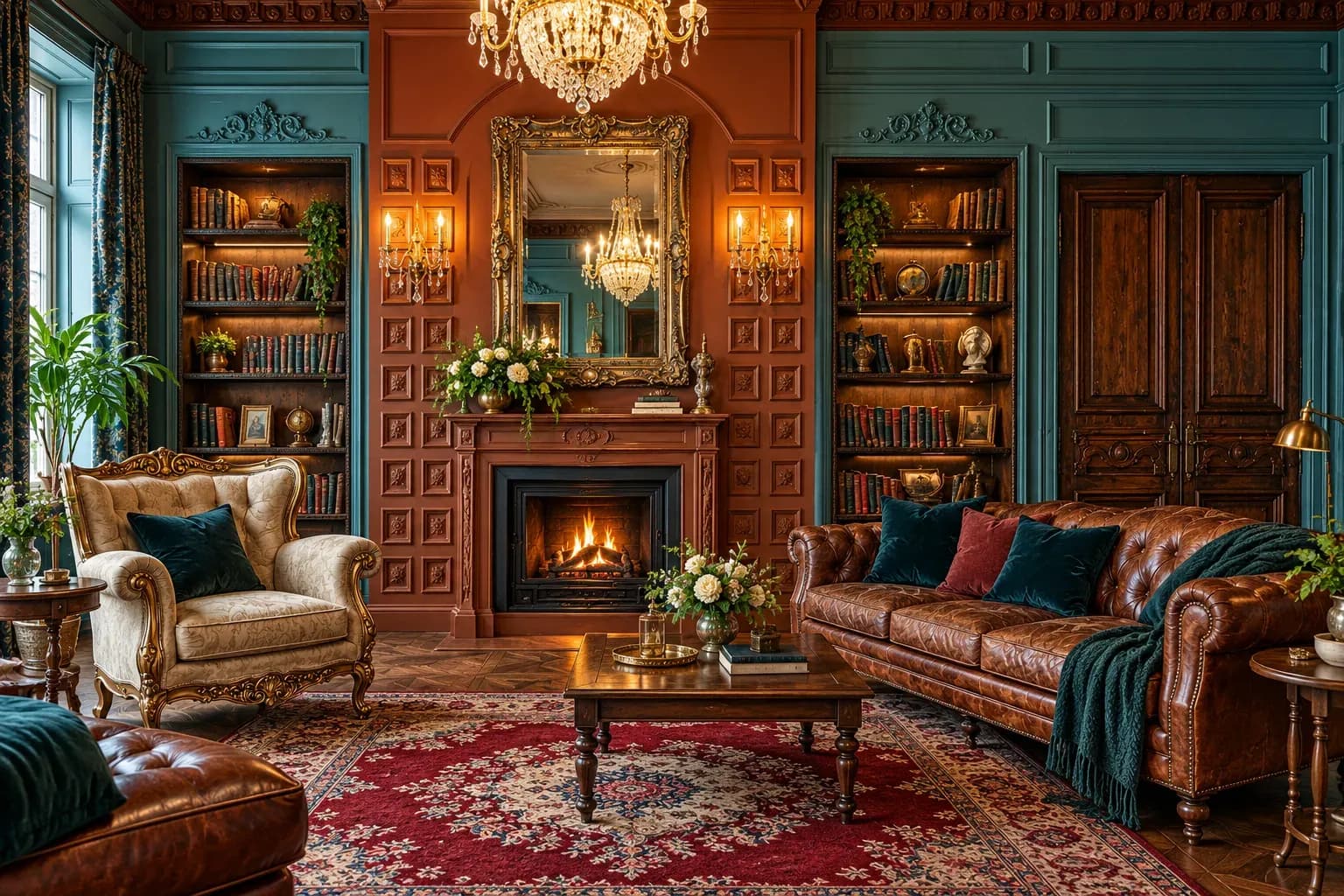
Luxury today is no longer defined only by marble floors or high-end finishes. True luxury lies in homes that are as responsible as they are refined. Sustainable interior design in India proves that eco-friendly luxury interiors can look premium without compromise, and the numbers firmly support this shift.
Certified green homes in India achieve 30-50% energy savings, significantly lowering the environmental impact of modern utilities. Beyond operational efficiency, sustainability enhances property value. Studies indicate that sustainable homes tend to have higher resale prices compared to conventional properties. For Indian homeowners, this means sustainable interiors are not just an ethical choice, but a smart financial one.
At the intersection of sustainability and luxury lies thoughtful design where material choices, spatial planning, and craftsmanship come together to create homes that feel indulgent, timeless, and future-ready.
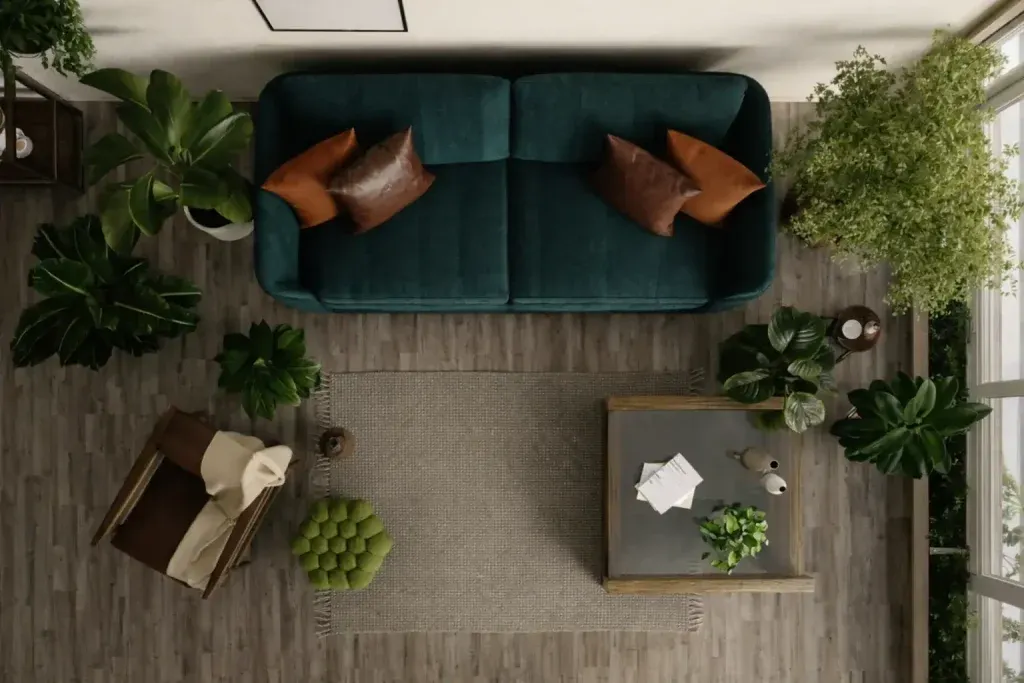
The foundation of sustainable interior design in India lies in materials that deliver both aesthetic richness and environmental responsibility while standing up to heat, humidity, and monsoons.
Certified wood and engineered timber offer warmth and elegance while ensuring responsible forestry practices. But in Indian homes, these materials must also resist moisture during monsoons and handle temperature fluctuations. Recycled metals such as brass and aluminium add sophistication to fixtures while proving their durability across seasons. Low VOC materials enhance indoor air quality by reducing harmful emissions, crucial in urban apartments where ventilation is often limited.
Energy-efficient glazing reduces heat gain, a real concern in cities like Mumbai, where summer temperatures soar. These materials improve insulation and allow natural light without compromising thermal comfort. Sustainable interior design in India needs finishes that don't just look good but actually age well despite daily cooking oils, masala spills, dust accumulation, and water hardness.
Materials shouldn’t just be chosen for their durability, but also for how they influence comfort, light, and air quality in your home. Only then will they shape the overall well-being of everyone living in the house.
Sustainable interior design in India is as much about how a home feels as how it looks. Thoughtful design significantly enhances indoor environmental quality, creating spaces that feel brighter, calmer, and more liveable, especially in dense urban settings like Mumbai. Experienced interior designers in Mumbai understand that sustainability isn’t just about minimalism or greenery, but about creating a space that acts as a serene shelter against the hustle and bustle of city life.
Homes designed with abundant natural light, cross-ventilation, and breathable materials promote better air quality and comfort. In Indian apartments where space is limited, large windows and light-reflective finishes reduce reliance on artificial lighting while creating an expansive atmosphere. High ventilation levels ensure fresher interiors, particularly important in homes where daily cooking generates heat and humidity.
Luxury is increasingly associated with wellness. A home that supports physical comfort and mental clarity is far more valuable than one that merely looks impressive. Eco-friendly luxury interiors naturally align with this philosophy, offering an elevated living experience rooted in well-being.
Once wellness becomes a design priority, the next step is to reconnect interiors with the thing that supports human health the most; nature itself.
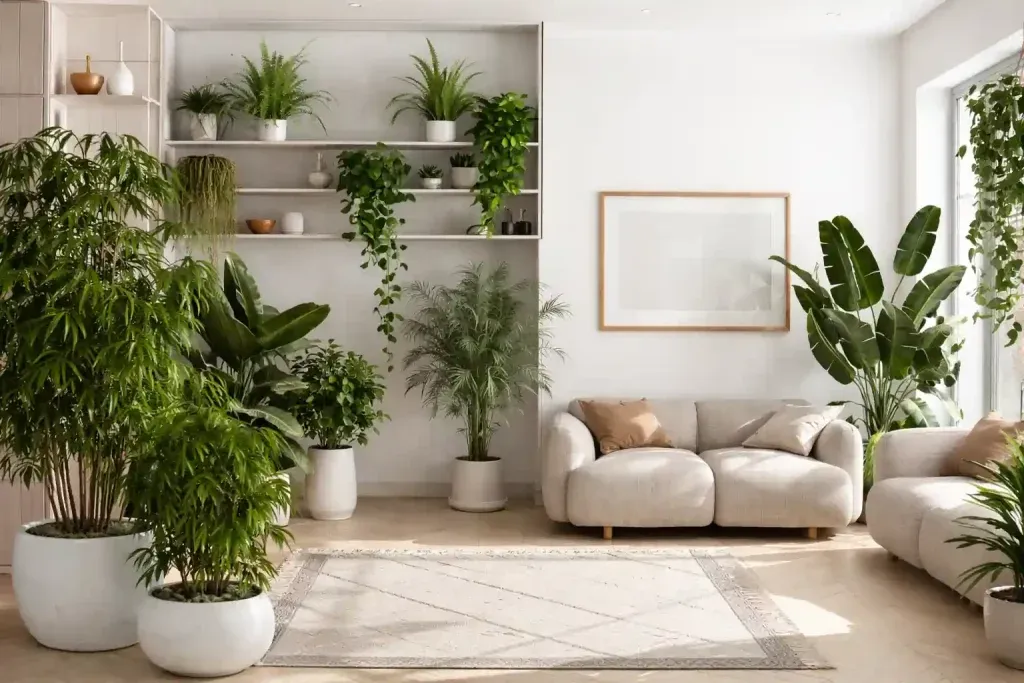
One of the most powerful ways to elevate green homes in India is through biophilic design, the integration of natural elements into built environments. In Indian apartments where outdoor space is limited, this approach becomes even more meaningful.
Indoor plants that thrive in low light, small herb gardens in kitchen windows, and vertical planters on balconies introduce softness and movement without requiring extensive maintenance. Natural stone accent walls, clay finishes, and textured wood surfaces add depth that no artificial material can replicate. Custom furniture crafted from reclaimed wood tells a story of craftsmanship and conscious design, transforming sustainability into a design statement.
These elements work particularly well for sustainable interior design in India, as barefoot living is the norm here. Natural materials feel comfortable underfoot, and plants help filter dust and pollutants from urban air. When used thoughtfully, nature becomes a practical luxury accent that improves daily comfort.
Sustainable interior design in India prioritises longevity over trends. Rather than chasing short-lived design fads, it focuses on timeless palettes, durable materials, and adaptable layouts that remain relevant for years.
Neutral colour schemes, layered textures, and quality craftsmanship ensure interiors age gracefully. Modular furniture and flexible storage solutions adapt to changing lifestyles, from joint families to nuclear setups, from infants to teenagers. This approach reduces material waste while preserving the home's aesthetic and functional value over time.
In Indian homes where families grow and need to shift, a design that adapts prevents the need for frequent renovations. True luxury is not about constant replacement; it's about creating spaces that endure.
For Indian homeowners, eco-friendly luxury interiors offer measurable returns beyond aesthetics. Green homes can reduce your water consumption by nearly 50%, which reduces your monthly expenses and is particularly valuable given rising utility costs. Additionally, durable materials minimise maintenance and replacement costs. Enhanced indoor comfort improves quality of life, and strong sustainability credentials increase long-term property value.
In today's real estate landscape, buyers are more informed and discerning. Sustainable interior design in India combines high-end design with sustainability. Such homes are perceived as future-ready, well-maintained, and thoughtfully planned, qualities that translate directly into higher demand and resale value.
At Bonito Designs, sustainable interior design in India is not an add-on; it is integral to how homes are imagined and executed. Our LifeDesign approach combines eco-performance with high-end craftsmanship to create interiors that are visually stunning, functionally superior, and responsibly designed. Every material choice considers not just aesthetics but how it performs in Indian conditions, how it ages, and how it impacts your daily comfort.
With in-house execution and ISO-certified quality processes, we ensure that green homes in India don't just look premium in photographs but actually deliver on comfort, durability, and long-term value. From selecting low VOC materials that improve indoor air quality to planning layouts that maximise natural light and ventilation, we design eco-friendly luxury interiors that are built for Indian living.
Book a consultation with Bonito Designs to explore sustainable interior designs in India. Create a space that's as responsible as it is refined.
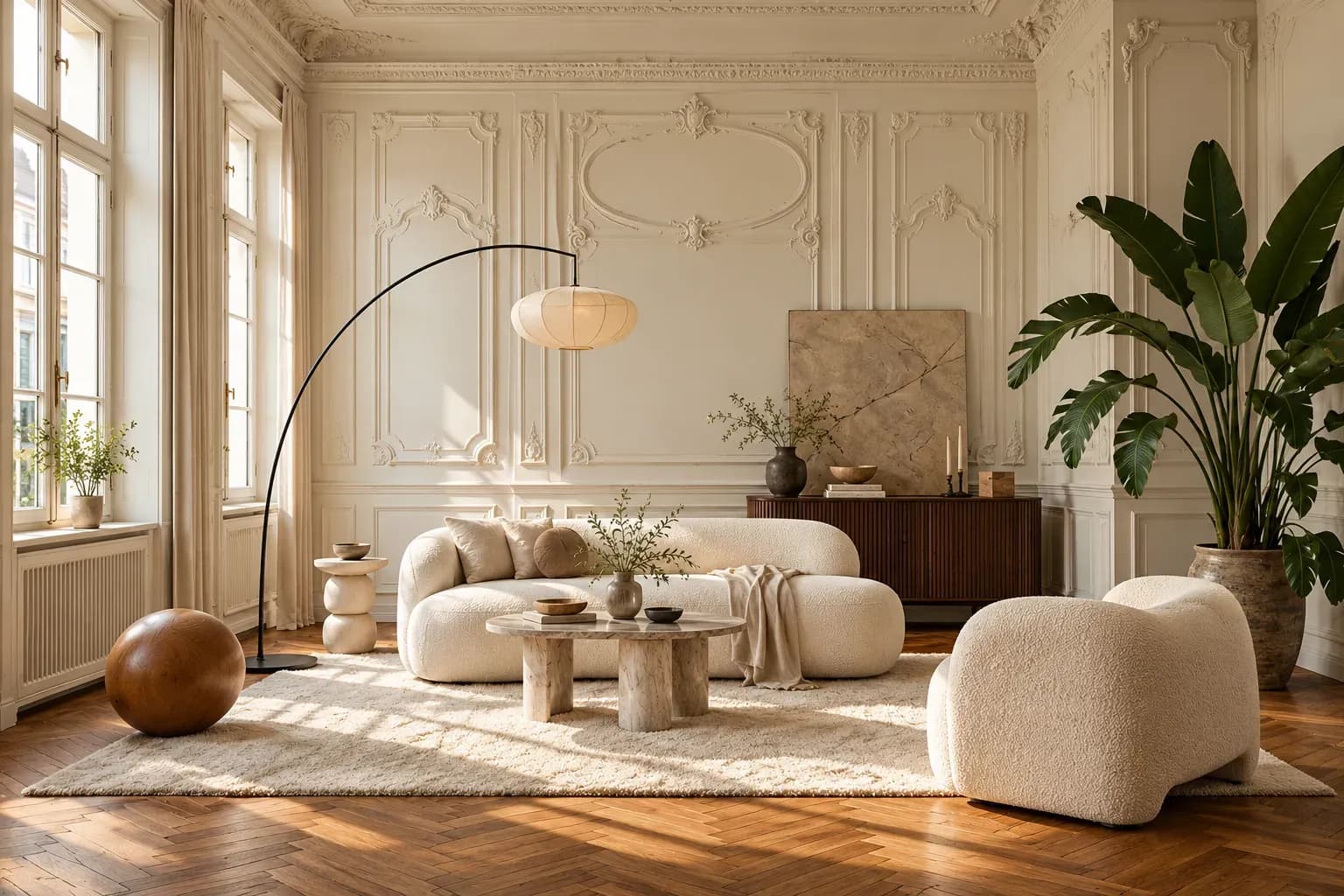
Both modern classic interior design and transitional design combine classical references with contemporary furniture, storage and lighting. However, modern classic rooms retain more symmetry and formality than transitional spaces. This article covers how transitional interior design differs across furniture, mouldings, colours, materials, lighting and maintenance, along with practical guidance for choosing between the two styles.
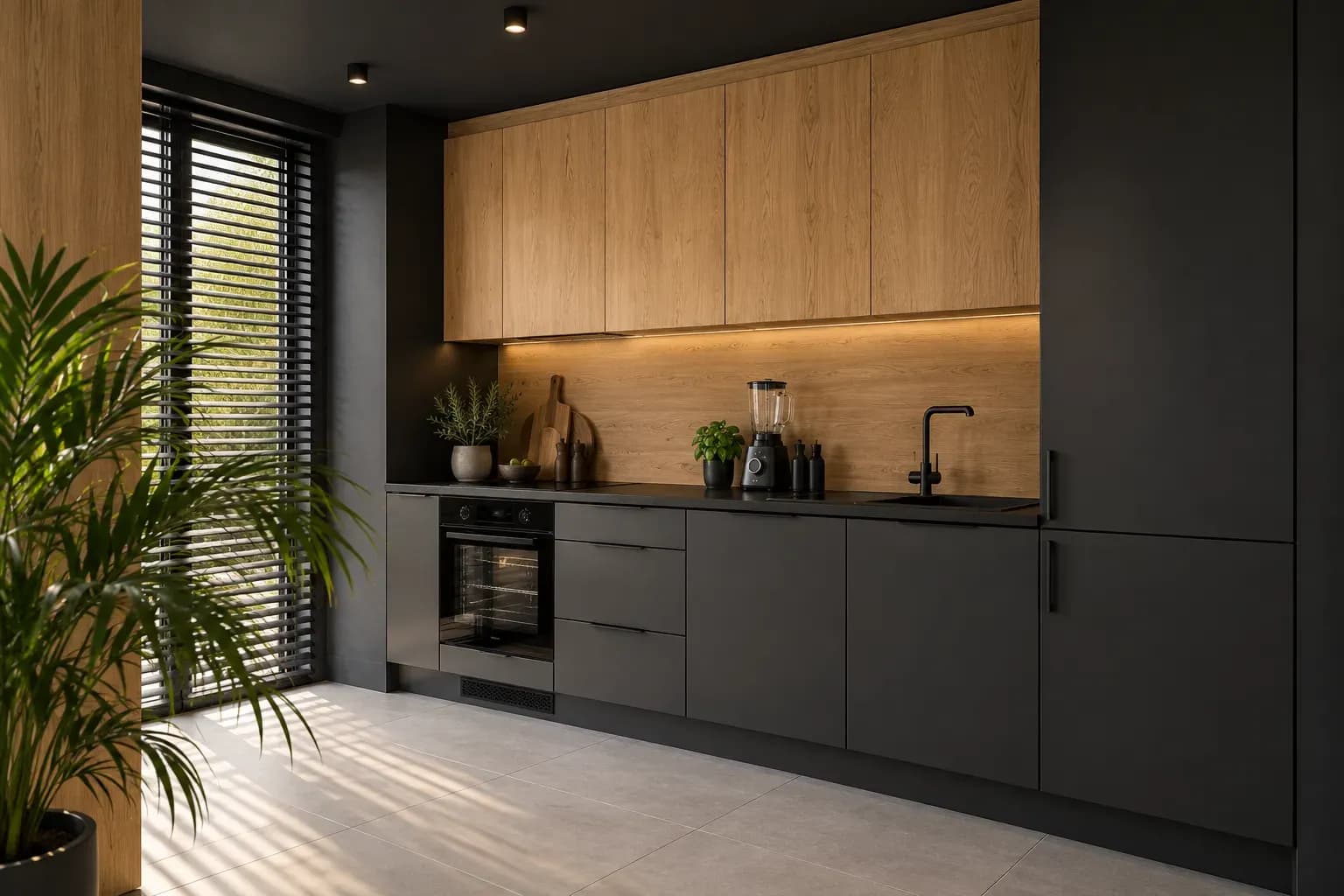
24 Oct 2026|5 min readKitchen interior design cost depends heavily on cabinet materials, core boards, hardware, storage accessories, and the level of customisation. Materials such as laminate, acrylic, veneer, membrane, and PU vary considerably in price, durability, appearance, and maintenance. A well-planned kitchen budget should therefore balance upfront cost with long-term performance and everyday use.
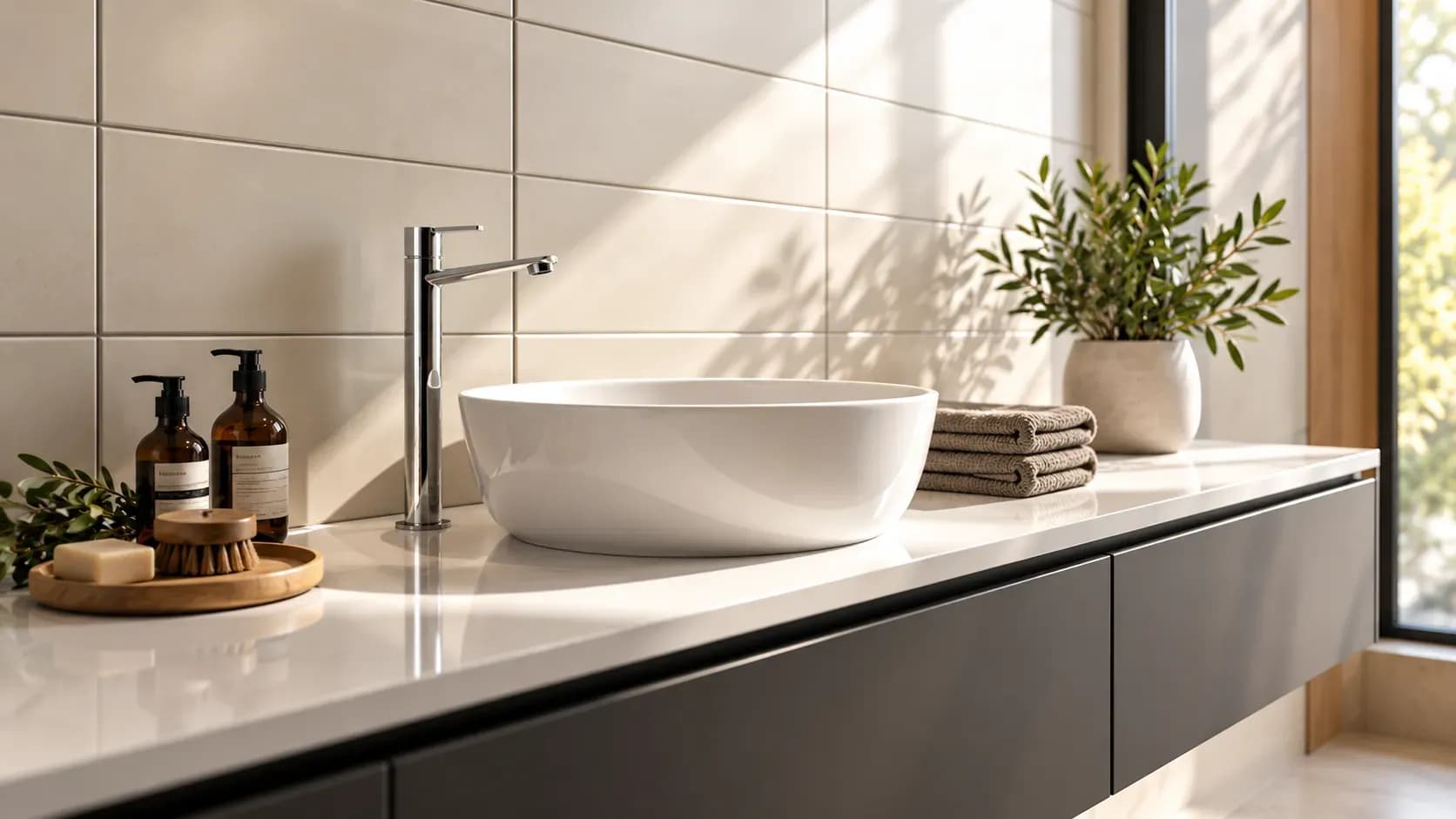
24 Oct 2026|5 min readAccessories, textures and finishes are all essential to modern bathroom decor, especially when smaller details need to feel connected. However, useful modern bathroom decor ideas also account for moisture, cleaning and storage so the room remains practical every day.
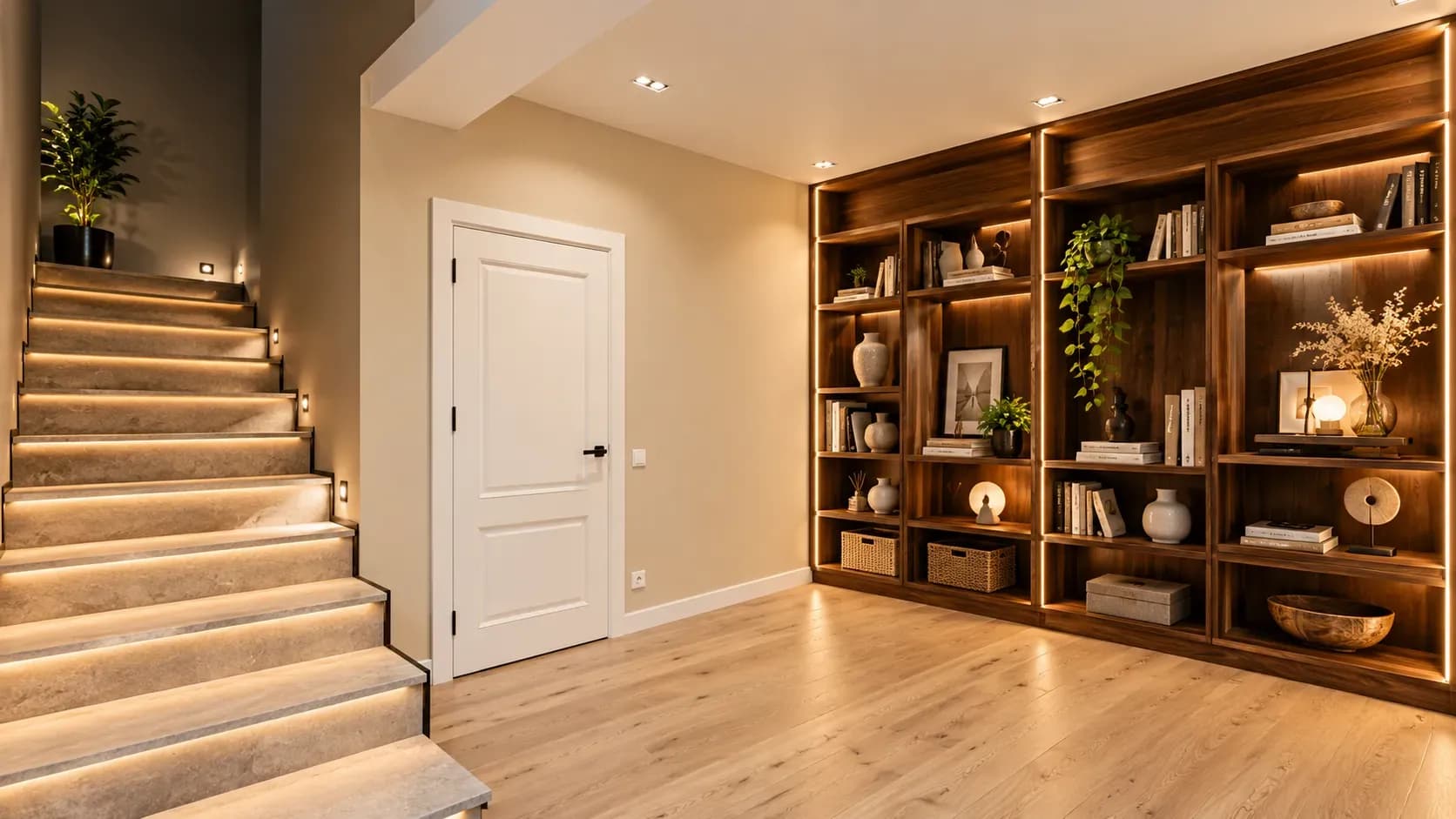
23 Oct 2026|5 min readA well-planned basement can become a practical extension of the home when moisture, ventilation, lighting and access are addressed first. From home theatres and gyms to guest rooms, offices and organised storage, basement interior design should reflect how the space will actually be used. Thoughtful layouts, moisture-resistant finishes and layered lighting can also make lower-ground spaces feel brighter, safer and more comfortable.
23 Oct 2026|5 min readVictorian house interior design can work well in compact Indian homes when you use decorative elements selectively. Lighter colours, restrained mouldings, slimmer furniture and controlled patterns help retain Victorian character without making rooms feel crowded. Modern storage, practical lighting and careful space planning can make the style more suitable for everyday living.
21 Oct 2026|5 min readThoughtful villa interior design creates continuity across large homes without making every room look identical. Repeating select materials and colours, planning circulation, balancing social and private zones, and using lighting strategically can help each space feel connected. Also consider corridors, landings, storage, and room-specific needs as part of the overall plan.
16 Oct 2026|5 min read


Your Home Makeover Starts Here.