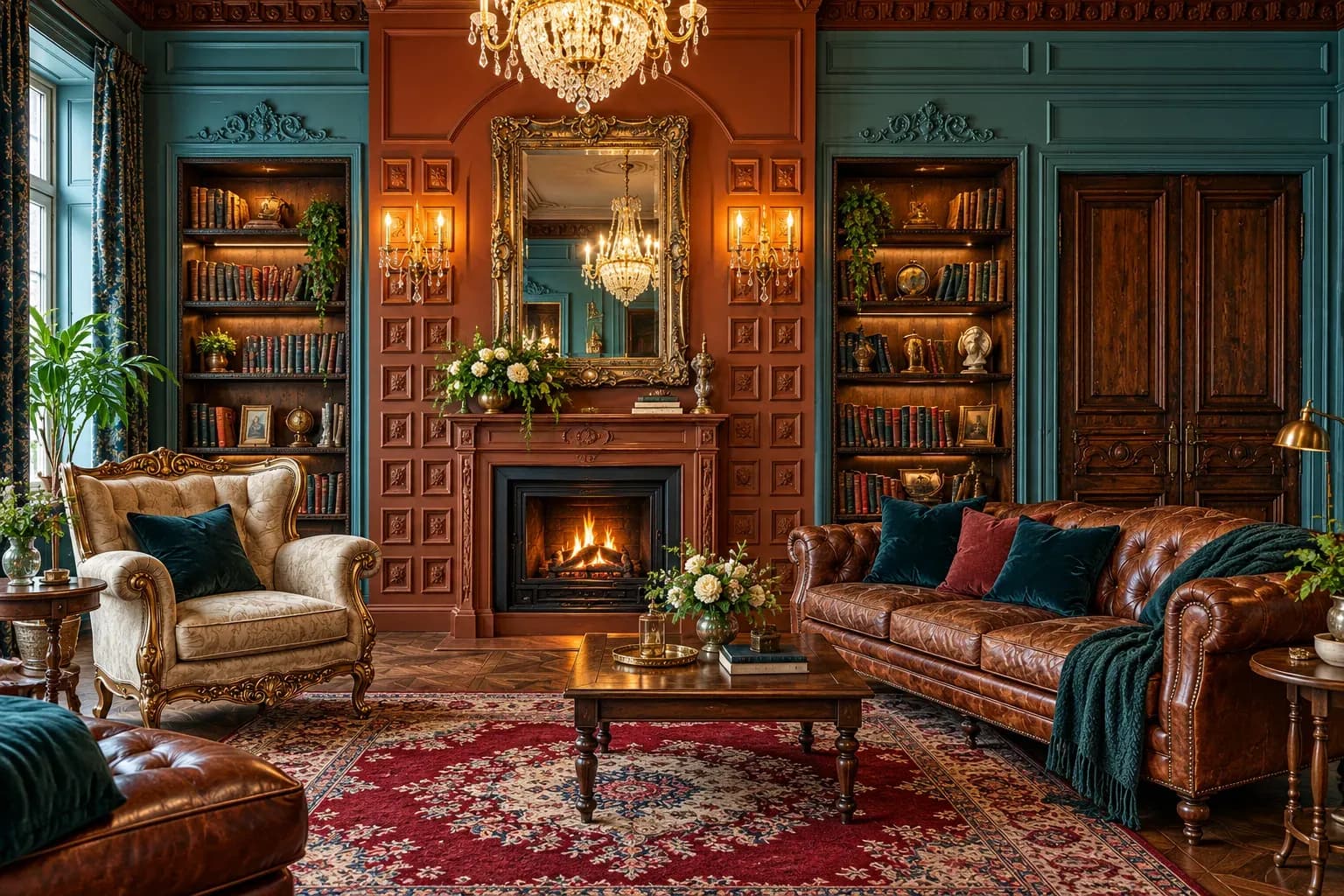
Effective flat interior design depends on making key decisions early, before execution begins. The most important choices include layout, storage, electrical points, lighting, wet areas, flooring, kitchen planning, furniture sizing, material coordination, and lifestyle mapping. Importantly, flat interior design decisions should always be made with how a household actually lives in mind.
Most people assume that interior design goes wrong during execution with a contractor who cuts corners, a material that does not match the sample, or a timeline that slips. While these things happen, they are rarely where the real damage is done.
The homes that end up feeling right are the ones where the foundational decisions were made correctly, early, and in the right order. The ones that disappoint almost always have a problem that started at the design stage itself.
Here are the ten decisions that determine everything else about your flat interior design.
The floor plan you receive from the builder is a starting point, and not a finished brief for your flat interior design. Wall positions, door swings, and room designations can often be reconsidered before any work begins.
The first decision in any home interior design process should be whether the existing layout actually serves how your household lives. A wall removed between the kitchen and dining area, a door repositioned to improve flow, or a bedroom repurposed as a study are all examples of changes that cost relatively little at the planning stage but are expensive or impossible to reverse later.
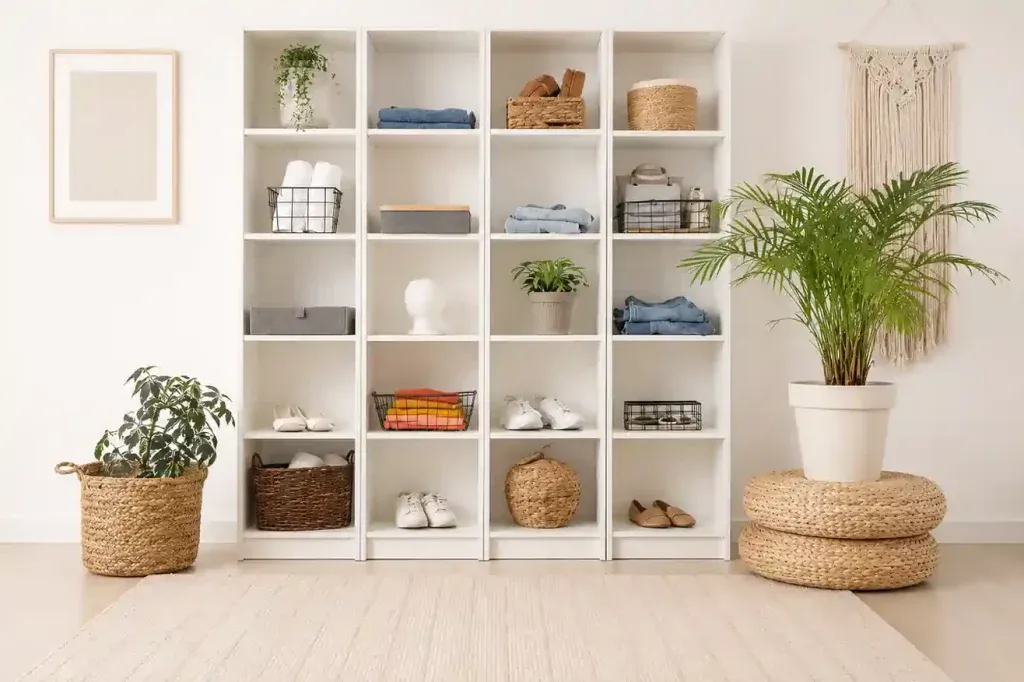
Most homeowners dramatically underestimate how much storage their home needs. They plan for the possessions they currently have and forget to account for accumulation over five to ten years.
Storage decisions in flat interior design should be made at the layout stage, not after furniture is selected. Where will the linen go? Where does seasonal luggage live? Is there enough kitchen storage for the way this household actually cooks? Every unanswered question at this stage becomes a problem later.
This is the decision most first-time homeowners regret skipping. Electrical points need to be finalised before walls are plastered and flooring is laid. Repositioning a socket or adding a point afterwards means breaking walls, replastering, and repainting.
Think through every room in use: where will the bed be, which side gets the reading lamp, where does the television sit, and where will someone charge a phone while working at the kitchen counter. Knowing how to plan interior design for a house correctly means answering these questions before the electrician leaves the site.
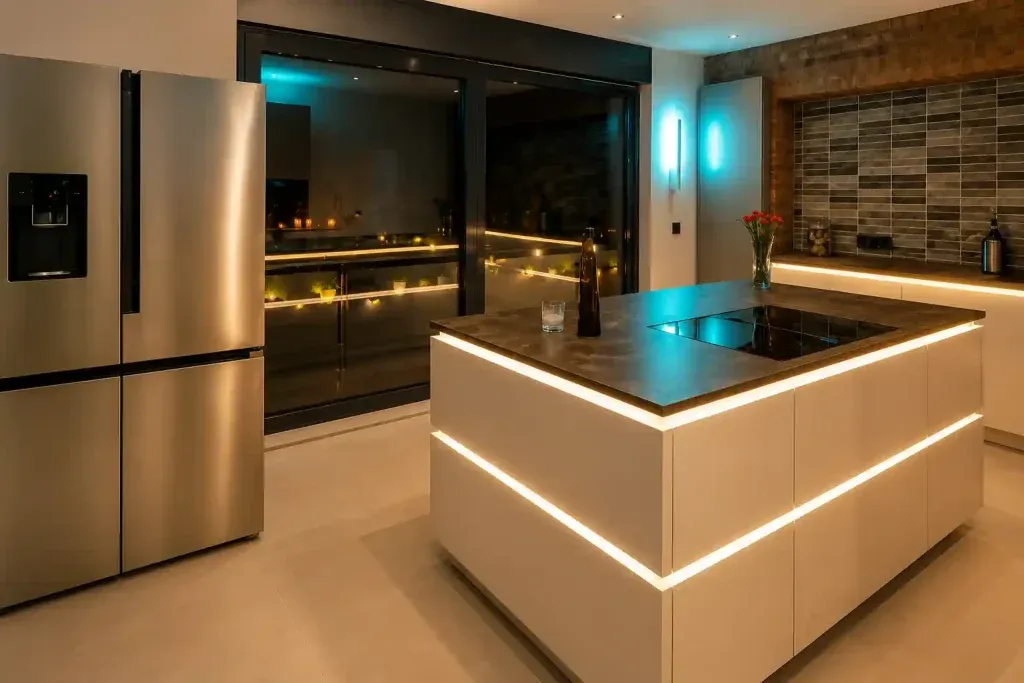
A single overhead fitting in every room is a builder’s default, not a lighting plan. Layered lighting, ambient, task, and accent, needs to be specified before ceilings are closed.
This decision shapes how every room feels at every hour of the day. It also cannot be meaningfully corrected without reopening the ceiling. In flat interior design, lighting is a structural decision, not just a decorative one.
Bathrooms and kitchens need to be fully resolved before any other work begins, because their plumbing and drainage affect everything around them. Fixture positions, drain locations, and tile layouts all need to be decided at this stage.
Making renovations after waterproofing and tiling is already done can be extremely expensive. Ultimately, wet areas are among the most vulnerable in flat interior design, and ignoring them can be a costly mistake in the long term.
Flooring affects every other material and finish in the flat interior design. The tone of the floor influences which wall colours work, which furniture reads well, and how much light the space appears to have.
It also needs to be decided before cabinetry is measured, because floor thickness affects the height at which kitchen platforms and wardrobes are built. Changing flooring after cabinetry is installed creates unevenness that is difficult to fix cleanly.
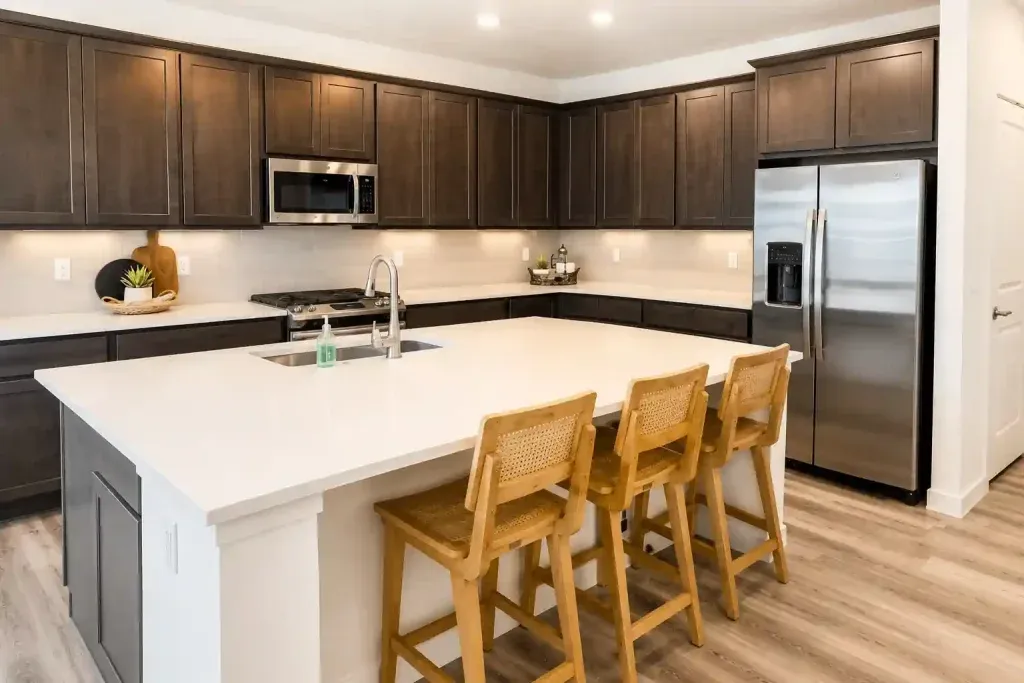
The kitchen is the most functionally demanding space in any home. Interior design ideas for kitchens that look good but are uncomfortable to cook in are a daily irritation for whoever uses them.
Platform height should be calibrated to the primary cook's height, not to a standard measurement. Workflow, the sequence in which tasks happen from storage to prep to cooking to plating, should determine the layout.
Most first-time homeowners buy furniture after the flat interior design work is complete, without cross-referencing dimensions against the floor plan. The sofa that looked right in the showroom does not fit the way it was imagined. The dining table is too large for the space once chairs are pulled out.
Luxury flat interior projects handle this differently: furniture is specified at the design stage, with exact dimensions mapped against the floor plan before any sourcing begins.
Every material in a home has an undertone. Wood, stone, metal, fabric. When these undertones conflict, the home feels unsettled even if each individual choice seemed right in isolation.
A cohesive flat interior decoration is almost always the result of materials selected together as a palette rather than independently.
This is the decision that sits underneath all the others and is asked least often. Not how you want the home to look, but how you actually move through it on a typical day.
Where do bags land when someone walks in? Where does the family actually eat, versus where the dining table is positioned? Which rooms get used in the morning versus the evening? Flat interior design that maps these patterns before planning begins produces homes that feel instinctively right.
Home interior design at Bonito Designs begins with a structured discovery process before any design work starts. Our Life Design philosophy means the team maps how each household actually lives, their daily routines, storage habits, work patterns, and lifestyle needs, and uses that understanding to drive every one of the ten decisions above.
This is what prevents the foundational mistakes that undermine flat interior design outcomes. The success of your flat interior design is not determined by what happens on site. It is determined by the clarity of what was decided before anyone picked up a tool.
If you are about to start your interior design journey and want to get the foundations right, book a consultation with Bonito Designs today.
Both modern classic interior design and transitional design combine classical references with contemporary furniture, storage and lighting. However, modern classic rooms retain more symmetry and formality than transitional spaces. This article covers how transitional interior design differs across furniture, mouldings, colours, materials, lighting and maintenance, along with practical guidance for choosing between the two styles.
24 Oct 2026|5 min readKitchen interior design cost depends heavily on cabinet materials, core boards, hardware, storage accessories, and the level of customisation. Materials such as laminate, acrylic, veneer, membrane, and PU vary considerably in price, durability, appearance, and maintenance. A well-planned kitchen budget should therefore balance upfront cost with long-term performance and everyday use.
24 Oct 2026|5 min readAccessories, textures and finishes are all essential to modern bathroom decor, especially when smaller details need to feel connected. However, useful modern bathroom decor ideas also account for moisture, cleaning and storage so the room remains practical every day.
23 Oct 2026|5 min readA well-planned basement can become a practical extension of the home when moisture, ventilation, lighting and access are addressed first. From home theatres and gyms to guest rooms, offices and organised storage, basement interior design should reflect how the space will actually be used. Thoughtful layouts, moisture-resistant finishes and layered lighting can also make lower-ground spaces feel brighter, safer and more comfortable.
23 Oct 2026|5 min readVictorian house interior design can work well in compact Indian homes when you use decorative elements selectively. Lighter colours, restrained mouldings, slimmer furniture and controlled patterns help retain Victorian character without making rooms feel crowded. Modern storage, practical lighting and careful space planning can make the style more suitable for everyday living.
21 Oct 2026|5 min readThoughtful villa interior design creates continuity across large homes without making every room look identical. Repeating select materials and colours, planning circulation, balancing social and private zones, and using lighting strategically can help each space feel connected. Also consider corridors, landings, storage, and room-specific needs as part of the overall plan.
16 Oct 2026|5 min read


Your Home Makeover Starts Here.