Every home has a few awkward spots: the corner beside the wardrobe that collects bags and charger cables, the passage between the bedroom and bathroom that nobody thinks about, or the alcove that was never quite deep enough for a shelf but too prominent to ignore.
Standard Vastu tips for home design cover the big decisions: entrance placement, kitchen direction, and bedroom orientation. What they rarely address is what to do with the spaces that fall between these defined zones. And in Vastu, what you ignore matters as much as what you plan.
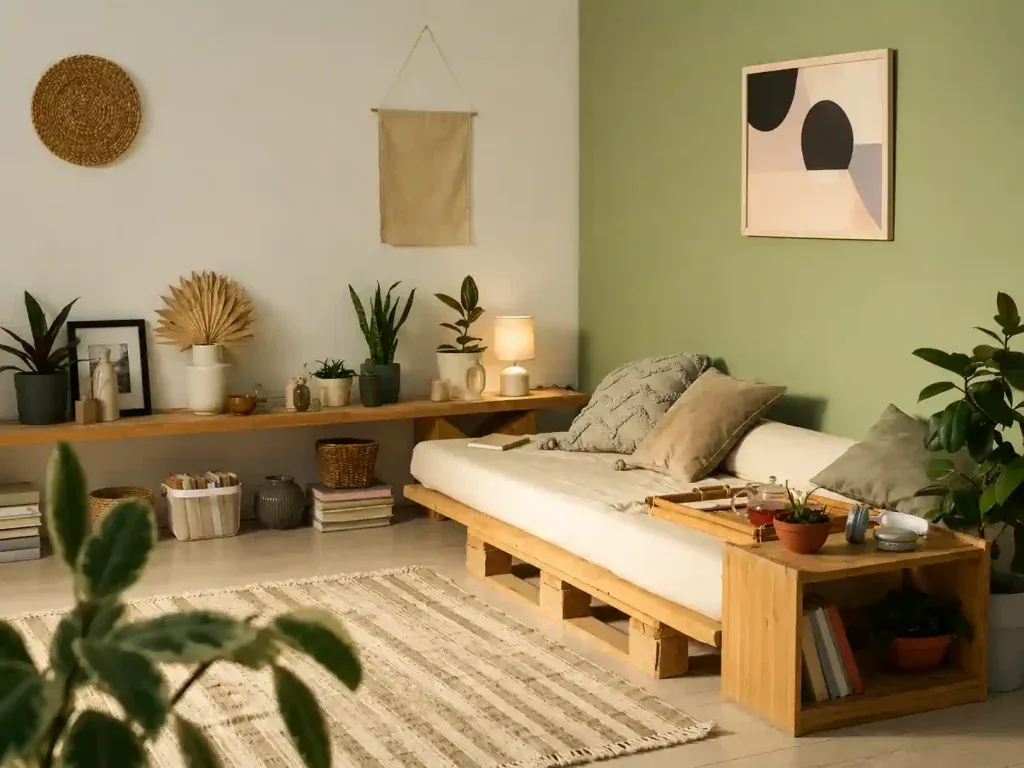
In Vastu for home design, energy moves through a space the way air does. It needs clear pathways, purposeful zones, and room to circulate. Corners and passages are part of that circulation network. When they are blocked, cluttered, or simply left without intention, they create stagnation points.
Vastu Shastra tips consistently emphasise that every part of a home should have a function. Not a decorative function necessarily, but a defined one. A corner that collects clutter is not neutral space. It is actively accumulating stagnant energy in a location that may sit within a directionally significant zone.
A blocked north-east corner, even from something as ordinary as a pile of stored items, is one of the most common violations of Vastu for homes. The same applies to dark, narrow passages that nobody thinks of.
Not all corners carry equal significance. House design according to Vastu treats the four primary corners as directionally charged: north-east, north-west, south-east, and south-west. Each corresponds to specific elements and energies.
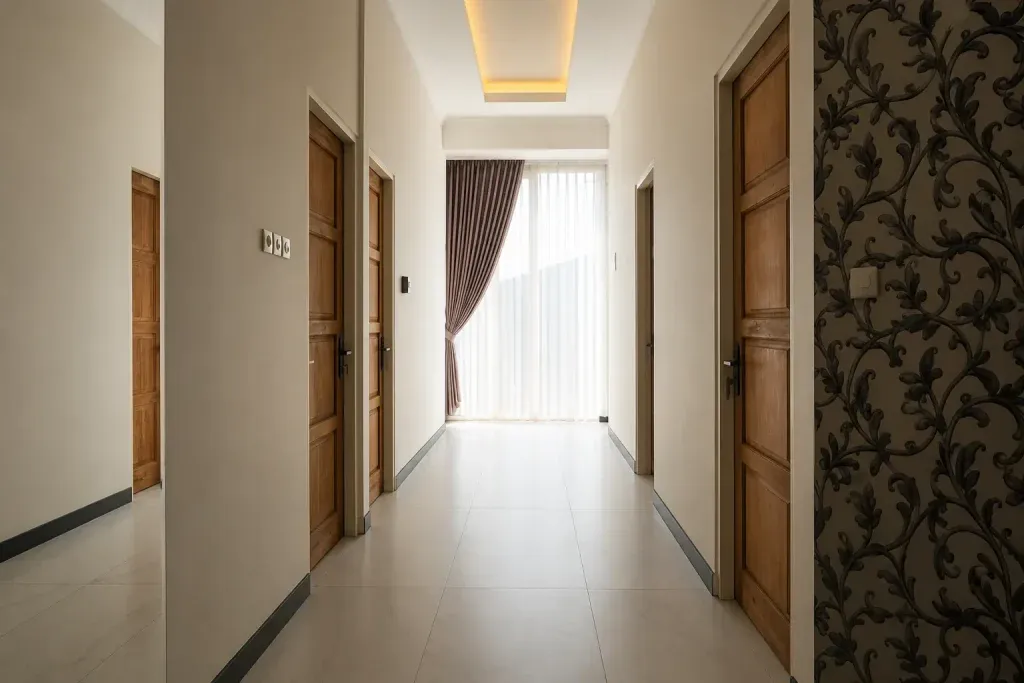
Passages are movement zones. Vastu Shastra for homes treats them as channels through which energy travels between rooms. A dark, narrow passage with no lighting and no defined purpose slows that movement.
Practical Vastu tips for homes that work include:
A wall-mounted fitting or a floor lamp in a passage changes the quality of the space entirely.
This could be a narrow console, a row of hooks, or a small shelf. It gives the passage a reason to exist beyond transit.
Opposing mirrors are considered a Vastu concern, as they can cause energy to bounce indefinitely rather than flow purposefully.
Passage floors that accumulate footwear, bags, or furniture legs create both a physical and energetic obstruction.
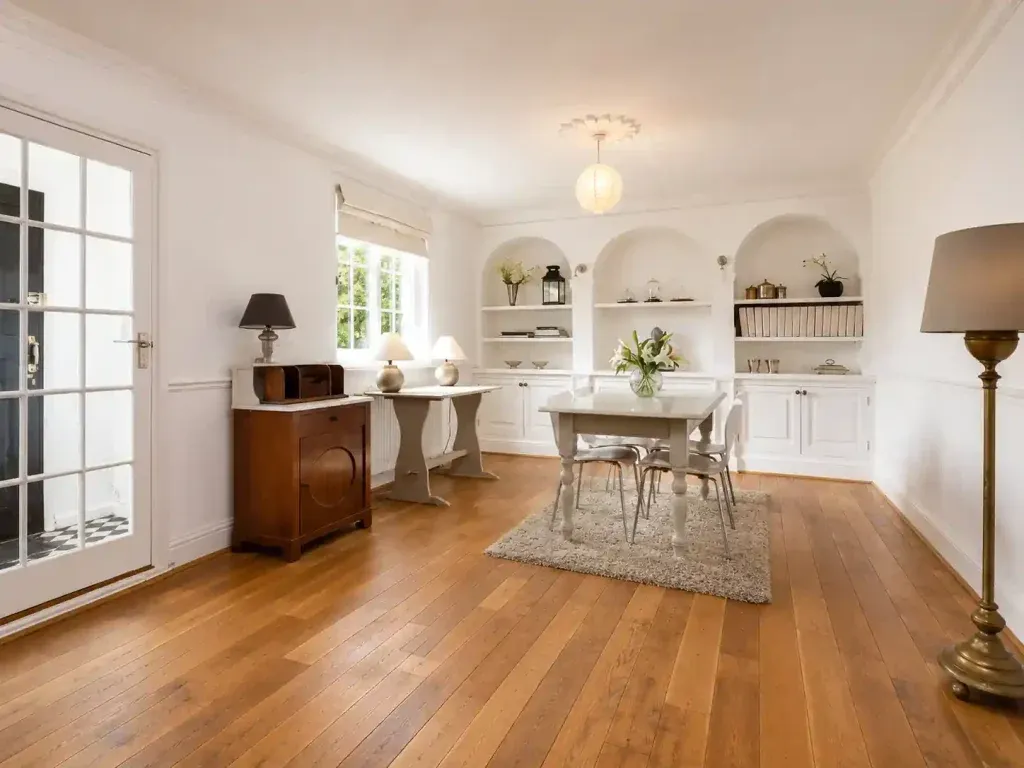
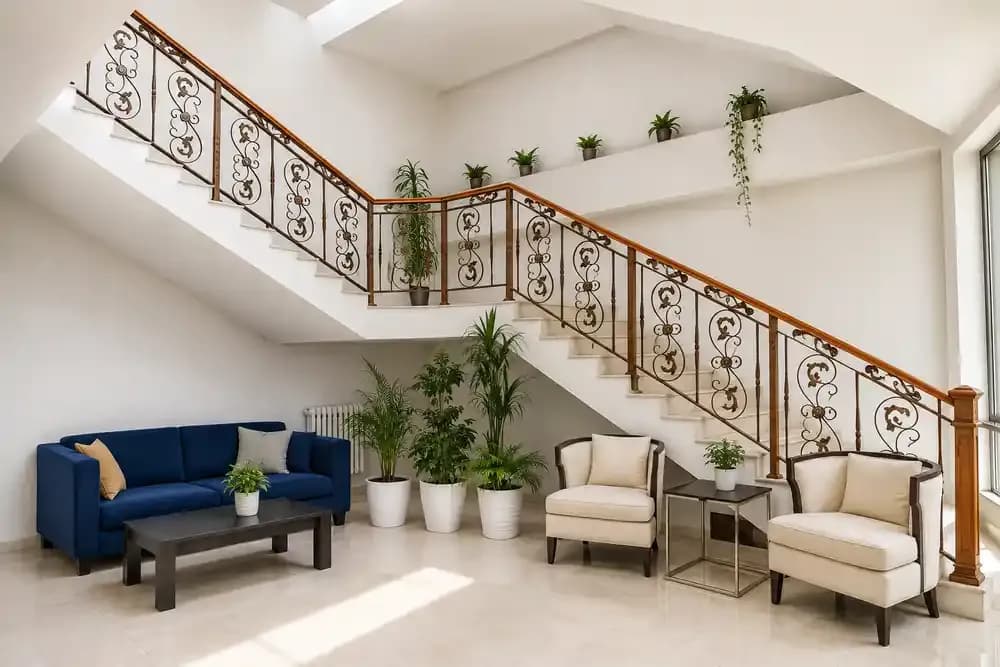
These are the spaces that Vastu tips for homes rarely address. The area under a staircase that is not quite a room, the recessed wall that is too shallow for a wardrobe, the space between two doors that cannot hold furniture.
The risk with these spaces is twofold. Left empty, they collect clutter. Overdressed with decorative objects that serve no function, they become visually busy without adding anything.
The better approach:
Most design briefs focus on the primary rooms. The corners, passages, and awkward zones are resolved during execution, which usually means they are not resolved at all. Bonito Designs approaches this differently:
With in-house execution and ISO-certified processes across Mumbai and Bangalore homes, these decisions are delivered as designed rather than resolved on site without context.
Vastu tips for homes that only address the headline zones miss a significant part of the picture. The corners, the passages, the alcoves that seemed too small to matter, these are the spaces where daily friction accumulates and where energy stagnates most reliably.
Vastu Shastra tips are ultimately a framework for intentionality. Every part of the home deserves a defined purpose. Those who do not have one yet are simply waiting for a decision.
If you want your entire home planned with this level of attention, book a consultation with Bonito Designs today.
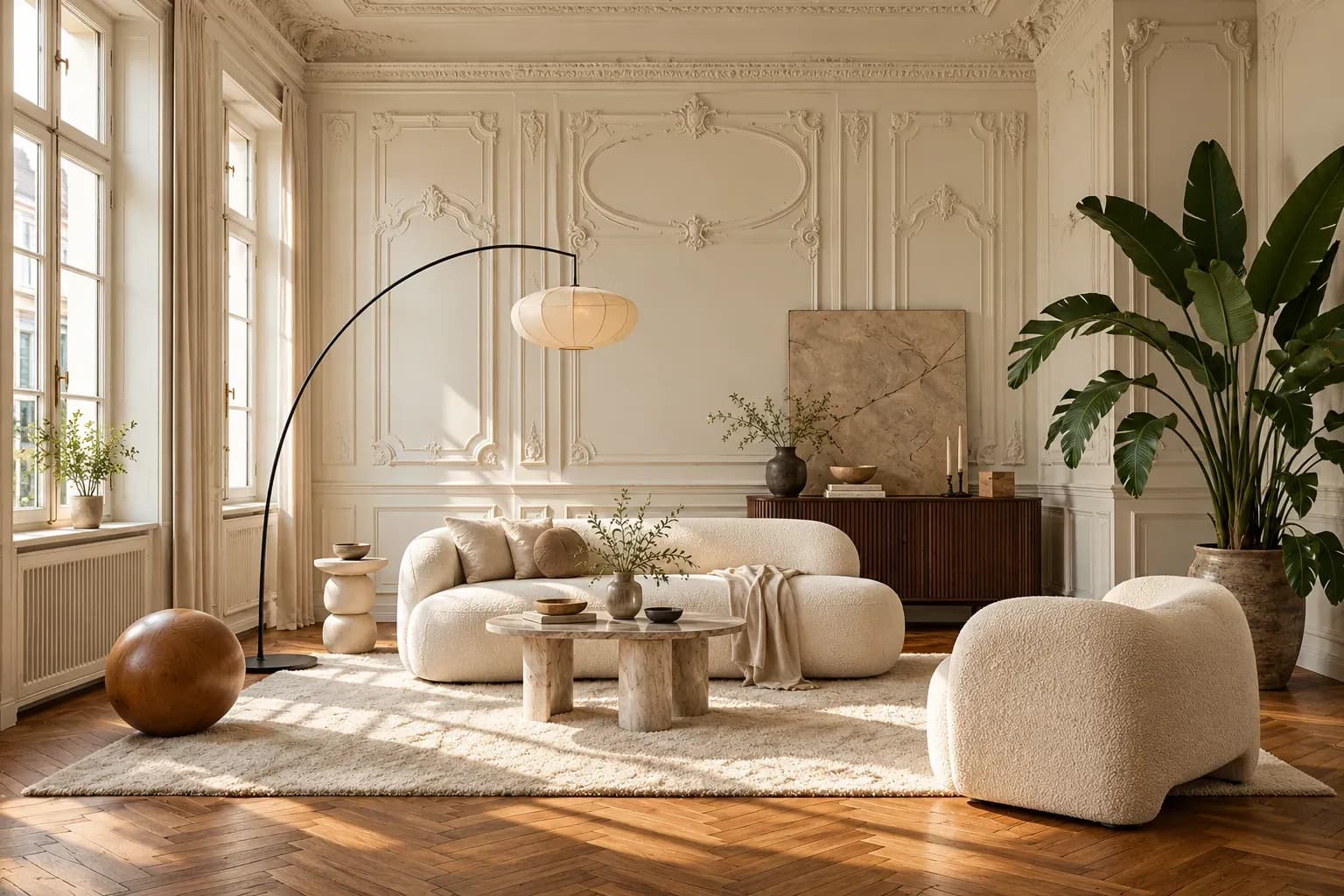
Both modern classic interior design and transitional design combine classical references with contemporary furniture, storage and lighting. However, modern classic rooms retain more symmetry and formality than transitional spaces. This article covers how transitional interior design differs across furniture, mouldings, colours, materials, lighting and maintenance, along with practical guidance for choosing between the two styles.
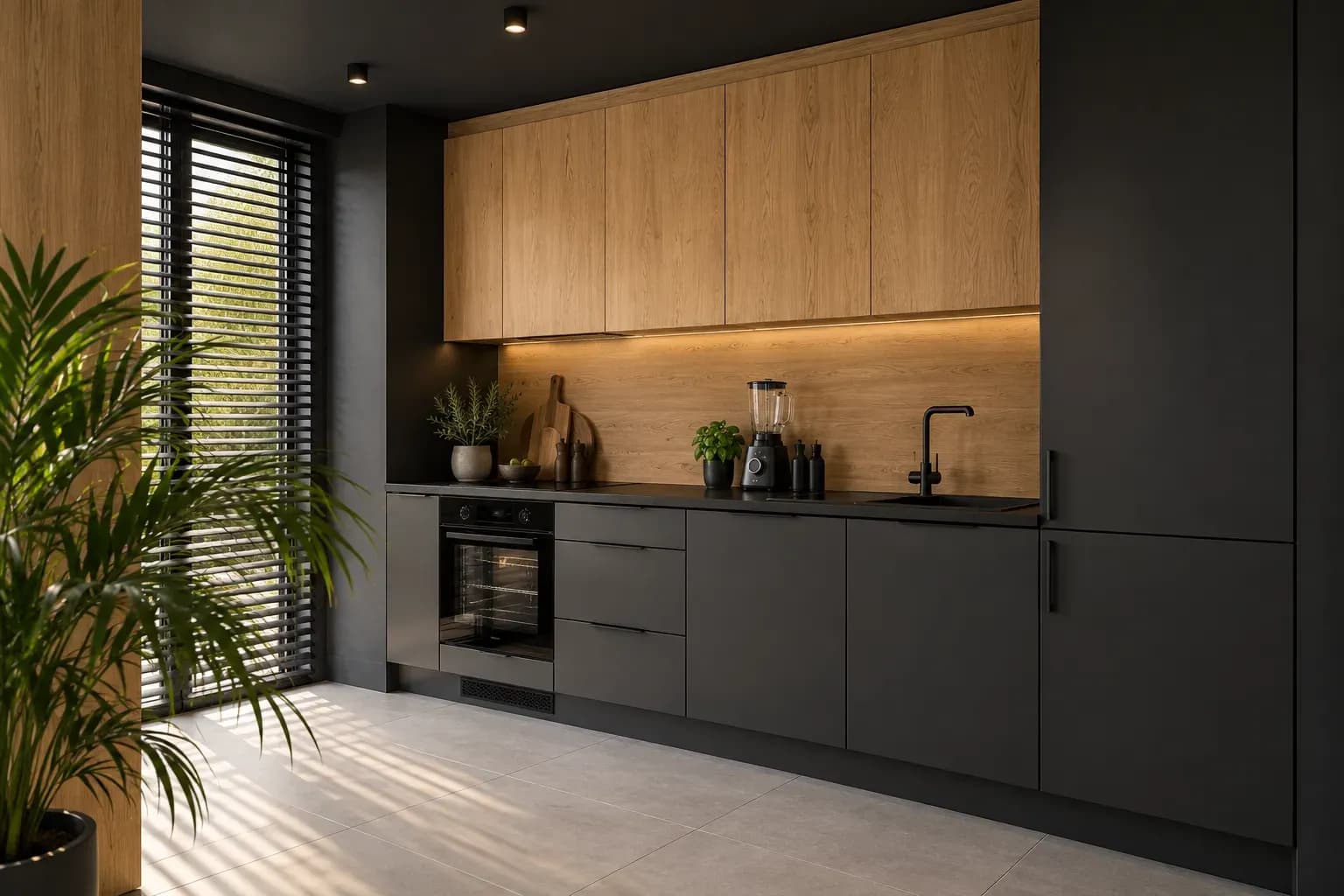
24 Oct 2026|5 min readKitchen interior design cost depends heavily on cabinet materials, core boards, hardware, storage accessories, and the level of customisation. Materials such as laminate, acrylic, veneer, membrane, and PU vary considerably in price, durability, appearance, and maintenance. A well-planned kitchen budget should therefore balance upfront cost with long-term performance and everyday use.
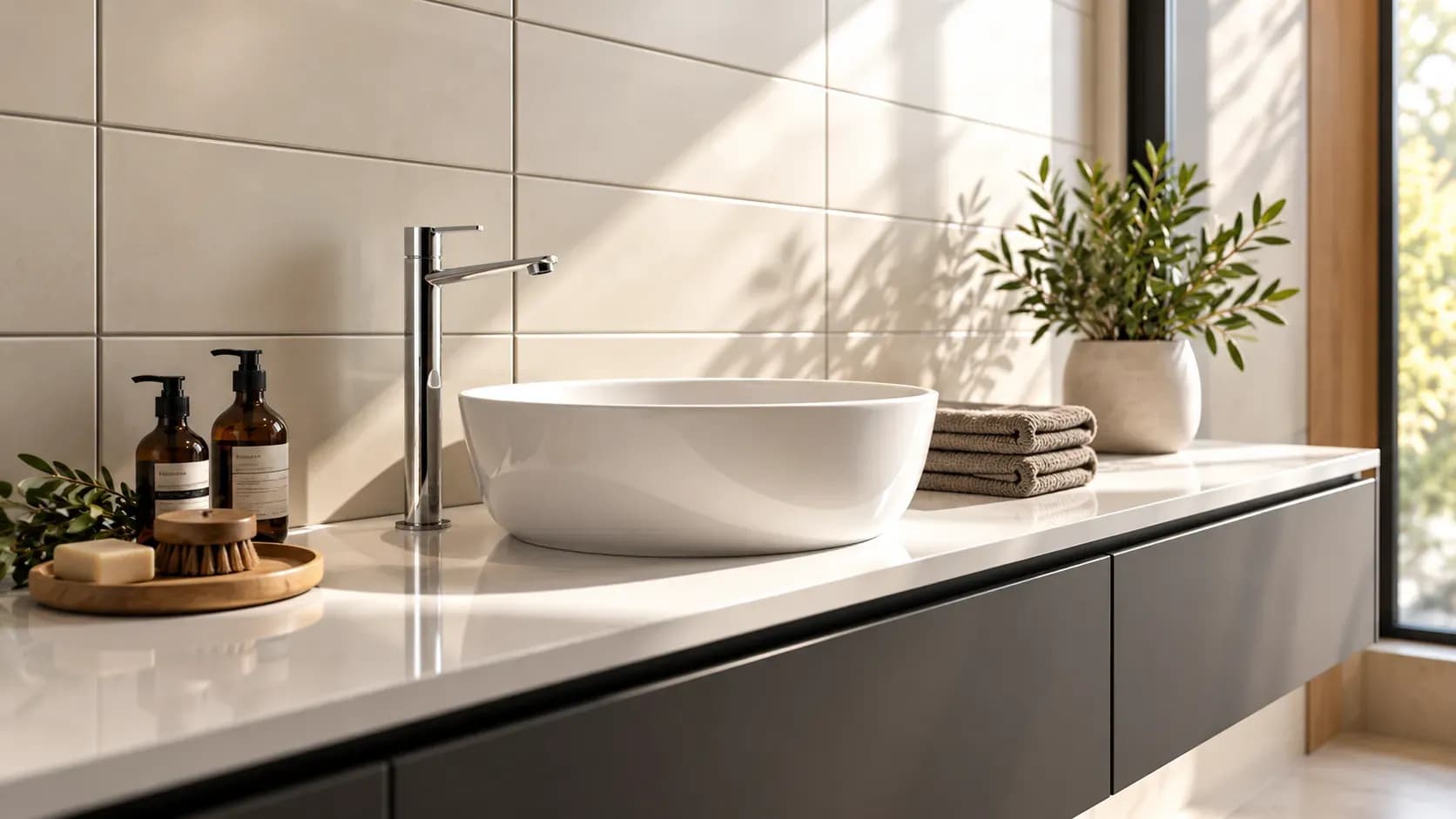
24 Oct 2026|5 min readAccessories, textures and finishes are all essential to modern bathroom decor, especially when smaller details need to feel connected. However, useful modern bathroom decor ideas also account for moisture, cleaning and storage so the room remains practical every day.
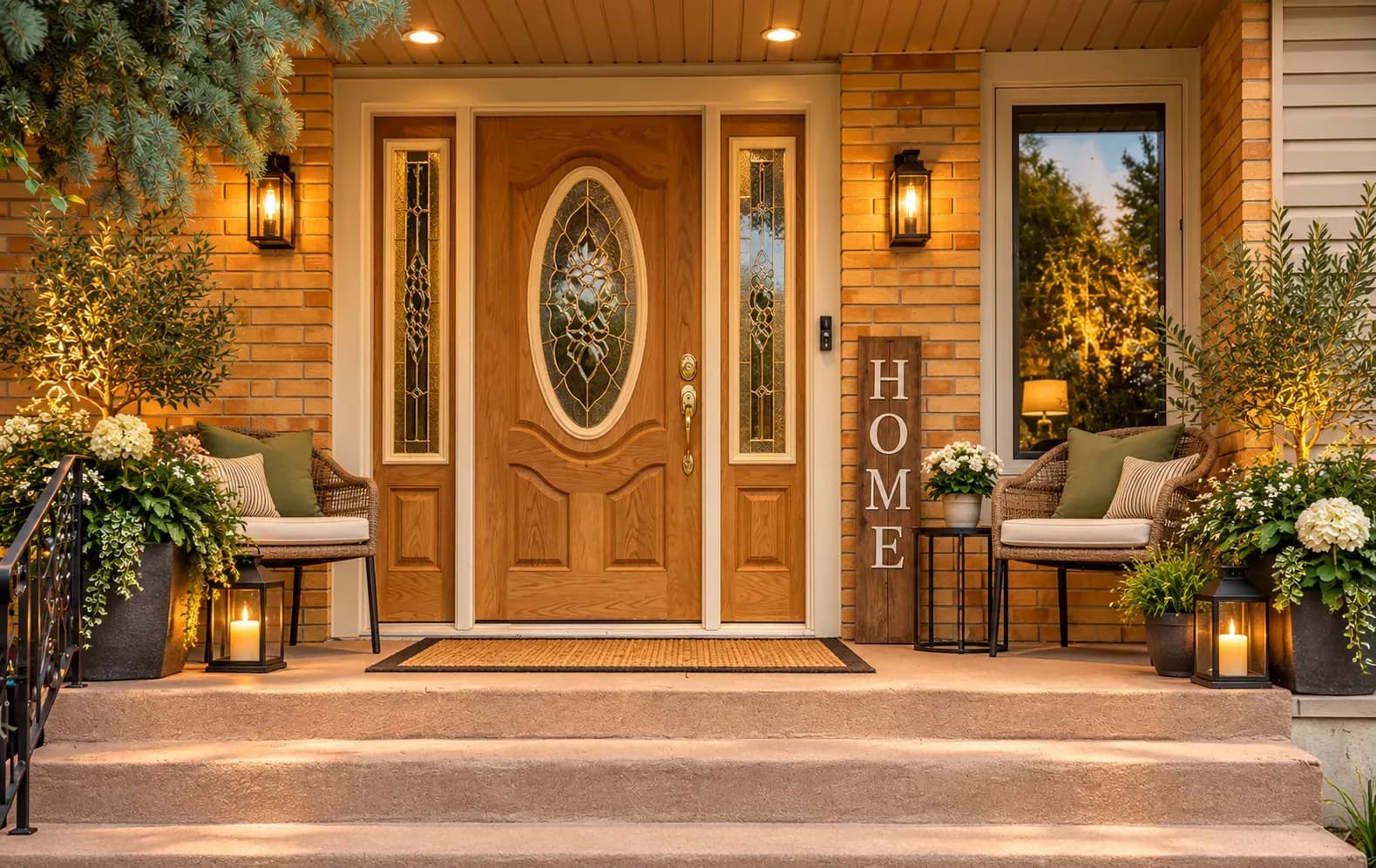
23 Oct 2026|5 min readMain door Vastu focuses on creating an entrance that feels balanced, welcoming, and functional through direction, placement, materials, colours, lighting, and everyday organisation. Even when changing the doorway is not practical, homeowners can use simple Vastu-aligned remedies such as better lighting, clutter-free storage, suitable finishes, plants, and traditional accents. The key is to combine Vastu principles with practical interior design so the entrance works comfortably for everyday life.
30 Sep 2026|5 min readLearn everything about pooja room Vastu, including how to create a compliant space in houses facing different directions and constraints.
14 Aug 2026|5 min readFind out the fundamentals of staircase Vastu, along with specific guidelines for east-facing houses, to create a functional home.
09 Aug 2026|5 min read


Your Home Makeover Starts Here.