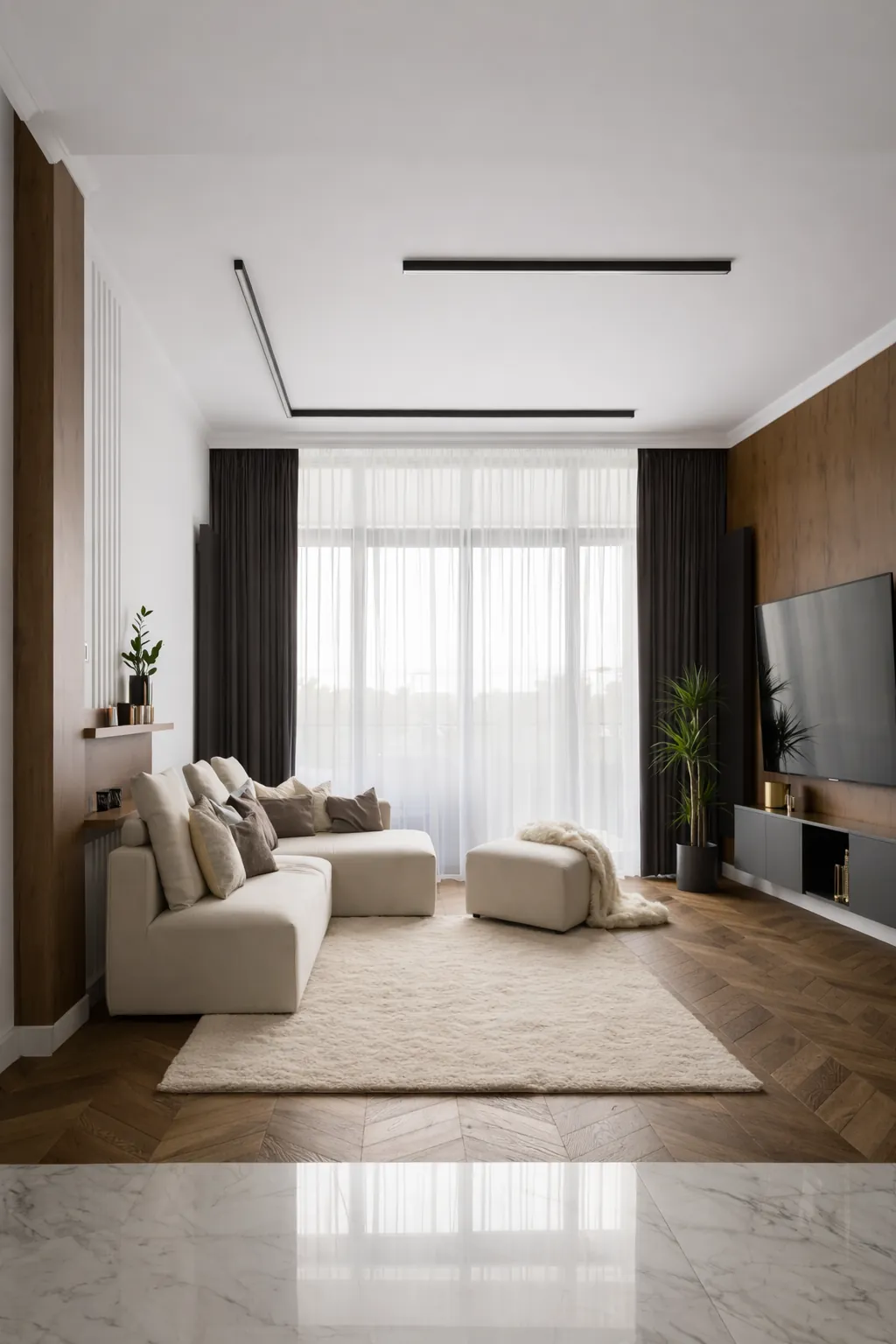



When homeowners start researching false ceiling materials, they find a dozen different responses that add to their confusion. One contractor swears by POP, while another says gypsum is cleaner. Someone else pushes PVC because it is “maintenance-free.” Meanwhile, one designer’s portfolio shows wooden slatted ceilings that look straight out of a luxury villa.
Ceiling material is not just about looks. It affects crack resistance, moisture behaviour, heat retention, dust accumulation, and how your home feels five years later. If you are investing in a premium interior false ceiling, let’s compare properly.
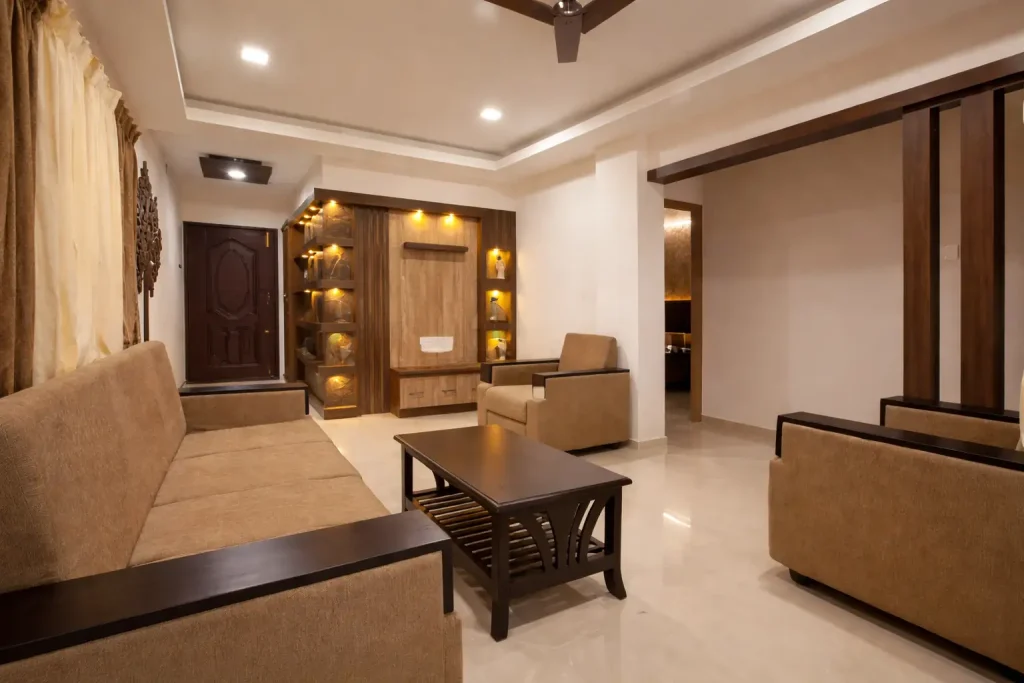
POP has been a traditional favourite among false ceiling materials in Indian homes.
POP is mixed and applied on-site. Meaning that the quality of this false ceiling material depends heavily on workmanship. In cities like Mumbai, where humidity levels spike during monsoon, poorly cured POP can develop hairline cracks. Interior designers in Mumbai consider each room’s moisture exposure before recommending POP false ceilings. Once cracks appear, patchwork rarely blends perfectly, which makes maintenance of POP ceilings tricky. Mumbai’s best interior designers generally recommend POP in formal living rooms where detailing matters, but only if they can tightly control the execution quality.
In most premium apartments in India, gypsum dominates the list of false ceiling materials.
Gypsum handles temperature variation better, which matters in high-rise homes exposed to direct heat. It also integrates beautifully with concealed lighting, cove details, and AC ducts.
Standard gypsum boards are not waterproof. In kitchens or bathrooms, moisture-resistant variants are essential. Without them, long-term sagging is possible. For most urban homes, gypsum is often the best material for a false ceiling when the goal is clean lines and durability.
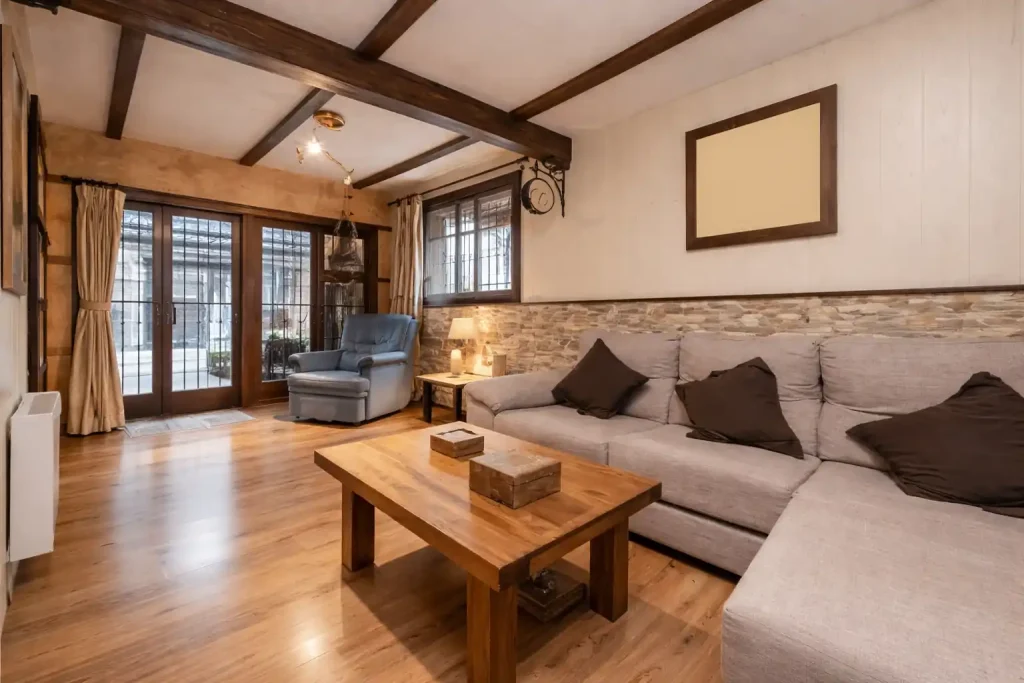
ood ceilings look stunning. No debate there. Slatted wooden false ceilings in luxury villas or sea-facing homes instantly add warmth.
Natural wood reacts to moisture and heat. In coastal areas, humidity can cause untreated wood to warp. In dusty urban areas, grooves collect dirt quickly, making maintenance of false ceilings a long-term commitment. Engineered veneer panels reduce risk, but cost increases significantly. Wood as a false ceiling material is best used as an accent feature rather than covering the entire surface.
Metal is a common false ceiling material in commercial spaces, but it is slowly entering modern residential projects as well.
They perform well in balconies, utility areas, or semi-open terraces where exposure to the weather is higher. Powder-coated aluminium panels resist corrosion better in coastal cities. However, metal can feel cold or industrial if not balanced with softer materials. It suits contemporary homes with a bold aesthetic.
India is not climate-neutral. Heat, humidity, dust, and AC use constantly test the ceiling’s stability.
The wrong roof ceiling material can sag, crack, or discolour within a few monsoons.
Understanding types of ceiling sheets before finalising helps prevent regret later.
A ceiling should enhance proportion, not overpower it.
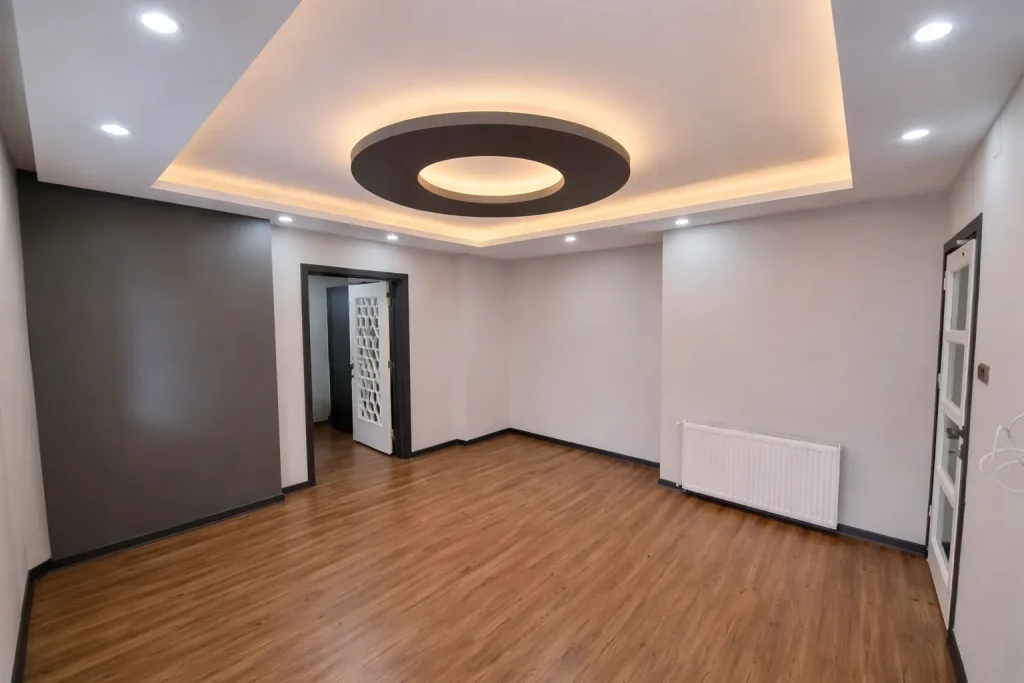
For most modern homes, gypsum offers the best balance of finish quality, durability, and design flexibility. POP demands skilled execution to last well. Wood adds richness but needs care. Metal and PVC are functional heroes in moisture-prone areas.
The smartest choice from any false ceiling material list is not the most decorative one. It is the one that stays stable, crack-free, and elegant long after the housewarming photos are posted. Because a ceiling is something you look at every single day, it better age well.
At Bonito Designs, ceilings are not treated as decoration. They are part of the architectural layer.
Through the LifeDesign philosophy, the team studies how you live. Do you host often? Is your home exposed to harsh afternoon sun? Do you run your AC year-round? Do kids play indoors and throw soft balls upward?
Material selection happens through a lifecycle lens. Not just visual appeal, but crack resistance, maintenance effort, humidity behaviour, and integration with lighting systems.
With in-house execution, ISO-certified quality processes, and deep familiarity with the building structures in Bangalore and Mumbai, Bonito manages everything end-to-end. Design, selection of false ceiling materials, installation, quality checks, and final handover; everything is done systematically.
Book a consultation with Bonito Designs to ensure that your ceiling remains gorgeous for years to come!
Gypsum is generally better than POP for most homes because it is factory-made, installs faster, and is less prone to cracking.
Moisture-resistant gypsum boards can work in kitchens and bathrooms, but PVC panels are often safer in areas with high humidity.
Moisture-resistant gypsum, PVC, and powder-coated metal ceilings perform best in humid climates like Mumbai.
Homeowners should consider moisture resistance, crack durability, maintenance needs, ceiling height, and compatibility with lighting and AC ducts.