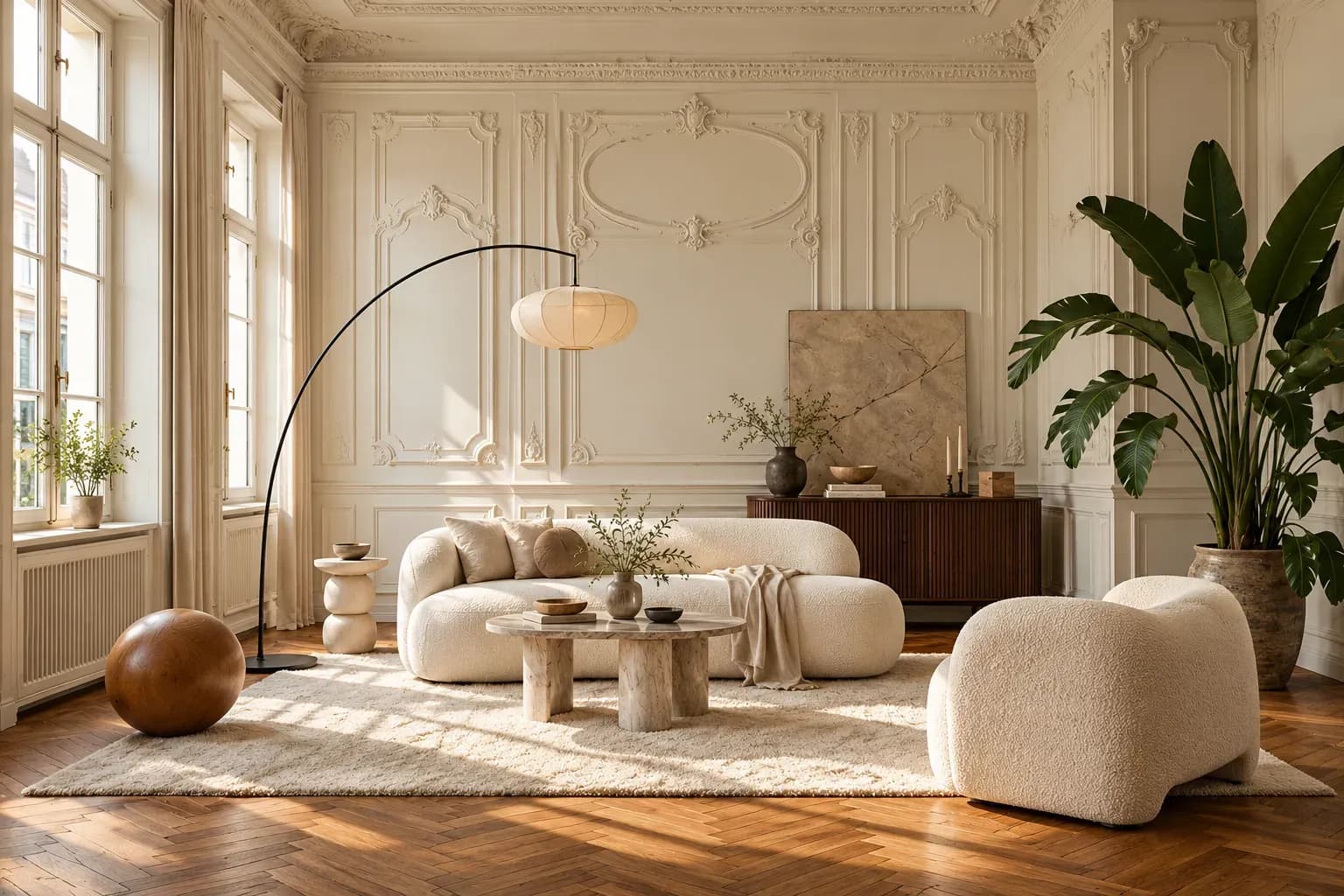
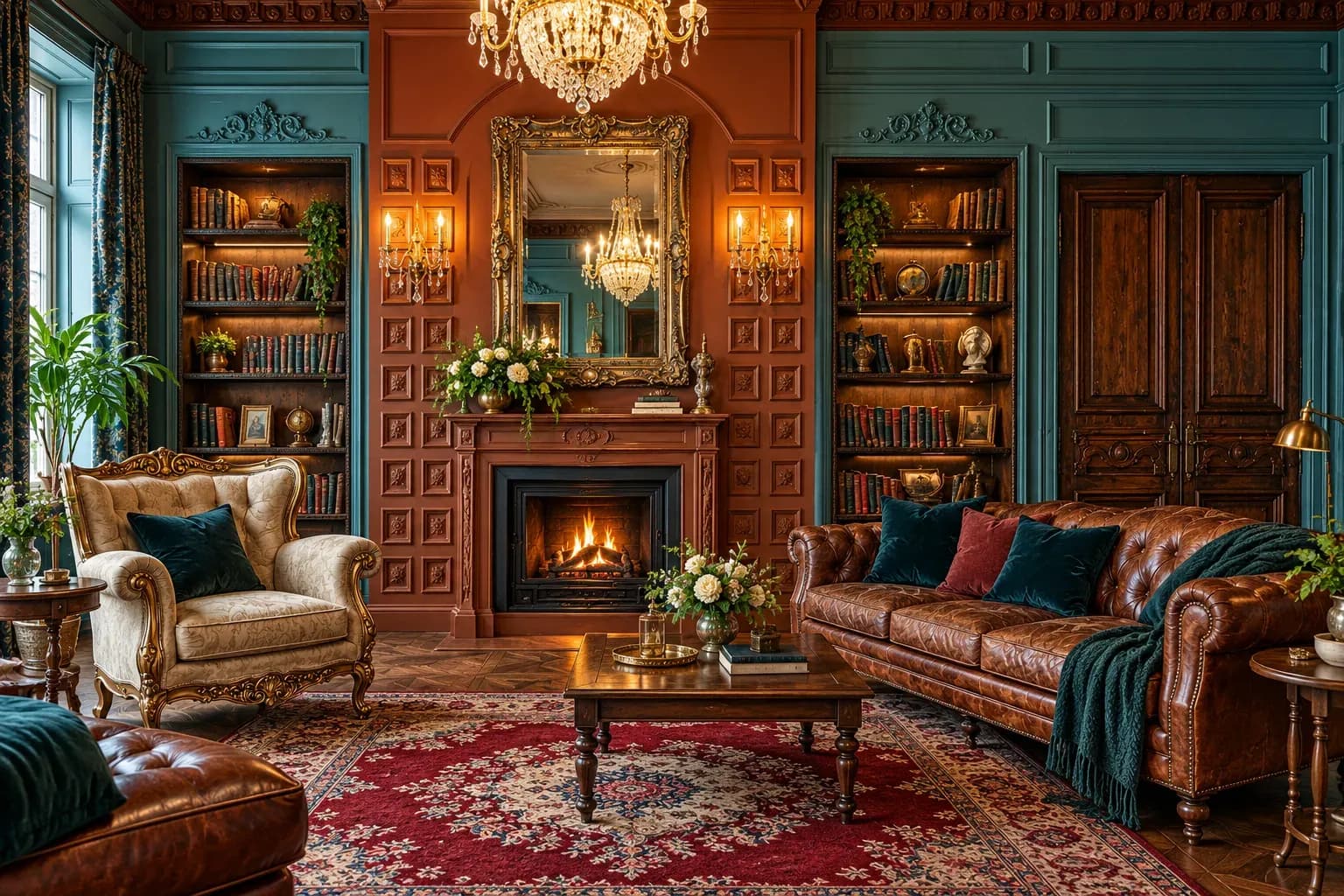
As India fast approaches its 75th Republic Day, we’re presented with a unique opportunity to incorporate India’s rich culture and art forms into our interior designs. Besides the vibrance of the tricolour, India offers a wealth of arts and crafts forms that make for beautiful additions to our living space.
In this blog post, we dive into how the essence of Indian interior design can be infused with our existing home decor as part of a new patriotic spirit. From the ideas of supporting local businesses to the government’s Make in India initiative, there are countless ways in which we can help build India’s economy as we design our own homes. Read on to find out how you can make this possible.
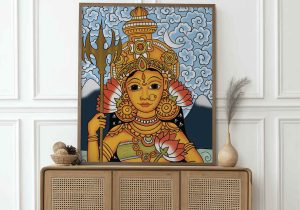
With so many global trends in the world of interior design, it can often be challenging to use and promote elements that are derived from the roots of our collective culture in India.
The highlight of Indian interior design is that it can often incorporate a mix of different styles from across the world. This presents the unique opportunity where you could even design your interiors in an opulent European style while incorporating elements that highlight our rich heritage of crafts.
The Indian tricolour has three primary colours, as we’re all aware – saffron, white, and green. One of the simplest ways of incorporating the spirit of our country’s 75th Republic Day in our home decor is by infusing elements in these colours across our living spaces. From the perfect set of green cushions to match your lush, beige sofa set to orange decorative elements, there are plenty of different approaches you can take.
You can incorporate these colours in a rug, decorative artefacts, paintings, and even in furnishings such as your table linen, bed linen, and so on.
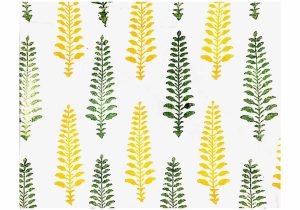
India has a rich tradition of textiles that are unique to every part of its vast expanse. These textiles also come with the use of different patterns that are uniquely Indian. Introducing traditional fabrics like cotton, silk, and khadi in your decor can be a great way of supporting the livelihoods of the artists who make them while adding a touch of our country’s traditions to your decor.
Your bed linen, for example, can infuse the various patterns found across the country, such as Ikat, Kalamkari, and so on, that can make your bedroom feel like it’s truly been inspired by our rich crafts heritage. You can even use traditional textiles in furnishings like curtains, quilts, table linen, and so much more to achieve the ideal Indian interior design sensibilities.
While you’ll always find several options online, it can also be a great idea to take a field trip and buy these products directly from those who make them. This can offer immense encouragement to the artisans who work day and night to keep our crafts alive while benefiting them monetarily and building a stronger connection to our country’s heritage and values.
If you proudly want to showcase traditional crafts and patterns in your Indian interior design and truly like the appeal they offer, you can even use them in the form of wallpaper. This can be a great way of turning what would otherwise be a plain white wall into a statement wall. However, when accessorising the wall and the spaces around it, you must make use of minimal, plain elements.
This is because infusing multiple patterns in a single space can make it overly busy and cluttered. So, for example, if you’ve used floral wallpaper in shades of earthy browns and oranges on your primary living room wall, your sofas should ideally be beige or off-white and be pattern-free. This will add the ideal contrast without making the space look cluttered.
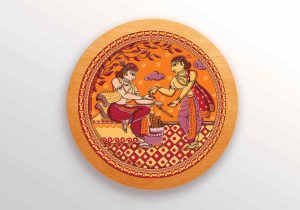
Just like India has a rich heritage of making unique and high-quality textiles, it also offers a rich variety of artefacts from every sub-culture. For example, India has a rich history of different styles of pottery. From the world-famous blue pottery from the city of Jaipur to the tribal art of Longpi pottery from Manipur, homeowners have several options to choose from no matter which style they resonate with.
Decorations made in brass offer yet another dimension to explore, with all kinds and sizes of options available. The same holds true for idols made of clay, vases, wall accents, jharokhas, lamps, and so much more. Every corner of our country offers an unimaginable variety of crafts that can make for beautiful additions to an Indian interior design.
Lighting is among the most important aspects of making an interior warm and inviting, and it offers yet another avenue for you to add a touch of India’s rich heritage to your home decor. A quick look online will show you a multitude of options that you could choose from. From chandeliers to pendant lights and even floor or table lamps, your living space can include a whole host of options.
For the experimental among you, you can even go the DIY route and turn something as simple as a Dhoop Dani into a lamp that you can add as a statement piece to your Indian interior design.
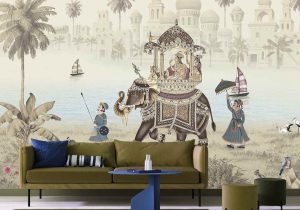
Last but not least, your walls offer prime real estate to feature the right arts and crafts from all over our country. Be it a painting or a mural depicting a mythological scene, you have plenty of options to explore.
A tastefully made mural can add life to your walls and when incorporated into your Indian interior design, can also make for an interesting conversation starter about our rich cultural heritage.
On the occasion of our country’s 75th Republic Day, let’s transform our homes into an expression of our country’s rich heritage with a patriotic palette. With vibrant colours, countless arts and crafts traditions, lighting fixtures, murals, and textiles, India’s arts and crafts offer us a wealth of options to decorate our homes with.
If you want your living space to reflect the rich and vibrant spirit of Indian interior design, reach out to us at Bonito Designs and book yourself a consultation with us. Let’s strengthen our patriotic spirit and take pride in our country’s traditions together.
Both modern classic interior design and transitional design combine classical references with contemporary furniture, storage and lighting. However, modern classic rooms retain more symmetry and formality than transitional spaces. This article covers how transitional interior design differs across furniture, mouldings, colours, materials, lighting and maintenance, along with practical guidance for choosing between the two styles.
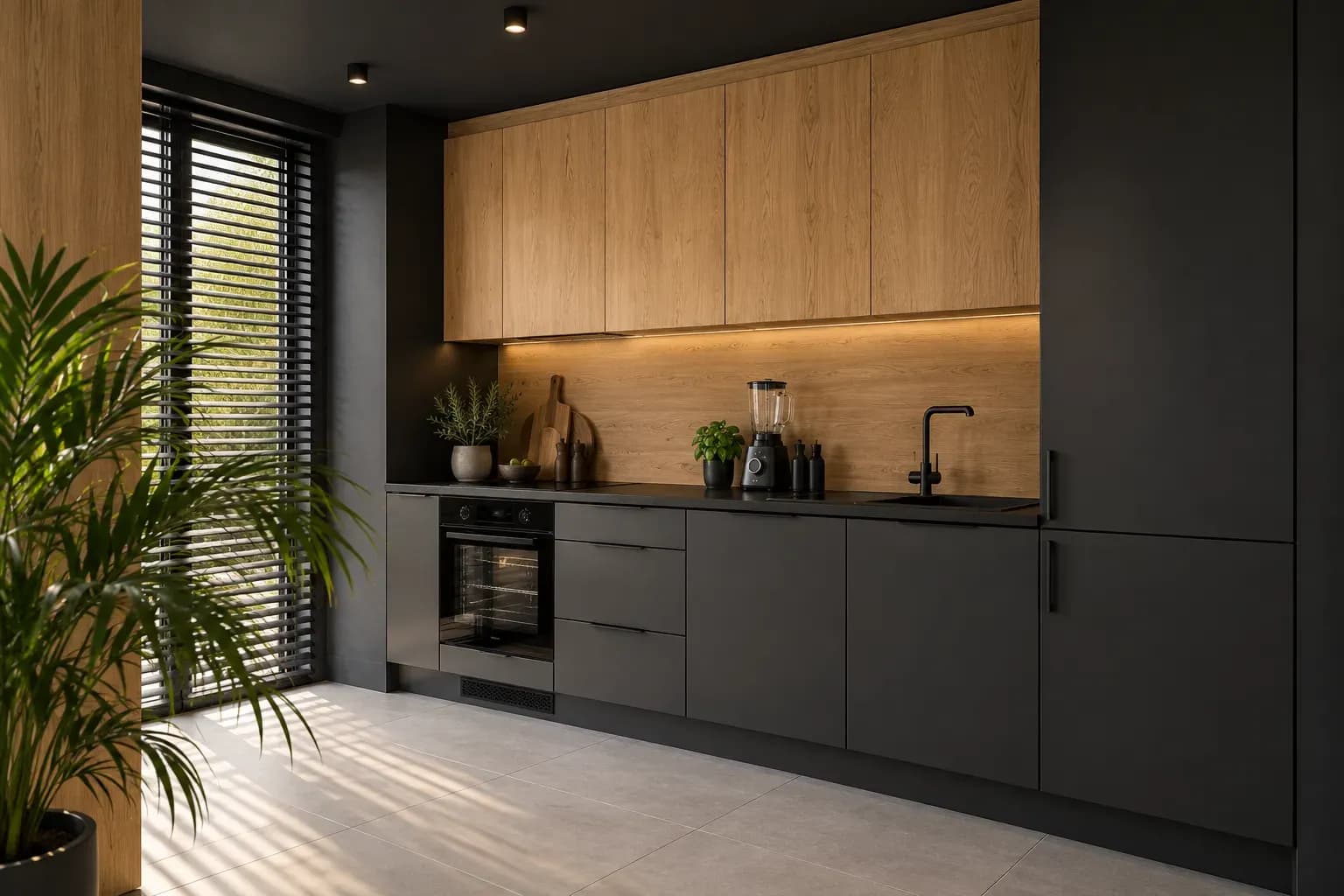
24 Oct 2026|5 min readKitchen interior design cost depends heavily on cabinet materials, core boards, hardware, storage accessories, and the level of customisation. Materials such as laminate, acrylic, veneer, membrane, and PU vary considerably in price, durability, appearance, and maintenance. A well-planned kitchen budget should therefore balance upfront cost with long-term performance and everyday use.
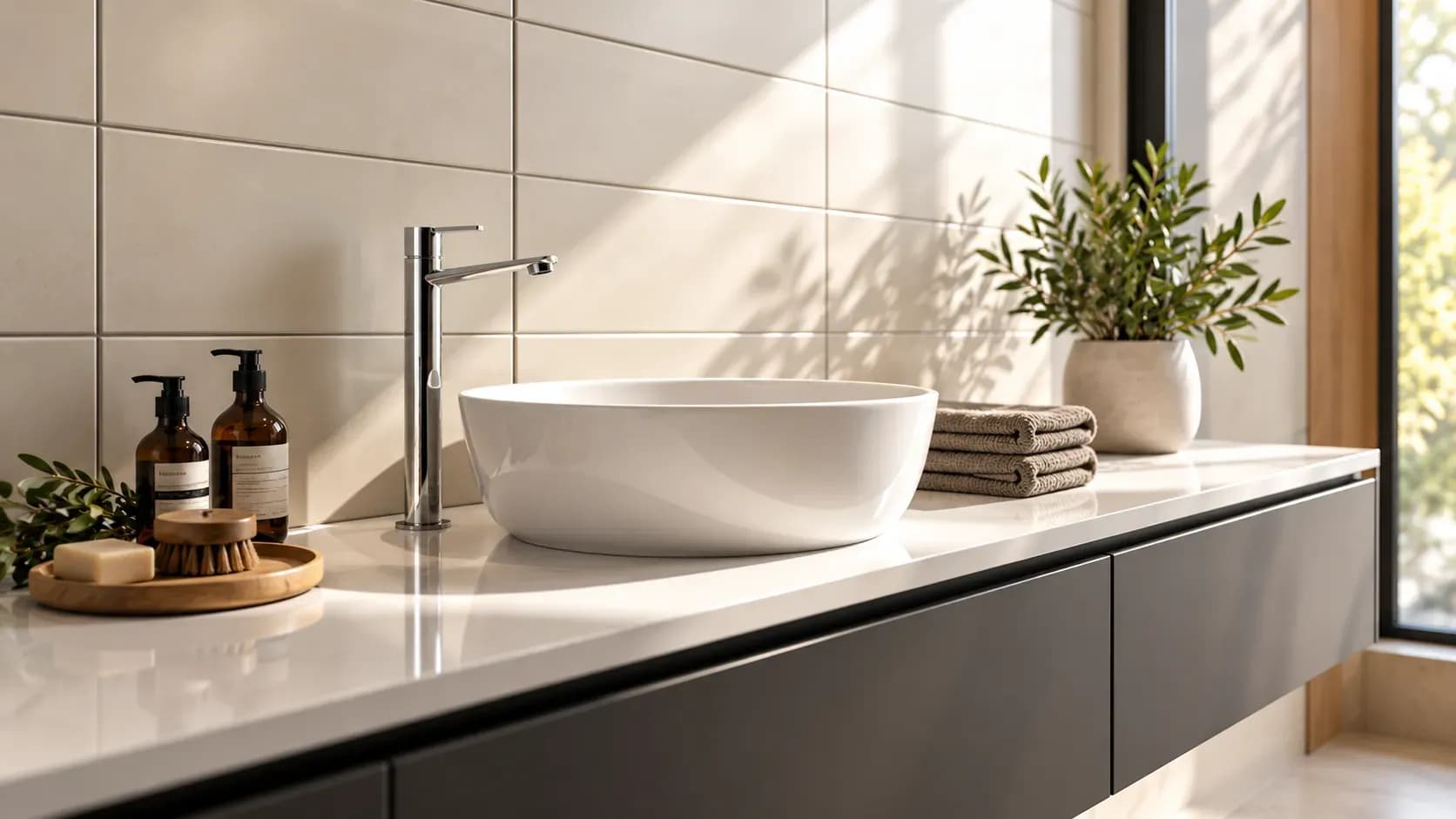
24 Oct 2026|5 min readAccessories, textures and finishes are all essential to modern bathroom decor, especially when smaller details need to feel connected. However, useful modern bathroom decor ideas also account for moisture, cleaning and storage so the room remains practical every day.
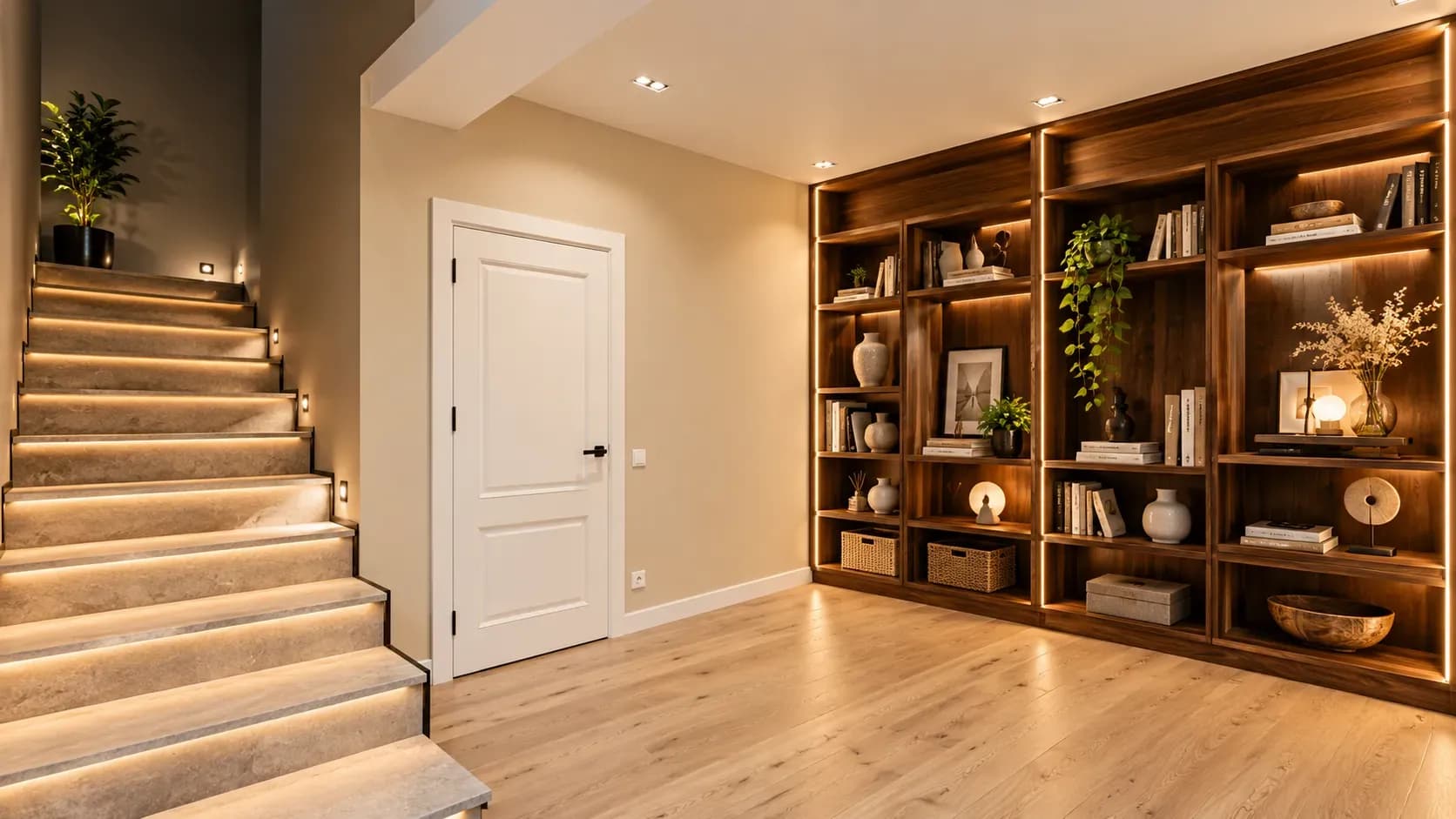
23 Oct 2026|5 min readA well-planned basement can become a practical extension of the home when moisture, ventilation, lighting and access are addressed first. From home theatres and gyms to guest rooms, offices and organised storage, basement interior design should reflect how the space will actually be used. Thoughtful layouts, moisture-resistant finishes and layered lighting can also make lower-ground spaces feel brighter, safer and more comfortable.
23 Oct 2026|5 min readVictorian house interior design can work well in compact Indian homes when you use decorative elements selectively. Lighter colours, restrained mouldings, slimmer furniture and controlled patterns help retain Victorian character without making rooms feel crowded. Modern storage, practical lighting and careful space planning can make the style more suitable for everyday living.
21 Oct 2026|5 min readThoughtful villa interior design creates continuity across large homes without making every room look identical. Repeating select materials and colours, planning circulation, balancing social and private zones, and using lighting strategically can help each space feel connected. Also consider corridors, landings, storage, and room-specific needs as part of the overall plan.
16 Oct 2026|5 min read


Your Home Makeover Starts Here.