Book consultation
B
by December 29, 2025 In

Minimalism in interior design has long been associated with simplicity, functionality, and clean lines but also with spaces that can sometimes feel stark or cold. For many Indian homeowners, this perception is a barrier to embracing minimalism. The good news? Minimalist homes can be warm, welcoming, personal, and deeply reflective of how you live, especially when informed by thoughtful material choices, warm palettes, functional storage, and meaningful details.

Let’s explore how minimalist Indian homes can feel cozy and lived‑in rather than empty or austere, and why minimalism isn’t about removing personality, but about amplifying intention.

What Minimalism Really Means in a Home

Minimalism isn’t about living with nothing but it’s about living with what matters most. It’s the practice of intentionally curating your space so that every item serves a purpose, contributes to comfort, and enhances the room’s character.

Broadly, minimalist interiors emphasize:

  • Open, uncluttered space
  • Clean architectural lines
  • Limited but purposeful décor
  • Functional furniture
  • Light and natural materials

But when minimalism is applied without consideration for warmth and context, spaces can feel sterile or cold. The key to avoiding that lies in how you balance minimal aesthetics with warmth through materials, colours, and textures. (NoBroker)

Warm Colours and Earthy Palettes That Ground a Space

One misconception about minimalist homes is that they must be white‑on‑white. In reality, warm minimalism embraces a spectrum of warm neutrals, earthy tones, and muted hues to add depth and comfort.

For Indian homes, palettes that lean toward beige, cream, sage green, terracotta, or sand grey are especially effective. These soft neutrals form inviting backdrops that still support the minimalist ethos of quiet simplicity but feel far more natural and calming than stark white alone. (Ashwood Living)

Layering hues in the same tonal family such as cream walls with tan upholstery and muted brown accents creates visual richness without excess. This method avoids the emptiness that can come from overly monochrome layouts.

Textures and Natural Materials Add Comfort

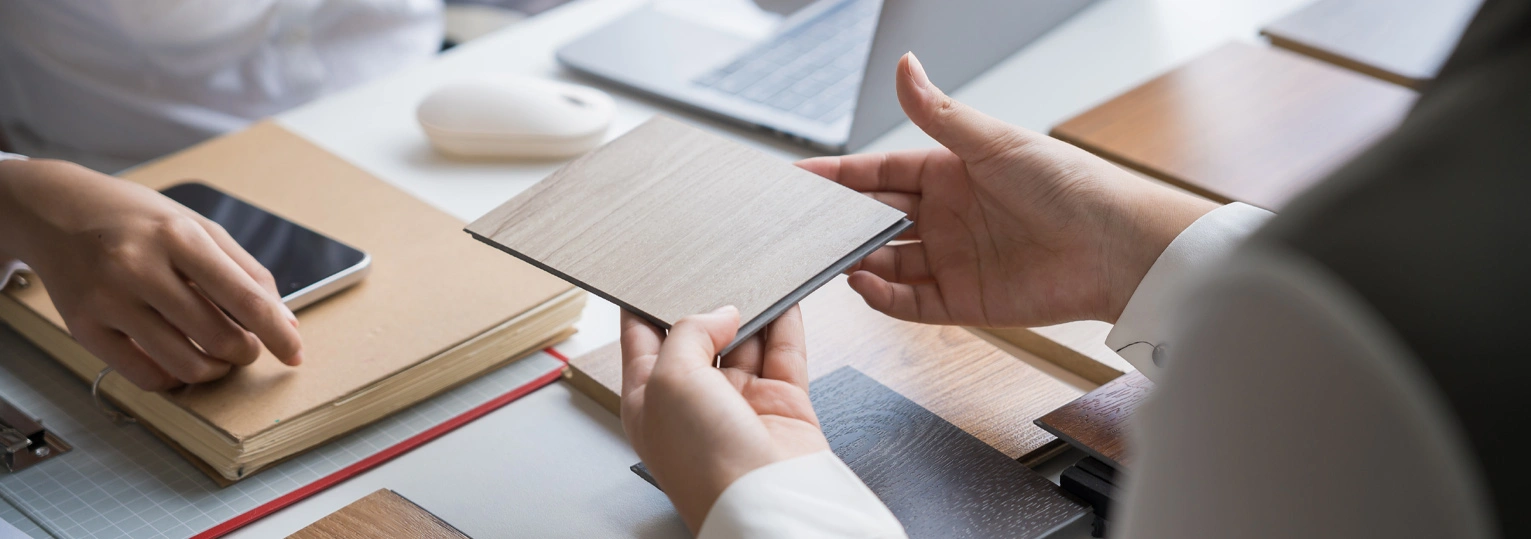
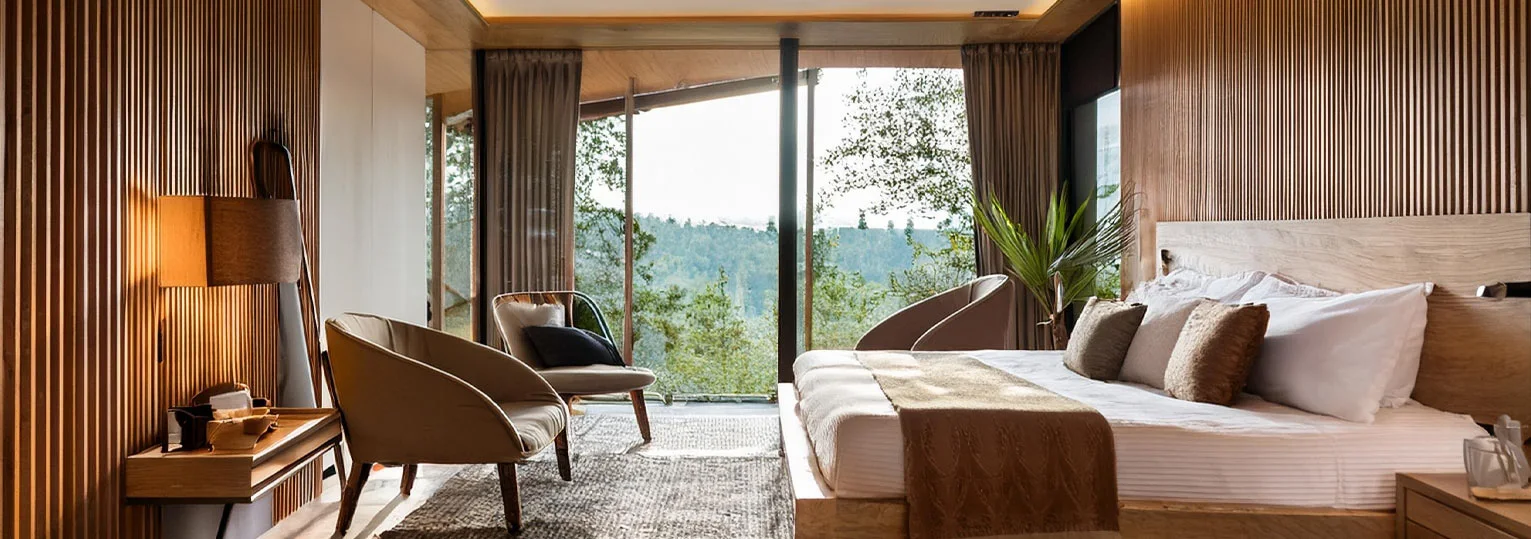
Minimalism thrives on clarity and space, not sterility. One of the best ways to make a minimalist interior feel welcoming is through textures and natural materials. Rather than smooth, shiny surfaces everywhere, incorporating tactile elements like wood, jute, linen, cane, and stone infuses warmth without clutter.

Warm wood finishes, like teak, walnut, and oak, bring a soft, organic quality to cabinetry, flooring, or even furniture frames. Woven textiles, such as linen curtains, cotton throws, and natural fibre rugs, add visual depth and softness underfoot. Even small handcrafted details like terracotta pottery or rattan baskets make spaces more inviting.

Balance Light to Avoid Cold Interiors

Lighting plays a major role in how minimalist spaces are perceived. Cold, harsh white lighting creates a sterile vibe, while warm, layered lighting transforms the same space into something cozy and serene.

How lighting softens minimalism

  • Warm ambient lighting (2700K–3000K) across living and dining areas
  • Accent lighting such as wall sconces, floor lamps, or LED strips under shelves
  • Natural light maximized through sheer window treatments

Natural light is especially important in Indian homes, where bright daylight can make even simple spaces feel expansive and alive. Where natural light is limited, warm artificial lighting can create a soft glow that enhances texture and warmth. (Interio Group)

Meaningful Decor With Restraint

Minimalism often gets a reputation for being empty because the focus is fewer, not no décor pieces. But the objects you do choose can tell a story:

  • A single large artwork that defines a wall instead of cluttering it
  • A handcrafted ceramic piece or a terracotta pot placed with intention
  • A curated bookshelf with carefully selected books and décor
  • Indoor plants that add life and color without overwhelming

These elements become focal points precisely because they are limited in number and thoughtfully placed. This approach makes your home feel intentional rather than empty spaces become expressive and soulful without visual overload.

Open Layouts and Thoughtful Space Planning

One of the reasons minimal interiors can feel cold is when furniture and architectural elements are placed far apart, creating too much empty space. Minimalism should celebrate positive space—areas that are open and receptive rather than dead space that feels unused or neglected.

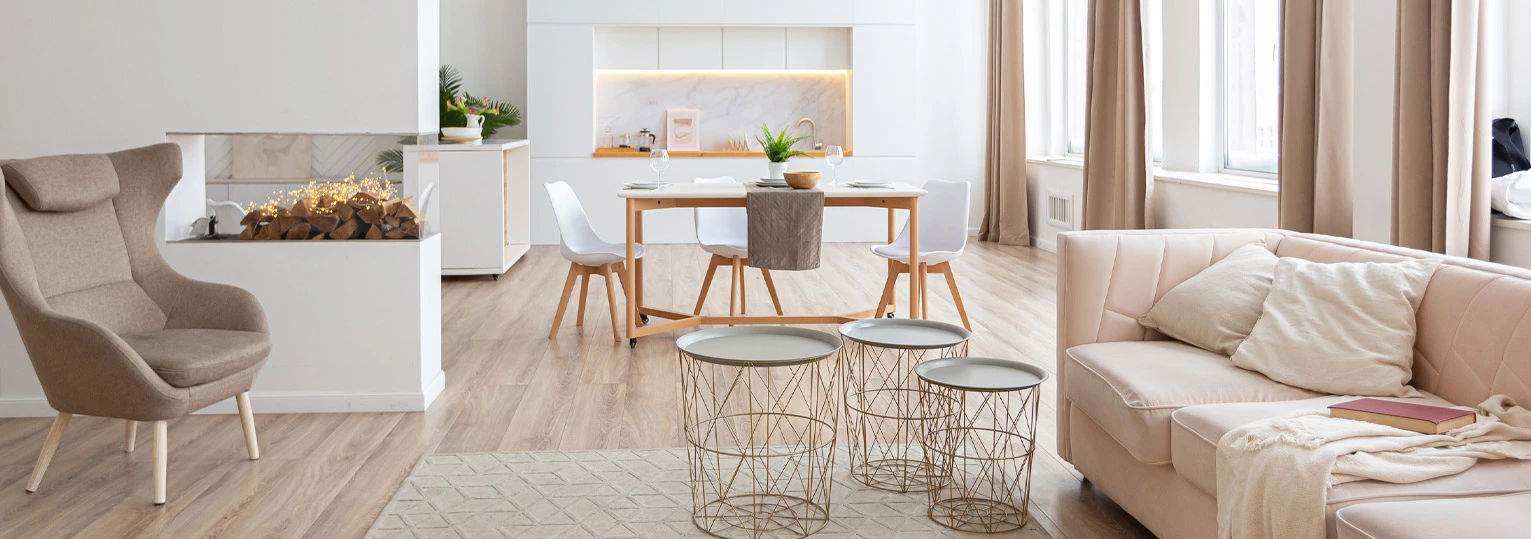
Open floor plans help with flow and connectivity in smaller Indian homes. Even in compact apartments, thoughtful placement of seating, rugs, and soft furnishings creates conversational zones and communal spaces that feel warm and inviting.

Blending adjacent zones like a living room that flows into a dining area helps the space feel cohesive and purpose‑driven. Rug anchoring, low partitions, or furniture arrangements that define functional areas without blocking sightlines preserve openness without isolation.

Personal Touches and Cultural Nuance

In Indian homes, minimalism needn’t forsake cultural richness. Minimalist Indian interiors often integrate subtle traditional references—small crafted pieces from local artisans, handcrafted textiles, or thoughtful indoor plants that reflect heritage without overwhelming the design.

For example, a terracotta vessel, a khadi throw, or a small brass lamp can add cultural warmth while still aligning with minimalist principles. These pieces serve as visual anchors and help bridge minimalist design with Indian sensibilities, avoiding coldness and creating familiar comfort.

Architectural stories from Indian homes show how material honesty like laterite stone walls or natural finishes pairs beautifully with minimalist design to create spaces that feel both rooted and refined. (Architectural Digest India)

Minimalism That Feels Lived‑In

Minimalism doesn’t mean erasing personality or memory from your home. In fact, when thoughtfully applied, minimalism highlights what’s important: functional living, meaningful objects, and uncluttered calm.

Real tear‑away takeaways:

  • Limit items, but meaningfully curate what stays
  • Use textures, natural materials, and warm neutrals to soften clean lines
  • Plan lighting that enhances warmth rather than illumination alone
  • Let natural light and open layouts create visual serenity
  • Add personalized accents that tell your story without clutter

These principles ensure your minimalist Indian home feels like a sanctuary — warm, intentional, peaceful, and fully functional.

Minimalist homes don’t need to be empty, cold, or impersonal. In fact, the best minimalist interiors—especially in Indian homes—strike a balance between serenity and warmth. By choosing warm colour palettes, integrating natural and textured materials, curating meaningful décor, and planning light and space with intention, minimalism becomes not just a style, but a philosophy of living that’s cozy and deeply personal.

This approach transforms minimalist homes into spaces that feel alive and calm without being barren, open without being aloof, and simple without being soulless. With mindful design, minimalism becomes a way to honor what matters most in your home.

>
>