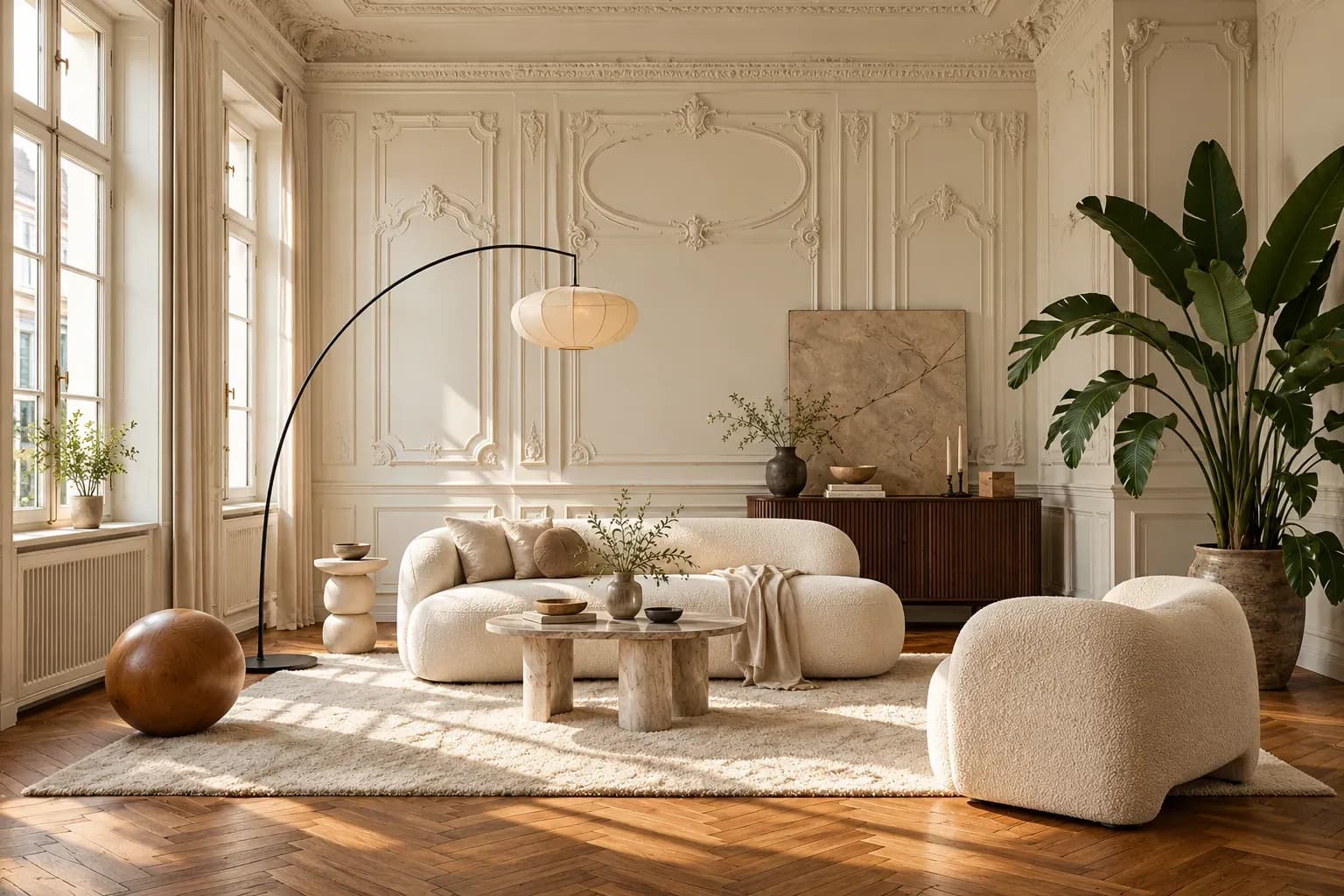
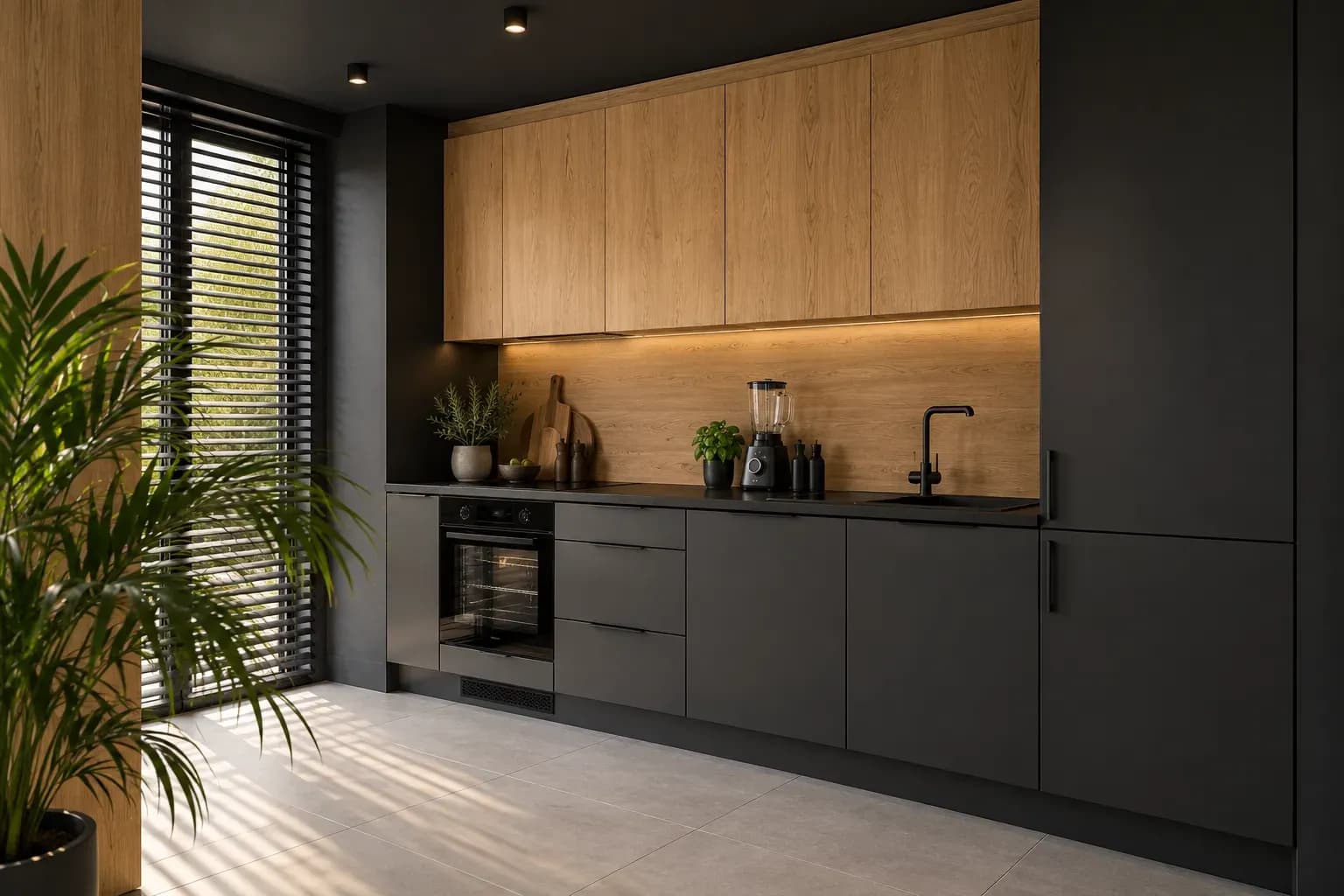
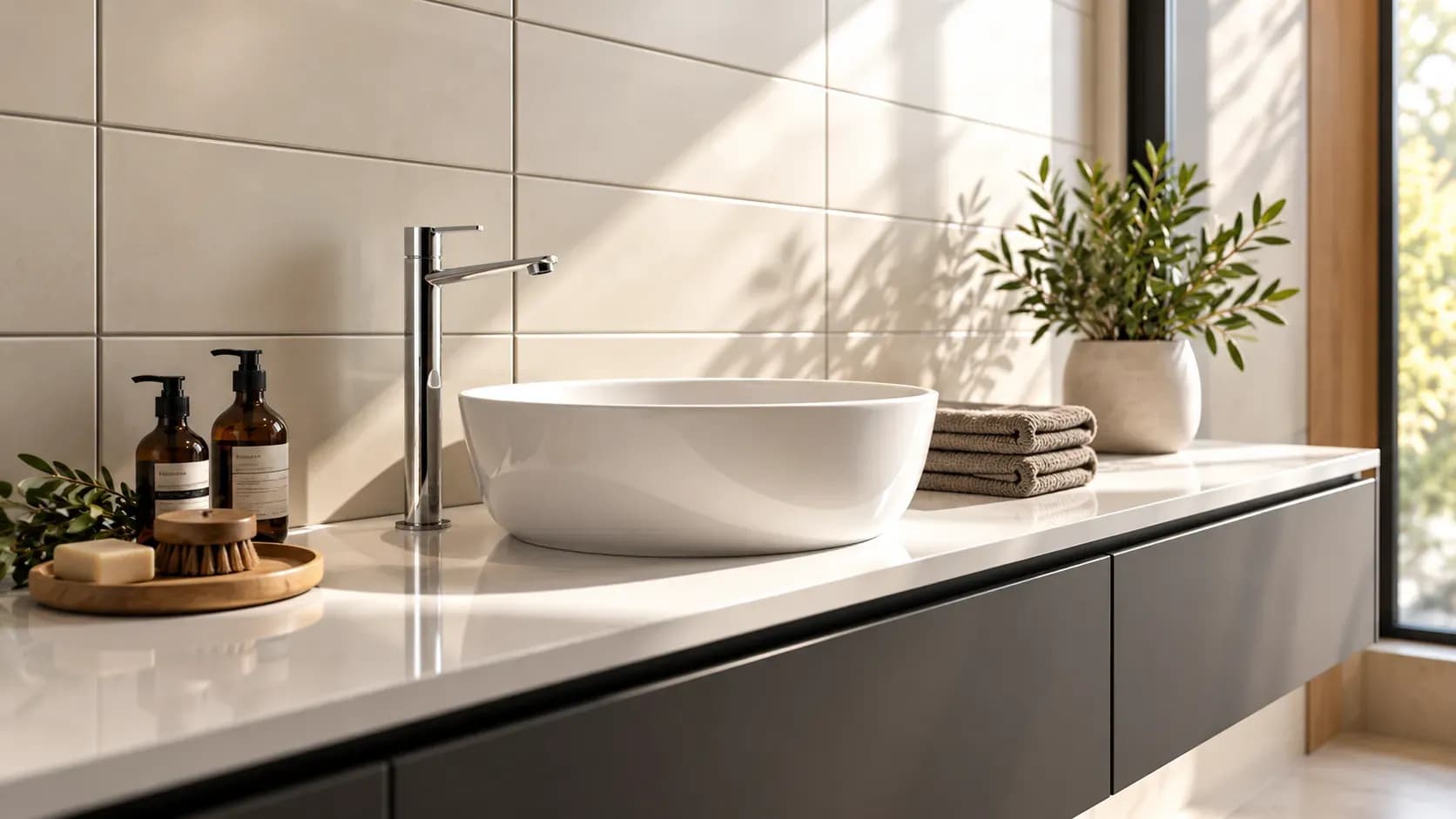
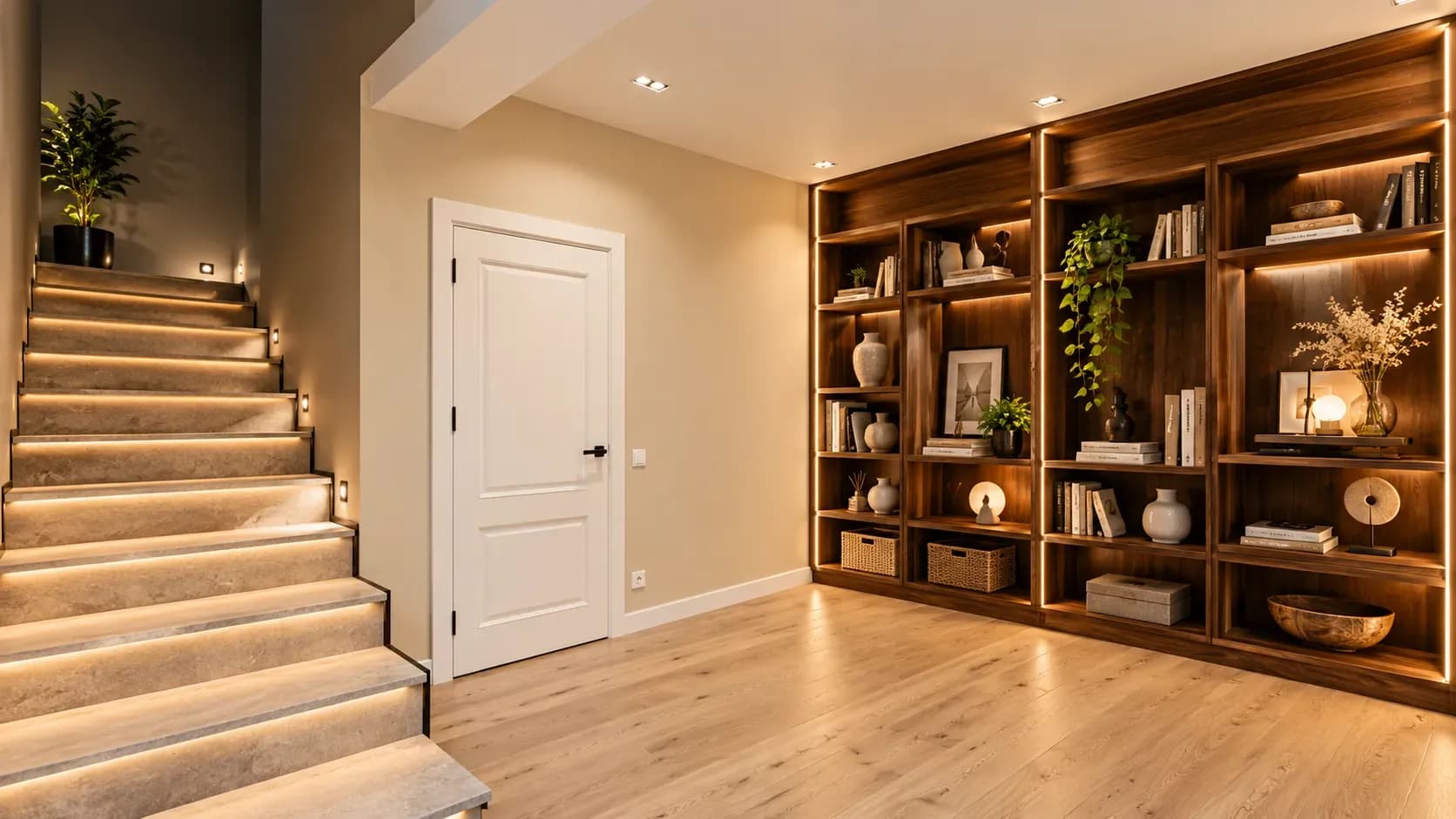
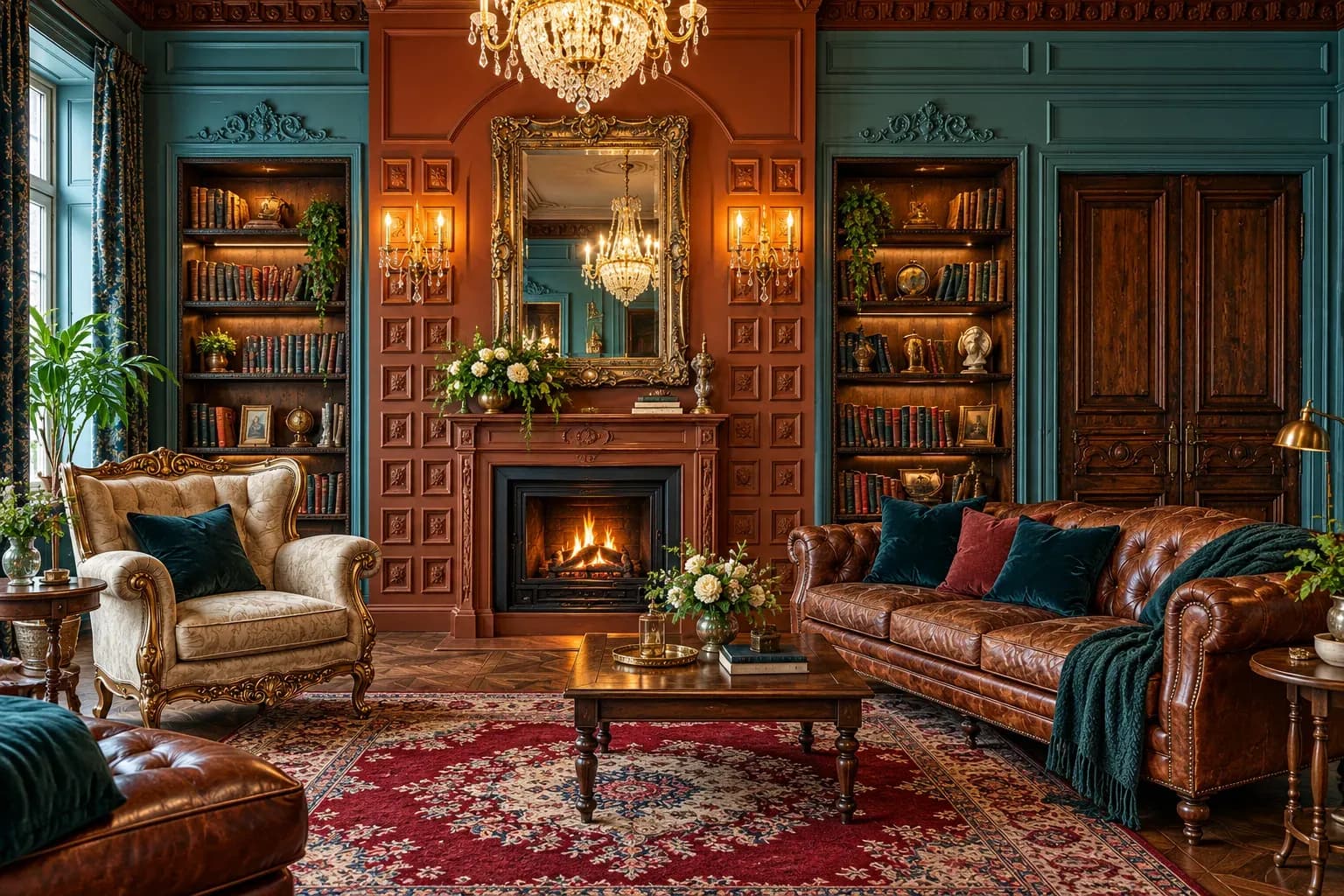
A house becomes a home when it reflects the personality, lifestyle, and preferences of the people living in it. Personalised room interior design focuses on functionality, comfort, and emotional connection rather than just aesthetics. Elements like furniture, colour, lighting, and layout should align with daily habits and individual needs.
The goal of room interior design is to bridge the gap between a room that looks good and a space that truly feels like yours. Your decor has to say something about you as a person, otherwise a ‘house’ will never feel like a ‘home’. Even the best paint, sofas, tables, and lighting cannot make a cosy space unless they suit your personality.
An area that appears to belong to anyone, ends up feeling like it belongs to nobody. This is why we go through some simple room interior design tips that can help you create a home that actually feels like your own.
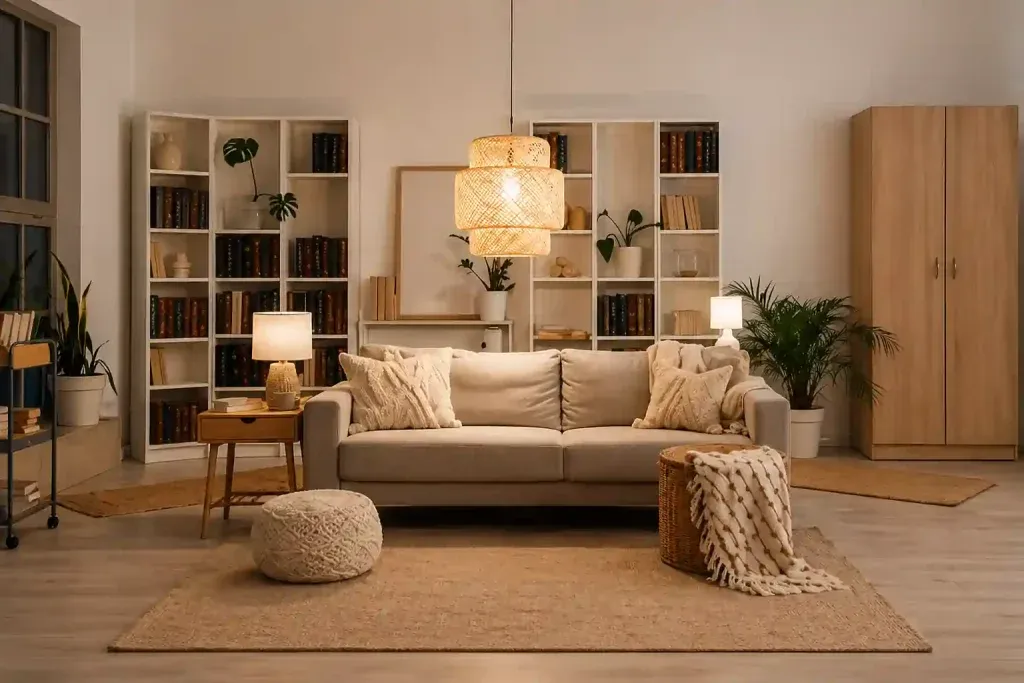
Although these terms refer to two quite different topics, most people use them interchangeably. The first step in realising the significance of design is to comprehend the distinction between a house and a home.
A house is a building. There are four walls, a roof, and designated rooms. It exists independently of the people inside it. You can buy it, rent it, sell it, or describe its square footage.
A home is something else entirely. It is the same space after it has absorbed the personality, habits, memories, and preferences of the people living in it. What is the difference between home and house comes down to this: one is architecture, the other is identity.
Home vs house is not about ownership or permanence. People have felt at home in rented flats and felt like strangers in sprawling bungalows they owned outright. The difference is always personal.
Something subtly changes when a space is created with you in mind. You feel more at ease, more focused, and more like yourself when the environment reflects who you are.
Good room interior design takes all of this seriously. It treats design not as decoration but as a practical act of building the life you want to live inside a space.
How do you really use this space? It is a good question to ask before discussing colour schemes or furniture designs.
Here’s a very short list of just some of the things you need to consider:
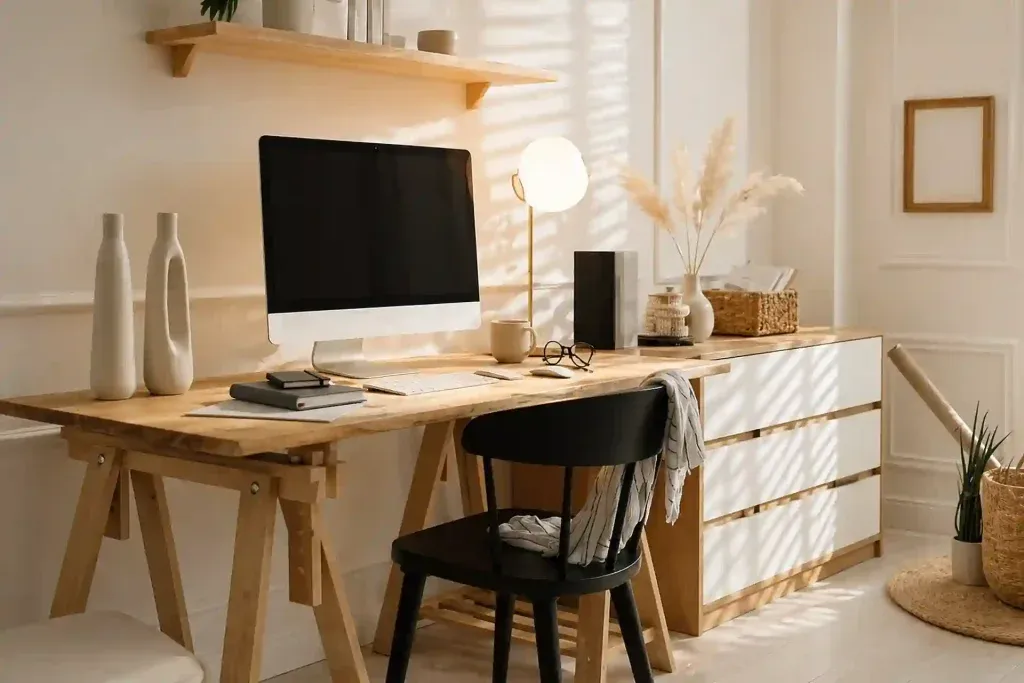
A functional workstation is necessary for someone who works from home full-time. This is especially true if you live in an open-layout home, where the transition between a rest space and a workspace is unclear.
A household with small children needs easily cleaned materials and furniture set up so youngsters can walk around freely and without worry. Pets are an even bigger concern, as they can easily damage furniture that hasn’t been designed with them in mind.
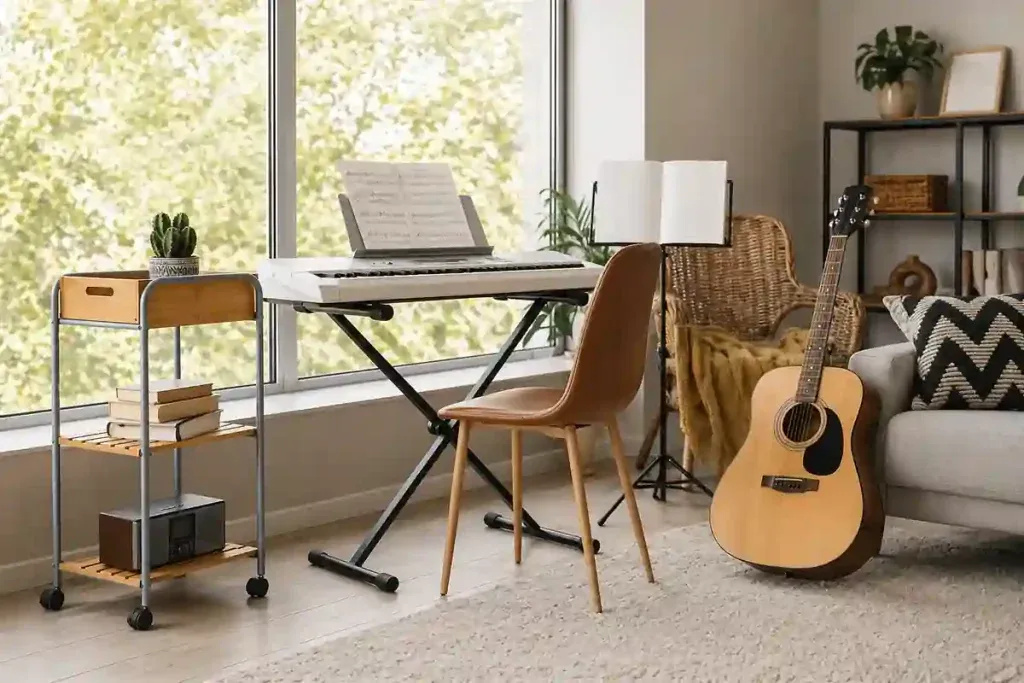
A creative hobbyist requires a space that doesn't need to be packed up each time someone visits. A dedicated mini-library for readers, a small studio for musicians, or a home gym for those who love to work out. Think about what you love to do and build your rooms accordingly.
Like to invite your friends over for home parties? Then your living room interior design needs to reflect your desire to socialise. Alternatively, do you prefer to stay at home alone and relax without interruptions? Then you can focus more on cosiness without worrying about guest accommodation.
Furniture selection in personalised room interior design follows directly from the questions posed above. Every piece earns its place by serving real behaviour, not just filling visual space. A sofa chosen for how it actually feels to sit in after a long day is a different purchase from one chosen because it looked good in a showroom. A dining table sized for how many people genuinely eat at it regularly, rather than the theoretical maximum, leaves the room feeling open rather than cramped.
These decisions, made thoughtfully and in sequence, are what make room interior design feel intentional rather than just assembled.
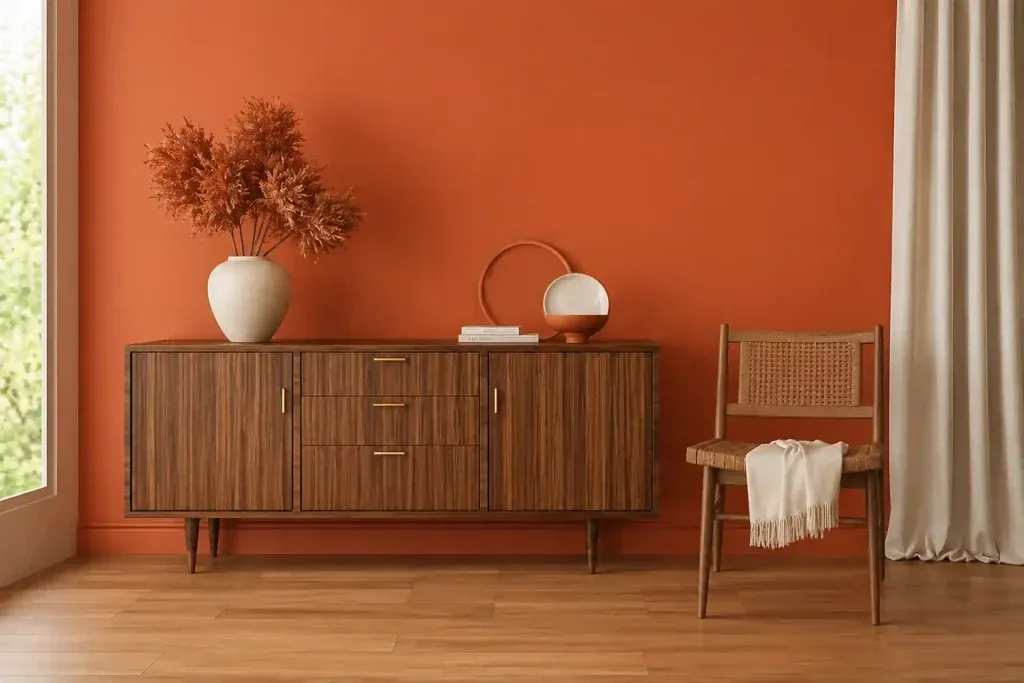
Home colour selection is one of the most immediate ways a room communicates personality. Colour is not just visual, it is deeply emotional.
The key with colour selection for room interior design is consistency and intention. A colour that means something to you, whether it reminds you of a place you love or simply makes you feel settled when you see it, will always serve you better than one picked because it was trending that season.
Lighting shapes mood more than almost anything else and is the most underused design tool in most homes. Layered lighting, a mix of ambient, task, and accent sources, lets a room shift from productive to restful depending on what you need at any given hour.
Textures add the warmth that makes a room’s interior design livable rather than just good-looking. A linen cushion, a jute rug, a wooden shelf next to a concrete wall. These contrasts give the eye a place to rest, and a room a sense of depth that flat, uniform surfaces never quite achieve.
A complete makeover is not always necessary for personalised room interior design. Smaller choices taken with greater intention might occasionally result in the most significant changes.
A space that feels like home is one that is filled with reminders of your cherished memories, dreams, and hobbies.
Bonito Designs' LifeDesign approach starts with exactly the kinds of questions described above. Before layouts are finalised or materials are chosen, the conversation is about you. Your daily routine, your family, and how you get through the day.
As a result, their room interior design is more than just a well-constructed area. It mirrors who you truly are, holds what your life requires, and works the way your life works. What makes a house a home is that blend of aesthetics, functionality, and individuality.
When it comes to good design, the most honest thing to say is that it should feel natural. That is the real purpose of room interior design. Making a space feel, look, and work like your own is more important than making it look the way it should.
Book a consultation with Bonito Designs today to begin your journey to transform your house into a home that is truly yours!
Both modern classic interior design and transitional design combine classical references with contemporary furniture, storage and lighting. However, modern classic rooms retain more symmetry and formality than transitional spaces. This article covers how transitional interior design differs across furniture, mouldings, colours, materials, lighting and maintenance, along with practical guidance for choosing between the two styles.
24 Oct 2026|5 min readKitchen interior design cost depends heavily on cabinet materials, core boards, hardware, storage accessories, and the level of customisation. Materials such as laminate, acrylic, veneer, membrane, and PU vary considerably in price, durability, appearance, and maintenance. A well-planned kitchen budget should therefore balance upfront cost with long-term performance and everyday use.
24 Oct 2026|5 min readAccessories, textures and finishes are all essential to modern bathroom decor, especially when smaller details need to feel connected. However, useful modern bathroom decor ideas also account for moisture, cleaning and storage so the room remains practical every day.
23 Oct 2026|5 min readA well-planned basement can become a practical extension of the home when moisture, ventilation, lighting and access are addressed first. From home theatres and gyms to guest rooms, offices and organised storage, basement interior design should reflect how the space will actually be used. Thoughtful layouts, moisture-resistant finishes and layered lighting can also make lower-ground spaces feel brighter, safer and more comfortable.
23 Oct 2026|5 min readVictorian house interior design can work well in compact Indian homes when you use decorative elements selectively. Lighter colours, restrained mouldings, slimmer furniture and controlled patterns help retain Victorian character without making rooms feel crowded. Modern storage, practical lighting and careful space planning can make the style more suitable for everyday living.
21 Oct 2026|5 min readThoughtful villa interior design creates continuity across large homes without making every room look identical. Repeating select materials and colours, planning circulation, balancing social and private zones, and using lighting strategically can help each space feel connected. Also consider corridors, landings, storage, and room-specific needs as part of the overall plan.
16 Oct 2026|5 min read


Your Home Makeover Starts Here.