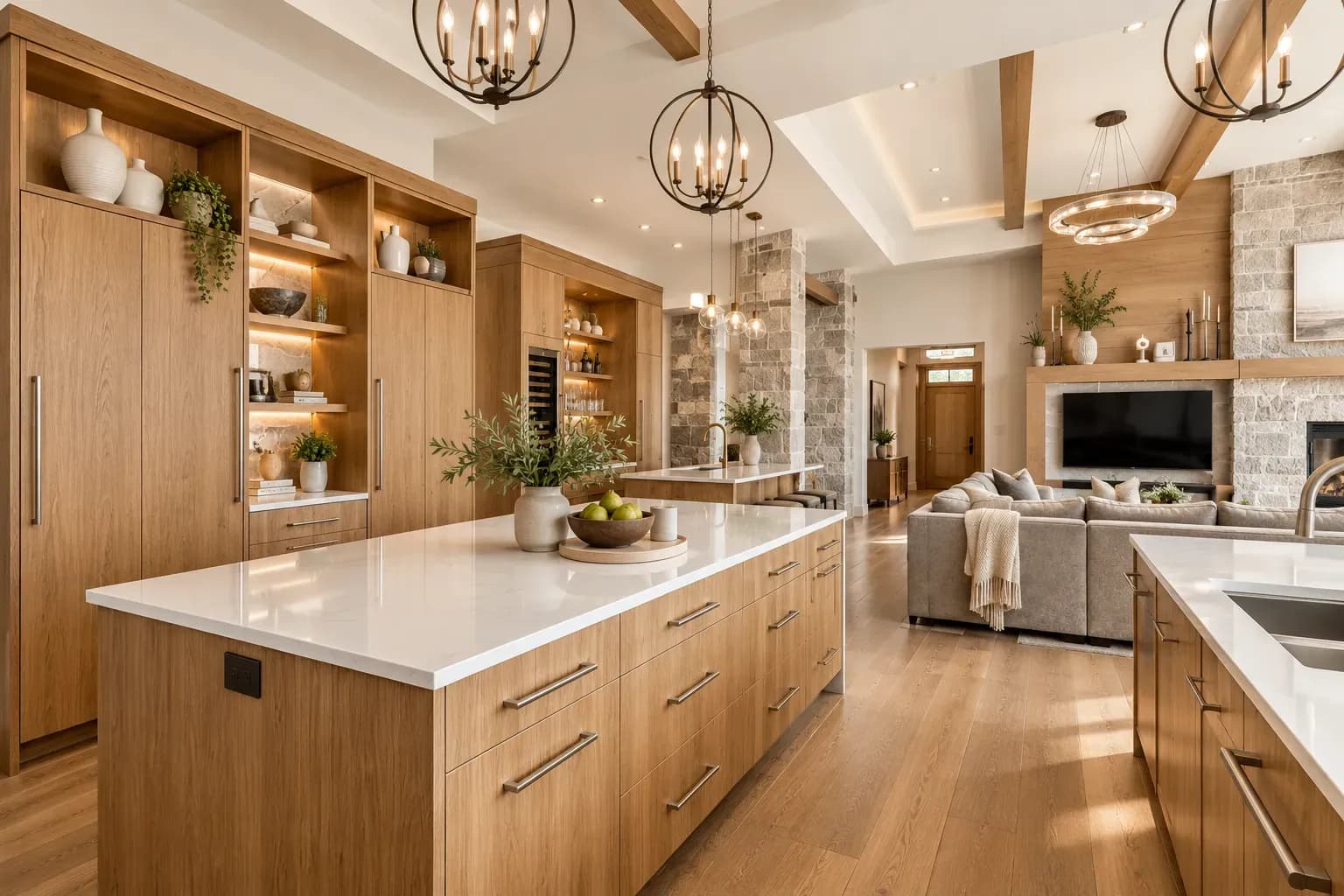
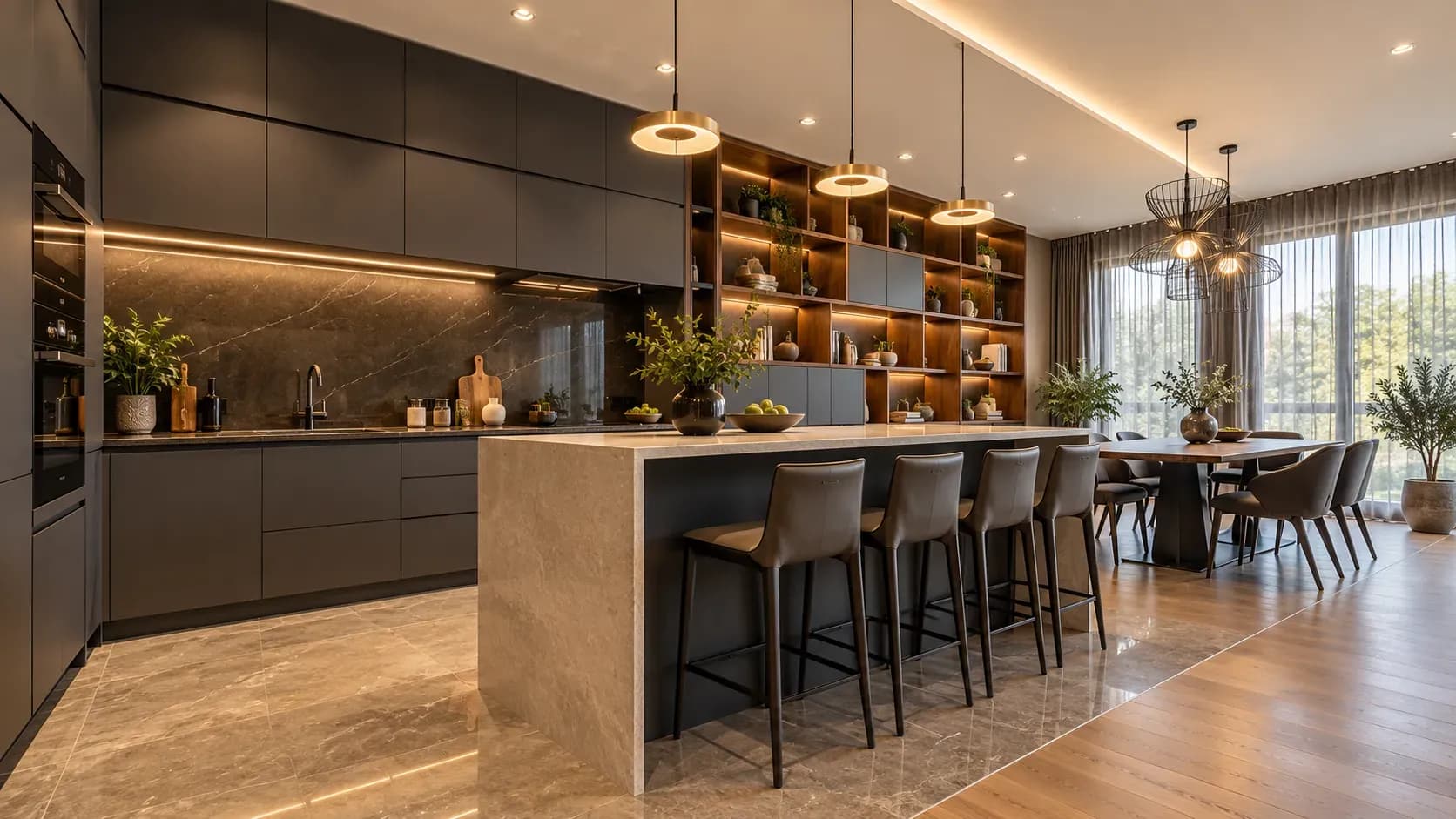
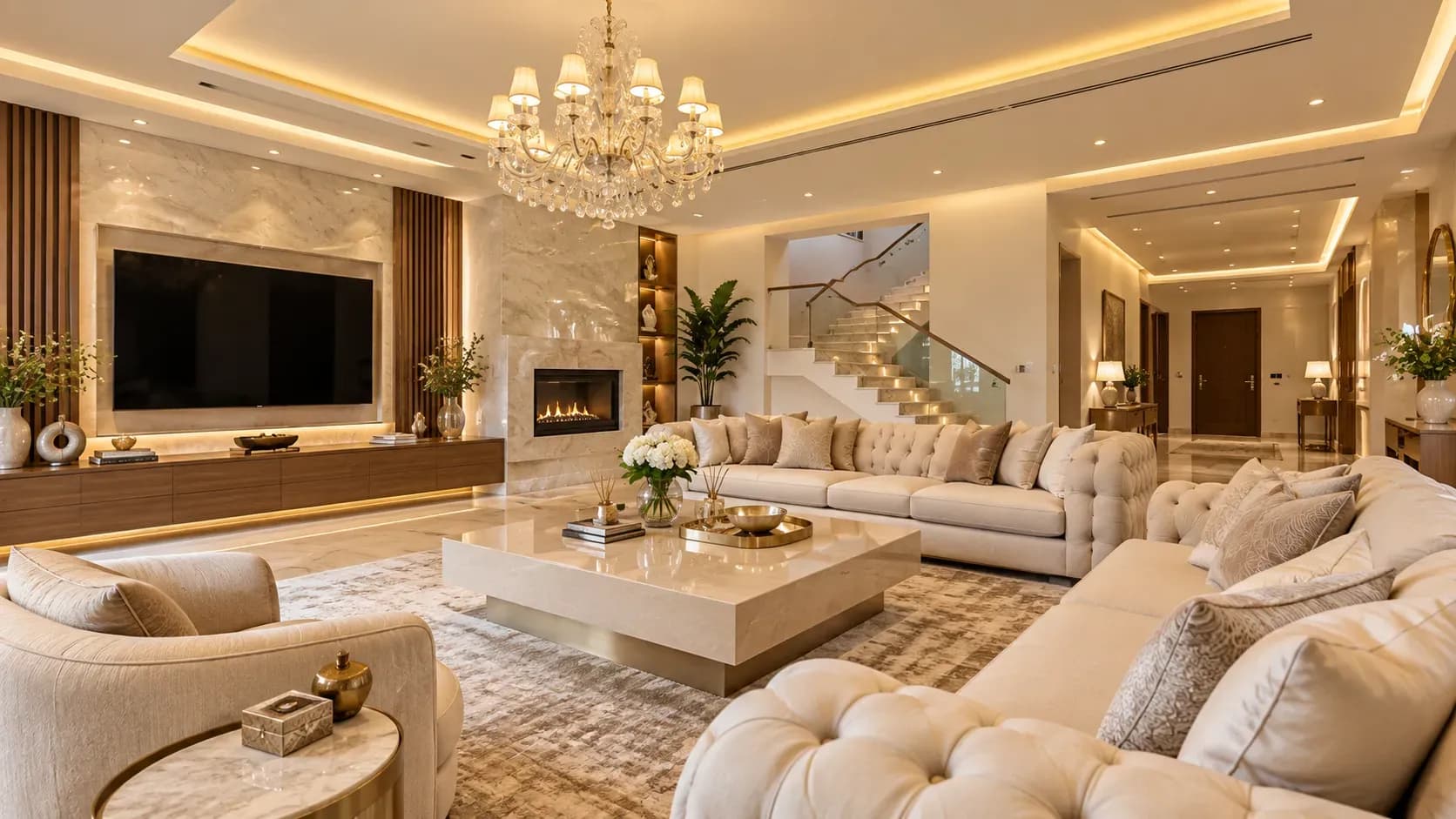
Minimalist interior design is a sure-fire way to create a warm and nuanced home that's worth the investment in the contemporary decade. It is guaranteed to never go out of style or off-trend. Well, thanks to practical, well-considered approaches. It made its mark on the design scene and understandably never faded as a major design style moment in the early 1990s.
But what does minimalist décor entail and how can you pull it off confidently while keeping it off at the same time? For this, we're providing key tips for utilizing minimal decor as the finest home design theme for your everyday life. But first let us understand what minimalist style means.
Austerity and minimum style define the minimalism aesthetic. The design considers simple colour schemes, geometric designs, and practical furniture. A straightforward approach, minimalist design aims to be calming and the elements return to the basics. The main principles of minimalist interior design are to omit the extraneous, pay attention to the intricate details, and enhance the white space.
Lighting, objects, and space- all have equal importance in minimalist design. Leaving the boring behind, this design has a striking aesthetic. It is not a low-cost option as it is an opulent, expensive, and graceful style. As there are no unnecessary accessories or decorations, it is both expensive and straightforward in design as well as functionality.
Minimalism has gained popularity in the modern scenario. It is all about achieving elegant design through simplicity- simplicity in the form of lines, spaces, details etc. According to modern lifestyles and design philosophies, minimalism has gained popularity. Achieving superior design through simplicity—simplicity in lines, forms, spaces, details, decorations, lights, colors, and materiality—is the goal of minimalist architecture.
The minimalist style also demonstrates control and the thoughtful reduction, editing, and reduction of areas to create a basic and clear setting. Everyone appreciates wide, airy areas in their homes that allow the architecture, furniture, and other elements to breathe. The eye is drawn to minimalism because of the simple elements. People love the warmth, tranquility, and beauty that these types of spaces whether 2 BHK, a villa or situations radiate or exude, which is why we love minimalism!
The minimalist home design must be effortless, efficient, and simple. It offers volumes of spaces. The spaces create clarity and simplicity which are uncomplicated. The distinct features of minimalist designs are simple forms and shapes, few internal walls, spacious and open floors, modest, simple, and adequate storage areas, as well as a focus on vistas and lighting. The key to minimalist design is creating simple home designs without any extra materials, accessories, or complexity.
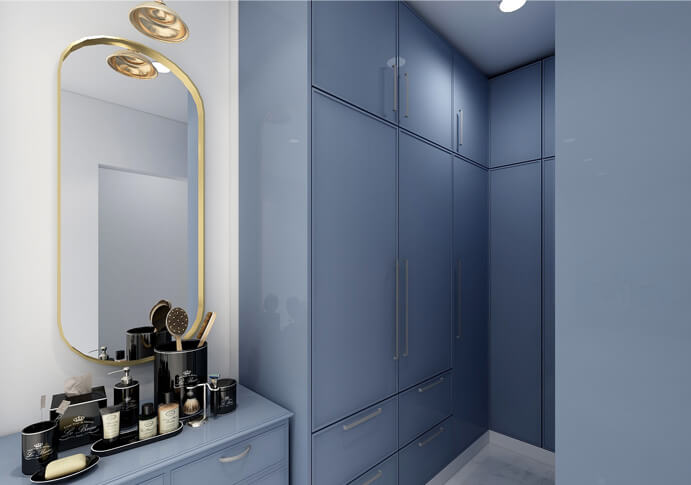
Avoiding bright, dramatic colors and typically sticking to neutral color schemes like whites, beiges, and greys are key components of minimalism. The notion of distilling anything down to its basics is the real essence of monochromatic color palettes.
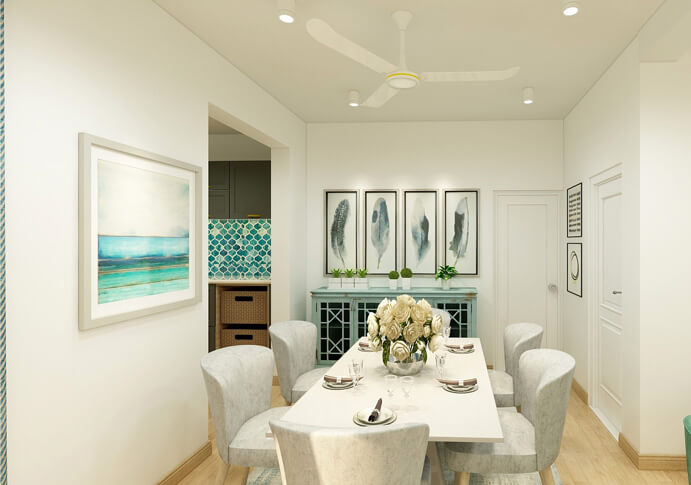
Uncomplicated, easy, and facile coverings and wall finishes are used in minimalist designs to convey clarity, aesthetic appeal, and attractiveness. The textures as well as the physical attributes also matter while going for this theme.
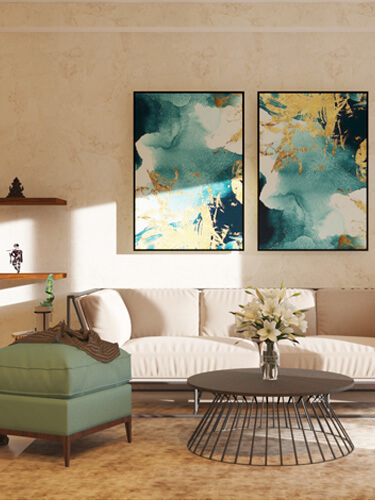
The principles of minimalist design have always been clear, spacious, and light-filled areas. Appealing and intriguing, the use of a neutral colour scheme, light colour tones for the walls, clean modern detailing and furnishings, and uncluttered areas creates the actual essence of this theme.
The minimalist-styled rooms are open and uncluttered, with artistic taste. The rooms include those what's completely essential, which makes them airy and breathable. It feels warm and inviting rather than sterile and dark—all thanks to the abundance of natural light available.
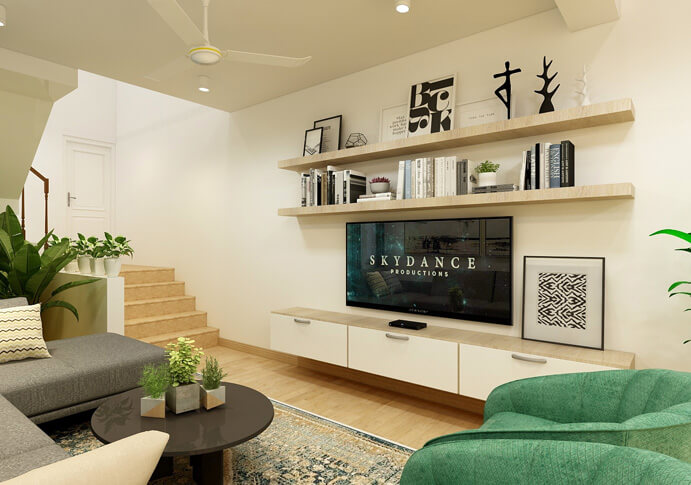
Eliminating waste is one of minimalism's key principles. Get rid of the item if it is no longer required. For minimalist home design, one should check their belongings, choose what is important based on needs and necessities, and then discard the remaining items. One need not be entirely practical to be minimalist as the philosophy is distinct. It has the kind of beauty that has utility. In minimalism, decoration and accessories should be tasteful but not excessive.
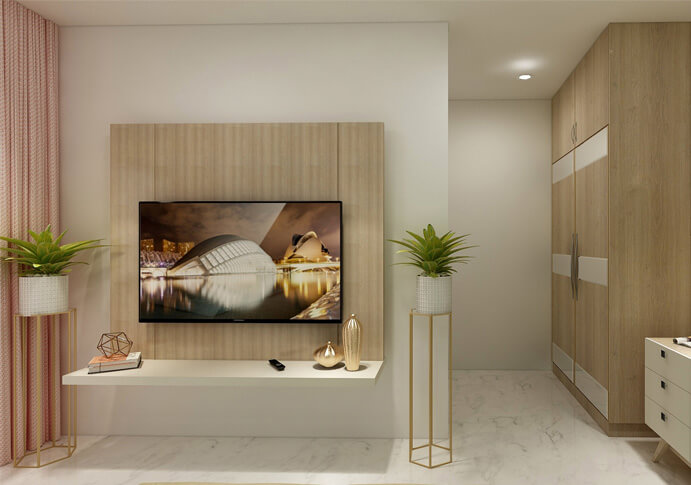
A good plan can result in an excellent minimalist home design. Materials, forms, and details should be a concern while deciding on the various factors for this design. It has more to do with choosing order, calmness, intention, and clarity than forcefully purging your home of everything. Minimalism does not mean living with less. Rather, it is about highlighting the colour, texture, and shape of objects and surroundings.
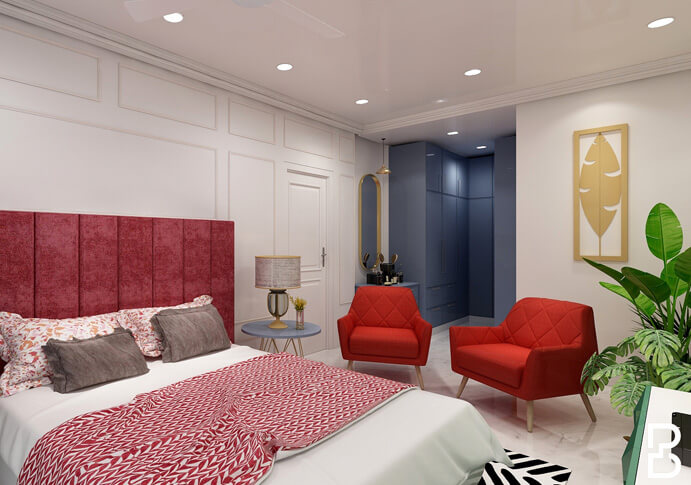
Minimalist designs are often blended with other contemporary styles. Some homes just claim to be minimalistic because they seem to be uninteresting and boring. Certainly, minimalism has become ubiquitous in an ironic way.
Today, a more flexible notion of minimalism persists that emphasizes the ability to personalize space with cozier natural tones and warmer neutrals. Let’s check out some ways to incorporate minimalism in interiors-
Always make your minimalist design in your home simple, efficient, and useful. The space should be tidy and clutter-free.
Geometric designs serve the best for minimalistic décor. Every element- whether it’s the accessory or furnishings-it must be backed by functionality. It should serve a purpose in your space.
The storage areas in minimalist design must be creatively hidden. The definition of minimalism does not mean to have only the barest essentials. Create storage areas in the floors, trap doors, storage ottomans, etc. while adopting minimalism.
Décor in minimalism should be simple. Any accessory with a contrasting color effect can create a good impact in the space as it will be in less quantity! Lesser the better.
Use whites, beige, and grey wherever possible because they are calm, cool hues that also offer the illusion of more space in the room. To maintain that uniform aesthetic of the house, always choose two colors.
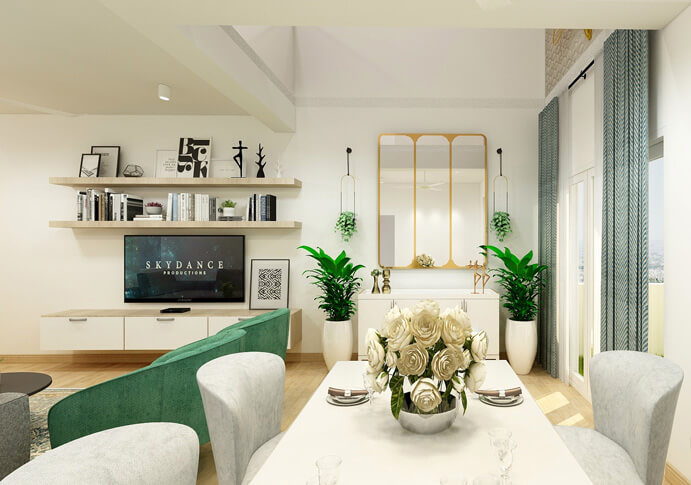
Due to its simplicity, minimalism is growing in popularity these days. The minimalist aesthetic is devoid of clutter. The rooms are easy to clean because there is a lot of space. The neutral color choice gives the area a terrific sense of space, providing a tranquil ambience. It initiates an organized lifestyle with minimum stuff.
We hope these design ideas were useful. But are you looking for getting your dream home designed in the lines of these aesthetics? We’ve got you. Check out our YouTube page and website for all the information. We are all yours!
Thoughtful villa interior design creates continuity across large homes without making every room look identical. Repeating select materials and colours, planning circulation, balancing social and private zones, and using lighting strategically can help each space feel connected. Also consider corridors, landings, storage, and room-specific needs as part of the overall plan.
16 Oct 2026|5 min readA child-friendly 2 BHK interior design must balance sleep, study, play, storage, and shared family activities in a limited space. Flexible furniture, clearly defined zones, practical storage, durable finishes, and safe circulation help the home adapt as children grow. Planning these elements early can reduce the need for frequent redesigns.
16 Oct 2026|5 min readBangalore’s climate directly affects villa interior design, from material selection and ventilation to daylight control and indoor-outdoor planning. Climate-responsive design can help reduce maintenance while improving comfort and durability. Bonito Designs’ LifeDesign process considers both the family’s lifestyle and local conditions to create villa interiors that are practical, personalised and built to perform over time.
15 Oct 2026|5 min read


Your Home Makeover Starts Here.