Finger paint is definitely one of the most alluring and unique art forms. It is fun to create and at the same time, finger paint art gives an arty look to objects. With right choice of colours, finger painted articles can enhance the look of a room.
Here are 5 ways to use finger paint and give your home an appealing look:
Select any one part of a wall be it of bedroom, living room or study room and create an impression on wall with finger paint. The whole family can join in so as to create different sized impressions.
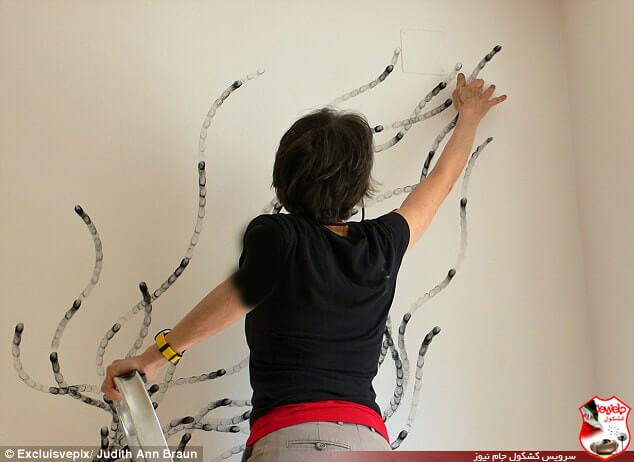
Such a wall will not only remind of the family’s united efforts to create an art of joy but the wall will present a beautiful and attractive look that will enhance the beauty of the room, altogether.
Generally, people prefer painting vases on their own to give it a personalised touch. You can try finger paint for a change. Coat the vase with any paint of your choice with a brush and the use finger paint with a contrast colour for a contrasting effect.
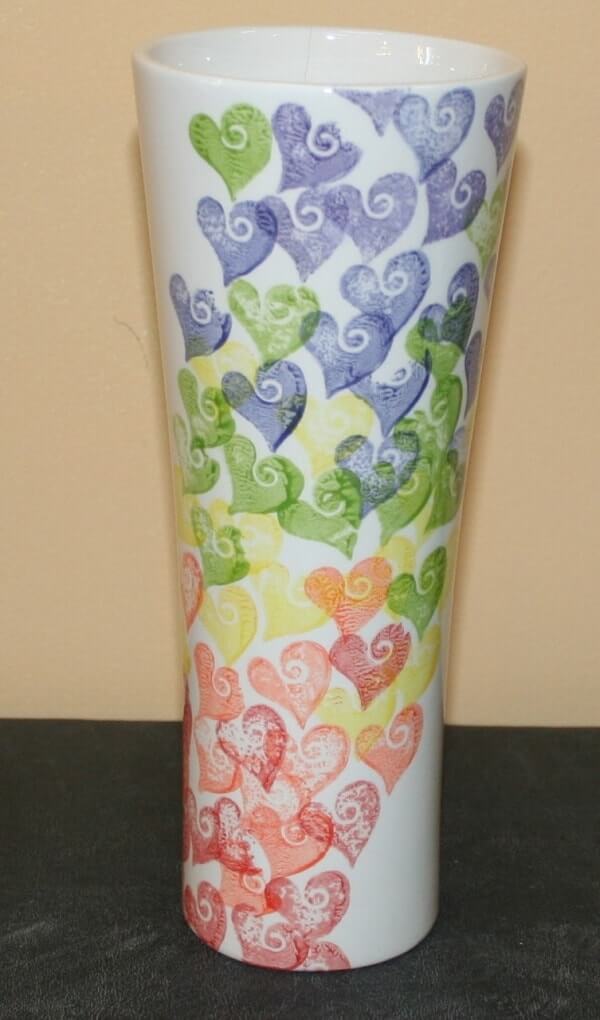
Another option would be to only use fingerpaint.
Why to use designer pillow covers and bed sheets when you can create them on your own and that too, ones which contain your own finger prints?
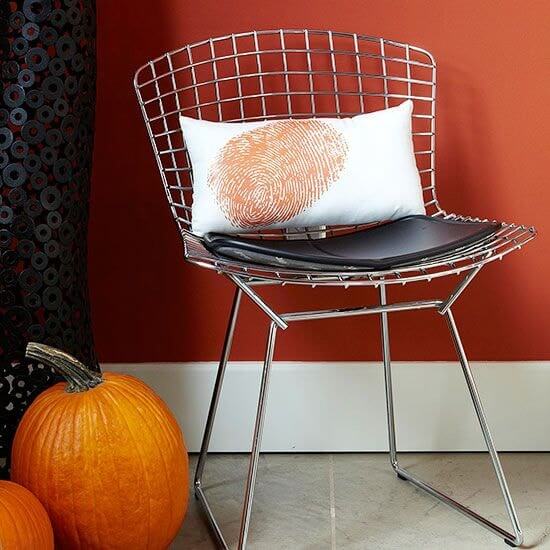
Use fabric paints to create this effect.
Like in vases, even pencil holders can be adorned with fingerpaint.
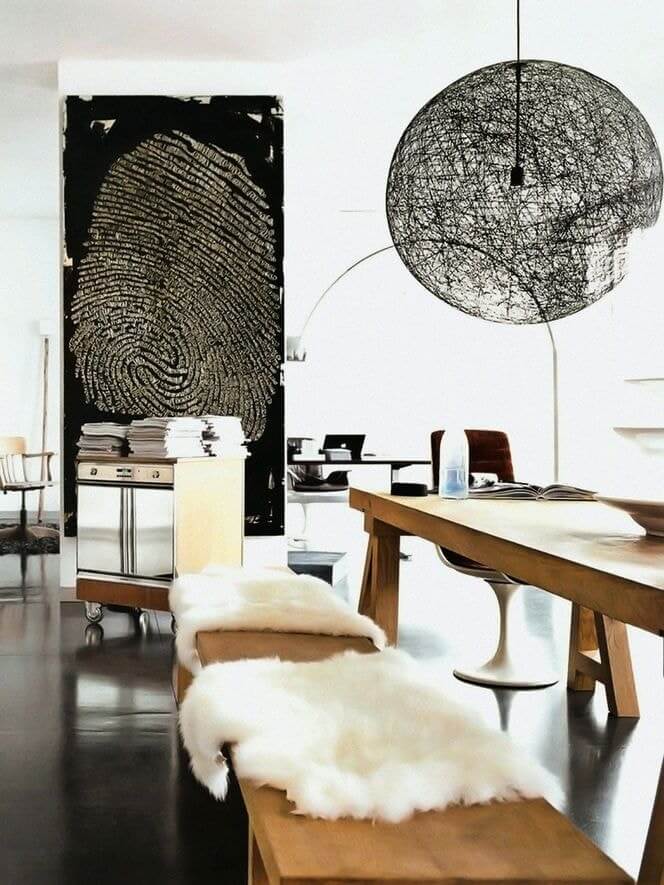
Try this art also on shelves or wardrobe doors even and see how dramatic they will look.
Many designers prefer using beautiful plates as wall hangings.
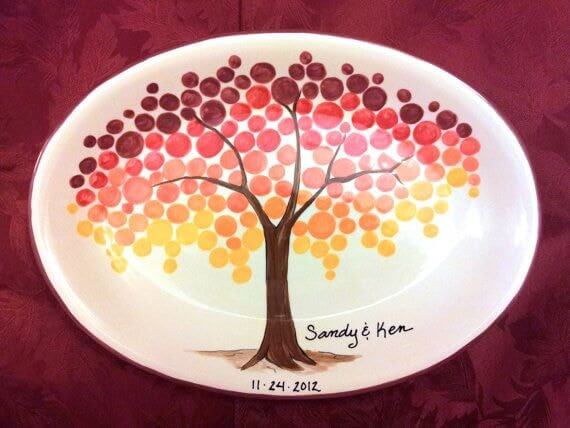
You can create your own special plates by colouring it using fingerpaint. Even other items of crockery can be made more attractive using finger paint.
Modern bedroom interior design can make a low-light room feel brighter through colour, lighting, furniture placement and reflective finishes. However, the plan must consider where daylight enters, how the bedroom is used after sunset and which surfaces add unnecessary visual weight.
26 Oct 2026|5 min readBoth modern classic interior design and transitional design combine classical references with contemporary furniture, storage and lighting. However, modern classic rooms retain more symmetry and formality than transitional spaces. This article covers how transitional interior design differs across furniture, mouldings, colours, materials, lighting and maintenance, along with practical guidance for choosing between the two styles.
24 Oct 2026|5 min read


Your Home Makeover Starts Here.