
Born in Bengaluru. Trusted across India. India’s largest full-home-only interior design brand,
creating branded homes shaped by celebrity-curated design thinking, deep expertise, and a
thoughtful understanding of how people live.
Designed for real life,
curated with
celebrity vision.
Sq Ft thoughtfully
designed spaces.
Of full-home design
experience.
An in-house team
that understands
how homes work.
Streamlined execution.
Clear timelines.
No guesswork.
Built to last, backed
with long-term peace
of mind.

Explore The Difference

Our LifeDesign philosophy begins with how you live. Your routines, relationships, pauses, and patterns. We design homes that respond intuitively to everyday life, shaping spaces that feel natural, and live beautiful.
Spaces designed to tune in
to your day, from morning
light to evening calm.
Scratch-resistant surfaces and
durable fabrics designed to withstand
everyday paws and play.
Clear layouts and safe surfaces
designed for the ease, confidence,
and comfort of seniors.
Layouts designed around how
your family gathers, moves,
and spends time together.
Proportions and details that
adapt to your comfort,
habits, and routines.
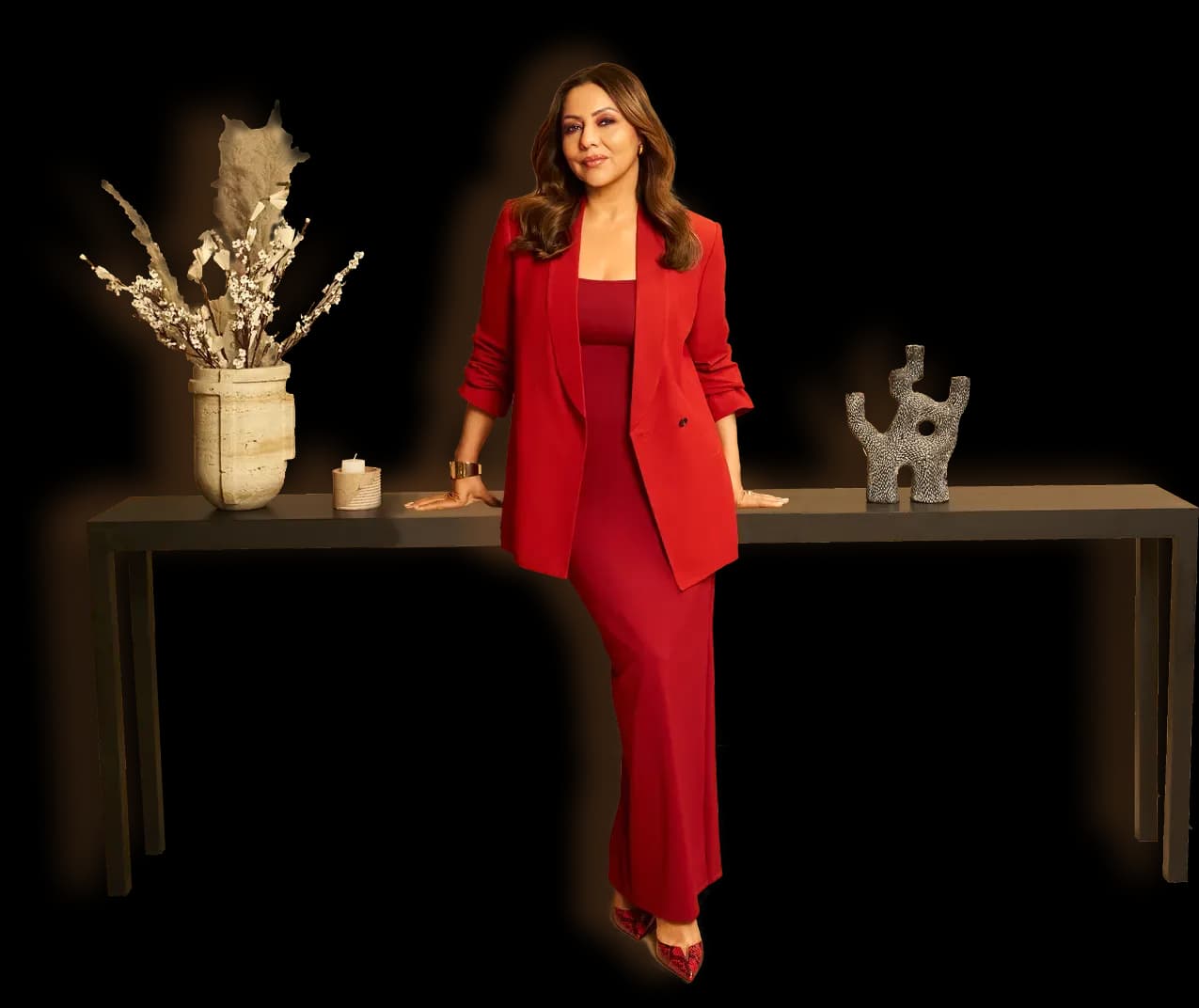
Themes curated by our Global Design Advisor, Gauri Khan, translated into
immersive design inspirations for modern Indian homes.



Our work and vision covered by India’s leading media publications.


BONITO DESIGNS WINS THE 'BEST INTERIOR DESIGN BRAND' AWARD | Times Business Awards 2020


Bonito Designs opens experience centre in Mumbai


Things to keep in mind when designing a room for your teenager
A guided design experience built on clarity, collaboration and ease - shaped by
celebrity-curated design thinking and Bonito Designs’ full-home expertise
A quick consultation to
understand you, your
lifestyle, and your home.
Meet your designer to
shape the direction of
your celebrity curated space.
Layouts, materials, and 3D
designs bring
your home
into focus.
A smooth 90-day
build turns the design
into reality.
Your dedicated
project manager
keeps everything
simple and clear.
Discover exclusive events, curated benefits and
design experiences unfolding in your city.
Real homes, before and after, where thoughtful design meets
celebrity-led curation to shape how spaces are truly lived in.
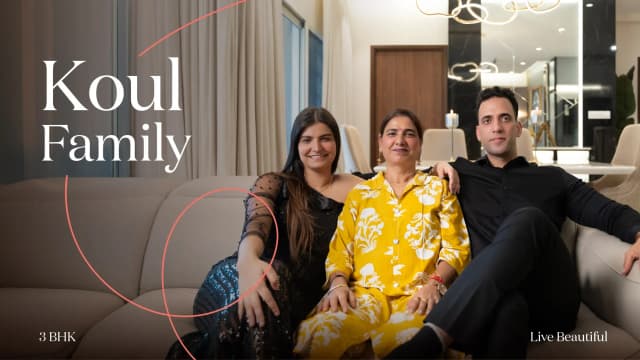
Client:Shaswat Koul
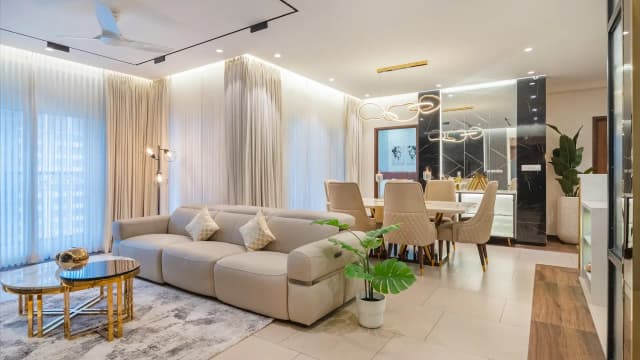
City: Bengaluru HSR
Home Details: 3BHK (1550 sqft)
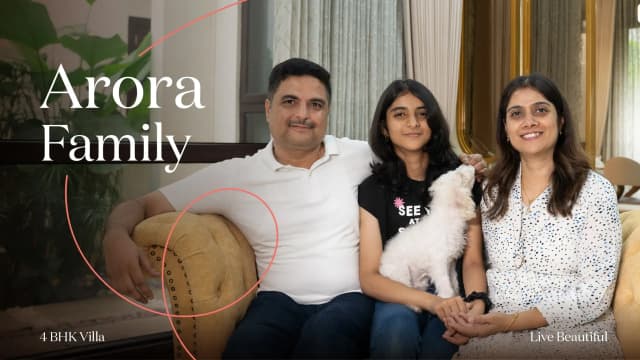
Client:Madhumita Arora
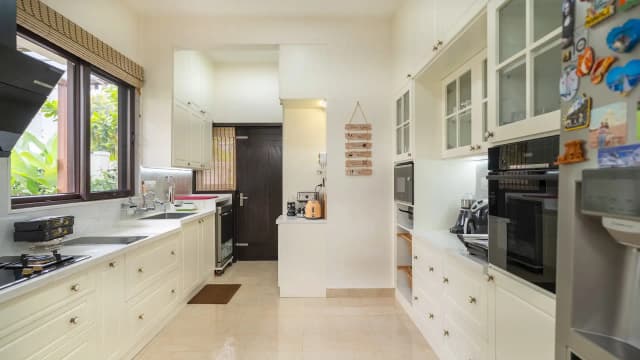
City: Bengaluru HRBR
Home Details: 4BHK (Villa) (3640 sqft)
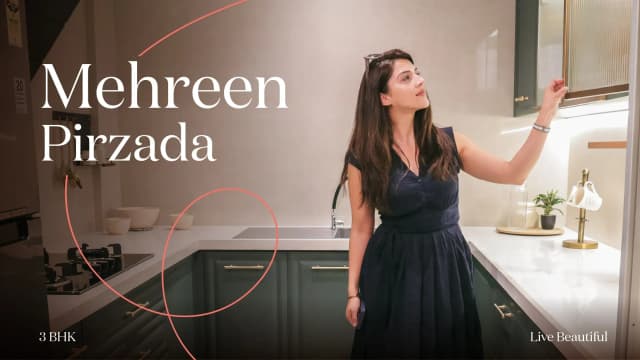
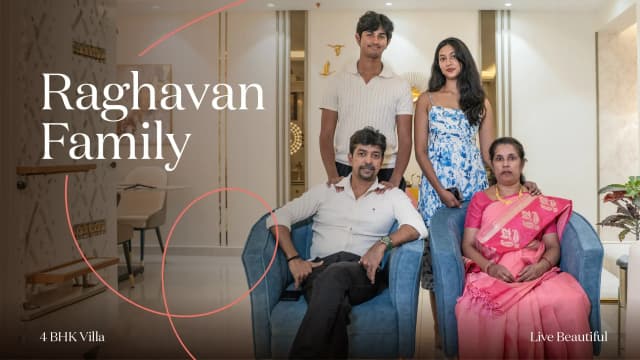
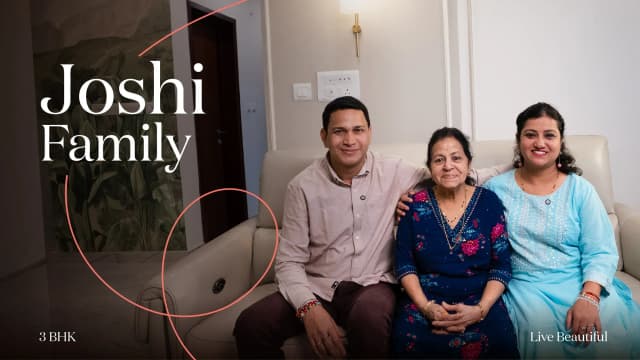
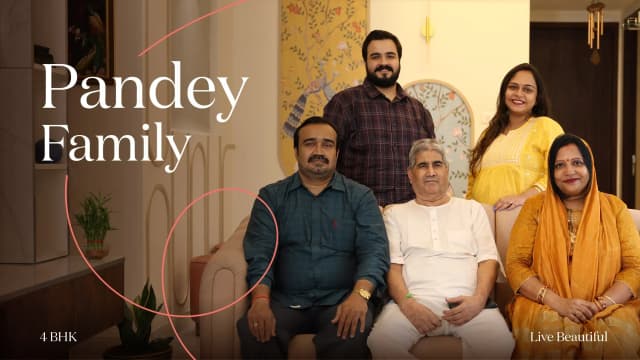
Real homeowners. Real journeys. And the little design decisions that changed everything.
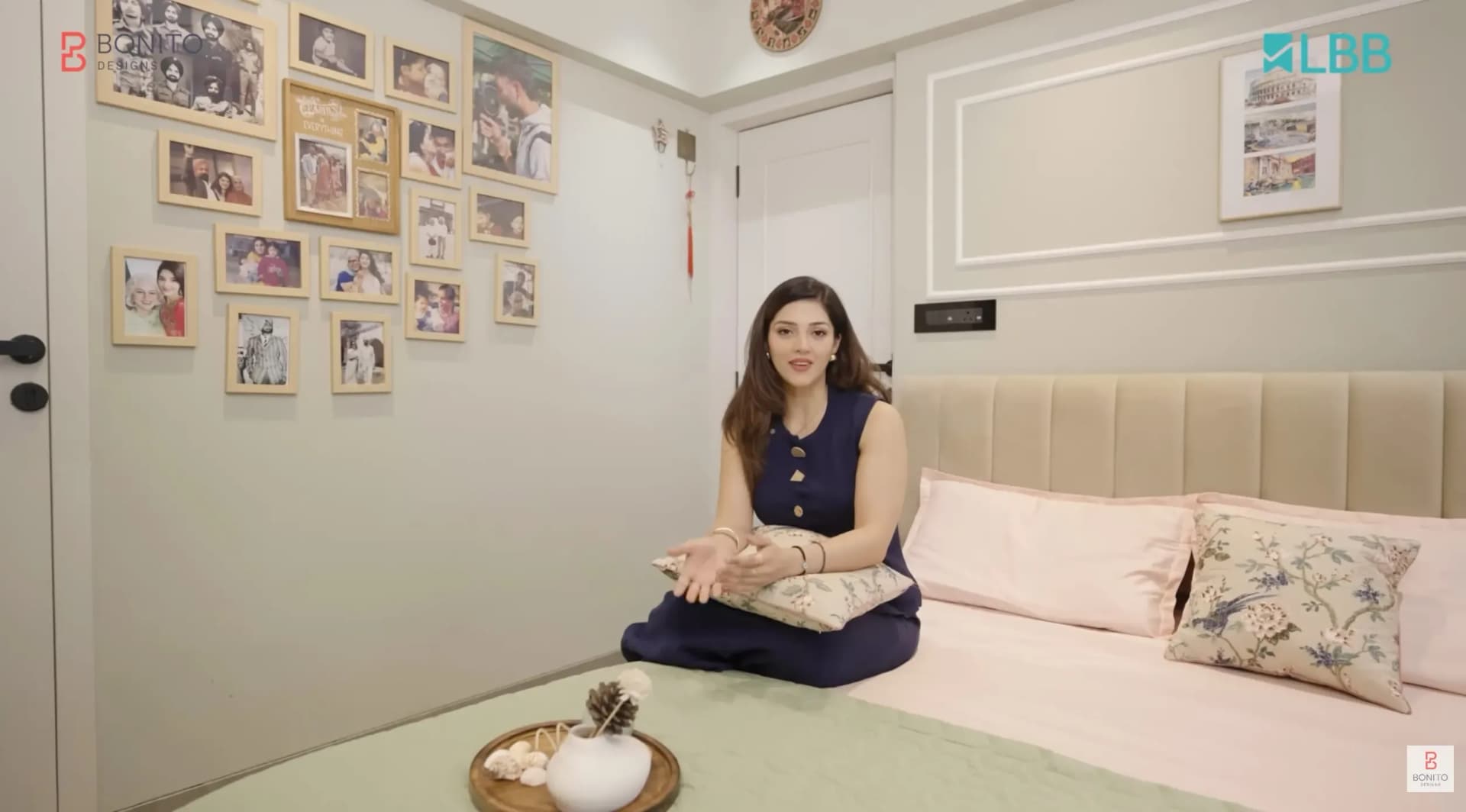
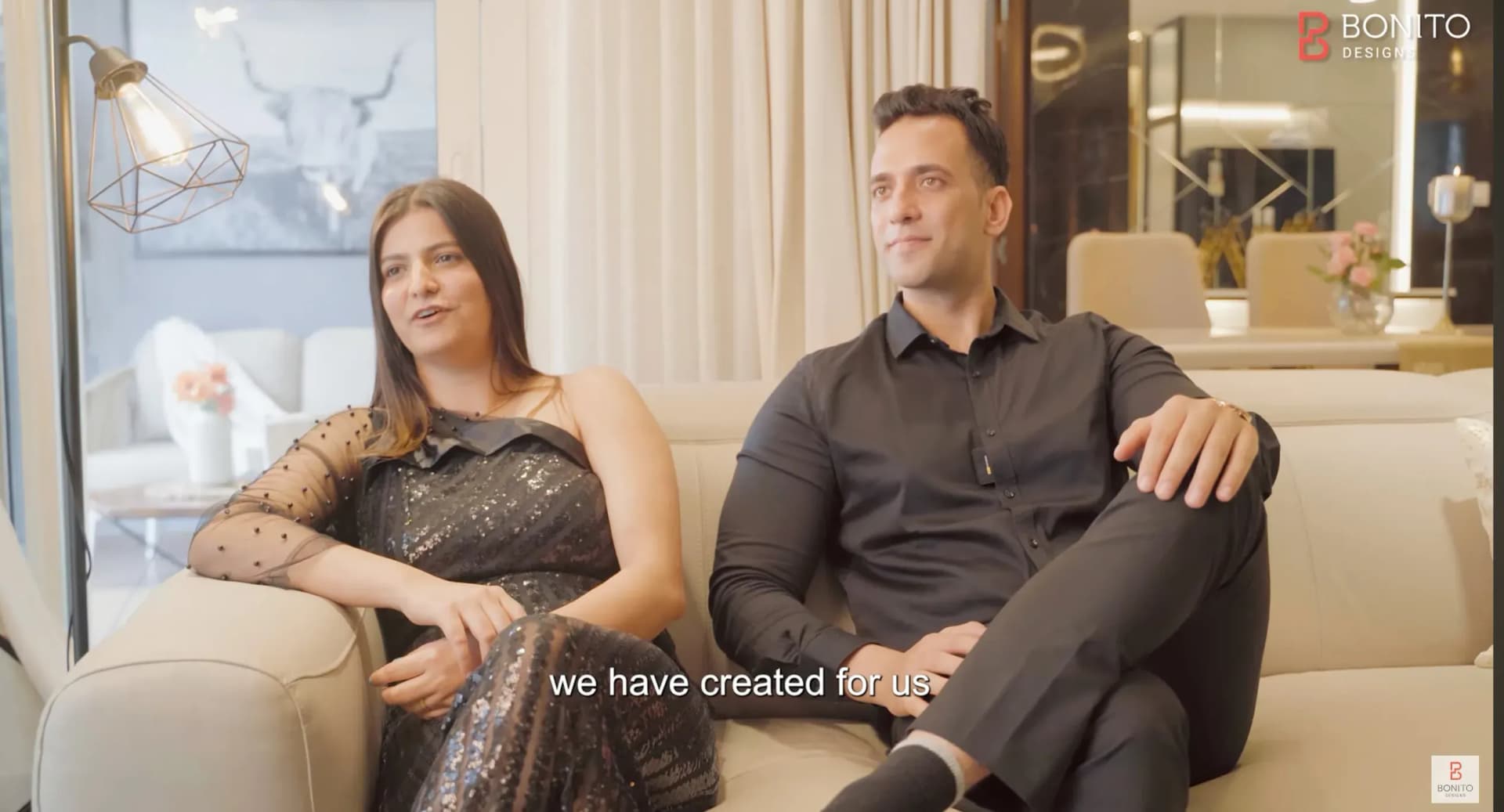
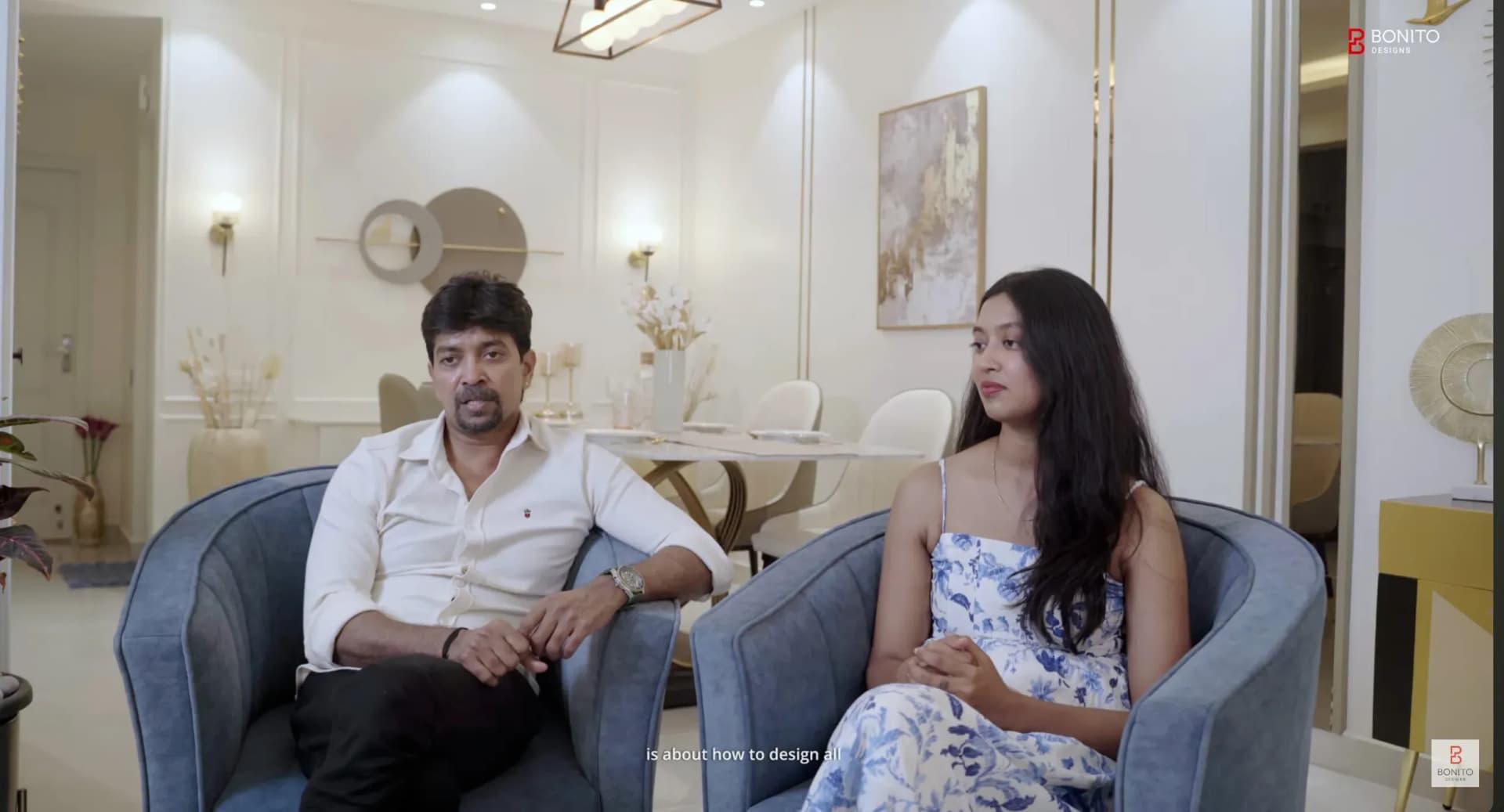
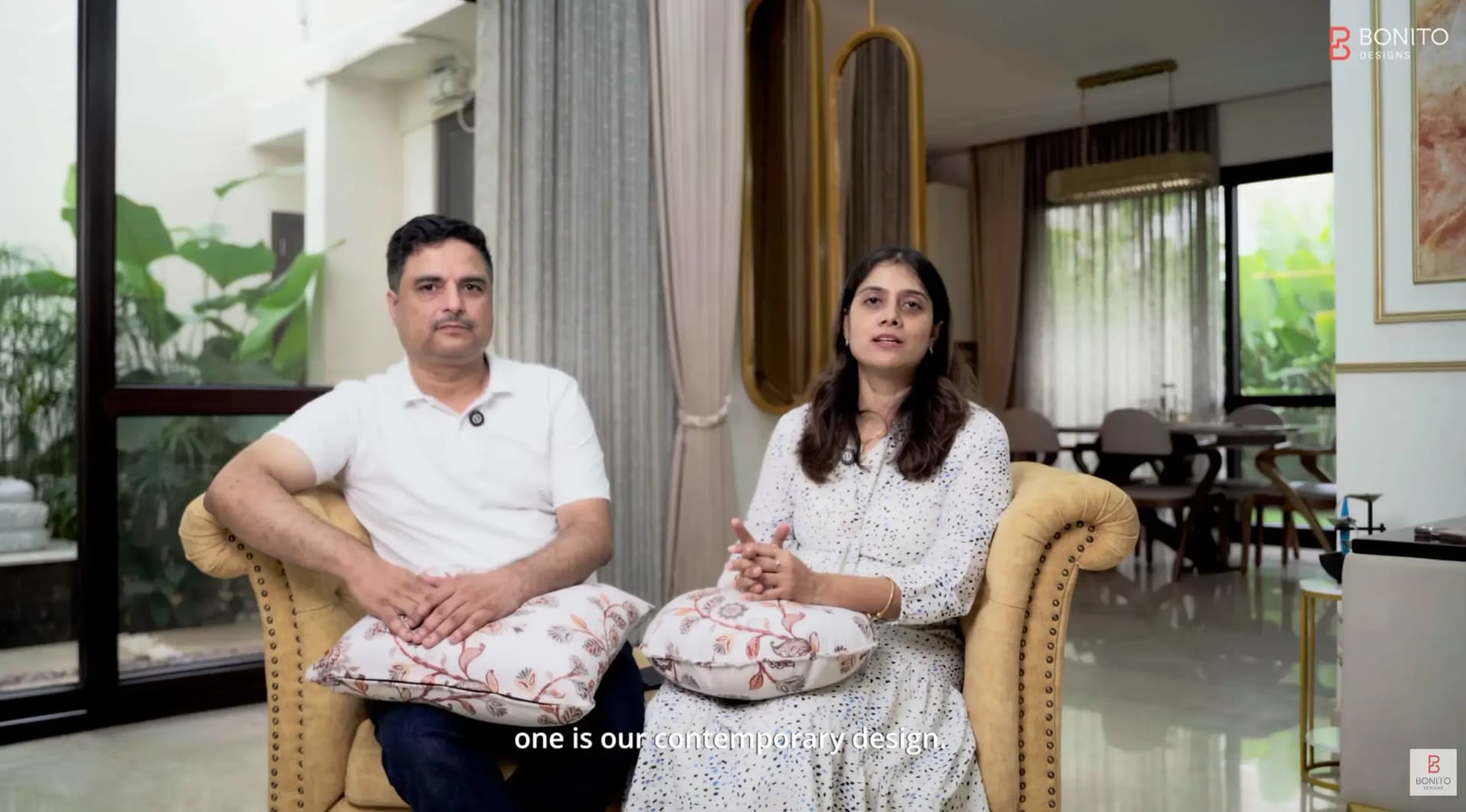
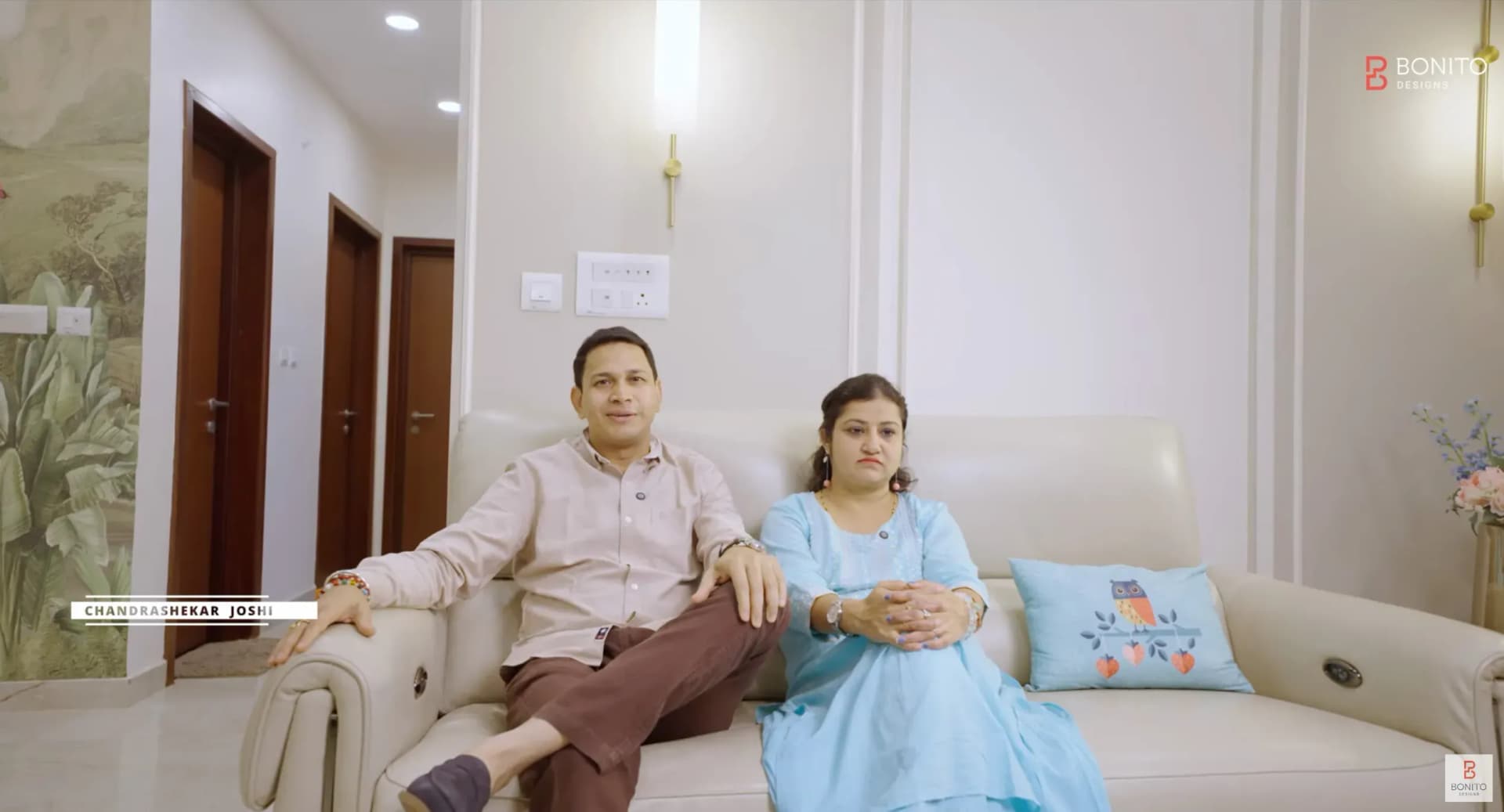
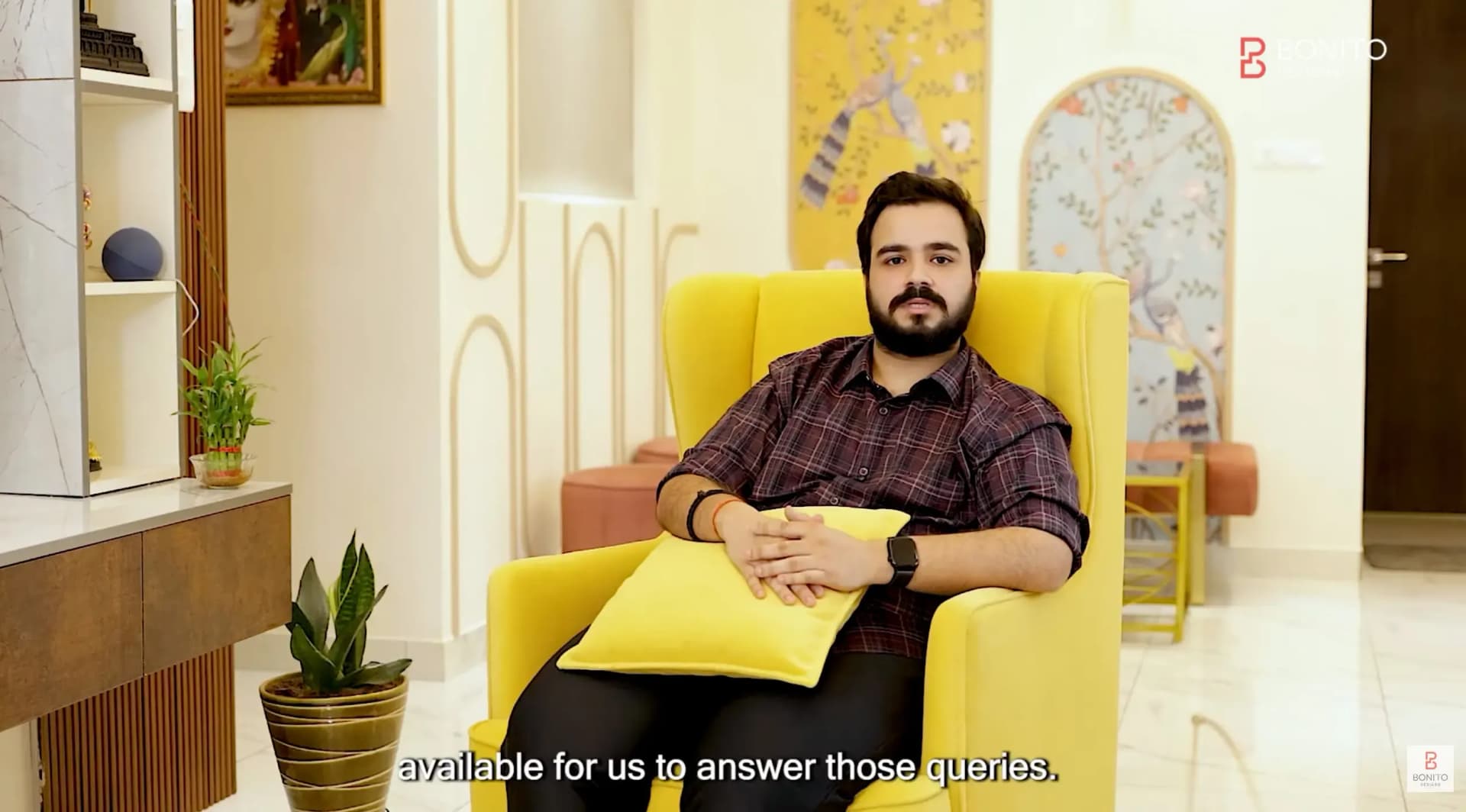
Collaborations that enable seamless, well-integrated interior design delivery.





Our experience centres aren’t showrooms — they’re living expressions of how we design.
Walk through full-home setups, feel the materials, see the detailing up close, and understand
how thoughtful design comes together before it ever reaches your home.
Begin your home design journey with a dedicated Bonito expert


Your Home Makeover Starts Here.