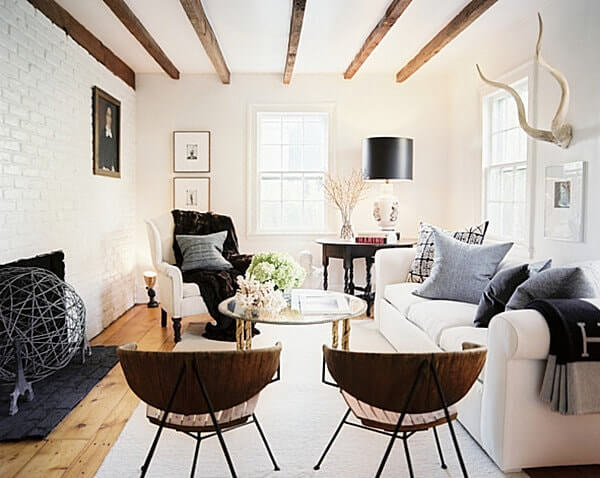
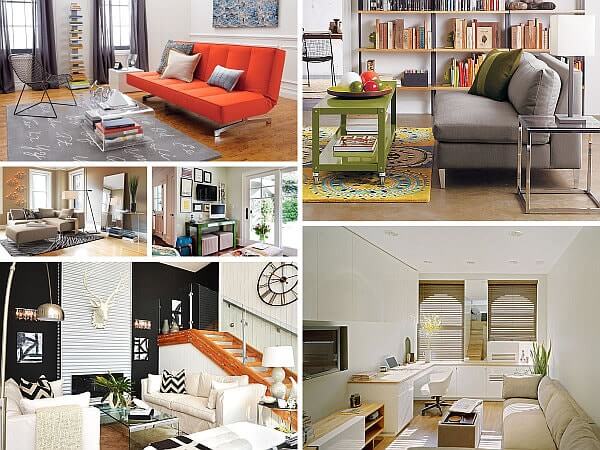
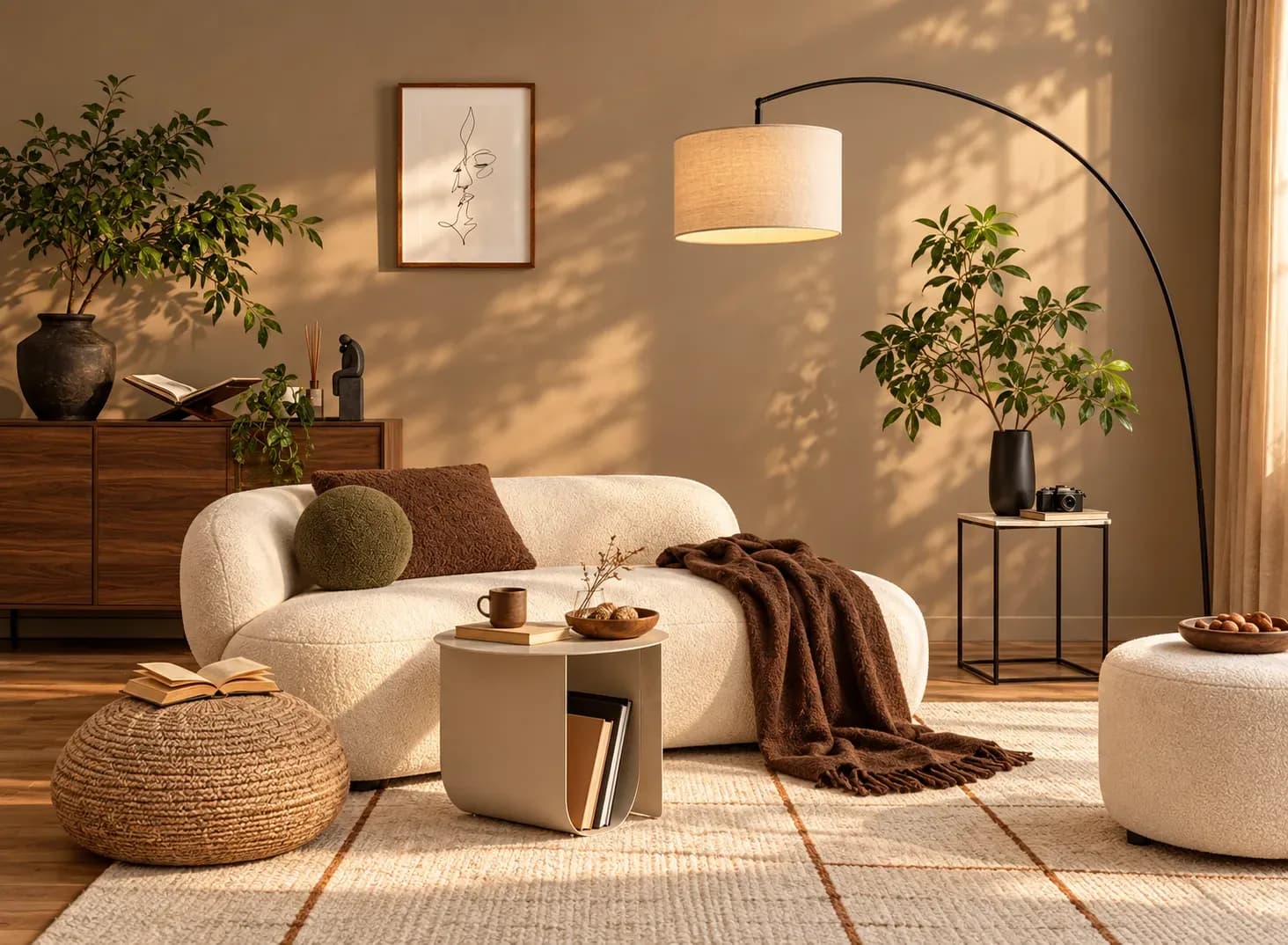
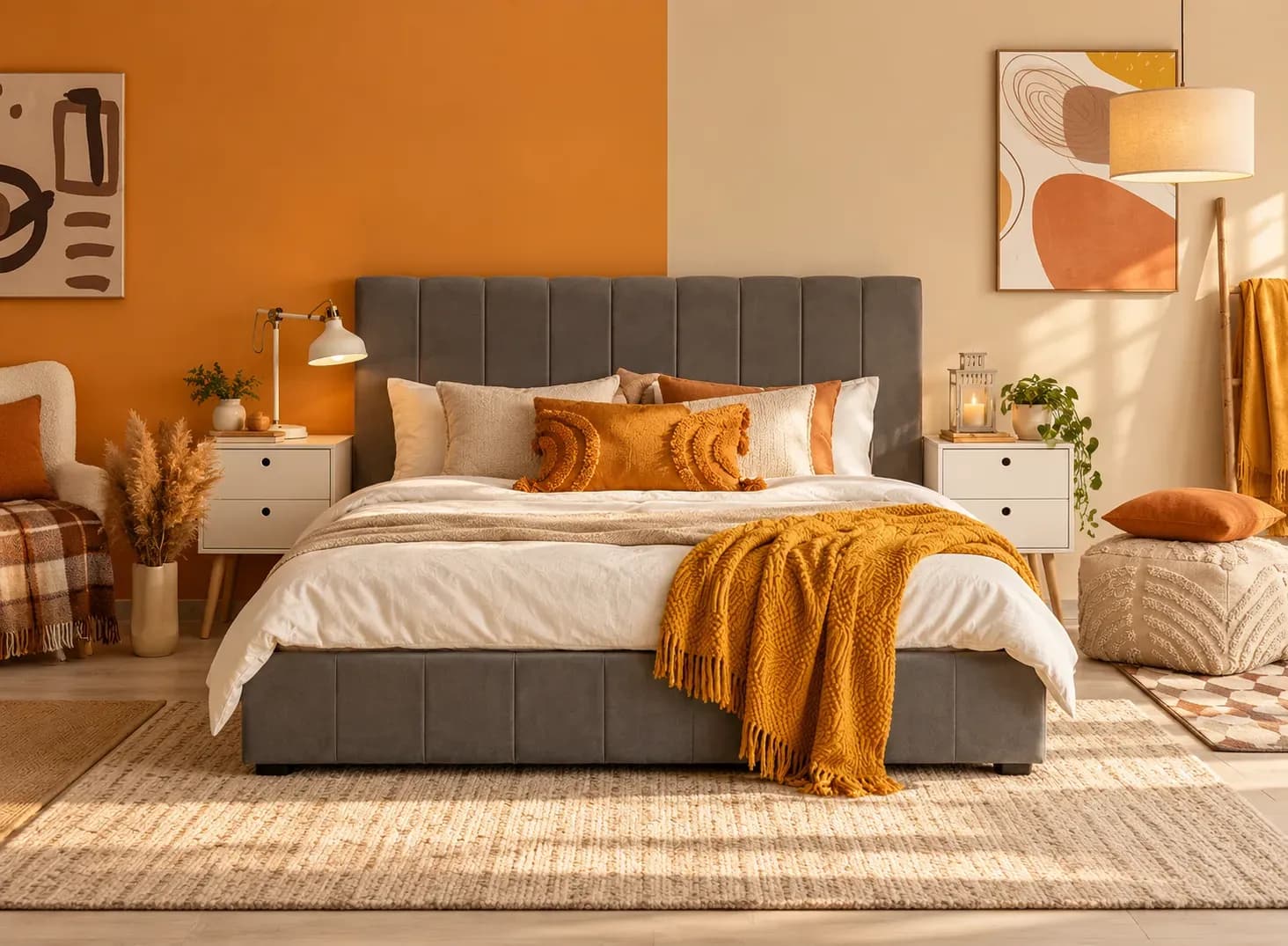
It is a fact that it is the decoration of a space that gives it a definite appearance, or the illusion of being too small or big. Simple decoration ideas can make any space alluring.
If it is a large room, then there are no constraints in decorating it as there is ample space available to pep it up with furniture, upholstery, accessories and other works. It is the small places that raise doubts about decorating it. It is also true that with right decorations, a small room can look as attractive as any other space.
When it comes to small rooms, the colors used for painting it can be varied. Bright to light colors can be chosen as per the interest and likes of the resident.
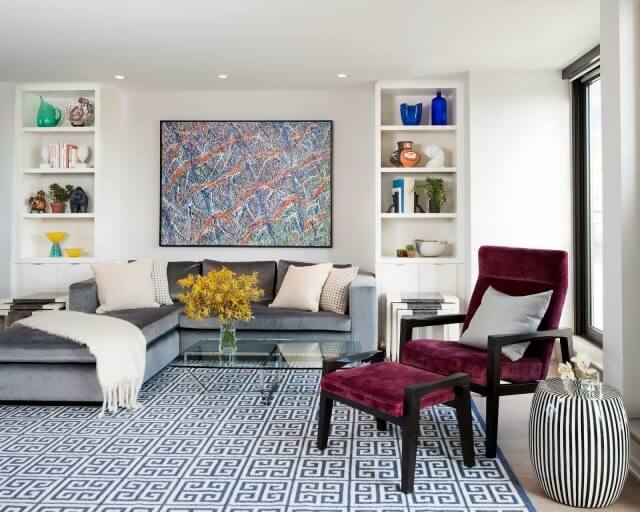
Even the right use of grey shade can add a wonderful element to a small room. Bright colors like orange or purple can add a sparkle to a small space. Bright shades of blue can also make a small space look elegant.
Another great choice is to go for a light and bright shade of the same colour.
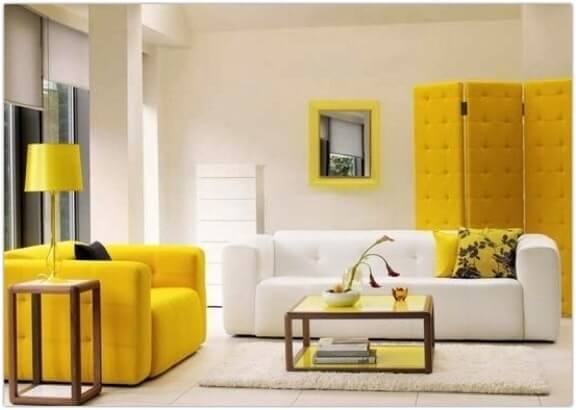
For example, a light and bright shade of yellow or blue can give a dramatising look to a small room.
While light shades optimize light, dark colors can give a cozy appearance to rooms that have natural light. Whatever color one chooses, make sure that it is used in a creative way. Your room should definitely sparkle.
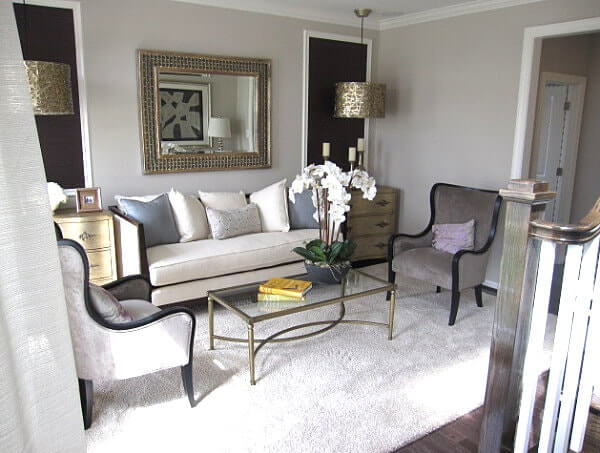
Too much furniture will make a small room look crowded. So choose the only furniture that is needed. A small sofa cum bed will be a great addition to a small room.
There can also be a small tea table and two small chairs. A small storage unit will help in de-cluttering space. A colourful small-sized carpet or rug will enhance the look.
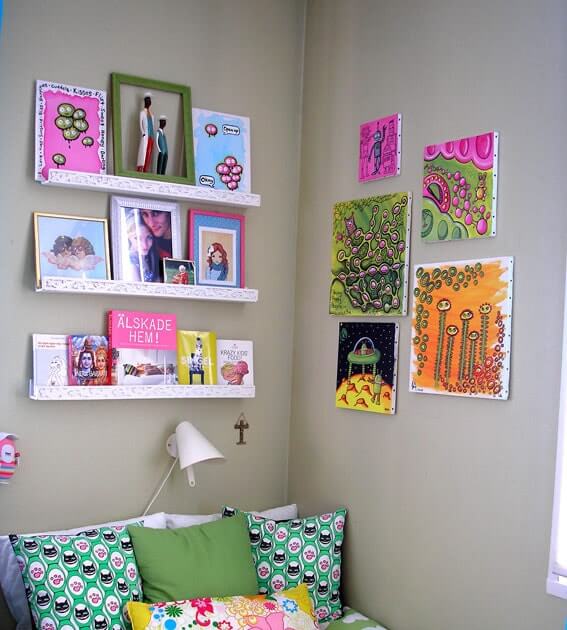
Since a small room has very less floor space, the walls can be given additional responsibilities. There can be artistic or creative stands or units that will look not only attractive but also can be used for storing or placing things.
The colors of these stands can be in contrast to the color of the wall. All the four walls of a room (or 3 walls) can be decorated differently.
One of the walls can be used for stands or units, then the other wall can be used for hanging photographs. The third wall can be kept plain or painted with a dark color. By making maximum use of vertical space in a small room can give the room a feel of space and peace.
When it comes to decorating a small room, what is needed is not money but some creativity. The theme ‘Best out of waste’ can be used effectively to decorate a small space. Old colourful gift wrappers can be used to add beauty to a small room.
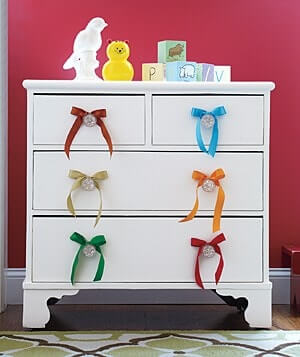
The paper can be cut into different shapes and pasted on cabinets or units to give an attractive look. The old bows on gift packets need not be thrown away. Paste them on the knobs of a cabinet and see how sexy it will look!
These decorations won’t just look great for a child’s room but will also be nice for an adult’s room too. Let your inner child come into the fore while you decorate your small room.
Mugs that aren’t used in kitchen can be used as pen holders. If you love painting then re paint it with some bright colors or decorate it with accessories. Keep any of your potted plants to add lustre to a plain corner.
Make a good decorative piece by using old bangles, stickers or paper plates.
At the end of the day, you are the master and you can decorate the room as and how you want it to be.
One need not be a trained designer or interior decorator to add spice to any room in your house but just let your brain think clockwise and anticlockwise about any space.
You will be surprised at your own ideas. Spend your brain and not money to decorate a small room. The only point to remember – do not clutter. Let the room breathe!
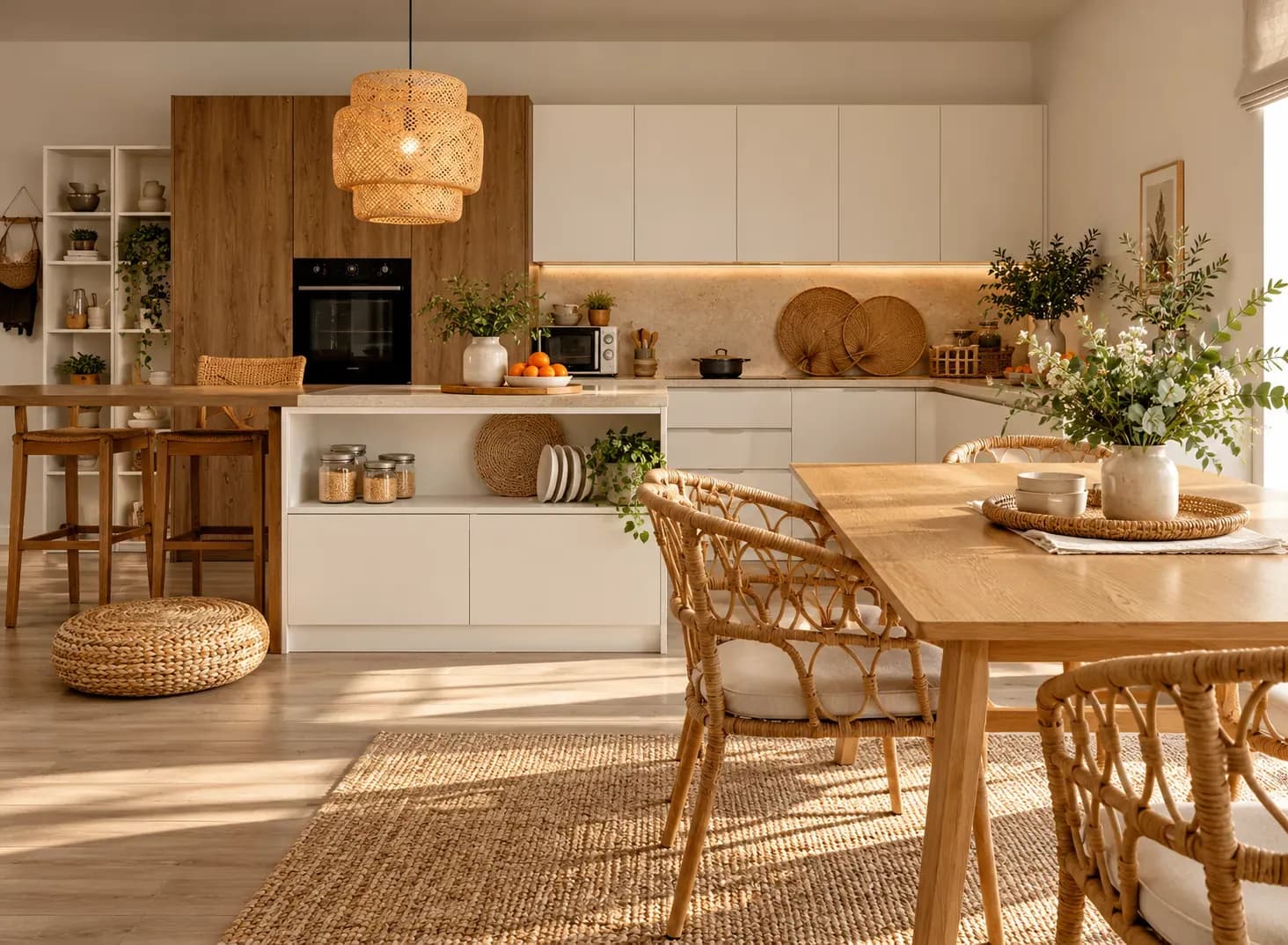
Kitchen design styles range from sleek modern and Scandinavian looks to warm farmhouse, classic, industrial, and eclectic interiors. The right choice depends on your home’s overall aesthetic, available space, natural light, storage requirements, maintenance preferences, and cooking habits. For Indian kitchens, practical considerations such as closed storage, durable surfaces, chimney placement, and appliance zones are equally important.
02 Oct 2026|5 min readTexture in interior design adds depth, warmth, and visual character without relying on excessive décor. By combining materials such as wood, stone, cane, fabrics, metal, and textured wall finishes, homeowners can create layered yet balanced spaces. Colour, lighting, room size, durability, and everyday use should guide how you introduce different textures. A considered approach helps every surface contribute to both the look and functionality of the home.
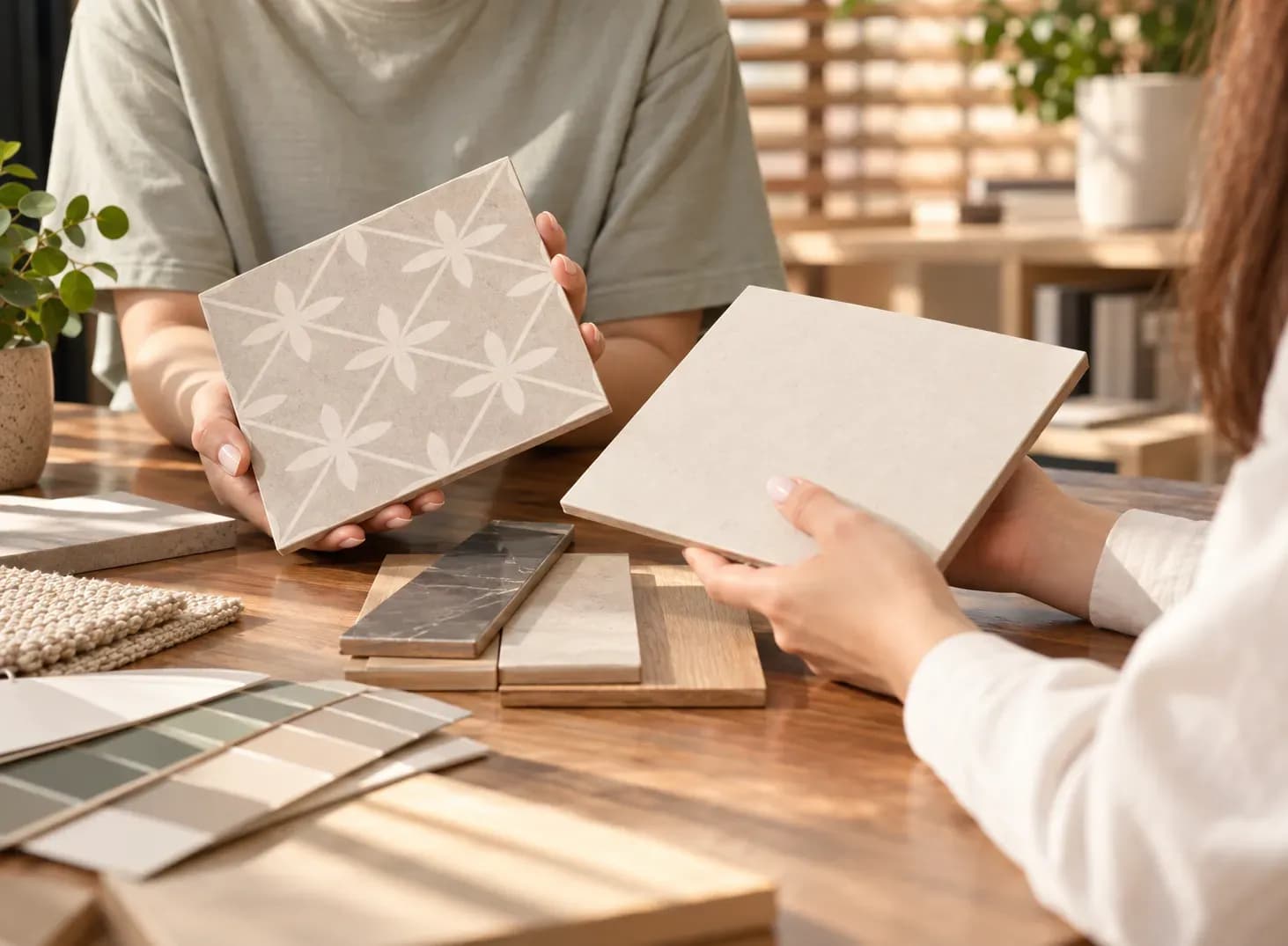
02 Oct 2026|5 min readFloor tile design patterns can completely change how a room looks and feels, even with the same tile. From straight-lay and herringbone layouts to geometric, wood-look and mixed-format patterns, the right choice should balance aesthetics with practical factors such as foot traffic, moisture, cleaning and slip resistance. Careful planning of tile size, grout, direction and placement also helps create a more cohesive finish across the home.
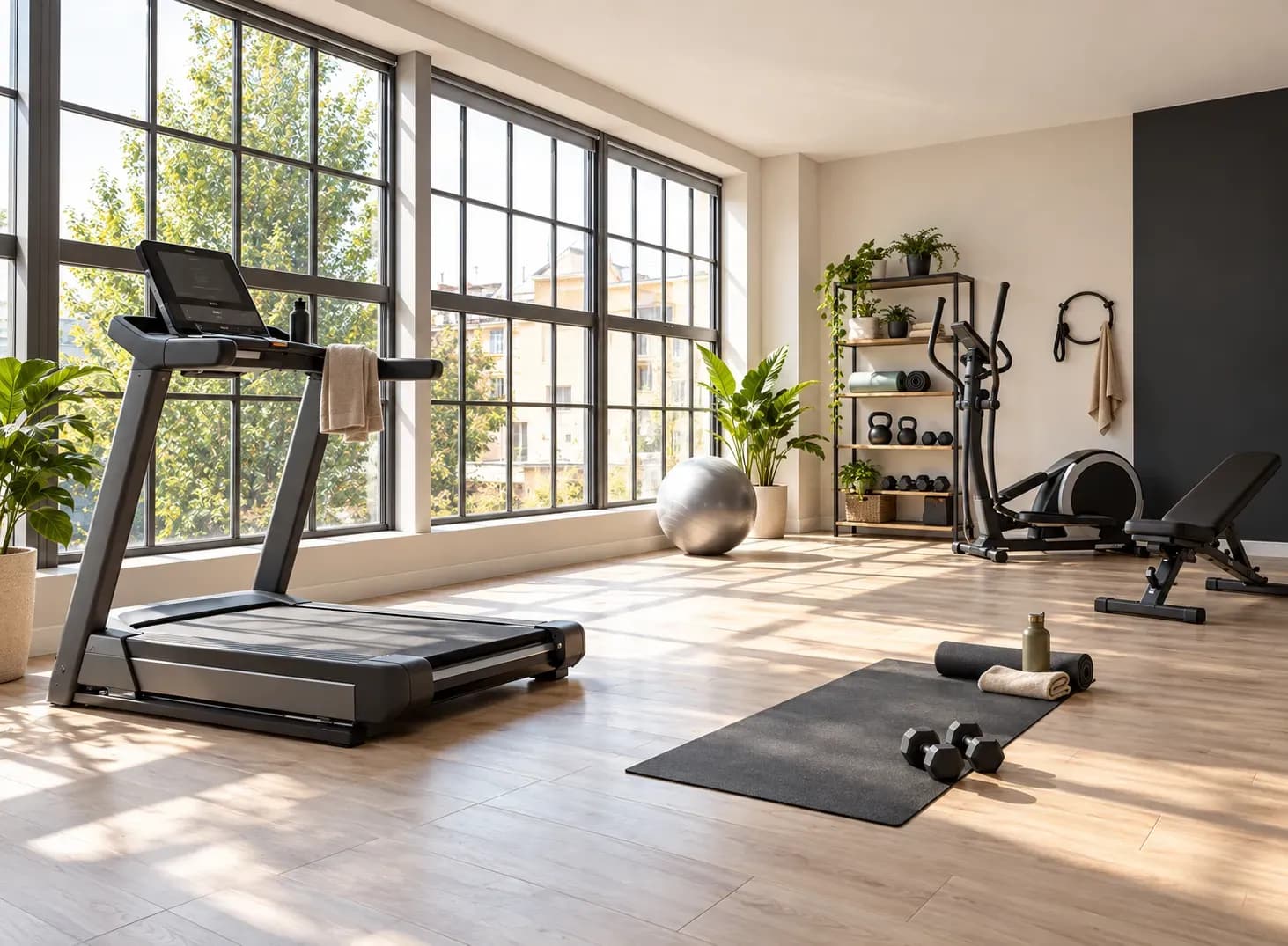
02 Oct 2026|5 min readA well-planned home gym should be shaped around the household’s workout routine, available space and equipment needs. Effective gym interior design considers flooring, ventilation, lighting, mirrors, storage, electrical points, and noise control. In compact Mumbai and Bangalore homes, flexible layouts can also help a gym share space with a guest room, study or balcony.
02 Oct 2026|5 min readChoosing the right paint colours for your home requires more than selecting a shade you like. Room size, natural and artificial light, flooring, furniture, ceiling height, and the intended mood all influence how a colour appears in the finished space. Testing samples on actual walls and selecting suitable paint finishes can help avoid costly mistakes.
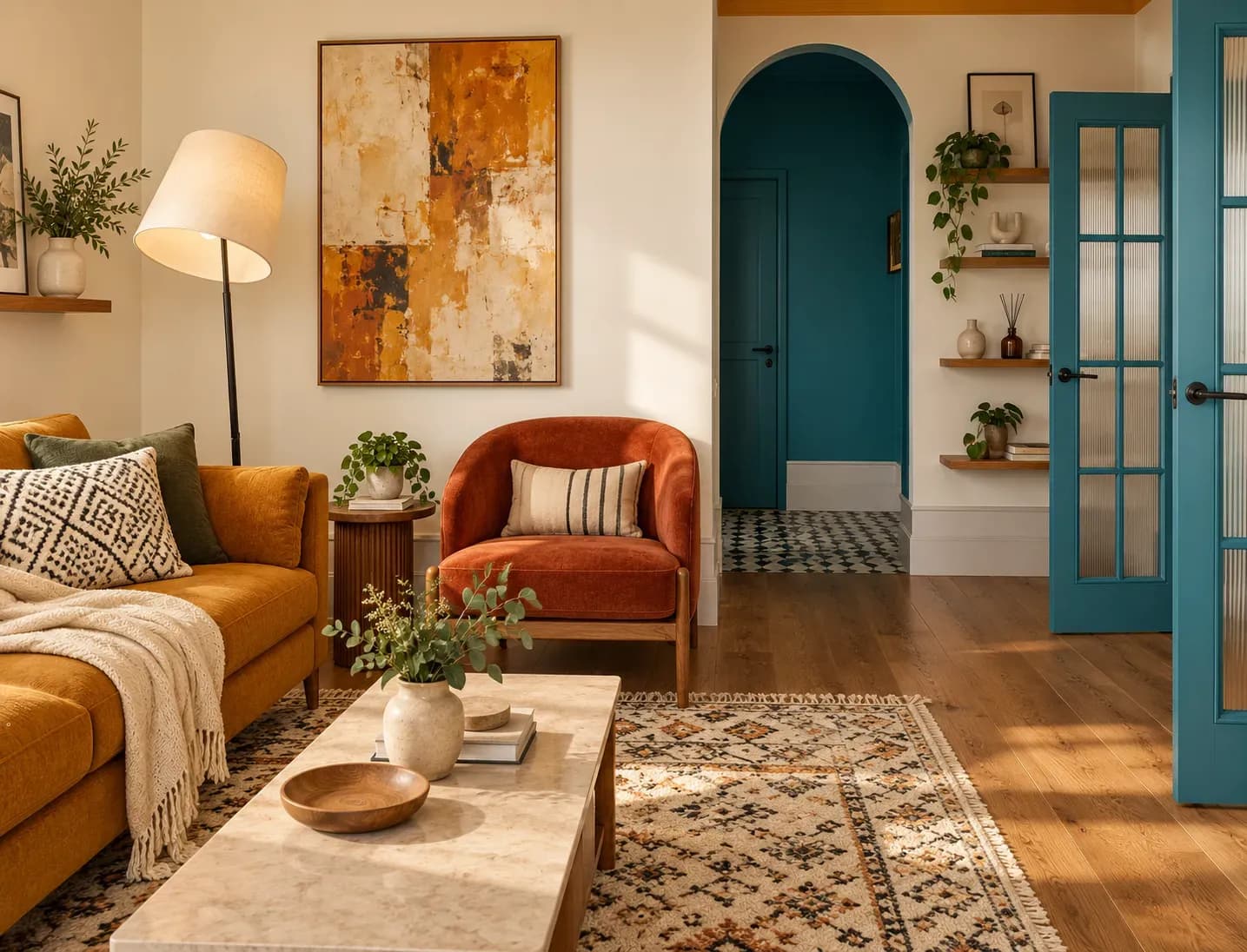
01 Oct 2026|5 min readChoosing the right home interior colour combination depends on more than personal preference. Room size, natural light, flooring, furniture, undertones, and the purpose of each space all influence how colours appear and feel. Simple frameworks such as warm versus cool tones, dominant and accent colours, and the 60-30-10 rule can help create a balanced palette. Testing colours in the actual room before committing is essential, especially in homes with limited or changing daylight.
01 Oct 2026|5 min read


Your Home Makeover Starts Here.