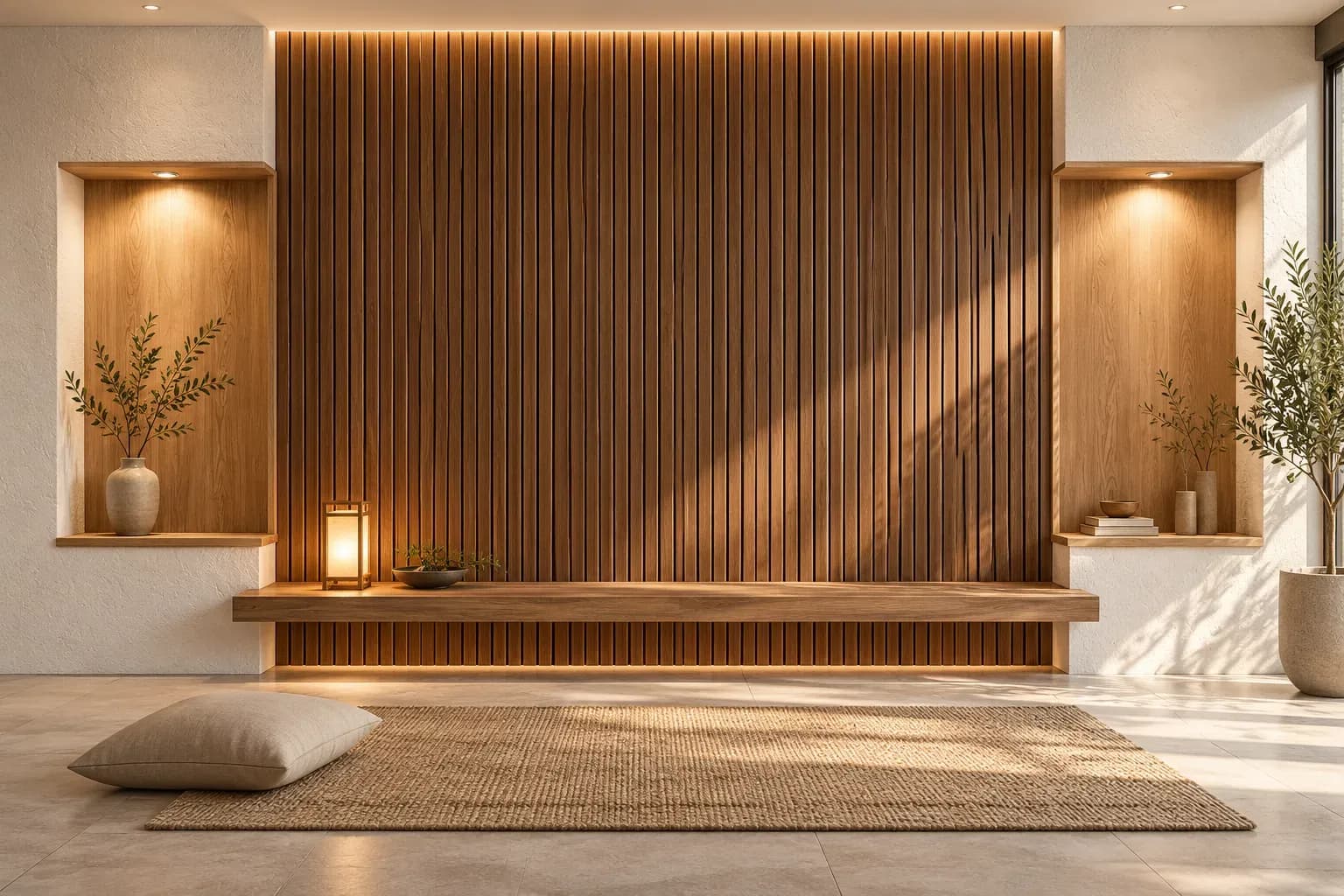
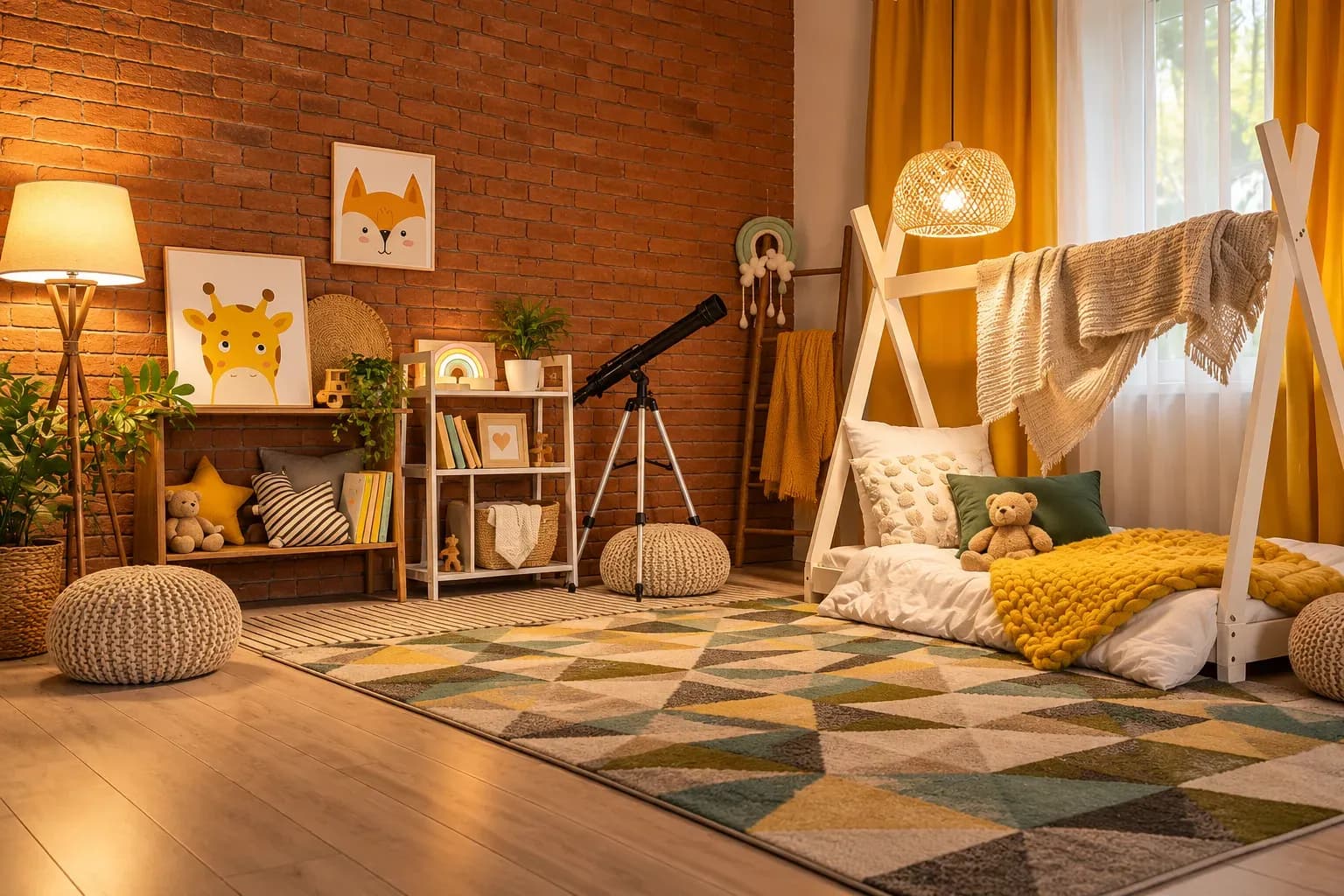
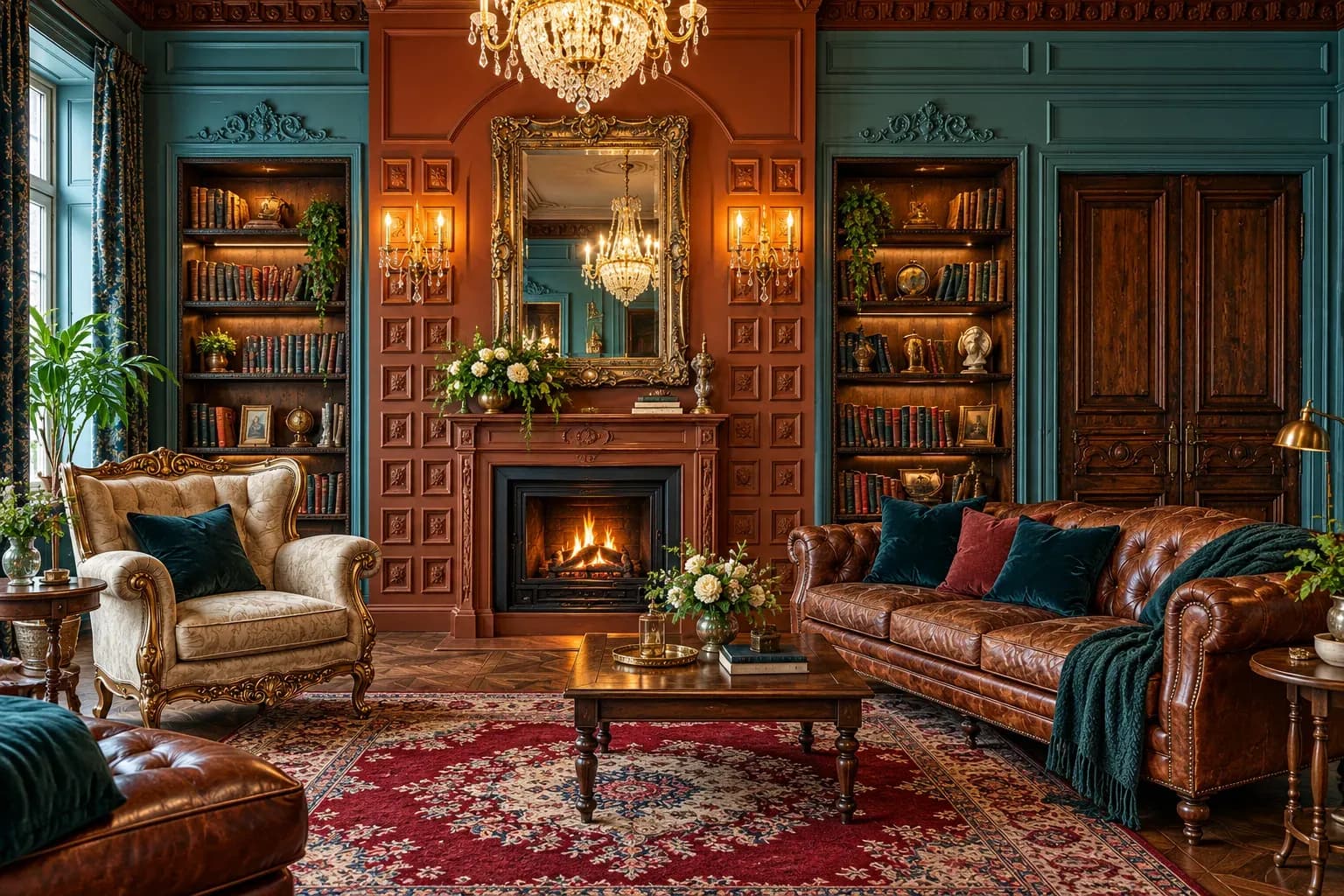
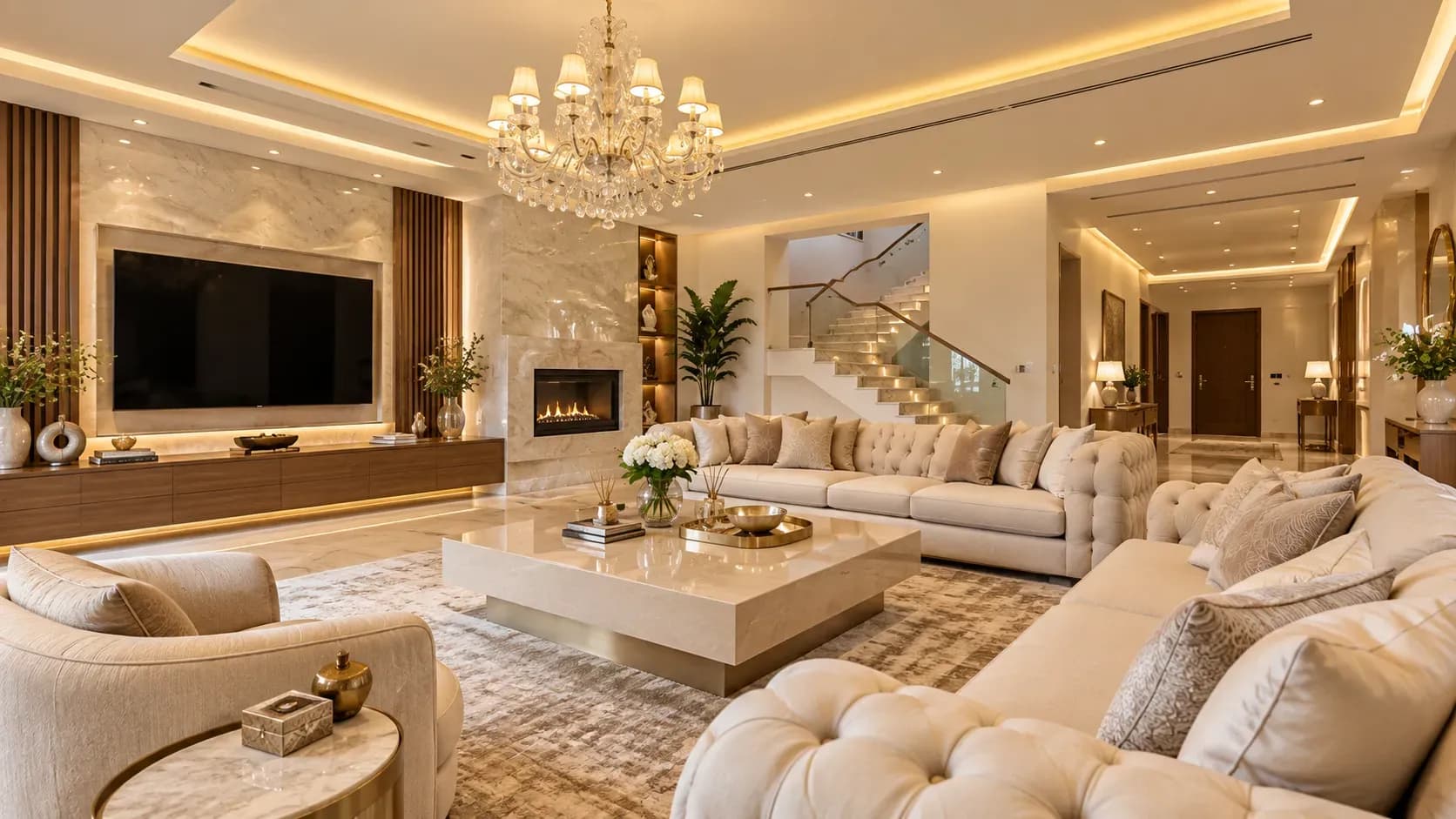
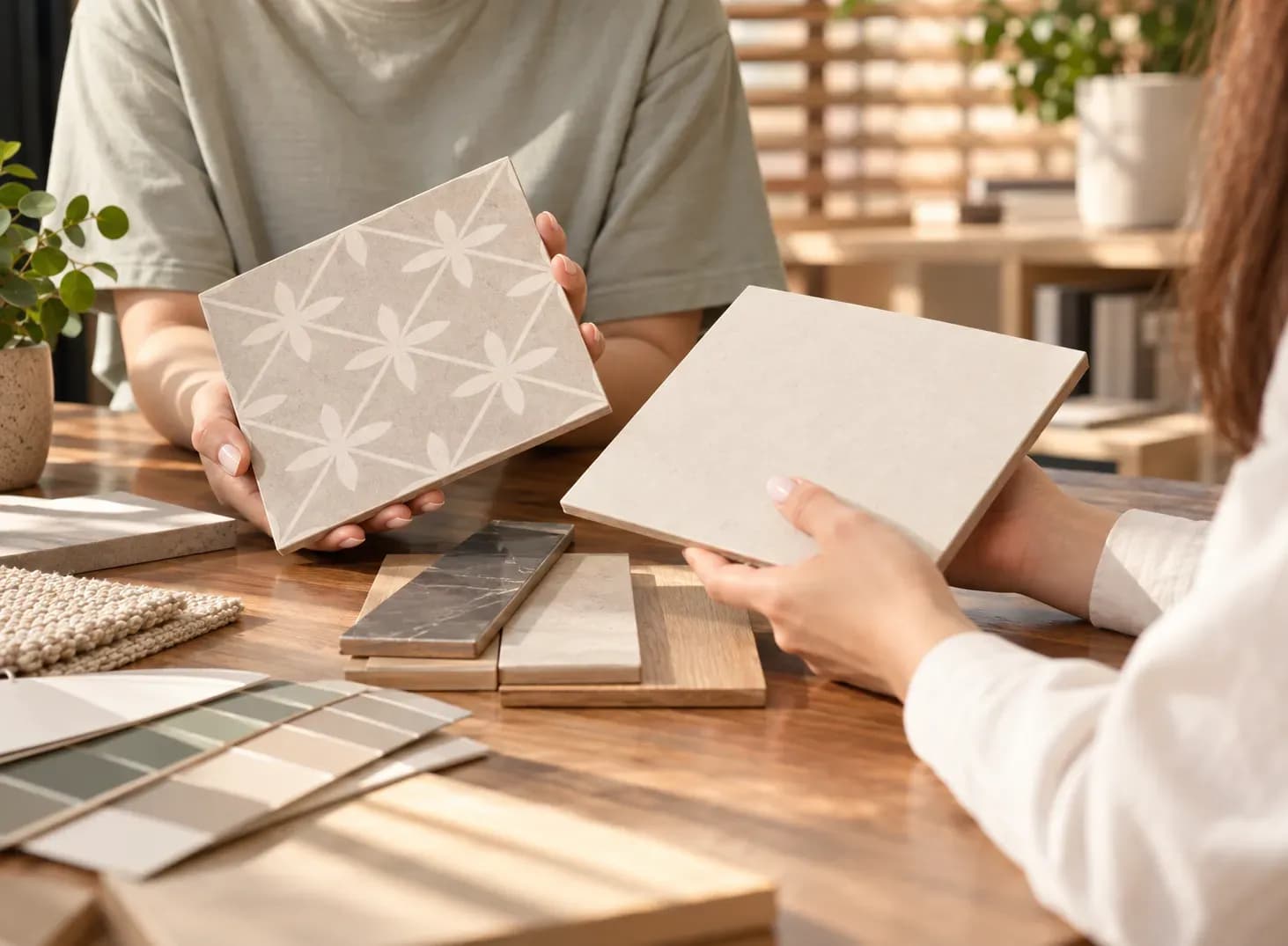
A well-designed home isn’t only about choosing the right colours or buying beautiful furniture. The surfaces you see and touch matter just as much. That is where texture in interior design comes in. Texture can make a compact Mumbai apartment feel warmer, give a Bengaluru home more character, or stop a neutral living room from looking overly plain. The trick is knowing which textures to combine, where to use them, and when to stop.
Texture refers to the surface quality of a material, both in how it looks and how it feels. There are two main kinds:
Consider a typical Mumbai apartment. Space may be limited, storage is precious, and the living room often has to accommodate everything from everyday lounging to Diwali guests. Adding too many decorative objects isn't practical. That is why interior designers in Mumbai use textures to add visual interest without taking up floor space.
A fluted TV panel, cane cabinet shutters, a textured accent wall, or linen curtains can add character while still keeping the room functional. Natural textures such as wood, cane and indoor plants can also soften the clean lines of contemporary architecture. This is how textures in interior design can add flair without consuming precious surface area.
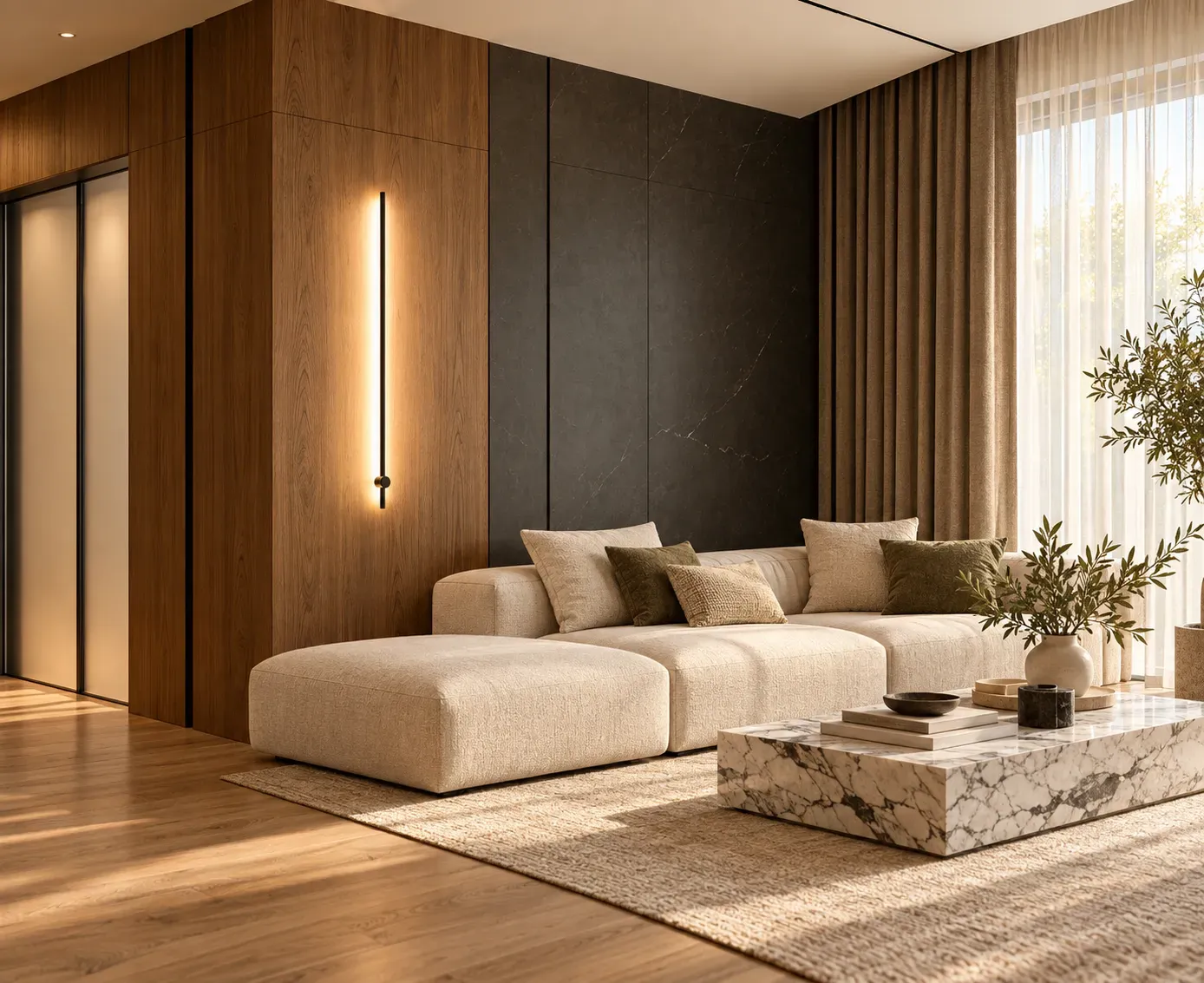
A simple rule for textures in interior design is to combine different surface qualities rather than simply adding more patterns. For example, pair:
Wood adds warmth and works particularly well in living rooms, bedrooms and dining spaces. Use it for TV units, wardrobes, wall panelling, crockery units or furniture. Avoid mixing too many wood tones in one room.
Marble and natural stone bring visual movement through veining and variation. They work beautifully for kitchen backsplashes, countertops, TV walls and bathroom surfaces. In smaller rooms, use heavily veined marble selectively.
Cane is particularly useful when you want texture without visual heaviness. Cane shutters on a crockery unit, wardrobe or console can break up large cabinet surfaces while allowing the room to retain an airy feel.
Textiles are one of the easiest ways to introduce tactile texture. Linen curtains, boucle cushions, cotton upholstery, wool rugs and woven throws can make a room feel softer without changing the architecture. They are also easy to update when seasons or preferences change.
Walls are large surfaces, so even a subtle finish can change a room's character. A limewash-inspired finish, concrete effect, micro-texture or carefully selected wallpaper can add depth without requiring additional furniture. When planning wall design ideas, consider the furniture and lighting first. A heavily textured finish may look completely different under direct daylight and warm evening lights.
A thoughtful wall colour design can also make texture more noticeable. Warm whites, earthy beige, muted greens and soft greys generally allow natural materials to stand out without competing with them.
Brass, black metal, brushed steel and other finishes introduce harder, more reflective textures to interior design. Use them through handles, light fixtures, furniture legs, shelves or décor. A matte black light against a warm wooden panel, for instance, creates contrast without introducing another major colour.
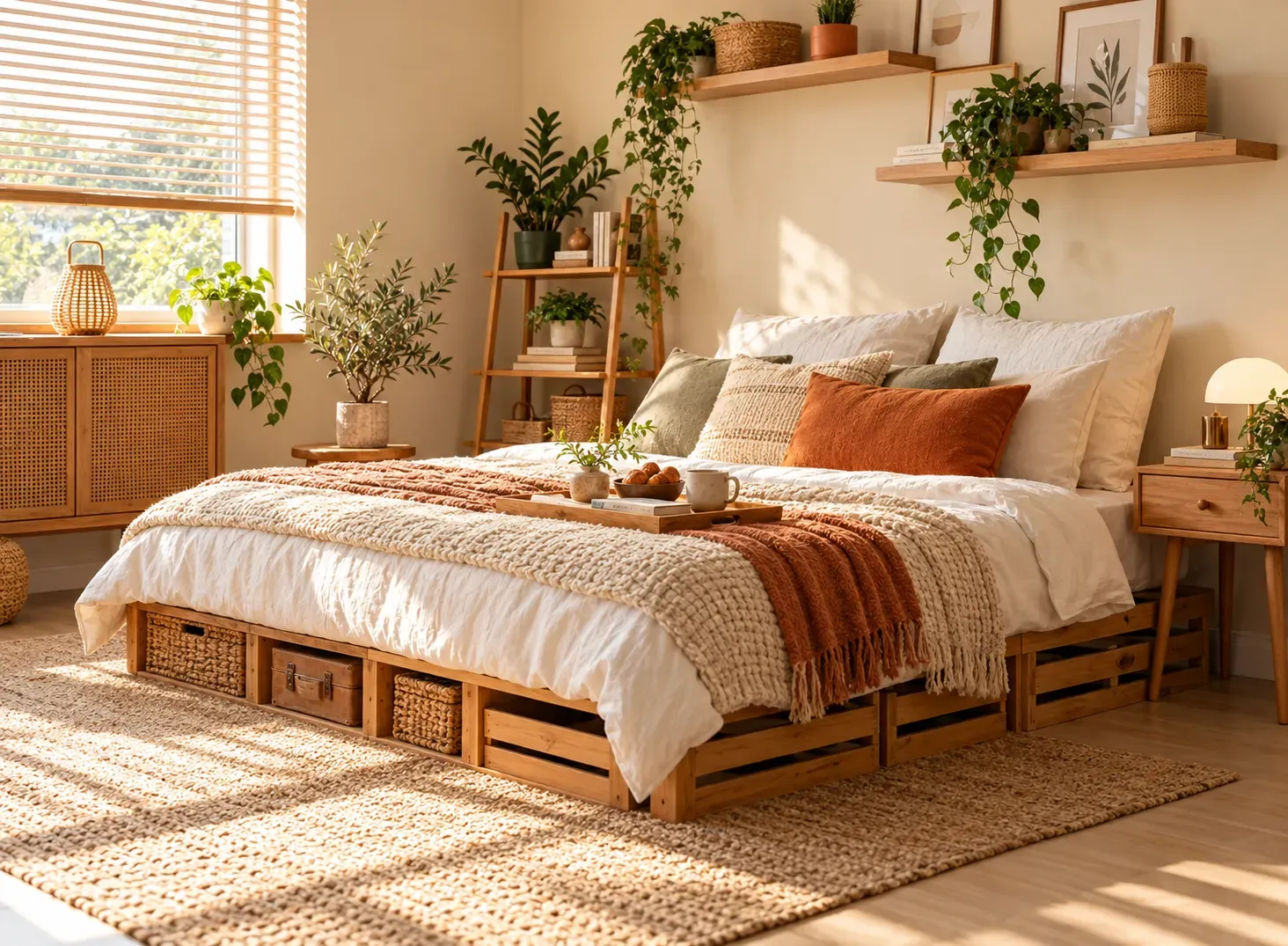
Plants bring both colour and texture in interior design. A rubber plant has a very different visual character from a fern or trailing plant. In Bengaluru homes with balconies or generous windows, greenery can become part of the interior scheme. In smaller Mumbai apartments, a few strategically placed plants may work better than a full indoor garden.
Start with the largest surfaces. A textured TV wall, wooden panelling, rug, curtains and upholstered seating can create enough variation. If your children use the living room for homework or your pets have claimed one corner of the sofa, prioritise durable, easy-to-clean fabrics over delicate finishes.
Bedrooms benefit from softer textures. Consider an upholstered or wooden headboard, fabric curtains, a rug, layered bedding and warm bedside lighting. Keep the palette restrained. The goal is a calm room, not a showroom full of competing finishes.
Textures in interior design can also come through cabinet finishes, backsplash tiles, countertops and handles, which work perfectly for a kitchen. Matte cabinetry paired with a slightly reflective backsplash is a practical combination because the contrast adds interest without making the kitchen feel overly decorated.
A wooden dining table, upholstered chairs and a textured pendant light can establish a strong focal point. For festive hosting, add a woven runner, ceramic serveware or brass accents to create visual interest without overwhelming the room.
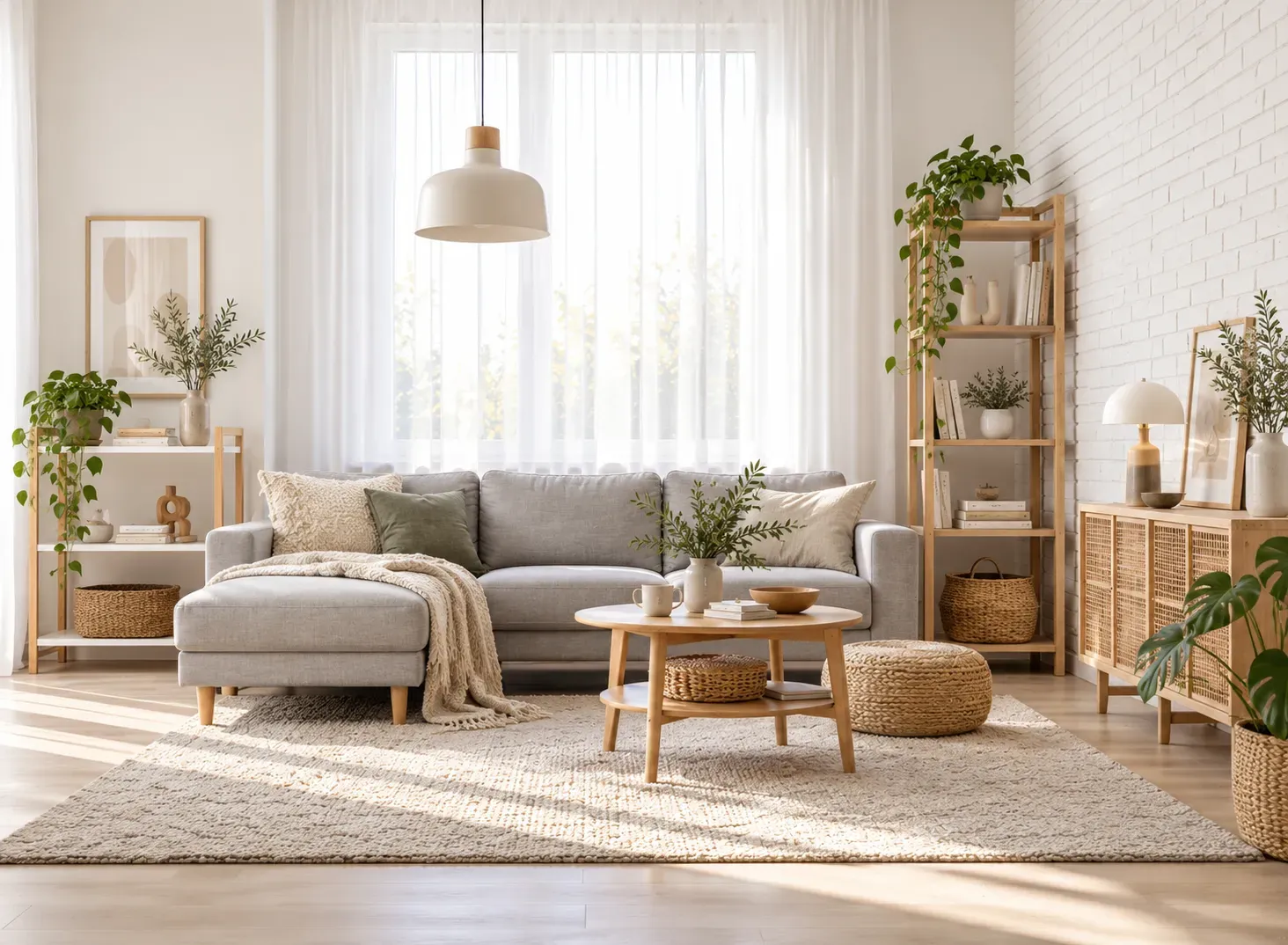
Natural daylight reveals grain, grooves and surface variation more clearly. Warm artificial lighting can make wood and fabric feel richer and more comfortable, while directional lighting can emphasise a stone wall or fluted panel through shadows. This is why a wall painting design that looks subtle in a sample may appear much stronger once wall washers or ceiling lights hit it.
The room colour can also affect your texture choices. A neutral textured wall tends to feel understated, while a darker shade can make grooves and surface variation more dramatic. Glossy surfaces reflect more light, whereas matte finishes absorb it and create a softer appearance. The best texture in interior design therefore comes from coordinating material, colour and lighting.
At Bonito Designs, texture isn't treated as an isolated decorative choice. It is considered part of the home's overall LifeDesign philosophy, where aesthetics, functionality and everyday living need to work together. With in-house execution and ISO-certified quality processes, the focus stays on translating the design into a finished home, without forcing you to deal with multiple vendors.
Book a consultation with Bonito Designs if you want a home that feels just right, no matter the occasion.
Wood and stone can both strengthen interior wall ideas by adding warmth, texture and depth, but their visual weight needs careful control. In a balanced wall design, one material can lead while the other supports it through smaller accents, matching undertones, and considered lighting.
22 Oct 2026|5 min readBoth whimsical interior design and maximalist interior design use colour, pattern and personal objects, but they create visual interest differently. While the first focuses on imaginative surprises, the second builds richness through deliberate layering and abundance. This article covers their differences across colour, furniture, artwork, lighting and storage, along with practical ways to adapt either style to compact Indian homes.
22 Oct 2026|5 min readVictorian house interior design can work well in compact Indian homes when you use decorative elements selectively. Lighter colours, restrained mouldings, slimmer furniture and controlled patterns help retain Victorian character without making rooms feel crowded. Modern storage, practical lighting and careful space planning can make the style more suitable for everyday living.
21 Oct 2026|5 min readWood and stone can both strengthen interior wall ideas by adding warmth, texture and depth, but their visual weight needs careful control. In a balanced wall design, one material can lead while the other supports it through smaller accents, matching undertones, and considered lighting.
22 Oct 2026|5 min readBangalore’s climate directly affects villa interior design, from material selection and ventilation to daylight control and indoor-outdoor planning. Climate-responsive design can help reduce maintenance while improving comfort and durability. Bonito Designs’ LifeDesign process considers both the family’s lifestyle and local conditions to create villa interiors that are practical, personalised and built to perform over time.
15 Oct 2026|5 min readFloor tile design patterns can completely change how a room looks and feels, even with the same tile. From straight-lay and herringbone layouts to geometric, wood-look and mixed-format patterns, the right choice should balance aesthetics with practical factors such as foot traffic, moisture, cleaning and slip resistance. Careful planning of tile size, grout, direction and placement also helps create a more cohesive finish across the home.
02 Oct 2026|5 min read


Your Home Makeover Starts Here.