Before buying equipment, look at when exercise fits into an ordinary week. Does one person lift weights before work while another follows yoga videos at night? The answer affects the floor, storage, lighting and even where the switches should go.
That is where gym interior design matters. The room should be ready when someone wants to train, with enough space to move and very little setup.
List the exercises that happen regularly and group them by the space they need. Strength training calls for stable flooring and clearance around weights. Yoga needs a full mat area with unrestricted arm movement. Use that list to decide the gym interior design, instead of starting with an equipment catalogue.

Use masking tape to mark the footprint of a treadmill, cycle or bench. Walk around it, open the door and try the planned movements. A workable modern gym interior design also leaves room to get on and off equipment safely.
Look upwards as well. Check ceiling fans, lights and beams, then follow the manufacturer’s clearance instructions for each machine.
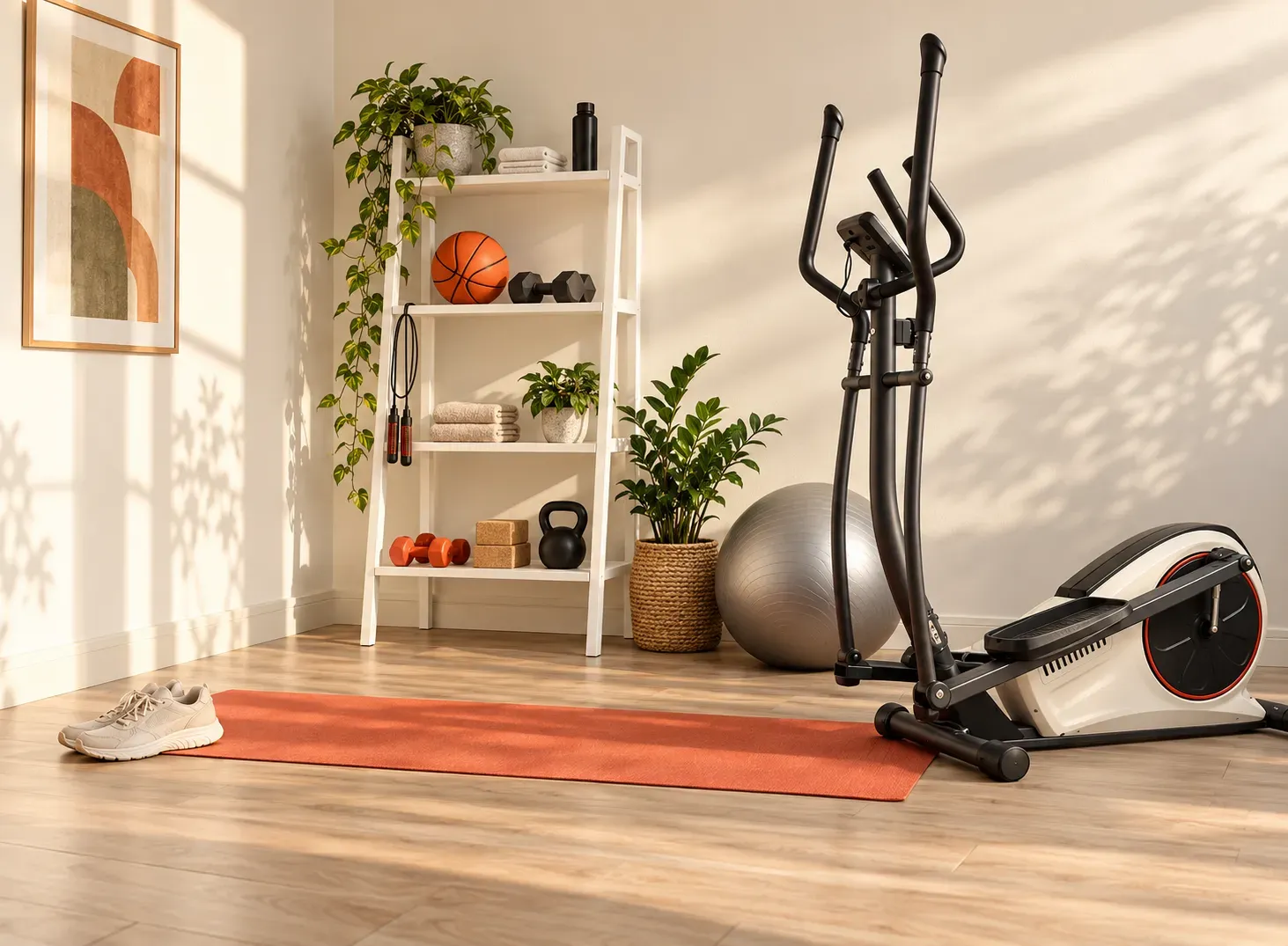
Adjustable dumbbells, resistance bands, a mat and a bench can support a varied routine without taking over a compact room. Add specialised machines once the household has a consistent use for them and a proper storage position. The most useful home gym ideas make regular exercise convenient, including the few minutes spent setting up and clearing away.
Flooring must cope with movement, sweat, equipment weight and regular cleaning. Rubber rolls or dense rubber tiles are practical under weights and cardio machines, while a separate mat provides comfort for floor work.
In an apartment, gym interior design should also consider vibration and noise travelling downstairs. Have the load capacity assessed before installing a heavy weight station or large machine.
An openable window, well-positioned fan or suitable air-conditioning often matters more than another decorative finish. Keep tall storage away from the room’s only useful opening. A Mumbai home gym room may need close attention to humidity and easy cleaning. Interior designers in Mumbai generally recommend moisture-resistant gear alongside equipment that is easy to clean.
Downlights directly over a mat can cause glare when someone lies down. A fitting behind the user may leave equipment controls in shadow. Plan lighting within gym interior design for the usual workout time. Diffused ceiling light suits general exercise, blinds can control strong morning sun, and a separate softer circuit helps when someone trains early beside a bedroom.
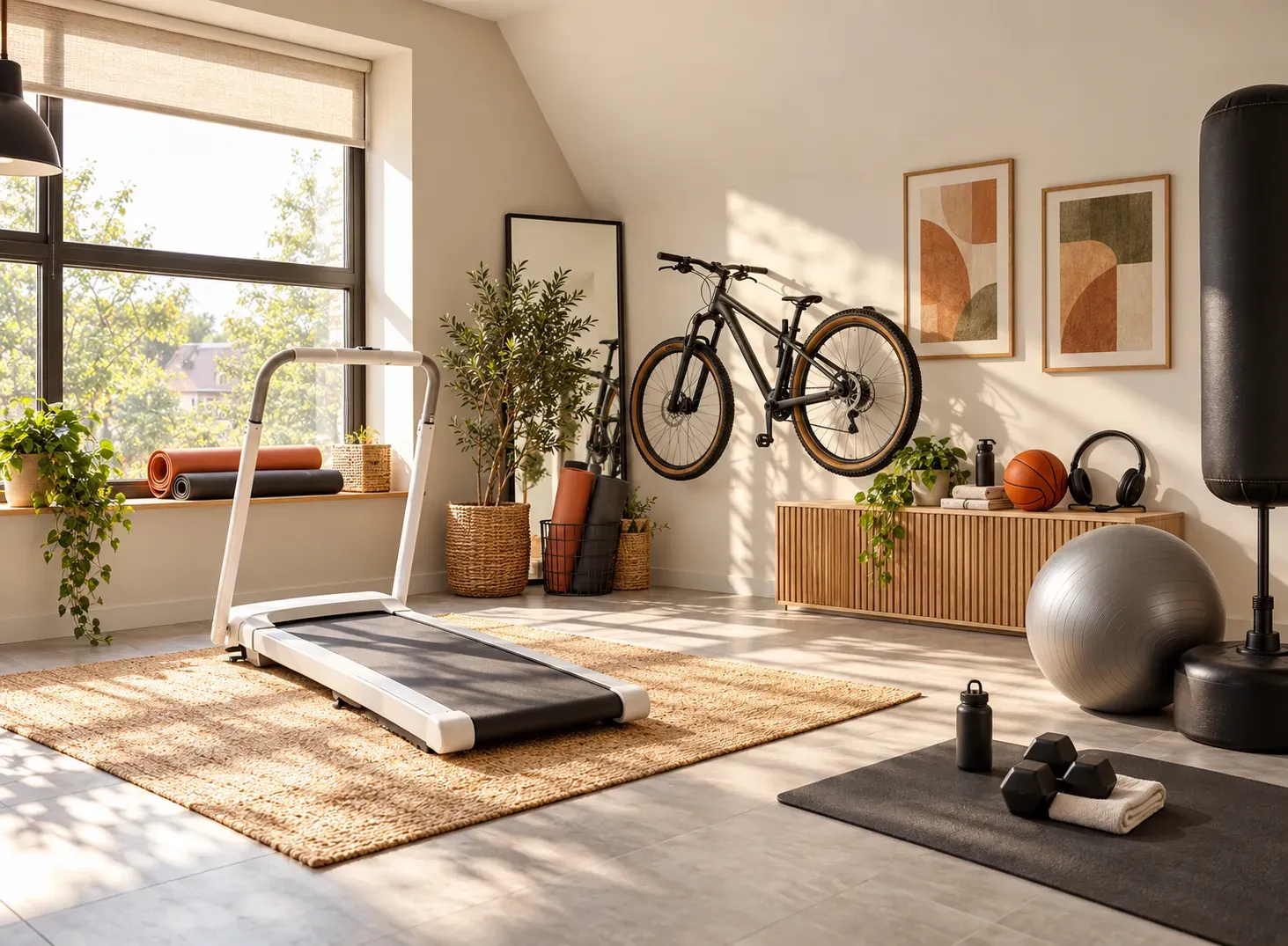
A mirror opposite the free-weight, dance or mobility area lets the user check alignment without turning away from the exercise. It can also distribute light through a narrow room. Among gym interior design ideas, covering every wall with mirrors has limited practical value. One well-placed, safety-backed panel is usually easier to maintain. Plan sockets and wall-mounted equipment before it is professionally fixed.
Keep dumbbells low, where they are easier to lift and return. Bands and skipping ropes can hang from a wall rack, while mats fit into a vertical slot. Towels and cleaning supplies can go inside a shallow cabinet. Leave sockets and equipment vents accessible. Concealed cables still need to be reached when something requires repair.
A guest room or study can support exercise when the changeover is quick. Good gym interior design might combine a foldable bench, a mobile desk and one closed equipment cupboard, leaving the centre clear. Check the folded position on the plan. Equipment parked beside a wardrobe should not block its shutters or drawers.
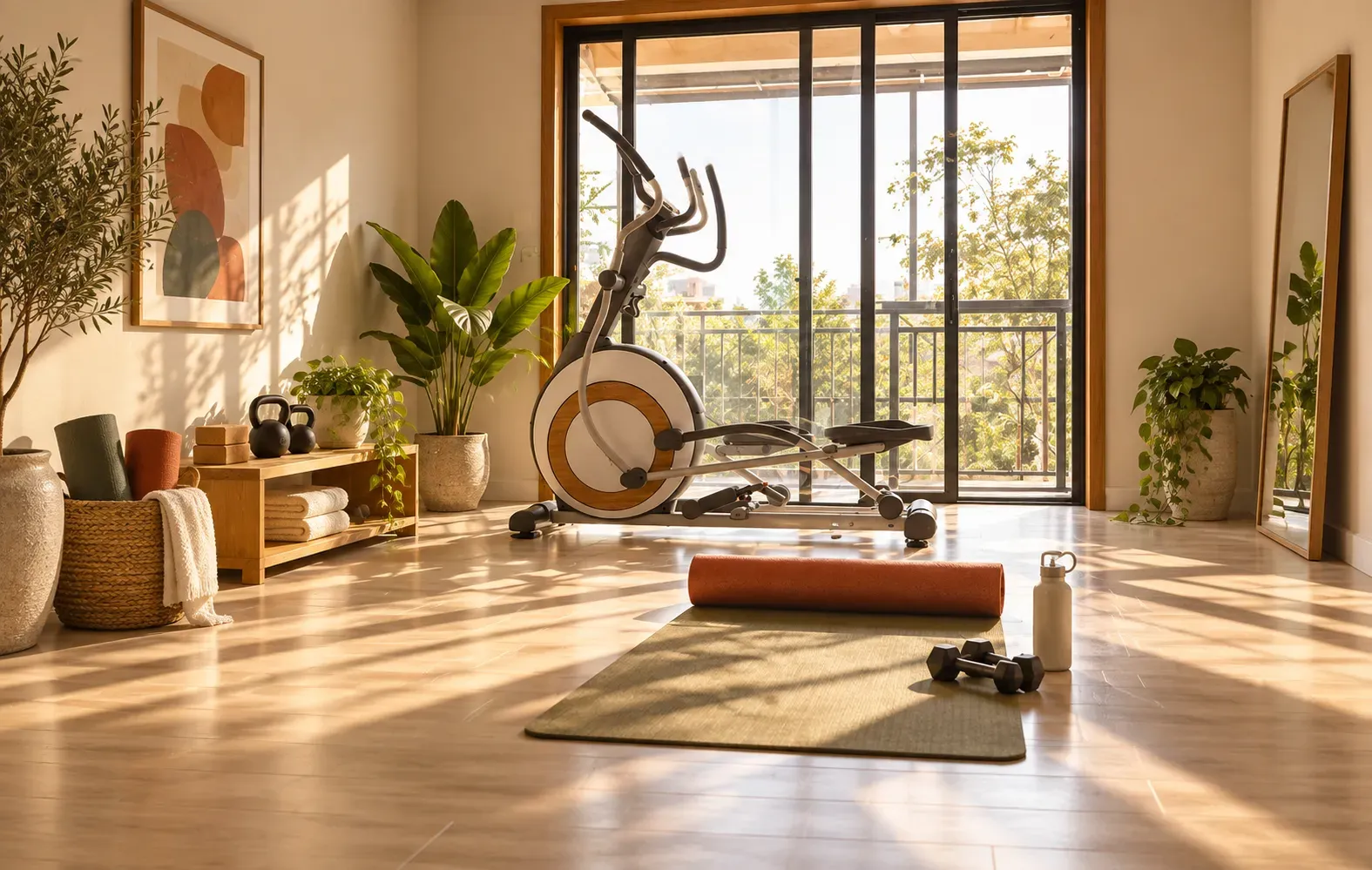
A shaded balcony may work for yoga, stretching or body-weight training. Rain, direct sun and dust make it less suitable for many machines, upholstered benches and unprotected metal equipment. Here, gym interior design must account for drainage, non-slip flooring and privacy. Check housing-society rules before changing an enclosure and seek structural advice before placing heavy equipment on a balcony.
An industrial scheme could use charcoal rubber and powder-coated metal. Pale cabinetry and blue-grey details suit a coastal direction, while clean joinery works in a modern room. Timber finishes can warm up rustic or nature-led spaces.
Useful gym decoration ideas avoid anything that collects dust or obstructs movement. Choose washable paint, rounded furniture edges and a limited set of finishes.
If workouts are streamed, check whether the screen is visible from standing and floor positions. Keep speakers easy to control and charging cables outside walking areas. Plan sockets before installing mirrors or fixed storage. A small ledge can hold a phone and water bottle, while a bench near the entrance helps with shoes.
Bonito Designs’ LifeDesign approach starts with the household’s routine. A Mumbai professional training before sunrise may need quiet flooring, low-level lighting and storage that closes without a bang. A Bangalore couple sharing a spare room might need weights in the morning, a clear floor for evening yoga and a desk that remains usable between sessions.
These choices affect the floor, electrical points, ventilation and built-in furniture, so they need to be resolved together. Bonito Designs combines experience with Mumbai and Bangalore homes with end-to-end planning, in-house execution and ISO-certified systems.
The finished room should make starting a workout feel straightforward. Book a consultation with Bonito Designs to plan a home gym around your schedule and preferred way of exercising.
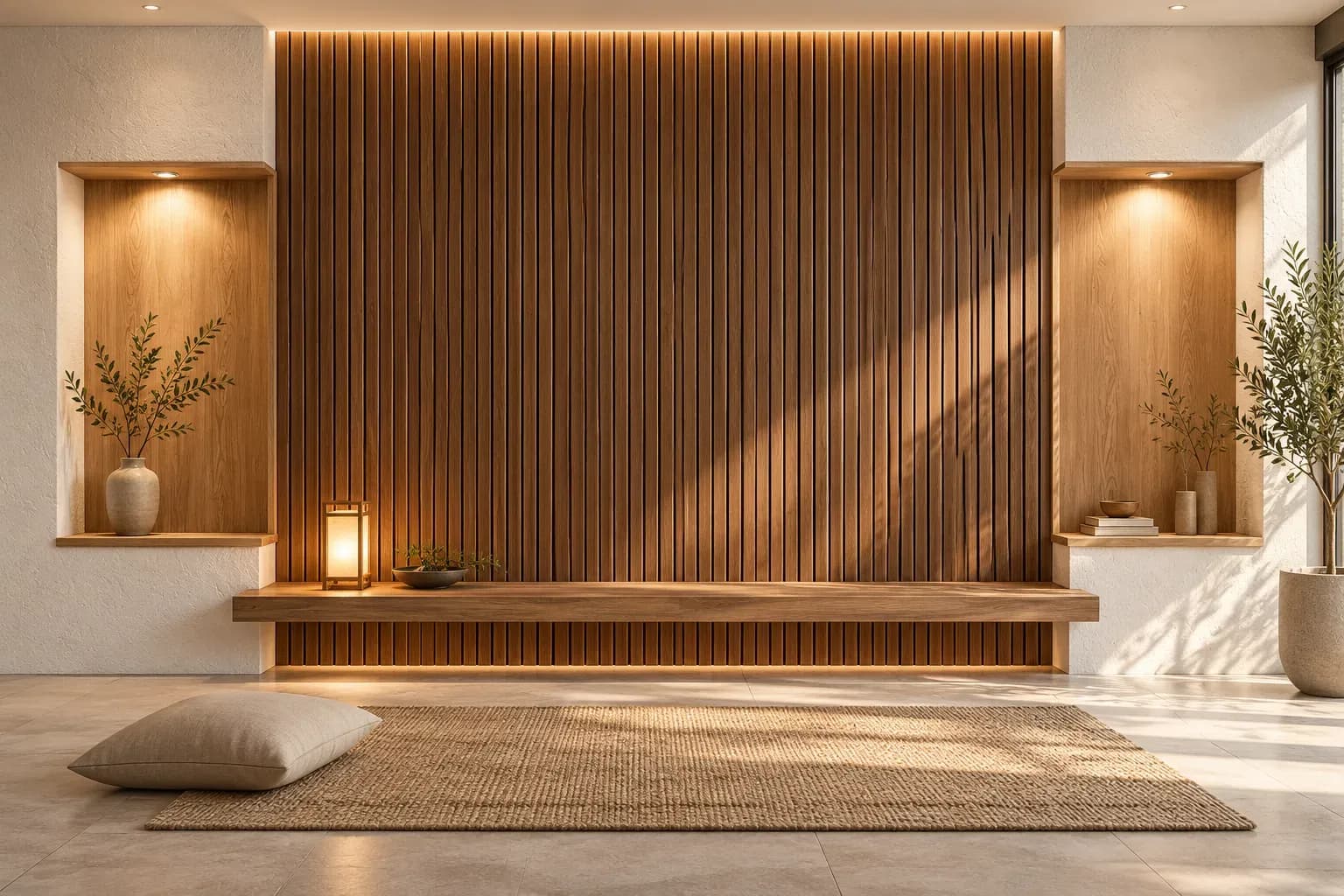
Wood and stone can both strengthen interior wall ideas by adding warmth, texture and depth, but their visual weight needs careful control. In a balanced wall design, one material can lead while the other supports it through smaller accents, matching undertones, and considered lighting.
22 Oct 2026|5 min readBoth whimsical interior design and maximalist interior design use colour, pattern and personal objects, but they create visual interest differently. While the first focuses on imaginative surprises, the second builds richness through deliberate layering and abundance. This article covers their differences across colour, furniture, artwork, lighting and storage, along with practical ways to adapt either style to compact Indian homes.
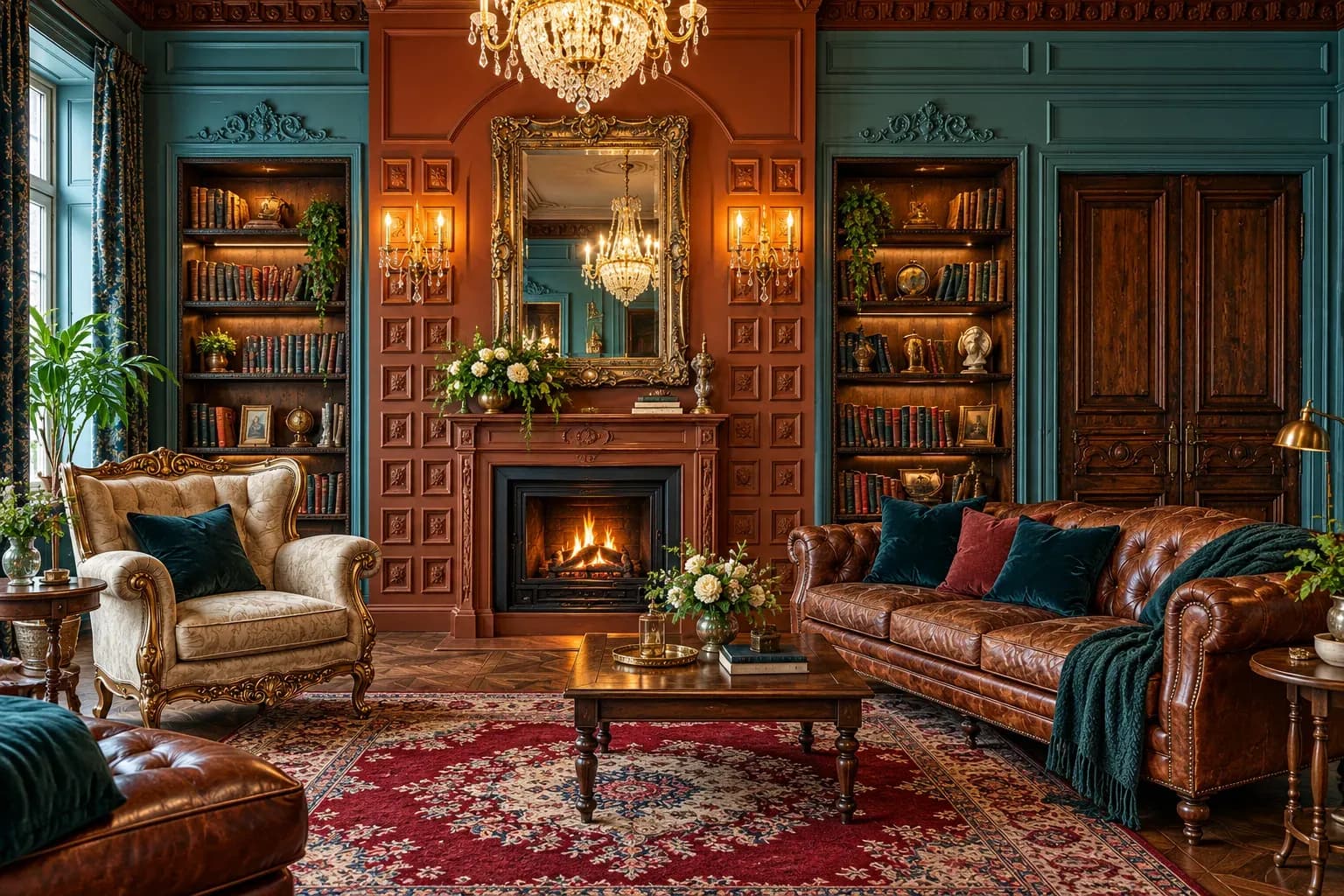
22 Oct 2026|5 min readVictorian house interior design can work well in compact Indian homes when you use decorative elements selectively. Lighter colours, restrained mouldings, slimmer furniture and controlled patterns help retain Victorian character without making rooms feel crowded. Modern storage, practical lighting and careful space planning can make the style more suitable for everyday living.
21 Oct 2026|5 min readVictorian house interior design can work well in compact Indian homes when you use decorative elements selectively. Lighter colours, restrained mouldings, slimmer furniture and controlled patterns help retain Victorian character without making rooms feel crowded. Modern storage, practical lighting and careful space planning can make the style more suitable for everyday living.
21 Oct 2026|5 min readThoughtful villa interior design creates continuity across large homes without making every room look identical. Repeating select materials and colours, planning circulation, balancing social and private zones, and using lighting strategically can help each space feel connected. Also consider corridors, landings, storage, and room-specific needs as part of the overall plan.
16 Oct 2026|5 min readTop interior design for homes in Mumbai and Bangalore needs to respond to different space, lifestyle, and layout requirements. Mumbai homes often benefit from compact furniture, smart storage and lighter palettes, while Bangalore homes may allow greater flexibility with traditional, contemporary and luxury elements. Across both cities, good design comes down to planning each room around daily routines, circulation, storage and comfort.
06 Oct 2026|5 min read


Your Home Makeover Starts Here.