Bangalore gets called out often for its weather, and mostly for good reason. Mild temperatures for much of the year, dependable seasonal rain, and daylight that's often strong but not brutal. It's a genuinely pleasant climate to design around, but that doesn't mean you can ignore it. Villa owners who treat climate as an afterthought often end up with beautiful interiors that fade, warp, or feel uncomfortable within a few years.
This is exactly where experienced villa interior designers in Bangalore earn their keep. Good luxury villa interior design isn't only about scale and finish quality; it's about understanding how the city's specific weather patterns should shape material choices, layout decisions, and ventilation planning from the very start.
None of these factors is dramatic on their own, but together they add up to real, practical constraints that should inform decisions long before the design phase gets to colour palettes or furniture selection.
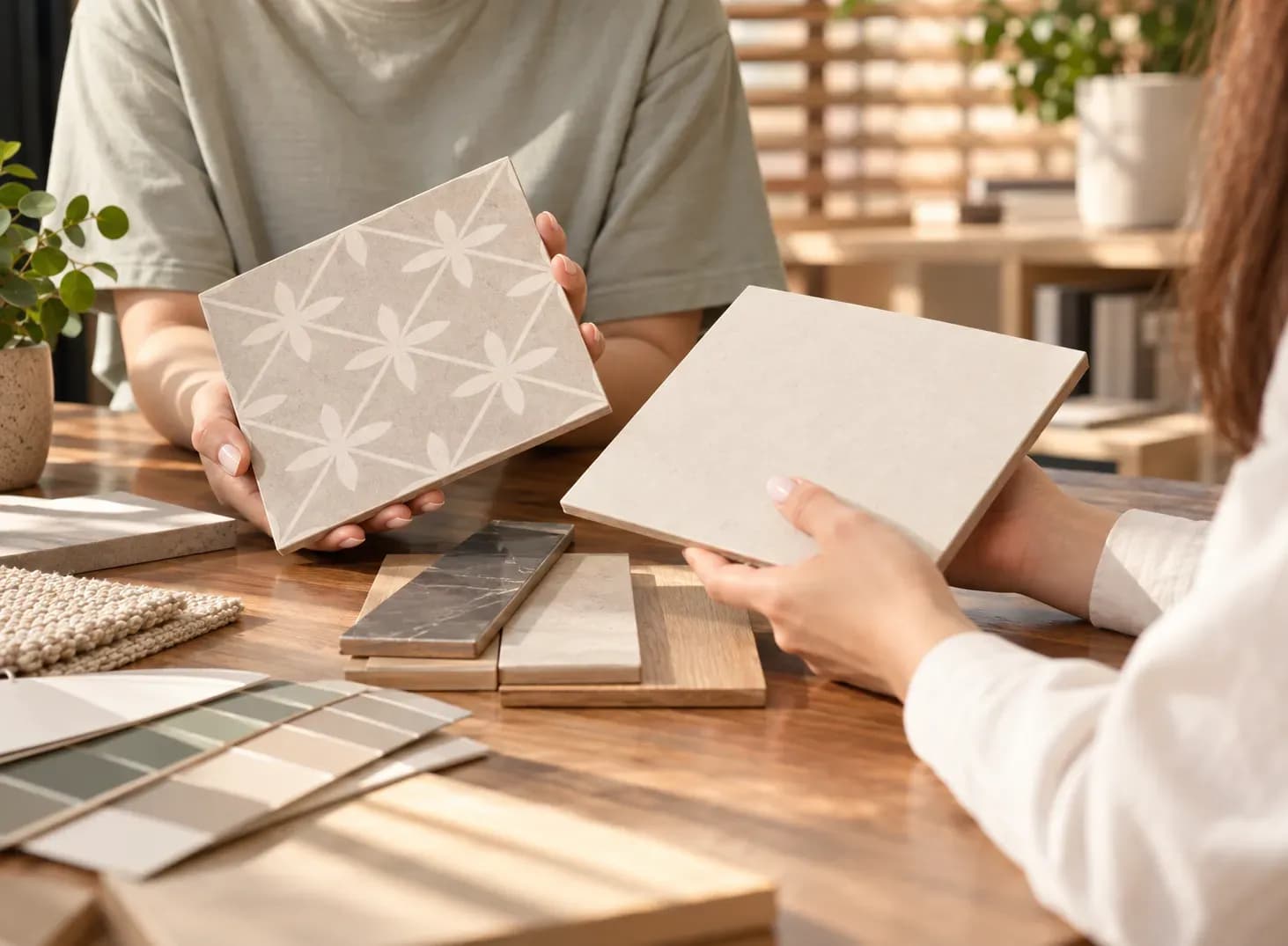
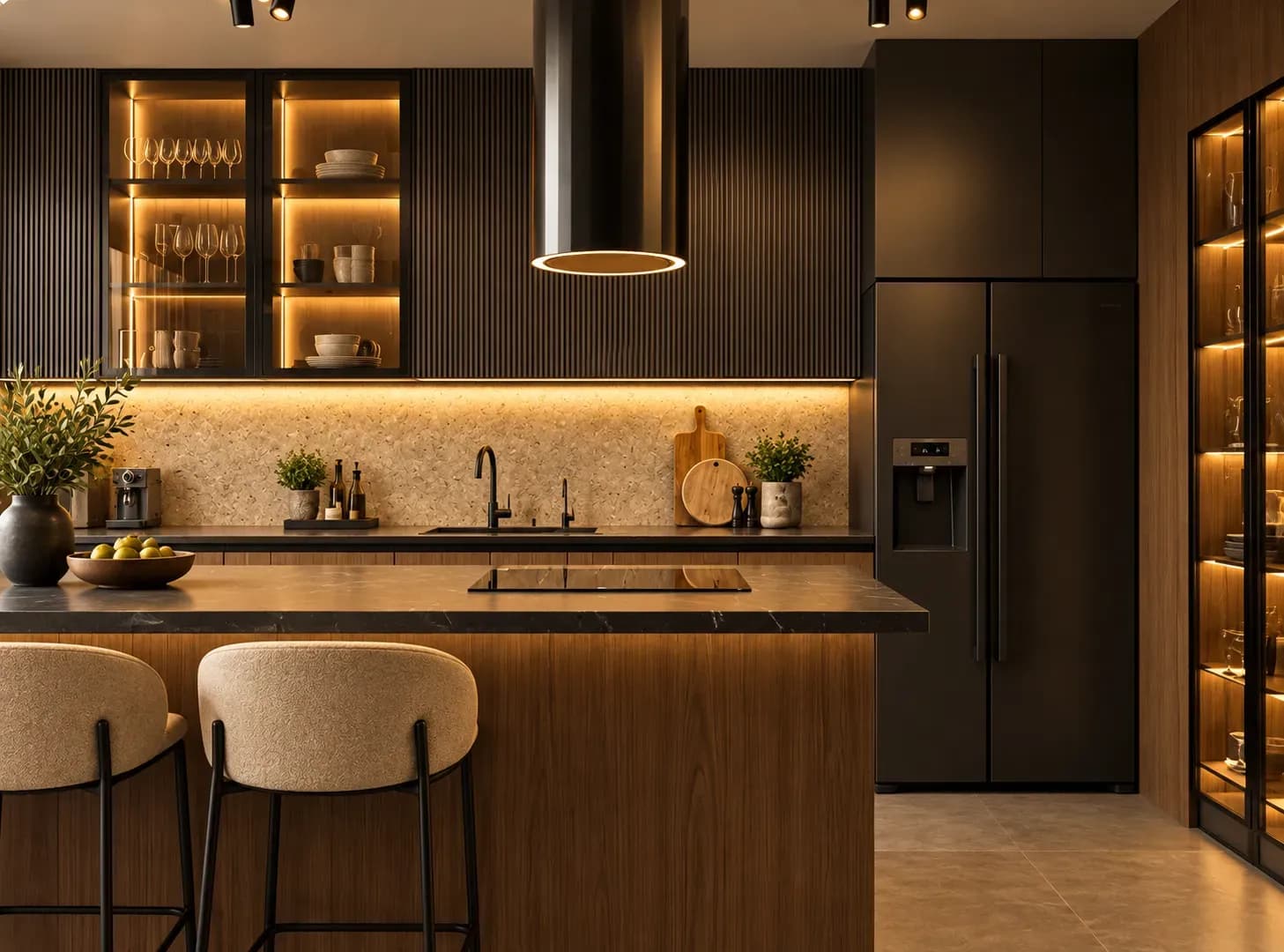
The right material choices in a Bangalore villa aren't necessarily different from what's used elsewhere in India, but the reasoning behind each choice should account for the city's specific humidity and rain patterns.
| Material | Climate Considerations |
|---|---|
| Flooring | Natural stone and vitrified tiles handle humidity swings well; solid wood flooring needs careful sealing and climate-controlled areas to avoid warping |
| Wood | Engineered wood and treated hardwoods resist humidity-related expansion and contraction better than untreated solid wood, especially in semi-open areas |
| Laminates | Moisture-resistant laminates are worth prioritising for kitchens, bathrooms, and any cabinetry near windows or balconies |
| Fabrics | Breathable, natural-fibre fabrics perform better through humid stretches than heavier synthetic upholstery, which can trap moisture |
| Paints | Weather-resistant, washable exterior-grade paints extend the life of walls exposed to monsoon splashback near windows and open areas |
Choosing materials this way isn't just about aesthetics holding up over time; it's also about reducing ongoing maintenance, which matters more in a larger villa with multiple exposed surfaces than in a compact apartment.
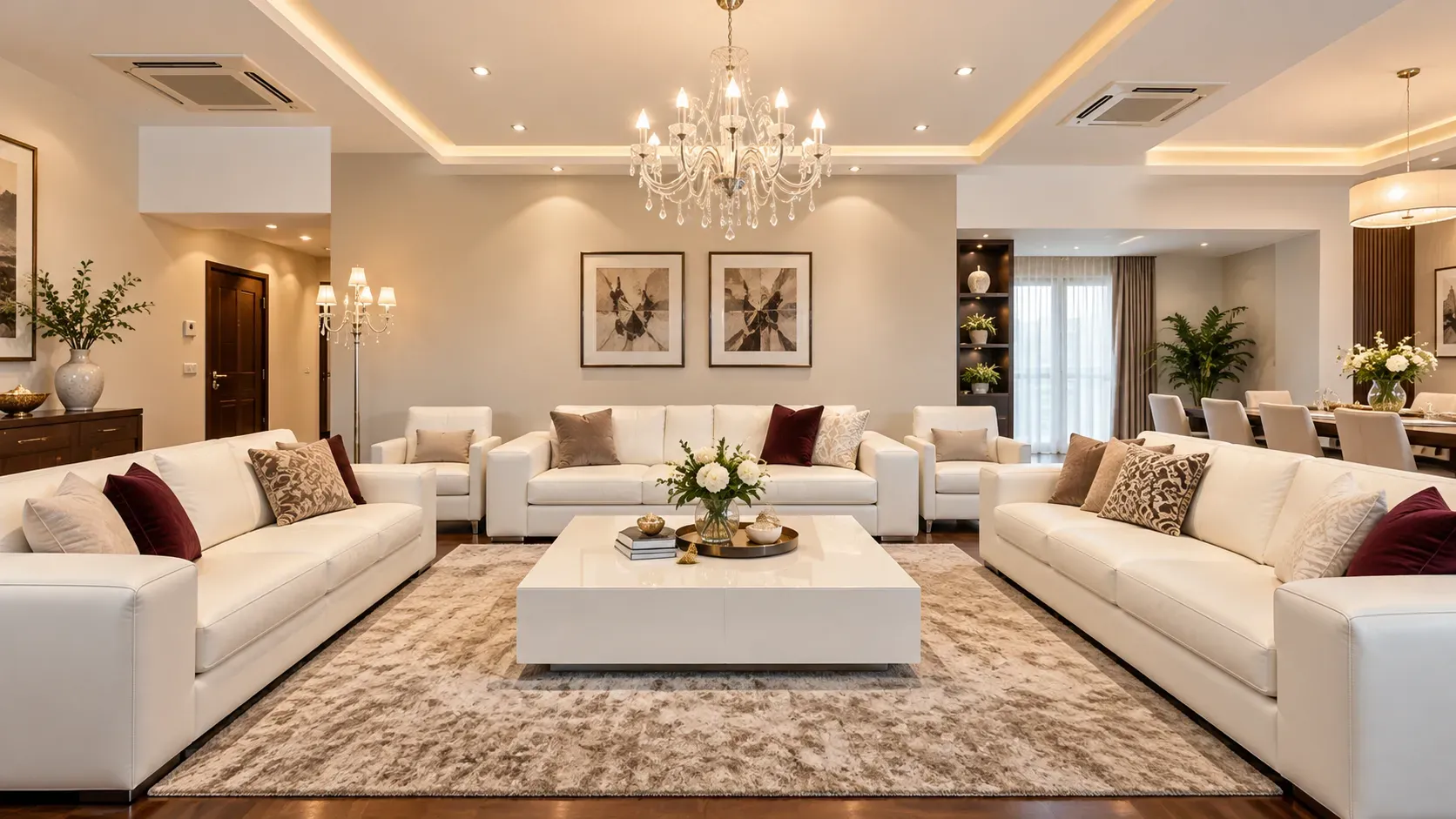
Material choice only goes so far if the underlying layout doesn't support natural light and airflow. This matters even more in larger, multi-level villas, where poor planning in one section can affect comfort across the entire home.
These aren't decisions you can easily correct after construction, which is why they need to be part of the interior design conversation from the earliest planning stages, not treated as separate from the "visual" side of the project.
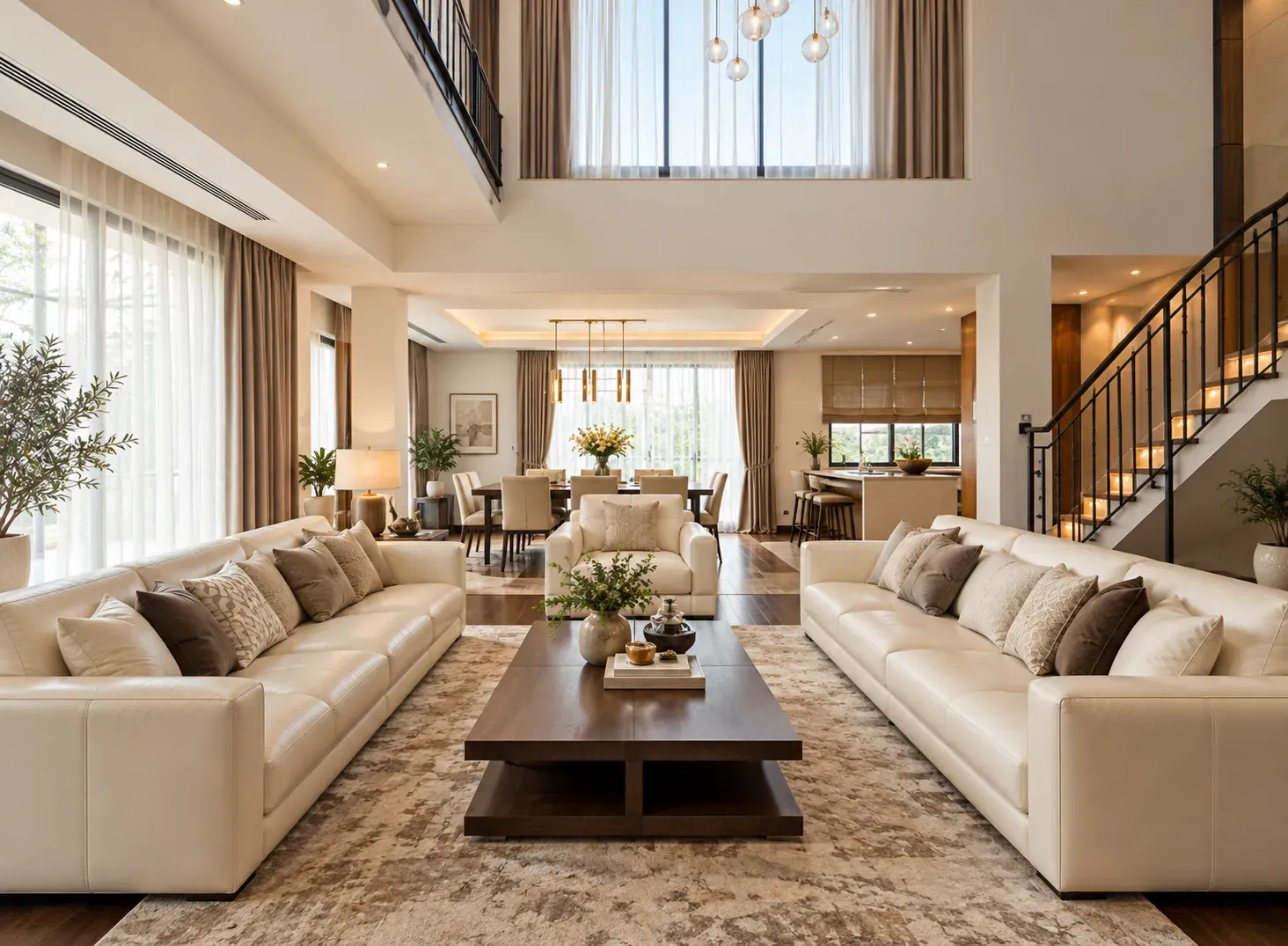
Villas offer something apartments rarely can: genuine indoor-outdoor connection through balconies, courtyards, and double-height spaces. In Bangalore's climate, these features are a real asset, but only when planned with a few practical realities in mind.
Villa interior designers in Bangalore use the courtyard to pull in natural light and airflow deep into the home's centre.
Different parts of a villa have different climate-related priorities, and treating them individually delivers a far more comfortable result than applying one blanket approach across the whole home.
| Space | Climate Priority |
|---|---|
| Kitchens | Moisture-resistant surfaces and strong ventilation to manage both cooking heat and general humidity |
| Bathrooms | Materials that tolerate constant moisture exposure without deteriorating, along with adequate exhaust ventilation |
| Bedrooms | A balance of natural light and shading to keep rooms comfortable without excessive heat gain, especially on upper floors |
| Living areas | Cross-ventilation and glare management, particularly in open-plan spaces with large windows or sliding doors |
| Semi-open spaces | Weather-resistant furniture and flooring that can handle occasional rain exposure without frequent damage |
Approaching each space this way, rather than choosing finishes purely on appearance, is really what separates interiors that age well from ones that need constant upkeep or early replacement.
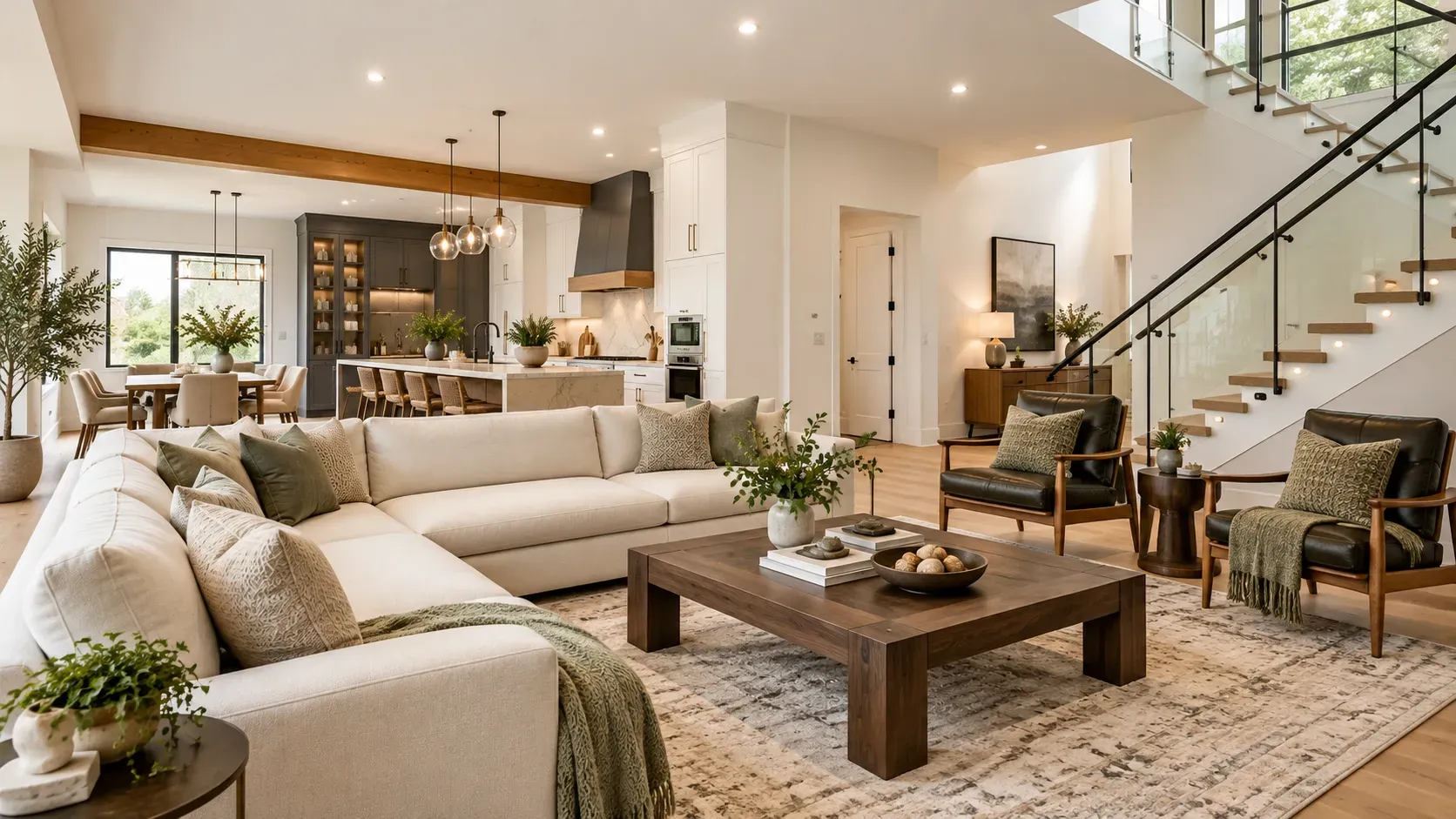
None of this is about compromising on style. Good luxury bungalow interior design in Bangalore has always found ways to combine premium materials and striking layouts with genuine climate responsiveness, treated wood that still looks warm and high-end, glazing that manages heat without sacrificing views, courtyards that feel dramatic while also functioning as ventilation corridors for the home.
The best villa interior design ideas come from designers who understand this balance from the outset, rather than defaulting to whatever looks best in a portfolio photograph regardless of how it will actually perform through Bangalore's seasonal shifts.
Good villa interior design in Bangalore should respond to the local climate rather than relying only on visual trends. The right combination of materials, ventilation, daylight planning, and layout can make a villa more comfortable, more durable, and considerably easier to maintain, turning what could be a source of ongoing upkeep into interiors that genuinely hold up to the city's weather over the years.
At Bonito Designs, the LifeDesign process starts by understanding how the family actually lives before making design decisions. For a Bangalore villa, this means looking at daily routines, privacy needs, natural light, ventilation, storage, entertaining spaces and how different generations use the home.
Book a consultation today if you need an experienced villa interior designer in Bangalore.
Home interior design cost depends on far more than the size of the property. Scope, materials, customisation, site conditions and execution requirements can significantly change the final quotation. Budget, mid-range and premium interiors mainly reflect different specification levels, while smart budgeting means spending more on high-use elements and simplifying finishes or décor where possible.
15 Oct 2026|5 min readA well-planned dining area design should balance style with everyday function, comfort and circulation. The right approach considers how the space is used, its proportions and how it connects visually with adjoining rooms. From minimalist and modern to farmhouse, coastal and eclectic styles, each look can be adapted through thoughtful furniture, lighting, materials and colour.
07 Oct 2026|5 min readA well-planned 2 BHK flat interior design should make every room functional without making the home feel crowded. Smart space planning, built-in storage, appropriately sized furniture, cohesive colours, and layered lighting can improve comfort in compact city homes. For homeowners in Mumbai and Bangalore, the best designs also account for local space constraints, daylight, work-from-home needs, and flexible family routines.
07 Oct 2026|5 min readTexture in interior design adds depth, warmth, and visual character without relying on excessive décor. By combining materials such as wood, stone, cane, fabrics, metal, and textured wall finishes, homeowners can create layered yet balanced spaces. Colour, lighting, room size, durability, and everyday use should guide how you introduce different textures. A considered approach helps every surface contribute to both the look and functionality of the home.
02 Oct 2026|5 min readFloor tile design patterns can completely change how a room looks and feels, even with the same tile. From straight-lay and herringbone layouts to geometric, wood-look and mixed-format patterns, the right choice should balance aesthetics with practical factors such as foot traffic, moisture, cleaning and slip resistance. Careful planning of tile size, grout, direction and placement also helps create a more cohesive finish across the home.
02 Oct 2026|5 min readParticle board, MDF and plywood each serve different purposes in modular furniture. Particle board is economical for lighter-use applications, MDF is ideal for smooth, painted, and decorative finishes, while plywood offers greater strength, screw-holding capacity, and durability. The best choice depends on moisture exposure, load, usage frequency and the type of furniture. A well-planned home may use a combination of all three materials rather than relying on one throughout.
01 Oct 2026|5 min read


Your Home Makeover Starts Here.