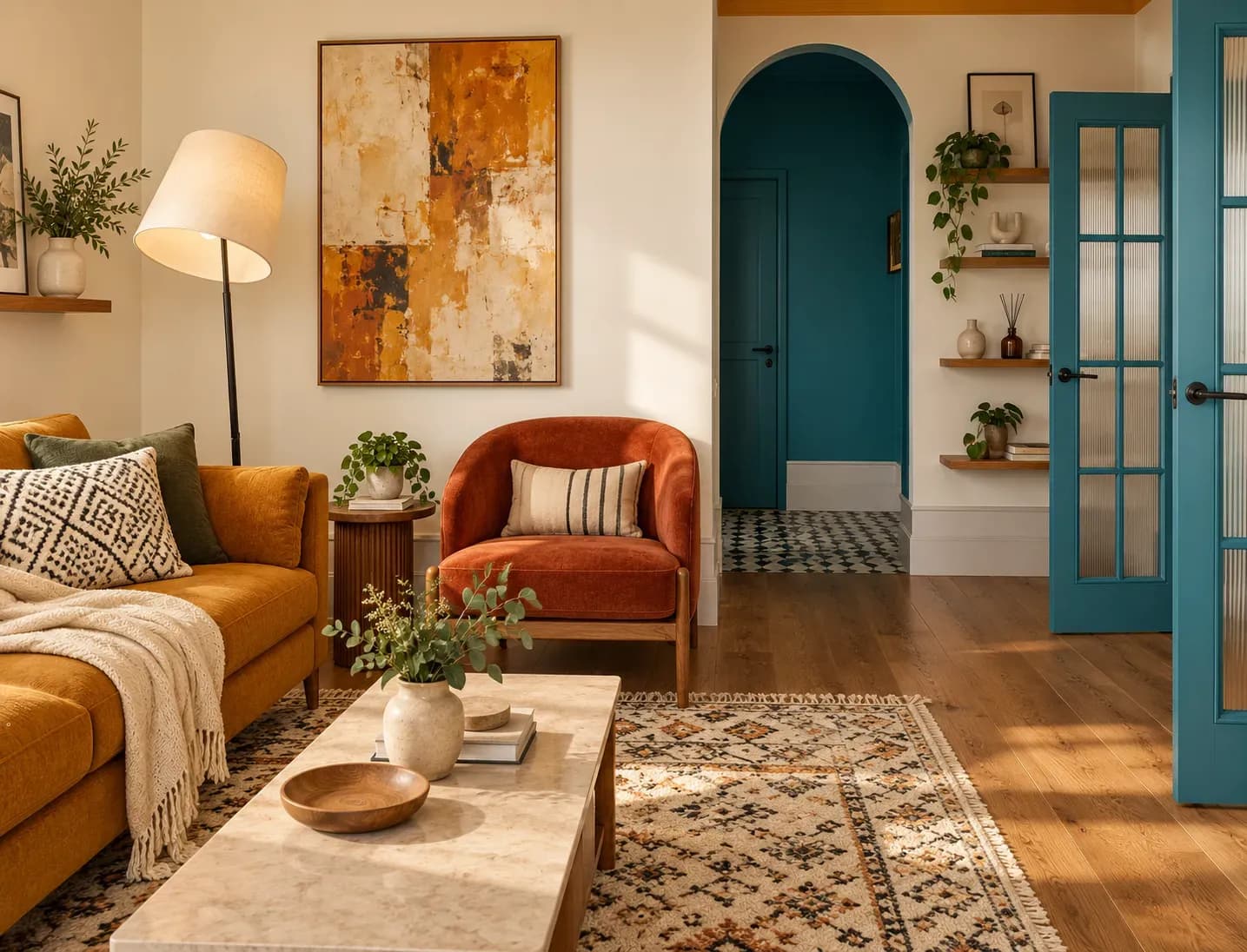
When planning modular furniture, the finish is usually the first thing you notice. The board underneath determines how well that furniture handles daily life. A kitchen cabinet deals with steam, spills and repeated opening. A wardrobe has to carry clothes, bags and luggage for years. A study unit may face everything from schoolbooks to a laptop and the occasional coffee mug.
So, choosing between particle board vs MDF vs plywood is not simply about picking the cheapest or strongest option. It is about matching the material to the job.
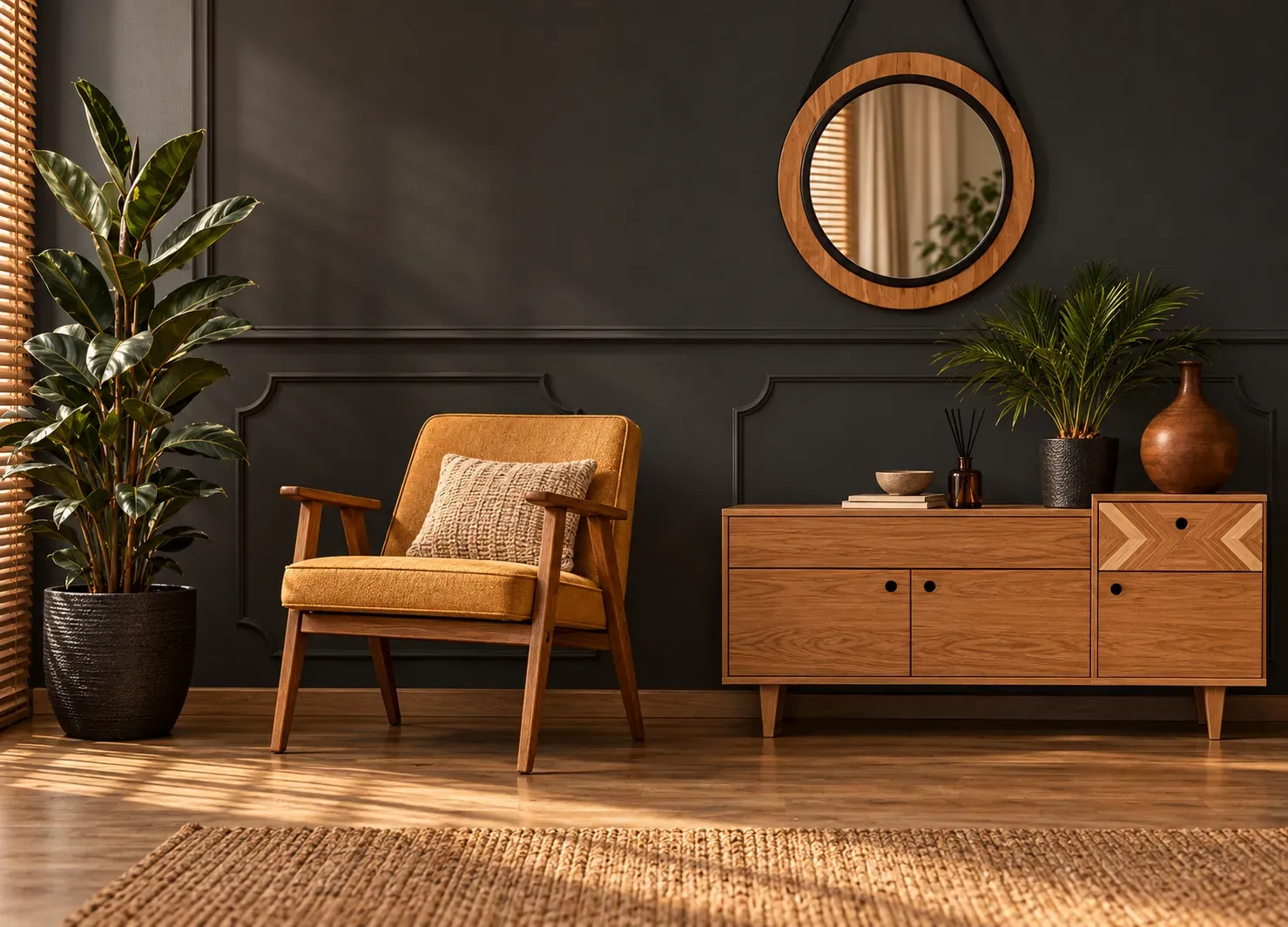
So, what is particle board? It is an engineered wood panel made by pressing wood chips, sawdust and other small wood particles with resin. It is generally lightweight and economical, making it suitable for furniture that does not need to handle heavy loads or significant moisture.
MDF full form is Medium Density Fibreboard. Unlike particle board, MDF is made from fine fibres of wood and resin. These elements are pressed into a board under intense pressure and heat. Its dense, smooth surface makes it particularly useful for painted furniture, decorative panels, routed shutters and designs with clean edges.
Plywood is constructed differently. Thin layers of wood veneer are bonded together, with the grain direction alternating between layers. This layered structure gives plywood its strength, stability and better screw-holding ability.
If you are wondering what MDF material is in practical terms, think of it as a smooth, dense board that works especially well when the visible finish matters.
The easiest way to understand particle board vs MDF vs plywood is to look at what happens after the furniture leaves the workshop.
| Factor | Particle Board | MDF | Plywood |
|---|---|---|---|
| Strength | Low to moderate | Moderate | High |
| Weight | Lightweight | Relatively heavy | Heavy |
| Surface finish | Good with laminate | Excellent for paint and decorative finishes | Good with laminate or veneer |
| Screw holding | Limited | Better than particle board | Excellent |
| Moisture resistance | Low | Depends on grade | Higher in moisture-resistant grades |
| Durability | Best for lighter use | Good for suitable applications | Best for heavy, long-term use |
| Cost | Usually lower | Mid-range | Usually higher |
Particle board can work well for selected shelves, internal storage and furniture in relatively dry areas. It is particularly useful when keeping costs down matters. For example, a guest-room storage unit that is opened occasionally has very different requirements from the kitchen you use three times a day. In a compact Bangalore apartment, particle board can be a decent choice. Interior designers in Bangalore often use particle board for lighter storage where the material is protected from direct moisture.
The catch? It is not the material to choose casually for areas exposed to water, heavy loads or constant wear.
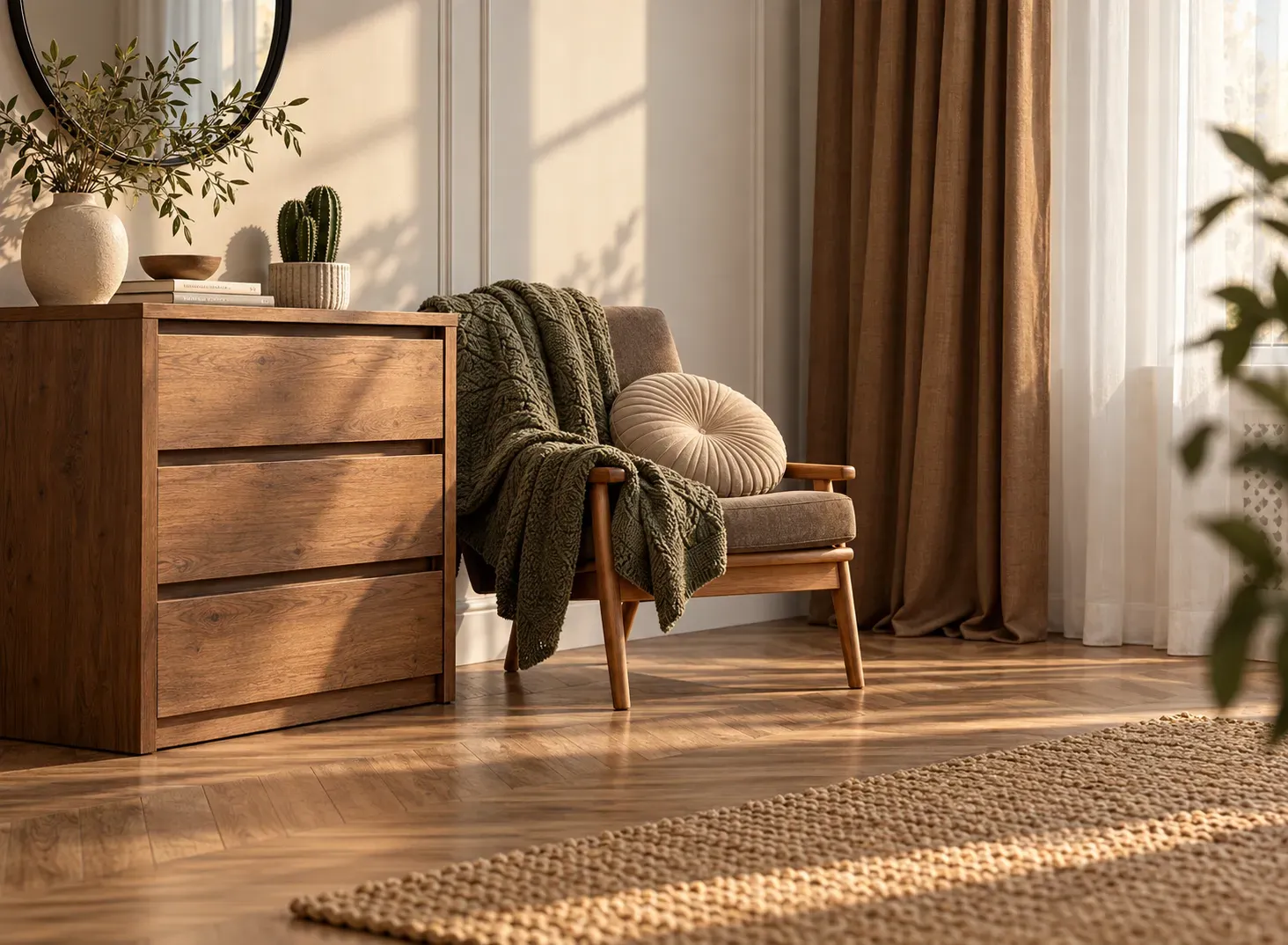
The full form of MDF, Medium Density Fibreboard, describes a dense, uniform material, which is why it works beautifully for smooth finishes. MDF is a strong contender for painted wardrobe shutters, wall panelling, TV units, study furniture and decorative elements. If you want a muted beige, warm white or earthy olive finish without visible wood grain, MDF can provide the clean surface needed for that look.
It also works well for CNC-cut patterns and routed designs because of its consistent composition.
Plywood is generally the safer choice when furniture needs to carry more weight or deal with demanding conditions. Furniture like kitchen cabinets, large wardrobes, heavy storage, beds and frequently used study units. For example, Mumbai homes constantly deal with moisture exposure. This is why interior designers in Mumbai use moisture-resistant plywood for areas like the bathroom, kitchen, or balcony, where humidity and occasional water exposure are a concern.
The particle board vs plywood decision becomes easier when you stop comparing them in isolation. For a Mumbai apartment with a compact kitchen, frequent cooking and limited ventilation, moisture exposure should carry more weight than a small upfront saving. For a dry bedroom wardrobe that does not face heavy loads, the calculation can be different.
The same applies in Bangalore. A home with good cross-ventilation and sensible maintenance may have different requirements from a tightly enclosed apartment where wardrobes and storage sit against walls with little airflow.
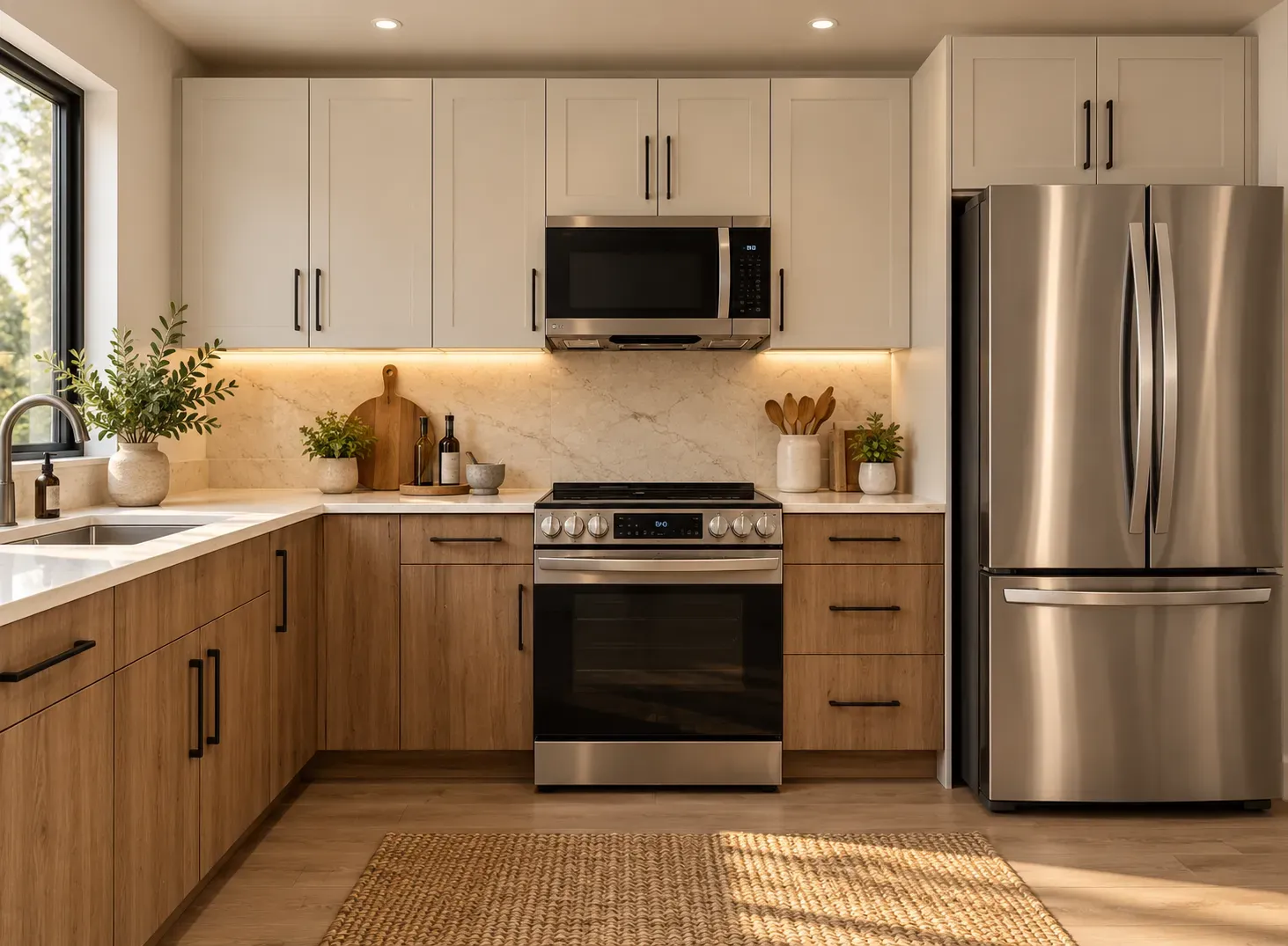
So, the real answer to particle board vs MDF vs plywood is not one material for the entire home. Different furniture pieces can benefit from different boards.
At Bonito Designs, material selection starts with how a home actually works. Its LifeDesign philosophy considers the homeowner's routines, space, usage patterns, and practical needs rather than applying a one-material-fits-all formula. That matters in cities such as Mumbai and Bangalore, where apartment layouts, storage limitations and local climate conditions can vary dramatically.
At Bonito Designs, material selection starts with how a home actually works. Its LifeDesign philosophy considers the homeowner's routines, space, usage patterns and practical needs rather than applying a one-material-fits-all approach. This helps determine where different materials make sense based on factors such as usage, storage requirements and exposure to moisture.
The goal is simple: use the right material where it makes sense, instead of paying more for strength you do not need or compromising durability where you absolutely do. If you want this level of care in material selection and interior design, then book a consultation with Bonito Designs.
Wood and stone can both strengthen interior wall ideas by adding warmth, texture and depth, but their visual weight needs careful control. In a balanced wall design, one material can lead while the other supports it through smaller accents, matching undertones, and considered lighting.
22 Oct 2026|5 min readBoth whimsical interior design and maximalist interior design use colour, pattern and personal objects, but they create visual interest differently. While the first focuses on imaginative surprises, the second builds richness through deliberate layering and abundance. This article covers their differences across colour, furniture, artwork, lighting and storage, along with practical ways to adapt either style to compact Indian homes.
22 Oct 2026|5 min readVictorian house interior design can work well in compact Indian homes when you use decorative elements selectively. Lighter colours, restrained mouldings, slimmer furniture and controlled patterns help retain Victorian character without making rooms feel crowded. Modern storage, practical lighting and careful space planning can make the style more suitable for everyday living.
21 Oct 2026|5 min readWood and stone can both strengthen interior wall ideas by adding warmth, texture and depth, but their visual weight needs careful control. In a balanced wall design, one material can lead while the other supports it through smaller accents, matching undertones, and considered lighting.
22 Oct 2026|5 min readBangalore’s climate directly affects villa interior design, from material selection and ventilation to daylight control and indoor-outdoor planning. Climate-responsive design can help reduce maintenance while improving comfort and durability. Bonito Designs’ LifeDesign process considers both the family’s lifestyle and local conditions to create villa interiors that are practical, personalised and built to perform over time.
15 Oct 2026|5 min readTexture in interior design adds depth, warmth, and visual character without relying on excessive décor. By combining materials such as wood, stone, cane, fabrics, metal, and textured wall finishes, homeowners can create layered yet balanced spaces. Colour, lighting, room size, durability, and everyday use should guide how you introduce different textures. A considered approach helps every surface contribute to both the look and functionality of the home.
02 Oct 2026|5 min read


Your Home Makeover Starts Here.