3 minute read.
Kitchens are more than just cooking zones; they’re where stories are shared, late-night snacks are sneaked, and some of the best conversations happen over a cup of chai. But unlike trends that come and go, your kitchen should be built to last. Not just physically, but in the way it adapts to changing needs, styles, and routines over time.
Here’s how you can design a kitchen that not only looks beautiful today, but also holds up gracefully both functionally and aesthetically in the years to come.
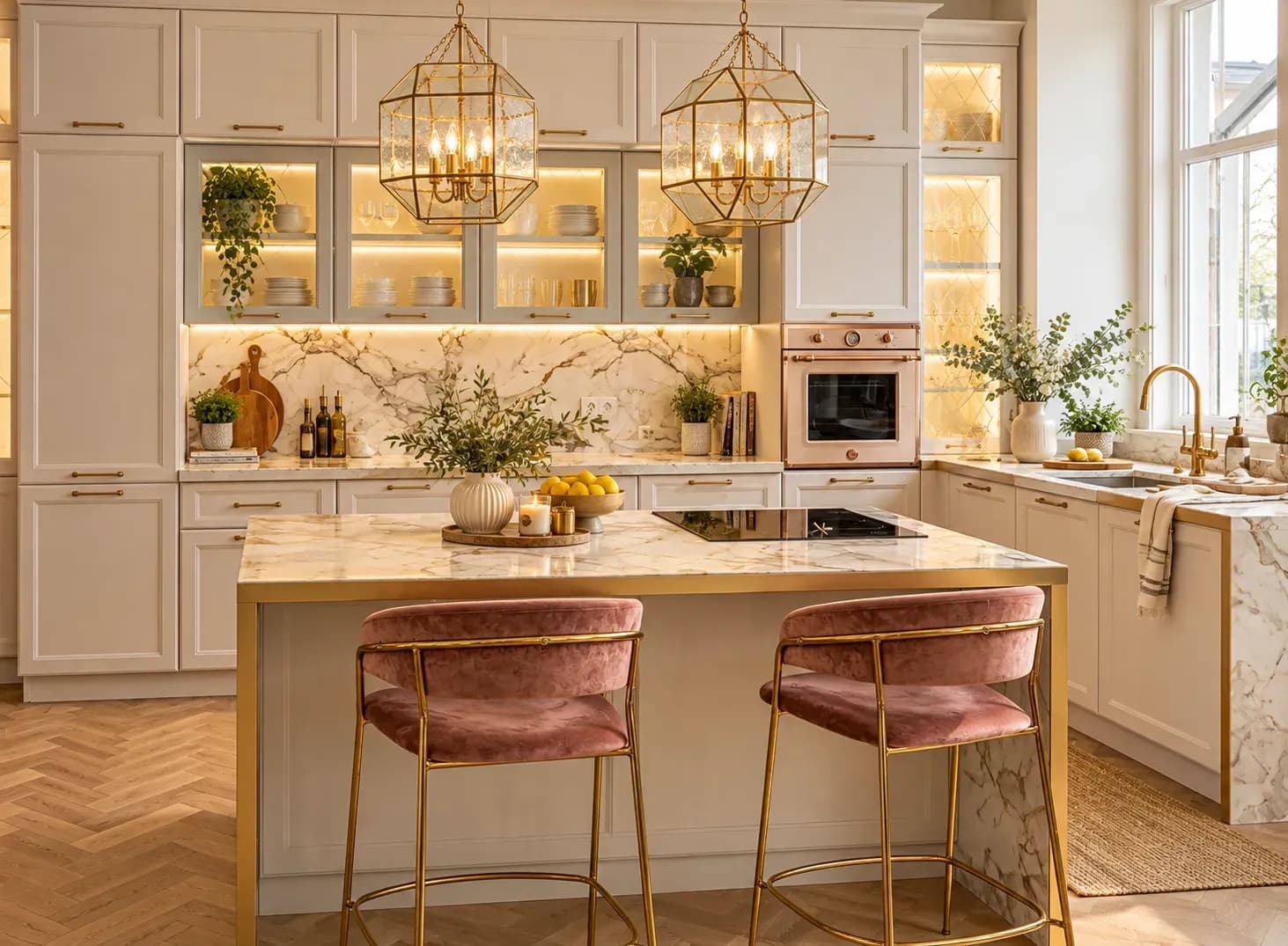
Your layout is the backbone of your kitchen. While modular kitchens offer great flexibility, the focus should be on flow. Think about how you cook, how you move between the sink, stove, and fridge (often called the kitchen triangle), and whether you need an island or more counter space.
Instead of squeezing in too many cabinets or flashy features, keep things open and functional. A layout that gives you room to move and evolve as your lifestyle changes is what truly stands the test of time.
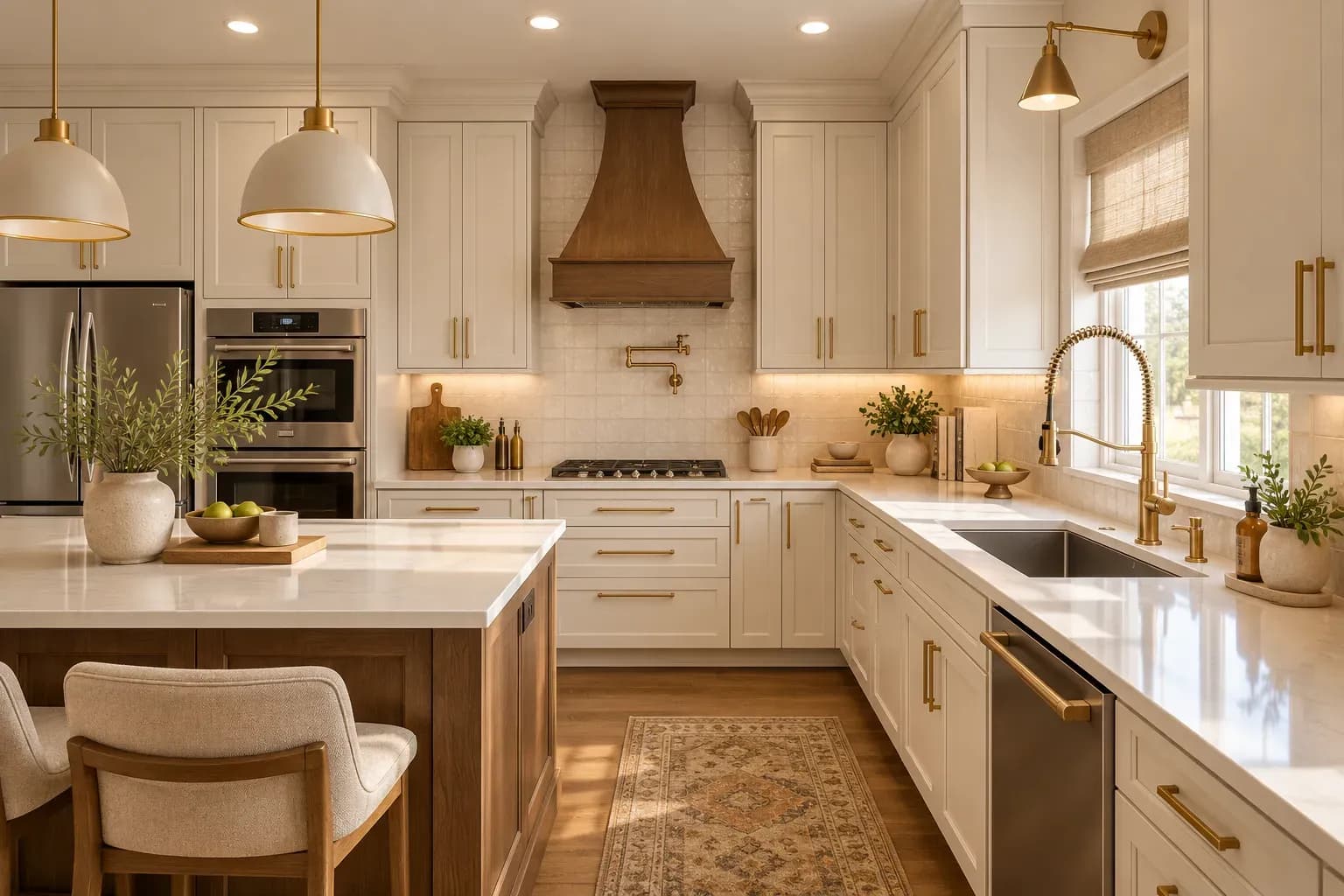
It’s tempting to go bold with colours or patterns, especially when something’s trending—but ask yourself: will you still love that mustard yellow two years from now? Timeless kitchens usually rely on a neutral base; think whites, greys, earthy tones because they offer a clean slate.
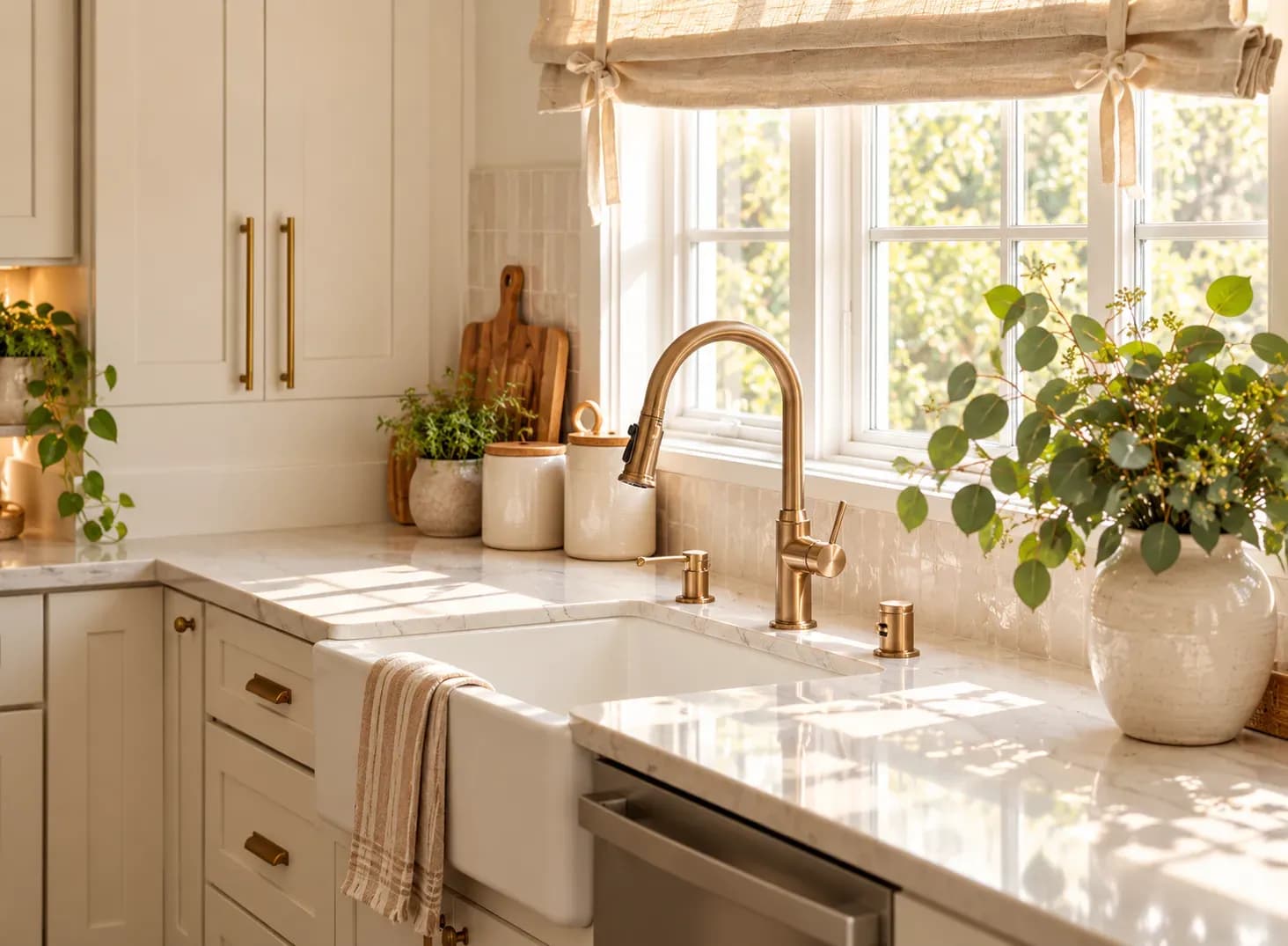
You can always bring in personality through changeable elements like backsplashes, bar stools, or decor. That way, even if your taste changes, your core design won’t need a full overhaul.
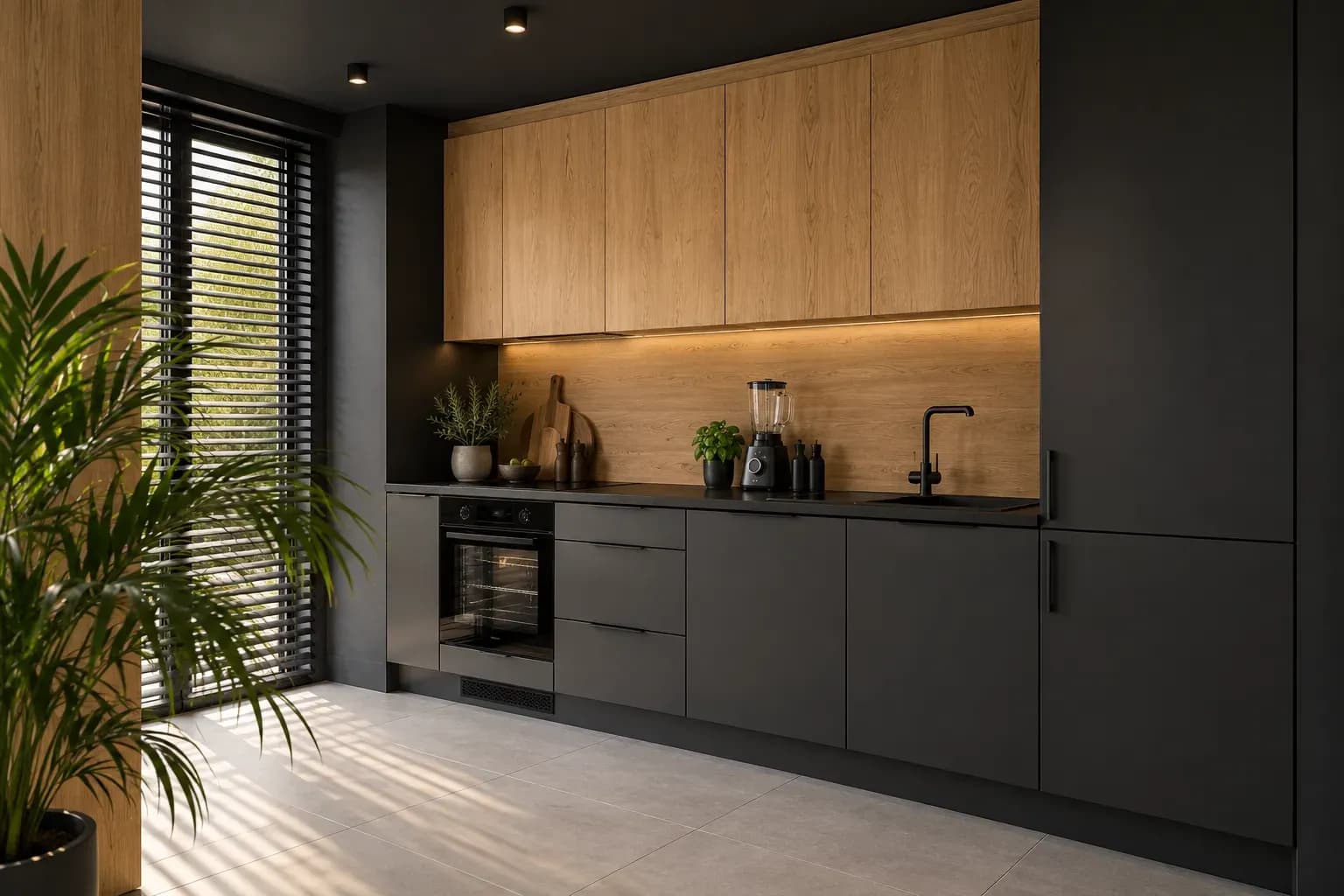
Some parts of the kitchen do more heavy lifting than others. Countertops, cabinetry, and hardware get used every single day. Skimping here might cost you more in the long run. Choose materials that are not just sturdy, but also easy to maintain. Quartz countertops, soft-close drawers, and moisture-resistant laminates are popular for a reason they hold up beautifully with time.
And remember, durability doesn’t have to mean dull. Many high-quality materials now come in beautiful finishes that blend style with strength.
We all have that one drawer that’s a black hole of unused kitchen gadgets. When designing your storage, think beyond just today's needs. Go for deep drawers instead of just lower cabinets. Pull-outs and open shelves can be both stylish and practical especially when designed around your actual usage.
A well-planned pantry or utility section might feel like extra effort now, but you’ll thank yourself later when your lifestyle grows or your family expands.
Smart kitchens are great, but they can get dated quickly if you lock yourself into one system. Choose appliances and setups that are tech-forward but not tech-dependent. Under-cabinet lighting, built-in charging points, or motion-sensor faucets are all subtle upgrades that don’t feel intrusive.
The idea is to future-proof, not future-complicate.
At the end of the day, a kitchen that ages well isn’t just about materials and layouts it’s about you. Your rhythms, your habits, your memories. Leave room for personality and warmth, whether that’s a family photo wall, a cozy breakfast corner, or a little indoor herb garden by the window.
A well-designed kitchen doesn’t need a facelift every few years. With the right choices and a little foresight, it becomes a space that evolves with your story—stylish, sturdy, and always ready to welcome you home.
Both modern classic interior design and transitional design combine classical references with contemporary furniture, storage and lighting. However, modern classic rooms retain more symmetry and formality than transitional spaces. This article covers how transitional interior design differs across furniture, mouldings, colours, materials, lighting and maintenance, along with practical guidance for choosing between the two styles.
24 Oct 2026|5 min readKitchen interior design cost depends heavily on cabinet materials, core boards, hardware, storage accessories, and the level of customisation. Materials such as laminate, acrylic, veneer, membrane, and PU vary considerably in price, durability, appearance, and maintenance. A well-planned kitchen budget should therefore balance upfront cost with long-term performance and everyday use.
24 Oct 2026|5 min readAccessories, textures and finishes are all essential to modern bathroom decor, especially when smaller details need to feel connected. However, useful modern bathroom decor ideas also account for moisture, cleaning and storage so the room remains practical every day.
23 Oct 2026|5 min readA practical 2 BHK flat kitchen interior design starts with accurate measurements, service points, appliance sizes and the household’s cooking routine. The right layout, such as straight, L-shaped, parallel or U-shaped, should support comfortable movement, sufficient prep space, accessible storage and proper ventilation.
17 Oct 2026|5 min readThe right type of kitchen layout can make everyday cooking, storage, and movement much more efficient. From straight and L-shaped kitchens to island, parallel, U-shaped, open, and galley layouts, each option suits different spaces and routines. The best choice depends on room size, number of users, storage needs, appliance placement, and circulation.
06 Oct 2026|5 min readKitchen wallpaper works best as a carefully placed accent rather than a finish for high-splash or high-heat areas. The right design should complement cabinetry, countertops and flooring while also suiting the kitchen’s ventilation, cleaning needs and available space. From compact prints and geometric patterns to textured finishes and nature-led motifs, thoughtful placement can add character without compromising practicality.
03 Oct 2026|5 min read


Your Home Makeover Starts Here.