Bed direction as per Vastu plays an important role in sleep quality, energy, and overall well-being. Vastu recommends sleeping with the head toward the south for stability and deep rest, or toward the east for focus and mental clarity. Sleeping with the head toward the north should be avoided, while the west can be used only as a fallback. Integrating Vastu with practical bedroom planning can create a space that supports both comfort and everyday living.
Most homeowners spend more time choosing a mattress than thinking about where the bed is positioned or which direction it faces. In Vastu Shastra, that positioning is not incidental. It is one of the most consequential decisions in the entire home.
Your bed direction as per Vastu is based on the relationship between the human body, magnetic energy fields, and directional forces. Some of this aligns with modern science. Some of it is rooted in traditional belief. Either way, the practical outcomes, better sleep, reduced fatigue, and improved mental clarity, are worth taking seriously.
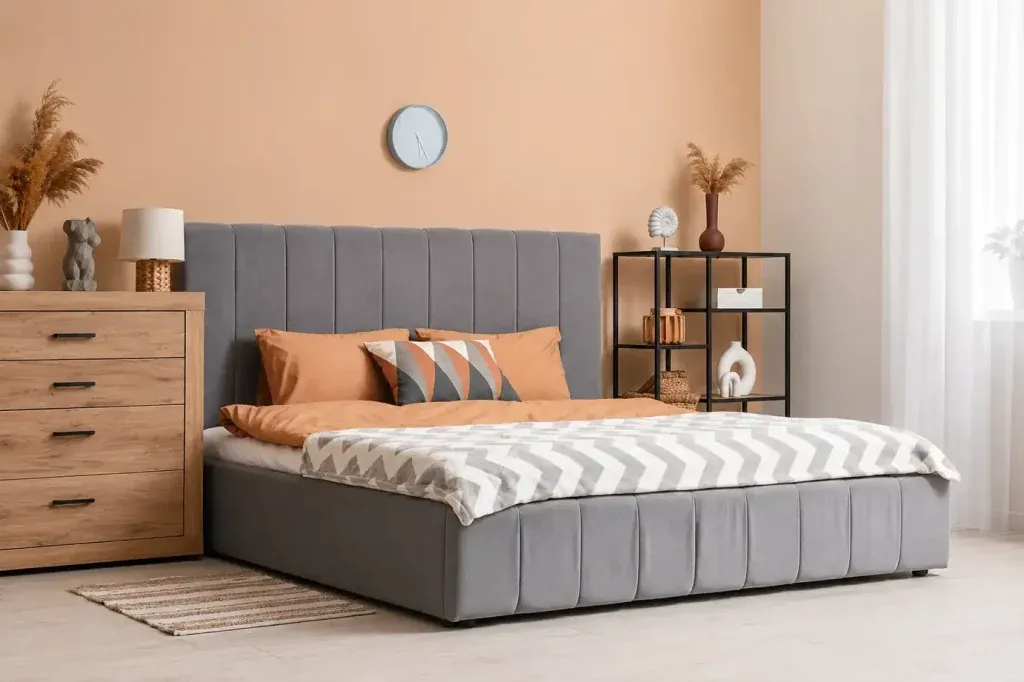
The Earth functions as a giant magnet with its north and south poles generating a continuous magnetic field. Vastu Shastra for homes always take this fact into consideration, as its effects on the human body can be subtle but significant.
Sleeping with the head pointing in certain directions aligns the body's energy with the earth's magnetic pull. Others create resistance. Over time, that resistance shows up as disrupted sleep, fatigue, and in some cases, chronic health complaints that seem unrelated to anything obvious.
This is not abstract. Families who shift their bed direction even slightly often report noticeably better sleep within a few weeks, without changing anything else.
Bed direction, as per Vastu, identifies two directions as clearly beneficial.
Sleeping with the head pointing south is considered the gold standard. The south pole of the Earth's magnetic field and the magnetic north of the human body align in this position, which supports deep, uninterrupted sleep. It is also associated with stability, longevity, and overall physical health.
Sleeping with the head toward the east is considered highly favourable for students, professionals, and anyone whose daily life demands sustained mental output. The east is associated with the rising sun, new beginnings, and intellectual clarity. If you’re wondering which direction is best for sleeping, especially if you are under a lot of pressure due to exams or work, the east is the ideal direction, according to Vastu.
It is worth noting that bed direction as per Vastu recommends east, particularly for children who need restful sleep, while south is generally preferred for older adults and the head of the family.
Which direction we should not sleep in is just as important a question as which direction we should.
This is the clearest guidance in bed direction as per Vastu. Sleeping with the head pointing north means the body's magnetic field opposes the earth's, creating a kind of energetic friction.
Vastu associates this with disturbed sleep, increased stress, and long-term health concerns.
Sleeping with the head toward the west is not considered harmful, but it is not recommended as a primary choice either, as it is associated with restlessness and ambition, and sometimes even overactive dreaming, which disrupts the quality of rest.
But in which direction should we sleep if none of the ideal options are available due to the room layout? West is the acceptable fallback. North should be avoided regardless of constraints.
Bed direction, as per Vastu, is one of several factors Bonito Designs considers in bedroom design, alongside natural light, ventilation, storage requirements, and how the household uses the space daily.
Our Life Design philosophy means Vastu is never applied as a rigid checklist that overrides practical needs. Instead, it is integrated thoughtfully, finding a layout that honours directional principles while working with the apartment's real constraints.
Bed direction as per Vastu is ultimately about giving sleep the same level of intention that goes into every other design decision in the home. The direction your head points while you rest is not a minor detail. It shapes the quality of your sleep, and by extension, the quality of your days.
The best direction to sleep is south for most adults and east for those who need mental clarity and focus. Start there, work with your room's layout, and make the adjustments that are within reach.
If you want your bedroom planned around both Vastu principles and how you actually live, book a consultation with Bonito Designs today.
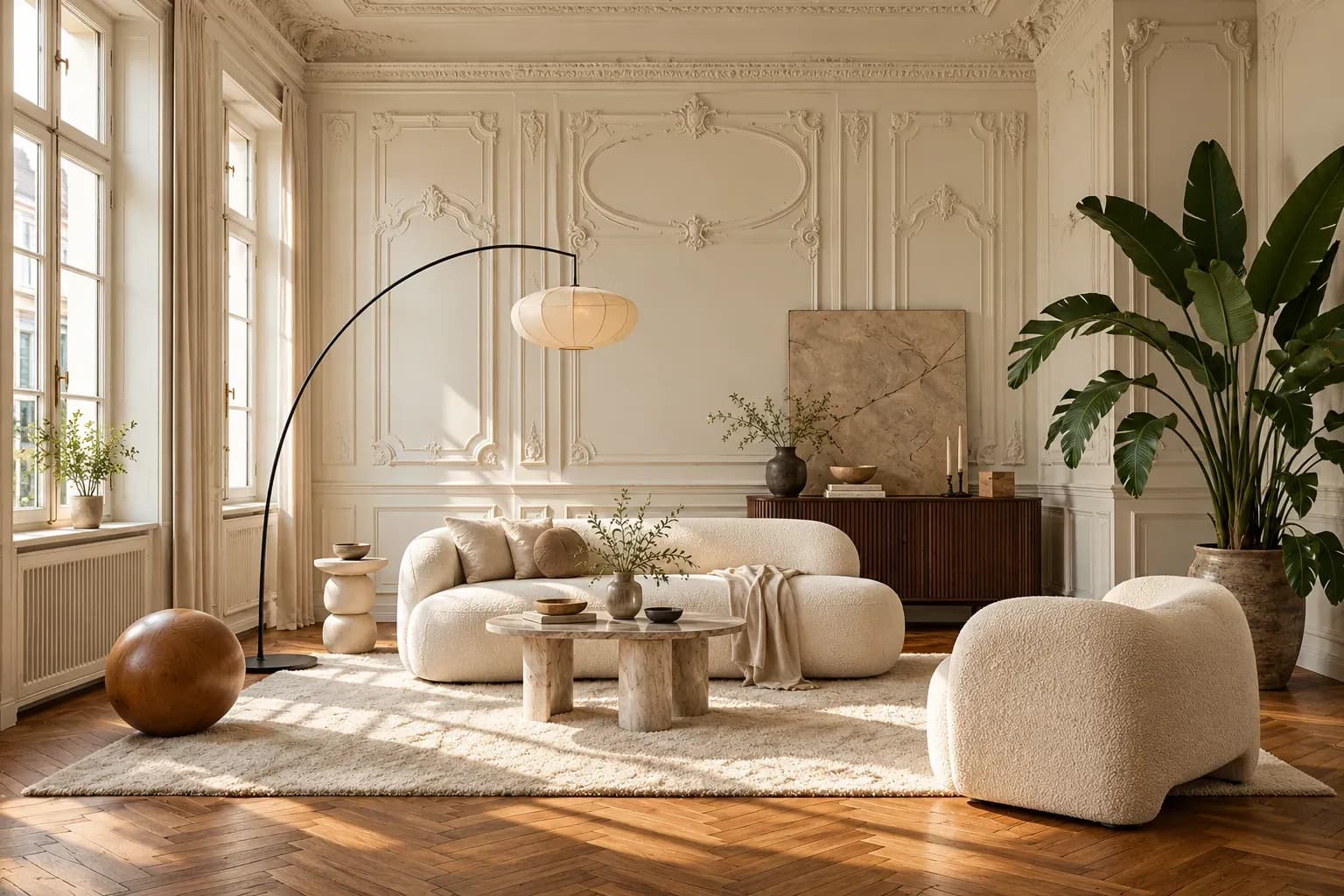
Both modern classic interior design and transitional design combine classical references with contemporary furniture, storage and lighting. However, modern classic rooms retain more symmetry and formality than transitional spaces. This article covers how transitional interior design differs across furniture, mouldings, colours, materials, lighting and maintenance, along with practical guidance for choosing between the two styles.
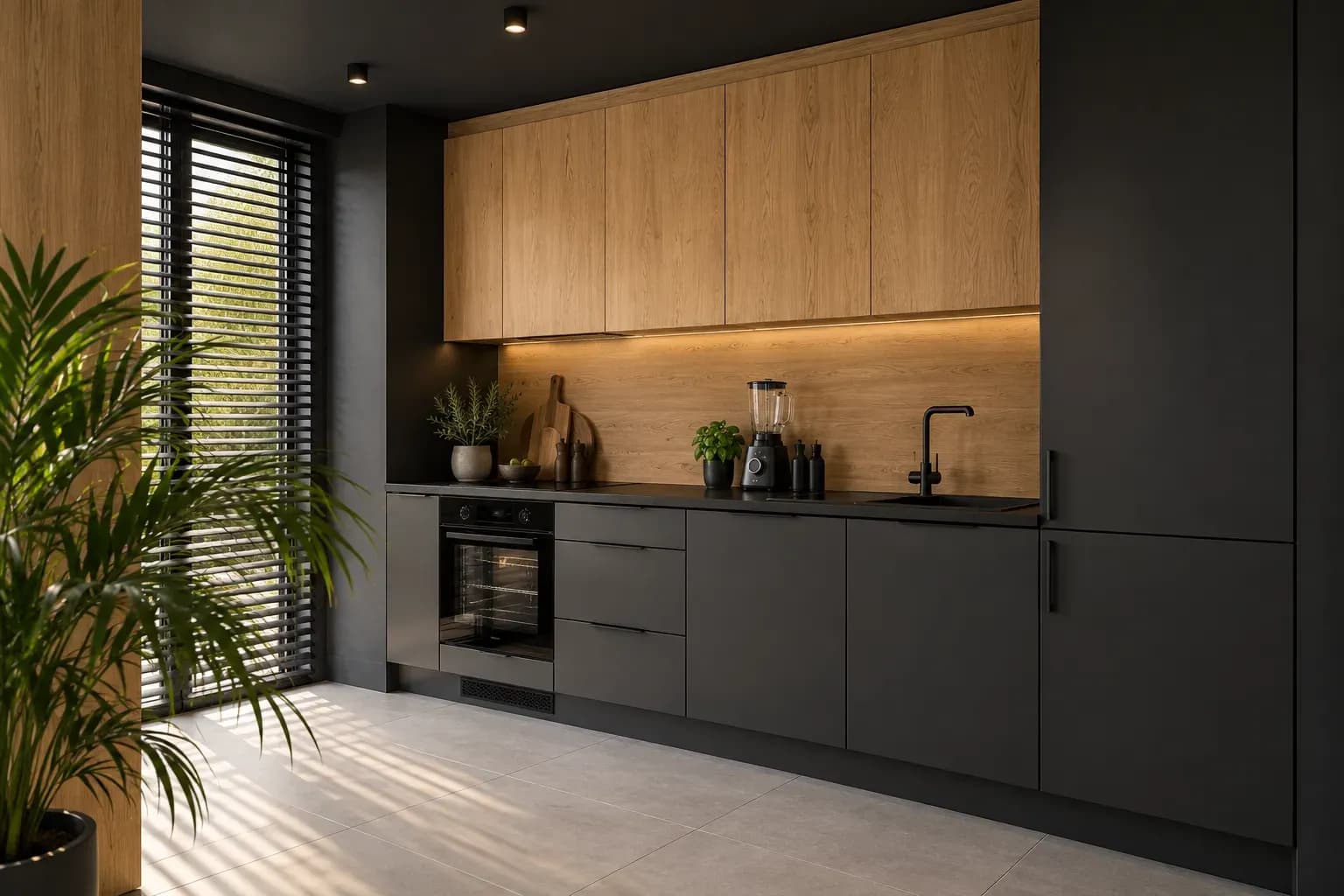
24 Oct 2026|5 min readKitchen interior design cost depends heavily on cabinet materials, core boards, hardware, storage accessories, and the level of customisation. Materials such as laminate, acrylic, veneer, membrane, and PU vary considerably in price, durability, appearance, and maintenance. A well-planned kitchen budget should therefore balance upfront cost with long-term performance and everyday use.
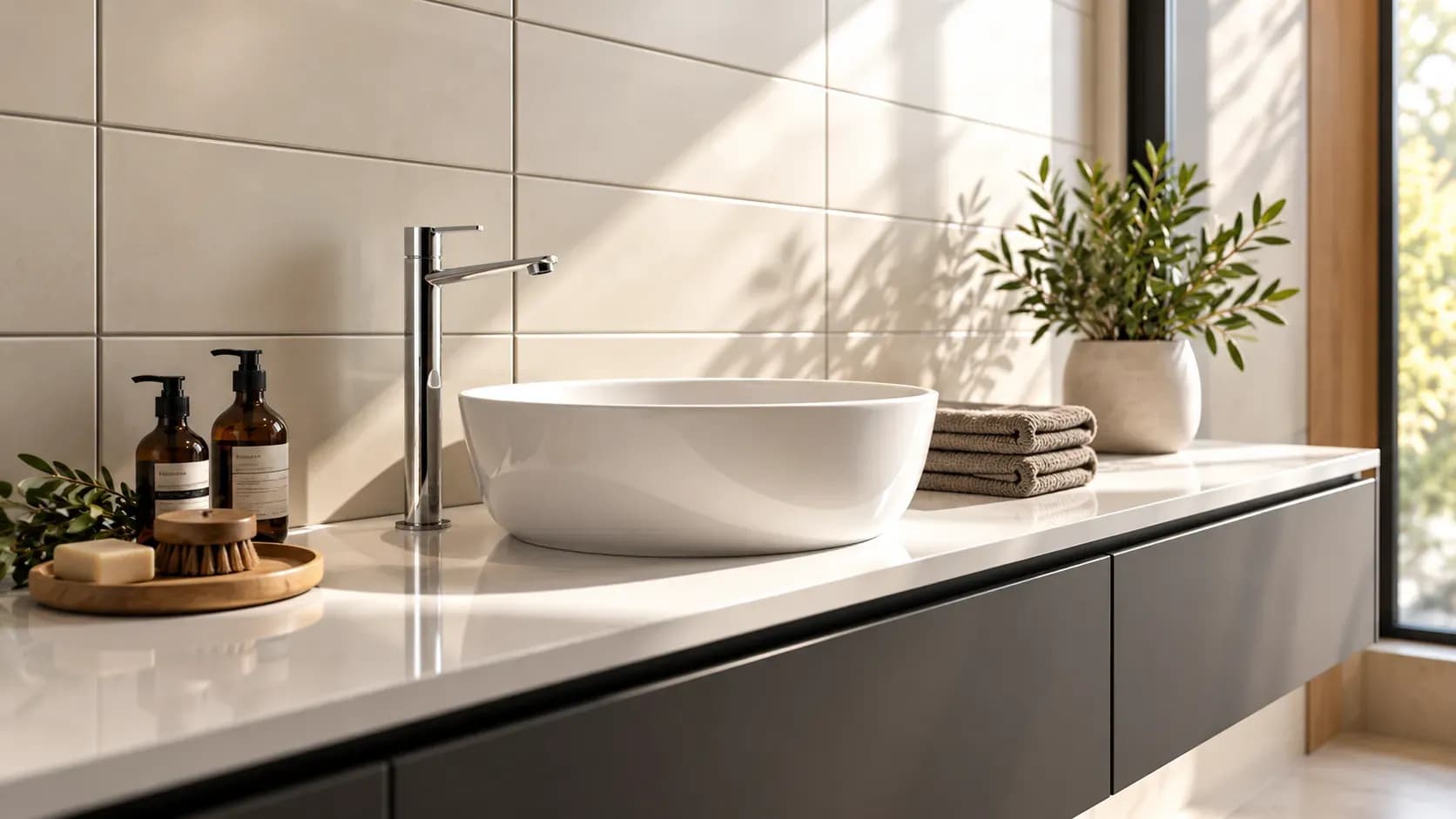
24 Oct 2026|5 min readAccessories, textures and finishes are all essential to modern bathroom decor, especially when smaller details need to feel connected. However, useful modern bathroom decor ideas also account for moisture, cleaning and storage so the room remains practical every day.
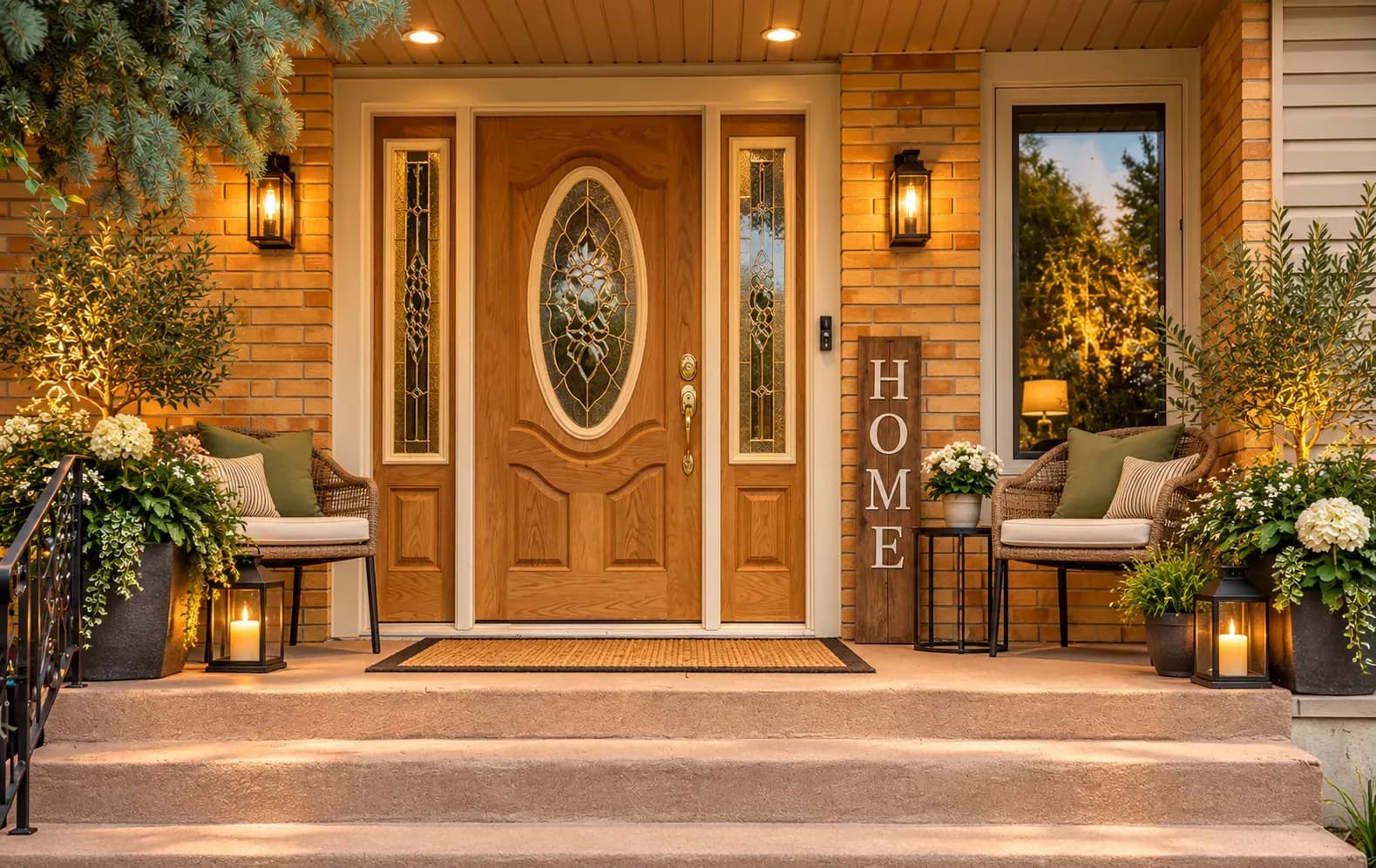
23 Oct 2026|5 min readMain door Vastu focuses on creating an entrance that feels balanced, welcoming, and functional through direction, placement, materials, colours, lighting, and everyday organisation. Even when changing the doorway is not practical, homeowners can use simple Vastu-aligned remedies such as better lighting, clutter-free storage, suitable finishes, plants, and traditional accents. The key is to combine Vastu principles with practical interior design so the entrance works comfortably for everyday life.
30 Sep 2026|5 min readLearn everything about pooja room Vastu, including how to create a compliant space in houses facing different directions and constraints.
14 Aug 2026|5 min readFind out the fundamentals of staircase Vastu, along with specific guidelines for east-facing houses, to create a functional home.
09 Aug 2026|5 min read


Your Home Makeover Starts Here.