If you respect the principles of Vastu Shastra for homes, but also want designs that actually work, you’re not alone. Most homeowners today aren’t looking for rigid rules. They want interior design that works even when spaces are tight, and schedules get busy.
But before we jump into room placements and compass directions, let’s first answer the core question: What is Vastu?
Vastu Shastra is the age-old principle of environmental intelligence applied to modern life. In other words, Vastu Shastra for the home reflects practical design thinking grounded in ancient knowledge. Here’s how modern Indian homes interpret these principles with nuance.
Several principles of Vastu Shastra for homes make sense in the modern world, not because they are rules, but because they improve the feel of a home. Here are a few important ones:
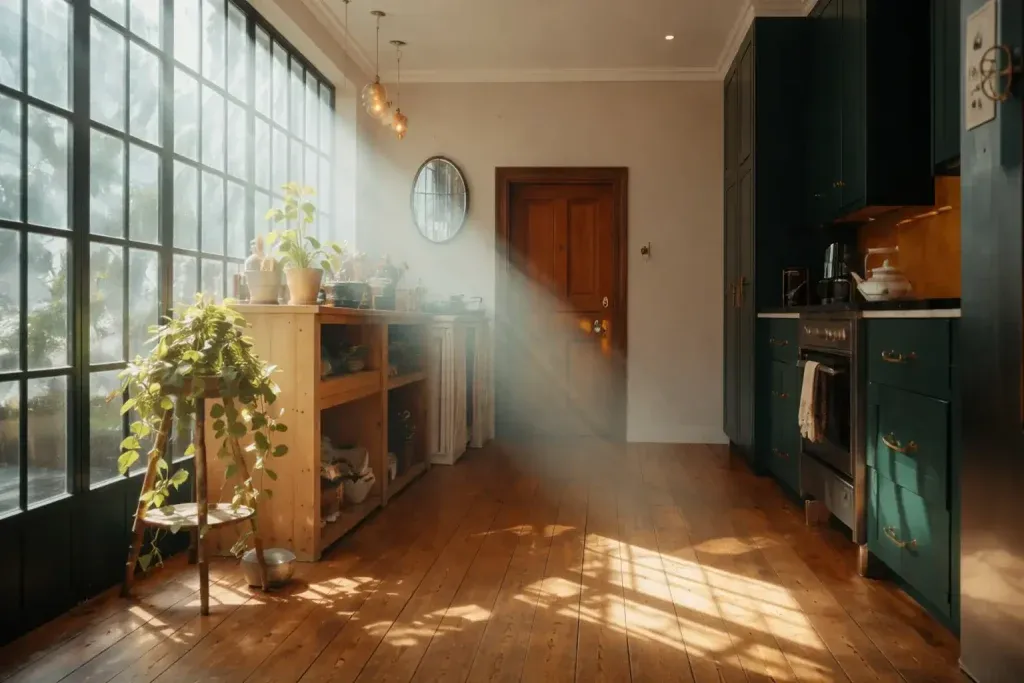
Vastu for houses often emphasises natural lighting, much like modern-day design science. For instance, in cities like Bangalore, where mornings are mild and evenings pleasant, Vastu Shastra for homes emphasises east-facing balconies for soft sunlight and ventilation.
One of the strongest Vastu Shastra tips for homes is separating high-energy zones, like the kitchen and the living room, from restful areas like bedrooms. For example, in Bangalore’s open layout apartments and villas, zoning is extremely important. Interior designers in Bangalore follow the principles of Vastu Shastra for homes due to its sheer practicality: keeping movement spaces fluid and rest spaces calm.
Open circulation is another core idea of Vastu Shastra for homes. The centre of the home should not feel blocked or heavy. Smart storage helps keep the home organised, visually calm and functionally efficient, making Vastu principles easier to follow in everyday life.
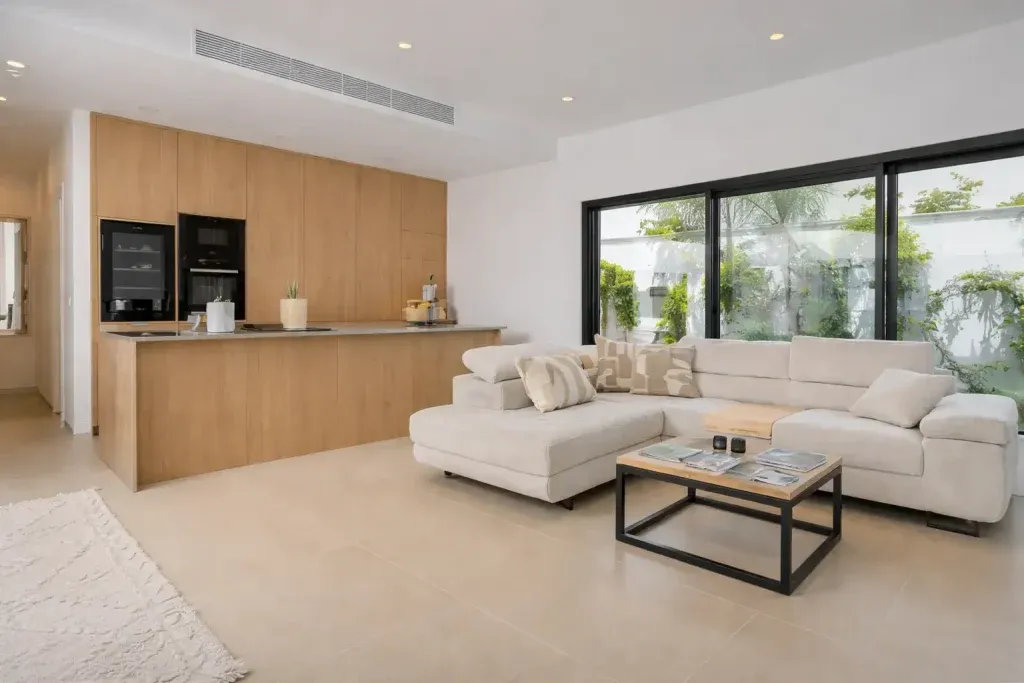
Most urban homeowners live in apartments. You don’t get to choose structural walls or plumbing lines. Blindly following Vastu rules for your home design can create frustration. Here’s what can be adapted safely:
If your master bedroom isn’t in the ideal direction according to the rules of Vastu Shastra for homes, don’t panic. Instead, adjust the bed’s orientation, lighting, and colour palette.
Warm neutrals and soft lighting promote calmness. Harsh white LEDs in a bedroom? That’s the real imbalance.
The significance of your desk’s orientation may matter in Vastu Shastra for homes, but in reality, it can face any direction that supports focus. What truly matters is proper task lighting and ergonomic seating.
In Bangalore’s IT-heavy households, study corners often double as workstations. Thoughtful placement of work-from-home setups in such houses can prevent screen glare and reduce fatigue.
Storage is where modern Vastu Shastra for homes truly meets design logic. In traditional Vastu, keeping circulation paths and the centre of the home open is key. Today, that means arranging storage so it doesn’t block movement or light.
For instance, in Mumbai’s compact homes, overhead lofts are common, but overloading ceilings can make rooms feel heavy. Mumbai-based interior designers Balance cabinetry with vertical height and lighter finishes that help maintain openness.
Light woods, breathable fabrics, and matte finishes feel calmer than glossy, reflective chaos. In humid cities like Mumbai, moisture-resistant materials are essential. In Bangalore’s moderate climate, natural textures perform well. This is how Vastu apartment planning becomes realistic.
That’s not balance; that’s a compromise. Good design never sacrifices usability. Morning routines should feel smooth, the kitchen triangle should work, and your pet should have a defined corner. During Diwali or Ganpati hosting, you should have space to move without knocking into furniture.
If following Vastu tips for your house starts reducing comfort, it’s time to reassess.
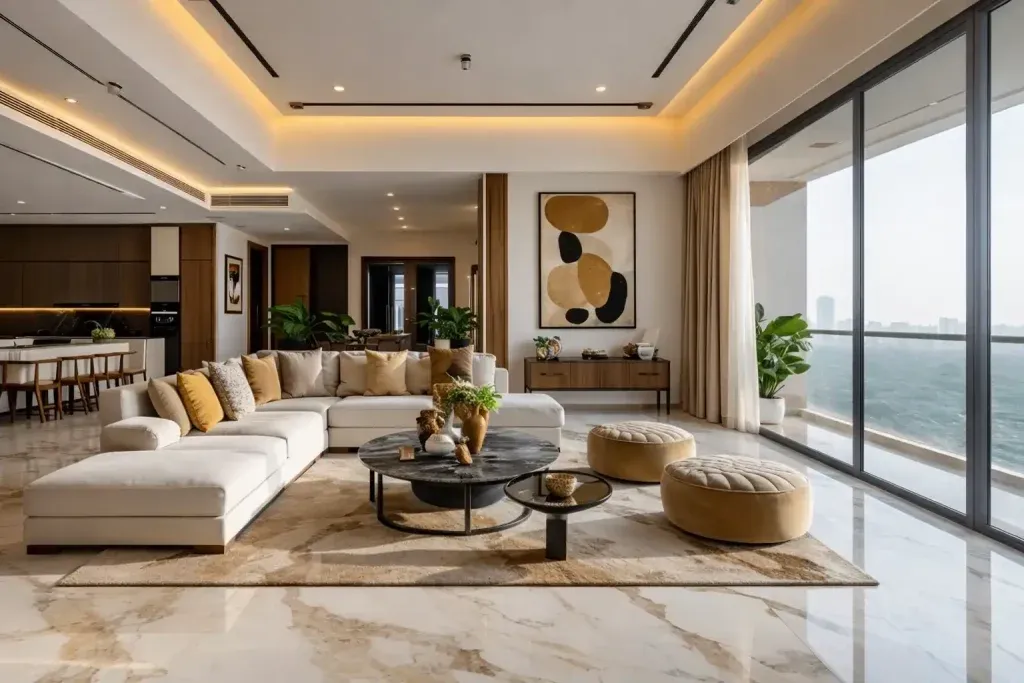
At Bonito Designs, Vastu Shastra for your home is treated as a design layer, rather than a dictator. Through our LifeDesign philosophy, we strive to create homes that reflect real lifestyles.
That means understanding:
Our team works with deep knowledge of local layouts, whether it’s a high-rise in Lower Parel or a villa community in North Bangalore. With in-house execution, ISO-certified quality standards, and an end-to-end workflow from design to build to quality checks and final handover, every detail is coordinated.
Instead of forcing structural changes, our designers optimise layouts while respecting the principles of Vastu Shastra for homes as well as the everyday needs and routines of your family. The result? Homes that feel balanced without looking dated.
Vastu Shastra for homes works best when understood, not enforced. When you strip it down, it’s about sunlight, airflow, zoning, proportion, and movement, all of which are already pillars of good interior design.
If you’re planning your next home and thinking about implementing Vastu Shastra tips, Bonito Designs can help you apply them in a way that enhances comfort, functionality, and everyday living. Book a consultation call with us today to see how your home can balance tradition with modern design intelligence.
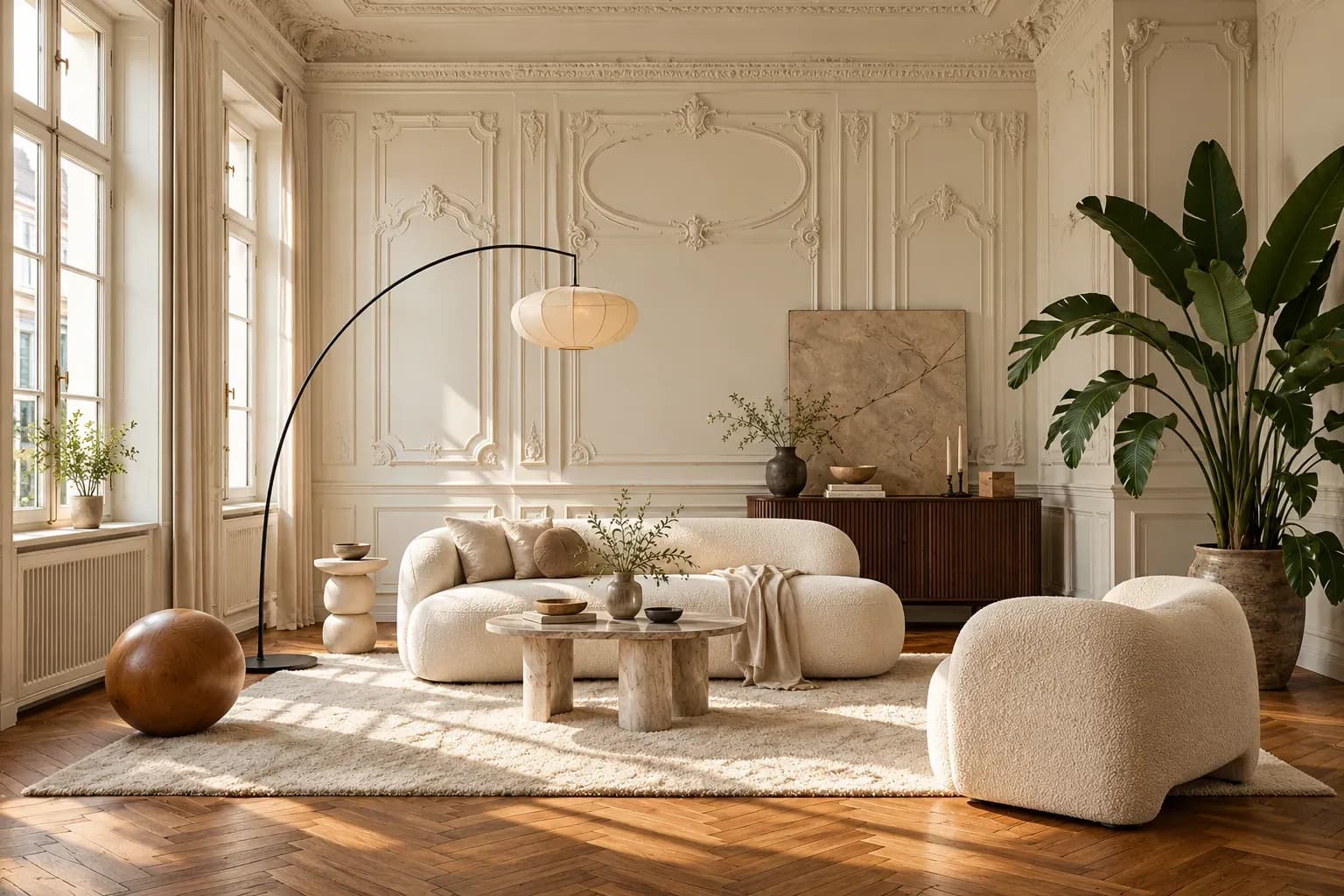
Both modern classic interior design and transitional design combine classical references with contemporary furniture, storage and lighting. However, modern classic rooms retain more symmetry and formality than transitional spaces. This article covers how transitional interior design differs across furniture, mouldings, colours, materials, lighting and maintenance, along with practical guidance for choosing between the two styles.
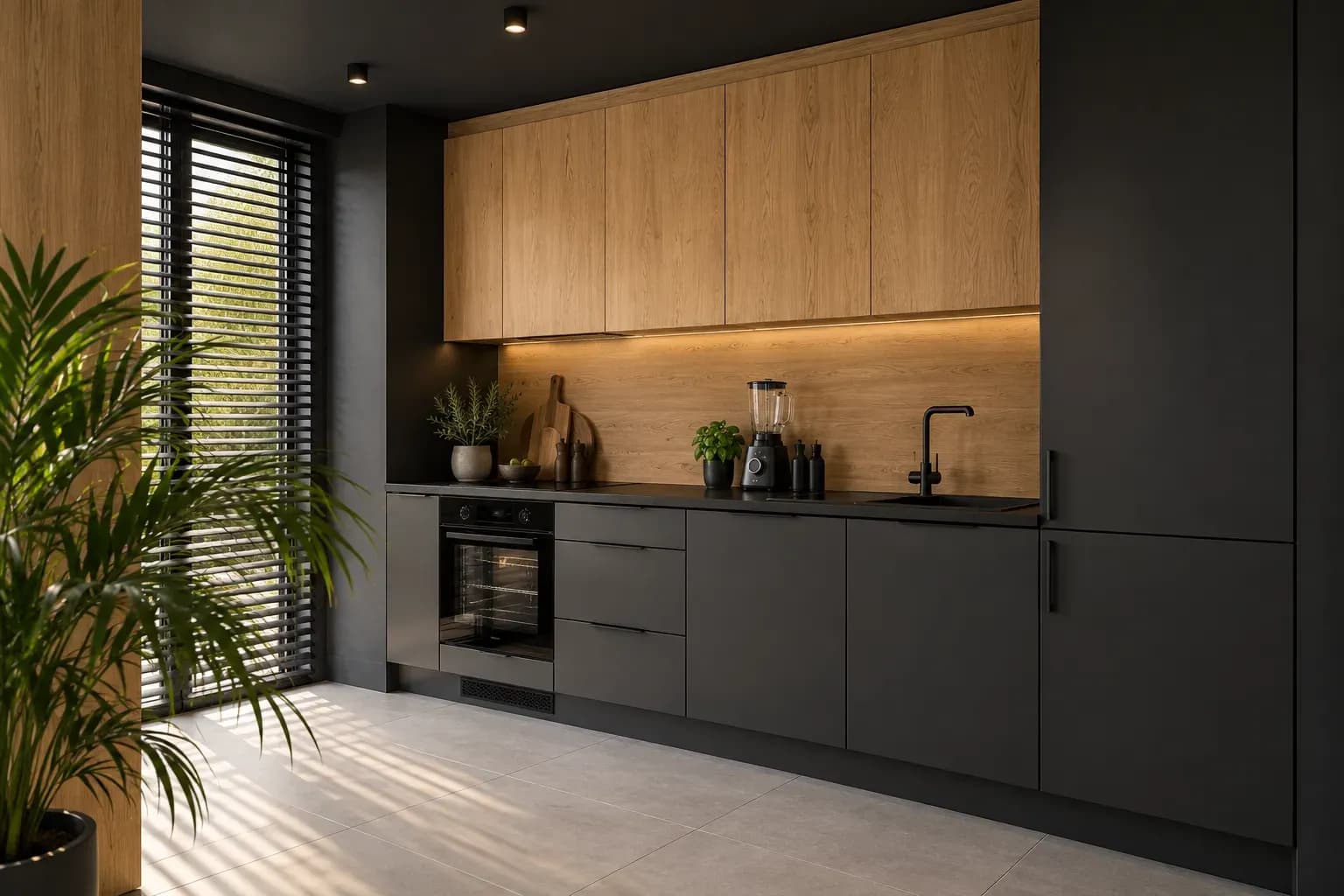
24 Oct 2026|5 min readKitchen interior design cost depends heavily on cabinet materials, core boards, hardware, storage accessories, and the level of customisation. Materials such as laminate, acrylic, veneer, membrane, and PU vary considerably in price, durability, appearance, and maintenance. A well-planned kitchen budget should therefore balance upfront cost with long-term performance and everyday use.
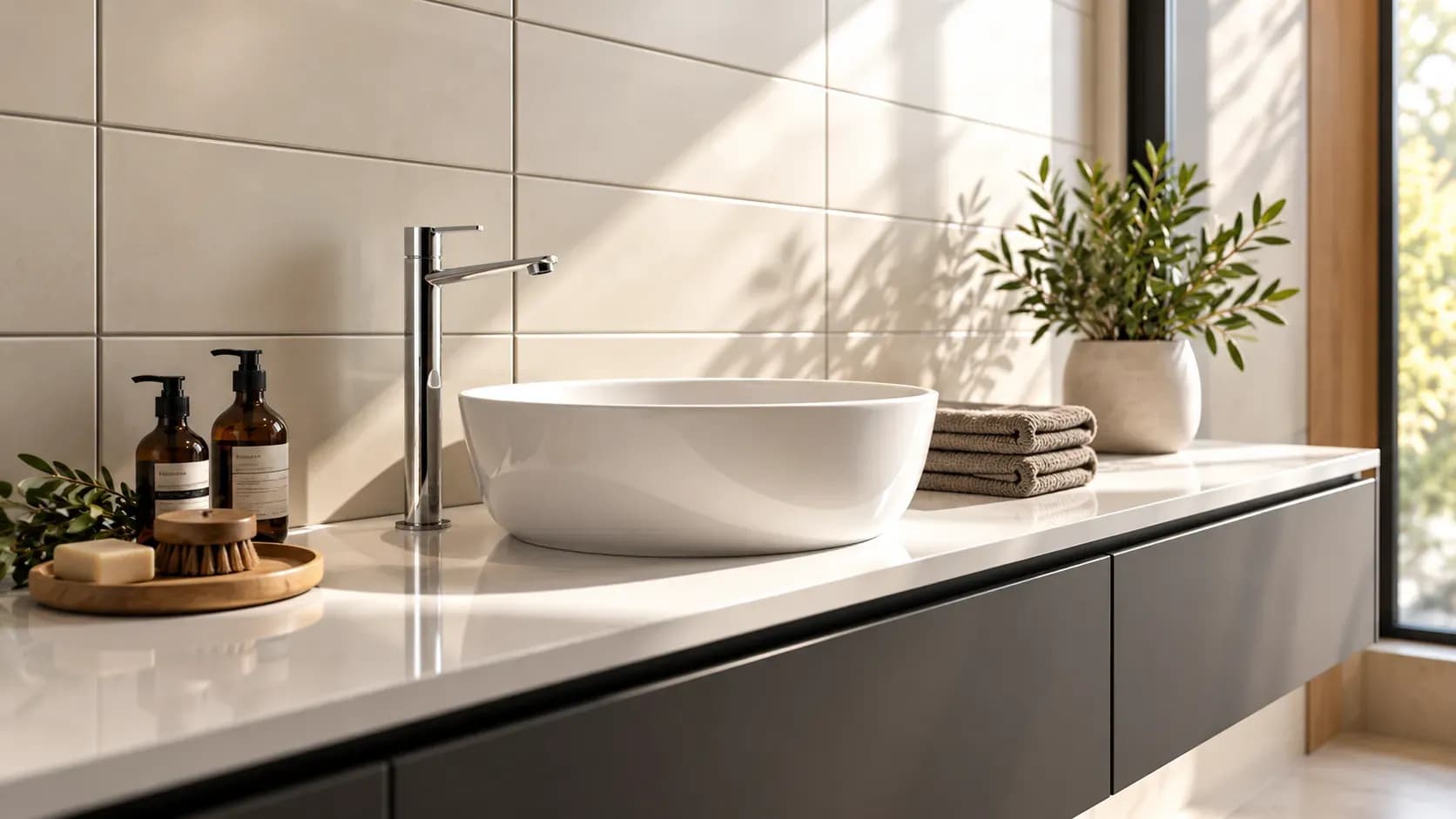
24 Oct 2026|5 min readAccessories, textures and finishes are all essential to modern bathroom decor, especially when smaller details need to feel connected. However, useful modern bathroom decor ideas also account for moisture, cleaning and storage so the room remains practical every day.
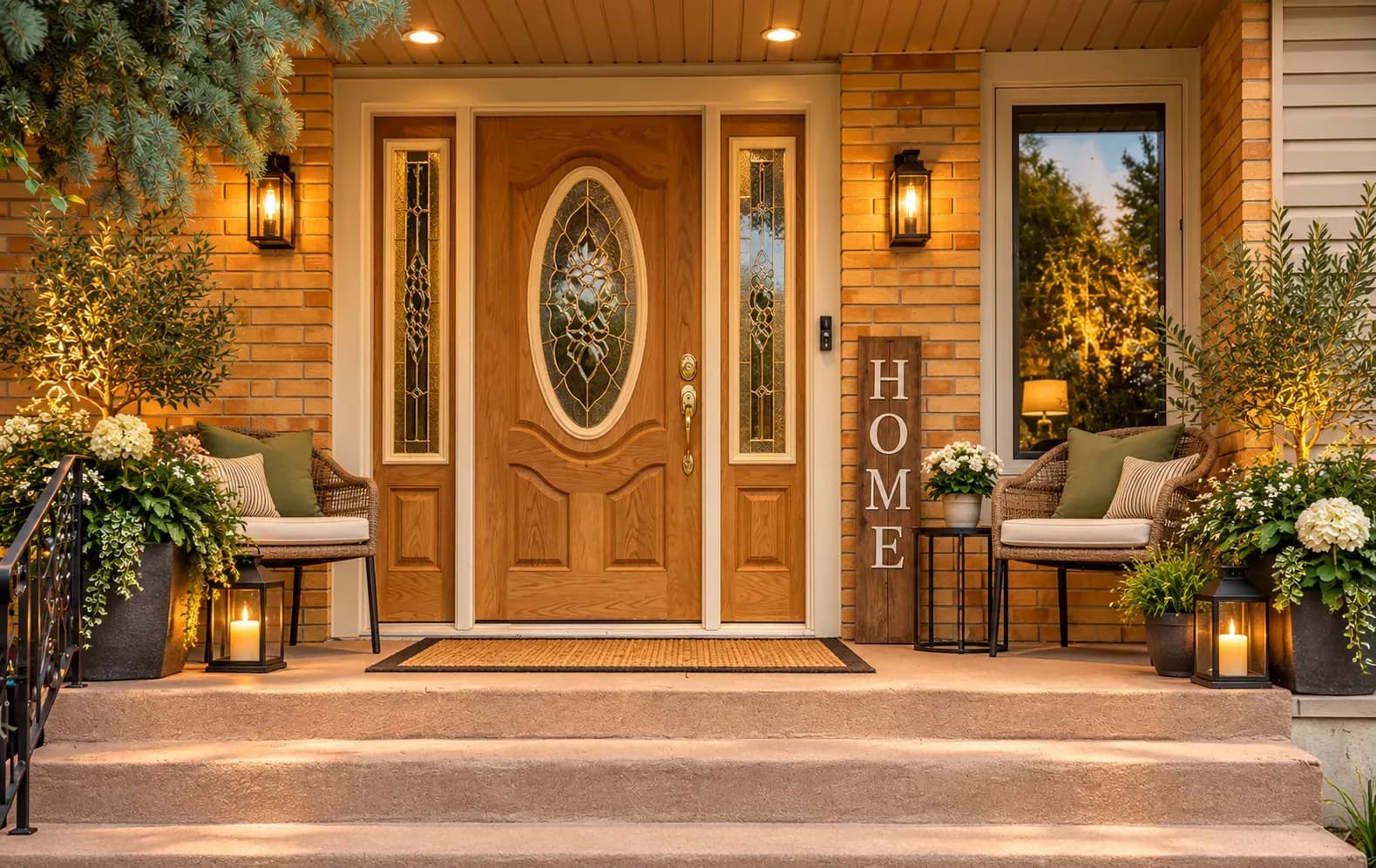
23 Oct 2026|5 min readMain door Vastu focuses on creating an entrance that feels balanced, welcoming, and functional through direction, placement, materials, colours, lighting, and everyday organisation. Even when changing the doorway is not practical, homeowners can use simple Vastu-aligned remedies such as better lighting, clutter-free storage, suitable finishes, plants, and traditional accents. The key is to combine Vastu principles with practical interior design so the entrance works comfortably for everyday life.
30 Sep 2026|5 min readLearn everything about pooja room Vastu, including how to create a compliant space in houses facing different directions and constraints.
14 Aug 2026|5 min readFind out the fundamentals of staircase Vastu, along with specific guidelines for east-facing houses, to create a functional home.
09 Aug 2026|5 min read


Your Home Makeover Starts Here.