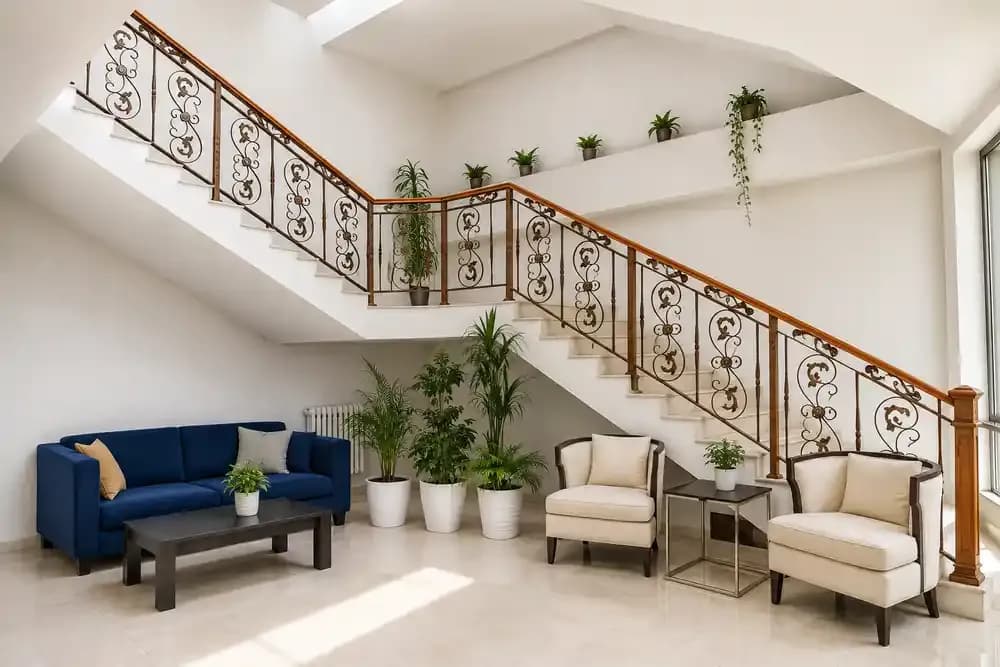
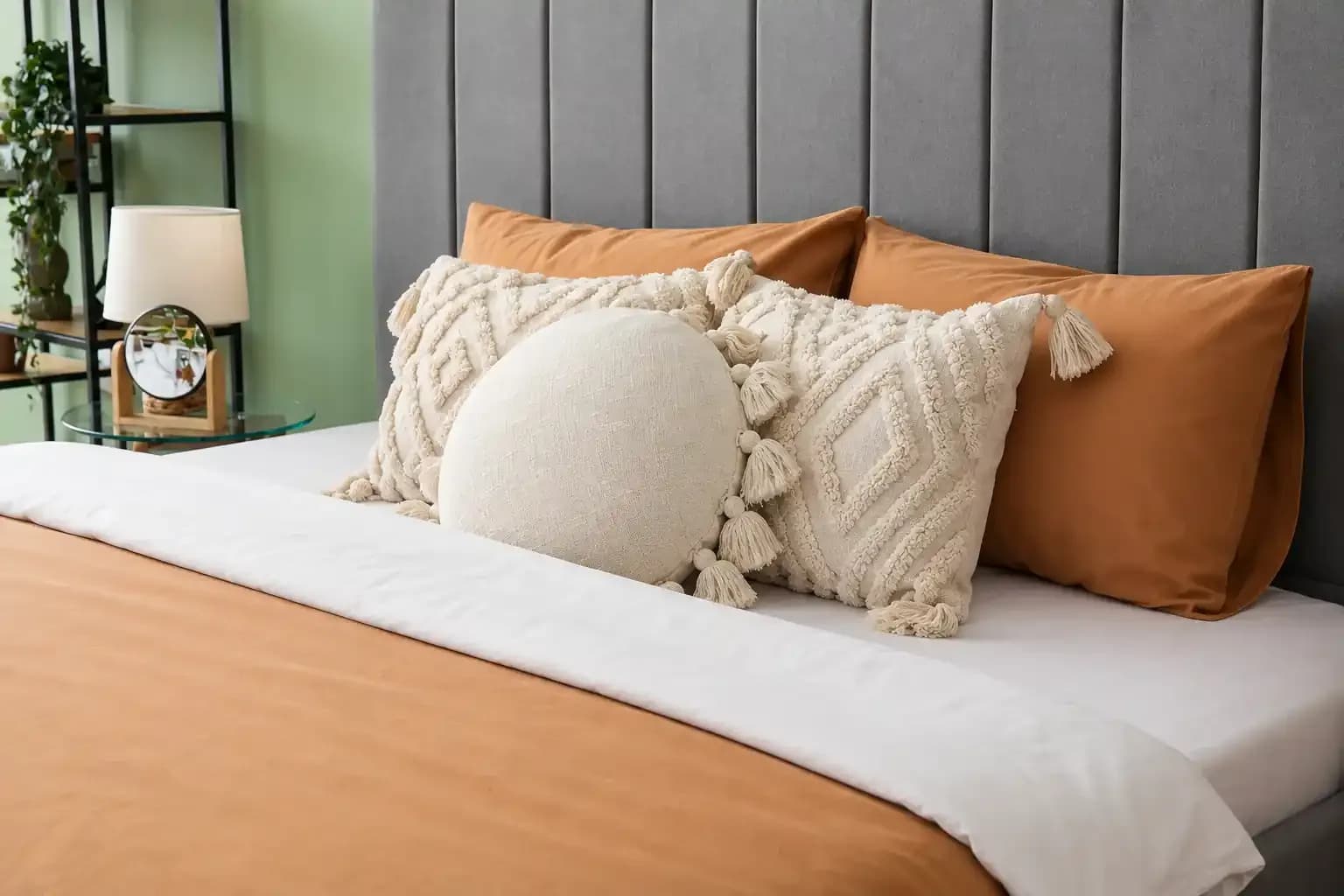
The direction, placement, door material, and even the way the shutter opens are often considered important because the main entrance is traditionally viewed as the point through which energy enters the house. That is why main door Vastu gives so much attention to keeping this area balanced, clean, and inviting.
But what if your entrance is already built? In a Mumbai apartment, moving a doorway may not be possible. In a Bangalore villa, the entrance may be fixed by the plot, staircase, or parking layout. Fortunately, traditional Vastu offers several low-disruption remedies that can work alongside practical interior design.
Vastu Shastra associates different directions with different qualities and elements. North, northeast, east, and west entrances are commonly considered favourable, while some southeast or southwest placements may be viewed as less favourable. Interpretations vary between Vastu traditions and practitioners, so these should not be treated as universal rules.
This is where main door house entrance Vastu becomes useful as a design consideration rather than a reason to panic. A second look at main door house entrance Vastu can help you prioritise practical changes over structural work. A bright, unobstructed entrance can feel calmer and function better every day, regardless of belief.
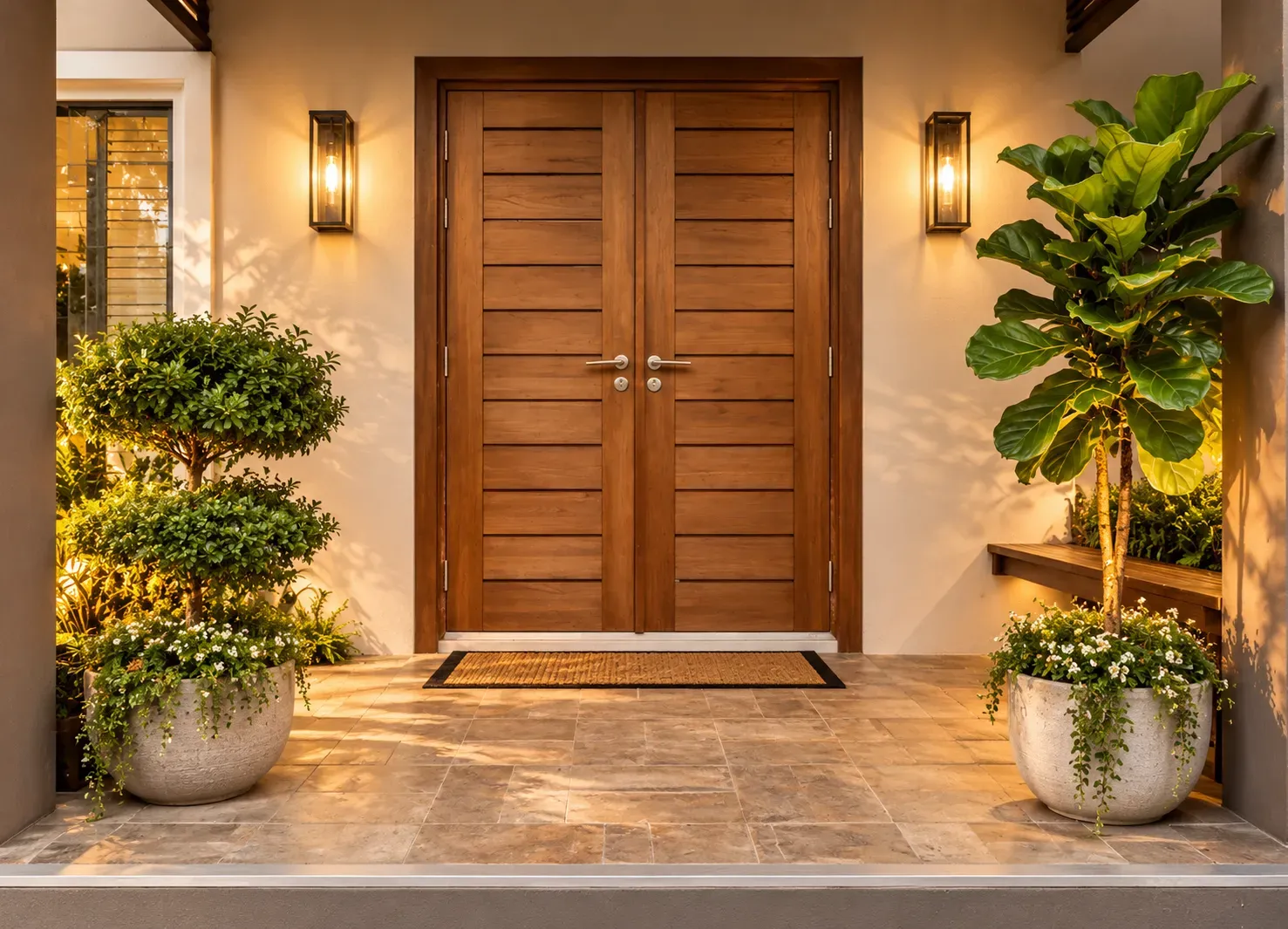
Start with the basics. Keep the entrance free from shoe piles, delivery boxes, umbrellas and bags. In compact Mumbai flats, the space immediately outside the door can become a mini storage zone within days. A slim shoe cabinet or closed bench can contain the mess without blocking circulation.
If daylight is limited, use a wall light or ceiling fixture that clearly illuminates the door, nameplate, and floor. Traditional Vastu tips for the main door often recommend symbols, torans, rangoli and lamps. Use them as accents rather than turning the entrance into a crowded display. A small rangoli during Diwali, a simple toran during festivals or a neatly placed lamp can add character without taking up valuable floor space.
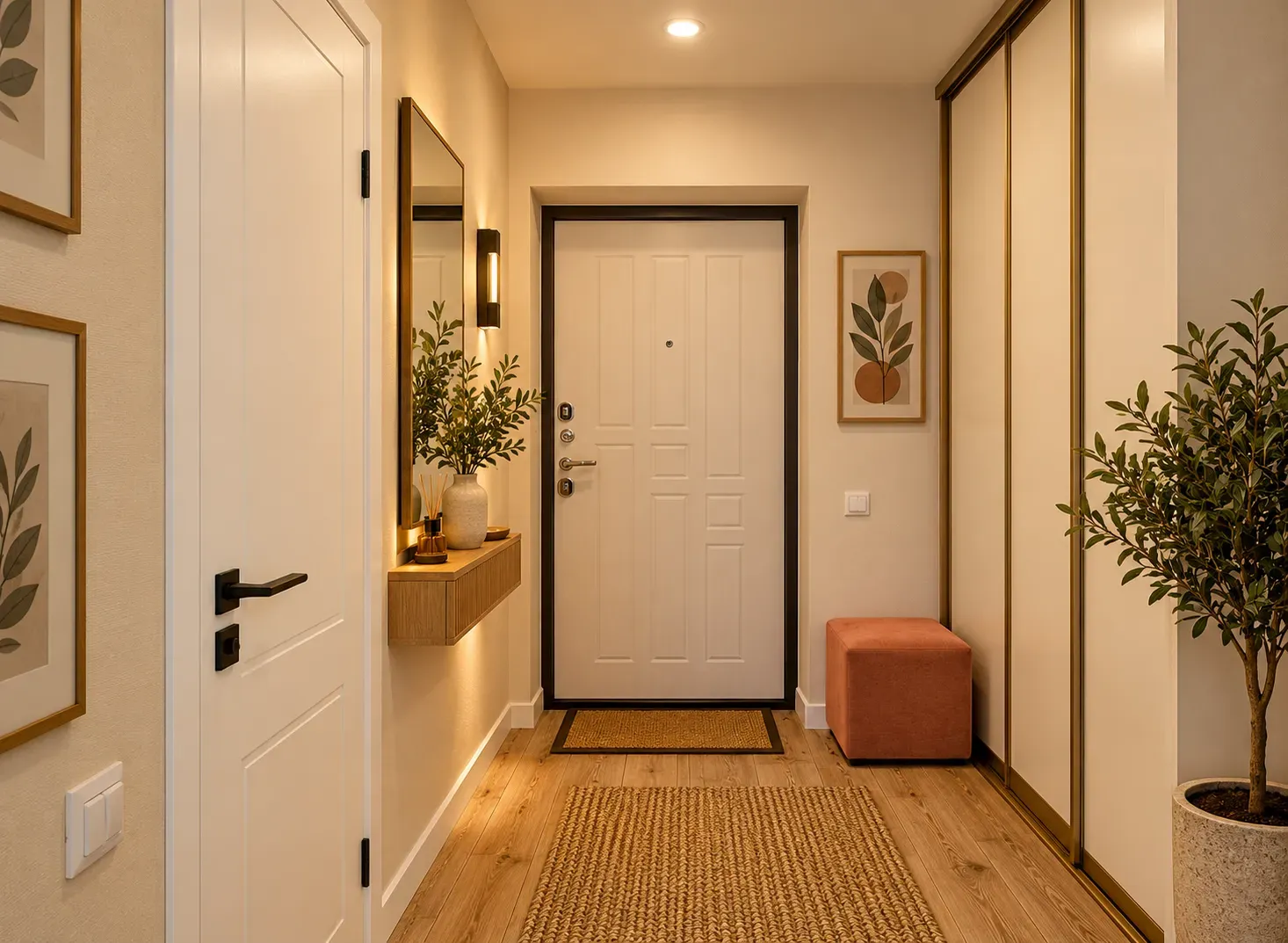
The door is both a visual focal point and a frequently used piece of hardware. Many Vastu traditions favour wood or wood-like finishes, along with softer colours such as beige, light yellow, muted green and natural wood tones. These shades soften the transition between an exterior corridor and the living room.
For a main door Vastu for an east-facing house, lighter finishes are often suggested. But the design should still respond to the actual home. For example, many Bangalore villas come with surrounding greenery. Interior designers in Bangalore can use a warm oak finish that connects the entry to the landscape.
The door direction as per Vastu is only one part of the picture. Check whether the shutter clears furniture, whether the hinges work properly and whether the lock turns smoothly. A door that scrapes the floor or bangs into a console is a daily annoyance, not a better entrance experience.
A nameplate is one of the easiest upgrades. If you follow traditional recommendations, a wooden nameplate is a commonly suggested option. Mirrors need more thought. Some Vastu traditions advise against placing a mirror right in front of the entrance, as it is believed to reflect energy out of the house.
Even if Vastu is not your priority, a mirror facing a busy doorway can create visual clutter in a narrow foyer. For homeowners considering Vastu for door opening, the practical test is simple: the shutter should open without obstruction and should not interfere with furniture, children or pets.
Greenery is commonly suggested around entrances because plants soften a hard, built environment. Choose plants based on actual light and maintenance needs rather than forcing a particular species into a dark corridor. In humid Mumbai weather, avoid creating a damp corner around pots. In Bangalore, a compact planter can work well near a sit-out or foyer.
Torans and festive decor should not obstruct the door swing, peephole, smart lock or lighting.
The main gate direction as per Vastu can also be considered in independent homes, especially when the gate and front door are closely aligned. But if the gate is fixed by the plot, driveway or society rules, focus on improving the approach rather than making major changes.
Good main door Vastu should never come at the cost of basic functionality. Keep access clear, ensure adequate ventilation where possible, and use a door that opens smoothly. Keep the floor dry and hardware maintained. If children leave school bags beside the doorway every afternoon, create a designated storage spot nearby. If you have a pet, keep leashes and wipes away from the entrance path.
This matters in Indian urban homes, where entrances often connect directly to living rooms. In Mumbai, limited foyer space can make every extra object feel like an obstacle. Interior designers in Mumbai need to be extremely careful while designing the main door to prevent it from feeling cramped.
Bonito Designs’ LifeDesign philosophy looks at how a family uses their home day to day. With deep experience working with Mumbai and Bangalore homes, Bonito Designs can plan entrances around apartment constraints, compact foyers, larger villas and everyday storage needs.
If your entrance doesn't match your preferred Vastu direction, you don't necessarily need to rebuild it. Bonito Designs uses the principles above to ensure your entrance feels clean, light, functional, and well-maintained, even if you don’t have the ideal direction. Then they add Vastu-aligned colours, symbols, plants or other traditional elements that suit your home.
For many homeowners, main door house entrance Vastu is ultimately about making the first point of entry feel organised and welcoming. If you want your home designed with main door Vastu in mind without major renovations, book a consultation with Bonito Designs.
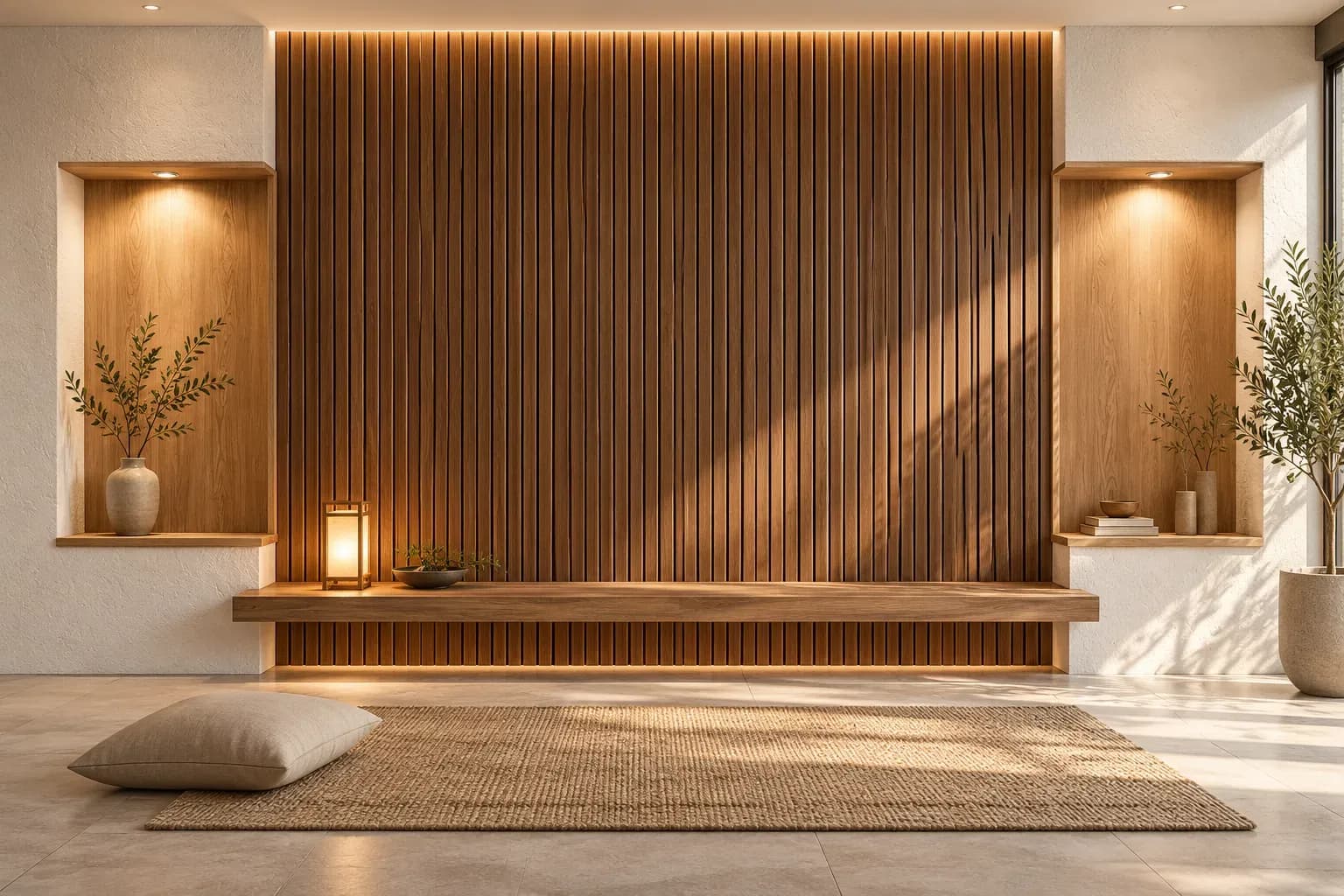
Wood and stone can both strengthen interior wall ideas by adding warmth, texture and depth, but their visual weight needs careful control. In a balanced wall design, one material can lead while the other supports it through smaller accents, matching undertones, and considered lighting.
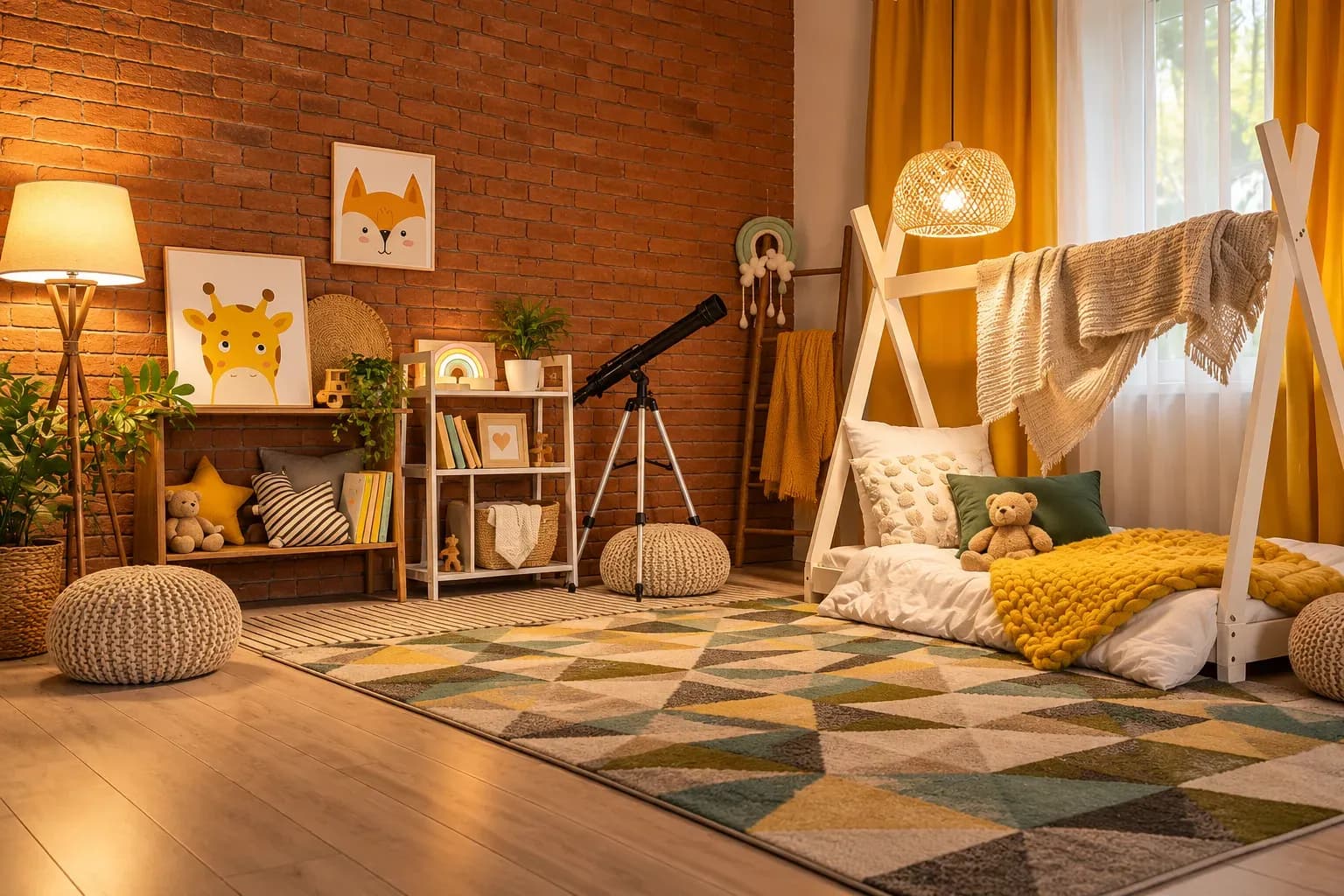
22 Oct 2026|5 min readBoth whimsical interior design and maximalist interior design use colour, pattern and personal objects, but they create visual interest differently. While the first focuses on imaginative surprises, the second builds richness through deliberate layering and abundance. This article covers their differences across colour, furniture, artwork, lighting and storage, along with practical ways to adapt either style to compact Indian homes.
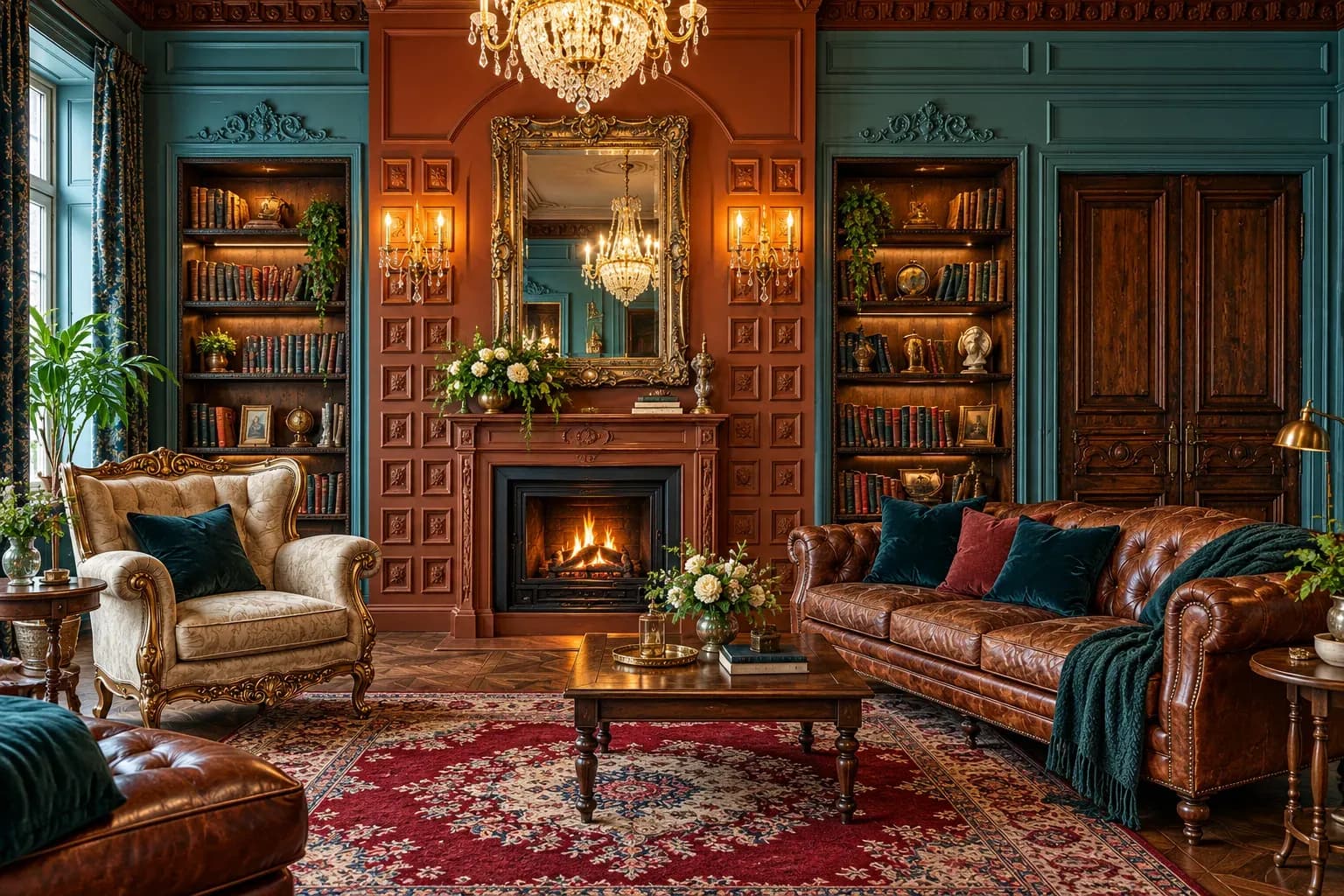
22 Oct 2026|5 min readVictorian house interior design can work well in compact Indian homes when you use decorative elements selectively. Lighter colours, restrained mouldings, slimmer furniture and controlled patterns help retain Victorian character without making rooms feel crowded. Modern storage, practical lighting and careful space planning can make the style more suitable for everyday living.
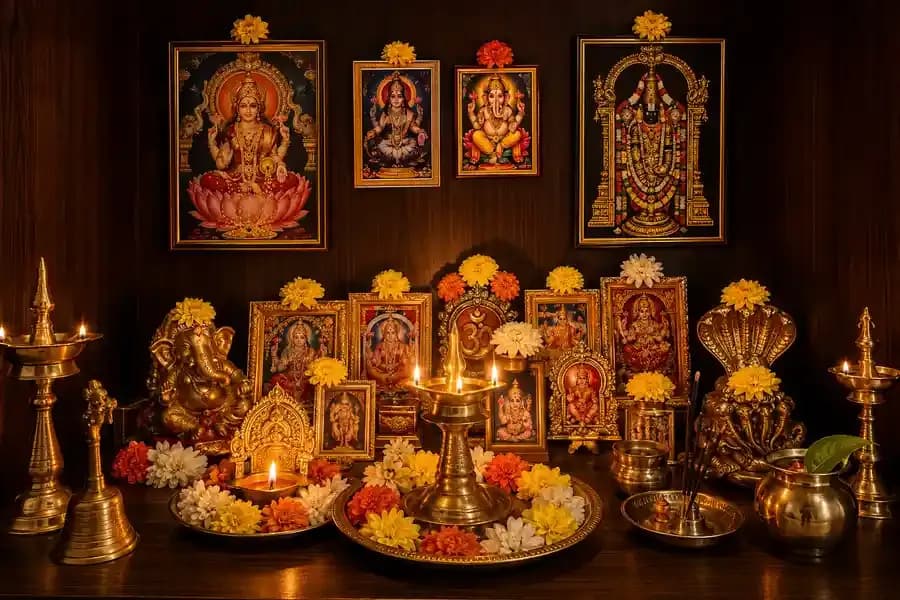
21 Oct 2026|5 min readLearn everything about pooja room Vastu, including how to create a compliant space in houses facing different directions and constraints.
14 Aug 2026|5 min readFind out the fundamentals of staircase Vastu, along with specific guidelines for east-facing houses, to create a functional home.
09 Aug 2026|5 min readThe best way to get restful sleep is to follow these sleeping position Vastu tips and avoid mistakes that most homeowners make.
07 Aug 2026|5 min read


Your Home Makeover Starts Here.