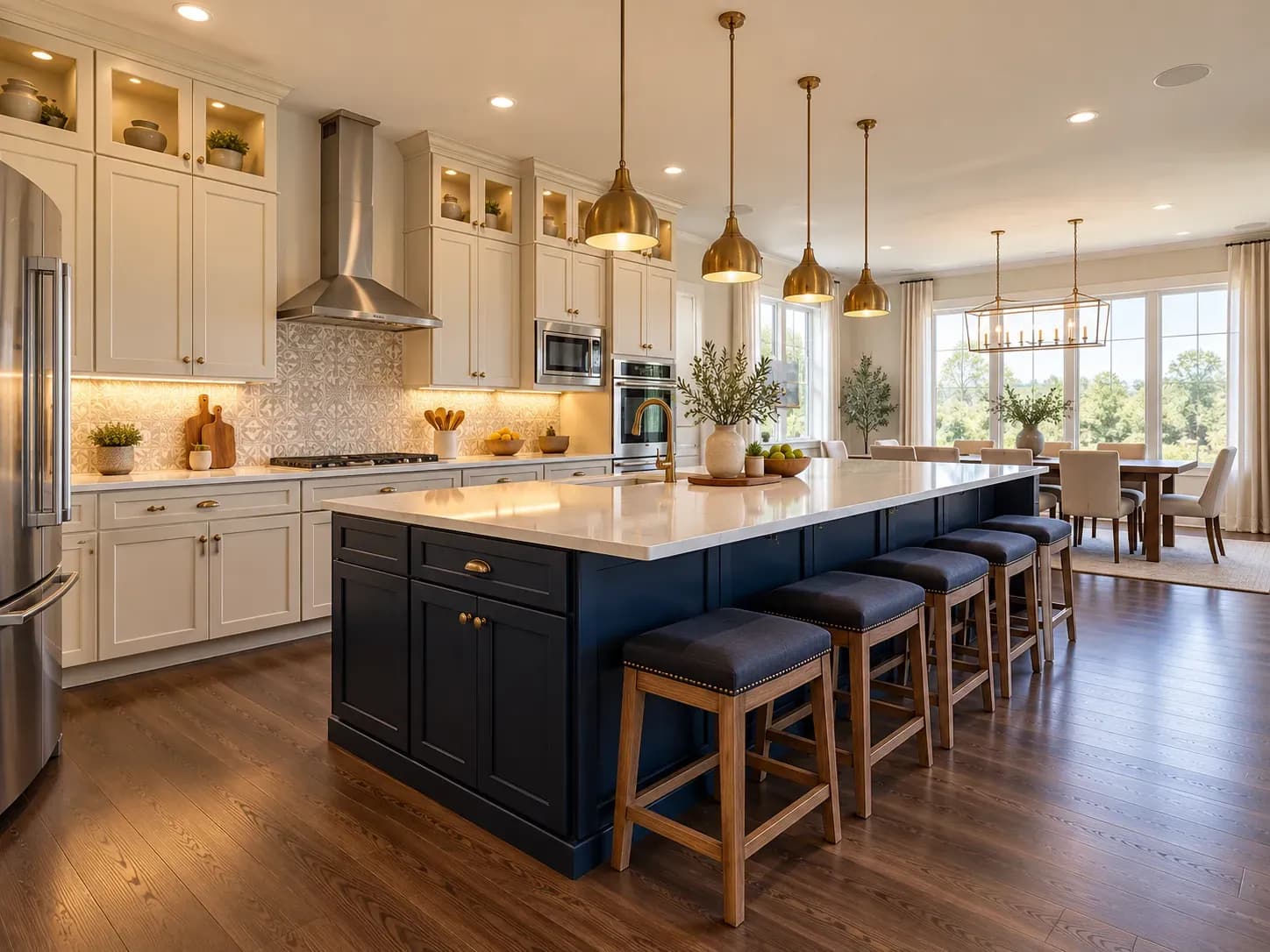
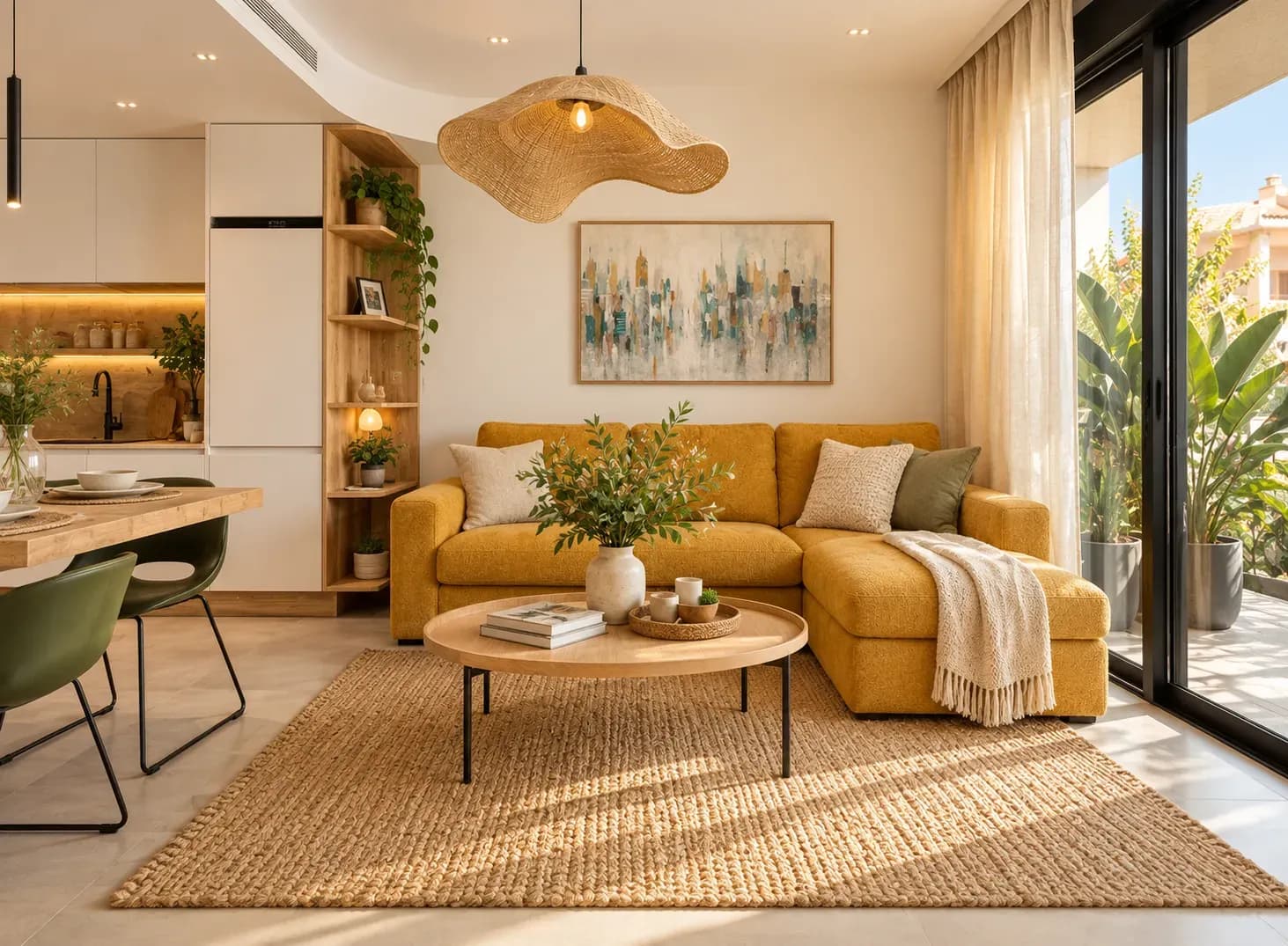
Modern classic and transitional homes can look similar in photographs. Both bring traditional references into a contemporary setting, using neutral colours, timber and tailored upholstery. The difference appears in each room's formality and level of detail.
Choosing modern classic interior design means stronger symmetry, sharper structure and more visible classical references. Transitional rooms soften them. Understanding this early prevents an uncertain mix of ornate walls, casual furniture and finishes that never feel fully connected.
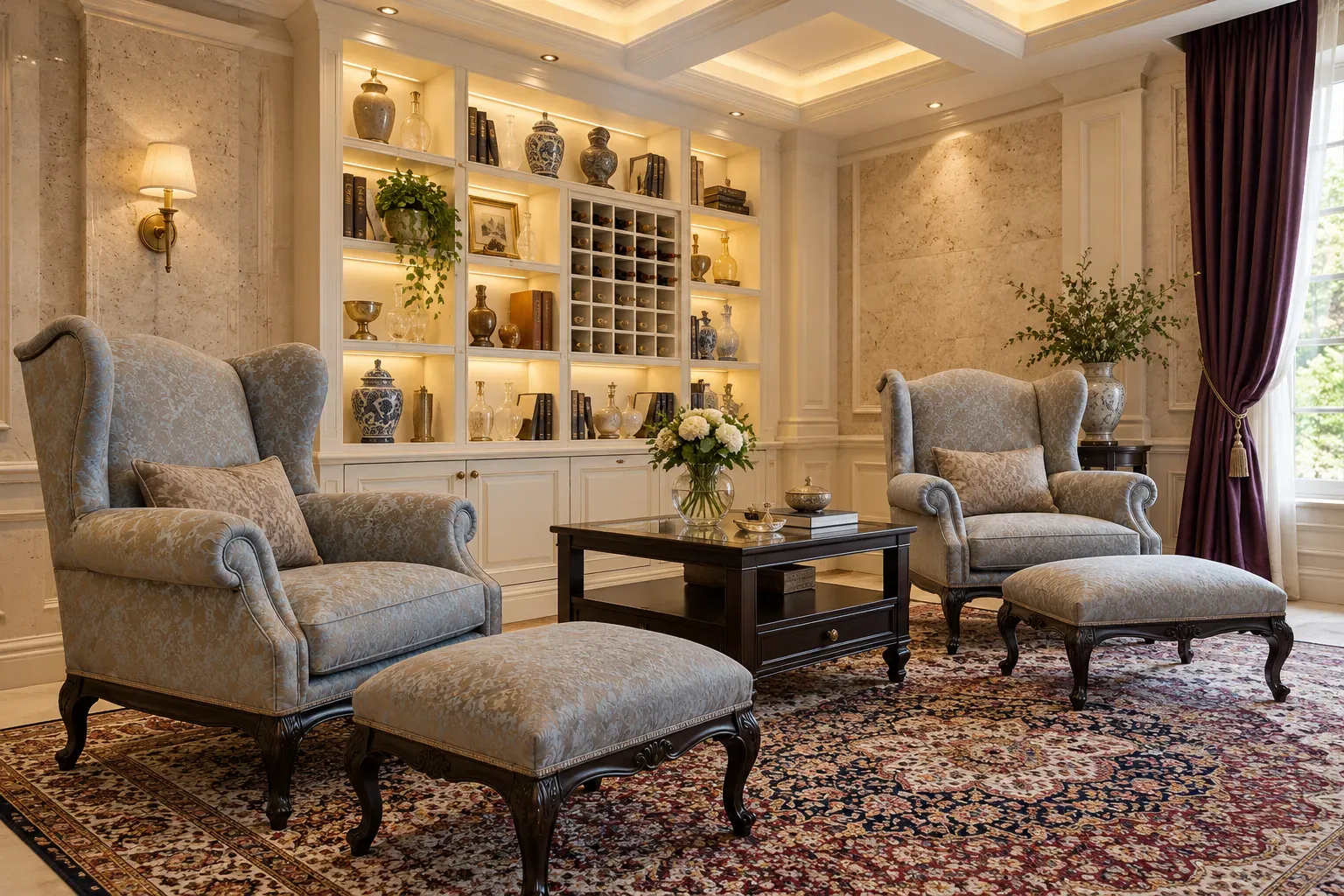
Think of this style as classical architecture edited for homes. Wall panels, restrained cornices, balanced furniture and stone or wood finishes create an ordered framework.
Good modern classic interior design uses detail to reinforce proportion. A panelled television wall may align with the console, while matching lamps establish balance on either side. Metallic accents and tailored fabrics add polish without carving every piece.
Compared with traditional interior design, this approach simplifies motifs and uses fewer decorative objects. Clean cabinetry and lighting support present-day storage and maintenance.
Transitional interior design combines familiar forms with contemporary furniture, but the room feels softer. Curved seating, warm neutrals and simple joinery can sit together without strict symmetry. Classical influence may appear through one chair, artwork or cabinet.
This flexibility helps when homeowners own solid-wood or inherited furniture. Simpler upholstery and newer storage can give those pieces a suitable setting without creating a period room.
Symmetry provides the clearest difference. In modern classic interior design, a bed may sit within centred panels, or a dining table may align with the light and rug. These relationships create formality.
A transitional room can feel balanced without mirroring every element. One side of a sofa may hold a lamp while the other has a table and artwork. The arrangement remains relaxed.
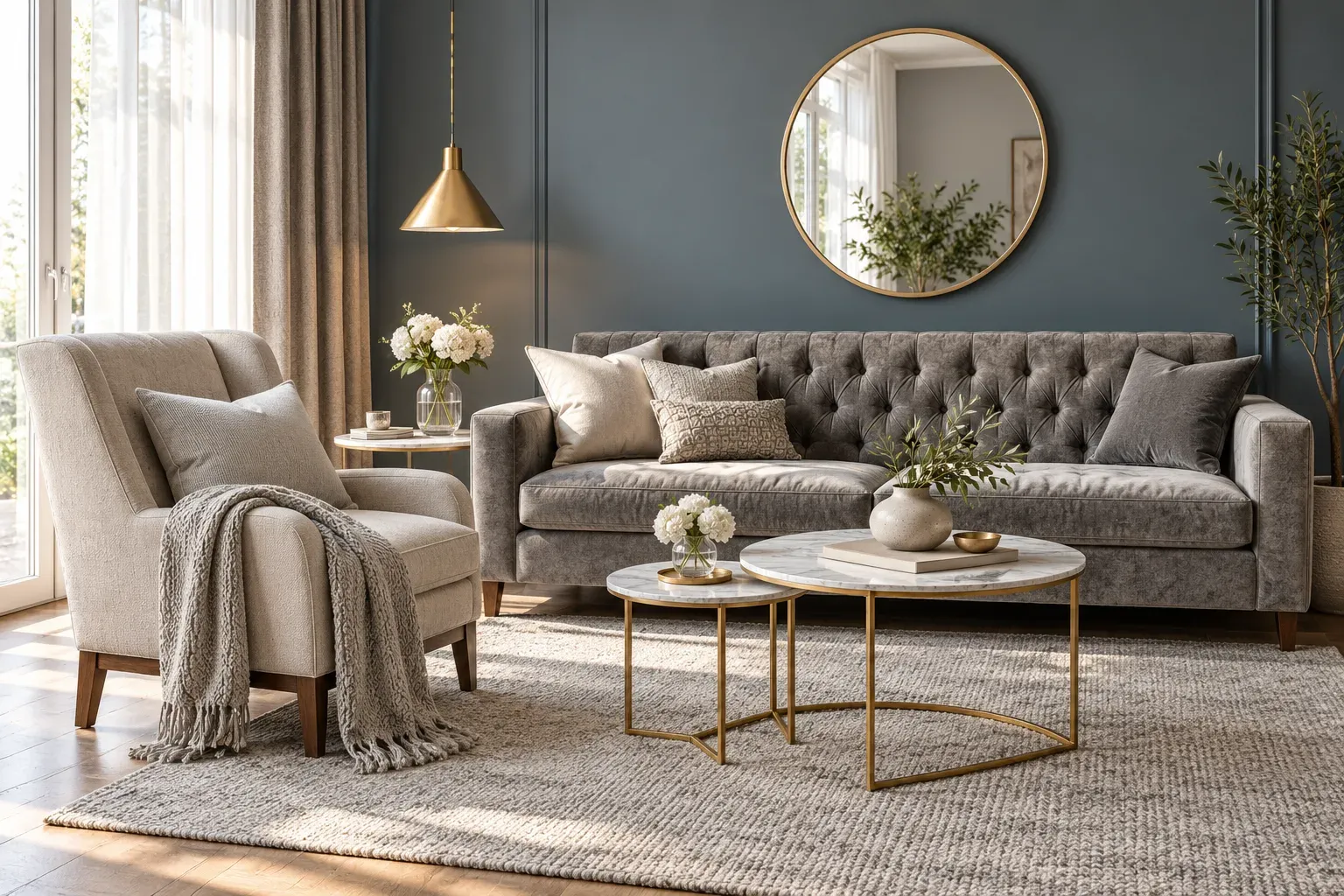
Furniture for modern classic interior design often has defined silhouettes, tailored upholstery and details such as piping or metal trims. Check substantial sofas and beds against the room before ordering.
Transitional interior design allows softer edges and a wider mix of shapes. A curved chair can sit beside a console when their colour, height or material connects them.
In a Mumbai apartment, either direction fails when furniture is oversized. Mark sofa depth, chair movement and wardrobe openings on the floor first.
Wall mouldings carry more importance in modern classic interior design. Full-height panels or framed sections can establish the style while furniture stays simple. Their depth should suit the ceiling and leave room for switches, curtains and cabinetry.
Transitional walls may use fewer panels, plain paint or one textured surface. Avoid placing moulding, fluting, patterned stone and wallpaper within one compact view.
Marble-look surfaces, wood, brushed metals and refined fabrics suit modern classic interior design. Clearer contrast and precise junctions make workmanship particularly visible.
Transitional rooms favour oak tones, linen-look fabrics, matte metals and textured stone. View samples together because beige, cream and timber undertones can clash under artificial light.
Both styles use neutrals differently. A modern classic palette may combine ivory with charcoal, walnut or brass. Transitional rooms keep contrast gentler through taupe, warm grey, muted blue or olive.
Structured upholstery and a central chandelier support the formal direction. Transitional spaces may use relaxed curtains and smaller lights. Choose maintainable fabrics for children, pets or frequent guests. Coordinating colours, fabrics, and lighting is an essential part of transitional and modern classic interior design styles.
Your chosen interior design style must accommodate routers, toys, cleaning supplies and appliances. Framed shutters strengthen a formal scheme but need more cleaning. Flatter transitional cabinetry is easier to maintain.
Mumbai homes near busy roads may benefit from fewer ledges and fabric surfaces. In Bangalore, approve warm greys and wood tones inside the room because daylight alters them.
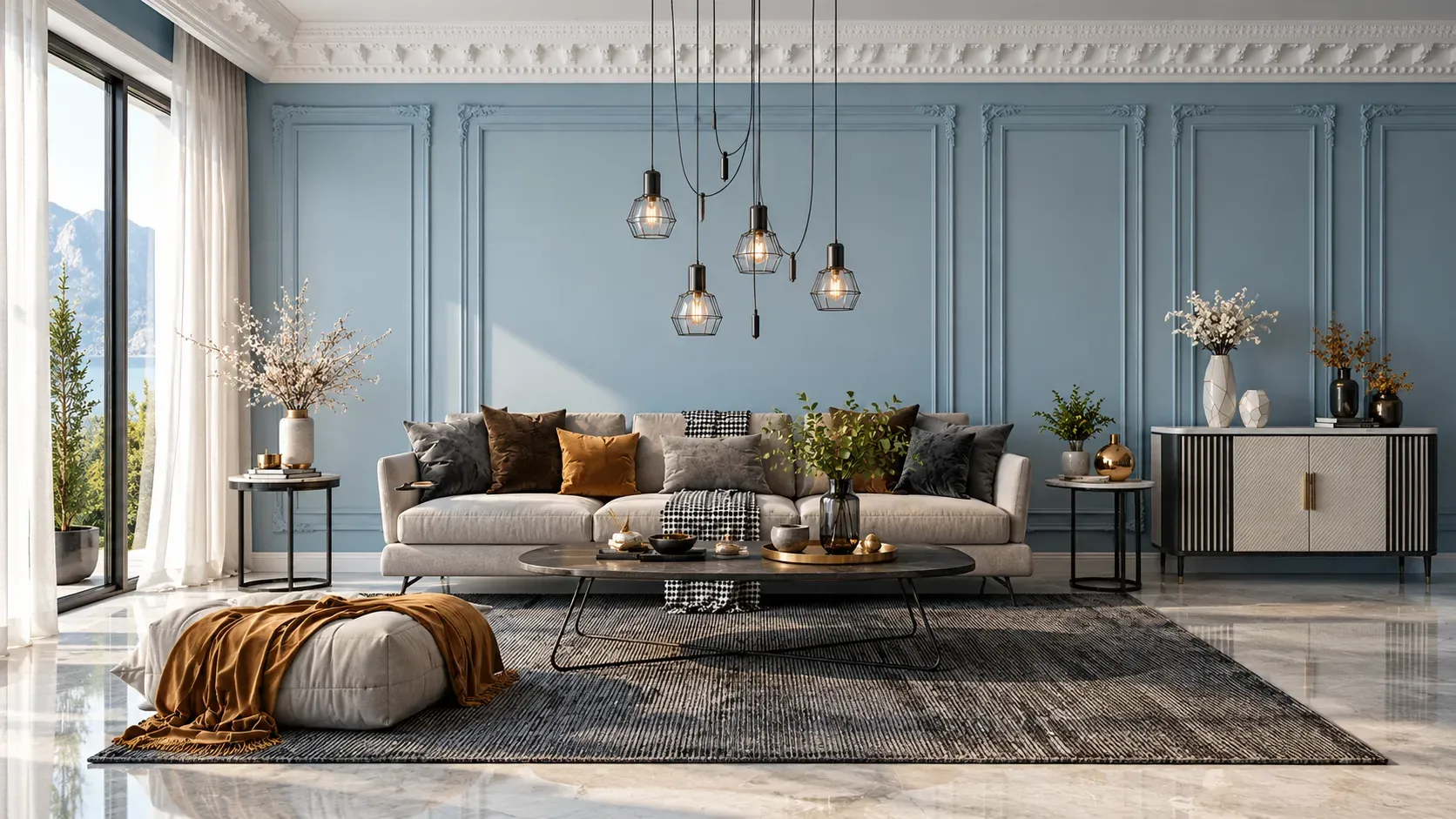
Compact apartments can carry modern classic interior design when detailing is scaled down. Use shallow mouldings, one formal focal wall and full-height storage. Symmetry can organise the room, while bulky furniture reduces usable space.
Larger homes can support more layering, but every room does not need a different stone or metal. Repeating a controlled palette creates continuity.
Transitional rooms accommodate mixed furniture and irregular layouts more easily. They suit households seeking warmth without a consistently formal setting.
If you are wondering how to choose an interior design style, consider your normal week. Would symmetry, polished finishes and visible moulding feel comfortable, or would relaxed furniture and fewer fixed details suit you better?
Choose modern classic interior design when you want composed architecture and clear detailing. Choose a transitional direction when the room must absorb changing artwork, furniture and family possessions.
Bonito Designs' LifeDesign approach begins with the household. A Bangalore family hosting dinners may value a symmetrical dining room. A Mumbai family with children may prefer softer furniture, closed storage and simpler walls.
These routines determine whether modern classic interior design will remain practical or whether a transitional scheme will work better. Bonito Designs coordinates layouts, furniture, lighting and finishes through in-house execution, end-to-end planning and ISO-certified systems.
Book a consultation with Bonito Designs to create a home where the chosen style supports how your household lives in and changes the space.
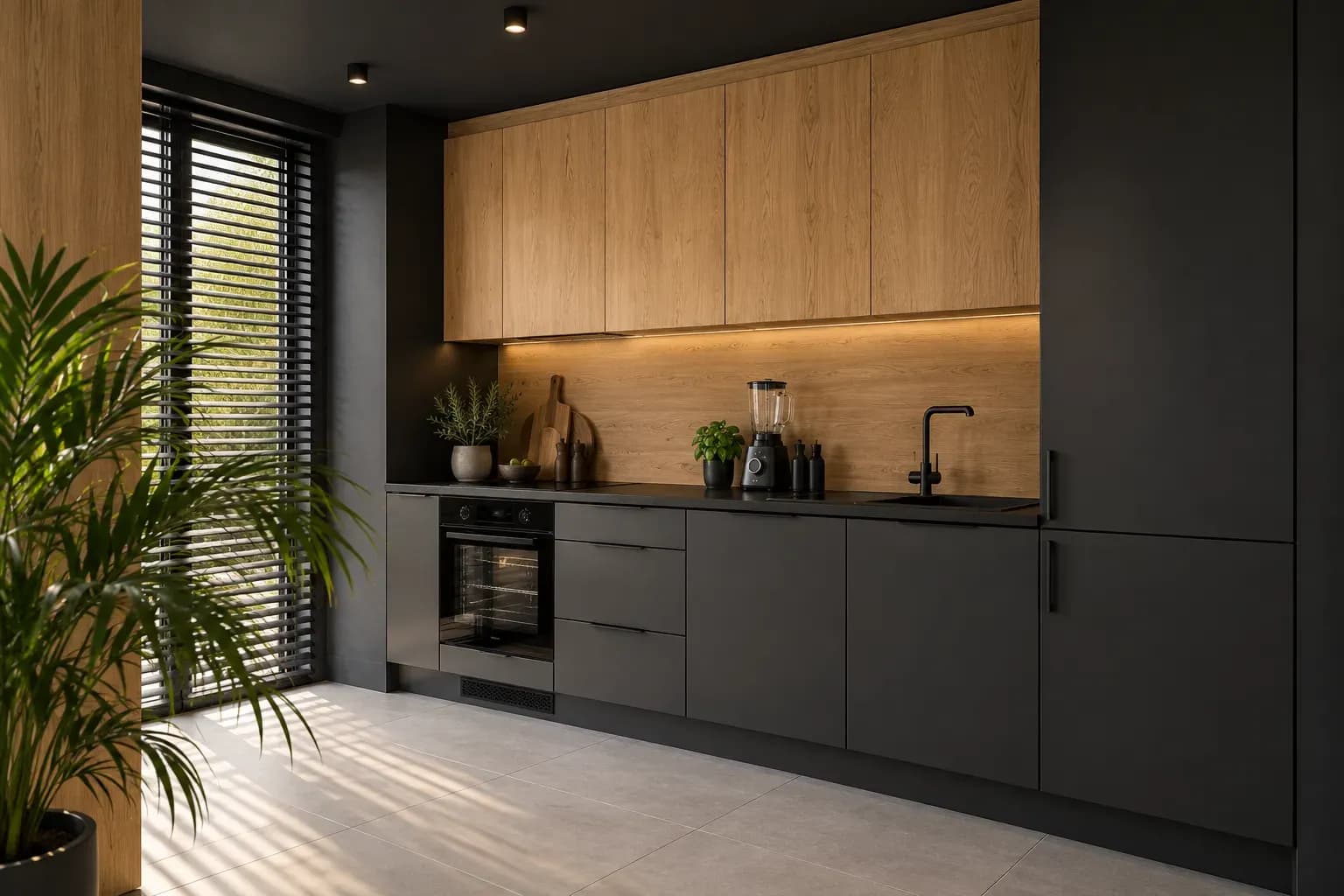
Kitchen interior design cost depends heavily on cabinet materials, core boards, hardware, storage accessories, and the level of customisation. Materials such as laminate, acrylic, veneer, membrane, and PU vary considerably in price, durability, appearance, and maintenance. A well-planned kitchen budget should therefore balance upfront cost with long-term performance and everyday use.
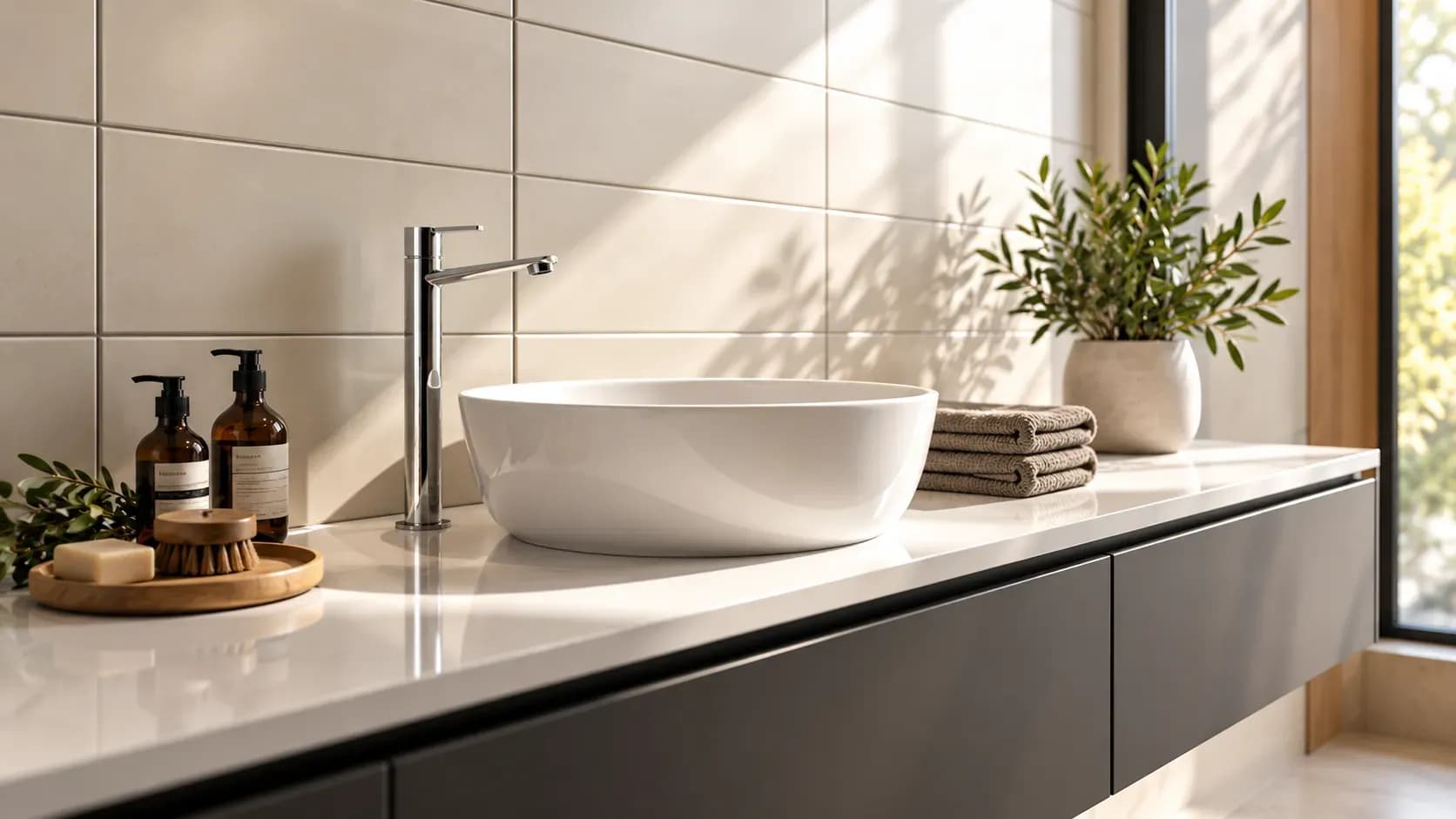
24 Oct 2026|5 min readAccessories, textures and finishes are all essential to modern bathroom decor, especially when smaller details need to feel connected. However, useful modern bathroom decor ideas also account for moisture, cleaning and storage so the room remains practical every day.
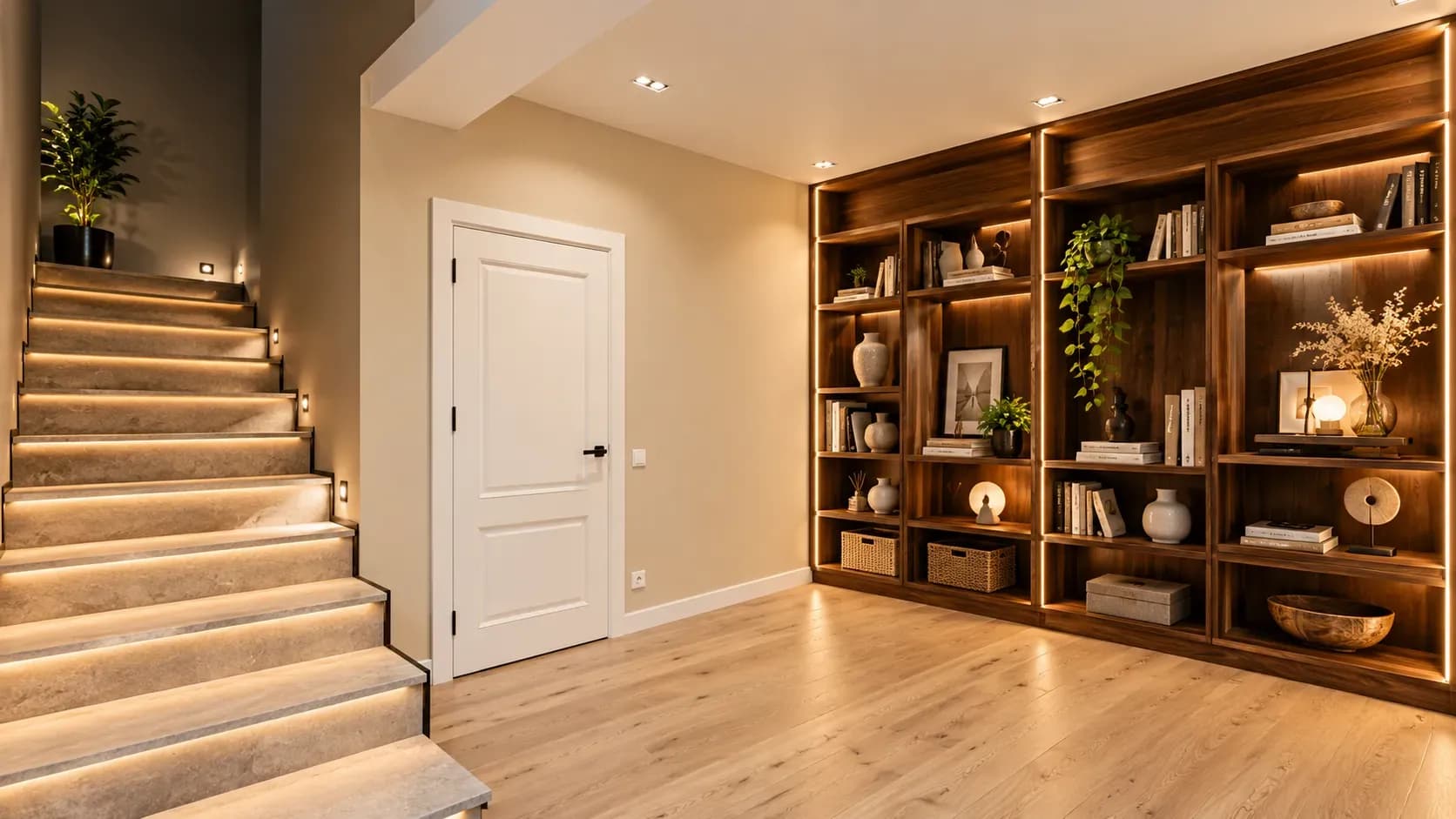
23 Oct 2026|5 min readA well-planned basement can become a practical extension of the home when moisture, ventilation, lighting and access are addressed first. From home theatres and gyms to guest rooms, offices and organised storage, basement interior design should reflect how the space will actually be used. Thoughtful layouts, moisture-resistant finishes and layered lighting can also make lower-ground spaces feel brighter, safer and more comfortable.
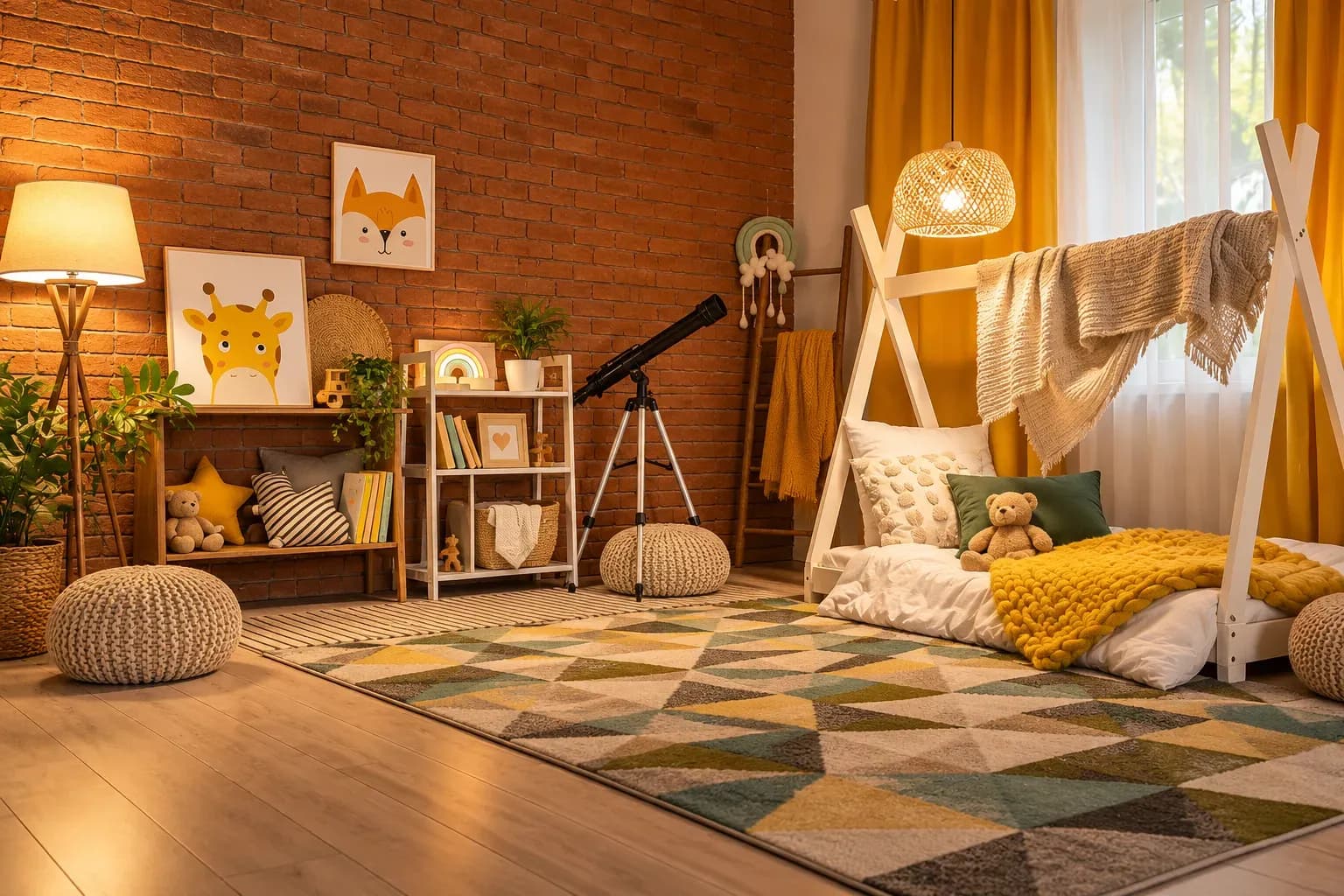
23 Oct 2026|5 min readBoth whimsical interior design and maximalist interior design use colour, pattern and personal objects, but they create visual interest differently. While the first focuses on imaginative surprises, the second builds richness through deliberate layering and abundance. This article covers their differences across colour, furniture, artwork, lighting and storage, along with practical ways to adapt either style to compact Indian homes.
22 Oct 2026|5 min readTransitional interior design blends classic detailing with contemporary simplicity, while modern interior design relies on cleaner lines, streamlined storage and stronger visual restraint. The right choice depends on the home’s size, existing furniture, maintenance needs and daily routines. Materials, furniture scale, storage and lighting should all support the chosen style.
21 Oct 2026|5 min readEclectic interior design brings together furniture, colours, materials, textures, and influences from different eras while maintaining a clear sense of cohesion. Rather than mixing elements randomly, the style relies on colour repetition, balanced proportions, thoughtful scale, and recurring finishes to connect contrasting pieces. When planned carefully, eclectic interiors feel layered, personal, and collected without becoming visually cluttered.
03 Oct 2026|5 min read


Your Home Makeover Starts Here.