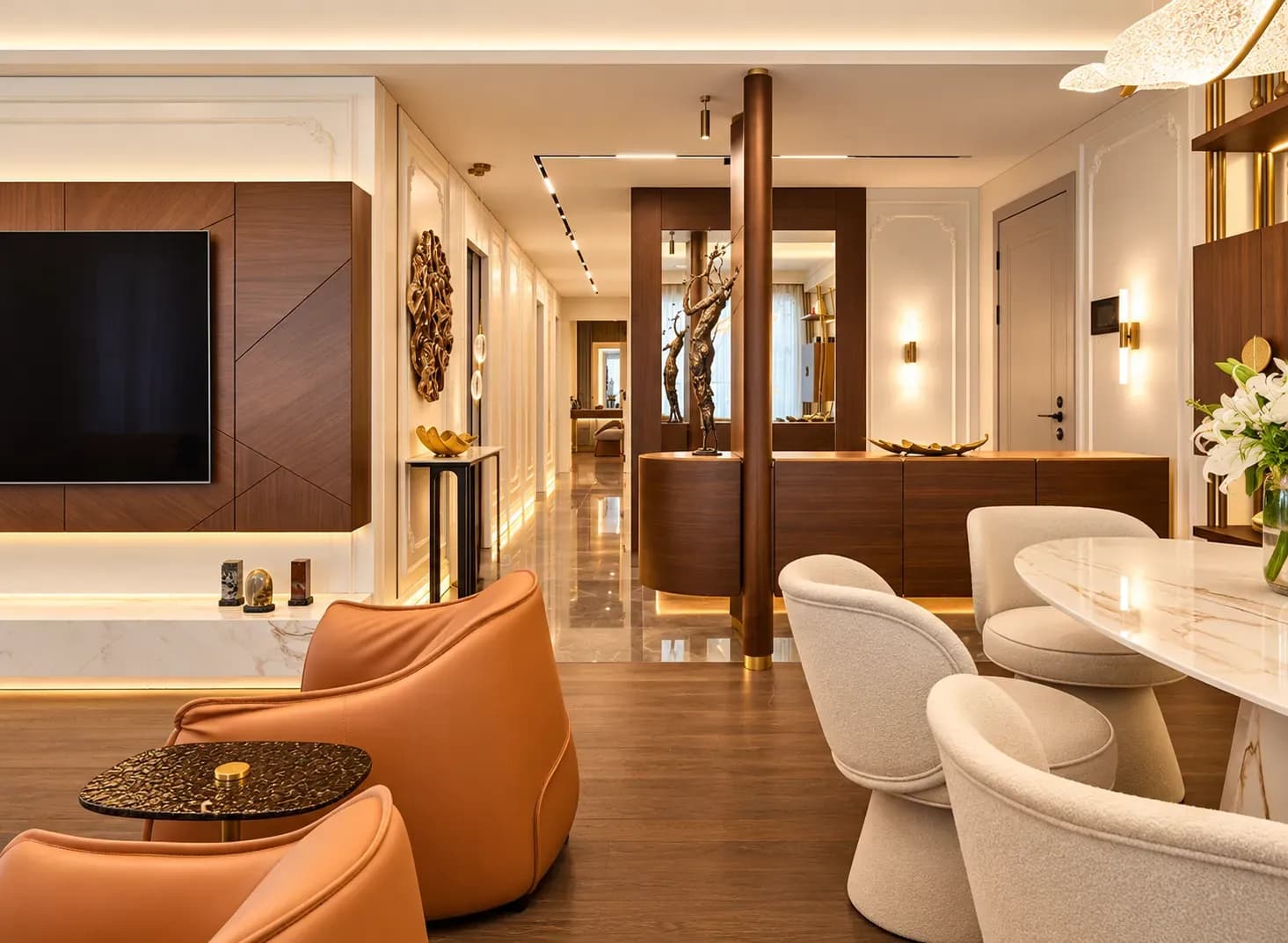
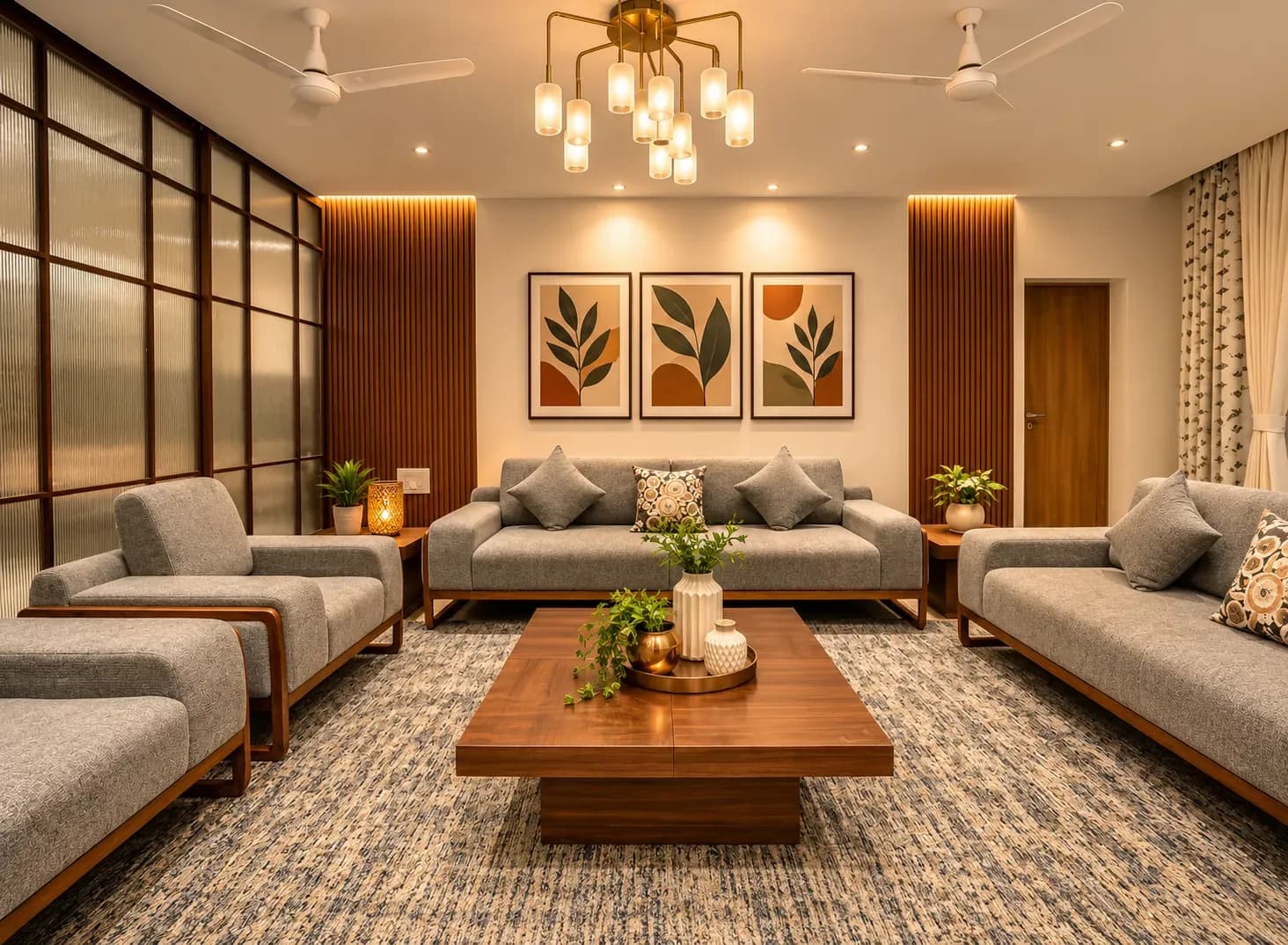
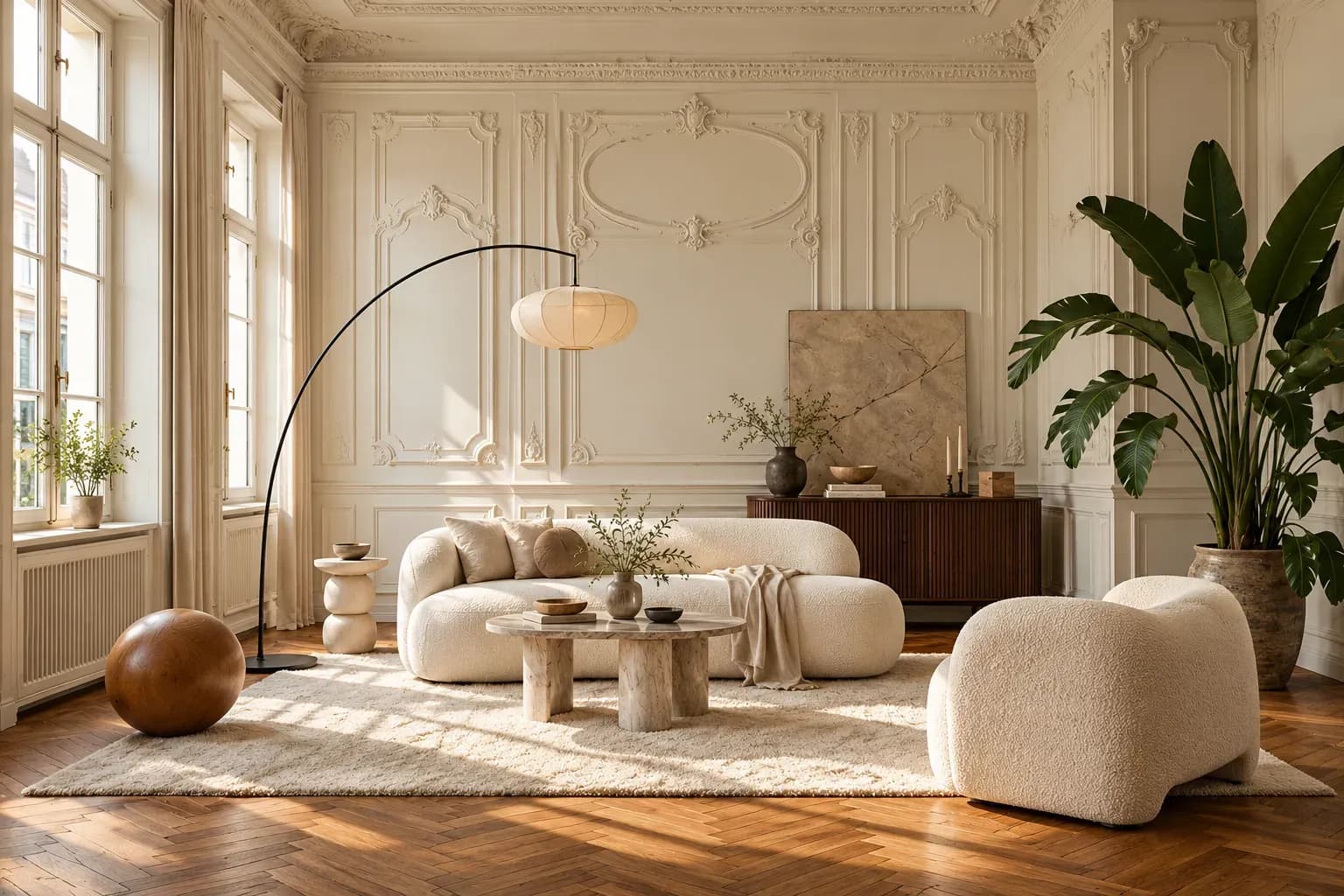
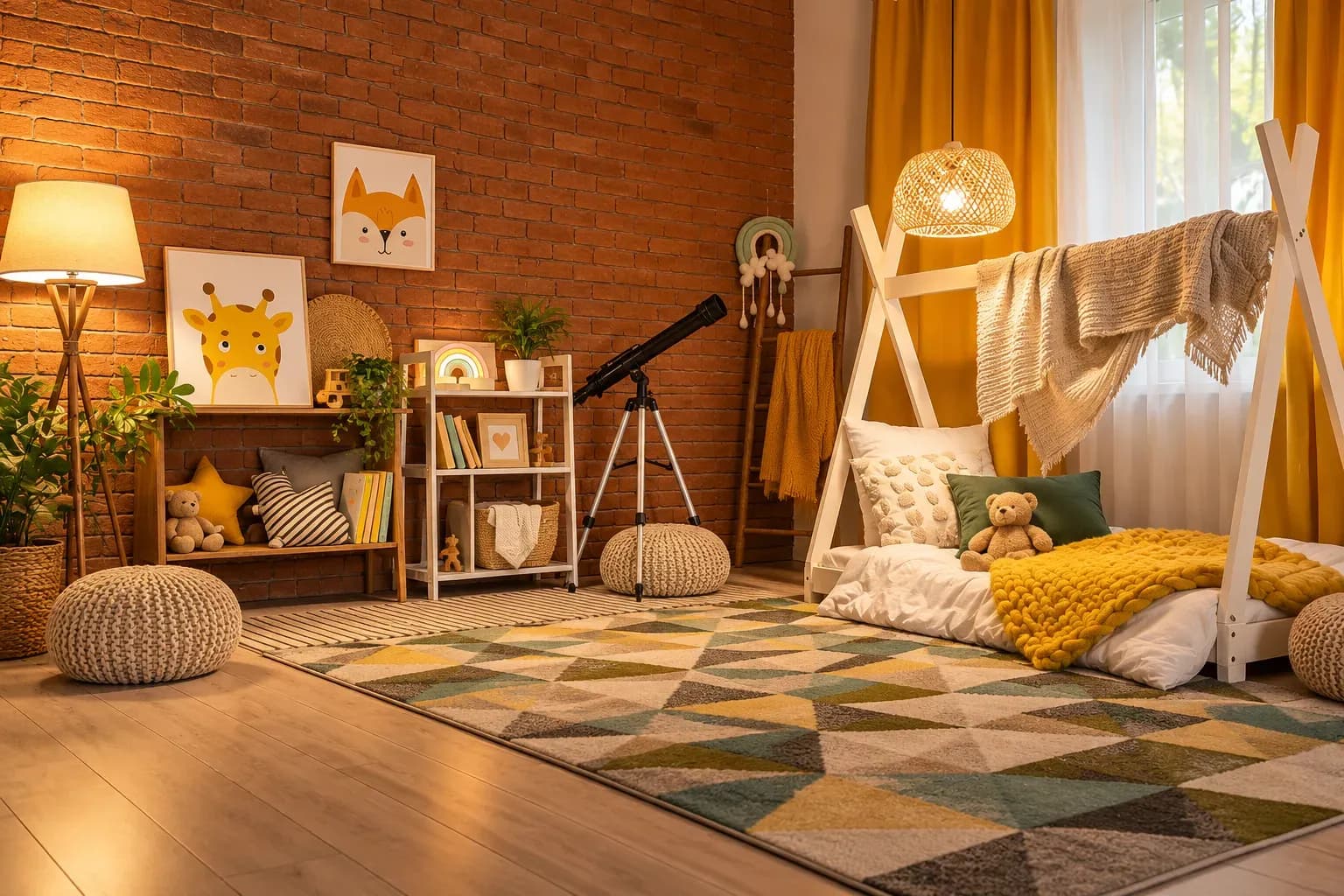
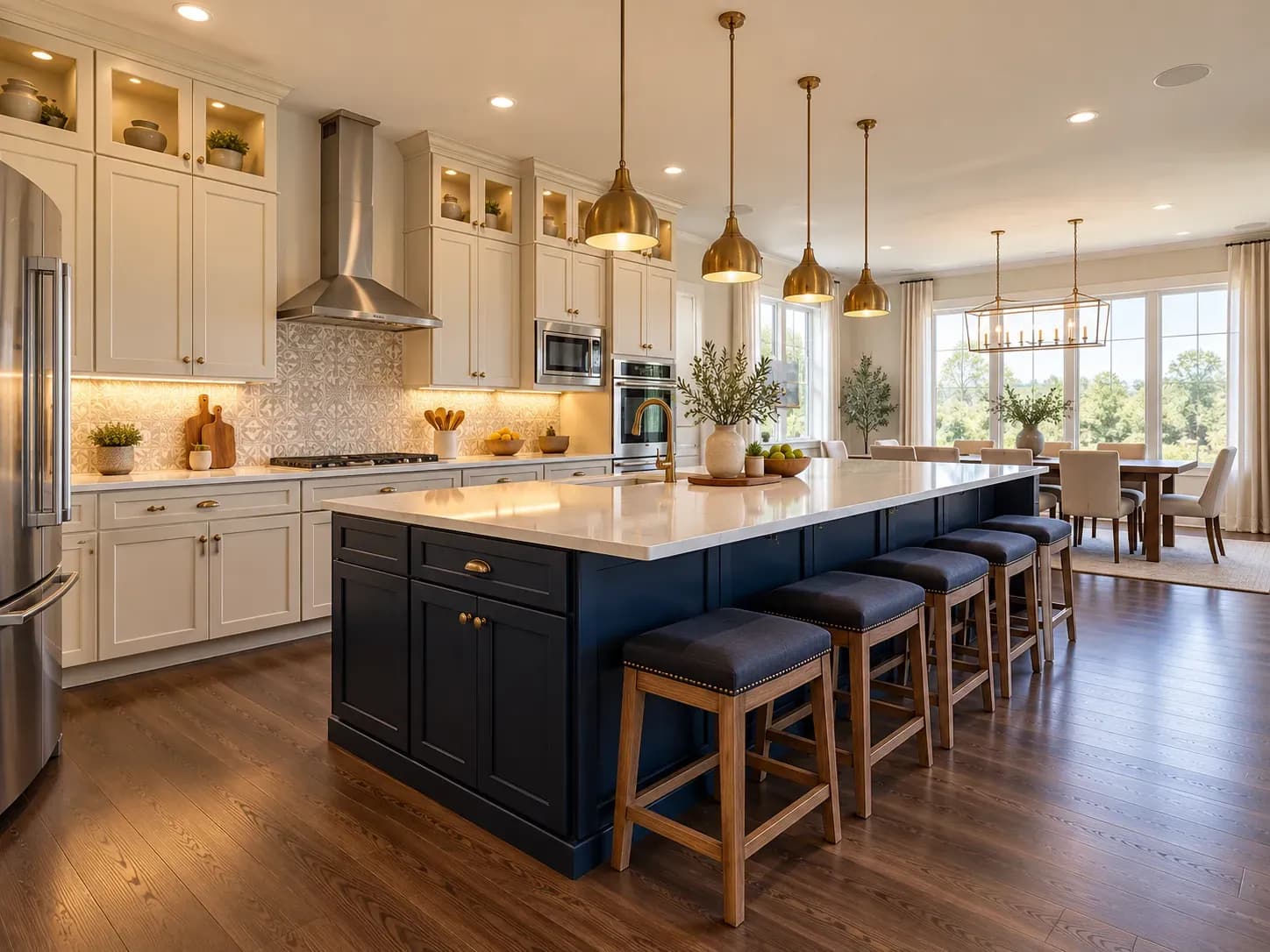
Real eclectic interior design is one of the more disciplined styles out there, even though it doesn't look that way at first glance. It's about combining contrasting influences, different eras, materials, and origins, through a deliberate visual thread that ties everything together. Get that thread right, and a room can feel layered, personal, and genuinely collected. Miss it, and you end up with exactly the cluttered chaos people assume the style is about.
At its core, eclectic interior design is about selecting the best elements from different design traditions and bringing them together as a considered whole, not a random mix. It borrows from multiple eras and aesthetics simultaneously: a mid-century chair, a vintage rug, contemporary lighting, without any single style dominating the room.
Instead of following one aesthetic rulebook, it relies on an underlying sense of cohesion, usually built through colour, proportion, or a recurring material, that holds together pieces which wouldn't normally sit in the same room.
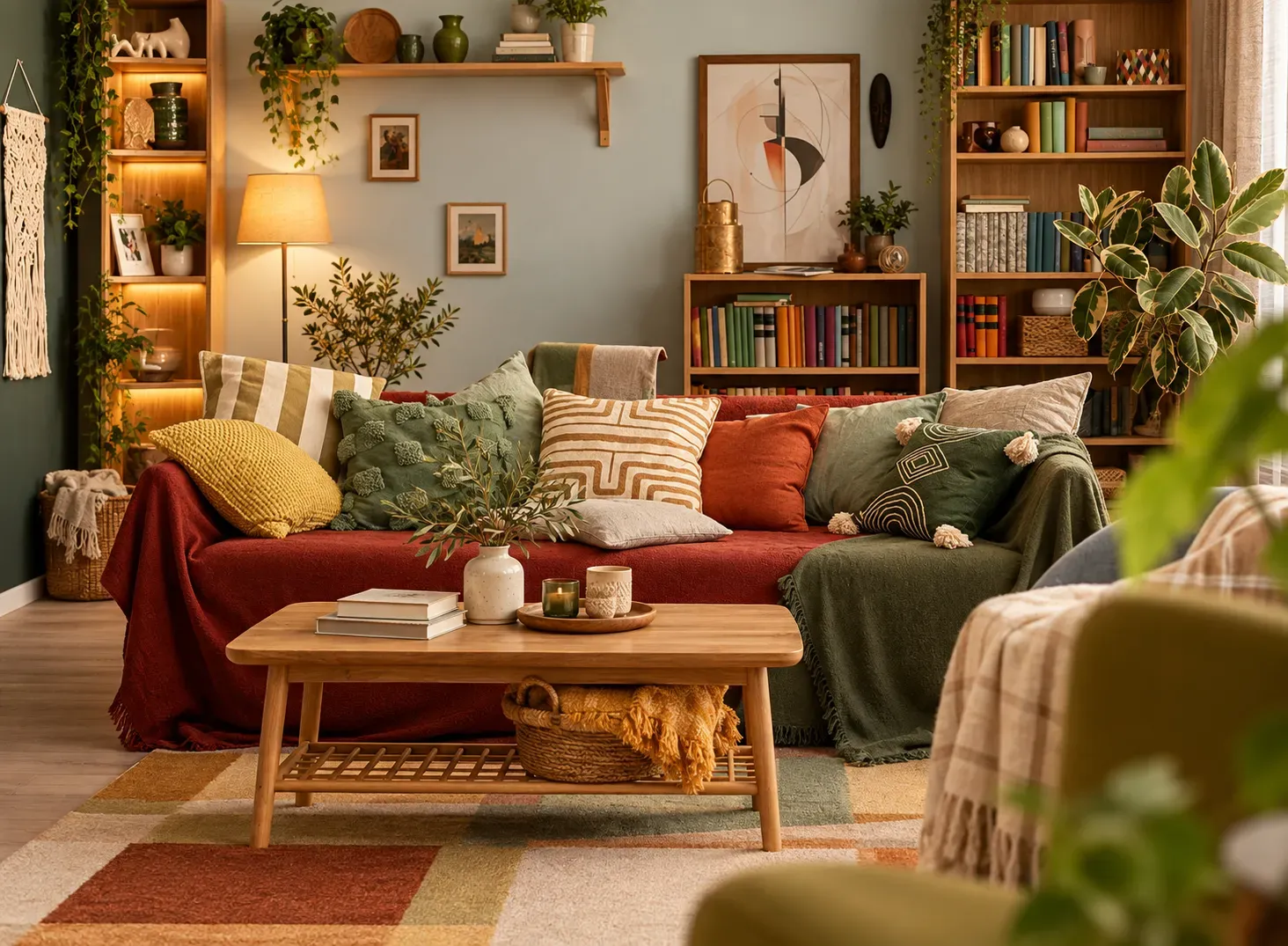
A few recurring features define most successful examples of eclectic design:
The common thread across all of these is intentionality. Every piece in eclectic interior design earns its place, even if the pieces themselves come from very different worlds.
Colour is one of the easiest ways to hold an eclectic room together, and it's often what separates a genuinely well-designed space from one that feels busy.
Keeping colour consistent is often the single most effective way to make eclectic in interior design feel curated.
| Principle | How It Helps |
|---|---|
| Balance | Distributing visual weight evenly around the room, rather than clustering all the bold pieces in one corner |
| Scale | Mixing furniture sizes thoughtfully, so a large statement piece doesn't overwhelm smaller, more delicate items nearby |
| Repetition | Repeating a material, shape, or finish across multiple pieces to create a subtle, recognisable thread through the room |
Repetition in particular does a lot of quiet work. A brass finish that shows up on a lamp, a mirror frame, and a set of drawer handles ties those three otherwise unrelated pieces together, even if nothing else about them matches.
Once the underlying structure of colour, balance, and repetition is in place, mixing the actual pieces becomes much easier and far less risky.
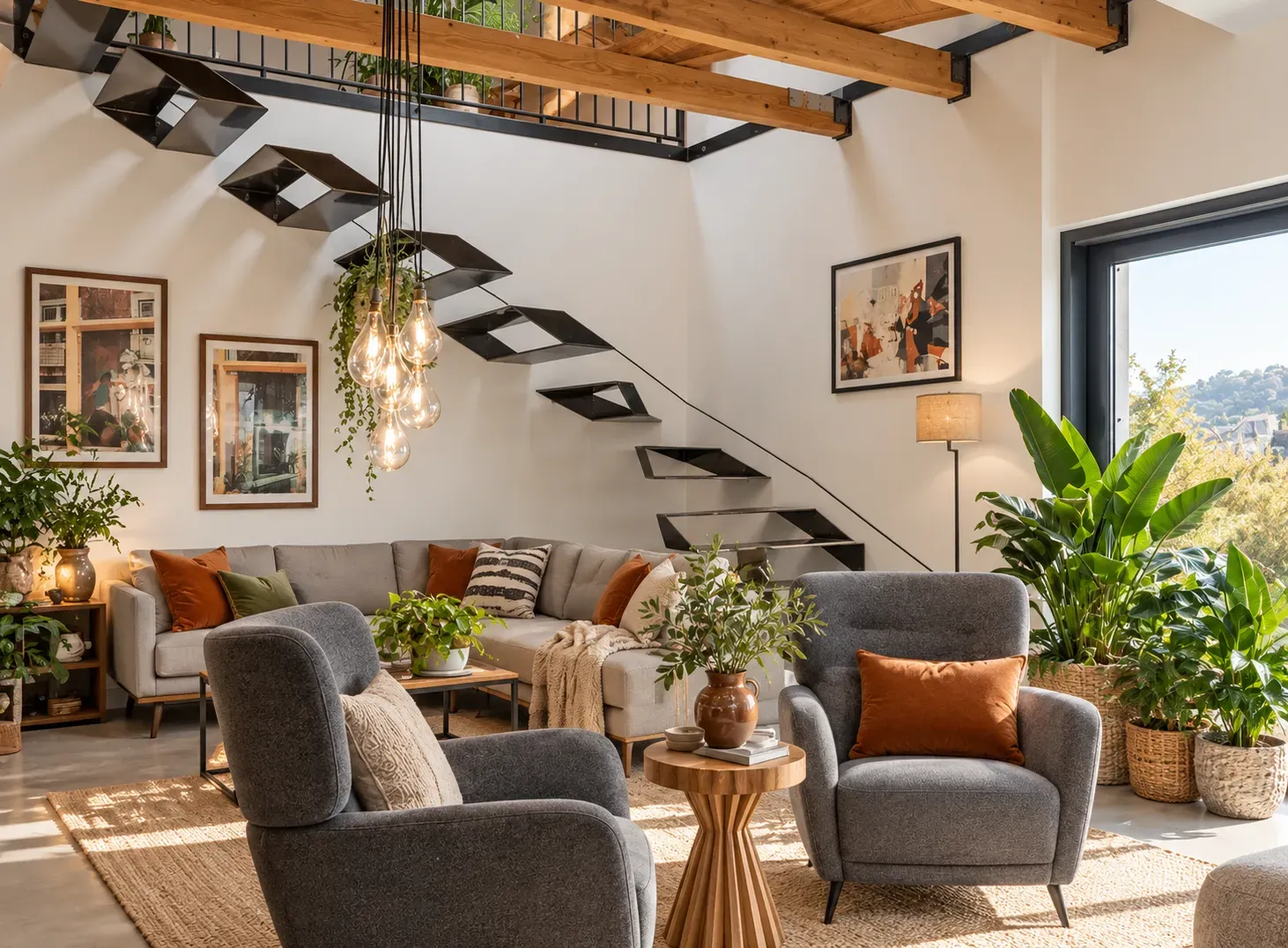
The style adapts differently depending on the room and how it's used.
This is usually where eclectic interior design gets to be boldest. A gallery wall combining art, mirrors, and travel finds, paired with a mix of vintage and contemporary seating, works well here since living rooms can carry more visual layering than more private spaces.
A calmer approach usually works better. One or two statement pieces, a bold headboard or an interesting light fixture, paired with a mostly neutral base, keeps the room feeling restful while still reflecting personality.
Mismatched chairs around a single cohesive table are a classic, reliable eclectic move. It adds character without disrupting the practical function of the space, as long as the chairs share some connecting element, colour, material, or era.
Eclectic interior design can absolutely work in smaller spaces, but it needs a lighter touch. Fewer statement pieces, a tighter colour palette, and careful use of scale prevent a small room from feeling overwhelmed by too much visual variety at once.
A successful eclectic interior design style feels collected rather than chaotic. The key is to mix different influences freely while using colour, proportion, repetition, and a few consistent design elements to keep the overall space visually connected and feeling personal.
This is where Bonito Designs’ LifeDesign process comes in. This interior design service starts by looking at your lifestyle, family schedule, and personal quirks, because these small things make a real difference when building a home. Once Bonito Designs understands your needs, they create an eclectic interior design theme that perfectly matches your personality.
Book a consultation with Bonito Designs today if you need an eclectic design that feels just right for your home and family.
Well-planned modern home interiors in HSR Layout use clean layouts, integrated storage and coordinated finishes without following every short-lived trend. The best luxury home interiors also adapt each room to the household’s routines, available light and long-term needs. This article explains how to plan living rooms, kitchens, dining areas and bedrooms so the entire home feels modern, comfortable and easy to maintain.
03 Nov 2026|5 min readChoosing a full home interior designer in HRBR Layout requires careful review of the team’s site assessment, planning process, specifications and execution controls. Good house interior design should respond to the property’s actual structure as well as the family’s daily needs. This article explains how to compare portfolios, quotations, timelines, workmanship and after-sales support before appointing a firm.
02 Nov 2026|5 min readChoosing among the best interior designers in Thane requires looking beyond portfolios and reputation. Homeowners should compare design approach, project experience, execution support, pricing transparency, material specifications, and client feedback. The right designer should also match your budget, communication preferences, and your home's practical needs.
02 Nov 2026|5 min readBoth modern classic interior design and transitional design combine classical references with contemporary furniture, storage and lighting. However, modern classic rooms retain more symmetry and formality than transitional spaces. This article covers how transitional interior design differs across furniture, mouldings, colours, materials, lighting and maintenance, along with practical guidance for choosing between the two styles.
24 Oct 2026|5 min readBoth whimsical interior design and maximalist interior design use colour, pattern and personal objects, but they create visual interest differently. While the first focuses on imaginative surprises, the second builds richness through deliberate layering and abundance. This article covers their differences across colour, furniture, artwork, lighting and storage, along with practical ways to adapt either style to compact Indian homes.
22 Oct 2026|5 min readTransitional interior design blends classic detailing with contemporary simplicity, while modern interior design relies on cleaner lines, streamlined storage and stronger visual restraint. The right choice depends on the home’s size, existing furniture, maintenance needs and daily routines. Materials, furniture scale, storage and lighting should all support the chosen style.
21 Oct 2026|5 min read


Your Home Makeover Starts Here.