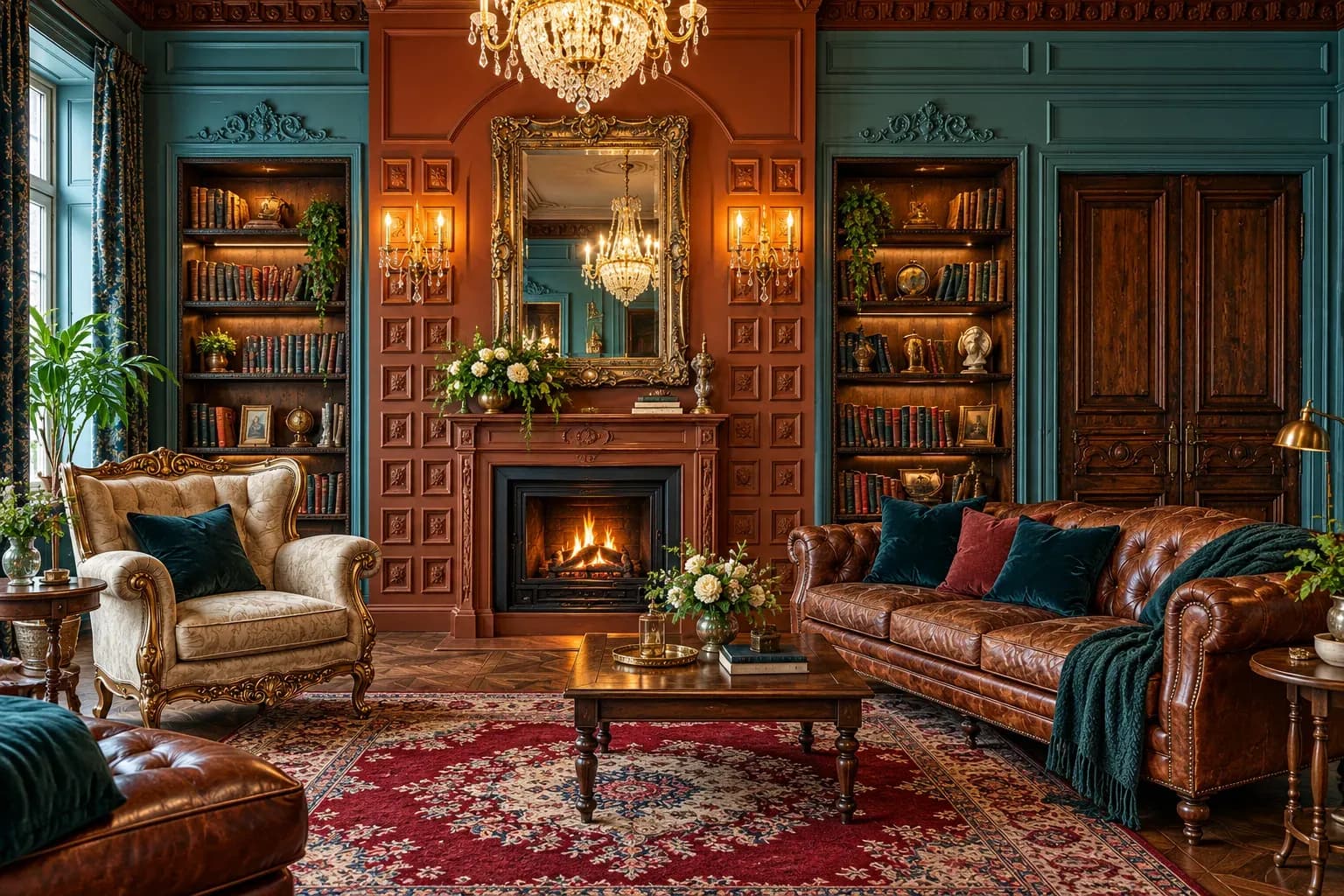
Choosing the best colour for house interiors is less about trends and more about personality, lifestyle, and how a space is used. Colours affect mood and comfort: blues and greens support rest, warm neutrals add a grounded feel, and deeper tones create focus. The right choice also depends on practical factors like natural light, undertones, humidity, and existing furniture.
Every homeowner eventually hits the same wall. The paint swatches are spread across the floor. There are seventeen tabs open on the browser. One person wants greige, another wants white, and someone else has a strong opinion about yellow. Nothing gets decided.
The reason this happens is that most people are trying to find the objectively correct answer to a question that does not have one. The best colour for house interior spaces is not a universal truth. It is a personal one.
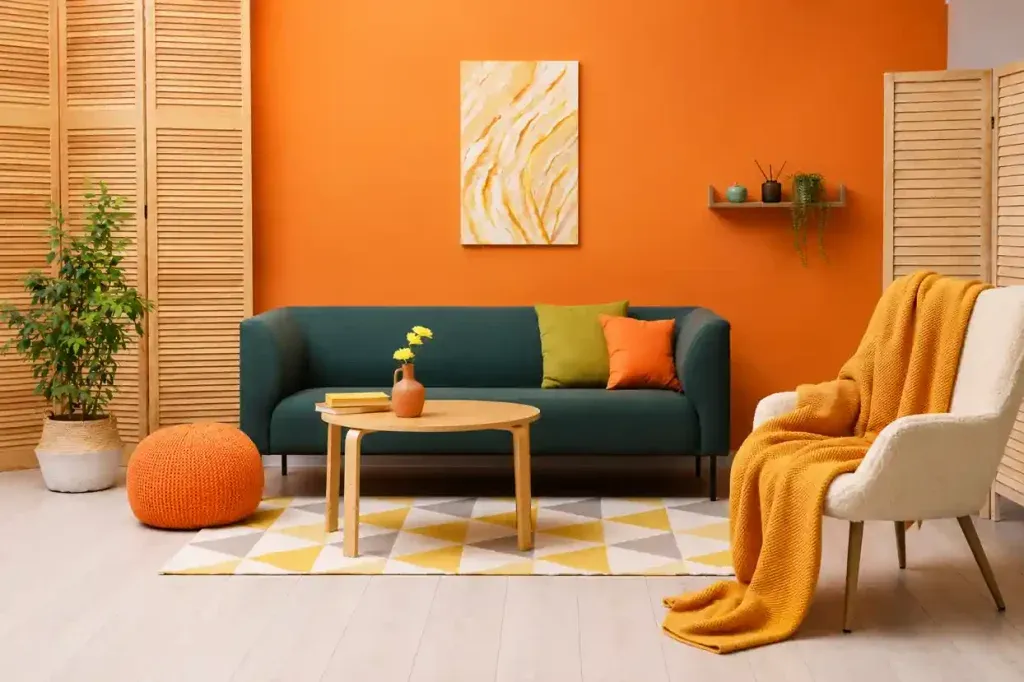
Social media has made colour selection harder, not easier. Every season brings a new "it" colour: sage green, terracotta, dusty rose, and more. Homes that follow these cycles look trendy for about eighteen months and then start to feel like a moment that has passed.
The best colour for a house’s interiors is not a choice you can make based on popularity. It should be a colour that will still feel comfortable in three years' time, on an ordinary Tuesday evening when no one is photographing the room.
Trends are useful as reference points. They are not useful as the primary decision-making framework.
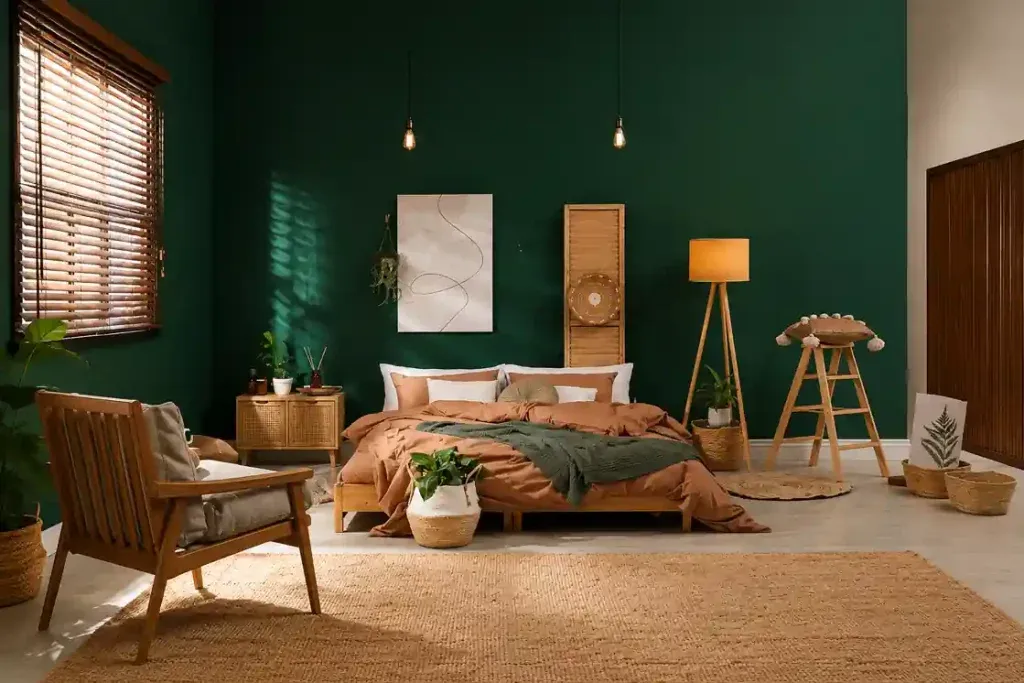
Colour is not just visual; it is also physiological. Certain tones lower heart rate and cortisol levels. Others stimulate alertness. It is documented in environmental psychology research, and it has direct implications for how your home feels to live in.
When it comes to choosing the best colours for house interiors, A few patterns that hold consistently:
None of these is the best colour for house interiors in an absolute sense. Each of them is right for a specific person in a specific space.
Before choosing the best colour combination for house interiors, it helps to identify where you actually sit on a few simple spectrums.
If the answer is energising, you may enjoy a bolder, more saturated colour. If you find them draining, go for more muted tones that recede rather than demand attention.
People who prefer order tend to feel most comfortable in monochromatic or tonal palettes. People who prefer interest gravitate toward contrasts and combinations.
A household that hosts frequently has different needs from one that treats home as a private retreat. Social spaces can carry more visual energy. Private spaces almost always benefit from restraint.
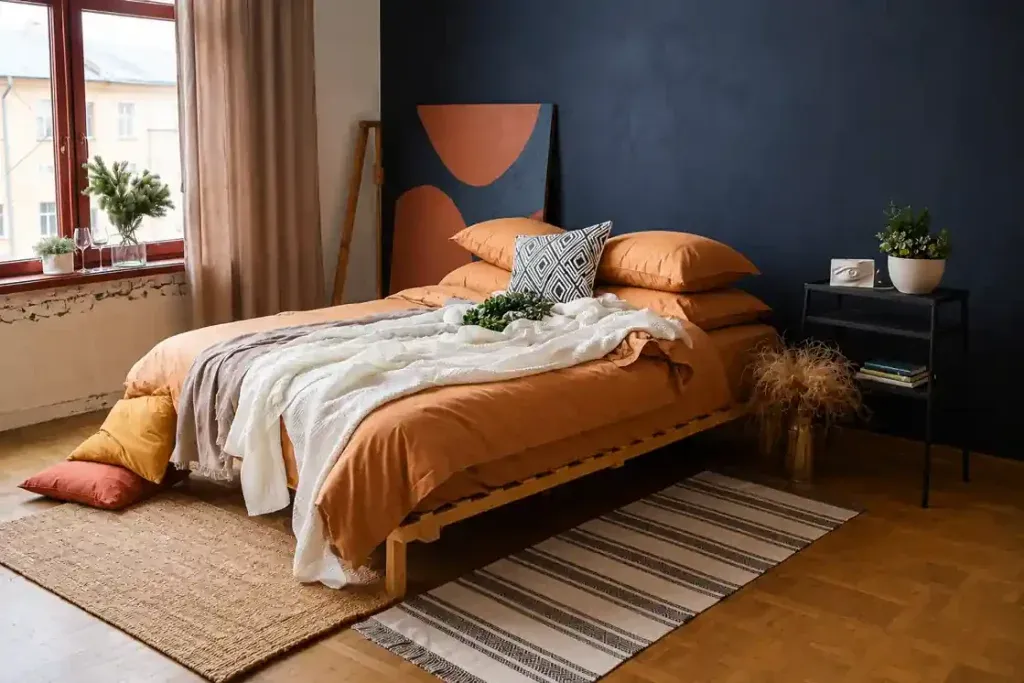
Personality-led colour choice still has to contend with the physical reality of the space. The best colour combination for house interior walls is one that works with the room's lighting, not against it.
For example, in north-facing Mumbai apartments, rooms tend to receive indirect, cooler light for most of the day. In such apartments, interior designers in Mumbai prefer to specify warm-toned colours as they perform better. A deep olive that looks grounded and rich in a well-lit room can read as muddy and heavy in a dim one.
Key practical filters to apply before finalising any colour:
Choosing colour shades for house interiors is one of the decisions that feels straightforward until you are standing in front of a finished wall, wondering why it does not look the way you imagined. Bonito Designs approaches colour as part of the broader design brief, not as a standalone decision made from a paint catalogue.
The process starts with understanding how the household lives, what the space needs to do, and what the people in it find genuinely comfortable. Colour follows from that, informed by the room's light conditions, the material palette, and the specific layout constraints of homes.
The best colour for house interior spaces is always the one that makes the room feel like it belongs to the person living in it. If you want help finding the best colour for house interiors that reflects how you live, book a consultation with Bonito Designs today.
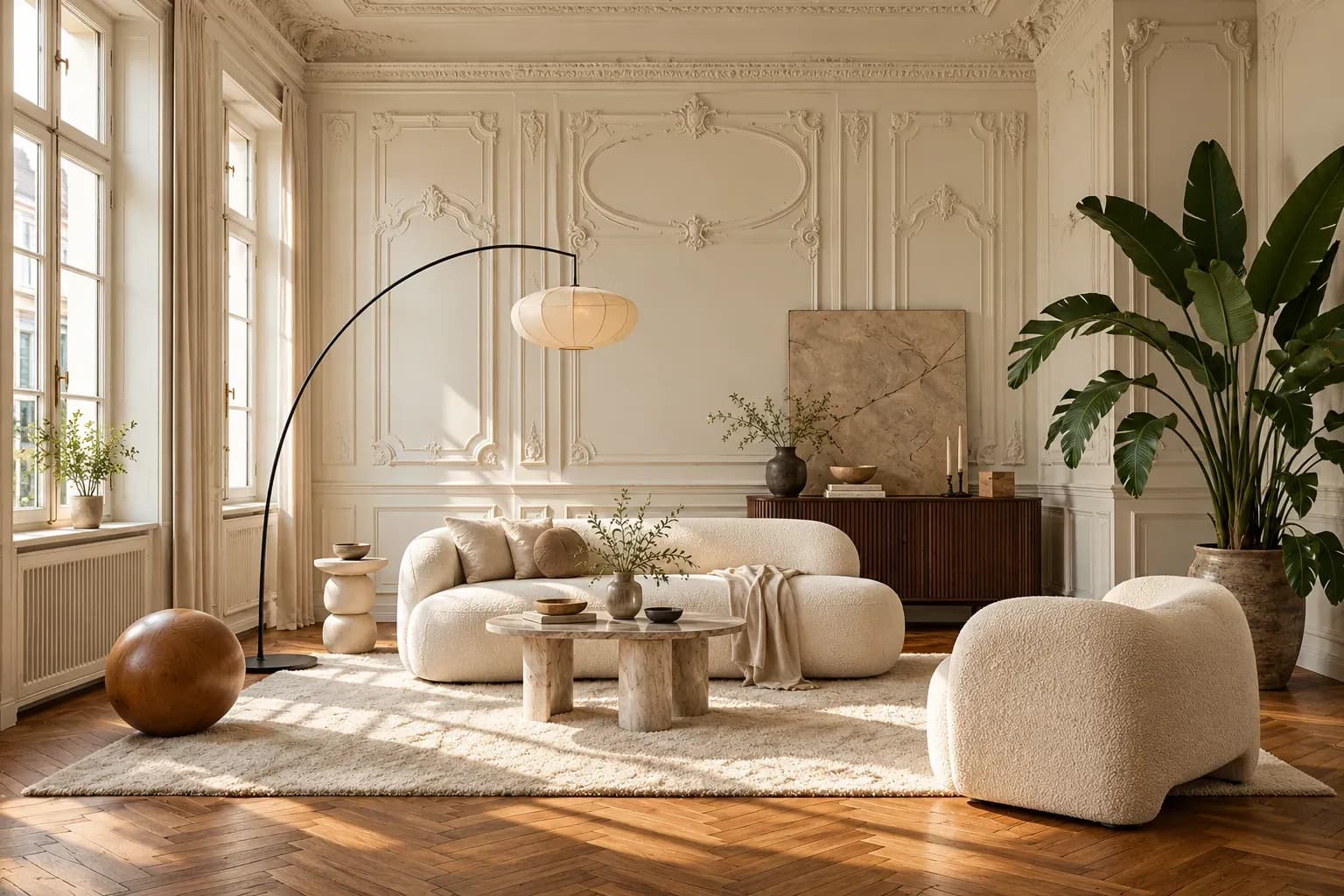
Both modern classic interior design and transitional design combine classical references with contemporary furniture, storage and lighting. However, modern classic rooms retain more symmetry and formality than transitional spaces. This article covers how transitional interior design differs across furniture, mouldings, colours, materials, lighting and maintenance, along with practical guidance for choosing between the two styles.
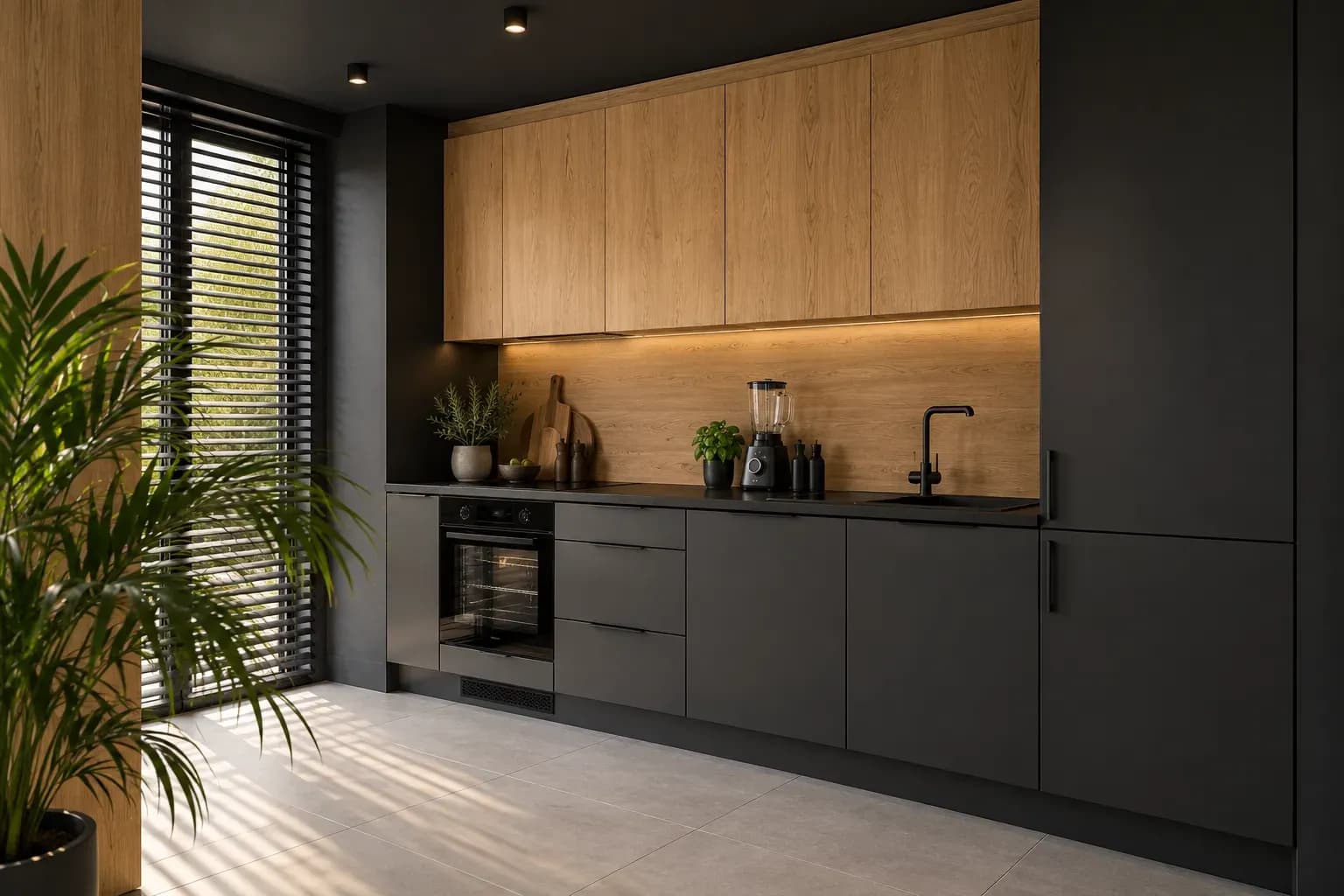
24 Oct 2026|5 min readKitchen interior design cost depends heavily on cabinet materials, core boards, hardware, storage accessories, and the level of customisation. Materials such as laminate, acrylic, veneer, membrane, and PU vary considerably in price, durability, appearance, and maintenance. A well-planned kitchen budget should therefore balance upfront cost with long-term performance and everyday use.
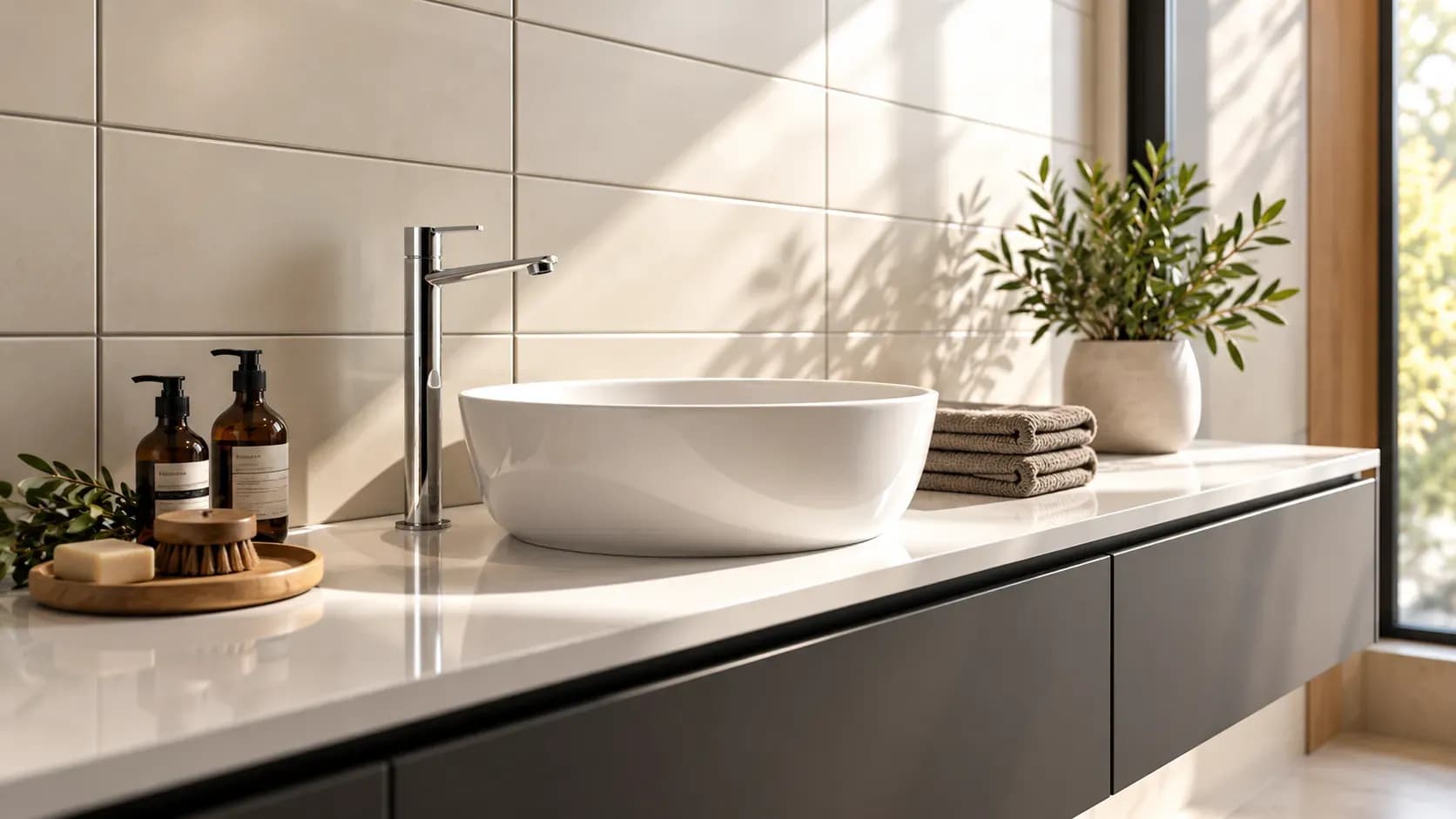
24 Oct 2026|5 min readAccessories, textures and finishes are all essential to modern bathroom decor, especially when smaller details need to feel connected. However, useful modern bathroom decor ideas also account for moisture, cleaning and storage so the room remains practical every day.
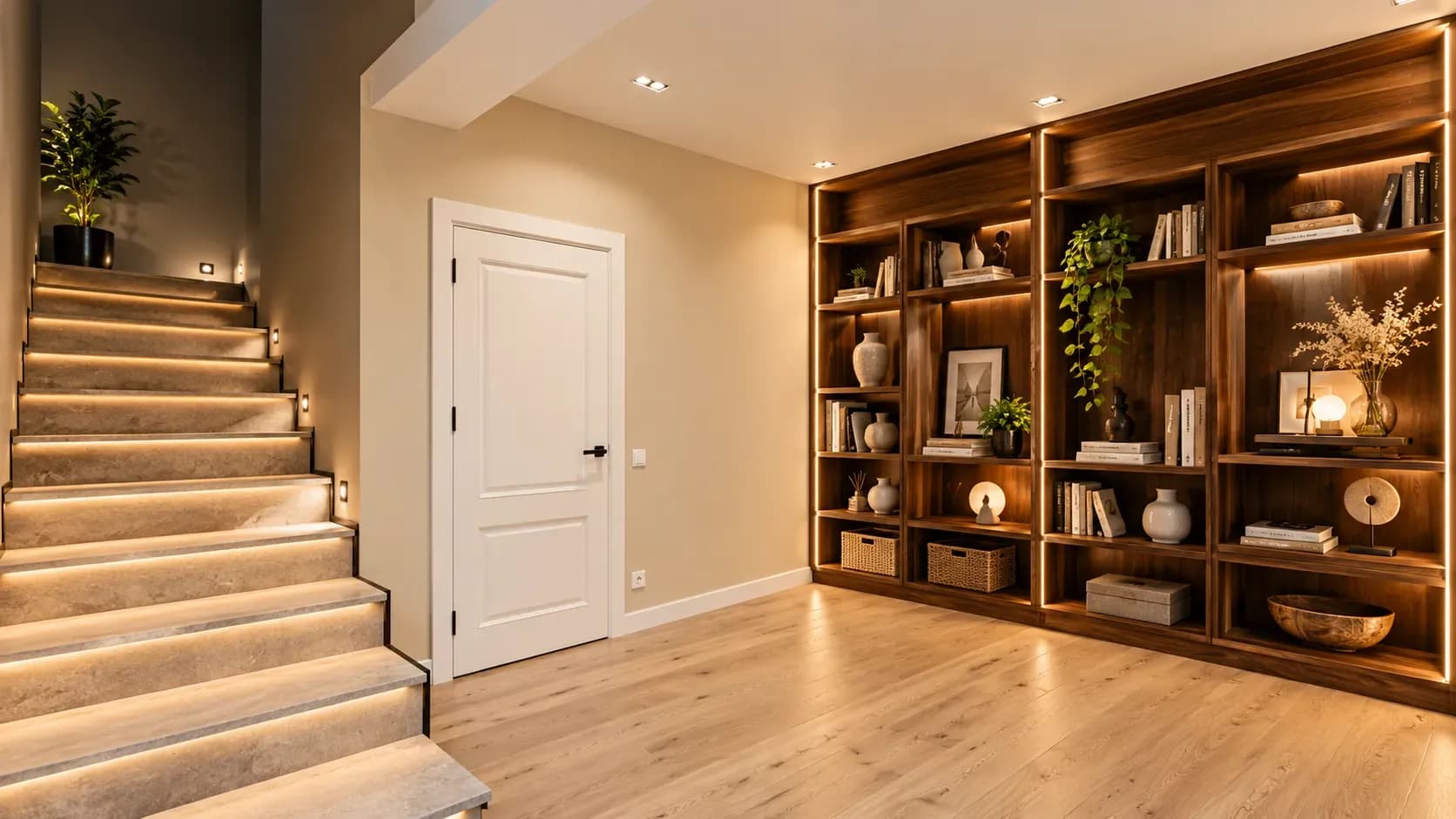
23 Oct 2026|5 min readA well-planned basement can become a practical extension of the home when moisture, ventilation, lighting and access are addressed first. From home theatres and gyms to guest rooms, offices and organised storage, basement interior design should reflect how the space will actually be used. Thoughtful layouts, moisture-resistant finishes and layered lighting can also make lower-ground spaces feel brighter, safer and more comfortable.
23 Oct 2026|5 min readVictorian house interior design can work well in compact Indian homes when you use decorative elements selectively. Lighter colours, restrained mouldings, slimmer furniture and controlled patterns help retain Victorian character without making rooms feel crowded. Modern storage, practical lighting and careful space planning can make the style more suitable for everyday living.
21 Oct 2026|5 min readThoughtful villa interior design creates continuity across large homes without making every room look identical. Repeating select materials and colours, planning circulation, balancing social and private zones, and using lighting strategically can help each space feel connected. Also consider corridors, landings, storage, and room-specific needs as part of the overall plan.
16 Oct 2026|5 min read


Your Home Makeover Starts Here.