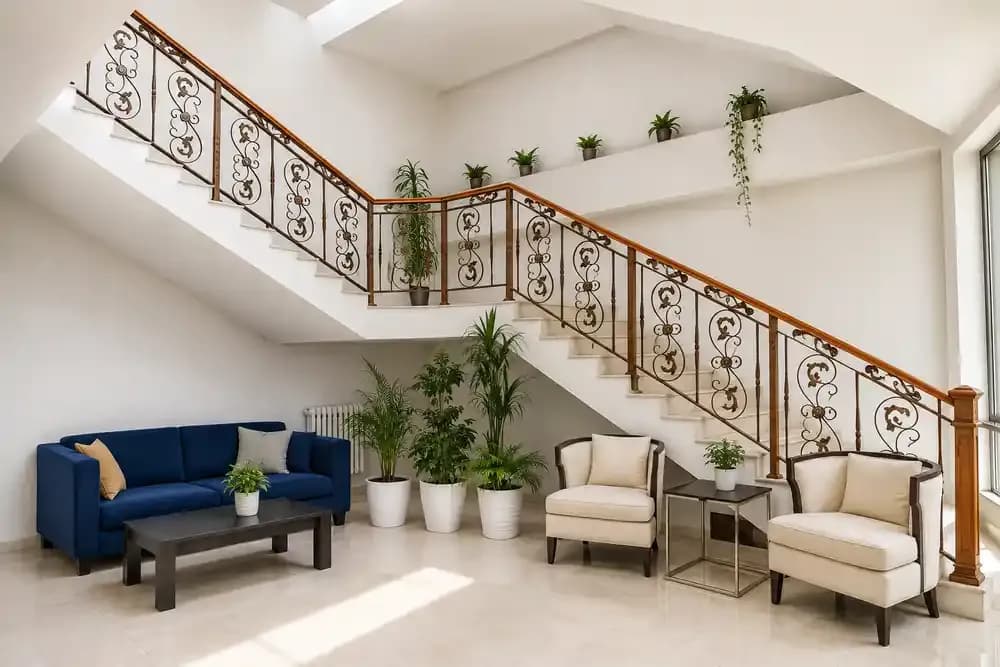
Staircase placement is a crucial Vastu consideration because it becomes a permanent structural element once built. According to Vastu, the south-west is the preferred direction for staircases, with south, west, and north-west as acceptable alternatives. Staircases should be avoided in the north-east, centre, north, and east zones, as they may disturb prosperity, health, and energy flow. Key rules include clockwise ascent, odd-numbered steps, clutter-free under-stair storage, and avoiding direct alignment with the main door.
A staircase is one of the most structurally permanent elements in a home. Once built, it almost never moves. That is precisely why following staircase guidelines as per Vastu matters most at the planning stage, before anything is cast in concrete or steel.
Get it right early, and the staircase works with the home's energy. Get it wrong, and the structural fix is expensive, sometimes impossible, and the Vastu dosha stays for the lifetime of the building.
In Vastu Shastra, a staircase represents the movement of energy between floors. Its direction, position, and design determine whether that movement supports or disrupts the home's overall energy balance.
A poorly placed staircase can cut through zones that govern prosperity, health, or spiritual energy. Staircase guidelines as per Vastu exist specifically to prevent this, ensuring that vertical movement through the home does not compromise the energetic integrity of the zones it passes through.
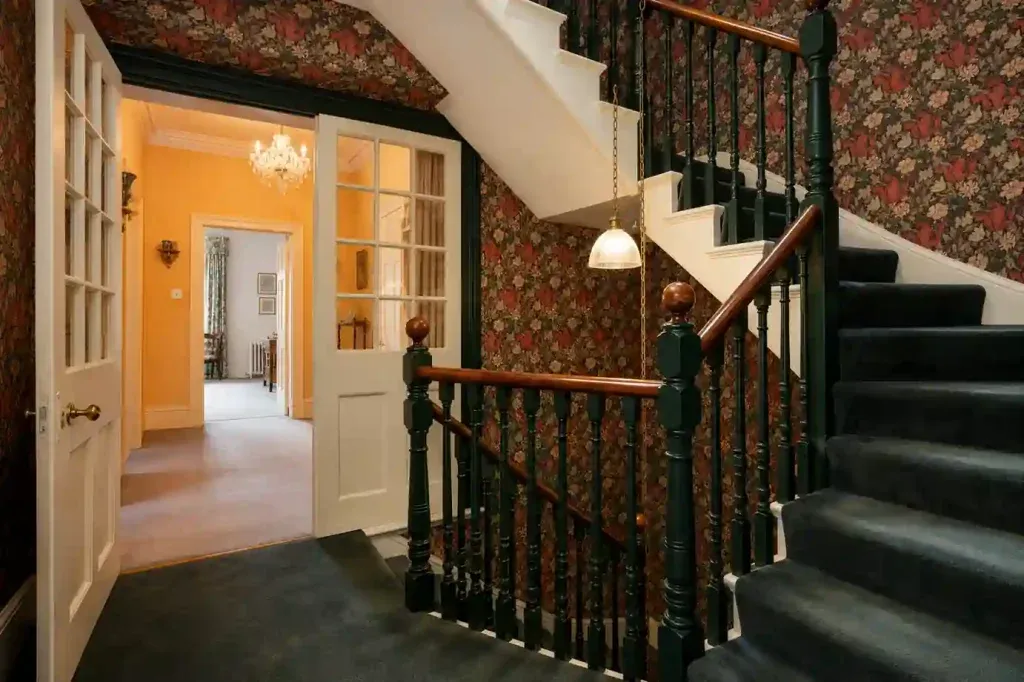
Staircase direction as per Vastu clearly favours the southern, western, and south-western zones of the home:
Staircase position as per Vastu becomes a significant concern when the structure is placed in any of these zones:
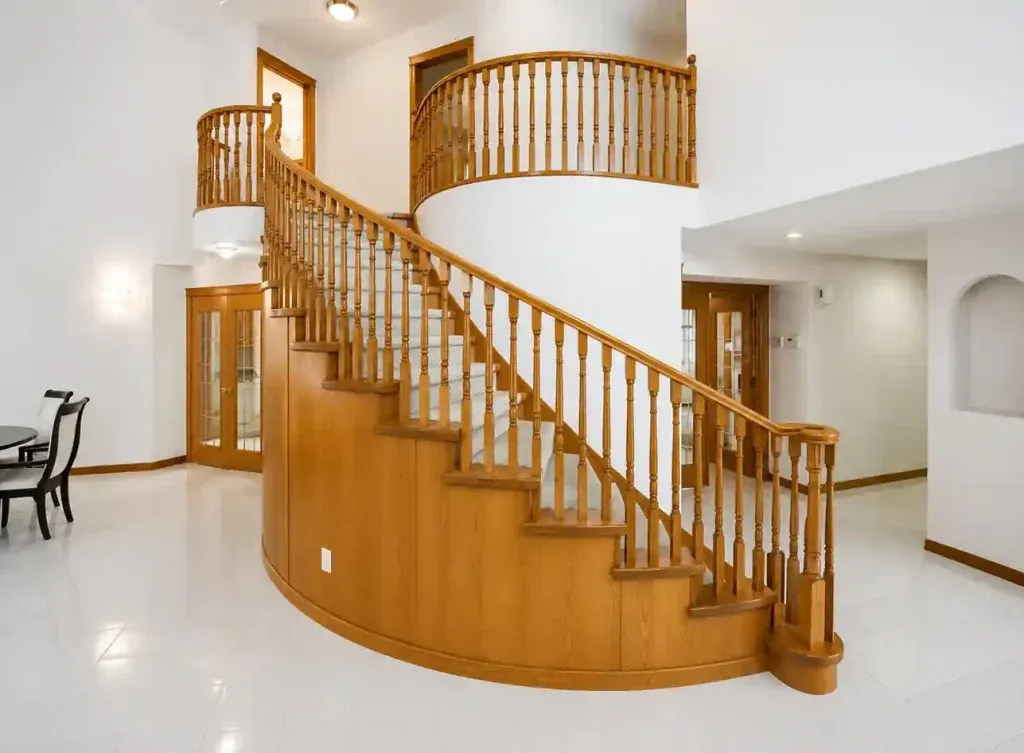
Beyond placement, several other factors are considered when planning Vastu for staircases inside the house.
Many homeowners wonder if a spiral staircase should be clockwise or anticlockwise. The answer is that it should turn clockwise as it ascends, i.e., someone climbing the stairs should always turn left. An anticlockwise staircase is considered to move against the natural flow of positive energy.
According to Vastu staircase guidelines, your home should have an odd number of steps. The logic is straightforward: when you begin climbing with the right foot, you should also land on the right foot at the top. An odd number of steps ensures this. Commonly recommended totals are 9, 11, 15, 17, 21, and so on.
The space beneath a staircase should not be used as a toilet, prayer room, or kitchen. Storage is acceptable, provided it is organised and clean. Dark, cluttered under-stair spaces are considered particularly problematic for a staircase as per Vastu.
The first step should not be directly visible from the entrance, and the staircase should not face the main door. This is a widely consistent guideline across frameworks regarding staircase direction as per Vastu.
If you are living with a staircase that already exists, possibly in a less-than-ideal position, remedies for staircases as per Vastu also exist that work at the level of correction rather than reconstruction.
Having a staircase as per Vastu is a decision that intersects structural engineering, interior design, and directional principles simultaneously. Bonito Designs approaches this intersection practically, working with the home's existing structure and layout to find the best possible outcome within real constraints.
Our Life Design philosophy means Vastu is never applied as a rigid checklist that ignores how the family uses the space. Determining the best place for a staircase according to Vastu principles needs to happen before construction begins, not after the slab is poured and the walls are up.
If you need a design team that understands how to balance Vastu principles with the realities of your family’s lifestyle, book a consultation with Bonito Designs today.
Thoughtful villa interior design creates continuity across large homes without making every room look identical. Repeating select materials and colours, planning circulation, balancing social and private zones, and using lighting strategically can help each space feel connected. Also consider corridors, landings, storage, and room-specific needs as part of the overall plan.
16 Oct 2026|5 min readA child-friendly 2 BHK interior design must balance sleep, study, play, storage, and shared family activities in a limited space. Flexible furniture, clearly defined zones, practical storage, durable finishes, and safe circulation help the home adapt as children grow. Planning these elements early can reduce the need for frequent redesigns.
16 Oct 2026|5 min readBangalore’s climate directly affects villa interior design, from material selection and ventilation to daylight control and indoor-outdoor planning. Climate-responsive design can help reduce maintenance while improving comfort and durability. Bonito Designs’ LifeDesign process considers both the family’s lifestyle and local conditions to create villa interiors that are practical, personalised and built to perform over time.
15 Oct 2026|5 min readMain door Vastu focuses on creating an entrance that feels balanced, welcoming, and functional through direction, placement, materials, colours, lighting, and everyday organisation. Even when changing the doorway is not practical, homeowners can use simple Vastu-aligned remedies such as better lighting, clutter-free storage, suitable finishes, plants, and traditional accents. The key is to combine Vastu principles with practical interior design so the entrance works comfortably for everyday life.
30 Sep 2026|5 min readLearn everything about pooja room Vastu, including how to create a compliant space in houses facing different directions and constraints.
14 Aug 2026|5 min readFind out the fundamentals of staircase Vastu, along with specific guidelines for east-facing houses, to create a functional home.
09 Aug 2026|5 min read


Your Home Makeover Starts Here.