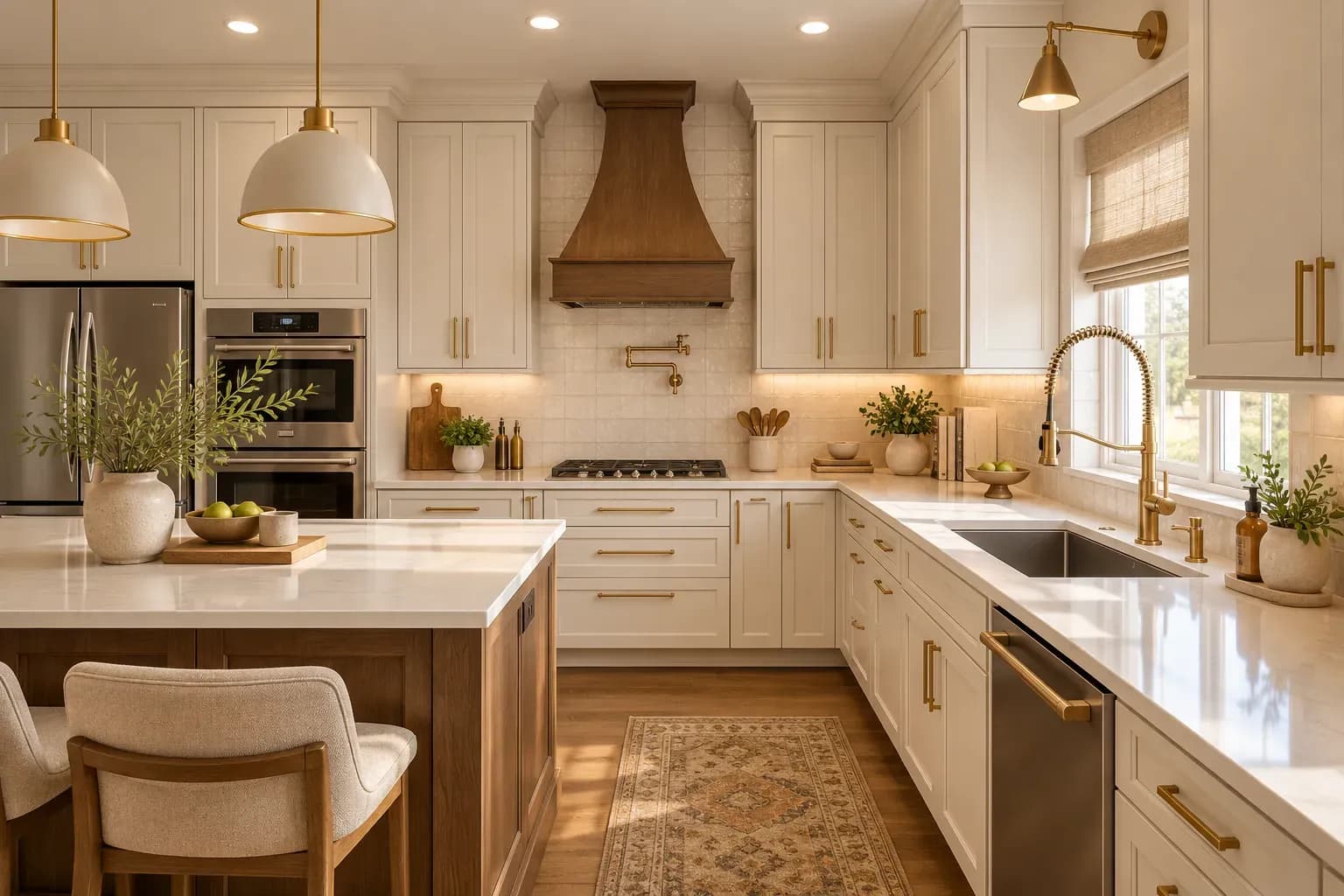
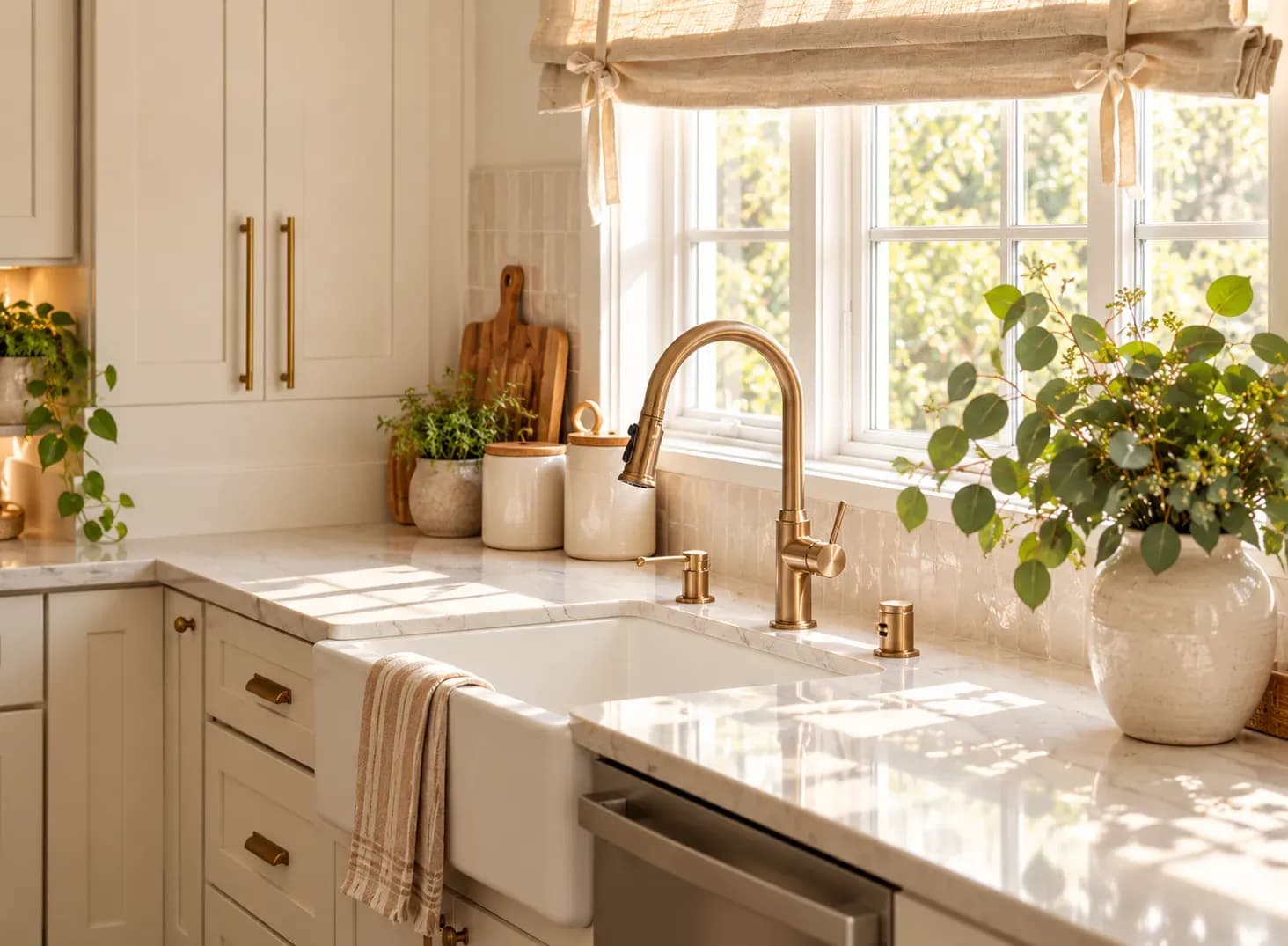
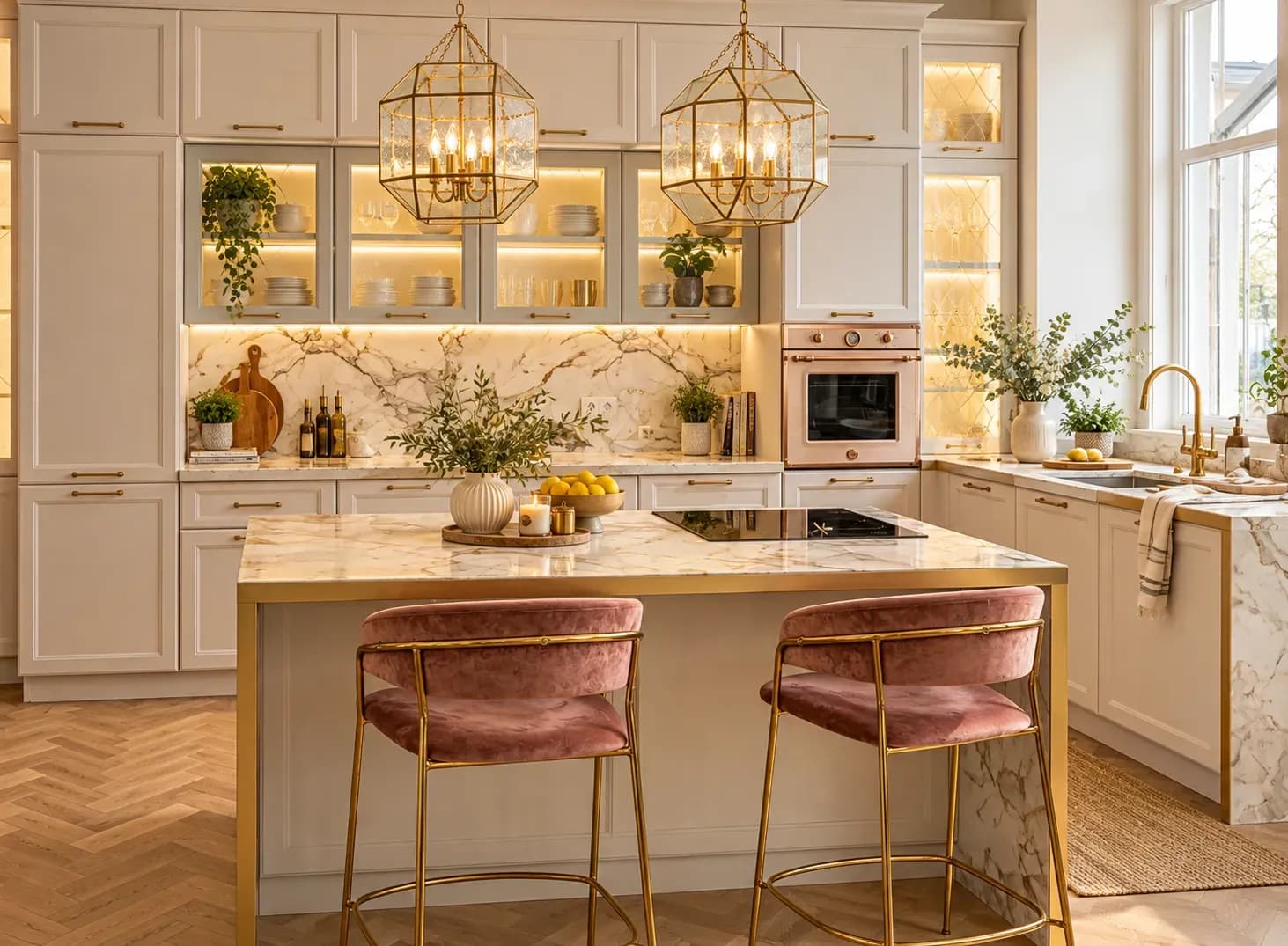
Indian kitchens are high-activity, high-heat, and high-humidity spaces. From regular cooking to deep-frying, grinding, boiling, and heavy utensil handling, the materials used must be durable, easy to maintain, and aesthetically pleasing.
Choosing the right materials whether for modular units, countertops, or finishes can significantly impact how long the kitchen stays functional and beautiful. Here’s a comprehensive guide to making the right selections for Indian homes.
Modular kitchens have become the preferred choice for urban Indian households due to their efficiency, speed of installation, and smart use of space. But the durability of a modular kitchen heavily depends on what lies beneath the surface; its core material.
These are budget-friendly but not ideal for wet areas. Particle board works well for upper cabinets or dry storage but may not withstand moisture-heavy zones like under the sink.
The most recommended option for Indian kitchens. Plywood is sturdy, moisture-resistant, and long-lasting, making it ideal for cabinets, shutters, and base units.
A premium alternative that offers excellent moisture resistance and durability. Ideal for shutters and areas prone to frequent contact with water or oil.
Gaining popularity for their rust-proof and termite-proof nature. These frames are lightweight, modern, and extremely resilient—perfect for households prioritising longevity.
The takeaway: For Indian cooking styles, plywood or HDHMR is generally the safest bet for long-term performance.
Countertops are the workhorses of an Indian kitchen. They must resist stains, heat, knives, hot utensils, and constant water exposure.
A traditional favourite in Indian homes, granite is durable, heat-resistant, and relatively low maintenance. It handles daily cooking pressures extremely well and is cost-effective compared to newer materials.
Engineered quartz offers a more premium look. It’s non-porous, stain-proof, and available in a wide range of colours. However, it can be slightly sensitive to very high heat.
Beautiful but high maintenance. Marble stains and scratches easily, making it less suitable for heavy-duty Indian kitchens—better suited for low-use or show kitchens.
These offer seamless joints and a sleek look but are prone to scratches and can get damaged by hot utensils if care isn’t taken.
The takeaway: Granite remains the most practical choice for busy Indian kitchens, while quartz is perfect for those who want durability with a premium aesthetic.
Kitchen finishes greatly influence both aesthetics and usability. They also affect how easy it is to clean surfaces which is an important factor given Indian cooking’s reliance on oils and spices.
Affordable, durable, and available in endless colours. Anti-scratch and heat-resistant laminates work well for households with heavy daily cooking.
High-gloss, luxurious, and easy to maintain. Acrylic finishes create a sleek, modern look, though they can be prone to fingerprints.
Offers a premium finish with custom colours and a smooth appearance. Slightly higher maintenance and more expensive, but great for upscale kitchens.
Soft, seamless, and elegant. Works well in classic or minimal kitchens but may peel over time if exposed to excessive heat or moisture.
Tempered glass shutters provide a contemporary touch and are easy to clean. Works beautifully with aluminium profiles.
The takeaway: Laminate for durability and value, acrylic or PU for a modern premium look depending on budget.
Choosing the right materials for an Indian kitchen is a balance of practicality, durability, and personal style. Modular structures should prioritise strong cores like plywood or HDHMR. Countertops need to withstand daily wear, making granite or quartz the most reliable choices. And when it comes to finishes, laminates and acrylics offer a blend of beauty and resilience suitable for most Indian households.
With thoughtful planning and material selection, an Indian kitchen can remain functional, stylish, and long-lasting truly the heart of the home.
Well-planned modern home interiors in HSR Layout use clean layouts, integrated storage and coordinated finishes without following every short-lived trend. The best luxury home interiors also adapt each room to the household’s routines, available light and long-term needs. This article explains how to plan living rooms, kitchens, dining areas and bedrooms so the entire home feels modern, comfortable and easy to maintain.
03 Nov 2026|5 min readChoosing a full home interior designer in HRBR Layout requires careful review of the team’s site assessment, planning process, specifications and execution controls. Good house interior design should respond to the property’s actual structure as well as the family’s daily needs. This article explains how to compare portfolios, quotations, timelines, workmanship and after-sales support before appointing a firm.
02 Nov 2026|5 min readChoosing among the best interior designers in Thane requires looking beyond portfolios and reputation. Homeowners should compare design approach, project experience, execution support, pricing transparency, material specifications, and client feedback. The right designer should also match your budget, communication preferences, and your home's practical needs.
02 Nov 2026|5 min readA practical 2 BHK flat kitchen interior design starts with accurate measurements, service points, appliance sizes and the household’s cooking routine. The right layout, such as straight, L-shaped, parallel or U-shaped, should support comfortable movement, sufficient prep space, accessible storage and proper ventilation.
17 Oct 2026|5 min readThe right type of kitchen layout can make everyday cooking, storage, and movement much more efficient. From straight and L-shaped kitchens to island, parallel, U-shaped, open, and galley layouts, each option suits different spaces and routines. The best choice depends on room size, number of users, storage needs, appliance placement, and circulation.
06 Oct 2026|5 min readKitchen wallpaper works best as a carefully placed accent rather than a finish for high-splash or high-heat areas. The right design should complement cabinetry, countertops and flooring while also suiting the kitchen’s ventilation, cleaning needs and available space. From compact prints and geometric patterns to textured finishes and nature-led motifs, thoughtful placement can add character without compromising practicality.
03 Oct 2026|5 min read


Your Home Makeover Starts Here.