If you’ve ever walked into a space and felt a sense of calm or luxury, you can thank an interior designer for it. But what is it that an interior designer does? Do they simply decorate spaces to make them look beautiful? If you’ve got these questions in mind, you’re not alone.
An interior designer’s role covers several aspects, from designing each space based on its layout, selecting the right colour palette, choosing furniture and lighting fixtures, and making spaces practical by incorporating smart storage solutions.
In this guide, we tell you everything about the role of an interior designer, and how they design spaces that strike the perfect balance between comfort, luxury, and functionality.
The first step in the role of an interior designer is to understand the unique needs, preferences, and dreams of their clients with respect to their homes. Through a series of in-depth consultations, they understand your lifestyle and how your home’s interior design must cater to it in the present and the future.
They also understand your preferences in terms of colours, themes, and the kind of mood you want to create within your home. However, part of their role also involves understanding your practical needs, like those related to storage or the needs of elderly members of your family. Your budget also plays a key role in determining the materials and finishes they select to design your home.
This process is key to designing spaces that reflects the client’s tastes and preferences and tailoring a one that’s unique to them.
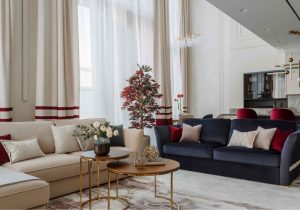
Effectively utilising the square footage in different spaces is key to the role of an interior designer. An experienced service provider understands that not all spaces are created equal and that they require specific designs to maximise their visual appeal and practicality.
Understanding the benefits and limitations of different layouts is key to designing spaces that are comfortable, and a good designer knows how to do so. Whether it’s the choice of furniture or how it's placed, or the creation of specific zones within existing rooms, an interior designer is equipped with the best solutions to maximise practicality.
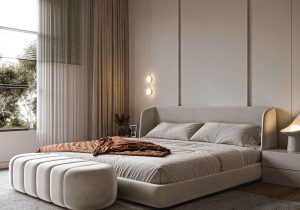
One of the key aspects of designing full home interiors is choosing a theme that reflects your personality and taste. Whether it’s eclectic, traditional, modern, European, or modern minimal, you have several options to choose from.
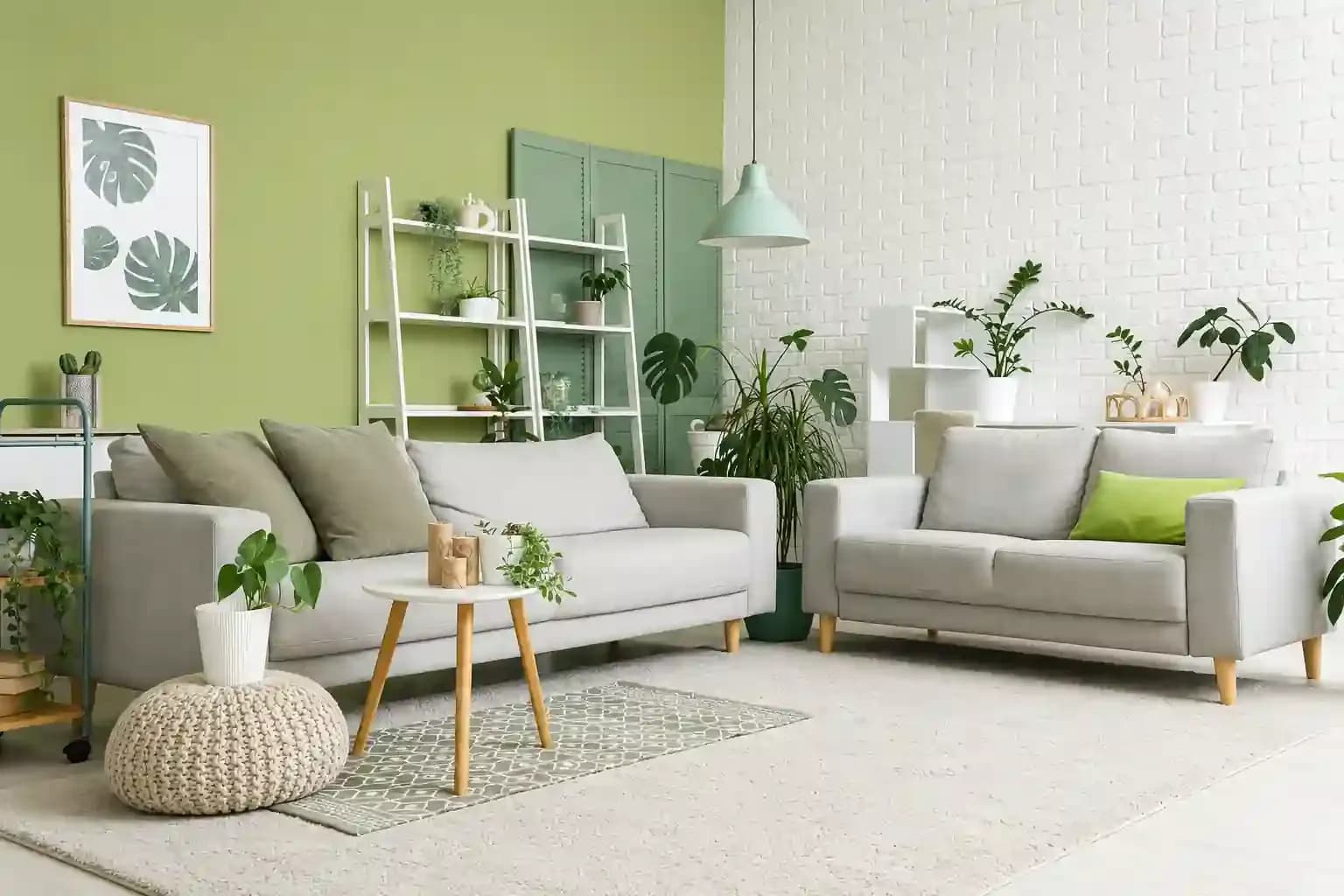
With a theme chosen, an interior designer suggests the best colour palettes to make your home look visually appealing. For instance, if you prefer minimal interiors, your designer could potentially suggest more neutral, earthy colours like off-whites, light greens, browns, and so on. On the other hand, if traditional interiors are your cup of tea, you could choose a more vibrant colour palette.
The theme and budget also dictate the materials chosen across the space, along with their finishes and textures.
These materials vary from a choice of solid wood to more economical options like plywood or BWP (Boiling Water Proof plywood). In terms of furnishings, designers choose from materials like cotton, linen, leather, suede, and velvet, among several others. The ultimate goal is to choose materials that work well together to create a cohesive look and feel across your home’s interiors.
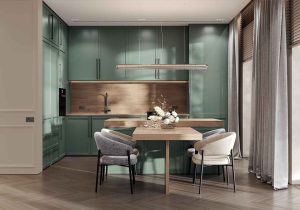
The furniture used in your home plays a key role in making your space both opulent and comfortable. Once again, an interior designer understands the right kind of furniture to select based on the theme chosen. For instance, a minimalistic theme demands sleek, simple furniture with clean lines, whereas a more traditional or colonial theme works well with intricately carved art deco furniture.
The key to choosing the right furniture is to understand how it fits into your layout, and whether it not it needs to wear multiple hats. For instance, if your home is compact, a designer will suggest the use of modular furniture that can be stowed away when not in use. A Murphy bed is a common example.
Similarly, the demand for increased storage will call for the use of such modular furniture. Think beds and sofa sets with storage, a coffee table with built-in drawers, or even a dressing table integrated into a wardrobe.
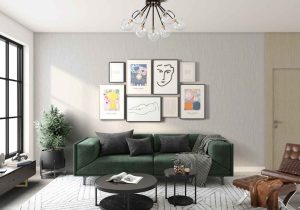
Lighting is possibly the most important element of any home’s interior. It can make or break the visual appeal of space, but if done right, can make it look supremely luxurious. An interior designer chooses the best lighting fixtures for each space in your home based on the theme, the practical requirements of light, and your budget.
Whether it’s a floor lamp in a reading nook or a set of statement pendant lights to light up your dining table, designers can choose from a range of different options. Aside from the kind of fixtures an interior designer chooses, the colour temperatures used across each space also play a key role in influencing your home’s visual appeal.
For instance, warmer lighting is the best choice for spaces like living and dining rooms, and even bedrooms. On the other hand, cooler lighting works best for spaces like kitchens, studies, and bathrooms. However, these choices also depend on the client’s preferences and the colour palettes used in these spaces.
As you can see, an interior designer’s role goes beyond simply decorating spaces to make them look beautiful. They design interiors from scratch, choosing colour palettes, furniture, and lighting fixtures, and making the best use of the space available to maximise practicality, comfort, and luxury.
If you’re a new homeowner and are looking to design your home’s interiors, we recommend hiring an experienced designer to provide end-to-end services. At Bonito Designs, we have 300+ experienced designers who can help turn your vision for your dream home interiors into a reality.
What’s more, with our exclusive Design Now Pay Later offer, you can design your interiors at just 10% of the cost and pay the rest in EMIs 9 months later. So, say goodbye to budget restrictions and design your dream home interiors with us today!
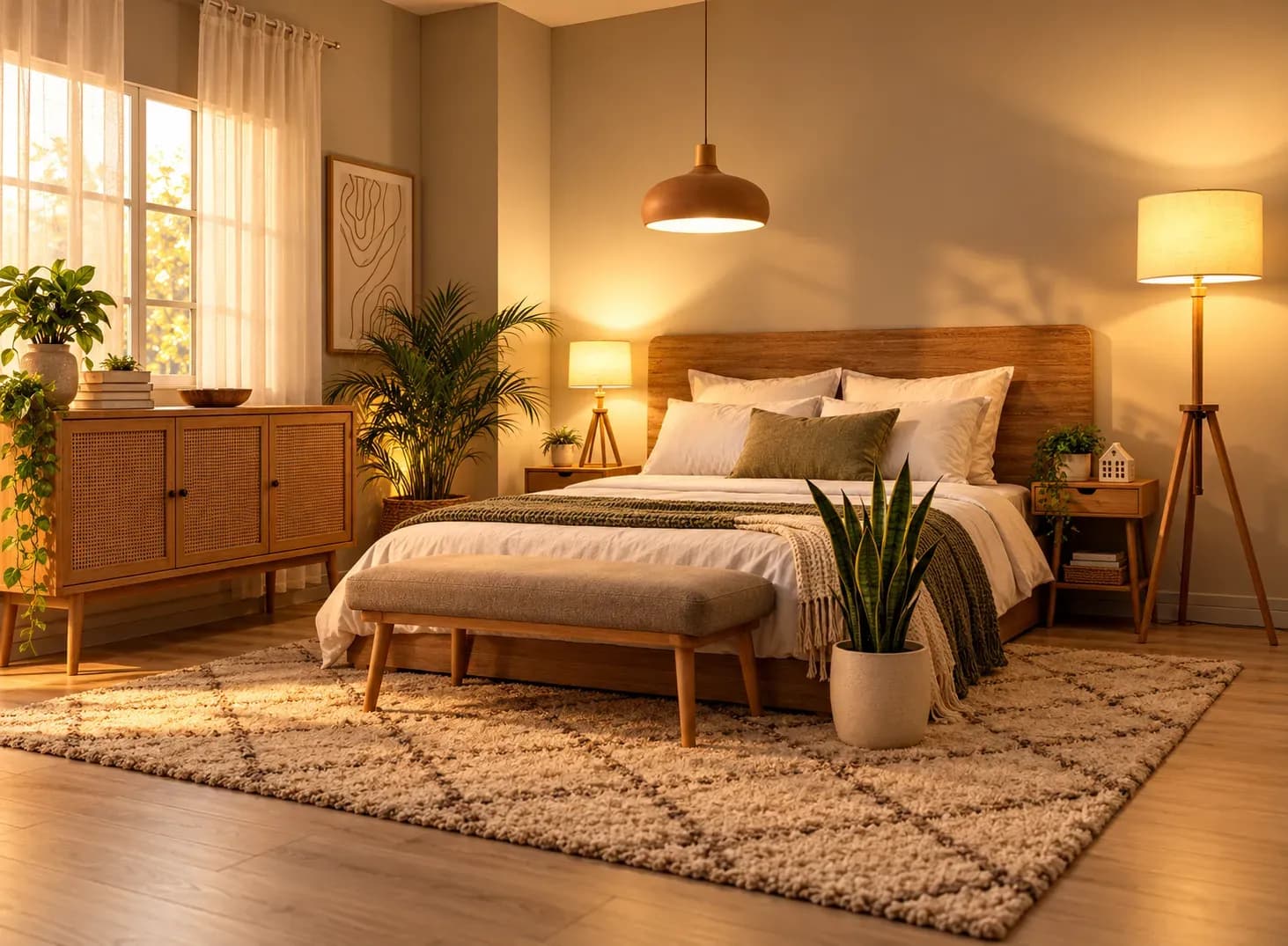
A simple bedroom interior design combines comfort, functionality and personal style without overcrowding the room. From minimalist and modern styles to coastal, traditional and eclectic themes, the right combination of colour, furniture, lighting, storage and décor can transform the space. Practical additions such as mirrors, accent walls, integrated storage and clearly defined zones can also make bedrooms more functional for sleeping, reading, working and relaxing.
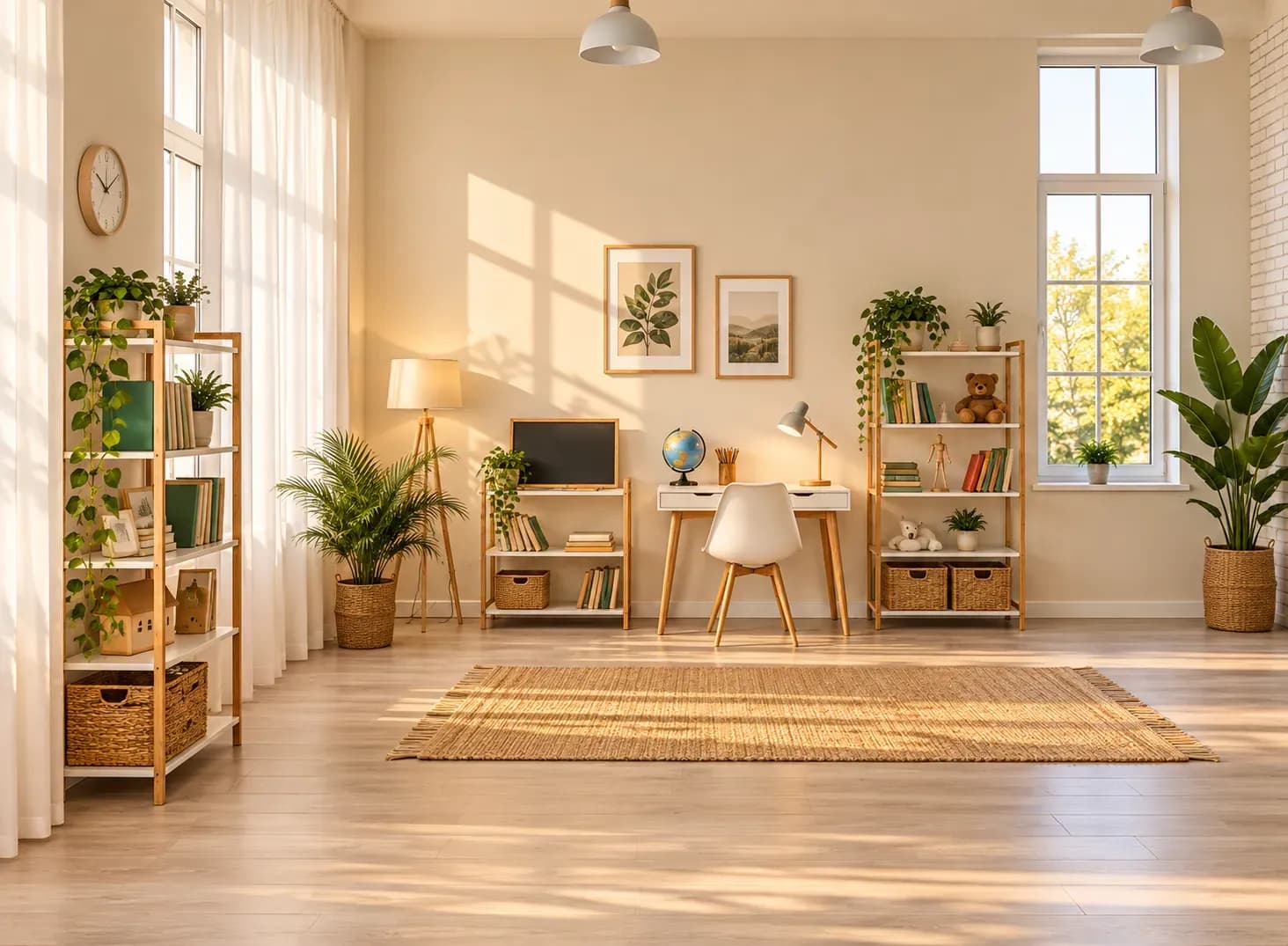
26 Sep 2026|5 min readBuilt-in storage can make a kids’ study table design more functional by keeping books, stationery, and daily supplies within easy reach. Drawers, shelves, cubbies, pegboards, and integrated bookshelves help reduce clutter and minimise distractions. The best design should also account for the child’s age, available room space, and changing storage needs. Most importantly, storage should complement proper ergonomics, legroom, desk height, and a comfortable chair.
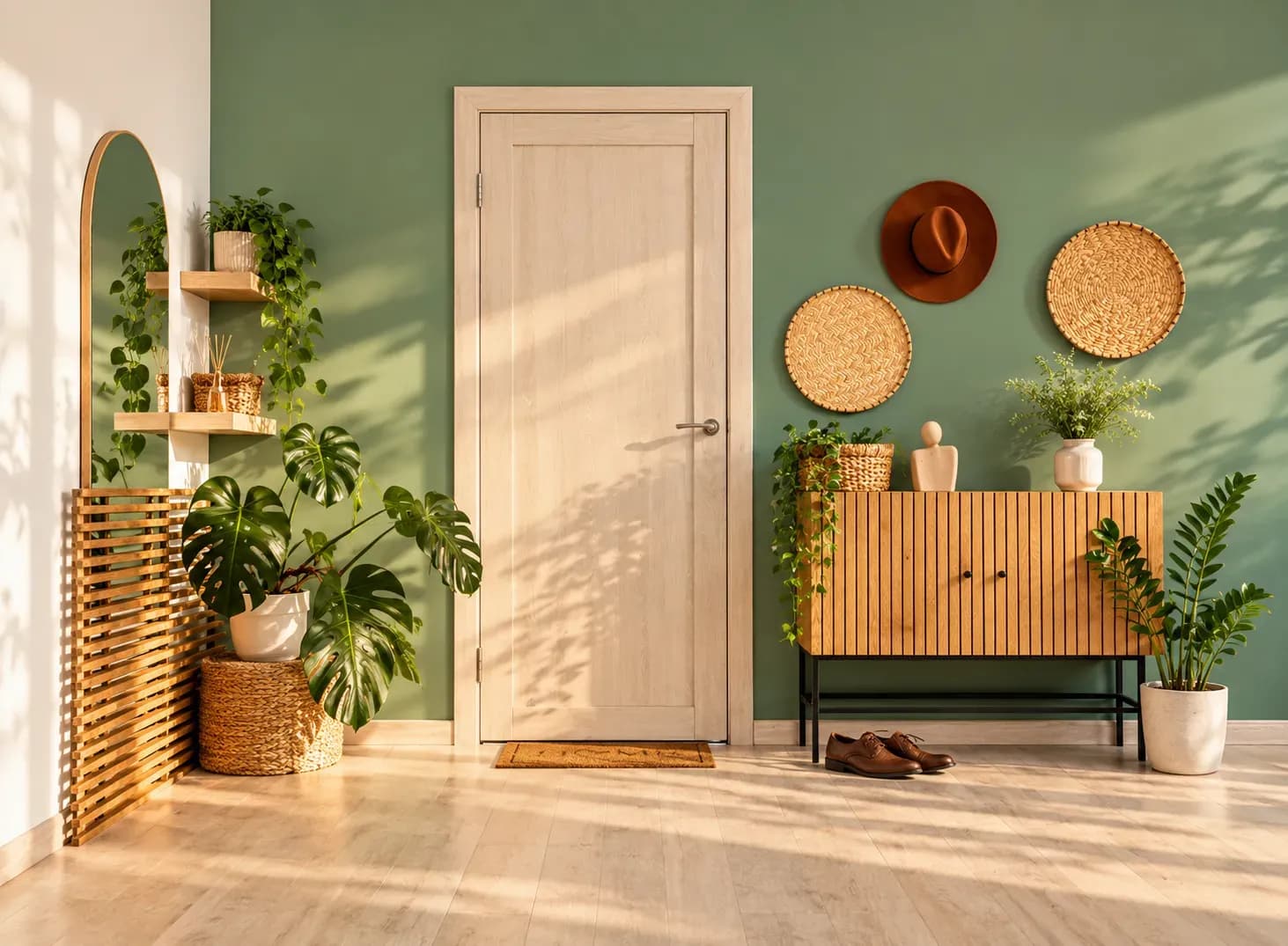
26 Sep 2026|5 min readA well-designed house entrance should balance style, function, and everyday convenience. Thoughtful choices such as layered lighting, weather-resistant finishes, clear pathways, practical storage, and well-placed greenery can make even a small entrance feel welcoming. The best entrance designs also reflect the home’s interiors and the routines of the people living there.
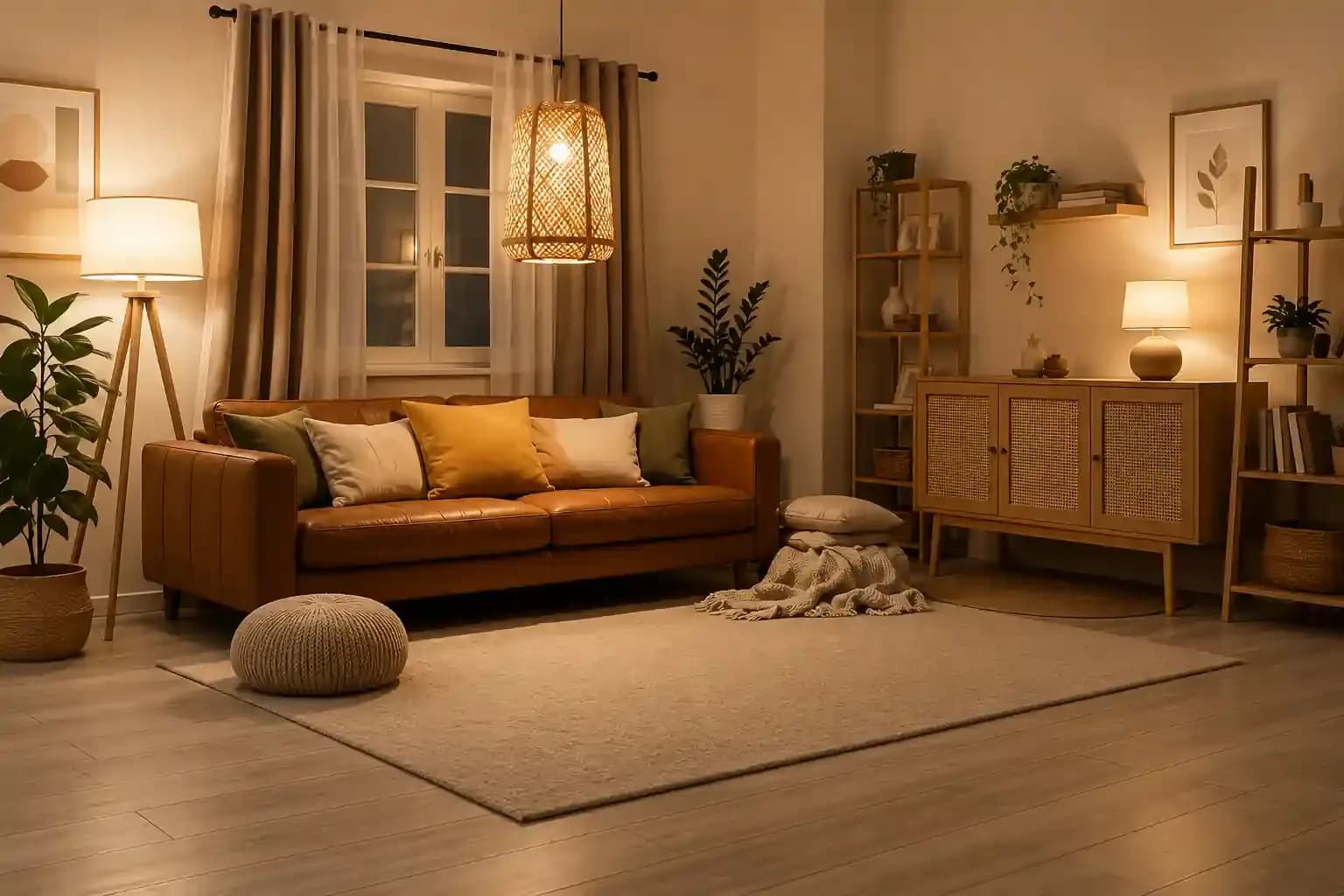
26 Sep 2026|5 min readThis blog explores the 6 most practical and necessary interior design ideas for halls. Design your urban apartments the way they should be. Read now!
24 Jul 2026|5 min readDiscover the top interior design ideas inspired by the 3-5-7 decorating rule to style shelves, coffee tables, sofas and more with balance, depth and visual appeal.
14 Jul 2026|5 min read


Your Home Makeover Starts Here.