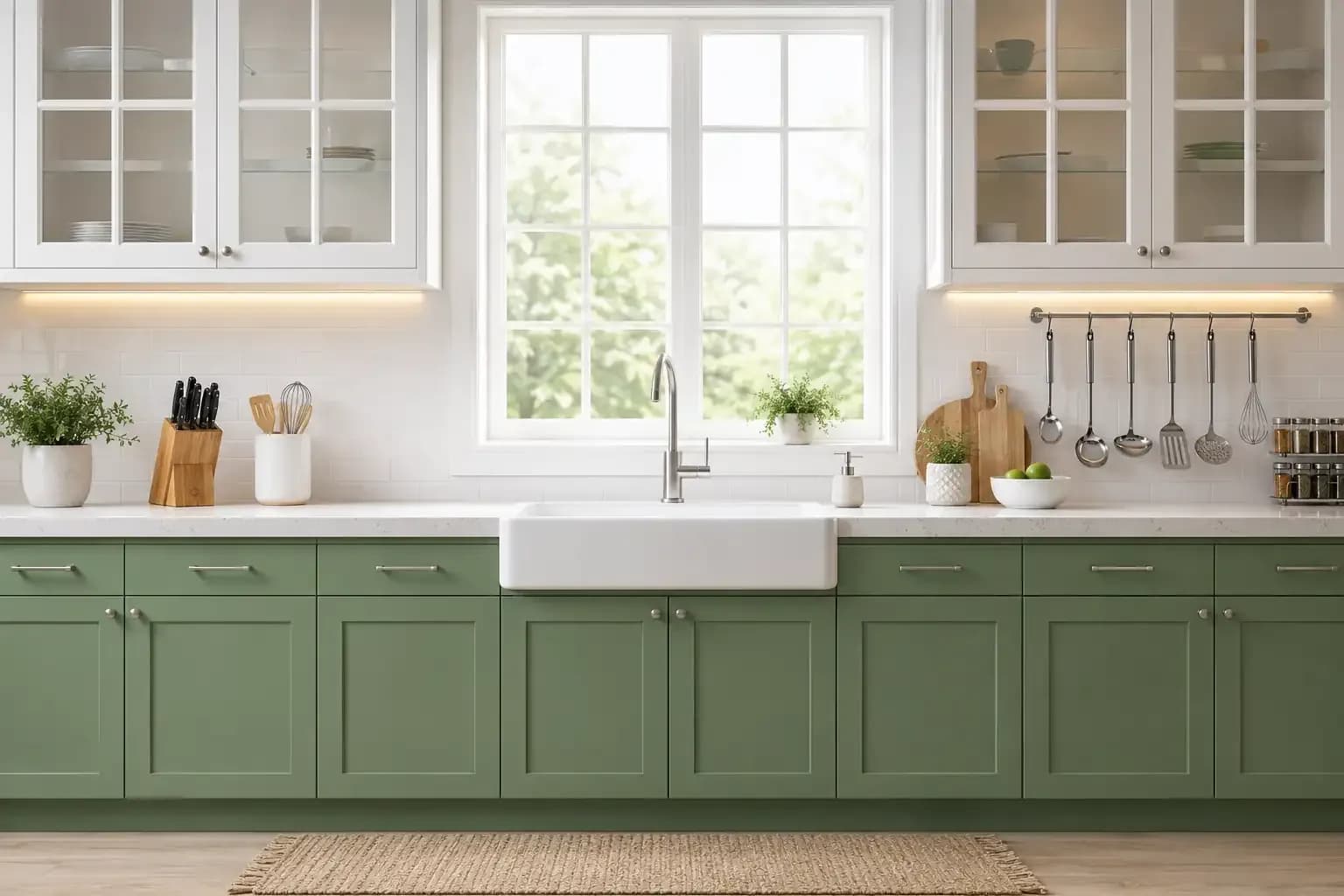
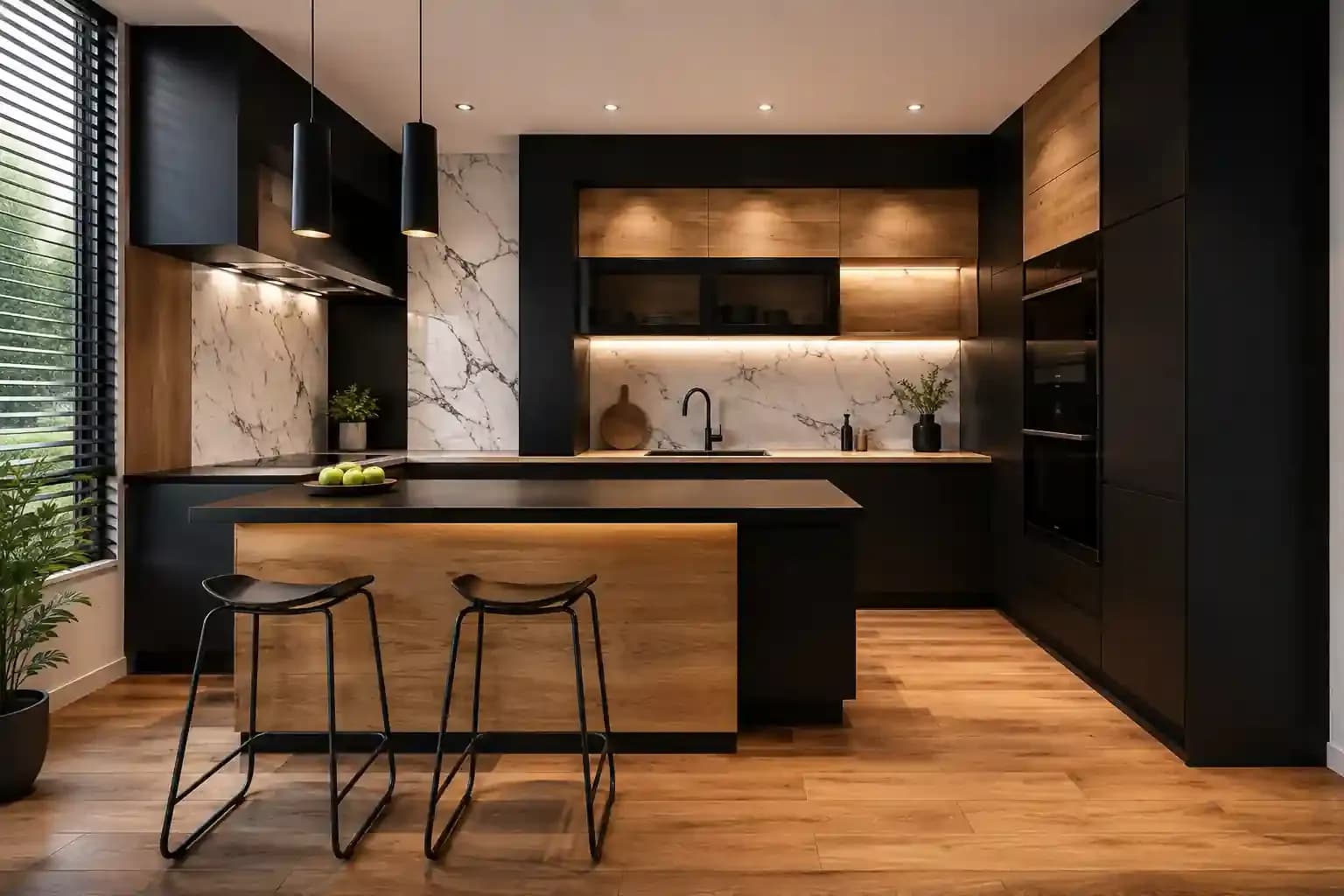
Choosing the right kitchen flooring means balancing style, durability, maintenance, and budget. From ceramic and porcelain tiles to vinyl, engineered wood, stone, and polished concrete, each option suits different lifestyles and kitchen conditions. The best kitchen floor tile design should also account for moisture, foot traffic, climate, and existing interiors.
Your kitchen floor gets destroyed, spills happen, pans drop, kids track in mud, and grease splatters. You want it to look nice but also survive the chaos. That's where everyone gets stuck; they're torn between beautiful and practical. Some people chase what looks good on Instagram and ignore durability. Others go full practical and hate the result.
The sweet spot? That's when kitchen floor tile design decisions start with your actual life. When choosing Kitchen Flooring ideas, your household comes first. The best Kitchen Flooring ideas balance four things: looks, durability, ease of cleaning, and budget. Mess up one, and you're frustrated by month six.
Here's the thing about kitchen floor tile ideas nobody thinks deeply about: your space is unique. Your kitchen size changes everything. A small kitchen with limited natural light performs completely differently from a bright, open layout.
Foot traffic, Kids running in and out, pets, all these factors can affect your floor. Budget is also a major thing to consider. Some materials are cheap upfront but expensive to maintain. Others cost more initially but last decades. Water resistance isn't optional in a kitchen. Stain resistance matters because coffee and turmeric stains happen regularly.
Matching kitchen floor ideas to existing cabinets matters. Warm countertops plus cold grey flooring feels jarring.
Ceramic is what most Indian kitchens get. It handles water, stains, and heavy use. Ceramic kitchen floor tile ideas are highly flexible. Downside? Glazed ceramic gets slippery when wet. Unglazed or textured versions are safer.
Looks like real wood or stone; cheap, quick to install, and easy to clean, but it hates water. Leave a spill and water seeps underneath, causing warping. Laminate works better in smaller kitchens with lighter use.
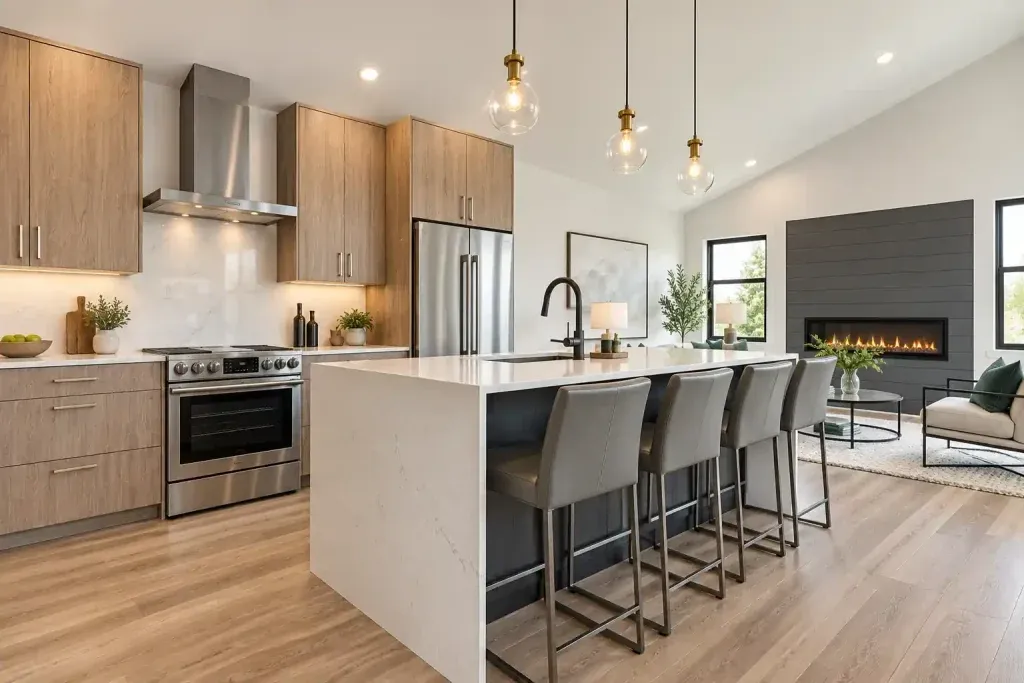
Stunning and warm; develops character over time. The catch? Expands and contracts with humidity. In Mumbai, moisture can cause major damage. This is why interior designers in Mumbai tend to avoid this option. Hardwood also needs refinishing every few years. Engineered hardwood (veneer over plywood) is more forgiving than solid.
Granite, sandstone, and especially marble floors look amazing and last forever. But installation is complex, as stone is porous and stains without sealing. In Indian climates, you're sealing seasonally as basic maintenance.
Polished concrete is durable and trendy, but can be hard on your feet. It stains without sealing and cracks over time. It works in specific aesthetics, such as minimalist or modern, but can feel warehouse-like otherwise.
Modern vinyl isn't 1980s plastic. It mimics wood or stone, is water-resistant, and soft underfoot. Modern kitchen floor tile designs using vinyl are practical. However, vinyl is less eco-friendly than natural materials.
Bamboo is renewable and warm but moisture-sensitive in humid Indian kitchens. Cork is comfortable and quiet but marks easily and needs sealing regularly.
Porcelain tiles are denser and more durable than ceramic. Resist moisture, handle heavy traffic, and work beautifully in busy Indian kitchens. However, installation requires professionals and the cost can be higher than other options.
Engineered wood combines real wood veneer over plywood, offering warmth without humidity sensitivity. More stable than solid hardwood in variable Indian climates, as it resists warping better. Installation is also easier and faster.
Polished aggregate features crushed stones embedded in concrete, creating attractive speckled patterns. Extremely durable and water-resistant. Easy to clean. Modern aesthetic works in contemporary homes. Installation requires skilled professionals. Affordable compared to natural stone. Resists staining when sealed, handles daily kitchen abuse easily.
LVP mimics hardwood grain convincingly while offering vinyl's benefits. Waterproof and scratch-resistant for active households. Installation is quick and DIY-friendly. Cost-effective compared to real wood. Perfect for families who want the look without the maintenance headaches or worry.
Sealed polished concrete delivers an industrial-chic aesthetic with surprising durability. Completely waterproof when sealed and easy to clean thoroughly. You will need to hire professionals for installation, which can be expensive. However, this option is quite budget-friendly for large spaces where regular maintenance is difficult.
When you're deciding on kitchen floor plan specifics with modern kitchen floor tiles design in mind, get real about priorities. Is durability your concern? Ceramic or stone. Watching your budget? Laminate or vinyl. Don't want constant maintenance? Water-resistant materials. Kitchen floor tile ideas need to match how your household actually functions. Kids and pets are different from a quiet couple.
At Bonito Designs, our approach to kitchen floor tile design isn't about following trends. We are an interior design service that prioritises matching materials to your actual lifestyle. A Mumbai apartment with shared walls has different acoustic and humidity needs than a Bangalore villa. Humidity levels, daily use case, and your budget all matter when you’re choosing a kitchen floor tile design.
We source modern kitchen floor tile design materials that actually perform in Indian climates. Our ISO-certified process means your kitchen floor ideas don't just look right the first week. They actually function properly for years. The right kitchen flooring serves your household's needs and complements your home's look.
Book a consultation with Bonito Designs if you want a kitchen floor tile design that will last for decades.
Both modern classic interior design and transitional design combine classical references with contemporary furniture, storage and lighting. However, modern classic rooms retain more symmetry and formality than transitional spaces. This article covers how transitional interior design differs across furniture, mouldings, colours, materials, lighting and maintenance, along with practical guidance for choosing between the two styles.
24 Oct 2026|5 min readKitchen interior design cost depends heavily on cabinet materials, core boards, hardware, storage accessories, and the level of customisation. Materials such as laminate, acrylic, veneer, membrane, and PU vary considerably in price, durability, appearance, and maintenance. A well-planned kitchen budget should therefore balance upfront cost with long-term performance and everyday use.
24 Oct 2026|5 min readAccessories, textures and finishes are all essential to modern bathroom decor, especially when smaller details need to feel connected. However, useful modern bathroom decor ideas also account for moisture, cleaning and storage so the room remains practical every day.
23 Oct 2026|5 min readUnderstand kitchen renovation cost factors for Mumbai and Bangalore homes, from cabinetry and finishes to appliances, services, and site requirements.
07 Sept 2026|5 min readIf you are looking through new modular kitchen designs for your home, this guide covers everything you need to know to make the right choice.
25 Aug 2026|5 min read


Your Home Makeover Starts Here.