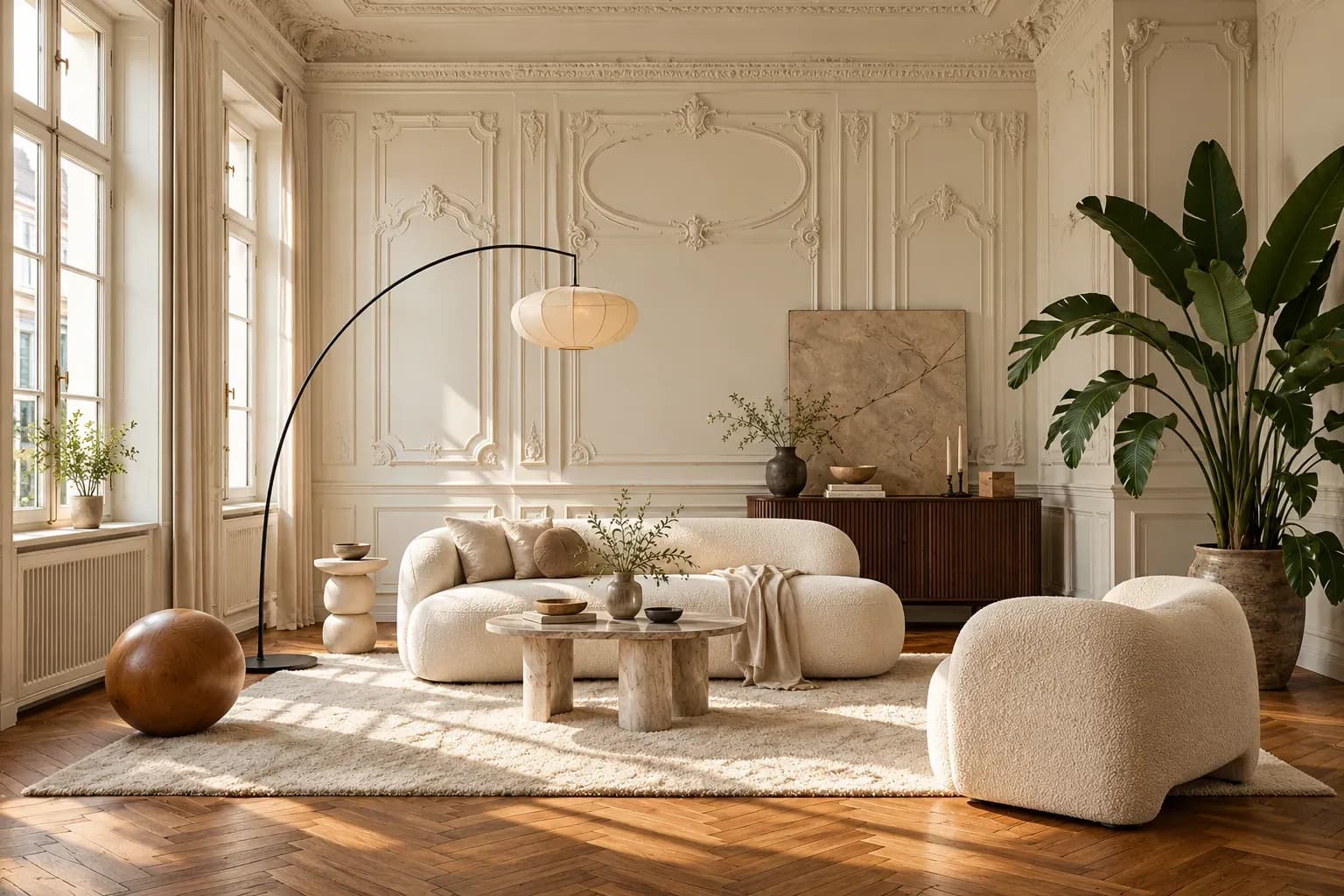
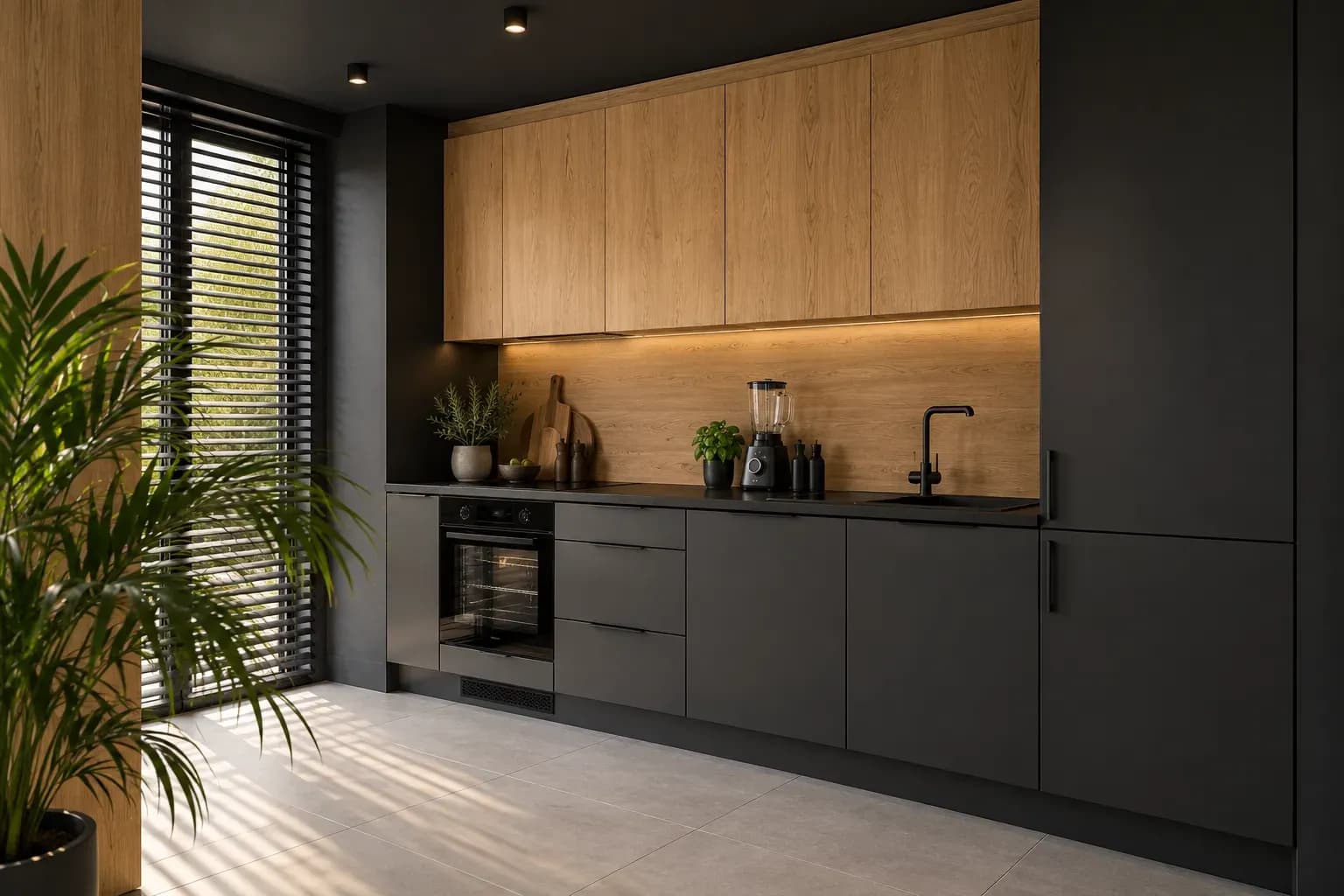
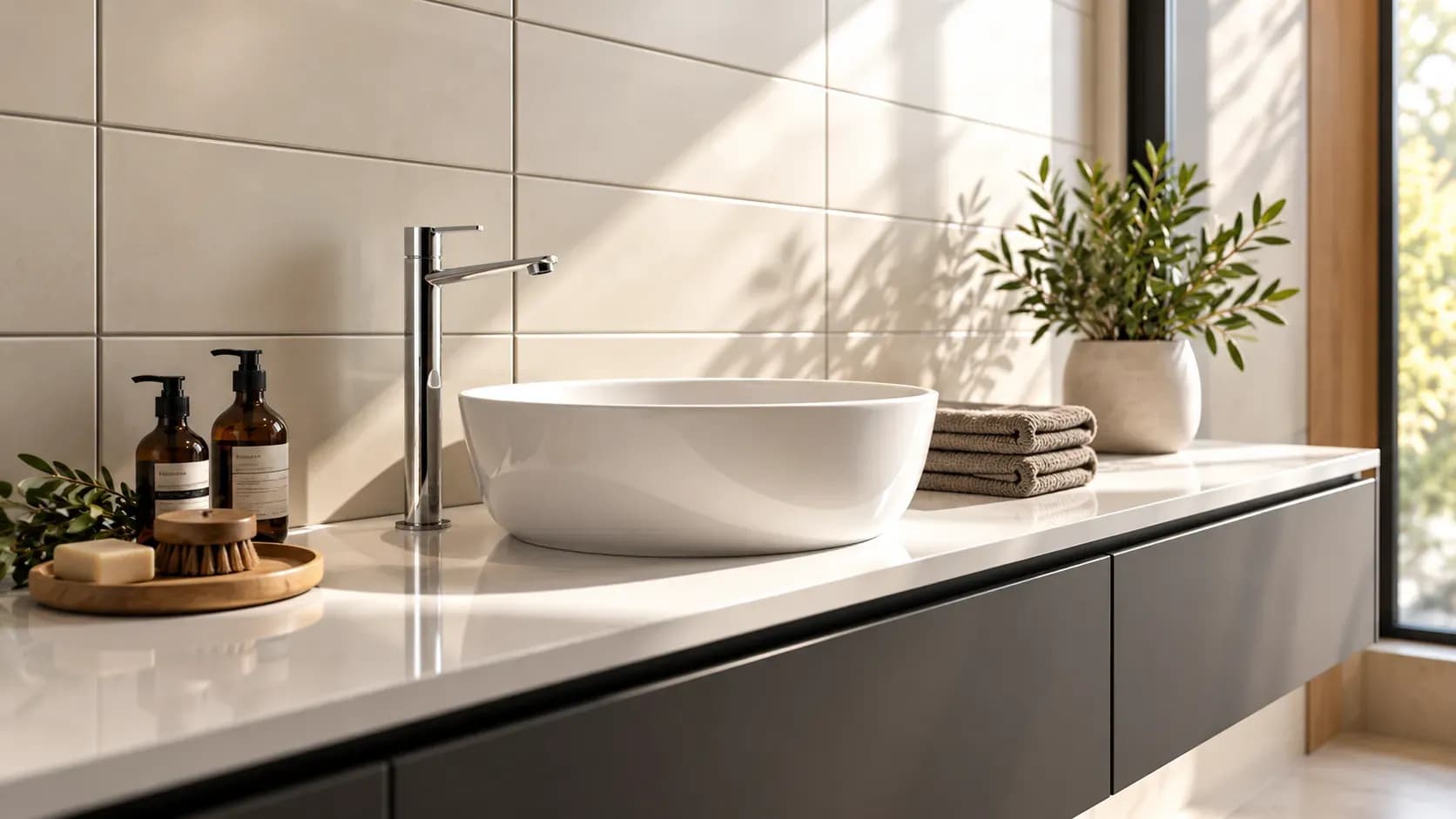
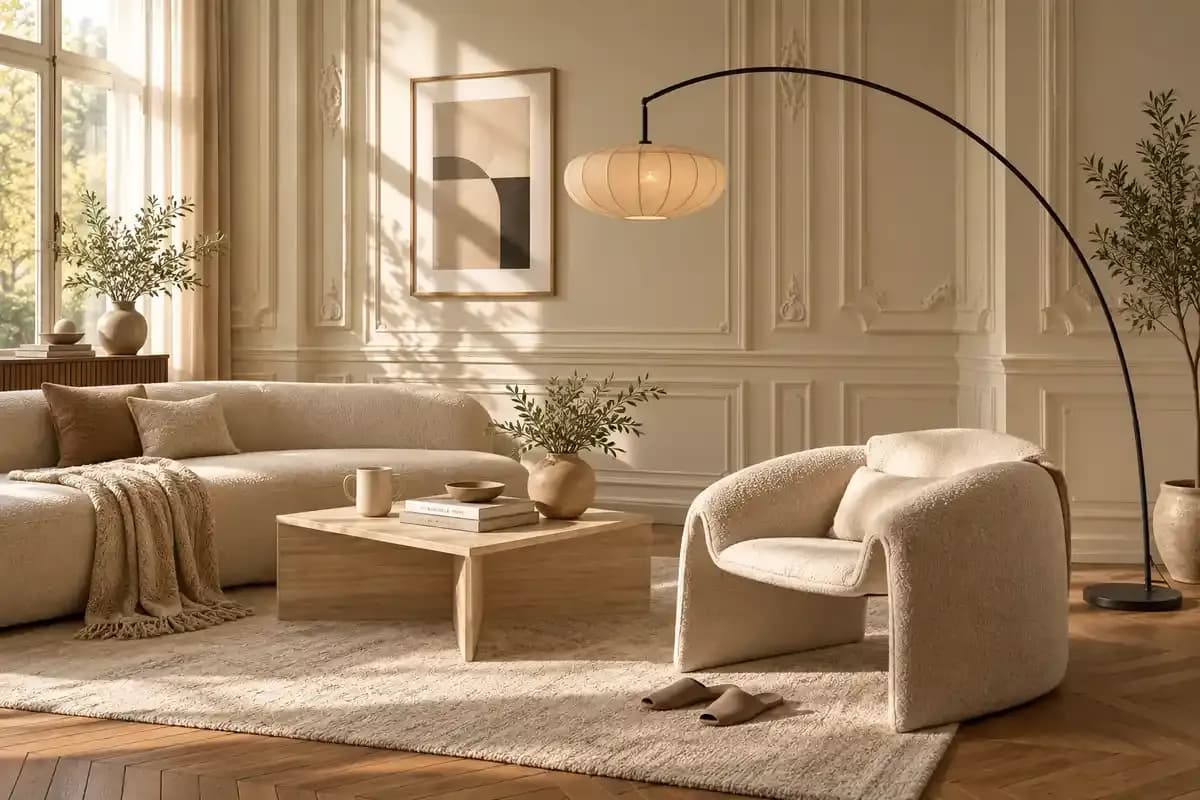
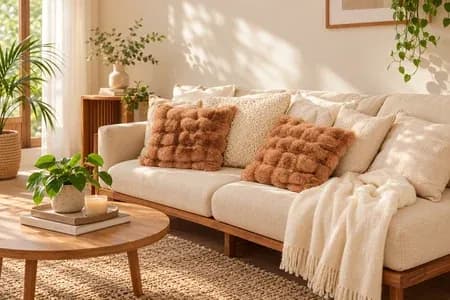
Home interior design can quietly influence your mood, stress levels, focus, and sense of comfort. Elements such as lighting, clutter, movement, colour, zoning, and personalisation shape how a home feels throughout the day. Simple changes like layered lighting, clearer zones, softer furnishings, and meaningful décor can make a space feel calmer and more supportive without requiring a major renovation.
There's a specific kind of exhaustion that has nothing to do with how much you slept. You wake up, walk into your living room, and something about the space just feels heavy. Most people assume this is a self-problem. A discipline problem, or a busy-life problem. But that may not actually be the case. Many times, it's a design problem.
Your home interior design affects your nervous system in ways that are quiet but constant. The colours on your walls, the amount of natural light getting in, how easy or difficult it is to move through your space, whether your home feels like it belongs to you or like you're just staying there temporarily, all of it shapes how you feel on an ordinary day, in ways most of us never stop to think about.
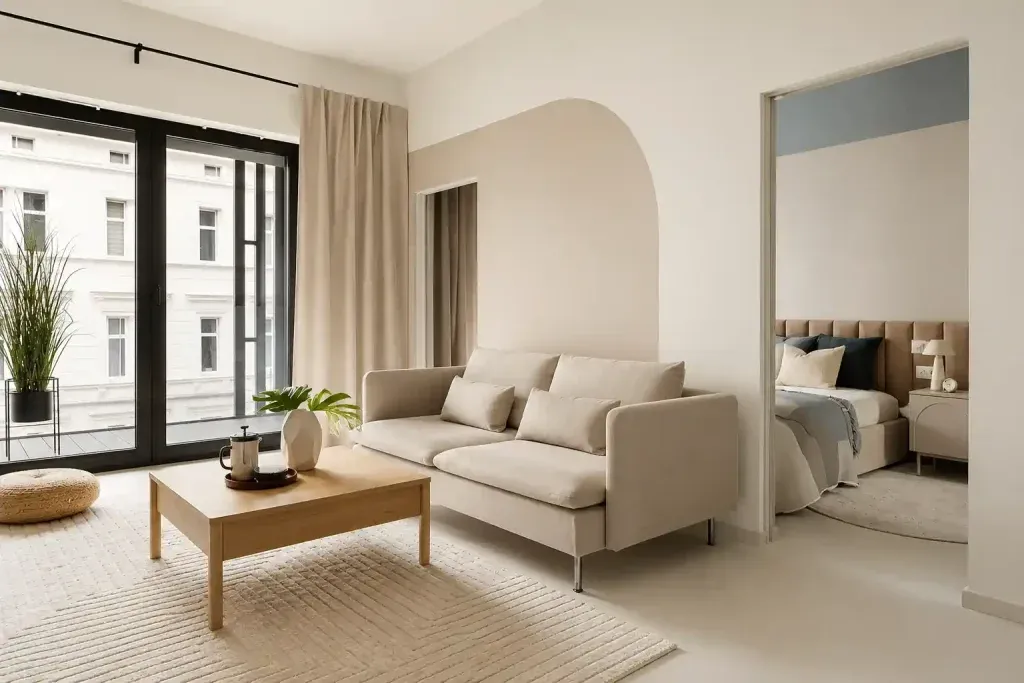
Think about the last time you walked into a space that immediately put you at ease, like a light-filled café or a friend's home that always looked cosy. Then think about how your shoulders tensed up a bit the moment you stepped into a cramped, dark, and crowded area.
That physical response is real. Unbeknownst to you, your brain constantly evaluates your environment and forms opinions about comfort, safety, and ease. This is why home interior design is genuinely not just about aesthetics. Whether you're paying attention or not, it's about what your house is telling you throughout the day.
Here's a quick breakdown of all the things that can subtly influence your mood:
Understanding the most frequent offenders is helpful before moving on to remedies. One or more of these factors typically make your home's interior design less than ideal for your daily well-being.
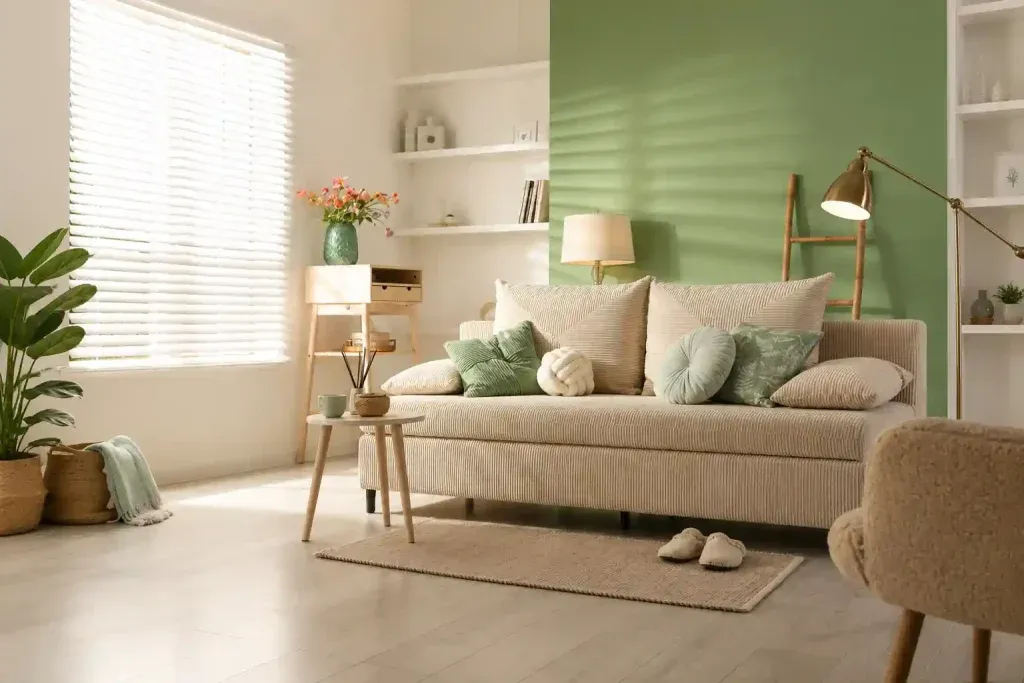
The good news is that most of these problems don't require renovation; they require intention.
The right lighting changes everything about the look and feel of your home. Layered lighting is the solution if your living space seems flat and dark. Depending on what you're doing, you may change the mood of the space by combining your overhead light with task lighting, floor lamps, and table lights.
Colour is worth taking seriously, too. Subdued hues like soft greens, greys, and blues can appear calming and focused. Warm hues like terracotta, amber, and soft yellows are cheerful and outgoing. Pure whites can come out as clinical rather than clean if texture and natural materials aren't employed to soften them.
Moreover, colour can also visually expand your house without any renovations. The best interior designers in Mumbai use contrasting colours on the walls and the ceiling to give your home a feeling of spaciousness, even if the square footage is modest.
None of these is a renovation decision. They're design decisions, and they work because good home interior design is fundamentally about intention, not budget or square footage.
The home interior design ideas that work long-term are the ones that match the emotional intention of a space.
One of the more useful shifts in thinking about how to design home interior spaces is moving away from rooms and toward zones. A room is defined by its four walls. A zone is defined by its purpose, and in a home where one space has to do multiple jobs, that distinction matters a lot.
Zoning is especially important in open-plan homes, which are common in Bangalore. The best interior designers in Bangalore ensure that all parts of the house are clearly demarcated into distinct sections, even without solid wall partitions.
Living rooms particularly benefit from this zoning strategy. The living room bears a tremendous burden: it is where family members congregate, visitors sit, kids play, and occasionally someone works on a laptop.
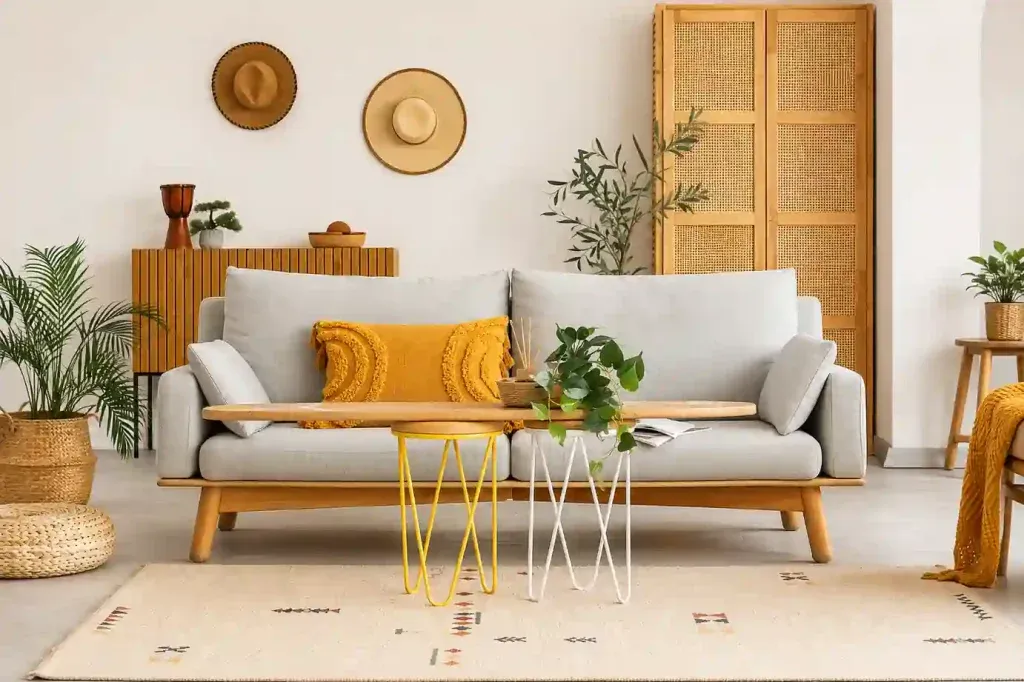
Here's something that doesn't get said enough in design conversations: a home that doesn't feel like you will never be fully comfortable, regardless of how well it is technically designed.
Personalisation is all about your lived-in experience; it's about making the space reflect the people inside it. Artwork that actually means something to you, not just a print that matches the sofa. Textiles that you genuinely like the feel of. A shelf with books you've actually read. What distinguishes a setting that feels good from one that looks beautiful is the presence of these elements. Modern home interior design at its best doesn't erase the people living in a home; it amplifies them.
At Bonito Designs, homes aren't designed with just aesthetics in mind; instead, we design homes according to your lived-in needs. Our LifeDesign philosophy is all about designing the entire house with the residents in mind. From your hobbies to your pet's quirks, all things are considered before we start planning your home's interior.
Bonito Designs has now launched The Atelier Series by Gauri Khan: design layouts built from the get-go for modern Indian homes. From the clean lines and soft light of Modern Zen to the sculpted surfaces and layered textures of Abstract Luxury, The Atelier Series caters to a wide range of tastes while still ensuring that each design is made according to your personal specifications.
Book a consultation with Bonito Designs today so that we can help you figure out your ideal home interior design!
Both modern classic interior design and transitional design combine classical references with contemporary furniture, storage and lighting. However, modern classic rooms retain more symmetry and formality than transitional spaces. This article covers how transitional interior design differs across furniture, mouldings, colours, materials, lighting and maintenance, along with practical guidance for choosing between the two styles.
24 Oct 2026|5 min readKitchen interior design cost depends heavily on cabinet materials, core boards, hardware, storage accessories, and the level of customisation. Materials such as laminate, acrylic, veneer, membrane, and PU vary considerably in price, durability, appearance, and maintenance. A well-planned kitchen budget should therefore balance upfront cost with long-term performance and everyday use.
24 Oct 2026|5 min readAccessories, textures and finishes are all essential to modern bathroom decor, especially when smaller details need to feel connected. However, useful modern bathroom decor ideas also account for moisture, cleaning and storage so the room remains practical every day.
23 Oct 2026|5 min readPlan your living room furniture design with practical tips for choosing sofas, tables, rugs, storage and layouts that suit the way your household lives.
10 Sept 2026|5 min readDiscover how texture adds depth, warmth, and visual interest to interior design. Explore expert ideas to create stylish, layered spaces with Bonito Designs.
08 Sept 2026|5 min readDiscover 10 practical wall decoration ideas, from gallery walls and wallpaper to mirrors, panelling and greenery, that can completely transform a room.
27 Aug 2026|5 min read


Your Home Makeover Starts Here.