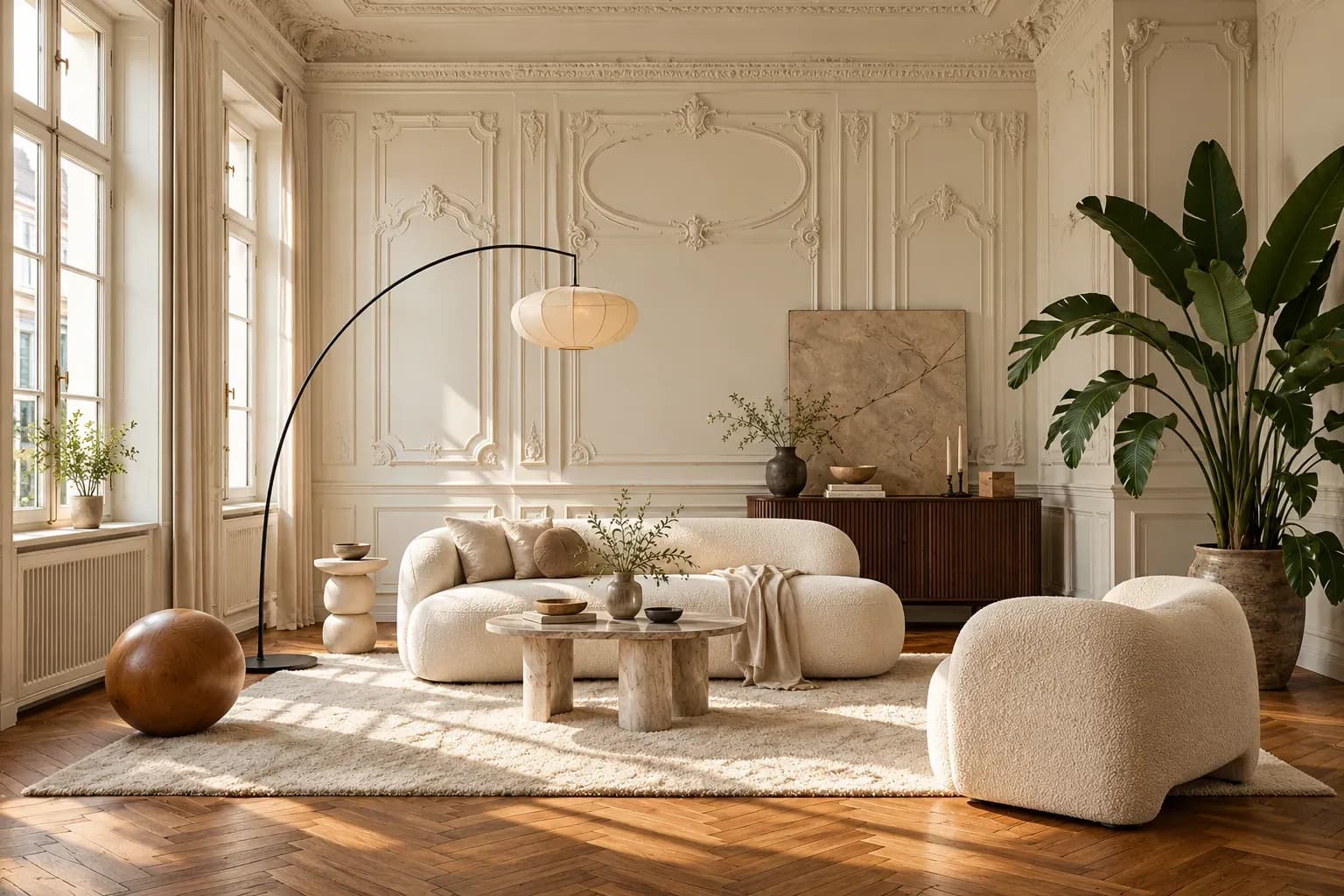
Soft furnishings like curtains, rugs, and accessories are what transform a living room from simply furnished to truly complete and inviting. They add warmth, texture, functionality, and personality while improving comfort, lighting, and acoustics. Choosing the right materials, sizes, and colours ensures balance and cohesion in the space.
Most living rooms get the big things right. The sofa, the paint colours, and the TV unit might be perfect. And yet something still feels unfinished, like the room is waiting for something to arrive and make it feel complete. More often than not, what's missing is the layer of soft furnishings and accessories that ties everything together. Curtains, rugs, cushions, lighting, and decor that give the room its personality.
These elements are not afterthoughts in good living room interior design. They are what make the difference between a room that looks assembled and one that feels alive.
Paint and furniture are the bones of living room interior design. Curtains, rugs, and accessories add warmth, texture, and a sense of being lived in.
When accessories are not taken into account, they can cause a multitude of issues, such as:
Curtains and accessories are not just fluff; they are functional parts of living room interior design that affect how the space looks, feels, and even sounds!
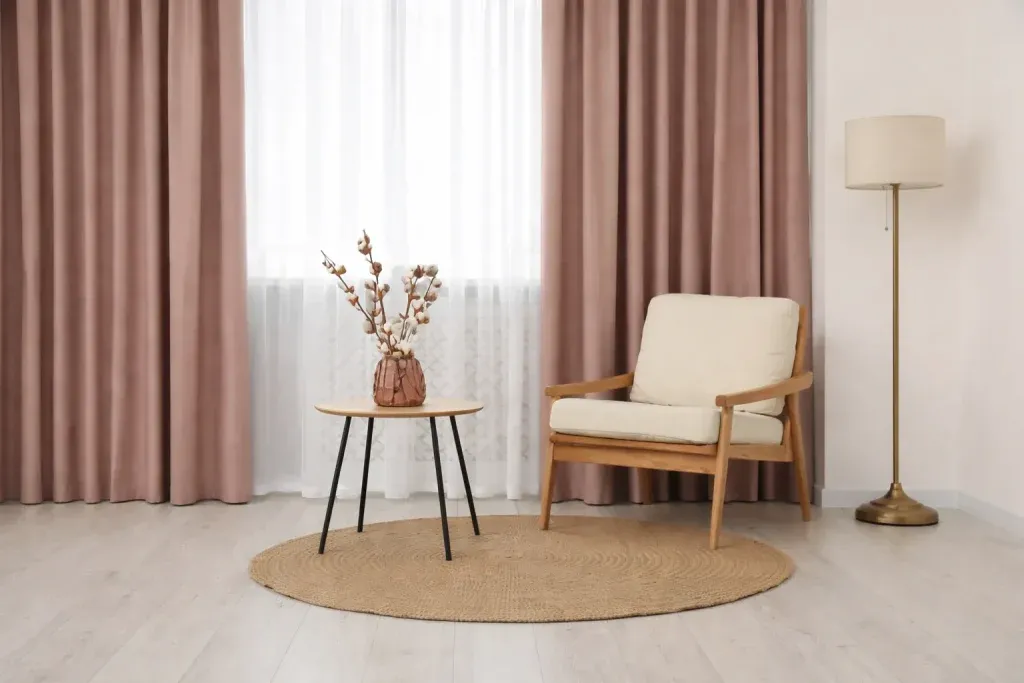
Curtains do three things simultaneously: they control light, add visual height and drama, and contribute significantly to the room’s colour and texture.
Fabric is the first and most important decision. There are various types of fabrics used in home hall designs, but in the Indian climate, heavy velvets and thick blackout linings can make a room feel suffocating for most of the year. Linen, cotton, and sheer blends work much better in warm, humid conditions, especially in cities like Mumbai or Chennai.
Length shapes how the room reads. Curtains that hang from ceiling to floor, regardless of where the window actually ends, make ceilings feel taller and walls feel grander. This is one of the simplest and most effective tricks in modern living room interior design. Curtains that stop at the windowsill or hover awkwardly mid-wall make a room feel shorter and smaller than it is.
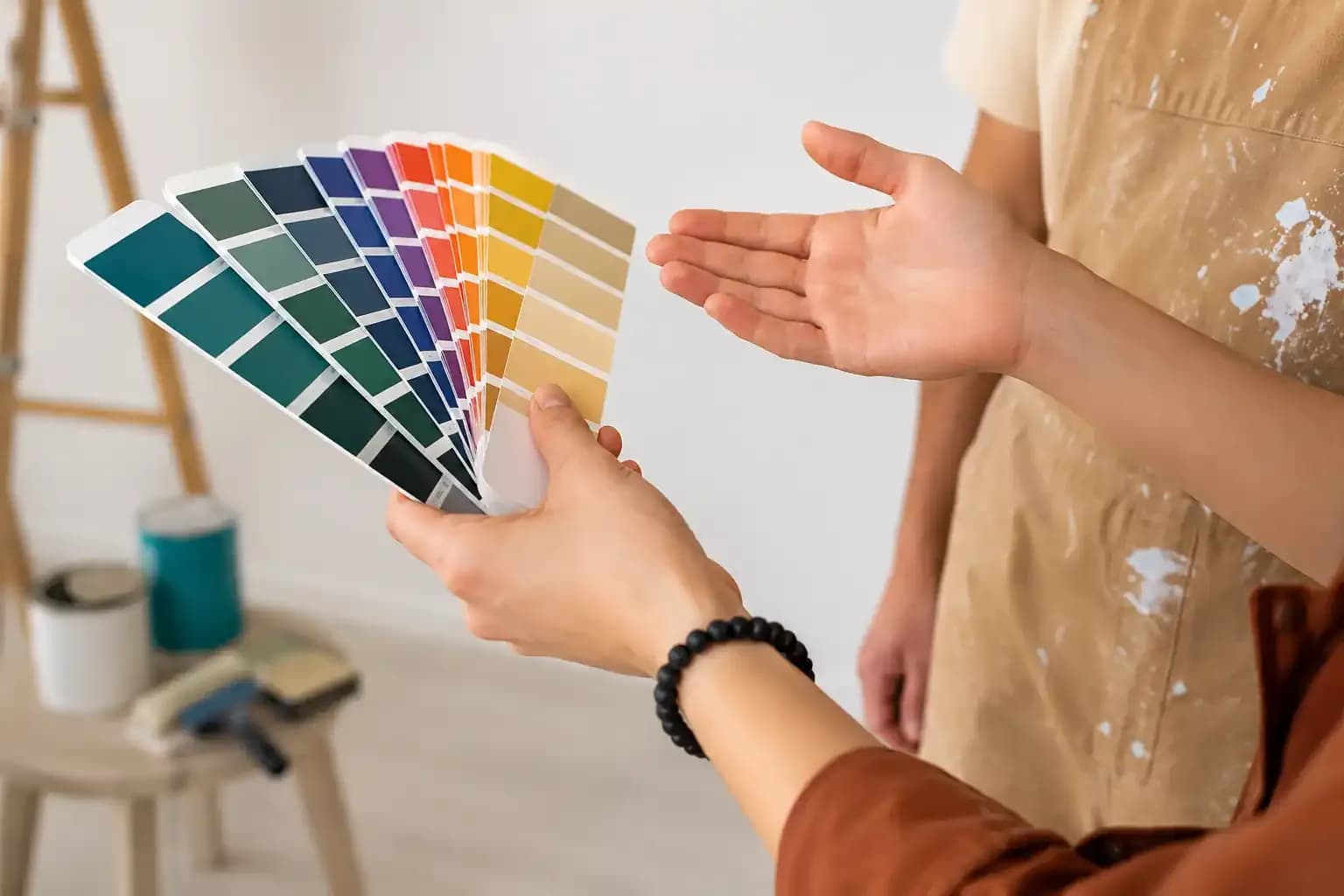
In living room home interior design, colour should work with what is already in the room rather than compete with it. If the sofa and walls are relatively neutral, curtains can afford to carry some colour or a subtle pattern. If the room already has a lot going on, solid curtains in a tone that picks up something from the palette will always be the safer and more elegant choice.
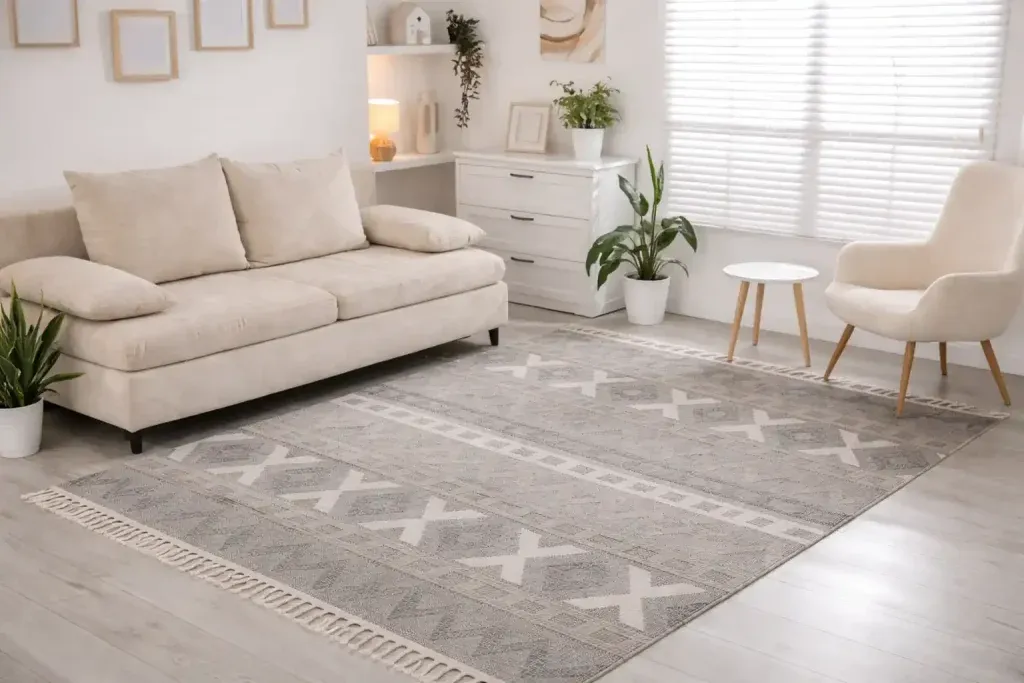
A rug that is too small is one of the most common mistakes in living room interior design. Seating areas need to be in a defined zone, and rugs help you achieve that distinction.
When it comes to living room interior design, rug size should be generous. The right approach is to have your sofa or chair’s front legs sitting on the rug. The rug should extend at least 15 to 20 centimetres beyond the furniture on all sides.
Living room home interior design needs durable and easy to clean materials due to the area’s high footfall. Flatweave cotton rugs, polypropylene rugs, and low-pile wool blends hold up well and are relatively forgiving with spills and dust. Thick shag rugs look luxurious but are genuinely difficult to maintain in cities with high dust levels.
The colour and pattern on a rug can do a lot of work. A patterned rug in a mostly neutral room adds visual interest without requiring any other changes. A solid rug in a room with printed cushions or a bold sofa keeps things from tipping into chaos.
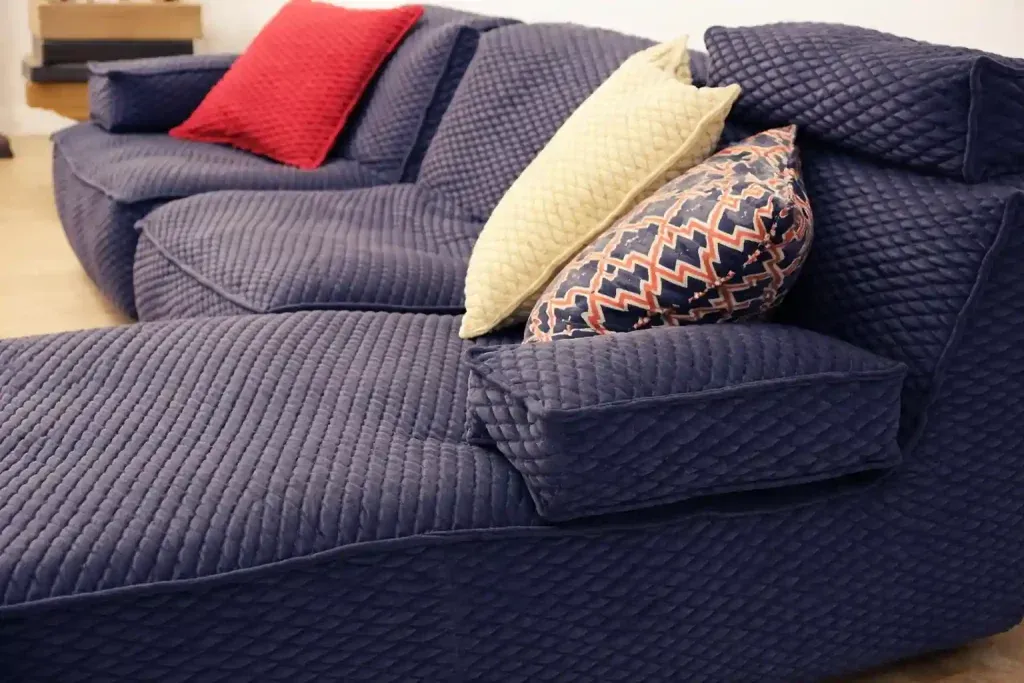
This is the part of living room interior design where the room stops being a well-designed space and starts being your space.
Cushions introduce colour, pattern, and texture in a way that can be easily changed. A good rule of thumb is to mix one solid, one subtle, and one textured cushion in each corner of a sofa rather than buying a matching set.
Artwork for home hall design does not need to be expensive to be effective. It needs to be hung at the right height, which is generally at eye level when standing, and to be sized appropriately for the wall it is on.
A floor lamp in a dark corner, a table lamp on a side table, warm-toned bulbs instead of cool white ones. In living room interior design, layered lighting is considered essential, not optional.
Whether it be a ceramic bowl, a stack of books, a trailing plant, or a tray with a candle, décor gives surfaces a sense of intention. The goal is not to fill every surface but to give each one a reason to exist.
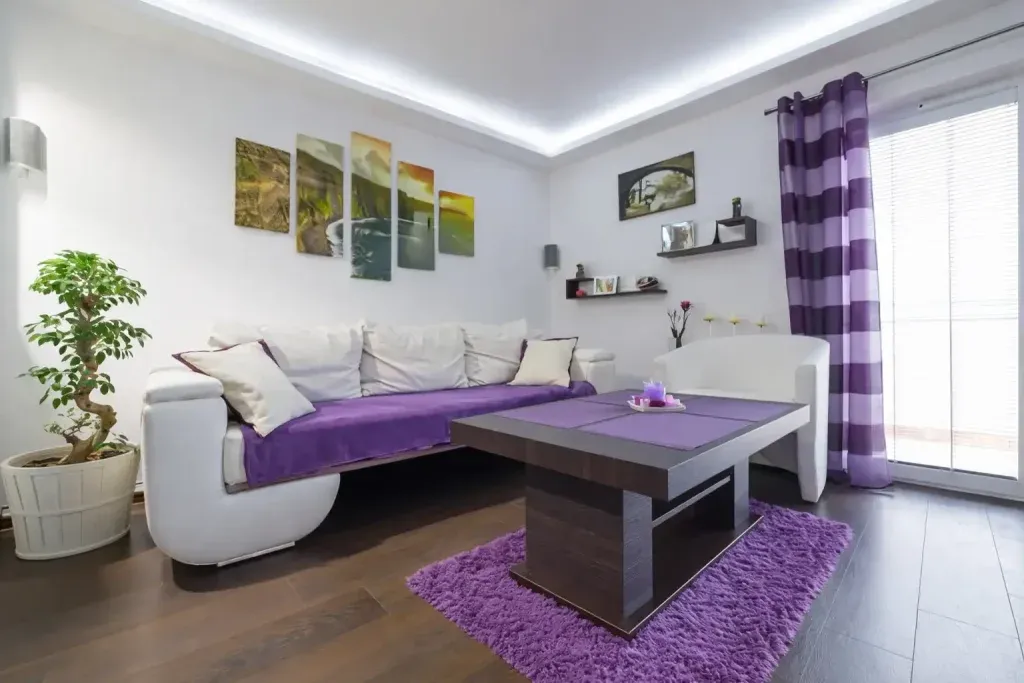
The most common anxiety around living room interior design is getting the coordination wrong.
Pick three colours and stay within them across curtains, rug, cushions, and decor. One of those colours should appear in at least two or three different places in the room so it reads as deliberate rather than accidental. Mix textures freely as long as the colour palette holds. Vary the scale of patterns, one large, one small, one solid, so they work together rather than fight.
In smaller living rooms, like those in Mumbai apartments, keeping the rug and curtains relatively neutral can help. Interior designers in Mumbai tend to prefer one or two accessories that can carry the room's personality.
Choosing curtains, rugs, and accessories sounds manageable in theory. In practice, standing in a room trying to visualise how a fabric sample will look as a full-length curtain, or whether a rug swatch will work with the sofa you already have, is genuinely difficult without experience.
Bonito Designs’ LifeDesign approach treats these elements as part of the overall living room interior design process, rather than a separate shopping exercise. The palette, the textures, the proportions, all of it is considered together from the beginning.
Book a consultation with Bonito Designs to make your living room exude personality and perfectly reflect your lifestyle.
Both modern classic interior design and transitional design combine classical references with contemporary furniture, storage and lighting. However, modern classic rooms retain more symmetry and formality than transitional spaces. This article covers how transitional interior design differs across furniture, mouldings, colours, materials, lighting and maintenance, along with practical guidance for choosing between the two styles.
24 Oct 2026|5 min readKitchen interior design cost depends heavily on cabinet materials, core boards, hardware, storage accessories, and the level of customisation. Materials such as laminate, acrylic, veneer, membrane, and PU vary considerably in price, durability, appearance, and maintenance. A well-planned kitchen budget should therefore balance upfront cost with long-term performance and everyday use.
24 Oct 2026|5 min readAccessories, textures and finishes are all essential to modern bathroom decor, especially when smaller details need to feel connected. However, useful modern bathroom decor ideas also account for moisture, cleaning and storage so the room remains practical every day.
23 Oct 2026|5 min readLearn how to choose the right living room colours for your home’s unique lighting and needs, along with 10 trendy colour combinations to upgrade your space.
17 Aug 2026|5 min readExplore modern hall interior design ideas with stylish POP ceilings. Discover modern simple POP design, lighting tips, and the latest ceiling designs for halls
18 Jul 2026|5 min readLatest modern living room interior design ideas with warm colours, curved furniture, and premium materials to create a stylish, comfortable home.
10 Jul 2026|5 min read


Your Home Makeover Starts Here.