A home does not need more decor just because there is an empty wall or shelf. In a Mumbai apartment or a Bengaluru home, usable space is often too valuable to fill with filler. The better approach is to choose pieces that have a purpose, fit the room, and add a little personality. That is where DIY home decor ideas using recycled materials can work surprisingly well. Old glass jars, magazines, tin cans, fabric scraps, corks, and wooden pallets can become useful accents instead of ending up in the bin.
Compact homes benefit from decor that does more than one job. A recycled jar can become a planter or organiser. Fabric scraps can become cushion covers. An old wooden board can turn into a memo station. This is especially useful in Mumbai, where 1 and 2 BHK apartments often have compact balconies, narrow passageways and limited storage. Interior designers in Mumbai pick one area and then decide what it actually needs before executing any DIY home decor idea.
Old magazines are an easy starting point. Cut out images, typography or colour blocks and arrange them into a simple grid or abstract composition. For a contemporary living room, stick to two or three dominant colours instead of using every shade on the page. This works particularly well above a compact study desk or a sofa where a large artwork might feel too heavy.
Cut unused CDs into small pieces and arrange them around a mirror frame. Their reflective surface can catch daylight from a balcony door or evening light from a nearby lamp, making the piece more effective than a plain decorative frame. Handle cut CD pieces carefully and cover sharp edges properly before placing the mirror within reach of children or pets.
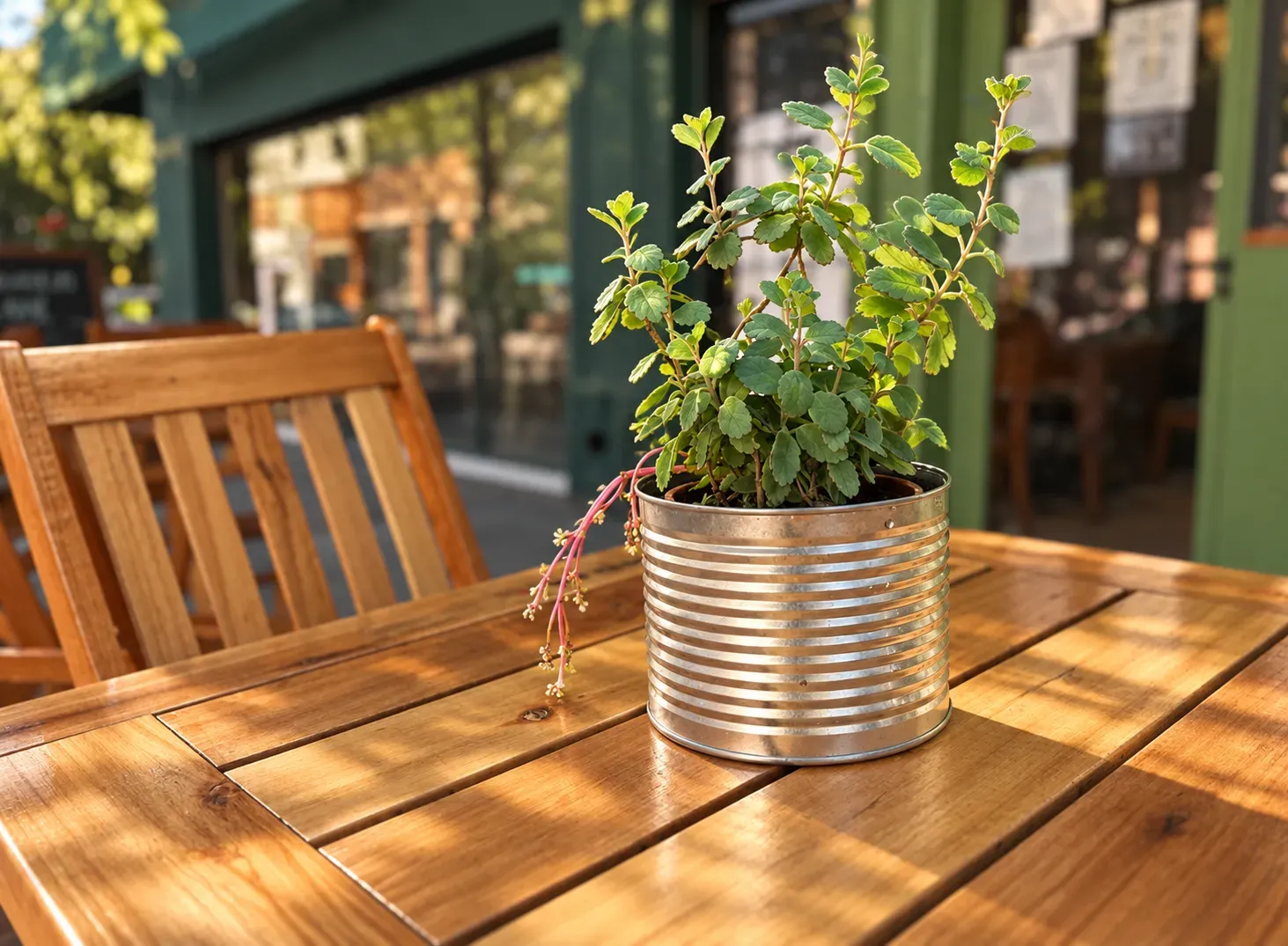
Clean and dry old cans, smooth any sharp edges and add drainage holes before using them as planters. Paint them in one coordinated colour, such as muted green, terracotta or off-white, rather than creating a collection of unrelated colours. They can work on kitchen ledges, balcony shelves or a small utility-area plant corner.
Empty glass jars can hold small indoor plants, cuttings or even dried stems. Group three jars at different heights rather than scattering them across several surfaces. This creates a visual cluster without making the room feel busy. If your morning routine already involves clearing the kitchen counter before work, keep decorative planters away from the main prep area. Pretty clutter is still clutter.
Leftover fabric from old clothes, curtains, or tailoring projects can become cushion covers. The easiest way to make them look cohesive is to repeat one colour from the existing room. For example, blue-grey scraps can complement a neutral sofa without introducing an entirely new palette.
An old sweater can be converted into a soft pouffe by filling it with unused cushions, blankets or fabric scraps and securely closing the openings. It can work as extra seating during a Diwali gathering or as a footrest near a reading chair. Keep the size proportionate to the room. A huge pouffe can quickly become an obstacle in a compact living room.
Paint old jar lids and attach magnets to create small holders for children's artwork, shopping lists or reminders. A magnetic strip near the kitchen can be more useful than another decorative tray on the counter.
Corks can be fixed onto a backing board to create a pinboard for notes, photographs and reminders. Place it near a study desk or home office rather than in a purely decorative spot. This is where the recycling of waste material becomes genuinely useful: the finished object helps manage the small pieces of paper and information that otherwise collect on tables.

Pierce old cans with simple patterns and use them with LED lights to create decorative lanterns. Avoid placing handmade metal lanterns near curtains or other flammable materials, and use LED lights instead of exposed flames.
A wooden pallet can become a low coffee table, shelf, or balcony piece after thorough cleaning, sanding and finishing. Check that the wood is structurally sound and suitable for indoor use before bringing it into the home.
Good DIY home decor ideas are not about filling every empty corner:
The same thinking applies to DIY crafts for home decor. A handmade piece should support the way the household actually lives.
Recycled decor works best when it has a clear relationship with the rest of the interior. That is central to Bonito Designs' LifeDesign philosophy, which focuses on designing homes around routines, comfort, and everyday life. For homeowners in Mumbai and Bengaluru, that means considering the realities of local apartment layouts, storage requirements, work-from-home zones and how the family uses each room.
Bonito Designs manages the interior journey in-house, from design and manufacturing through installation, quality checks and final handover. The best DIY home decor ideas are not the ones that make a home look handmade from floor to ceiling.
Need thoughtful touches that give everyday objects a second life while keeping the home functional? Then book a consultation with Bonito Designs.
A well-planned small 2 BHK flat interior design should prioritise clear walkways before placing furniture or adding décor. Mapping natural movement paths, choosing appropriately scaled furniture, and using space-saving storage can make compact homes feel more comfortable and spacious. Consider daily routines, circulation, storage, and lifestyle needs together to create a home that works.
19 Oct 2026|5 min readA second bedroom in a 2 BHK can become far more useful when you plan it around everyday routines rather than keeping it only for occasional guests. Convertible furniture, smart storage, layered lighting, and flexible layouts can help the room support work, hobbies, fitness, or relaxation. By planning for both present needs and future changes, couples can create a multipurpose space that remains practical over time.
19 Oct 2026|5 min readA successful 2 BHK flat interior design project depends on clear scope, timely approvals, accurate measurements and proper sequencing of work. Plan procurement, modular production, and site execution around key dependencies to avoid delays. Regular reviews and systematic snag checks help keep the interior design project timeline on track.
17 Oct 2026|5 min read


Your Home Makeover Starts Here.