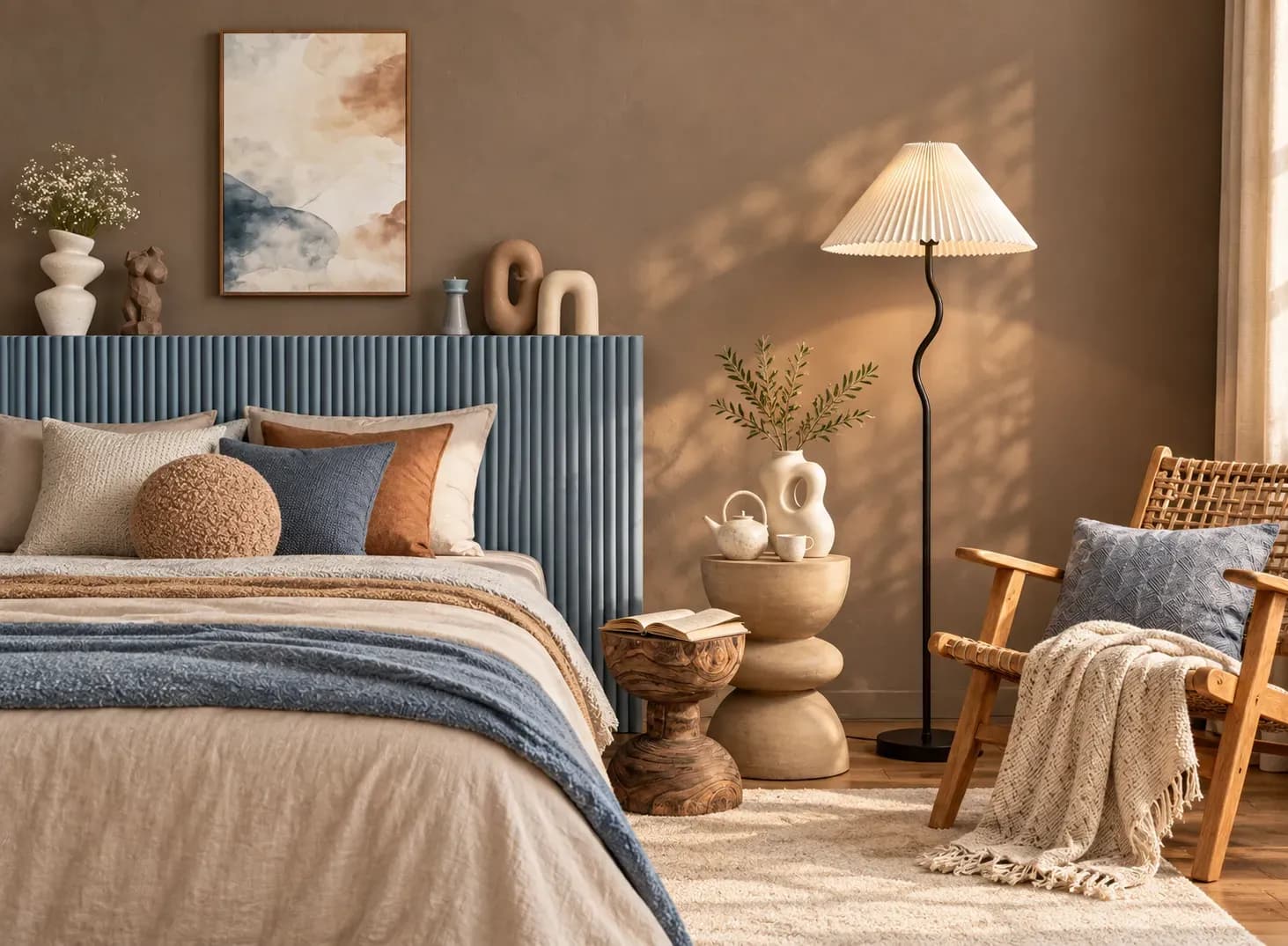
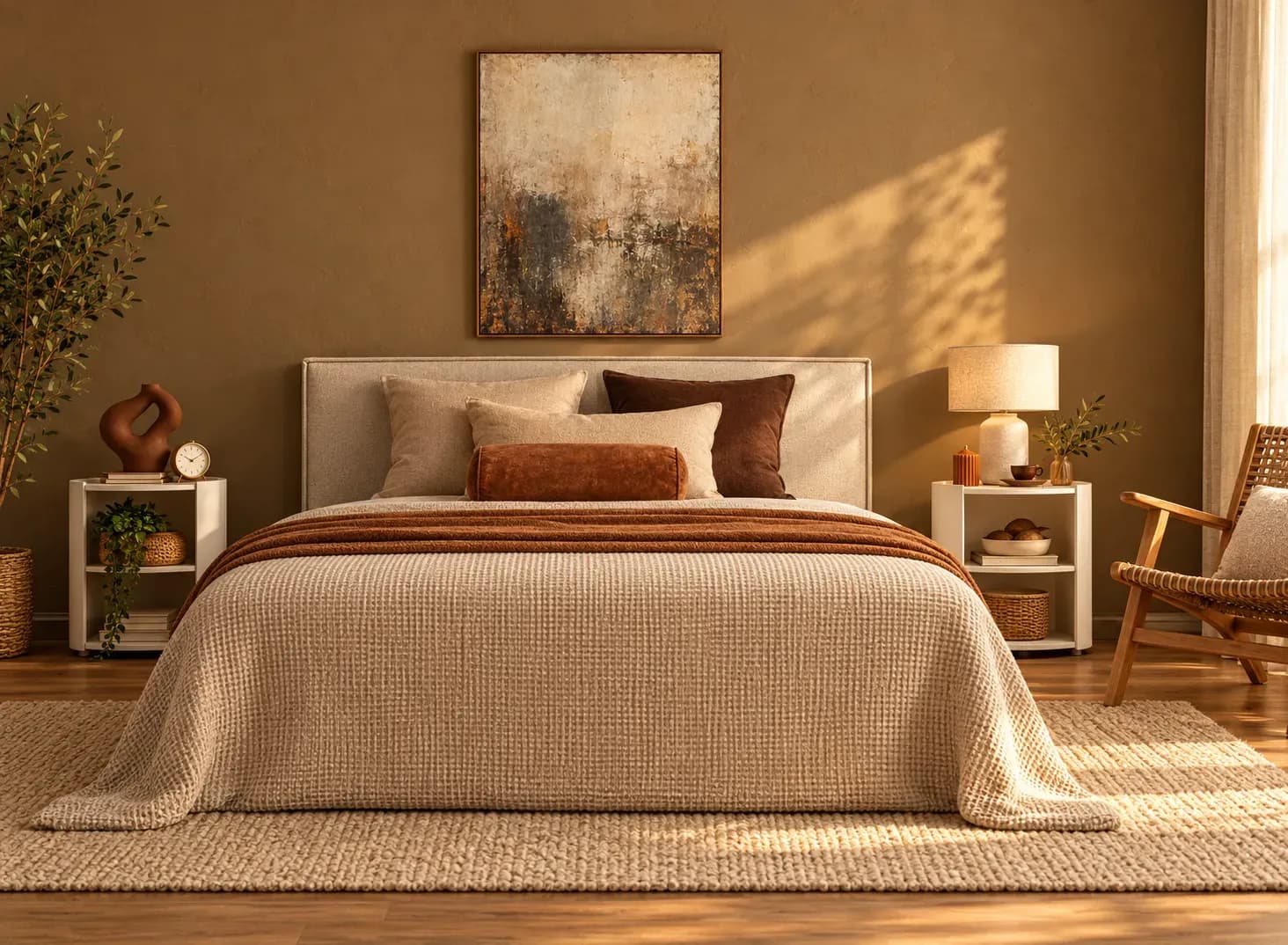
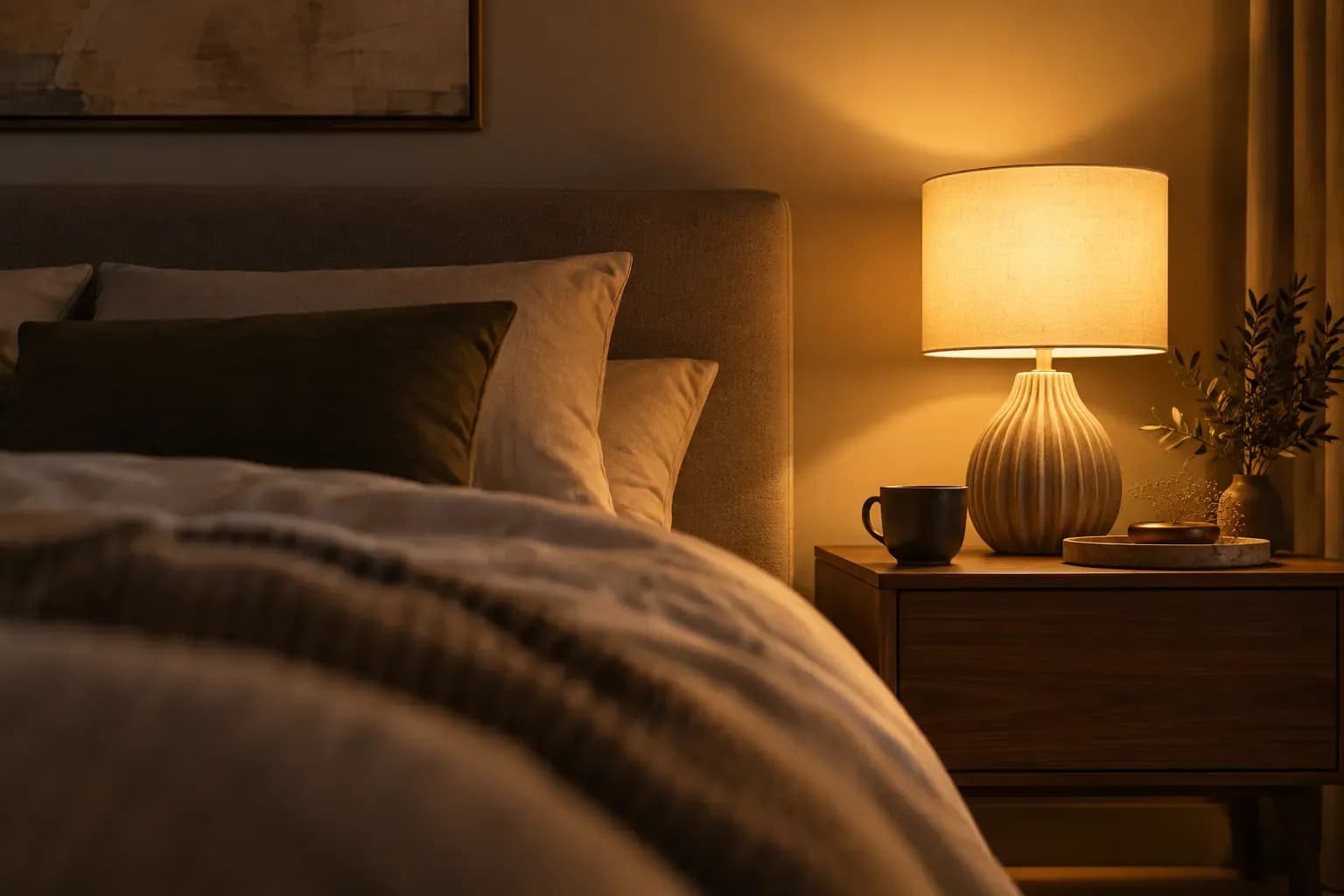
Smart home bedroom interior design focuses on creating a space that intuitively responds to your daily routines rather than overwhelming you with technology. It integrates features like adaptive lighting, temperature control, and multifunctional furniture to enhance comfort, efficiency, and sleep quality. The key is a subtle, clutter-free implementation that blends technology seamlessly into the design.
Most bedrooms look decent, and some even look great. But when you actually live in them, you realise something’s off. You’re still switching things on and off manually, adjusting curtains every day, hunting for chargers like it’s a daily ritual. Meanwhile, everything else around you has quietly upgraded itself.
That’s where smart bedroom home interior design starts to make sense. Not as a trend, but as a response to how we actually live now. Especially if you’re someone who already relies on tech through the day, it feels odd for your bedroom to lag behind. The idea isn’t to fill the room with devices. It’s to make the space respond to you.
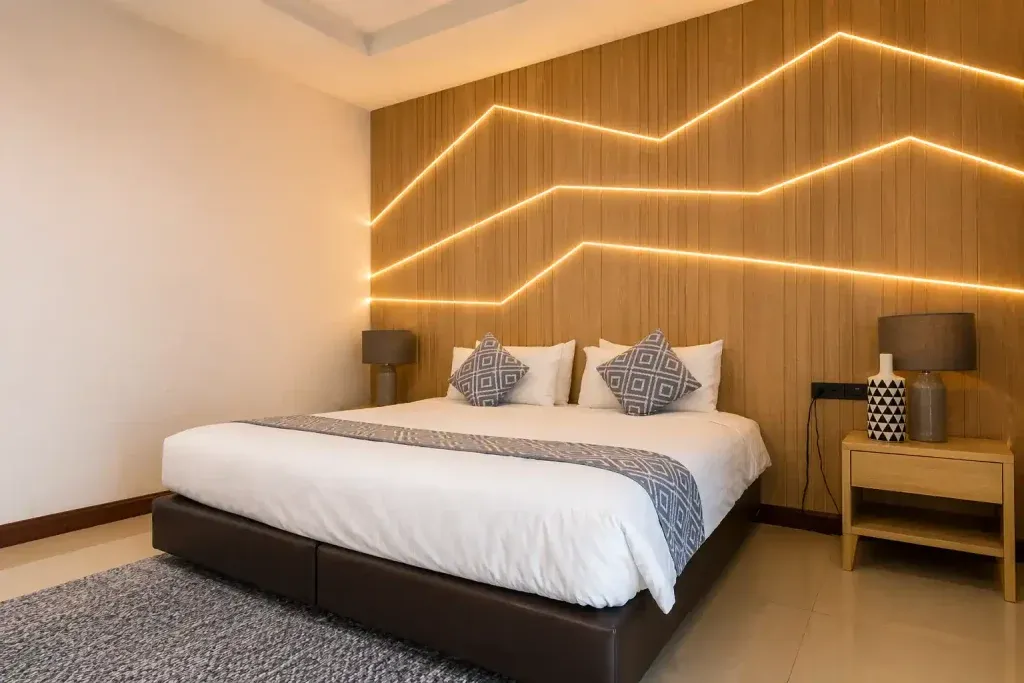
It’s not about having ten apps controlling ten different things. Honestly, that’s exhausting. A well-thought-out bedroom design with smart integration feels simple. You walk in, and things work the way you expect. Lighting adjusts, temperature feels right, nothing looks cluttered. That’s the real benchmark. It has to enhance the room, it’s just functioning.
Lighting is usually the first upgrade in modern bedroom designs, and once you experience it, there’s no going back.
In Mumbai, where sunlight can be blocked by the next building five feet away, this makes a big difference. In Bangalore, where people are working odd hours or shifting between work and rest in the same space, it helps create some structure.
Ever woken up uncomfortable in the morning because the AC was too cold or the curtains were wide open, letting in sunlight? Smart bedroom home interior design fixes these issues via automation. Curtains can open automatically when natural light is needed or stay shut otherwise. ACs can adjust through the night instead of blasting one setting till morning.
In Mumbai’s humidity, that steady control is a lifesaver. In Bangalore, where evenings cool down quickly, it keeps things balanced without constant tweaking. It’s not fancy. It’s just better.
Yes, controlling your room with your voice sounds cool, and it is, to an extent. Lights, music, alarms, maybe even your curtains, it all works. But people build the room around the tech rather than blending it into the bedroom’s home interior design.
You don’t need glowing devices everywhere. You don’t need wires running across surfaces. Keep it clean, hide what you can, and let the design lead, not the gadgets. If the room still feels calm at the end of the day, you’ve done it right.
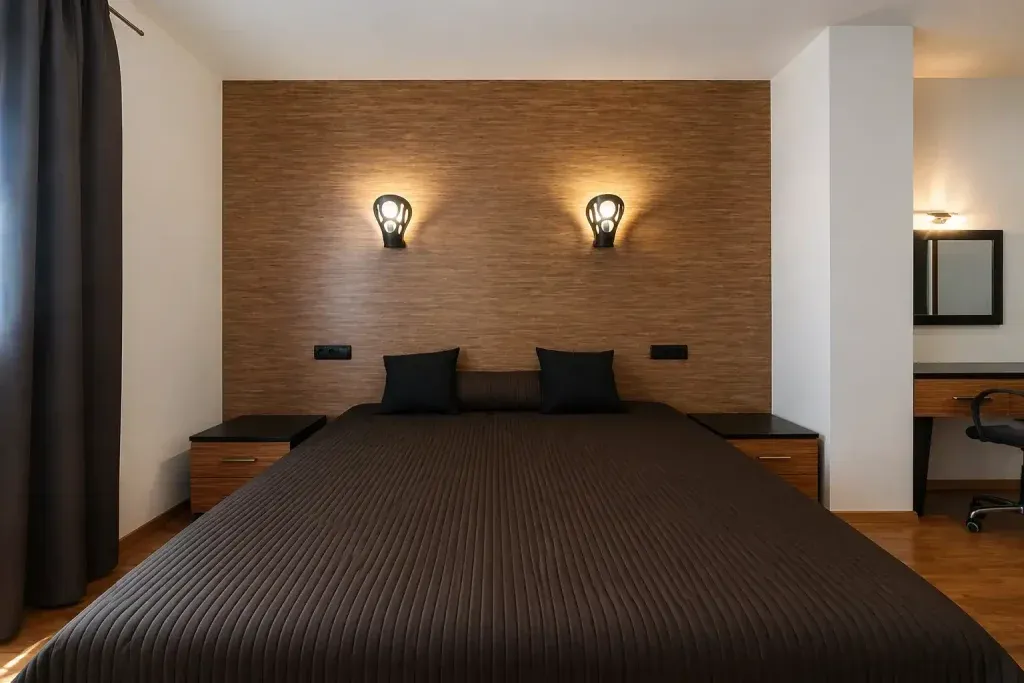
This part is actually interesting. Furniture is no longer just furniture. Beds adjust, tables charge your devices, and wardrobes light up automatically. It’s all becoming part of how we think about how to design a bedroom.
In smaller Mumbai homes, this is almost essential. You don’t have space for extras, so everything has to do more than one job. Interior designers in Mumbai use smart technology to create a bedroom that can shift between rest and productivity, since smaller apartments don’t have the space to create diverse zones. A desk that adjusts or a setup that doesn’t take over the room completely makes a difference.
Good smart bedroom home interior design isn’t packed with features; it just feels efficient.
The best smart bedroom home interior designs don’t show off. They hide things: wiring disappears, charging points are built in, and screens blend into panels or walls. The room still looks like a bedroom, not a tech store.
That’s what strong modern bedroom designs do. They let technology sit quietly in the background while the space stays warm and comfortable. You shouldn’t walk in and think about devices. You should just feel at ease.
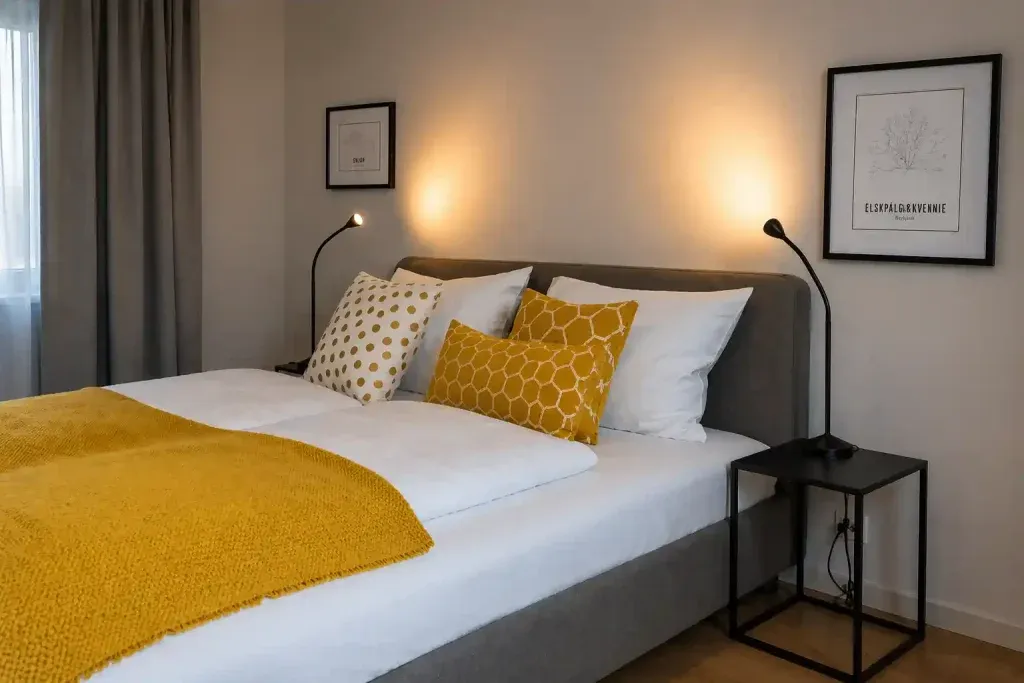
A lot of people struggle with sleep and don’t connect it to their environment. But modern bedrooms can play a huge role in sleep quality. Lighting that follows your natural rhythm, a temperature that adjusts while you sleep, and even simple tracking tools that help you notice patterns. Smart bedroom home interior design provides these facilities, which silently improve your sleep quality without you even realising it.
You don’t need everything at once. Even one or two changes can shift how you feel in the morning. In cities like Mumbai and Bangalore, where routines can get messy and days feel packed, this kind of support matters more than people admit.
Another benefit of smart bedroom home interior design is efficiency. Lights turn off when they’re not needed. Cooling systems adjust instead of running endlessly. Devices aren’t left on for no reason.
You’re not constantly thinking about saving electricity, it just happens. And in urban homes where usage tends to be high, that’s actually a pretty solid benefit.
People try to do everything together and end up overwhelmed. Start small; begin with lighting. It gives the biggest visible shift. Then maybe add smart switches. After that, pick one feature that makes your daily routine easier. Curtains, temperature control, something like that.
Build slowly. Let your bedroom design evolve instead of forcing it. A smart room should feel easy to live in, not like a project you’re constantly managing.
This is exactly where brands like Bonito Designs step in. Bonito’s LifeDesign philosophy leans into that idea. Instead of treating technology and interiors as separate layers, they design around how you actually live. Your routines, your space constraints, your habits. Especially in cities like Mumbai and Bangalore, where layouts can be tricky and every square foot matters, that kind of thinking shows up in the details.
They also handle everything in-house, which sounds like a small point but changes a lot. Design, build, quality checks, final handover, it’s all part of one continuous workflow. That means fewer gaps, fewer miscommunications, and a lot more control over how the final space turns out.
On top of that, their ISO-certified processes ensure consistency. Not just visually, but also in execution quality. So, when smart features are integrated, they don’t feel like add-ons. They feel built-in, planned from the start. Book a consultation for your bedroom home interior design today!
Both modern classic interior design and transitional design combine classical references with contemporary furniture, storage and lighting. However, modern classic rooms retain more symmetry and formality than transitional spaces. This article covers how transitional interior design differs across furniture, mouldings, colours, materials, lighting and maintenance, along with practical guidance for choosing between the two styles.
24 Oct 2026|5 min readKitchen interior design cost depends heavily on cabinet materials, core boards, hardware, storage accessories, and the level of customisation. Materials such as laminate, acrylic, veneer, membrane, and PU vary considerably in price, durability, appearance, and maintenance. A well-planned kitchen budget should therefore balance upfront cost with long-term performance and everyday use.
24 Oct 2026|5 min readAccessories, textures and finishes are all essential to modern bathroom decor, especially when smaller details need to feel connected. However, useful modern bathroom decor ideas also account for moisture, cleaning and storage so the room remains practical every day.
23 Oct 2026|5 min readTraditional bed decoration can feel modern when it combines handcrafted textiles, natural materials, warm colours, and Indian-inspired patterns with practical furniture and storage. Elements such as carved or cane headboards, block prints, brass accents, and layered lighting add character without overwhelming compact bedrooms. For urban homes in Mumbai and Bangalore, the key is to balance heritage-inspired details with circulation, storage, comfort, and everyday functionality.
29 Sep 2026|5 min readA Scandinavian bedroom works best when simplicity is balanced with warmth, storage, comfort, and everyday practicality. Warm neutrals, natural materials, clean-lined furniture, layered textures, and thoughtful lighting can recreate the style without making the room feel stark. For Indian homes, climate, ventilation, storage needs, and available daylight should also influence material and design choices.
29 Sep 2026|5 min readExplore 10 romantic bedroom colours, from burgundy and plum to forest green and taupe, with practical tips to create a cosy, intimate bedroom.
07 Sept 2026|5 min read


Your Home Makeover Starts Here.