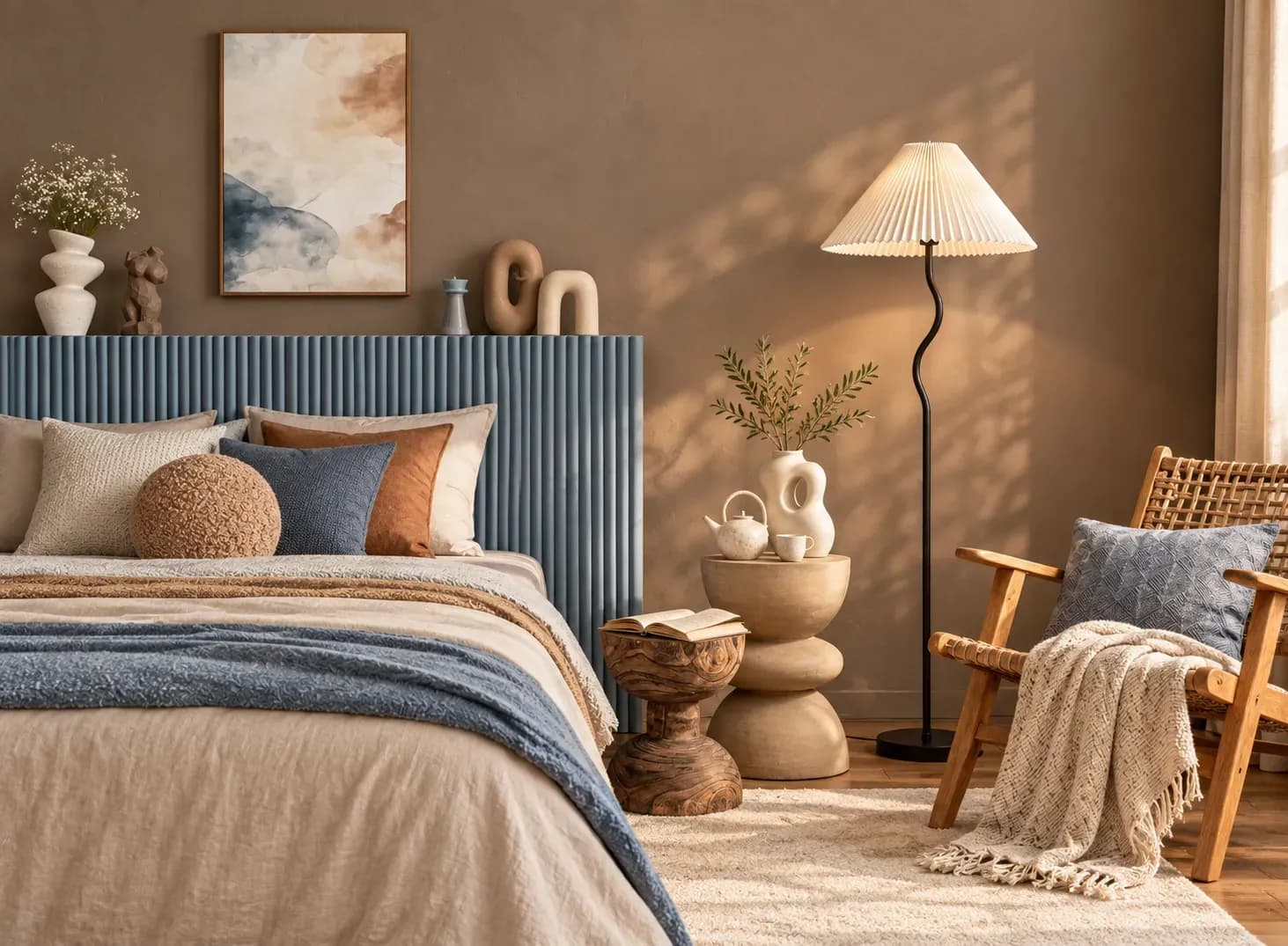
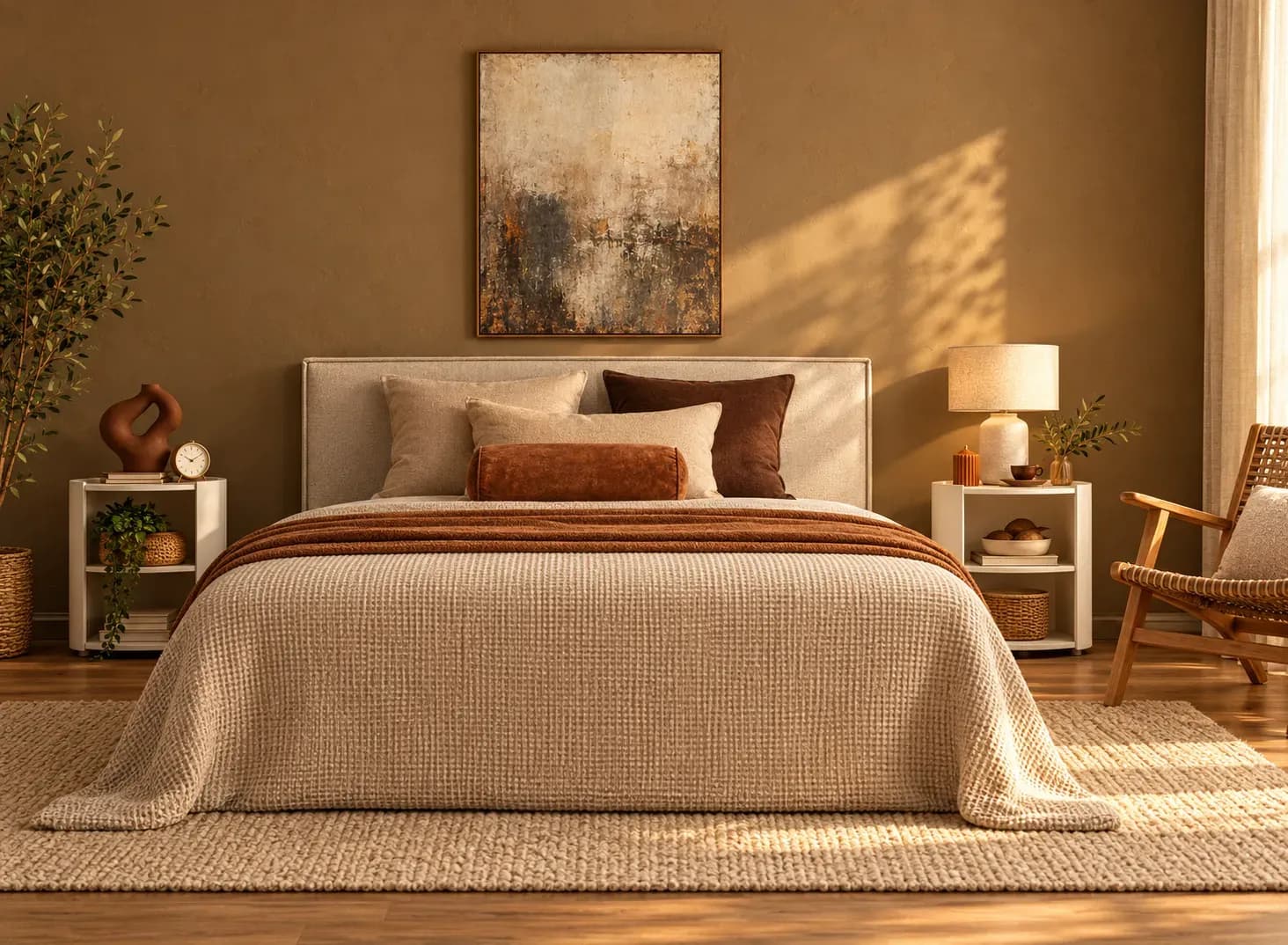
A bed usually takes up more floor space than any other bedroom furniture. Its size affects wardrobe access, movement and cleaning, while its frame determines how much storage the room can hold.
Understanding the main types of beds helps homeowners compare these practical effects before choosing a finish. The right option should support the household's routine, suit the mattress and leave the bedroom comfortable to move through.
Begin with the mattress size, then add the frame, headboard and projecting edges. Mark this footprint and check whether wardrobe shutters, drawers and doors can open freely. Room proportions should guide the types of beds you shortlist. For example, in Mumbai, a compact room may need a bed with additional storage. Interior designers in Mumbai generally look for bed types with built-in storage units that don’t take up too much space.
Searching for how many types of beds exist produces a long list, although the following ten categories cover most household requirements.
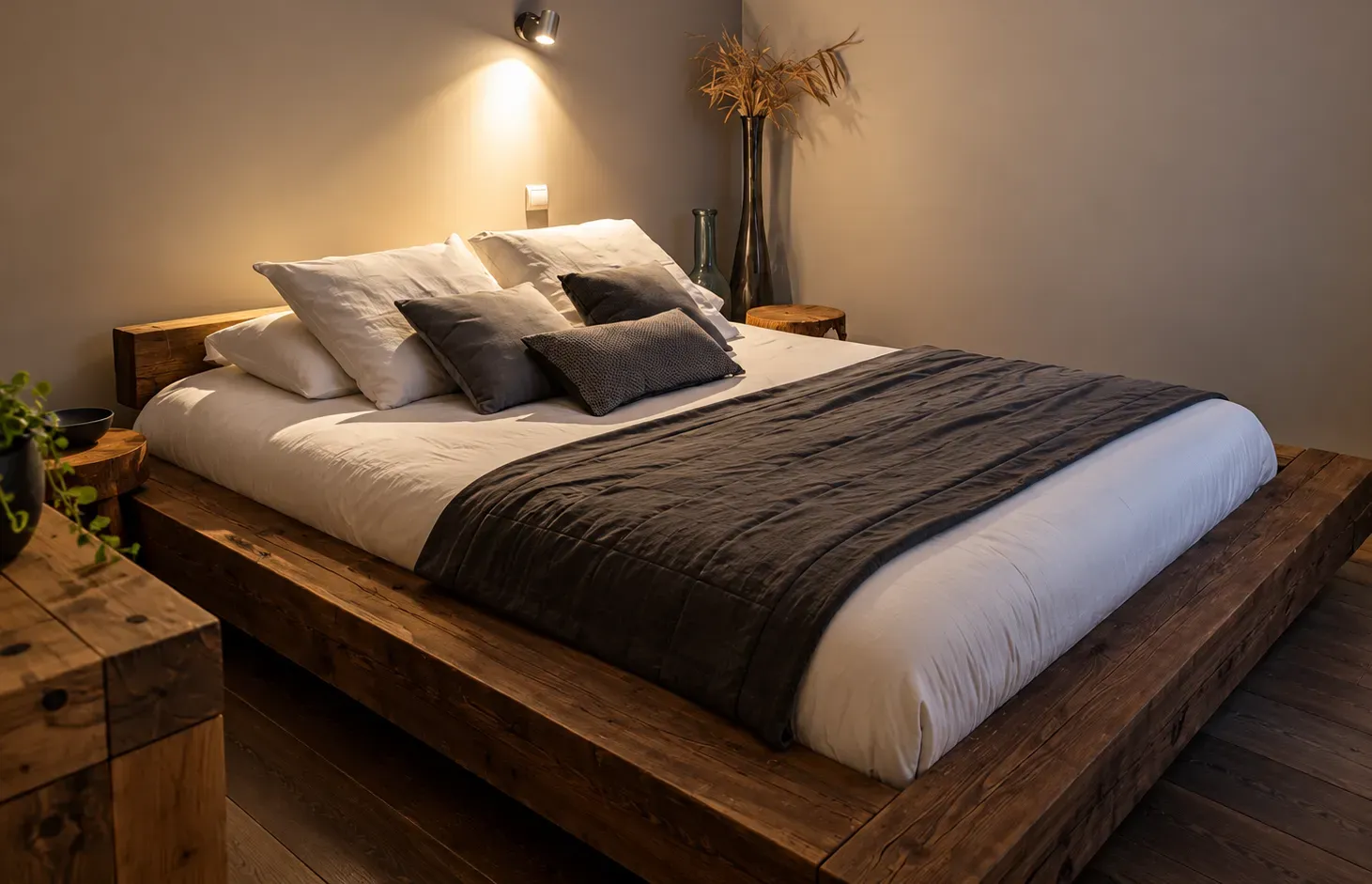
A platform bed supports the mattress on a low, solid or slatted base. Among common types of beds, it suits modern rooms where openness matters more than storage. Check the finished height because low frames can be uncomfortable for older users.
Storage beds use box compartments or drawers beneath the mattress. Box storage suits luggage and spare bedding, although access can be cumbersome. Drawer-based types of beds work for frequently used linen when walls and wardrobes leave enough opening space.
Hydraulic mechanisms lift the mattress platform to expose the space underneath. This bed style suits narrow rooms where drawers cannot open fully. Test the lift with the intended mattress and check the hardware warranty and service support.
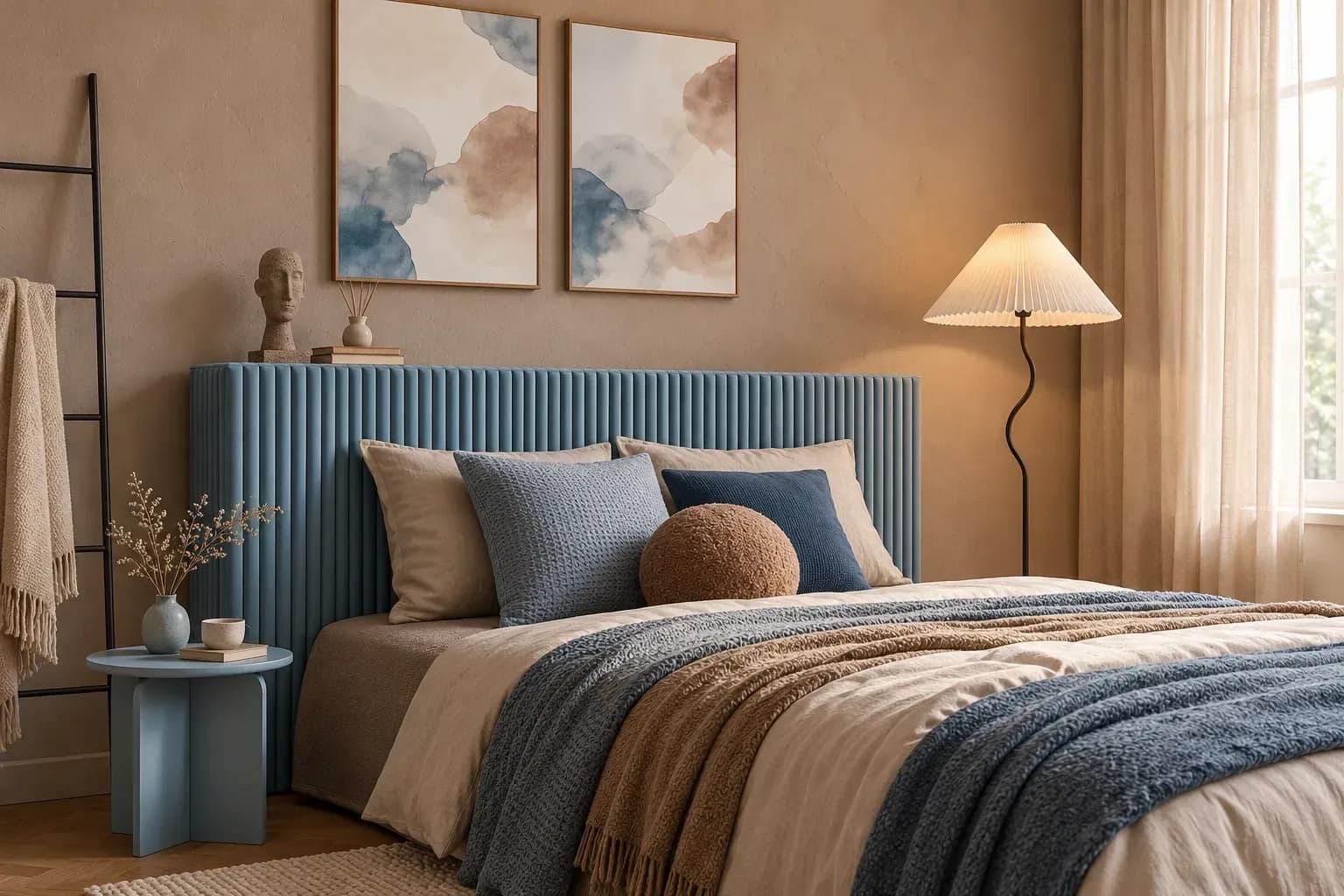
Fabric or leatherette headboards provide back support for reading. Upholstered beds need regular vacuuming, especially in homes with pets or dust sensitivities. Removable or easy-clean fabrics suit everyday bedrooms better than delicate finishes.
Solid wood and engineered-wood beds suit contemporary or traditional interiors. Durability depends on the material, joinery and hardware. A sound home bed design avoids sharp corners and leaves skirting areas accessible for cleaning and pest checks.
Four-poster beds require generous floor area and ceiling clearance. Their height can conflict with fans, pendants or air-conditioning airflow, so measure the room before ordering. They suit spacious primary bedrooms better than compact apartments.
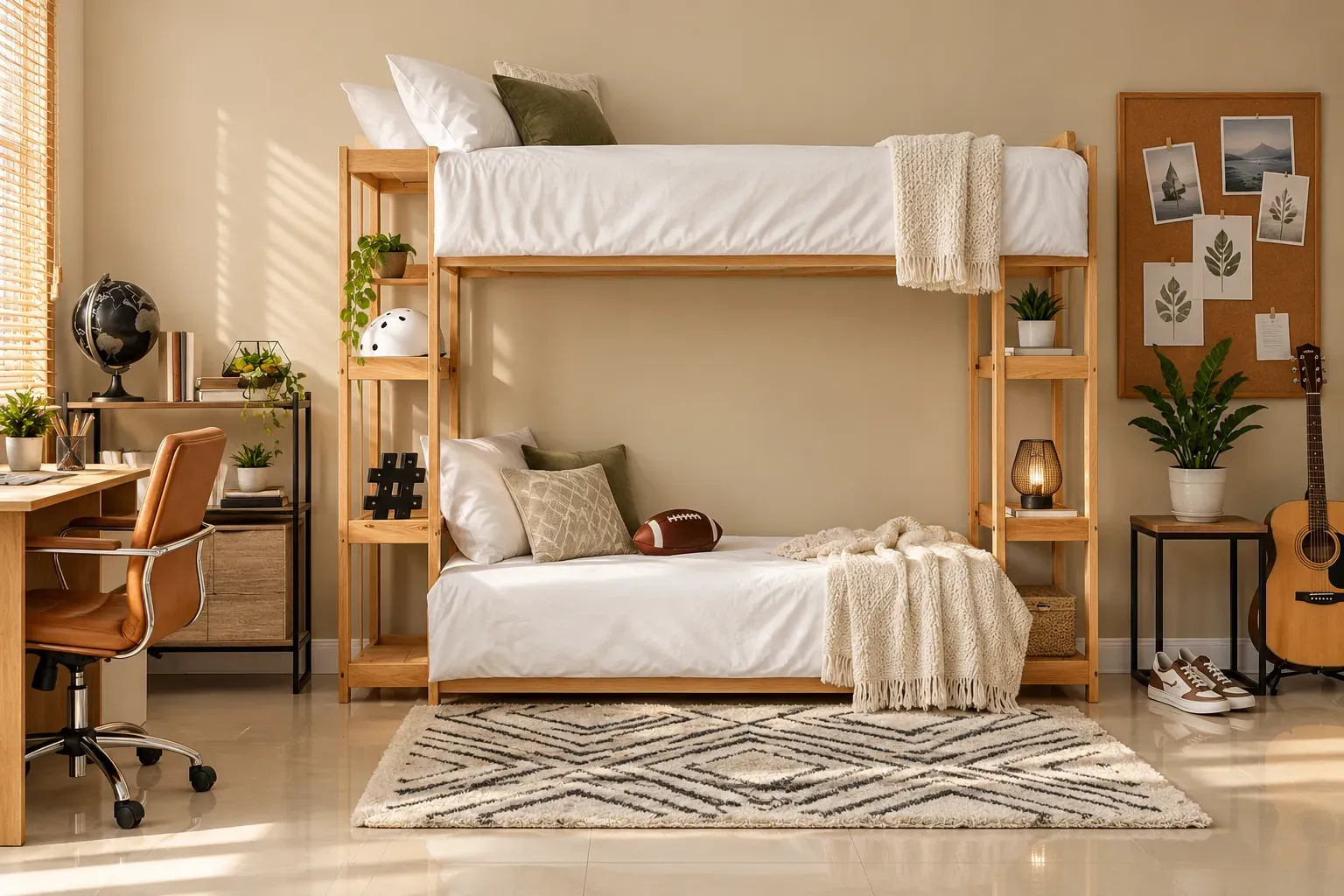
Bunk beds free floor space in a shared children's room. Compare the types of beds available by guard-rail height, ladder grip, ceiling clearance and the children's ages. An adult should be able to reach the upper mattress when changing sheets.
A trundle stores a second sleeping surface beneath the main frame. It serves siblings or occasional guests without permanently taking up extra floor space. Keep the pull-out route clear, and ensure the lower mattress gets ventilation while stored.
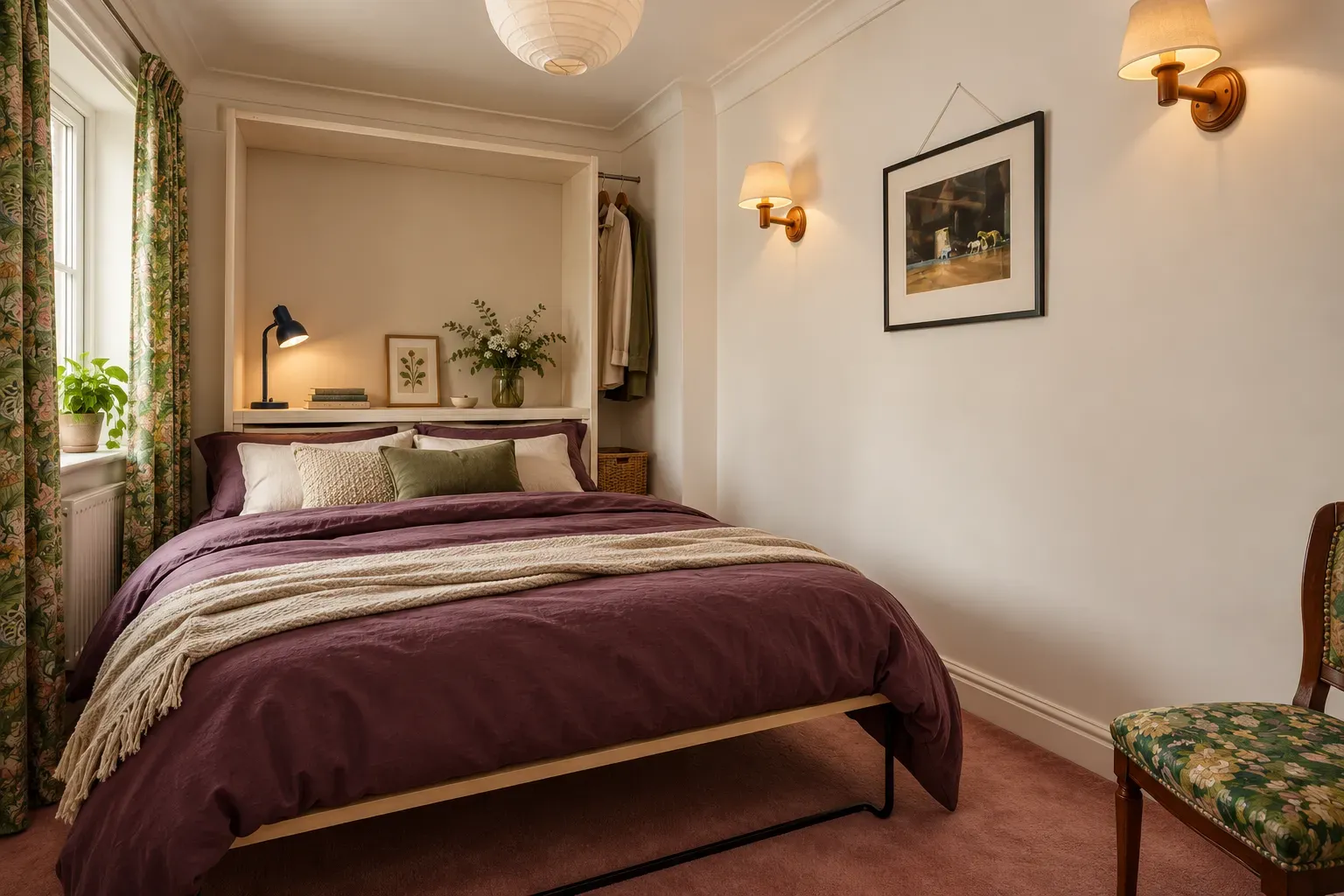
Murphy beds fold into a wall unit, allowing one room to support work or guests. Of all the types of beds, this option relies most on installation quality. The wall, anchoring system and opening clearance require professional assessment.
Floor beds use a low frame or place the mattress close to floor level. They suit minimalist and some children's rooms, but require moisture control and regular cleaning. Low sleeping heights can inconvenience users with knee, hip or back pain.
The different types of beds store belongings differently. Hydraulic storage gives broad access from above, box storage suits occasional-use items, and drawers work for frequently used linen. A no-storage bed improves airflow and makes floor cleaning easier.
Storage capacity matters only when access is practical. Side drawers become useless behind bedside tables, while a heavy hydraulic platform can frustrate frequent users. In some types of beds, one accessible end drawer is more useful than several blocked compartments.
Discussions about home decor and beds often focus on colour, although scale has greater impact. A tall padded headboard can balance a wide wall yet overwhelm a narrow bedroom.
Low timber frames suit modern interiors, carved wood supports traditional schemes and tailored upholstery works in luxury bedrooms. When reviewing new styles of bed, check whether curves or projecting panels reduce circulation and complicate cleaning.
Mattresses must match the frame's internal dimensions, so confirm measurements rather than relying on labels such as queen or king. When comparing types of bed designs, consider cleaning access, edge durability and a comfortable sitting height.
Consider how the types of beds will age with the household. A sturdy single bed with a trundle can serve a child into the teenage years, while guest rooms benefit from flexible sleeping arrangements.
Bonito Designs' Life Design philosophy considers who uses the room, what needs storage and how the space changes. A Mumbai couple may need hydraulic storage, while a Bangalore family may prefer a trundle in a study that doubles as a guest room.
These routines guide the types of beds we select and how we coordinate wardrobes and circulation. Our Mumbai and Bangalore experience, in-house execution, end-to-end coordination and ISO-certified systems carry the plan through installation.
Book a consultation with Bonito Designs to plan a bedroom where the bed fits the room, supports everyday routines and remains useful as the household's needs change.
Well-planned modern home interiors in HSR Layout use clean layouts, integrated storage and coordinated finishes without following every short-lived trend. The best luxury home interiors also adapt each room to the household’s routines, available light and long-term needs. This article explains how to plan living rooms, kitchens, dining areas and bedrooms so the entire home feels modern, comfortable and easy to maintain.
03 Nov 2026|5 min readChoosing a full home interior designer in HRBR Layout requires careful review of the team’s site assessment, planning process, specifications and execution controls. Good house interior design should respond to the property’s actual structure as well as the family’s daily needs. This article explains how to compare portfolios, quotations, timelines, workmanship and after-sales support before appointing a firm.
02 Nov 2026|5 min readChoosing among the best interior designers in Thane requires looking beyond portfolios and reputation. Homeowners should compare design approach, project experience, execution support, pricing transparency, material specifications, and client feedback. The right designer should also match your budget, communication preferences, and your home's practical needs.
02 Nov 2026|5 min readModern bedroom interior design can make a low-light room feel brighter through colour, lighting, furniture placement and reflective finishes. However, the plan must consider where daylight enters, how the bedroom is used after sunset and which surfaces add unnecessary visual weight.
26 Oct 2026|5 min readTraditional bed decoration can feel modern when it combines handcrafted textiles, natural materials, warm colours, and Indian-inspired patterns with practical furniture and storage. Elements such as carved or cane headboards, block prints, brass accents, and layered lighting add character without overwhelming compact bedrooms. For urban homes in Mumbai and Bangalore, the key is to balance heritage-inspired details with circulation, storage, comfort, and everyday functionality.
29 Sep 2026|5 min readA Scandinavian bedroom works best when simplicity is balanced with warmth, storage, comfort, and everyday practicality. Warm neutrals, natural materials, clean-lined furniture, layered textures, and thoughtful lighting can recreate the style without making the room feel stark. For Indian homes, climate, ventilation, storage needs, and available daylight should also influence material and design choices.
29 Sep 2026|5 min read


Your Home Makeover Starts Here.