A west-facing house is not inherently inauspicious; with the right Vastu-aligned planning, it can support comfort, stability, and prosperity. Key considerations include proper entrance placement, suitable room orientation, balanced slopes, and keeping the north-east open. Combining Vastu principles with practical interior design is essential to creating a home that balances tradition with modern family needs.
Ask most people whether a west-facing house is good and you will usually get a confident, “No.” West-facing homes have a reputation problem, largely built on half-understood Vastu principles rather than actual knowledge. The reality is more nuanced.
West-facing house Vastu is not necessarily inauspicious for family homes. By following the right Vastu principles, a west-facing house can be just as harmonious as one facing any other direction.
Vastu Shastra for home design treats all four directions as neutral in themselves. Each carries particular energies that need to be worked with, not avoided. The west direction is governed by Varuna, the deity associated with water, rain, and prosperity. A home that channels this energy correctly is considered favourable for financial growth and family stability.
The bias against west-facing house Vastu comes from a simpler practical problem: the afternoon sun. In most parts of India, a west-facing entrance means the setting sun shines directly into the home during the hottest part of the day.
So, is a west-facing house good as per Vastu? The answer is yes, but the right interior design is required to keep the house comfortable all day.
Vastu for houses facing west recommends a specific set of orientations and placements that work with the directional energy rather than against it.
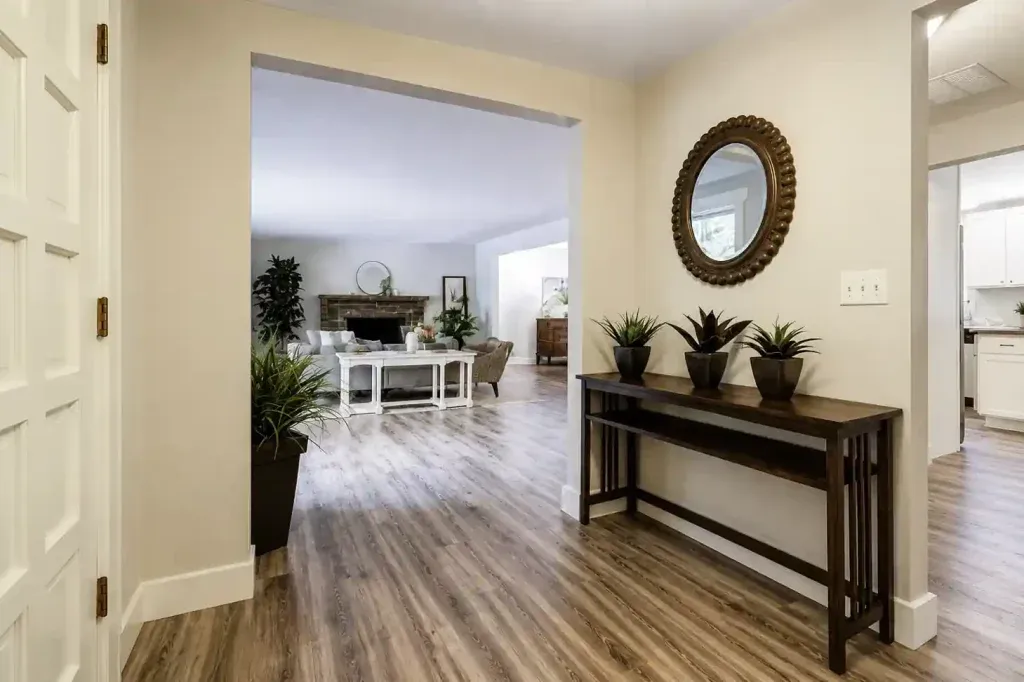
The main door is the most important decision when it comes to a west-facing house entrance Vastu. The entrance should be well-lit and unobstructed, with no large tree or pillar directly facing the door.
In west-facing flat Vastu, the floor should ideally be level or slope slightly toward the north or east. A slope toward the west or south-west is considered less favourable.
Even homeowners who are broadly aware of west-facing house Vastu make a few consistent errors.
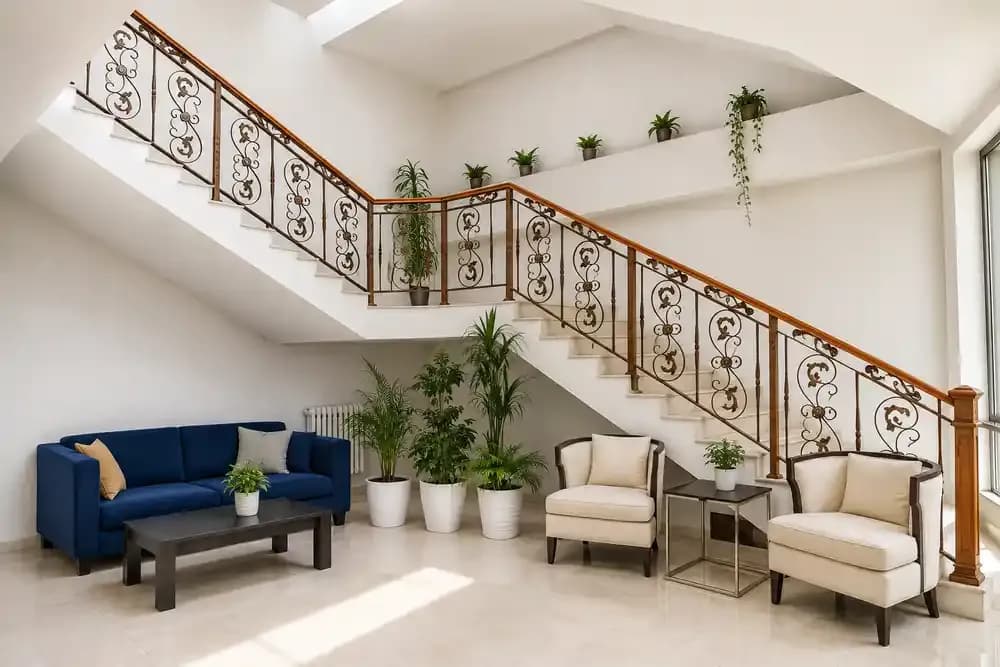
This corner should remain as open and unobstructed as possible. Placing heavy storage or a toilet in the north-east is one of the more significant Vastu mistakes. When it comes to Vastu for staircases, the south, west, or southwest directions are ideal, while the north-east direction should be generally avoided.
Many families focus on the house's orientation but do not check where the main door falls on the west wall. The difference between an auspicious and a less favourable pada is a matter of a few feet and is entirely fixable at the design stage.
The north is associated with prosperity and new energy. Overloading it with large furniture, walls, or extensions cuts off that directional benefit.
Bonito Designs integrates west-facing house Vastu principles into the design process without letting them override practical functionality. Our Life Design philosophy means every home is planned around how the family actually lives, and Vastu is treated as one among several inputs rather than a rigid set of rules that conflicts with real-life needs.
With in-house execution and ISO-certified processes, our team ensures that what is designed is delivered accurately, with no gaps between intention and outcome.
The stigma around west-facing house Vastu is largely unearned. These homes have specific guidelines to follow, as all orientations do, and when those guidelines are respected, there is no reason a west-facing home cannot be as stable, prosperous, and comfortable as any other.
If you are moving into a west-facing home and want the interior design to work with both Vastu principles and your family's lifestyle, book a consultation with Bonito Designs today.
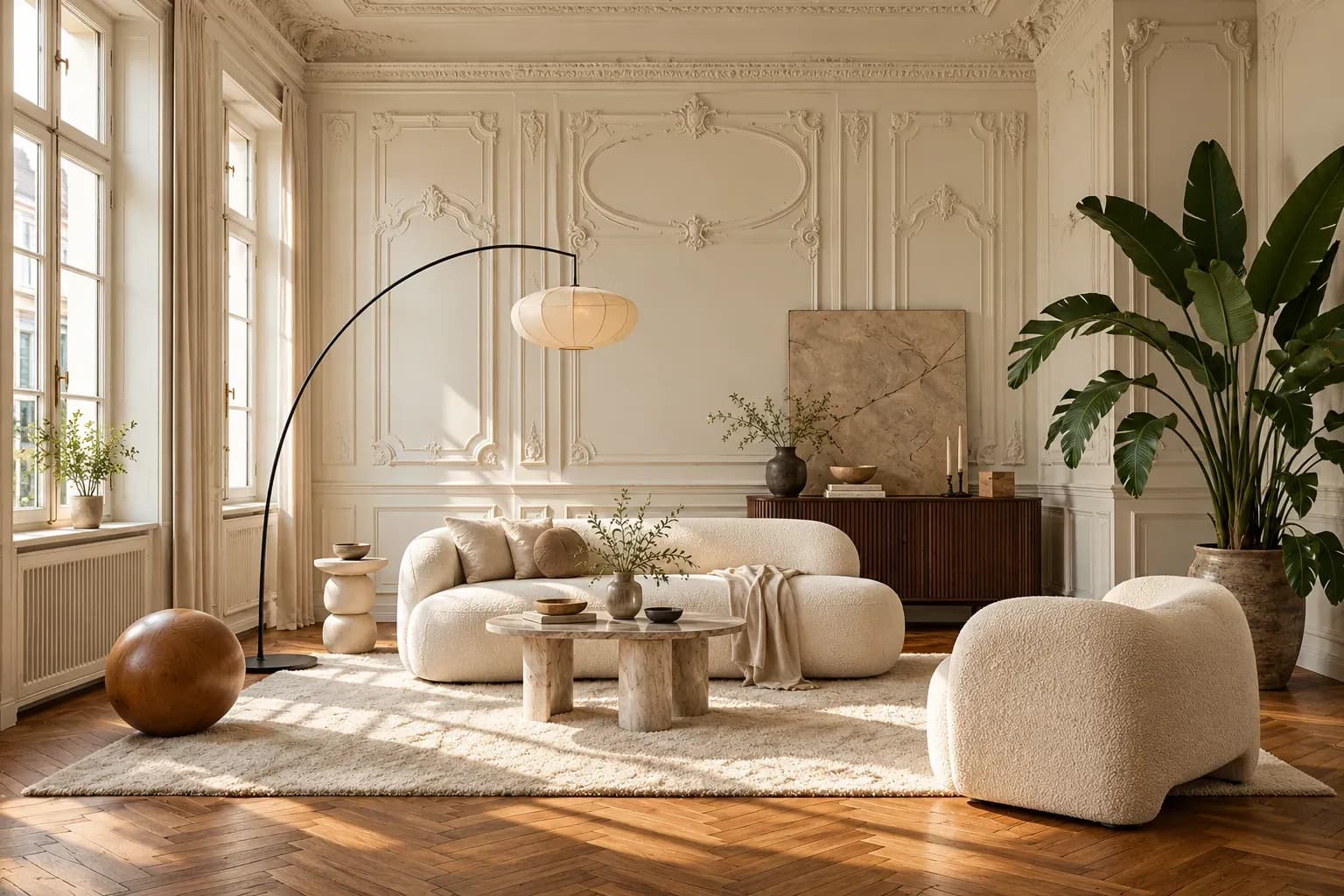
Both modern classic interior design and transitional design combine classical references with contemporary furniture, storage and lighting. However, modern classic rooms retain more symmetry and formality than transitional spaces. This article covers how transitional interior design differs across furniture, mouldings, colours, materials, lighting and maintenance, along with practical guidance for choosing between the two styles.
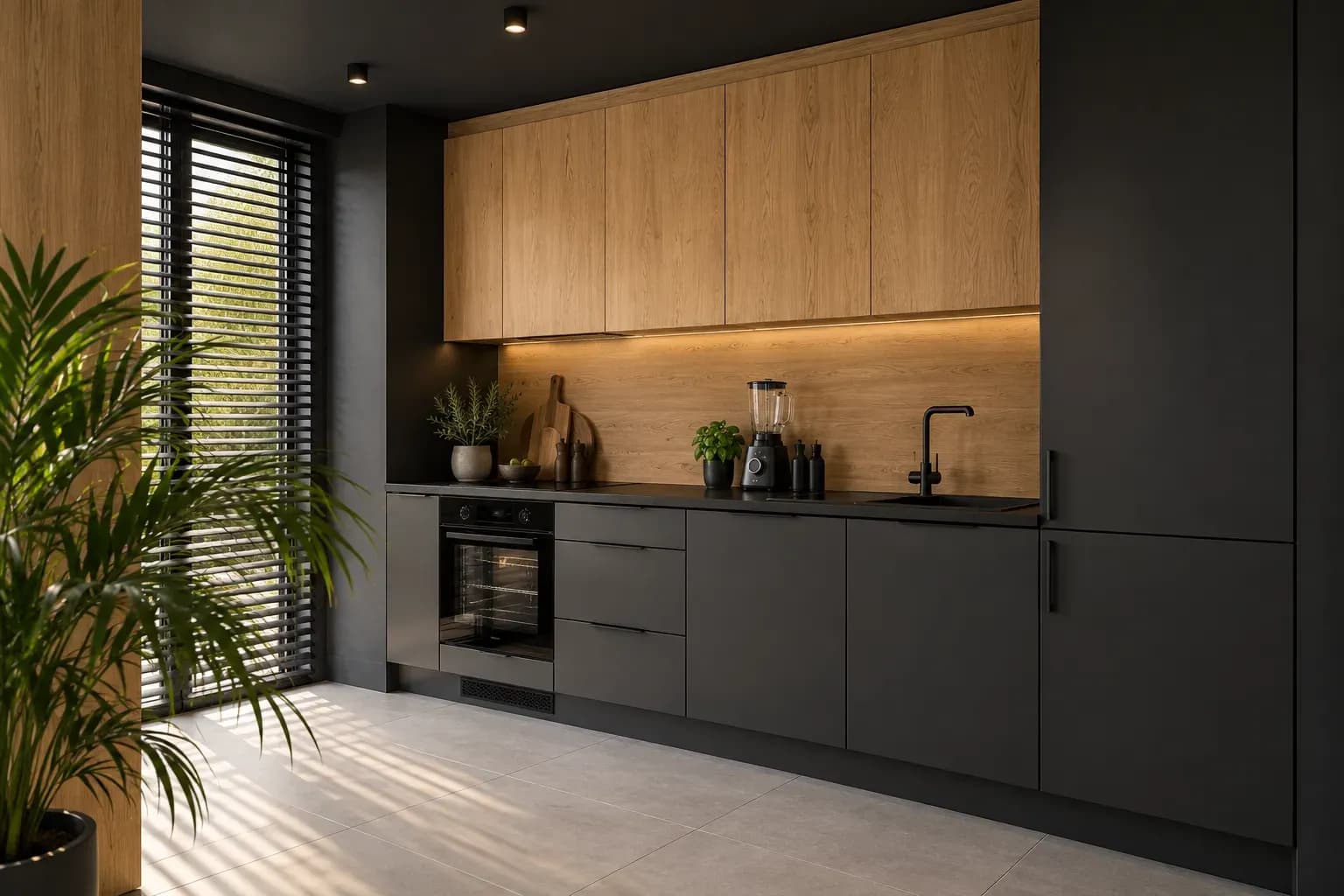
24 Oct 2026|5 min readKitchen interior design cost depends heavily on cabinet materials, core boards, hardware, storage accessories, and the level of customisation. Materials such as laminate, acrylic, veneer, membrane, and PU vary considerably in price, durability, appearance, and maintenance. A well-planned kitchen budget should therefore balance upfront cost with long-term performance and everyday use.
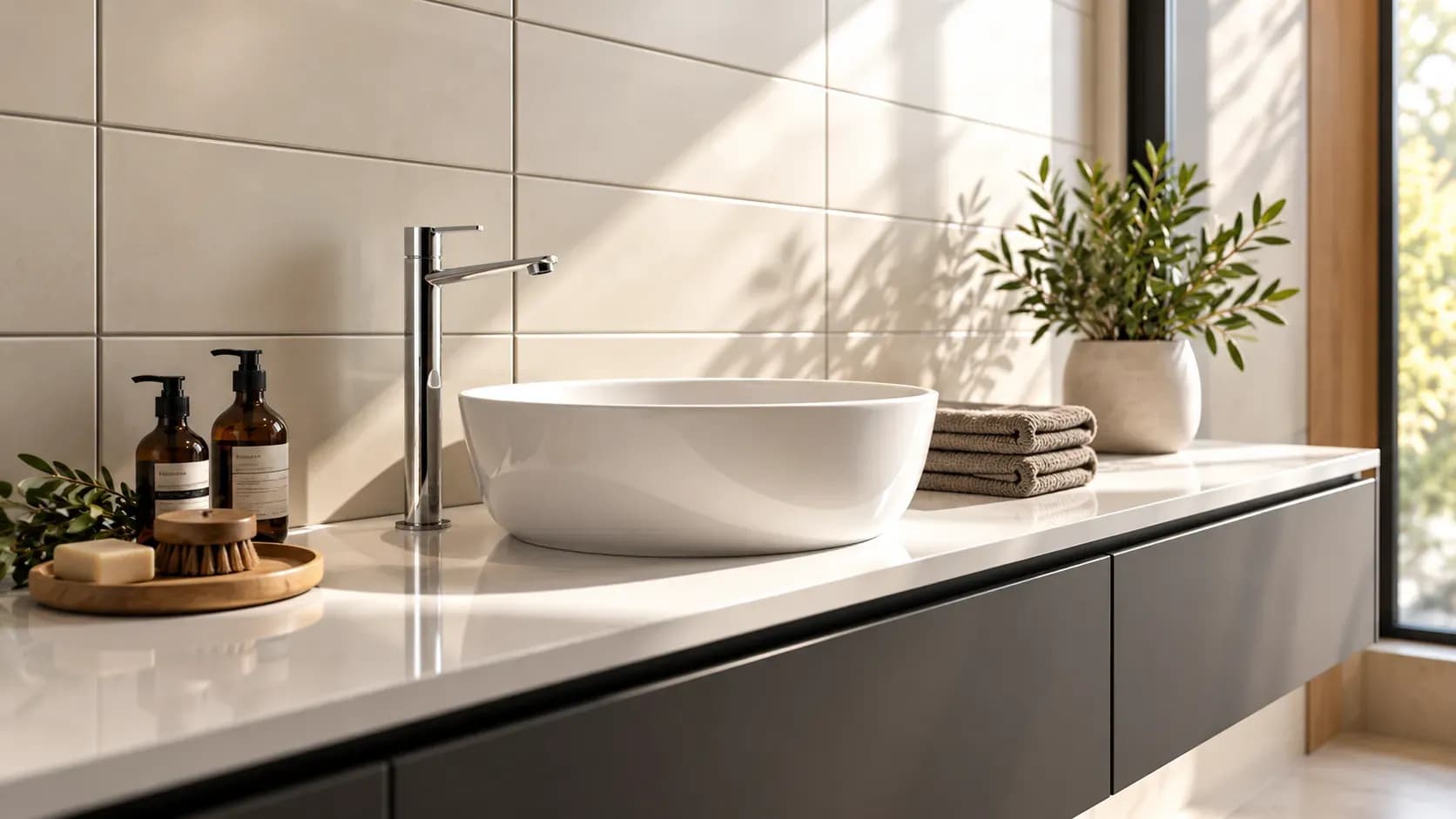
24 Oct 2026|5 min readAccessories, textures and finishes are all essential to modern bathroom decor, especially when smaller details need to feel connected. However, useful modern bathroom decor ideas also account for moisture, cleaning and storage so the room remains practical every day.
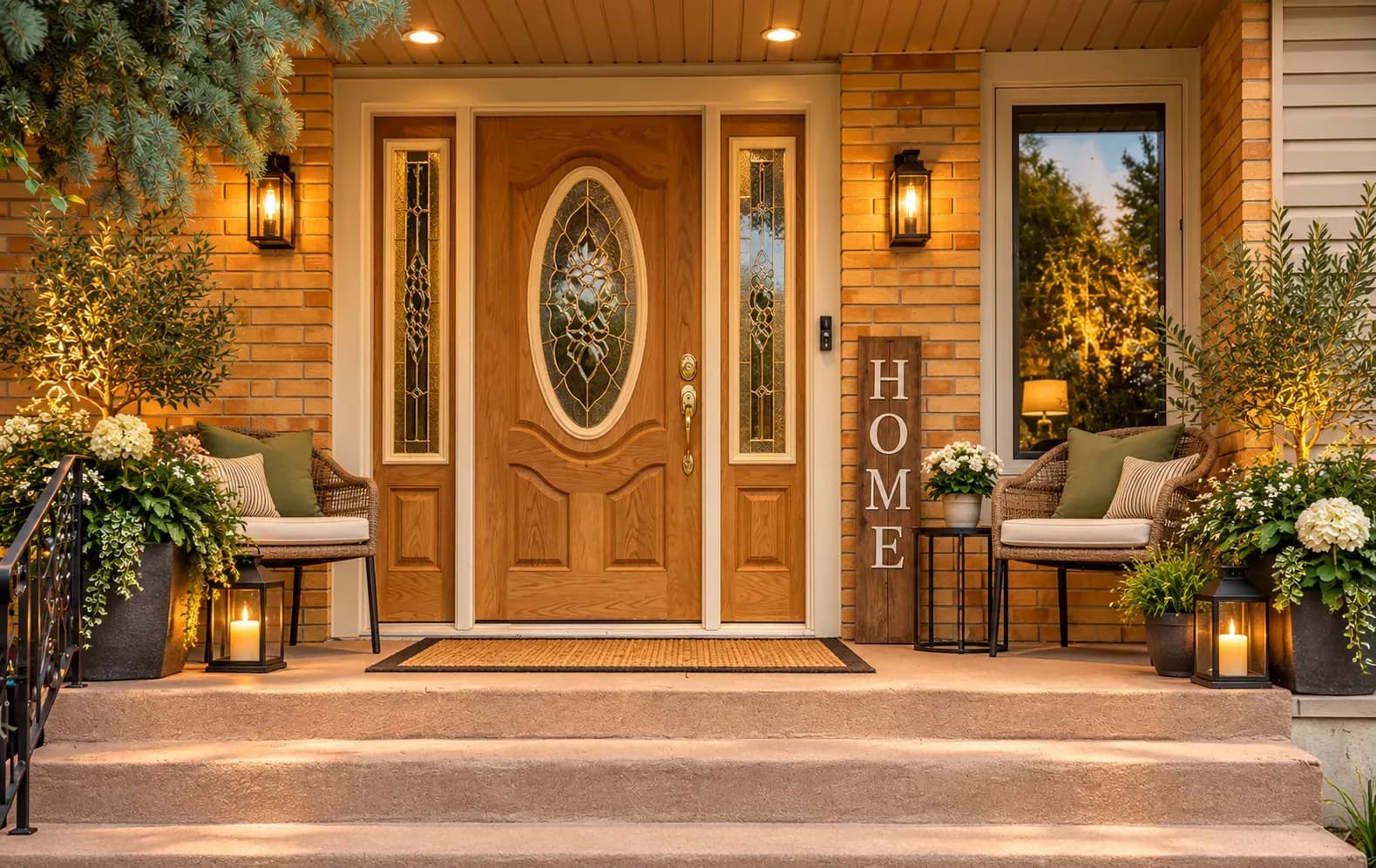
23 Oct 2026|5 min readMain door Vastu focuses on creating an entrance that feels balanced, welcoming, and functional through direction, placement, materials, colours, lighting, and everyday organisation. Even when changing the doorway is not practical, homeowners can use simple Vastu-aligned remedies such as better lighting, clutter-free storage, suitable finishes, plants, and traditional accents. The key is to combine Vastu principles with practical interior design so the entrance works comfortably for everyday life.
30 Sep 2026|5 min readLearn everything about pooja room Vastu, including how to create a compliant space in houses facing different directions and constraints.
14 Aug 2026|5 min readFind out the fundamentals of staircase Vastu, along with specific guidelines for east-facing houses, to create a functional home.
09 Aug 2026|5 min read


Your Home Makeover Starts Here.