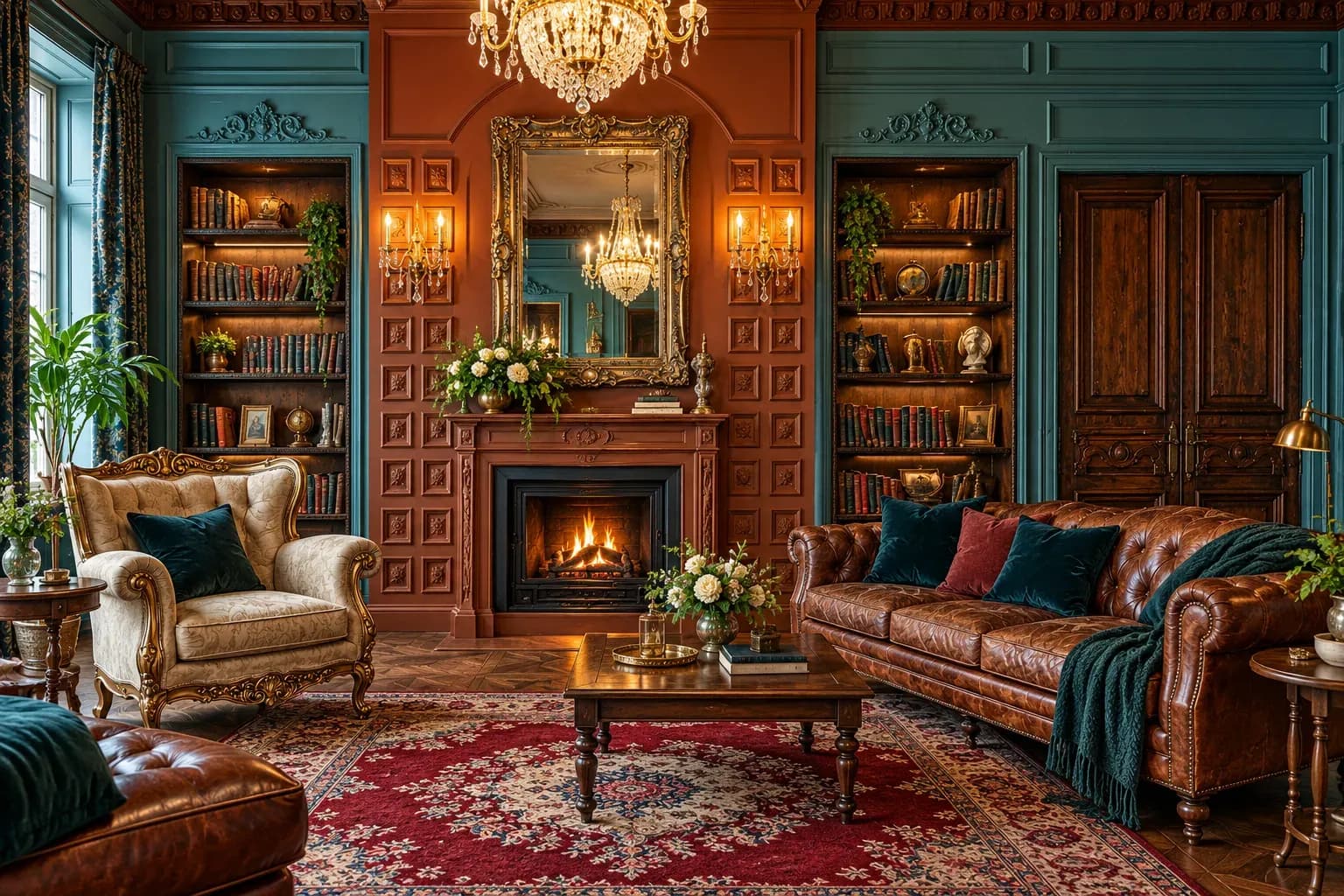
The dream of having a place to call your own is especially precious in a fast-paced city like Bangalore. Amid constant traffic, corporate rush, and everyday chaos, the idea of a warm, calming space feels almost unreal. And while getting possession of a new home is exciting, transforming it into a welcoming, well-designed living space is an entirely different challenge.
Coordinating vendors, managing timelines, and ensuring your apartment’s interiors come together seamlessly can quickly overwhelm even the most organised homeowner.
That’s why more people today choose to work with the best interior designers in Bangalore – experts who simplify the process and bring harmony, clarity, and creativity to every corner of the home through thoughtful apartment interior design.
Let’s explore how their skill and experience come together to curate spaces where comfort meets character.
A new possession often feels empty – functional, yet lacking personality. There’s a distinct gap between “ready-to-move” and “ready-to-live,” and this is exactly where a skilled interior designer steps in.
A truly ready-to-live home is functional, aesthetically cohesive, and thoughtfully personalised. That’s why choosing the best interior designer in Bangalore is essential – they craft cosy nooks for unwinding, inviting spaces for hosting, and a kitchen that naturally becomes the heart of the home.
Let’s walk through the step-by-step process that transforms bare walls into an inviting, character-filled haven.
Understanding how you actually live and not just your aesthetic preferences is the first step in creating a home that feels right long after move-in day. The best interior designers in Bangalore begin with focused conversations around daily routines, work-from-home habits, family schedules, and how the home needs to shift between quiet downtime and social moments. This clarity shapes an apartment interior design that feels intentional, practical, and personal - one that is not styled for show but designed for real life.
In Bangalore homes, good design often comes down to how well space flows under everyday pressure, whether that's morning rush hours, shared work zones, or compact movement paths. The best interior designers in Bangalore balance Vastu, ergonomics, and circulation logic to ensure layouts feel calm rather than congested. Through smart storage placement, flexible zones, and layouts that adapt to changing needs, they create homes that function smoothly while still feeling visually balanced and cohesive.
Interior design choices must respond as much to climate as they do to taste, especially in Bangalore, where humidity, dust, and shifting daylight affect how materials age. Moisture-resistant finishes in kitchens and balconies, dense stones that don’t stain easily, and lighter wood tones that reflect light without making rooms feel flat all play a role. Instead of decorative add-ons, custom furniture and lighting are planned around use: Storage built to fit awkward niches, task lighting where work actually happens, and detailing that keeps the home cohesive without making it feel over-designed.
Luxury apartment interior design is defined by how smoothly ideas move from drawings to reality without stress spilling onto the homeowner. The best interior designers in Bangalore manage this transition by coordinating vendors, carpenters, electricians, and timelines through a clear execution plan backed by consistent quality checks and accountability. Acting as a single point of control, they ensure decisions made during design are carried out accurately on site, keeping delays, errors, and last-minute compromises in check.
The final layer of design brings personality into focus through choices that affect daily experience, such as seating that supports long conversations, artwork placed where pauses naturally happen, lighting that shifts from task-focused to ambient by evening, and textures that soften sound and movement. These decisions turn structured layouts into spaces that feel lived in rather than styled. Since the best interior designers in Bangalore follow a disciplined process, from material selection to on-site coordination and final checks, every detail aligns, resulting in an apartment interior design that feels calm, cohesive, and unmistakably personal.
When you work with the best interior designers in Bangalore, the end-to-end interior design journey becomes more controlled and far less stressful. From structured planning and realistic timelines to coordinated execution and final handover, every stage is aligned to ensure the home functions well from the first day of living in it, not just on paper.
At Bonito Designs, this process is guided by our LifeDesign philosophy, which starts with understanding how you actually live and builds outward from there. Backed by deep experience with Bangalore’s apartment layouts and climate conditions, our in-house teams manage everything from design and build to quality checks and finishing. This integrated approach, supported by ISO-certified quality standards, ensures decisions made during planning are carried through accurately on site, without gaps or last-minute compromises.
With disciplined workflows, transparent costing, and smart material choices, homeowners avoid delays, rework, and avoidable expenses. The result is a home designed for long-term value, where durability, aesthetics, and everyday practicality come together naturally, creating a space that continues to feel right as life evolves.
The transition from a newly acquired property to a ready-to-live-in home becomes seamless when you work with skilled interior designers. With an expert guiding you through the entire process, you get the most efficient and creative use of every space. Whether you prioritise practicality, cosiness, or a modern aesthetic, the best interior designers in Bangalore bring it all together effortlessly.
Want to turn your newly acquired house into your dream home? Discover how Bonito Designs can ease the journey. Book a consultation today!
Both modern classic interior design and transitional design combine classical references with contemporary furniture, storage and lighting. However, modern classic rooms retain more symmetry and formality than transitional spaces. This article covers how transitional interior design differs across furniture, mouldings, colours, materials, lighting and maintenance, along with practical guidance for choosing between the two styles.
24 Oct 2026|5 min readKitchen interior design cost depends heavily on cabinet materials, core boards, hardware, storage accessories, and the level of customisation. Materials such as laminate, acrylic, veneer, membrane, and PU vary considerably in price, durability, appearance, and maintenance. A well-planned kitchen budget should therefore balance upfront cost with long-term performance and everyday use.
24 Oct 2026|5 min readAccessories, textures and finishes are all essential to modern bathroom decor, especially when smaller details need to feel connected. However, useful modern bathroom decor ideas also account for moisture, cleaning and storage so the room remains practical every day.
23 Oct 2026|5 min readA well-planned basement can become a practical extension of the home when moisture, ventilation, lighting and access are addressed first. From home theatres and gyms to guest rooms, offices and organised storage, basement interior design should reflect how the space will actually be used. Thoughtful layouts, moisture-resistant finishes and layered lighting can also make lower-ground spaces feel brighter, safer and more comfortable.
23 Oct 2026|5 min readVictorian house interior design can work well in compact Indian homes when you use decorative elements selectively. Lighter colours, restrained mouldings, slimmer furniture and controlled patterns help retain Victorian character without making rooms feel crowded. Modern storage, practical lighting and careful space planning can make the style more suitable for everyday living.
21 Oct 2026|5 min readThoughtful villa interior design creates continuity across large homes without making every room look identical. Repeating select materials and colours, planning circulation, balancing social and private zones, and using lighting strategically can help each space feel connected. Also consider corridors, landings, storage, and room-specific needs as part of the overall plan.
16 Oct 2026|5 min read


Your Home Makeover Starts Here.