Minimalist interior design focuses on creating calm, clutter-free homes through purposeful furniture, smart storage, balanced layouts, and neutral colour palettes. For urban homes in Mumbai and Bangalore, it helps maximise available space without sacrificing comfort or personality. Using multifunctional furniture, durable materials, concealed storage, and thoughtful room planning can make even compact homes feel spacious and organised.
Walk into most Mumbai apartments, and you'll spot the same problem: a 650 sq ft 1BHK trying to hold a dining table, a study corner, a TV unit, and enough storage for a family of four. Bangalore homes get more square footage, but WFH setups, pooja corners, clutter in open kitchens, and festival decor pile up just as fast. Minimalist interior design has become the go-to answer for both cities, as it perfectly solves the space problem without compromising on aesthetics.
Minimalist interior design is often misunderstood. It isn't about owning less for the sake of it, but about purposeful furniture, uncluttered layouts, and a home where every piece earns its spot. A compact Mumbai flat and a spacious Bangalore villa need different solutions. Still, the underlying logic of modern minimalist interior design stays the same: keep anything that functions or holds real meaning, while letting go of what's just taking up space.
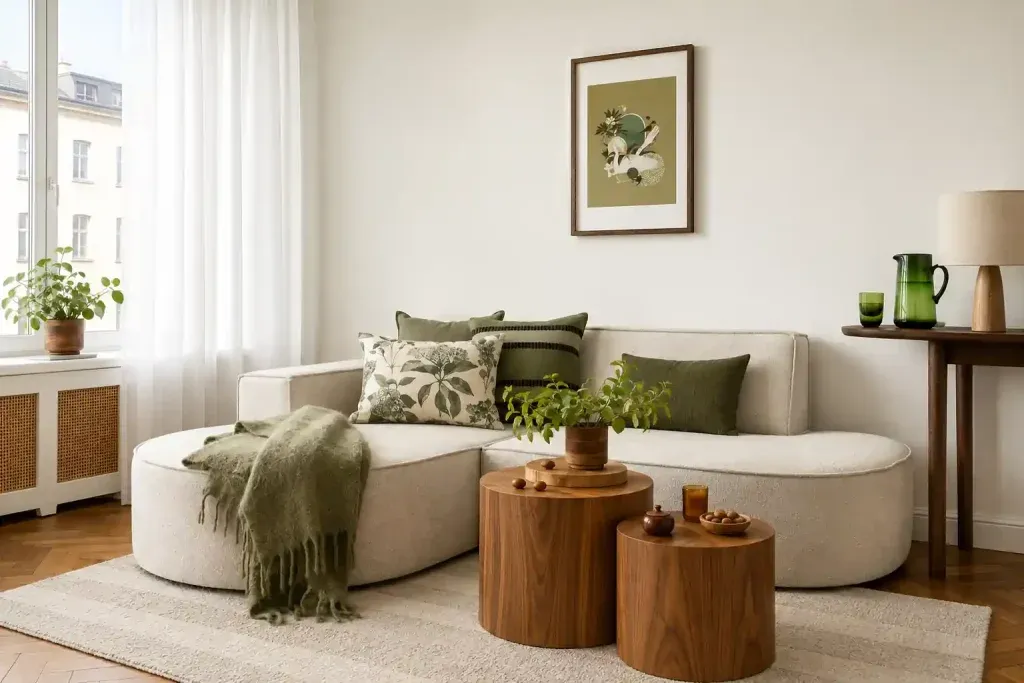
This is what separates minimalist style from a room that looks empty:
White walls alone tend to backfire, especially in Mumbai homes where humidity and pollution leave visible marks within a year. This layered approach to minimalist style interior design is what keeps a neutral home from feeling flat:
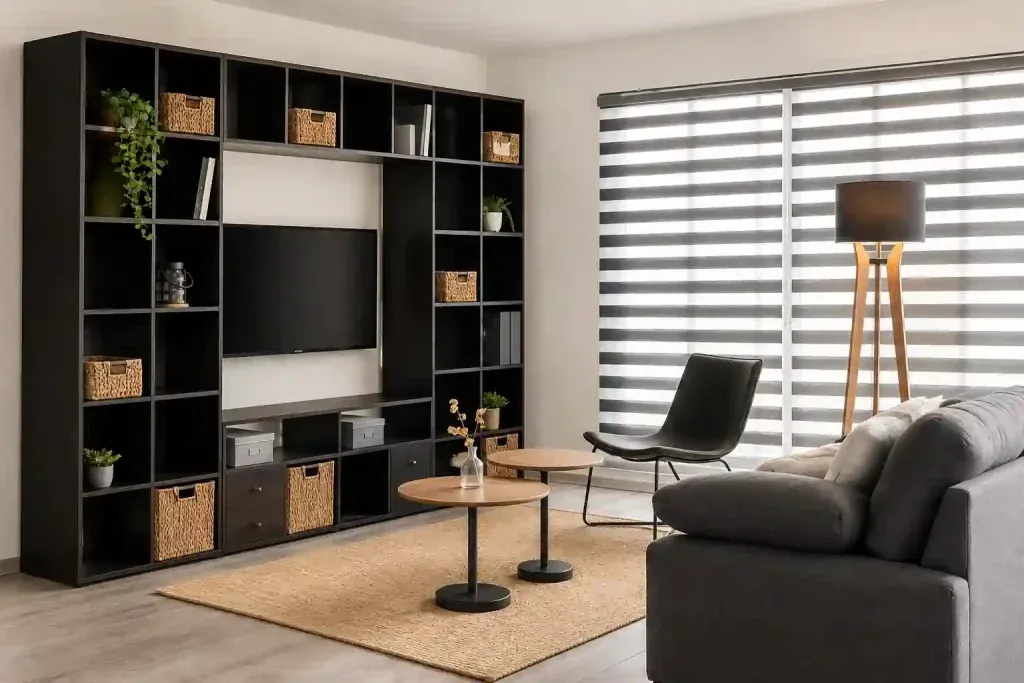
Clutter usually collects in the same few spots: the entryway where shoes pile up, the kitchen counter where appliances multiply, and the study table where a child's books and stationery spread out. Planning dedicated storage for each of these zones solves most of the visible mess. Personality doesn't have to disappear in the process.
A shelf with three framed family photos says more than ten random knick-knacks spread across the room. And when festival season arrives, whether it's Diwali diyas or Ganesh Chaturthi, a labelled storage box ensures that your décor comes out for a week and then goes right back in without cluttering your shelf all year round.
Clearing out too much furniture leaves a room feeling hollow instead of calm. Relying only on white without texture or layered lighting can feel cold, especially under a single harsh tube light rather than warmer, layered fixtures that soften a room in the evening.
Skipping proper storage planning is the biggest mistake, since even a well-planned modern minimalist interior design falls apart if there's nowhere to store daily items. Another major mistake is buying furniture that looks good in pictures but feels uncomfortable to use. Make sure that any item you install in your house is not only usable, but also useful for your day-to-day routine.
At Bonito Designs, modern minimalist interior design is planned around how you and your family actually live, not around a template that follows popular internet trends. Our LifeDesign philosophy starts with your daily routines, from school-morning rushes to where your pet loves to sleep; each aspect of your day-to-day life is considered before any design decisions are made.
With in-house execution, ISO-certified quality checks, and years of experience with Mumbai's compact layouts and Bangalore's independent homes and gated communities, we manage the entire journey from design to build, quality checks, and handover under one roof.
If you're planning a minimalist home that actually works for how you live, get in touch with Bonito Designs for a consultation.
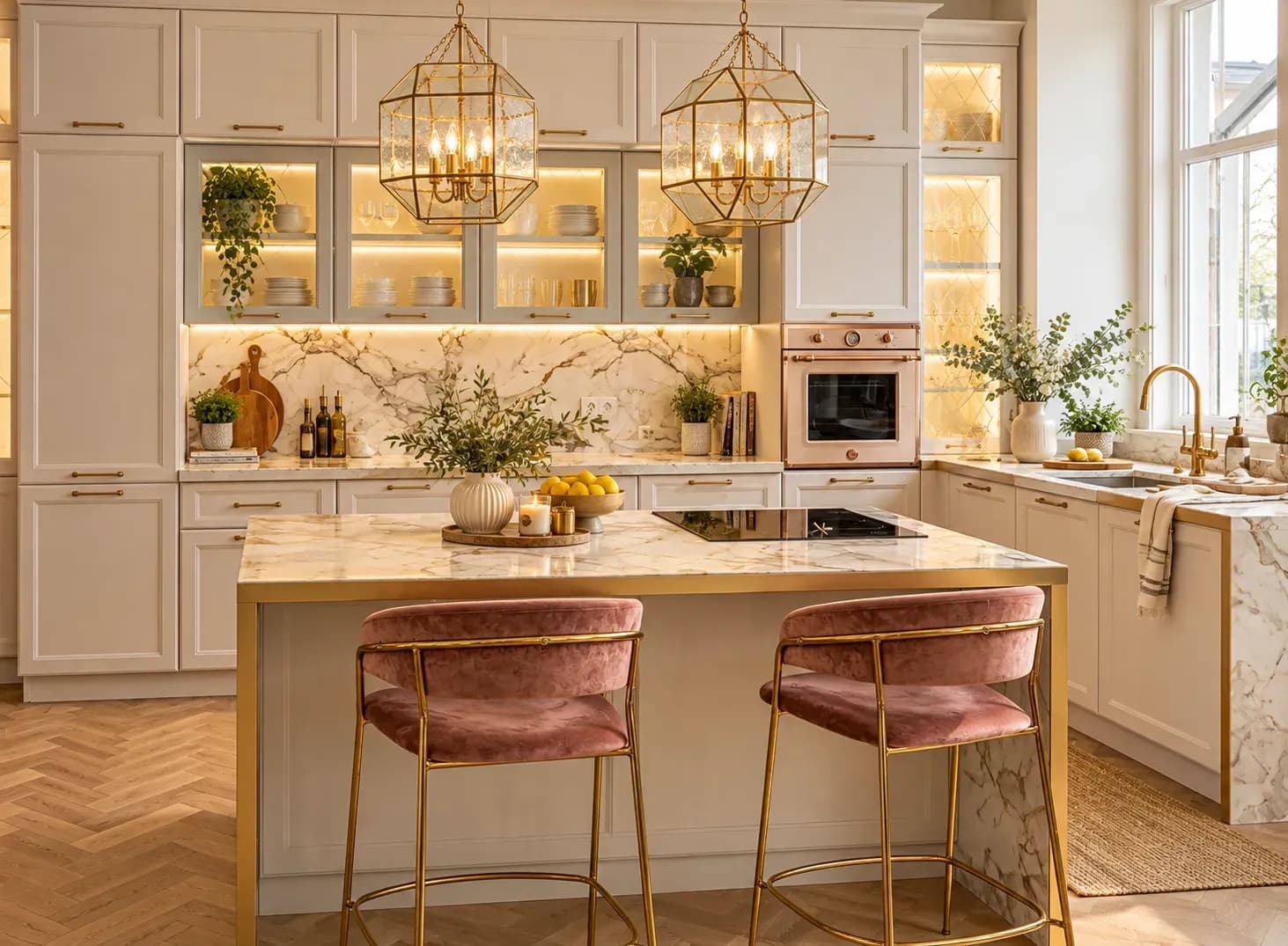
Kitchen wallpaper works best as a carefully placed accent rather than a finish for high-splash or high-heat areas. The right design should complement cabinetry, countertops and flooring while also suiting the kitchen’s ventilation, cleaning needs and available space. From compact prints and geometric patterns to textured finishes and nature-led motifs, thoughtful placement can add character without compromising practicality.
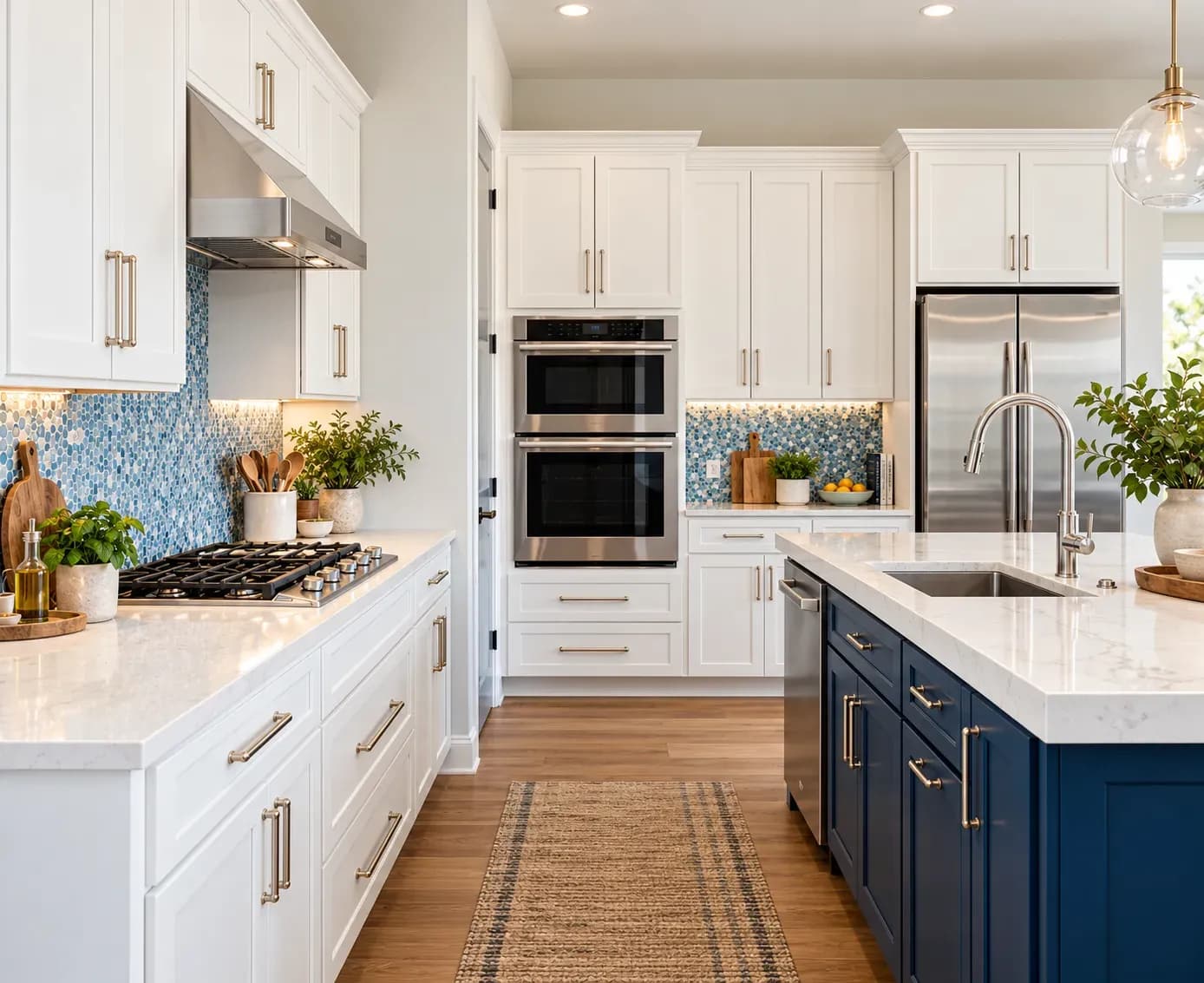
03 Oct 2026|5 min readParallel modular kitchens suit narrow, rectangular spaces because they create two efficient work counters with plenty of storage. The right design can improve movement between cooking, washing, preparation, and storage zones while making better use of vertical space. From minimalist layouts to wood-toned and premium finishes, parallel kitchens can be adapted to different home styles and daily routines.
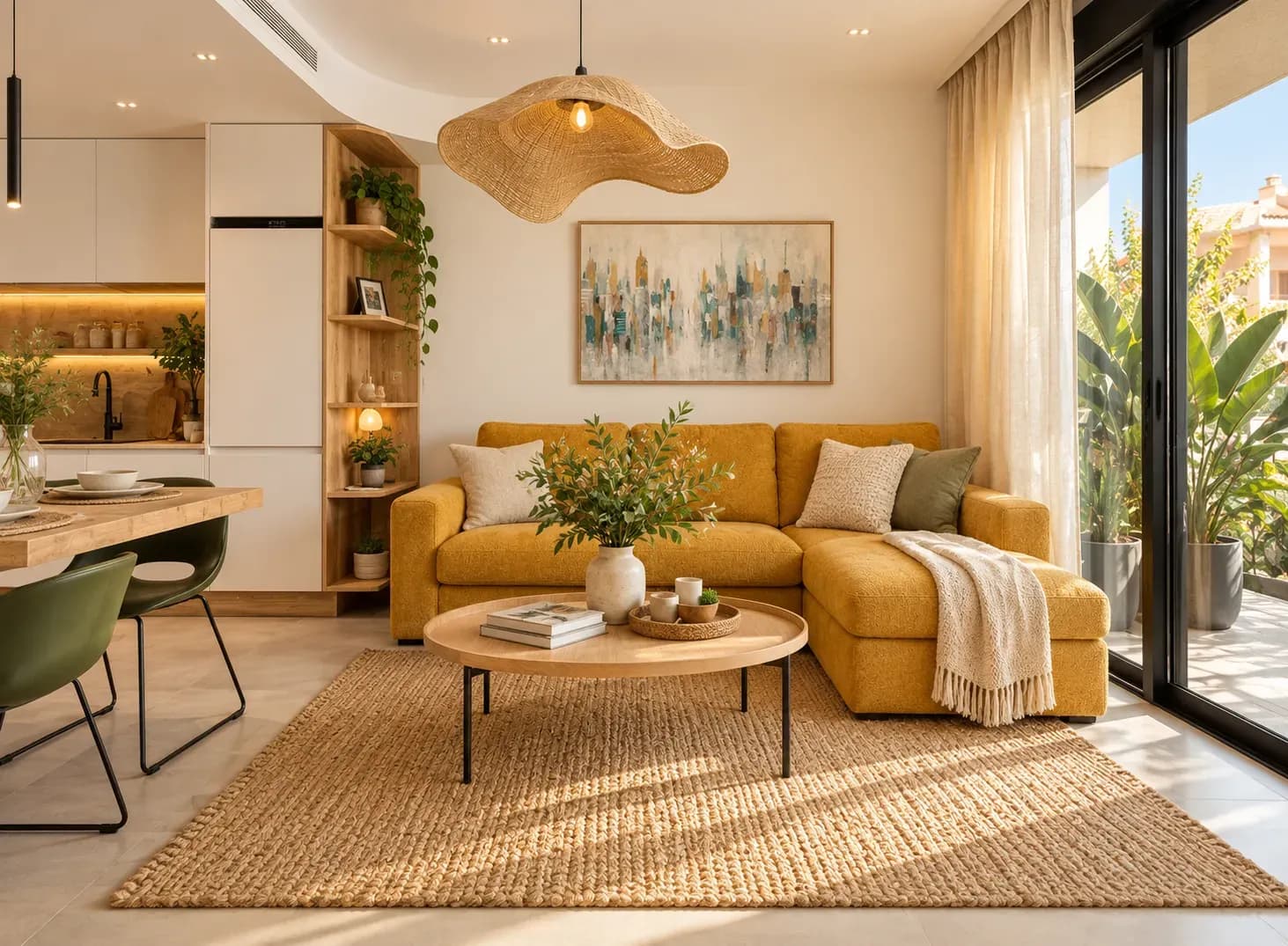
03 Oct 2026|5 min readEclectic interior design brings together furniture, colours, materials, textures, and influences from different eras while maintaining a clear sense of cohesion. Rather than mixing elements randomly, the style relies on colour repetition, balanced proportions, thoughtful scale, and recurring finishes to connect contrasting pieces. When planned carefully, eclectic interiors feel layered, personal, and collected without becoming visually cluttered.
03 Oct 2026|5 min read


Your Home Makeover Starts Here.