3 minute read
A well-designed home isn’t just about aesthetics — it’s an investment that delivers returns in comfort, functionality, and property value over time. Good interior design blends style with purpose, ensuring the space works beautifully for years to come.
Smart layouts and well-planned storage make day-to-day life more efficient. A thoughtfully designed kitchen, for instance, can save time during meal prep, while multifunctional furniture can free up valuable floor space in smaller homes. These functional upgrades improve the way a home is used, increasing its appeal for future buyers.
Homes with cohesive design, durable finishes, and timeless aesthetics often command higher resale prices. Elements such as high-quality flooring, modern lighting, and built-in wardrobes not only look good but also reduce the need for future renovations — a major plus for potential buyers.
Investing in good design at the start helps avoid costly changes later. Proper planning ensures the right materials are used in the right places, preventing premature wear and tear. Energy-efficient lighting, smart storage, and low-maintenance surfaces all contribute to long-term savings.
Beyond monetary gains, well-designed spaces make a home feel more welcoming and comfortable. A calming bedroom, a functional study, or a cosy living area can improve quality of life, making the investment worthwhile every single day.
Trends may come and go, but good design focuses on balance, proportion, and quality, elements that stay relevant for years. By choosing timeless styles and adaptable layouts, a home remains appealing and functional even as needs evolve.
In essence, interior design is more than a one-time expense; it’s a strategic investment that increases a home’s value, reduces long-term costs, and enhances the experience of living in it.
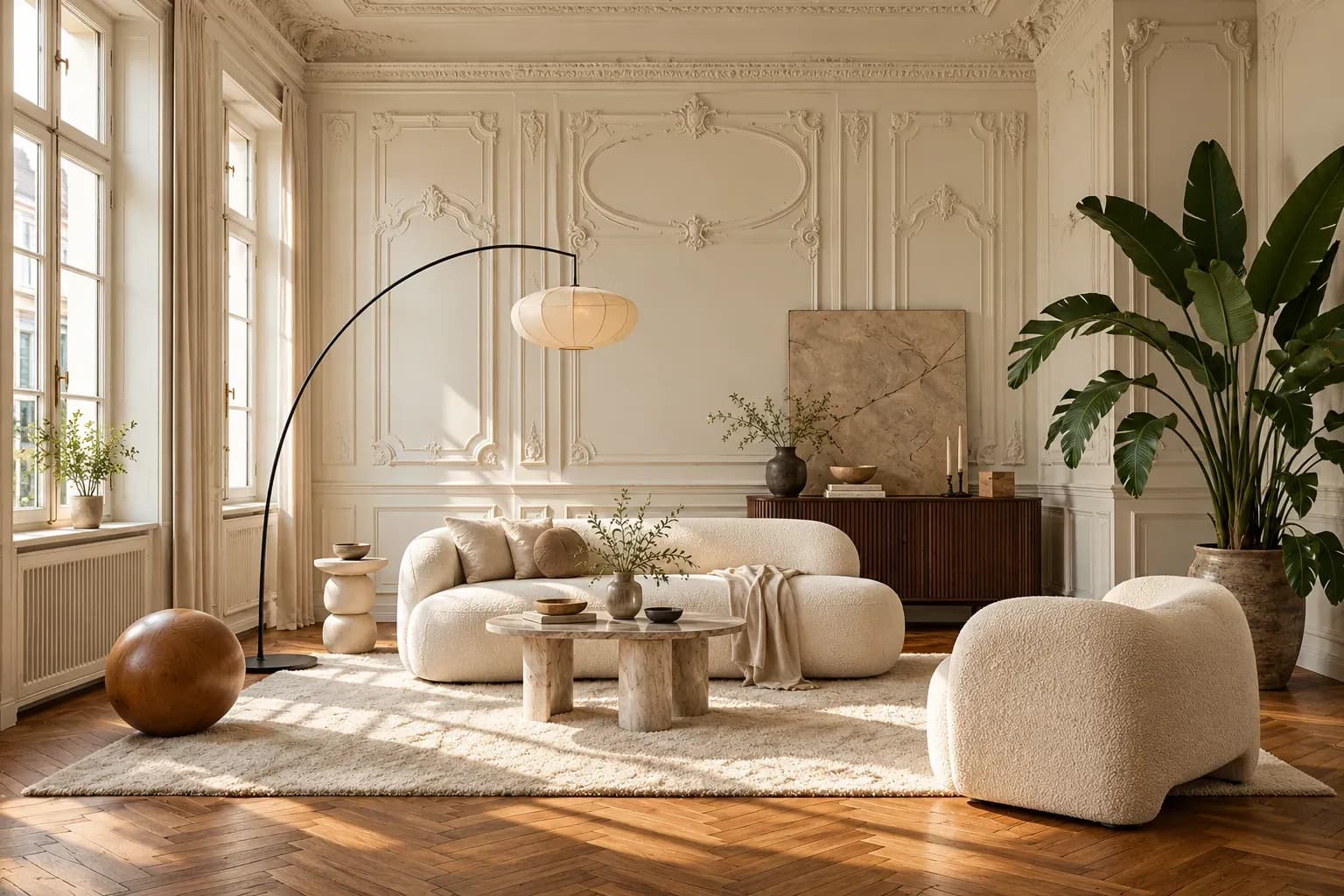
Both modern classic interior design and transitional design combine classical references with contemporary furniture, storage and lighting. However, modern classic rooms retain more symmetry and formality than transitional spaces. This article covers how transitional interior design differs across furniture, mouldings, colours, materials, lighting and maintenance, along with practical guidance for choosing between the two styles.
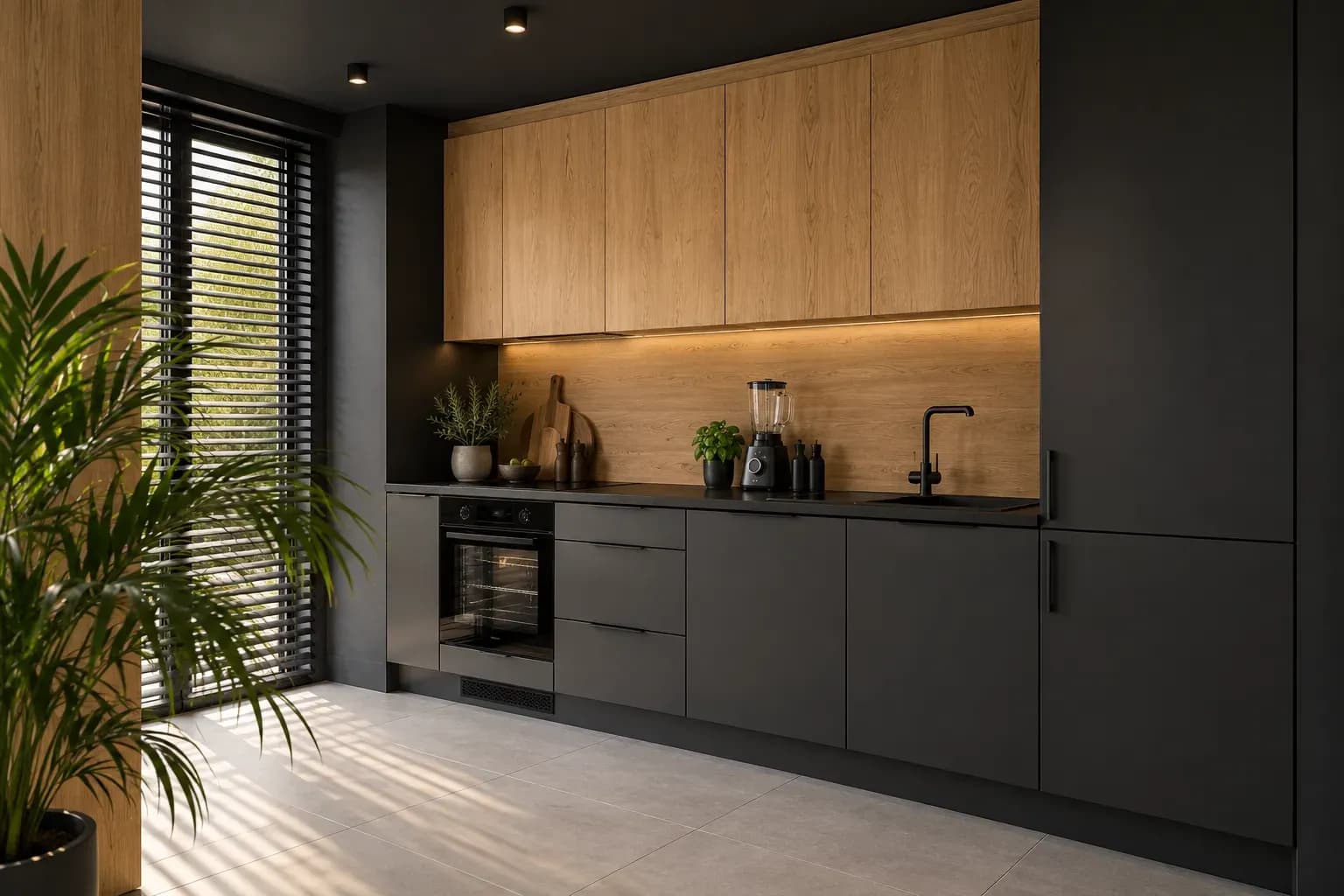
24 Oct 2026|5 min readKitchen interior design cost depends heavily on cabinet materials, core boards, hardware, storage accessories, and the level of customisation. Materials such as laminate, acrylic, veneer, membrane, and PU vary considerably in price, durability, appearance, and maintenance. A well-planned kitchen budget should therefore balance upfront cost with long-term performance and everyday use.
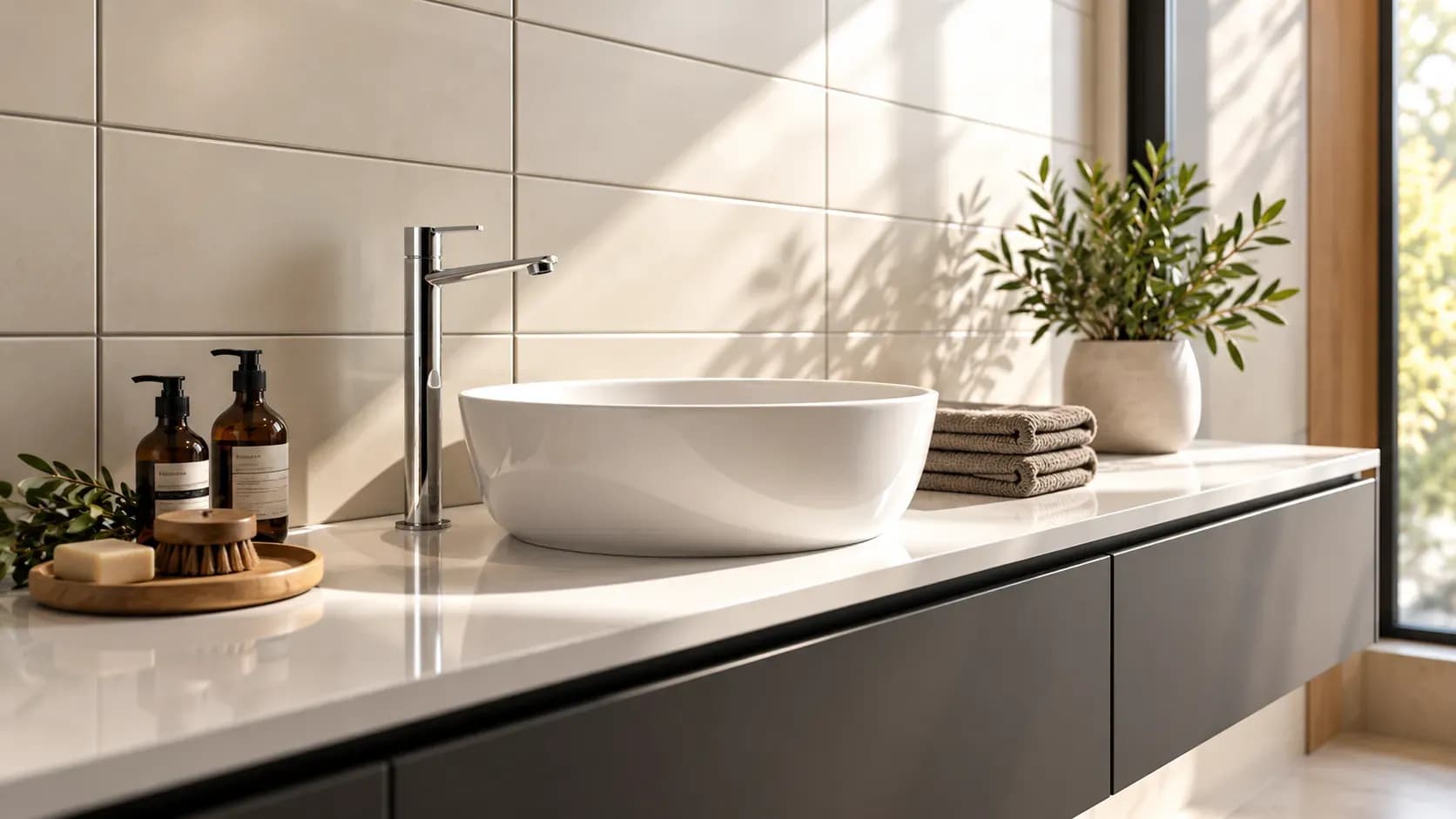
24 Oct 2026|5 min readAccessories, textures and finishes are all essential to modern bathroom decor, especially when smaller details need to feel connected. However, useful modern bathroom decor ideas also account for moisture, cleaning and storage so the room remains practical every day.
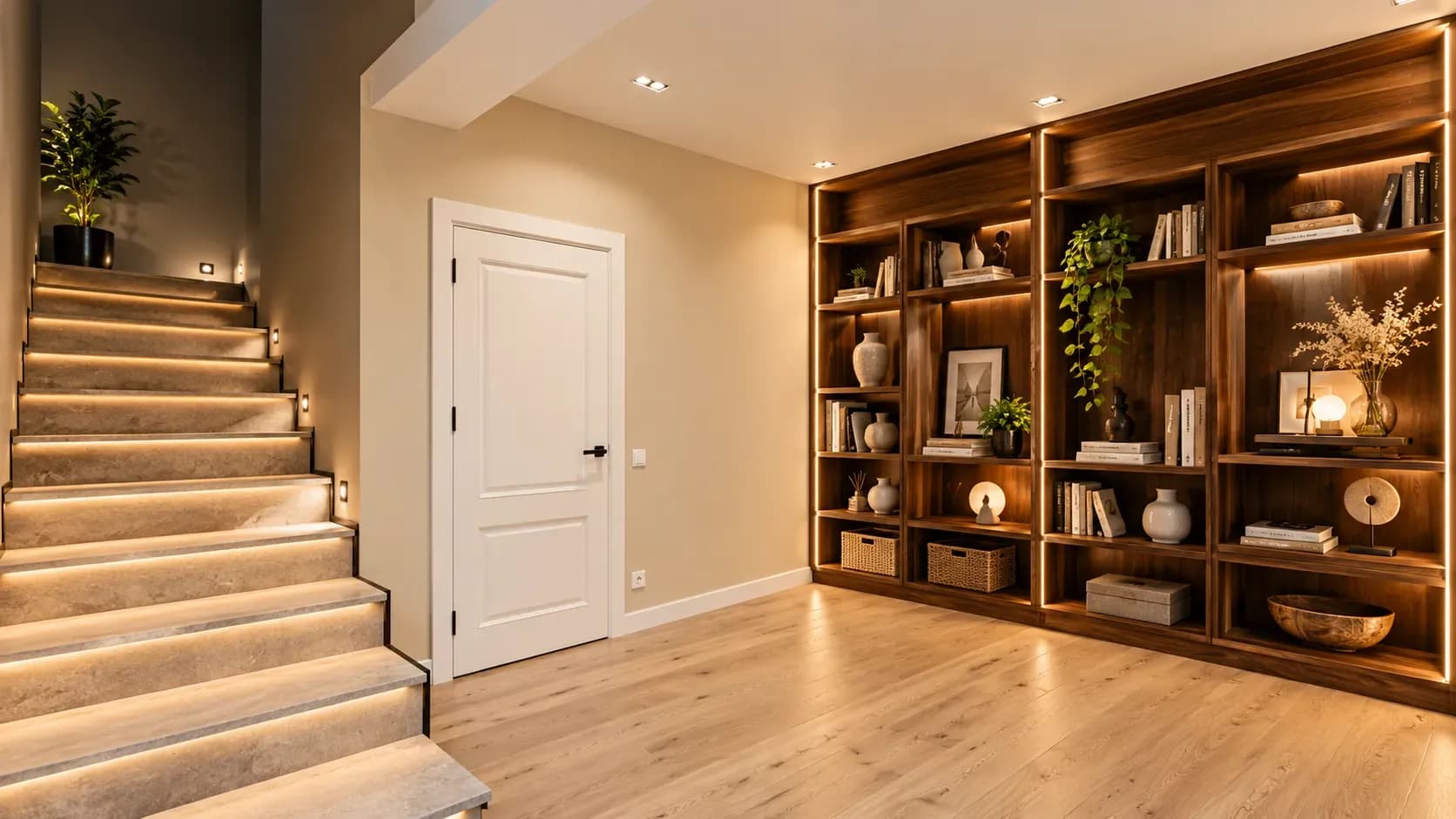
23 Oct 2026|5 min readA well-planned basement can become a practical extension of the home when moisture, ventilation, lighting and access are addressed first. From home theatres and gyms to guest rooms, offices and organised storage, basement interior design should reflect how the space will actually be used. Thoughtful layouts, moisture-resistant finishes and layered lighting can also make lower-ground spaces feel brighter, safer and more comfortable.
23 Oct 2026|5 min readVictorian house interior design can work well in compact Indian homes when you use decorative elements selectively. Lighter colours, restrained mouldings, slimmer furniture and controlled patterns help retain Victorian character without making rooms feel crowded. Modern storage, practical lighting and careful space planning can make the style more suitable for everyday living.
21 Oct 2026|5 min readThoughtful villa interior design creates continuity across large homes without making every room look identical. Repeating select materials and colours, planning circulation, balancing social and private zones, and using lighting strategically can help each space feel connected. Also consider corridors, landings, storage, and room-specific needs as part of the overall plan.
16 Oct 2026|5 min read


Your Home Makeover Starts Here.