Whether you're the proud owner of a compact 2BHK in Andheri, a narrow-layout home in Jogeshwari, or a high-rise unit in Powai, every square foot needs to work hard in a city like Mumbai. Homes here come with practical challenges – monsoons that test materials, balconies that double as utility zones, and family routines that have to fit into tight movement paths.
That’s why choosing the best interior designer in Mumbai isn’t just about aesthetics. It’s about finding someone who understands how Mumbai homes behave, how families actually live, and how to make a space feel comfortable, efficient and personal despite the constraints.
Living in Mumbai means designing around the city’s buildings as much as its lifestyle. The best interior designers in Mumbai understand that every structure comes with its own quirks – narrow service areas in Andheri towers, older plumbing lines in Bandra apartments, or balcony utilities in Powai high-rises. These details shape how storage, lighting and everyday movement actually work inside a home.
That’s why homes with the best interior design aren’t lifted from Pinterest. They’re shaped by how a family actually lives, where schoolbooks end up after homework, how the morning rush moves through the house, or where wet umbrellas get parked during the monsoon, all without wasting precious square footage.
And in a city of high-rises, the practical calls matter just as much: using anti-rust railings, sealing woodwork to handle humidity, and planning work around the monsoons. These are the choices that set the best interior designers in Mumbai apart from those simply importing ideas that don’t suit the city.
After understanding how Mumbai homes function, the next big decision is whether to design your space fully or room by room. Many homeowners mix approaches by hiring different people for different areas and often end up with clashing finishes, mismatched materials and rooms that don’t speak to each other.
The best interior designers in Mumbai treat each room in your house as one connected ecosystem. When spaces share sightlines, especially in Mumbai’s compact apartments where the living, dining and kitchen flow into each other, cohesion in home interior design matters.
A unified palette, coordinated finishes and thoughtful transitions prevent visual chaos and make movement feel natural. A full-home lens simply creates a smoother, more intentional home – something a room-by-room setup rarely achieves in Mumbai’s close-knit layouts.
Once you’ve looked at how your home connects as a whole, the next step is understanding a designer’s process. The best interior designers in Mumbai begin by listening to your family’s routines, cooking habits, study needs, work-from-home patterns, and how often guests visit.
Transparency also shows up in how they explain interior design styles. A good designer uses plain language, regardless of whether you’re drawn to modern interior design trends, traditional and warm aesthetics, or a thoughtful blend of both.
Budget clarity matters as well. Good designers explain how materials, labour and fees are split, point out where you can save without hurting quality, and flag Mumbai realities like high-rise transport costs or seasonal delays.
Once you understand a designer’s process, the next step is reviewing their work with intent. Every designer has a portfolio, but beautiful images alone don’t reveal much until you look at scale. Have they completed full homes similar to yours?
A 500 sq. ft. 1BHK in Mumbai needs a different approach than a large penthouse. Similarly, tight passageways in older Dadar buildings or compact utilities in Kandivali high-rises demand solutions very different from open layouts in South Mumbai.
Study the before-and-afters closely. How did they handle awkward corners, tight service areas or storage-heavy rooms? When you look at luxury interior design projects in Mumbai homes, premium finishes may stand out first, but the real test is whether the space feels practical and lived-in, not just photogenic.
Finally, ask about functionality outcomes. The best interior designers in Mumbai ensure kitchens flow logically, children’s rooms multitask well, and bathrooms balance aesthetics with ventilation and easy maintenance.
A mistake many Mumbai homeowners make is choosing a designer purely because they’re popular. The fit matters far more. Some designers enjoy bold, expressive homes; others lean towards quieter, pared-back spaces.
The best interior designers in Mumbai don’t push a signature look. They understand that house interior design can move in many directions – contemporary, traditional, Scandinavian, or a mix that feels personal. Their job is to interpret your taste, not overwrite it.
Compatibility goes beyond style, too. Pay attention to how they communicate, how much they listen, and whether they take your budget and routines seriously. The right partnership feels natural, not forced.
After shaping over 10 million sq. ft. of interiors, Bonito Designs has refined what Mumbai homes truly need. Our LifeDesign approach comes from spending years inside real apartments – newer towers with tight utility zones, older buildings with uneven walls, places where monsoon moisture finds its way in, and homes where routines shift as families grow.
It’s this practical, Mumbai-smart way of thinking that puts us among the best interior designers in Mumbai, with clear timelines, honest costing and the assurance of ISO-certified quality.
A home in Mumbai needs more than good aesthetics – it needs design that understands your routines, your building and your long-term comfort. The best interior designers in Mumbai bring clarity, cohesion and city-smart thinking to every decision, creating spaces that feel effortless to live in.
Ready to shape a home that truly works for your family? Book your design consultation with Bonito Designs today.
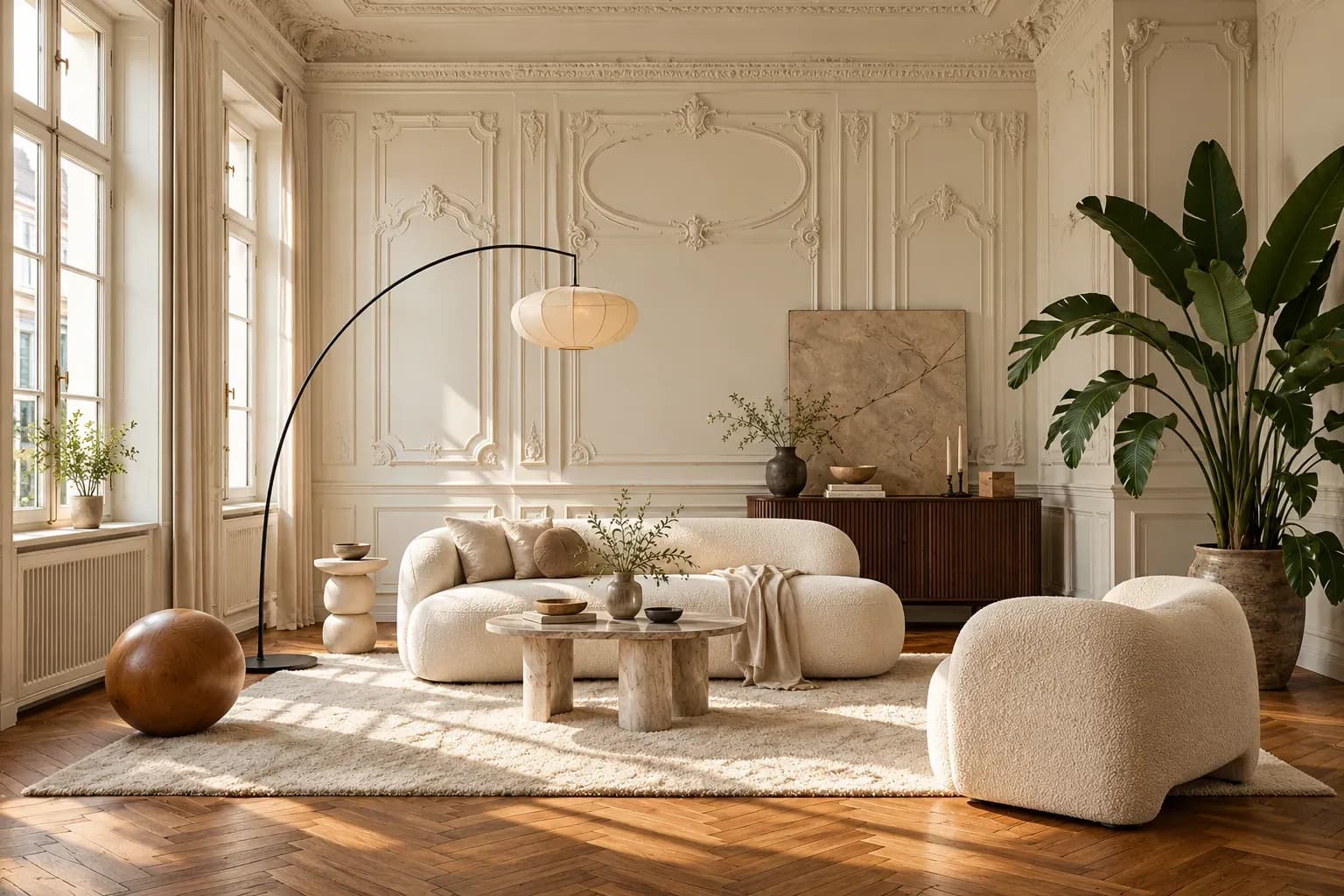
Both modern classic interior design and transitional design combine classical references with contemporary furniture, storage and lighting. However, modern classic rooms retain more symmetry and formality than transitional spaces. This article covers how transitional interior design differs across furniture, mouldings, colours, materials, lighting and maintenance, along with practical guidance for choosing between the two styles.
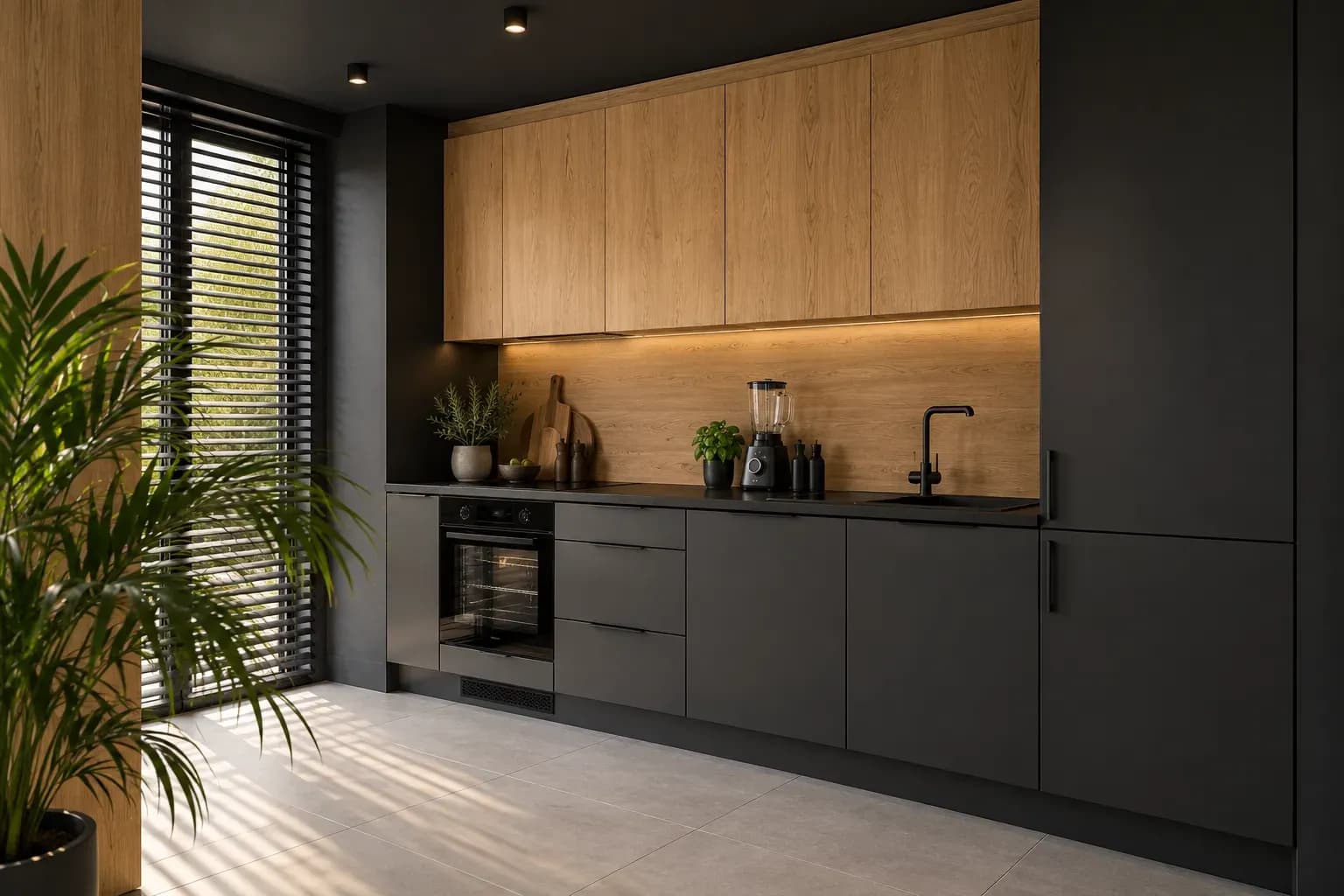
24 Oct 2026|5 min readKitchen interior design cost depends heavily on cabinet materials, core boards, hardware, storage accessories, and the level of customisation. Materials such as laminate, acrylic, veneer, membrane, and PU vary considerably in price, durability, appearance, and maintenance. A well-planned kitchen budget should therefore balance upfront cost with long-term performance and everyday use.
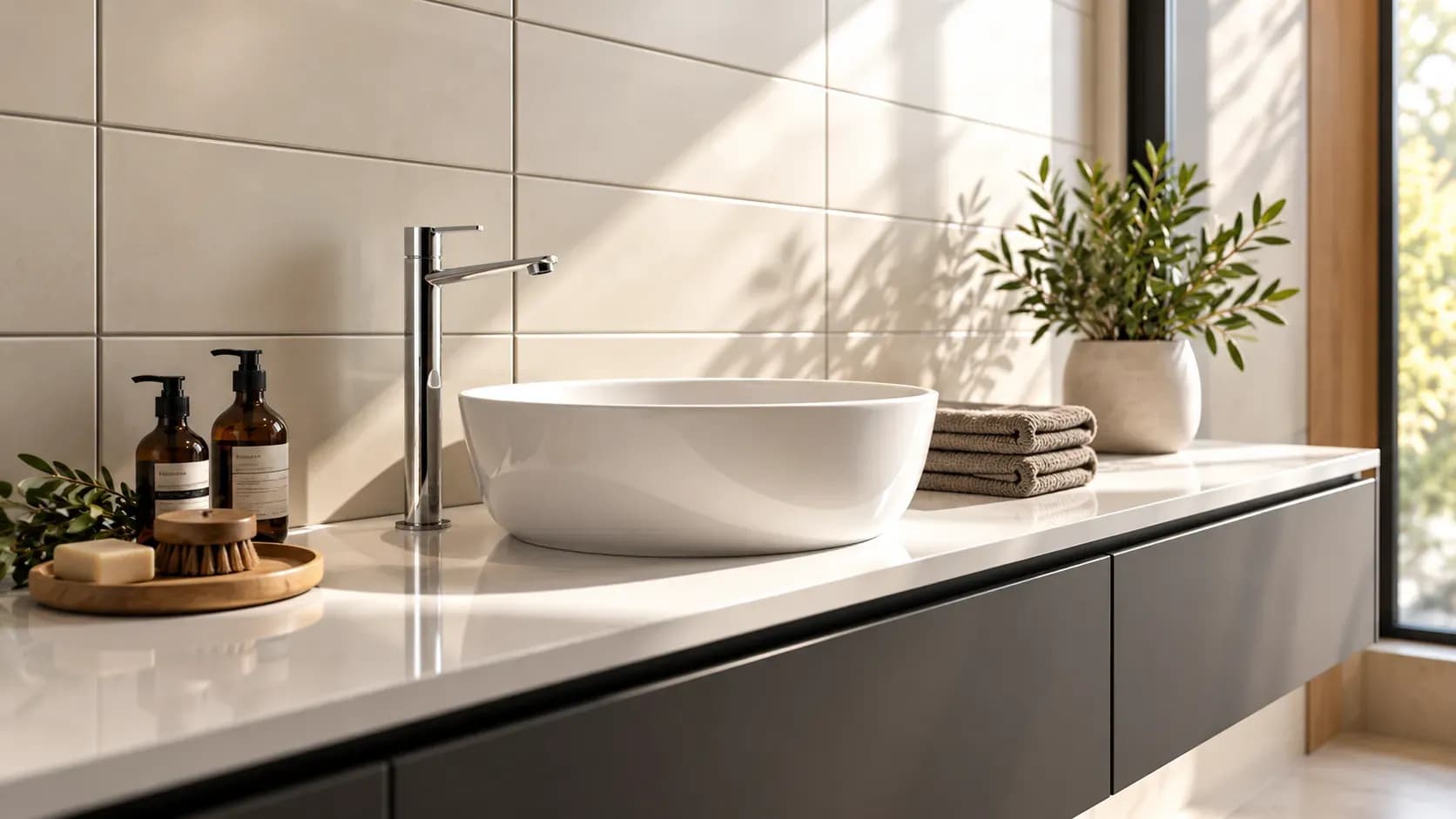
24 Oct 2026|5 min readAccessories, textures and finishes are all essential to modern bathroom decor, especially when smaller details need to feel connected. However, useful modern bathroom decor ideas also account for moisture, cleaning and storage so the room remains practical every day.
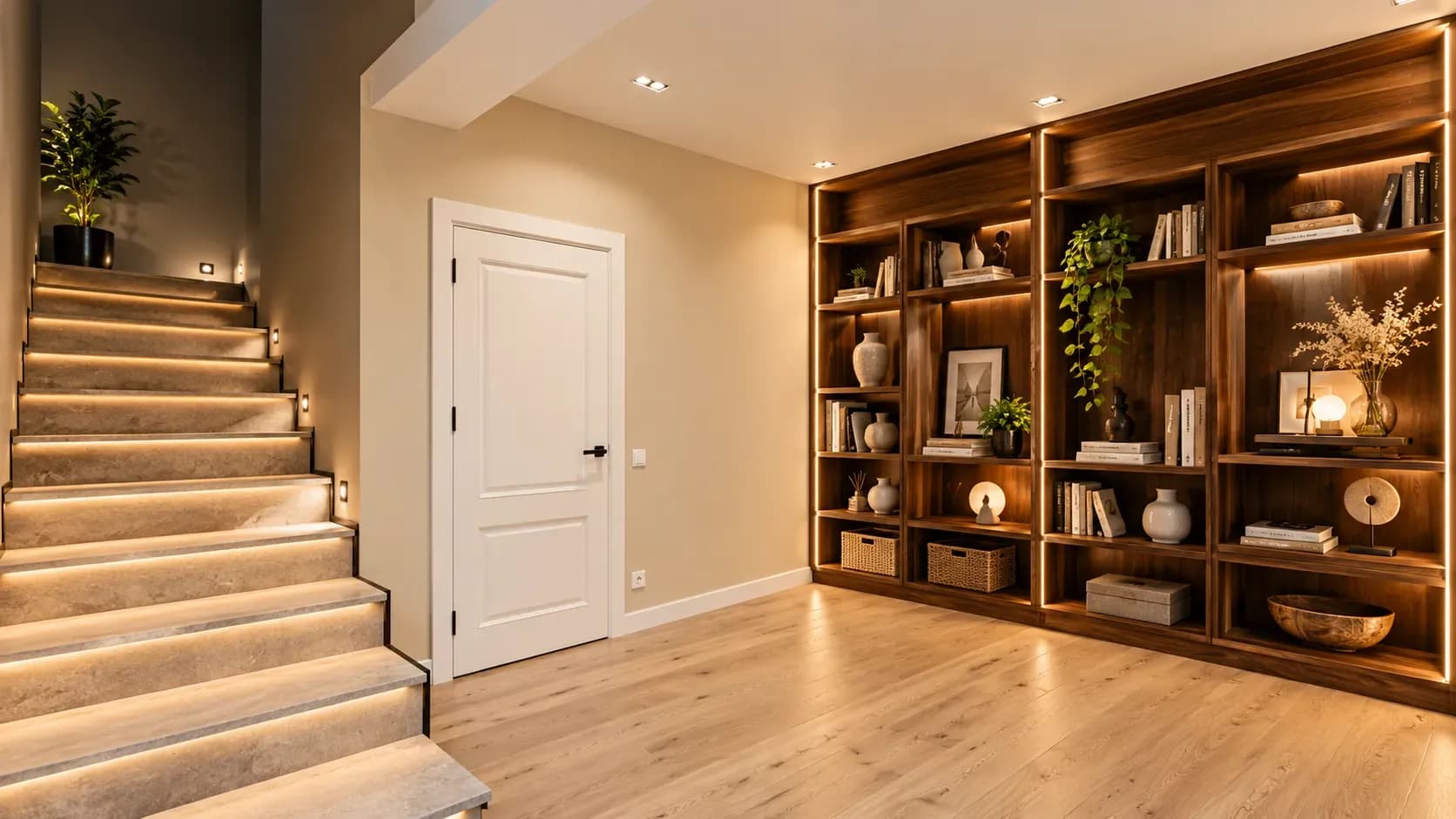
23 Oct 2026|5 min readA well-planned basement can become a practical extension of the home when moisture, ventilation, lighting and access are addressed first. From home theatres and gyms to guest rooms, offices and organised storage, basement interior design should reflect how the space will actually be used. Thoughtful layouts, moisture-resistant finishes and layered lighting can also make lower-ground spaces feel brighter, safer and more comfortable.
23 Oct 2026|5 min readVictorian house interior design can work well in compact Indian homes when you use decorative elements selectively. Lighter colours, restrained mouldings, slimmer furniture and controlled patterns help retain Victorian character without making rooms feel crowded. Modern storage, practical lighting and careful space planning can make the style more suitable for everyday living.
21 Oct 2026|5 min readThoughtful villa interior design creates continuity across large homes without making every room look identical. Repeating select materials and colours, planning circulation, balancing social and private zones, and using lighting strategically can help each space feel connected. Also consider corridors, landings, storage, and room-specific needs as part of the overall plan.
16 Oct 2026|5 min read


Your Home Makeover Starts Here.