Planning the interiors of a Mumbai home usually starts with the same question: how much is this actually going to cost? And honestly, there isn't one number that works for every home. Home interior design costs can vary widely based on the apartment size, the number of rooms, materials, custom furniture, civil work, and, of course, how much you want done.
So, how much does an interior designer cost in Mumbai? It depends on the actual scope of your home, not a generic city-wide figure.
The first thing to figure out is what you actually want in your home. Designing a kitchen and a couple of wardrobes is one thing. Taking a home from an empty shell to a finished, move-in-ready space is another.
This is why asking only how much an interior designer in Mumbai costs can be misleading. A more useful question is what the quoted investment covers and whether those inclusions actually meet your household's needs.
A 1 BHK flat interior design cost in Mumbai won't usually follow the same pattern as a larger 2BHK or 3BHK. In a smaller home, every piece of furniture has to earn its place. You may need a wardrobe that uses the full height of the wall. A compact study desk should fit into the bedroom without making the room feel crowded. Storage under the bed, overhead cabinets or a multifunctional TV unit can make a noticeable difference.
Interior design costs for a 2 BHK in Mumbai depend heavily on how each room will be used. Is the second bedroom for children? Does it need a study setup? Will it need a full wardrobe or occasional-use storage?
A 3BHK naturally brings more scope into the picture. The 3 BHK interior design cost in Mumbai can increase when you plan multiple wardrobes, a complete kitchen, a study area, false ceilings, layered lighting, additional storage, and customised furniture throughout the home.
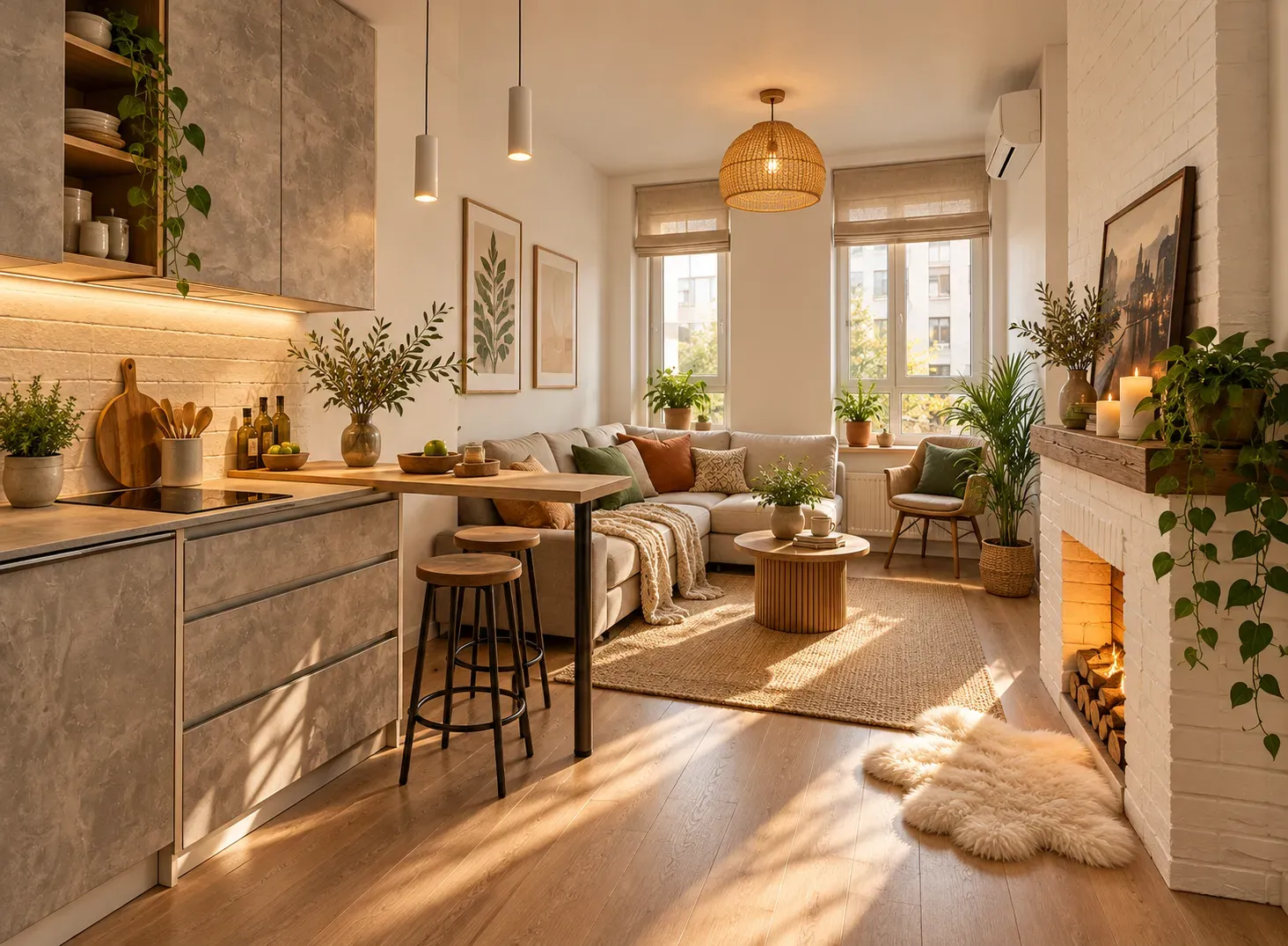
Mumbai apartments often have compact rooms, narrow passages and limited storage. Older buildings can add another layer of complexity, particularly when walls aren't perfectly even, or access for materials and workers is restricted.
Humidity can affect how certain materials and finishes perform, especially in kitchens, wardrobes, and other built-in areas. Don't base material selection on appearance alone. Durability matters when you're planning furniture that you expect to live with for years.
Ventilation is another detail that's easy to overlook. A tall storage unit may look great on paper, but if it interferes with airflow or makes a room feel boxed in, it's probably not the right solution.
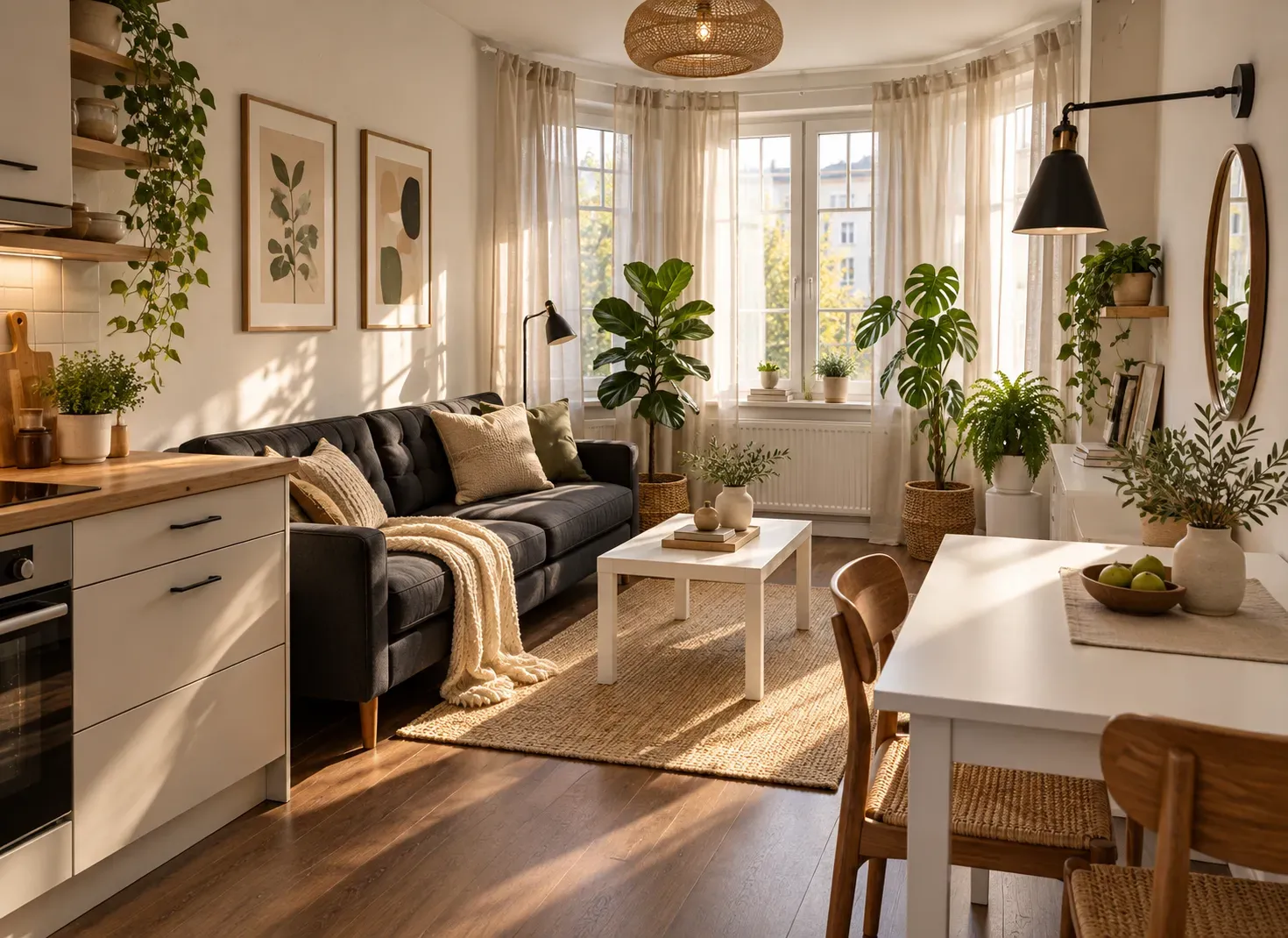
Lowering the home interior design cost doesn't always mean picking the least expensive option available. Sometimes, spending a little more in the right place saves you from replacing something later. Kitchen hardware, frequently used wardrobes, and high-touch surfaces are good examples. These areas take a beating so durability can matter more than a small upfront saving.
The same thinking applies to colour and lighting. In a compact room, lighter shades can help maintain a sense of openness, while stronger colours can work nicely as accents instead of overwhelming the entire space.
Lighting needs a bit of thought too. A bedroom generally benefits from softer, warmer illumination, while a study desk or kitchen counter needs focused task lighting. Layering ambient, task and accent lighting can make a home feel more comfortable without turning every ceiling into a collection of spotlights.
Before choosing finishes or getting too attached to a Pinterest-worthy feature wall, divide your requirements into a few simple categories. Must-haves come first. Think of kitchen, wardrobes, essential storage, beds and the furniture your household genuinely needs.
Then come the non-essentials that are nice to have. That could be a fluted TV wall, decorative lighting, a crockery unit or a statement finish. You can add these depending on what remains in the budget.
It also helps to decide where you have strong material preferences. You may care deeply about kitchen finishes but be perfectly happy with a simpler finish in a secondary area. And don't spend every rupee on the initial plan. Keep some contingency for site conditions, changes or unexpected execution requirements.
The goal is to make home interior design costs work for your lifestyle, rather than letting the budget dictate every decision blindly.
Bonito Designs is an interior design company that approaches home interiors through its LifeDesign philosophy, which starts with the people living in the home. Your morning routine, storage habits, work requirements, children's study needs, entertaining style, and everyday priorities all have a place in the design conversation.
That matters particularly in Mumbai, where layouts can be compact, and storage is often at a premium. Bonito Designs brings deep experience with local city layouts and the practical challenges that come with them.
If you need to manage your interior design costs while still getting a home built around the way you live, book a consultation with Bonito Designs today.
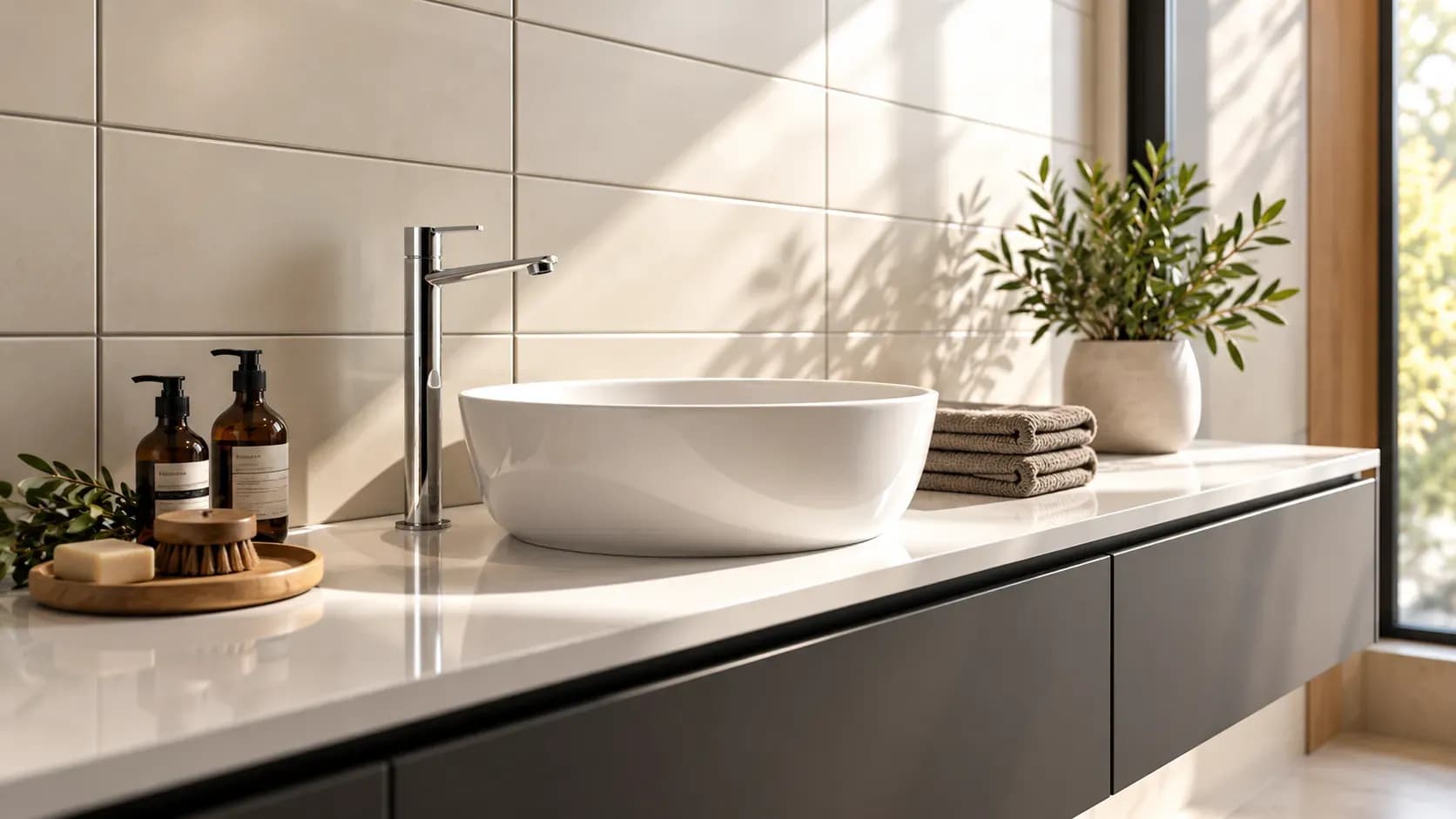
Accessories, textures and finishes are all essential to modern bathroom decor, especially when smaller details need to feel connected. However, useful modern bathroom decor ideas also account for moisture, cleaning and storage so the room remains practical every day.
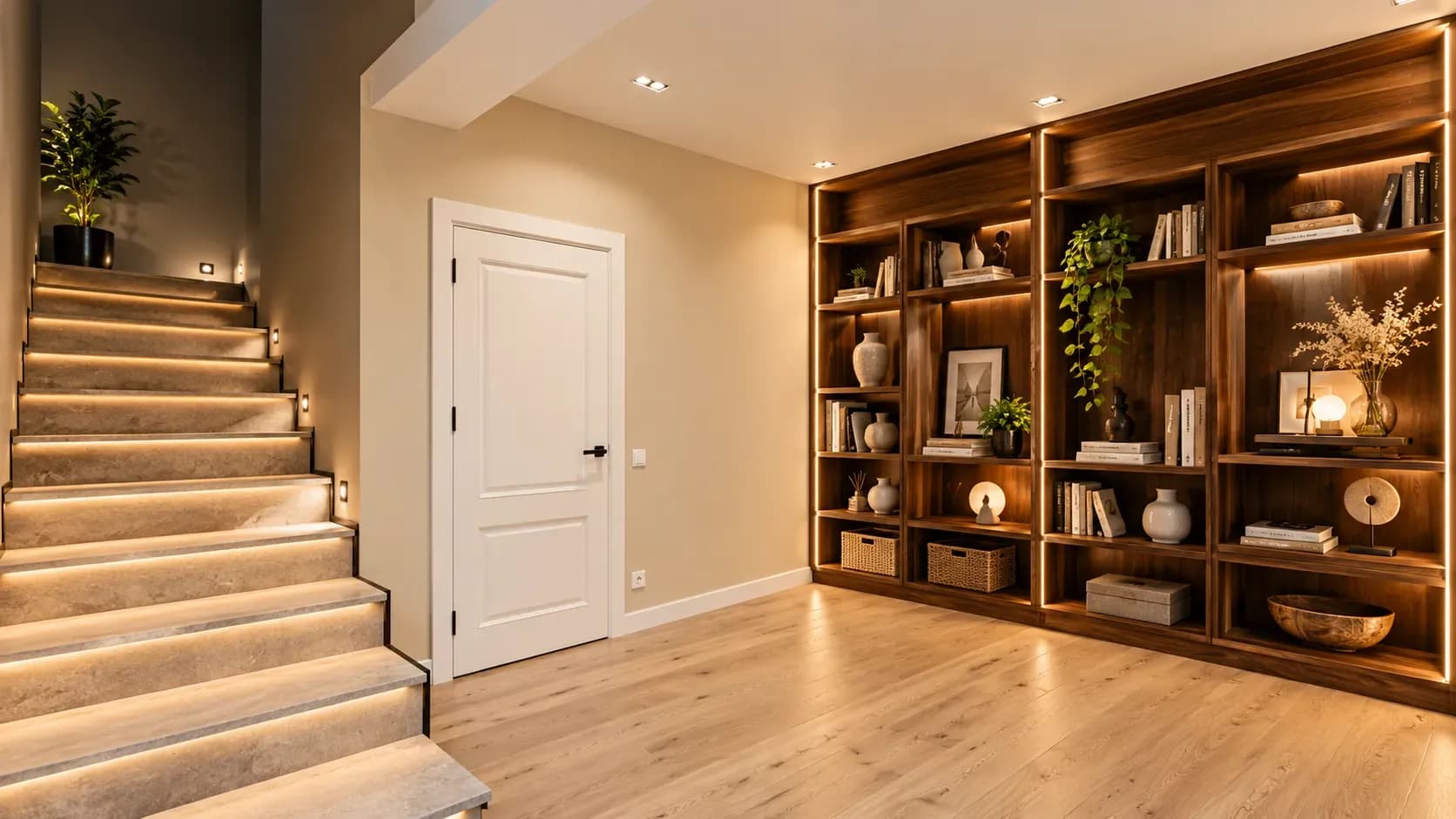
23 Oct 2026|5 min readA well-planned basement can become a practical extension of the home when moisture, ventilation, lighting and access are addressed first. From home theatres and gyms to guest rooms, offices and organised storage, basement interior design should reflect how the space will actually be used. Thoughtful layouts, moisture-resistant finishes and layered lighting can also make lower-ground spaces feel brighter, safer and more comfortable.
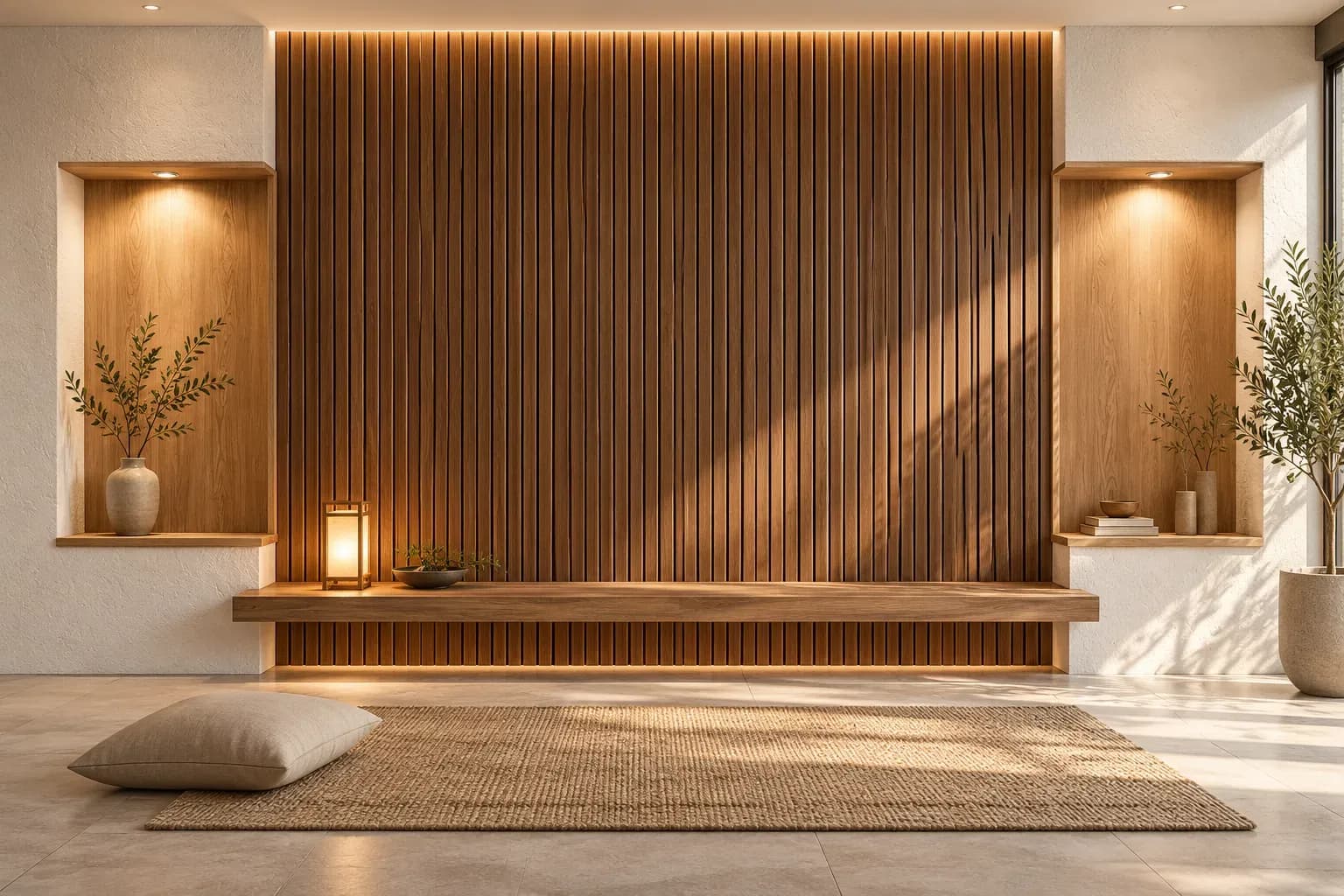
23 Oct 2026|5 min readWood and stone can both strengthen interior wall ideas by adding warmth, texture and depth, but their visual weight needs careful control. In a balanced wall design, one material can lead while the other supports it through smaller accents, matching undertones, and considered lighting.
22 Oct 2026|5 min read


Your Home Makeover Starts Here.