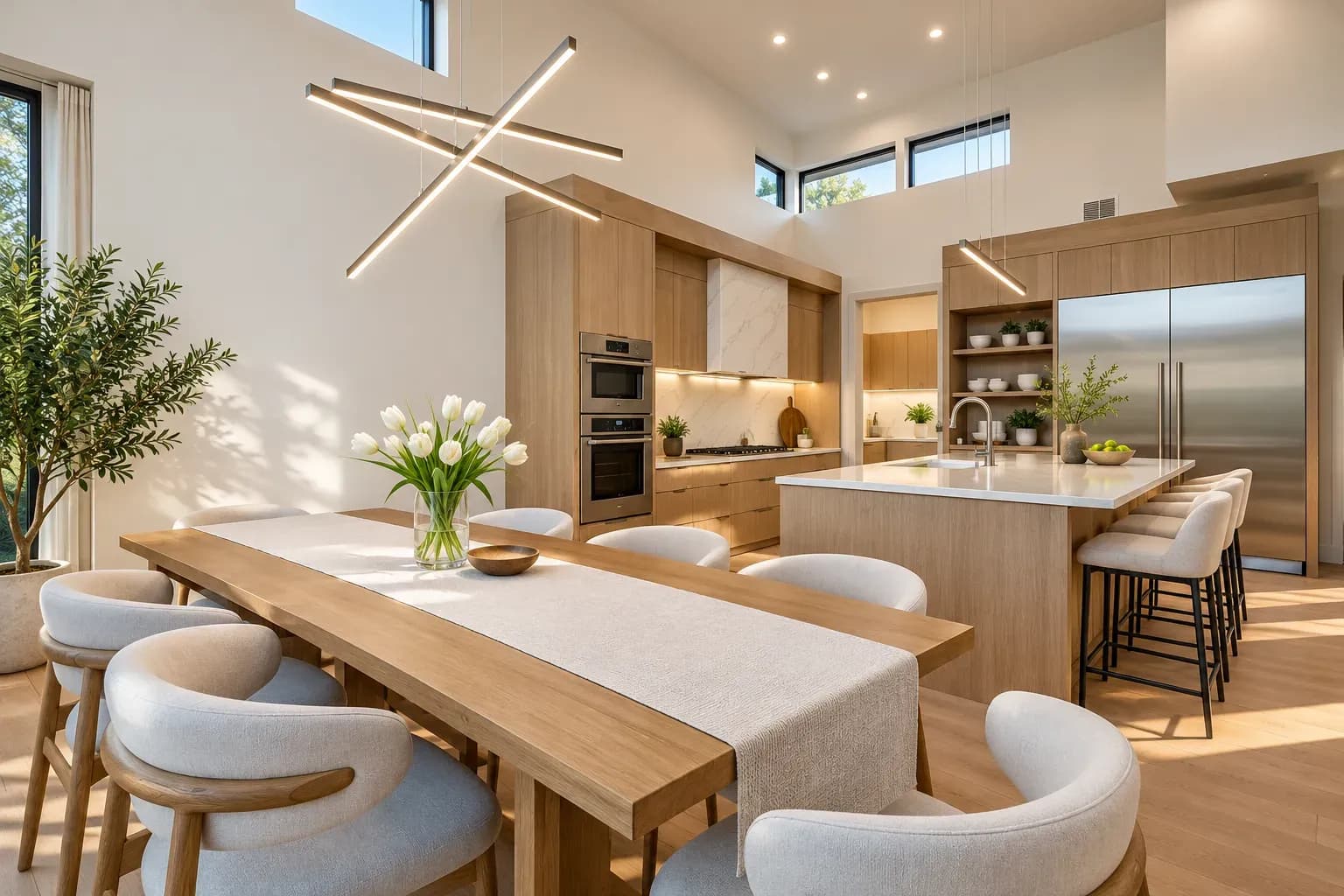
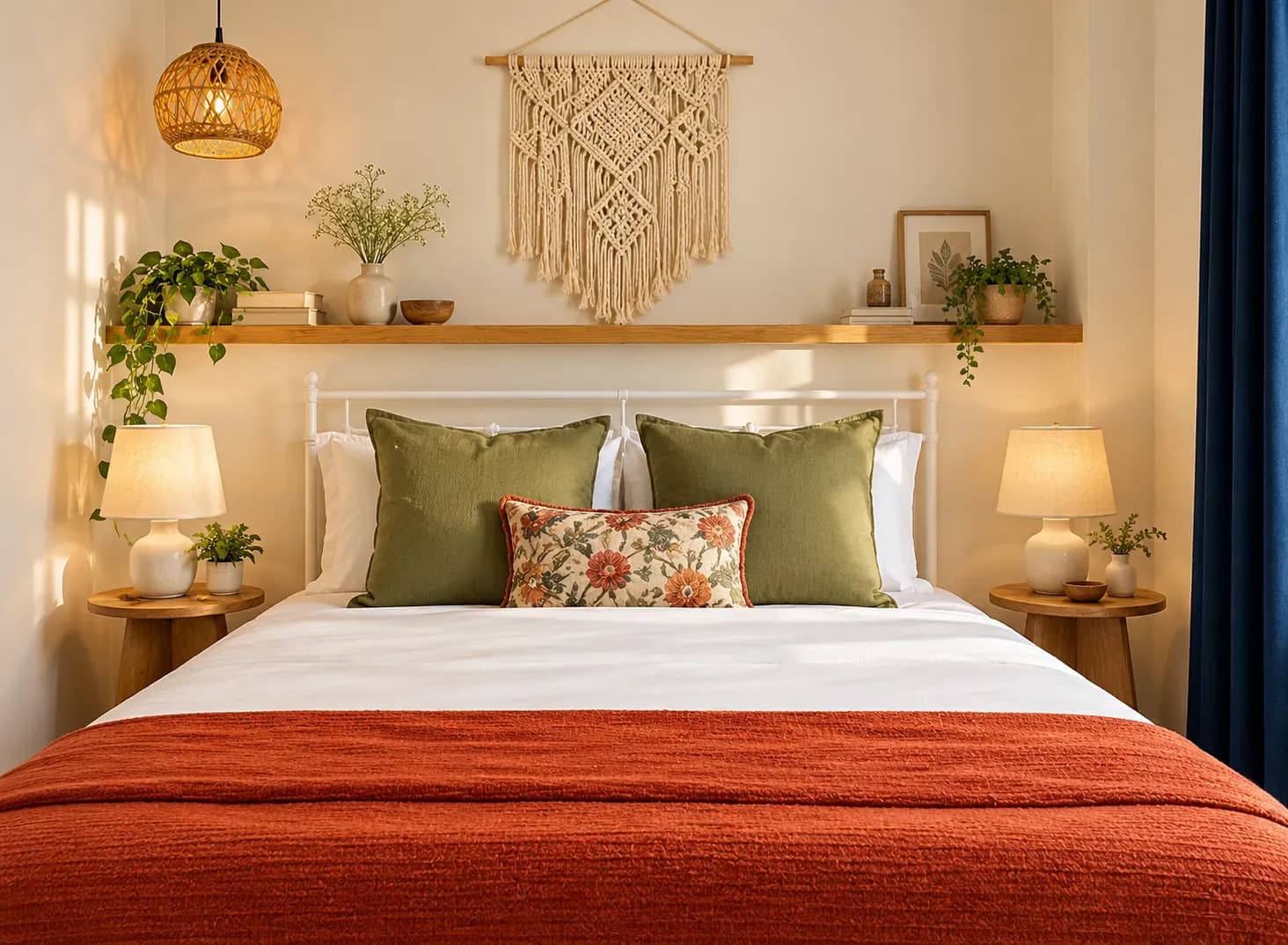
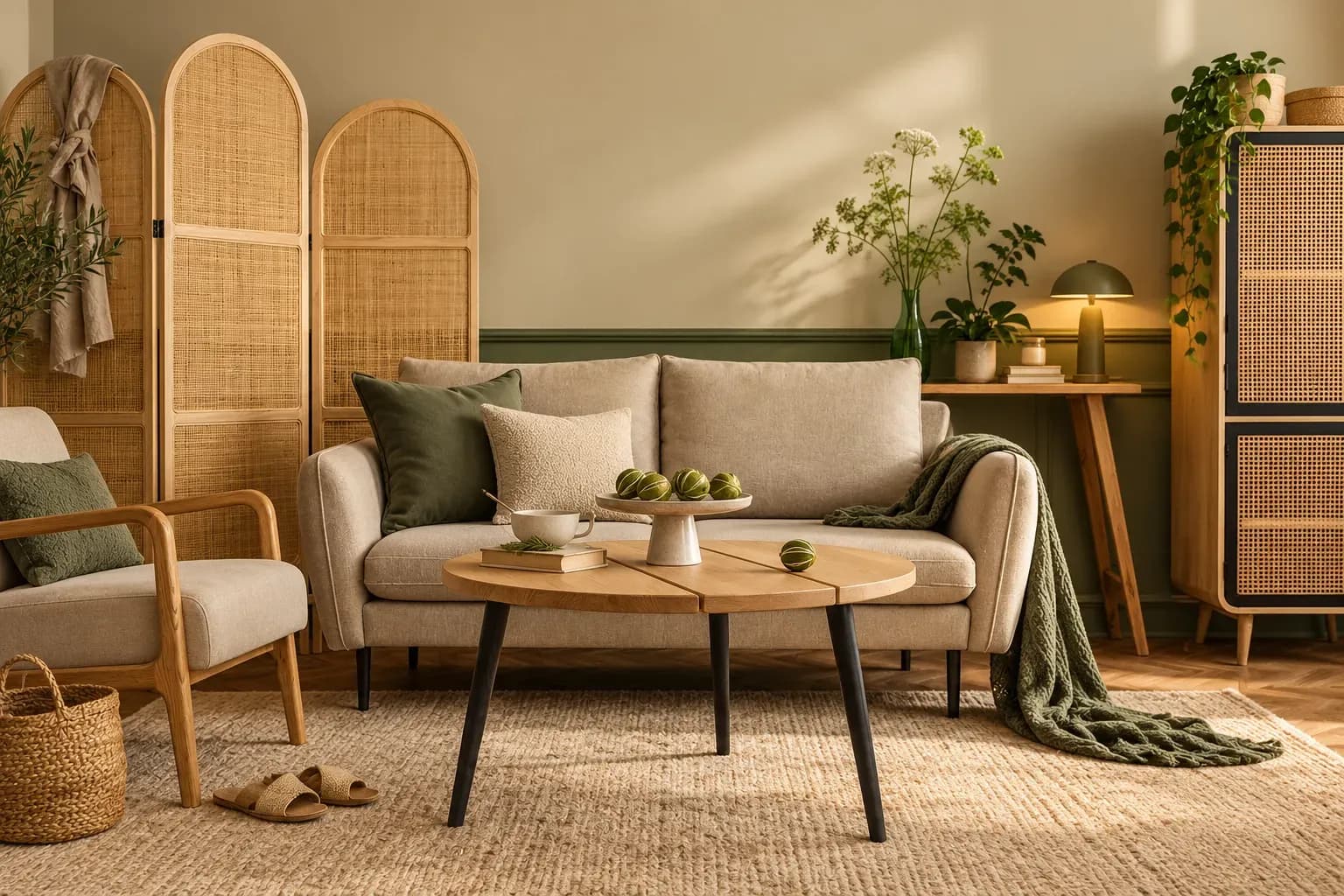
Premium-looking modern interior design is less about spending more and more about making deliberate choices across materials, lighting, layout, and decoration. Natural finishes, layered lighting, restrained styling, and correct proportions can make a home feel more considered and high-end. Planning colour, materials, lighting, and layout together can create homes that look premium while still feeling comfortable to live in.
The homes that look expensive are not always the ones with the biggest budgets. They are the ones where someone deliberately decides what goes in the room, what stays out, and how every element relates to the others around it.
Modern interior design works on a simple principle: a few things done exceptionally well will always outperform a room full of things done adequately. That is the difference between a home that looks considered and one that looks spent on.
Paint is one of the least important elements of a room when viewed in isolation. What makes the interiors of a modern house look genuinely premium is the quality and variety of the materials at play.
The principle is the same across all of these: natural materials and finishes are considered expensive in modern interior design because they are visually richer than their alternatives, regardless of what they actually cost.
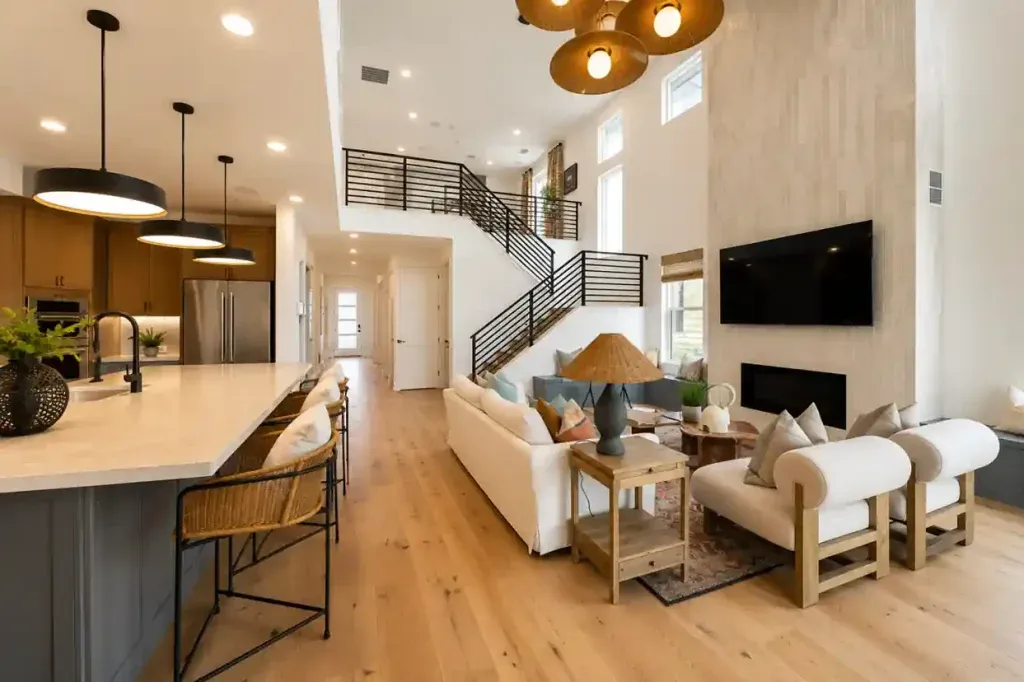
Walk into any room that feels premium and look at the lighting. It is almost never a single overhead fitting. Modern interior design that looks high-end uses light the way good architecture uses space: deliberately, in layers, with each source serving a specific purpose.
In apartments where evening natural light fades early, or in homes where building density limits how much daylight reaches the interior, layered artificial lighting is not a luxury upgrade. It is what makes the room livable and visually rich.
Overdecoration is the most common reason that interior design for a modern home fails to look premium. Every surface covered, every shelf filled, every wall used. The room looks busy rather than considered.
The approach that consistently works better: choose one or two pieces that genuinely hold the room and let everything else recede.
Interior decoration ideas for a modern home that rely on many small decorative objects rarely achieve the premium feel that one or two strong pieces deliver. Scale matters. Confidence matters. A room that commits to a few decisions reads as if it were designed. One that hedges with many small ones reads as assembled.
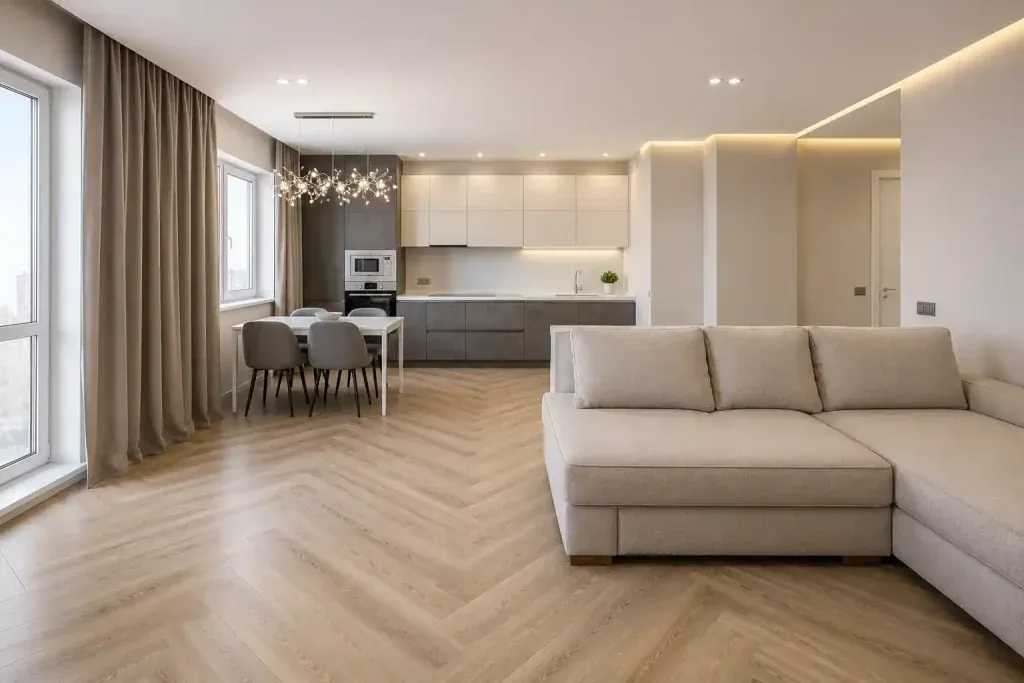
A room can have excellent materials, good lighting, and a coherent palette and still not look expensive if the furniture is at the wrong scale or arranged without logic.
Furniture that is too small for a room looks provisional. Furniture pushed against all four walls makes it look like a waiting room. These are layout problems that are entirely fixable without spending a dime.
The gap between a home that looks expensive and one that does not is almost always a design gap, not a budget gap. But closing that gap requires someone who understands how all of these variables interact, because the decisions do not work in isolation.
Modern interior design that looks genuinely premium comes from a process where colour, material, lighting, and layout are planned together from the start. Bonito Designs works this way across every project, applying the Life Design philosophy that a home should reflect how its owners actually live, not just how it photographs. A premium-looking home that does not function for the household it belongs to has not done its job.
If you want your home to look considered and feel premium, book a consultation with Bonito Designs today.
A well-planned small 2 BHK flat interior design should prioritise clear walkways before placing furniture or adding décor. Mapping natural movement paths, choosing appropriately scaled furniture, and using space-saving storage can make compact homes feel more comfortable and spacious. Consider daily routines, circulation, storage, and lifestyle needs together to create a home that works.
19 Oct 2026|5 min readA second bedroom in a 2 BHK can become far more useful when you plan it around everyday routines rather than keeping it only for occasional guests. Convertible furniture, smart storage, layered lighting, and flexible layouts can help the room support work, hobbies, fitness, or relaxation. By planning for both present needs and future changes, couples can create a multipurpose space that remains practical over time.
19 Oct 2026|5 min readA successful 2 BHK flat interior design project depends on clear scope, timely approvals, accurate measurements and proper sequencing of work. Plan procurement, modular production, and site execution around key dependencies to avoid delays. Regular reviews and systematic snag checks help keep the interior design project timeline on track.
17 Oct 2026|5 min read


Your Home Makeover Starts Here.