In most homes, what you remember isn’t the square footage. It’s slippers kept by the front door, the pressure cooker’s whistle, or the balcony that steals a bit of breeze after a long day. And in a city like Mumbai, which is stacked with old buildings and glass towers, your home should be a space that restores you - where light, comfort and familiarity finally take over.
That's why, when you're looking for the best interior designers in Mumbai, it's rarely about chasing a label. You want someone who understands your building plan, preferences, lifestyle, and routines - and then turns it all into a space that feels modern, rooted and unmistakably personal.
So, if you want to understand how the city’s leading designers capture Mumbai’s rhythm, and how that philosophy can help you shape a home that is truly yours, this article covers it all.
The most memorable modern Indian home interiors in Mumbai balance clean lines with familiar warmth. They respect the need for an uncluttered space but still leave room for stories: heirloom brass, travel souvenirs, family photos, and the slightly crooked book stack no one really wants to fix.
The best interior designers in Mumbai understand that city-style interior décor often means pairing a neutral shell with details that nod quietly to the city and its cultures. A calm living room anchored by an artwork of old Mumbai, cane-backed chairs by the window, or textiles in colours that echo the city - there are many ways to make a space feel modern yet unmistakably local.
When modern interior design stays grounded, it doesn’t feel imported or detached. It feels like your life right now, layered over memories of where you’ve come from and the routes this city has taken you through. But beyond the aesthetic cues, Mumbai influences interior design in deeper, structural ways, too.
In Mumbai, interior design trends don’t start on mood boards; they start in narrow passages, lift lobbies and balconies doing double duty as laundry lines and small escapes. After all, it’s the city’s lifestyle and realities, with its mix of old-school layouts and new glass towers, that guide how the best designers imagine a home.
Since Mumbai is always humming in the background, many people lean towards home interior design styles that gently turn the volume down. Calm doesn’t have to mean stark; it simply means giving your eyes and mind places to rest.
From structure to light, here are the trends that the best interior designers in Mumbai follow to create a space inspired by the way the city lives:
Columns, ducts, and fixed shafts in towers rarely move, so the best interior designers in Mumbai learn to work around them. Smart layouts respect structural walls, awkward corners, and fixed service zones, turning otherwise unused pockets into storage or study spots rather than fighting the architecture.
Thoughtful interior designers in Mumbai begin with paths, not pieces. How do you navigate a narrow corridor when you’re carrying things home? How do you move between the kitchen and living area quickly when guests are over, without breaking the flow of hosting? When circulation is planned well, even a modest 2BHK stops feeling like it’s arguing with your day.
The rise of hybrid work and busy households means rooms rarely serve just one role. A dining area that doubles as a homework zone or a passage that becomes a slim study ledge reflects interior design trends shaped by real routines, not just by pictures online.
A single living room can hold two energies: one side for guests and conversation, another for reading or a quiet cup of tea. But the same idea applies across the home - a study corner carved out of a bedroom, or a dining space that also works for work calls. That’s why the best interior designers in Mumbai know how to use rugs, lighting and furniture placement to create these zones without putting up walls, so homes feel luxurious yet stay flexible.
In a dense city, every extra object is something your eye has to process. Designers who understand Mumbai are careful about what comes in: a few well-chosen pieces, good storage, and clear surfaces usually serve you better than a dozen accents competing for attention.
In a humid, hard-working climate, modern interior design choices must be practical and elegant. Engineered wood, easy-to-clean finishes, and well-placed task lighting create comfort that lasts longer than a single trend colour or pattern.
Floor plans are nudged to keep windows clear, cross-breezes open, and natural light travelling through shared spaces. Lower partitions, sheer curtains, and furniture heights stop daylight at the window from dying on the sofa. In Mumbai, this may be the greatest luxury of all.
When design listens to the city’s lifestyle and the bones of the building instead of fighting them, homes start feeling intuitive. That’s why the best interior designers in Mumbai quietly solve for flow first and let the trends follow later.
For the team at Bonito Designs, philosophy isn’t about following interior design trends. It begins with understanding where you live, how you move and what makes a space feel naturally yours.
In a city that squeezes time, space and attention, the homes that stay with you are the ones shaped around real routines. When the approach reflects how the best interior designers in Mumbai think, homes stop feeling temporary and start feeling intentional.
At Bonito Designs, the starting point is always the homeowner’s everyday life - how they move, unwind, work and host. When those real patterns guide the plan, the home naturally supports the family’s rhythm instead of working against it.
A home works best when it’s shaped around the way you actually live - your routines, your building, your light, your pace and the unmistakable rhythm of the city. That’s why choosing the best interior designers in Mumbai matters: you need someone who thinks deeply about how movement, structure and comfort can transform even the most compact space into something personal and lasting.
If you’re ready to explore what your own home could become, Bonito Designs offers a consultation that starts with listening: to your needs, your rhythms and the city you call home. Book a call to begin shaping a space that finally feels like it was meant for you.
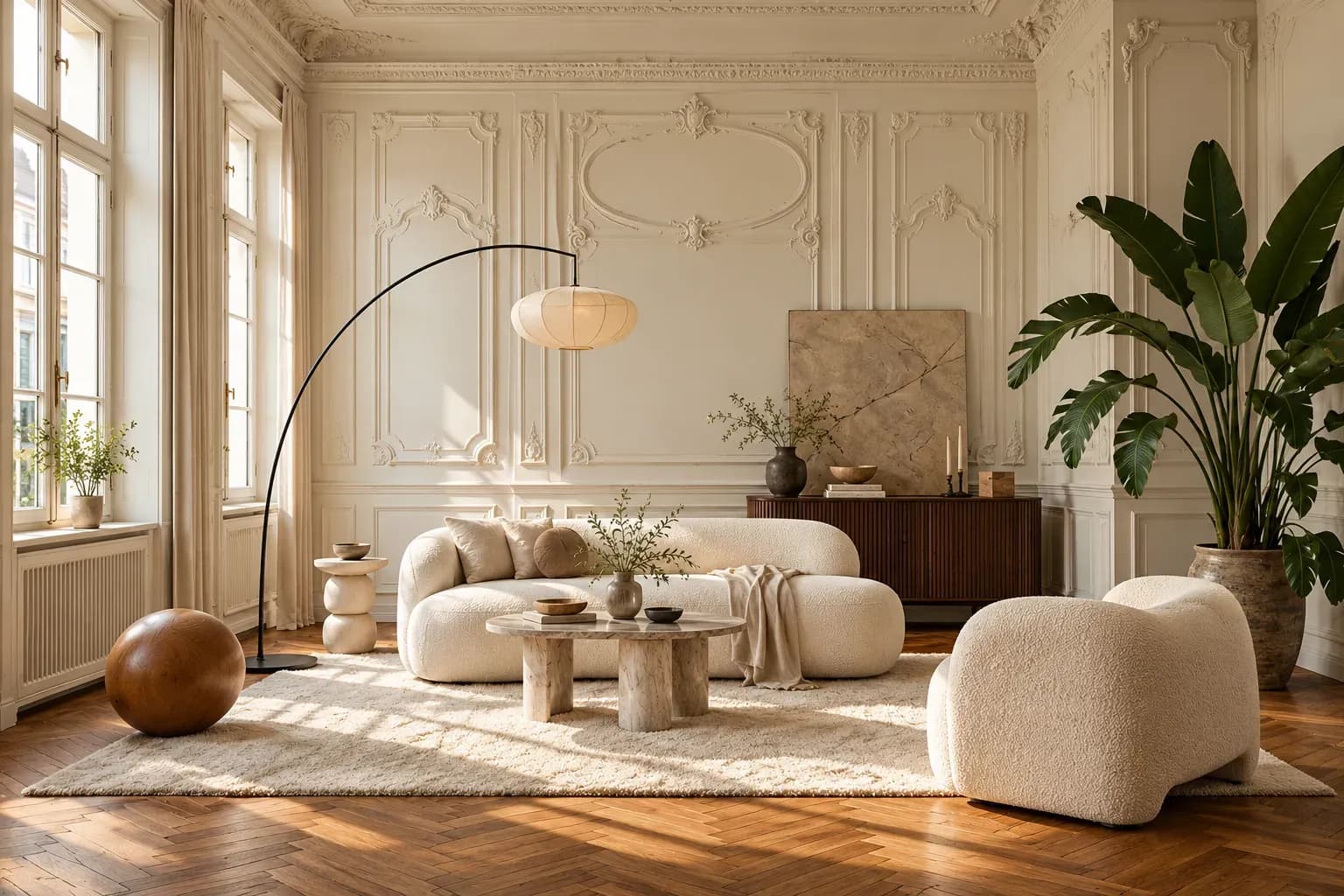
Both modern classic interior design and transitional design combine classical references with contemporary furniture, storage and lighting. However, modern classic rooms retain more symmetry and formality than transitional spaces. This article covers how transitional interior design differs across furniture, mouldings, colours, materials, lighting and maintenance, along with practical guidance for choosing between the two styles.
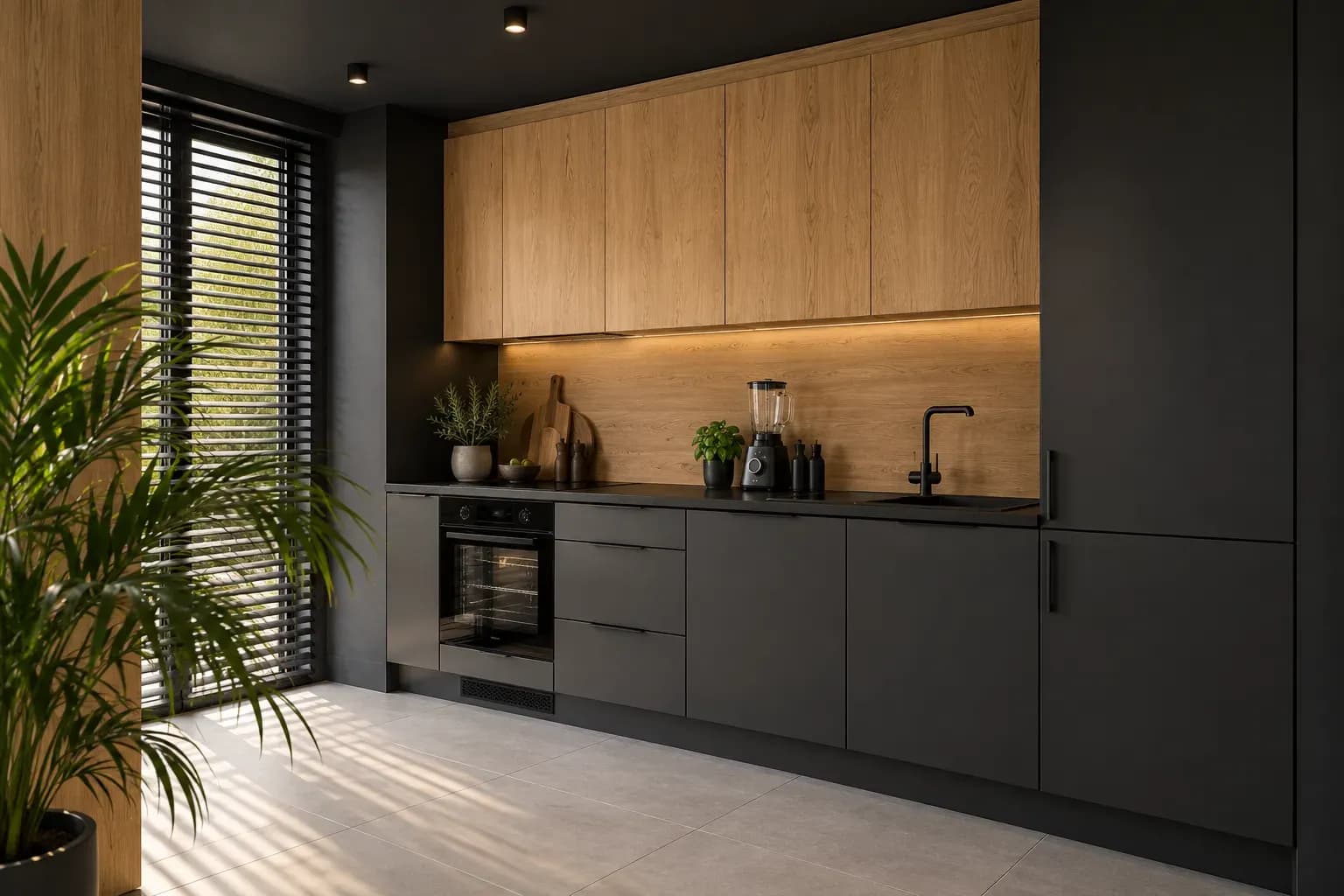
24 Oct 2026|5 min readKitchen interior design cost depends heavily on cabinet materials, core boards, hardware, storage accessories, and the level of customisation. Materials such as laminate, acrylic, veneer, membrane, and PU vary considerably in price, durability, appearance, and maintenance. A well-planned kitchen budget should therefore balance upfront cost with long-term performance and everyday use.
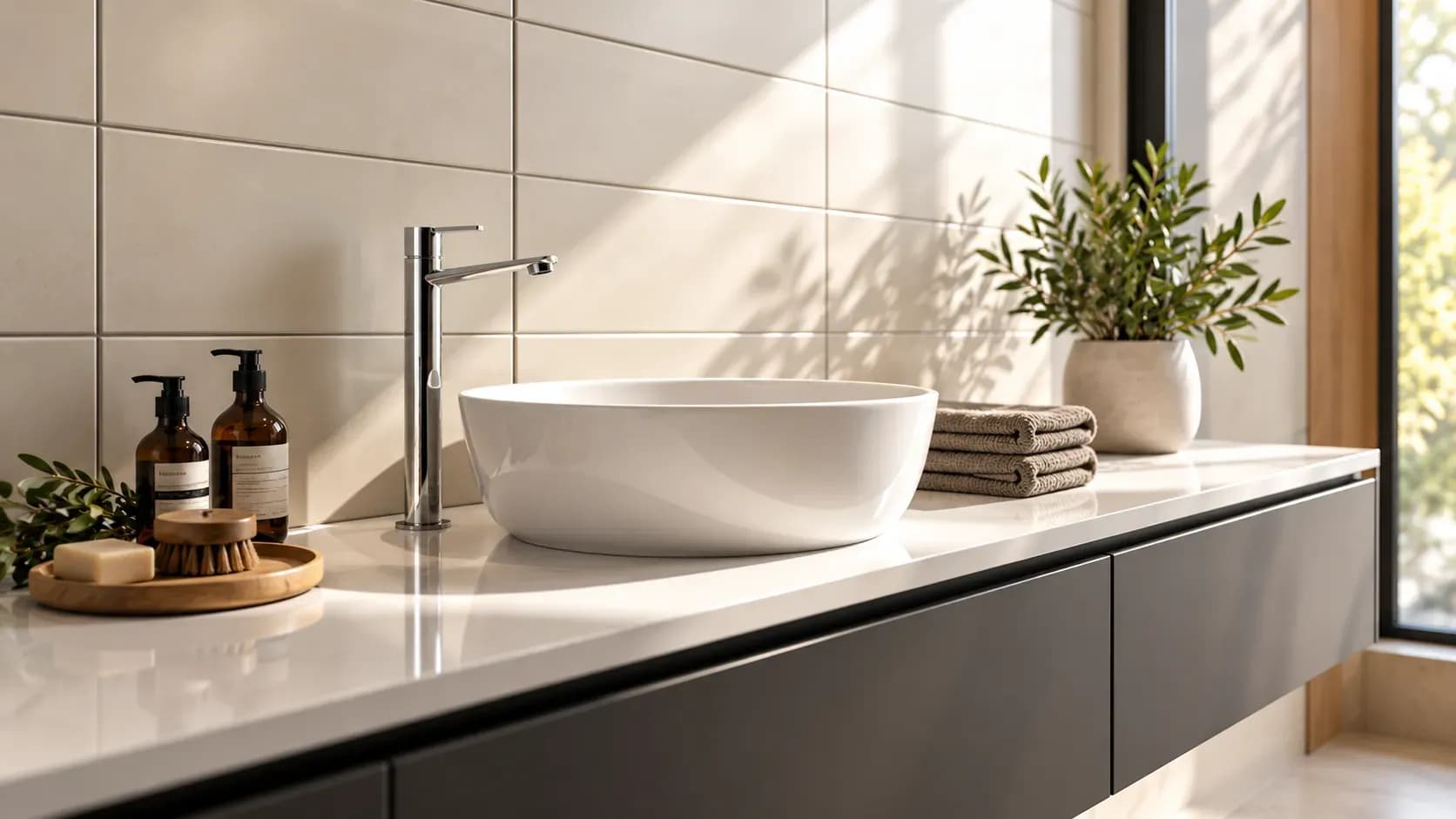
24 Oct 2026|5 min readAccessories, textures and finishes are all essential to modern bathroom decor, especially when smaller details need to feel connected. However, useful modern bathroom decor ideas also account for moisture, cleaning and storage so the room remains practical every day.
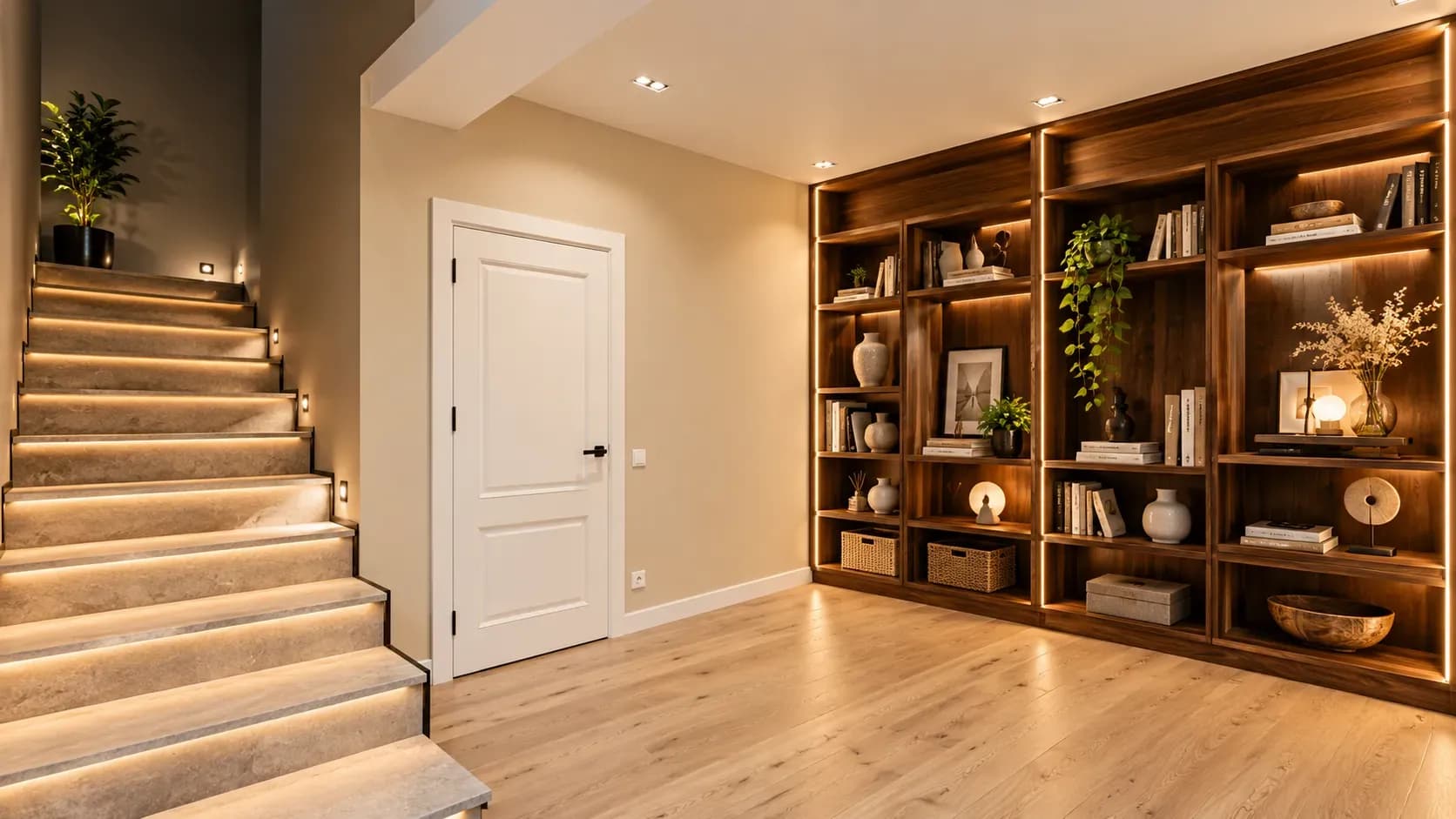
23 Oct 2026|5 min readA well-planned basement can become a practical extension of the home when moisture, ventilation, lighting and access are addressed first. From home theatres and gyms to guest rooms, offices and organised storage, basement interior design should reflect how the space will actually be used. Thoughtful layouts, moisture-resistant finishes and layered lighting can also make lower-ground spaces feel brighter, safer and more comfortable.
23 Oct 2026|5 min readVictorian house interior design can work well in compact Indian homes when you use decorative elements selectively. Lighter colours, restrained mouldings, slimmer furniture and controlled patterns help retain Victorian character without making rooms feel crowded. Modern storage, practical lighting and careful space planning can make the style more suitable for everyday living.
21 Oct 2026|5 min readThoughtful villa interior design creates continuity across large homes without making every room look identical. Repeating select materials and colours, planning circulation, balancing social and private zones, and using lighting strategically can help each space feel connected. Also consider corridors, landings, storage, and room-specific needs as part of the overall plan.
16 Oct 2026|5 min read


Your Home Makeover Starts Here.